Microcontrollers & dev boards: Choose a Board for a Prototype, Wireless Tool, or Batch Build
Compare four microcontrollers & dev boards by listed price, project format, and interface: the Raspberry Pi RP2350A, two ESP32 choices, and the Arduino-oriented Teensy 4.1.
Last updated Oct 7, 2026
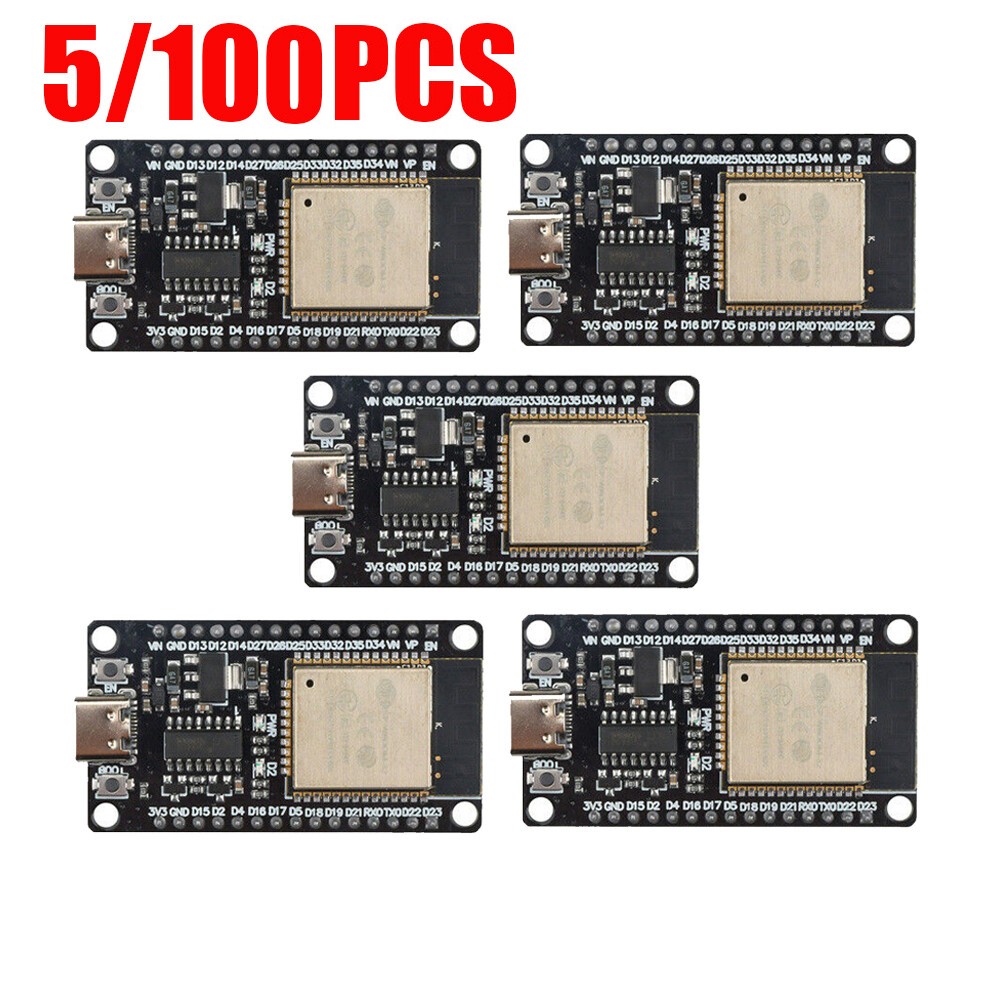
ESP32 WROOM-32 Type-C CH340C Development Board Dual Core WiFi Bluetooth 5/100PCS
$549.99Listed at review time
Affiliate disclosure: We may earn a commission if you buy through links on this page, at no extra cost to you. Confirm live price, stock, and return terms on the seller page. Affiliate disclosure.
Choosing among microcontrollers & dev boards gets tricky when a simple prototype, an Arduino-oriented project, a wireless tool, and a batch build all point toward different hardware. The useful shortcut is to decide what must define the project first: USB and architecture, wired storage and networking, touchscreen and radio modules, or quantity.
Quick take
Four buying paths emerge: the lowest listed price, an Arduino-oriented board with named wired extras, a handheld wireless analysis tool, or a multi-board ESP32 order. Match the project format before comparing processor numbers. The listed-price spread is $532.21, so a batch requirement can change the decision more than isolated technical specifications.
Listed-price comparison
| Board | Listed price | Price bar | Practical fit |
|---|---|---|---|
| ESP32 WROOM-32 Type-C CH340C Development Board Dual Core WiFi Bluetooth 5/100PCS | USD 549.99 | 100-piece ESP32 build | |
| Raspberry Pi RP2350A USB Development Board Dual-Core Dual-Architecture Type A US | USD 17.78 | USB-centered embedded work | |
| ESP32-DIV V2.0 WiFi+Bluetooth NRF24 ESP32 Development Board Wireless | USD 91.99 | Handheld wireless analysis | |
| PJRC Teensy 4.1 iMXRT1062 Microcontroller Development Board w/ SD Card, Ethernet | USD 30.00 | Arduino-oriented embedded build |
Decision matrix
- Lowest listed price: Raspberry Pi RP2350A at USD 17.78. It is the direct choice when the starting price takes priority.
- Batch purchasing: ESP32 WROOM-32 Type-C CH340C, whose title specifies 100PCS. That format is aimed at projects needing matching ESP32 boards.
- Handheld wireless analysis: ESP32-DIV V2.0, with the project role and wireless hardware clearly named.
- Arduino-oriented embedded work: PJRC Teensy 4.1, identified with the Arduino platform and a model name that is easy to distinguish.
ESP32 WROOM-32 Type-C CH340C Development Board Dual Core WiFi Bluetooth 5/100PCS
The main reason to choose the ESP32 WROOM-32 Type-C CH340C Development Board is its stated 100PCS quantity. The title also names dual-core WiFi and Bluetooth, while the configuration specifies Type-C ESP32 boards with CH340C and black pins. That combination points to a batch-oriented wireless build using matching boards. The limitation is the same quantity: a 100-piece format is a poor fit for a one-board experiment, and the listed price is the highest in this comparison. Choose it when repeatable ESP32 hardware matters more than a small starting order; the batch size is the decisive trade-off.
Raspberry Pi RP2350A USB Development Board Dual-Core Dual-Architecture Type A US
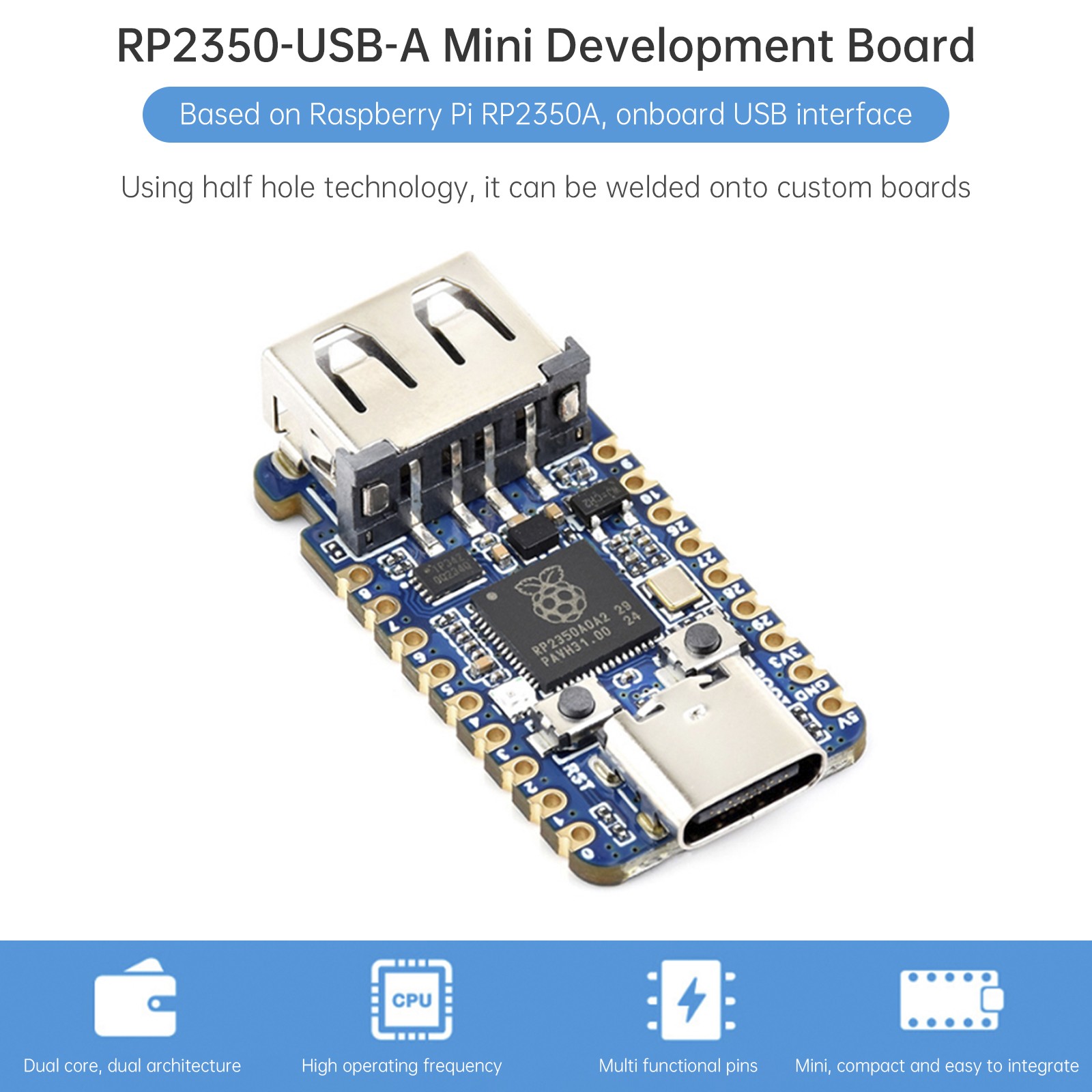
The Raspberry Pi RP2350A USB Development Board is the clearest choice when a low entry price and architecture flexibility matter. It combines a dual-core ARM Cortex-M33 processor with a dual-core Hazard 3 RISC-V processor, up to 150MHz, 520KB SRAM, and 2MB on-chip Flash. USB host and device support plus a USB expansion port keep the board centered on embedded USB work. Its limitation is integration style: the stamp-hole design is intended for welding into a custom baseboard. Choose it for a custom carrier-board project; that baseboard-oriented design is less direct for shoppers seeking a handheld wireless analysis tool or wired Ethernet-and-SD setup.
ESP32-DIV V2.0 WiFi+Bluetooth NRF24 ESP32 Development Board Wireless
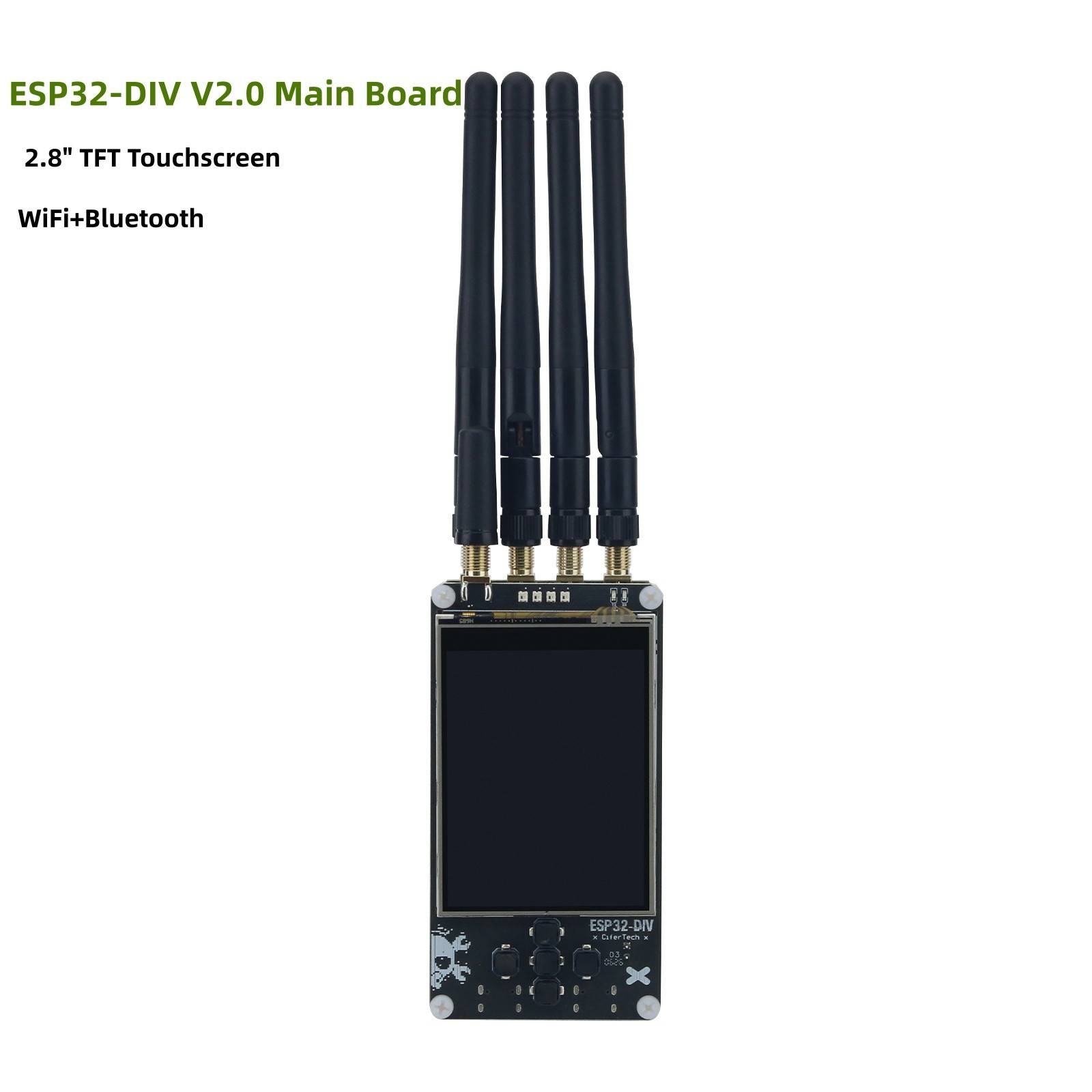
The ESP32-DIV V2.0 WiFi+Bluetooth NRF24 ESP32 Development Board is a clear match for a handheld wireless analysis tool. Its ESP32-S3 core is paired with 16MB Flash, a 2.8-inch ILI9341 TFT touchscreen, three NRF24L01 modules, one CC1101 sub-GHz transceiver, four WS2812B RGB LEDs, a buzzer, and IP5306 power management. That is a defined set of interface and radio components in one unit. The limitation is scale: the quantity is one unit, so it does not suit a 100-piece purchasing requirement. Choose it when the screen and multi-radio layout matter more than a basic development board.
PJRC Teensy 4.1 iMXRT1062 Microcontroller Development Board w/ SD Card, Ethernet
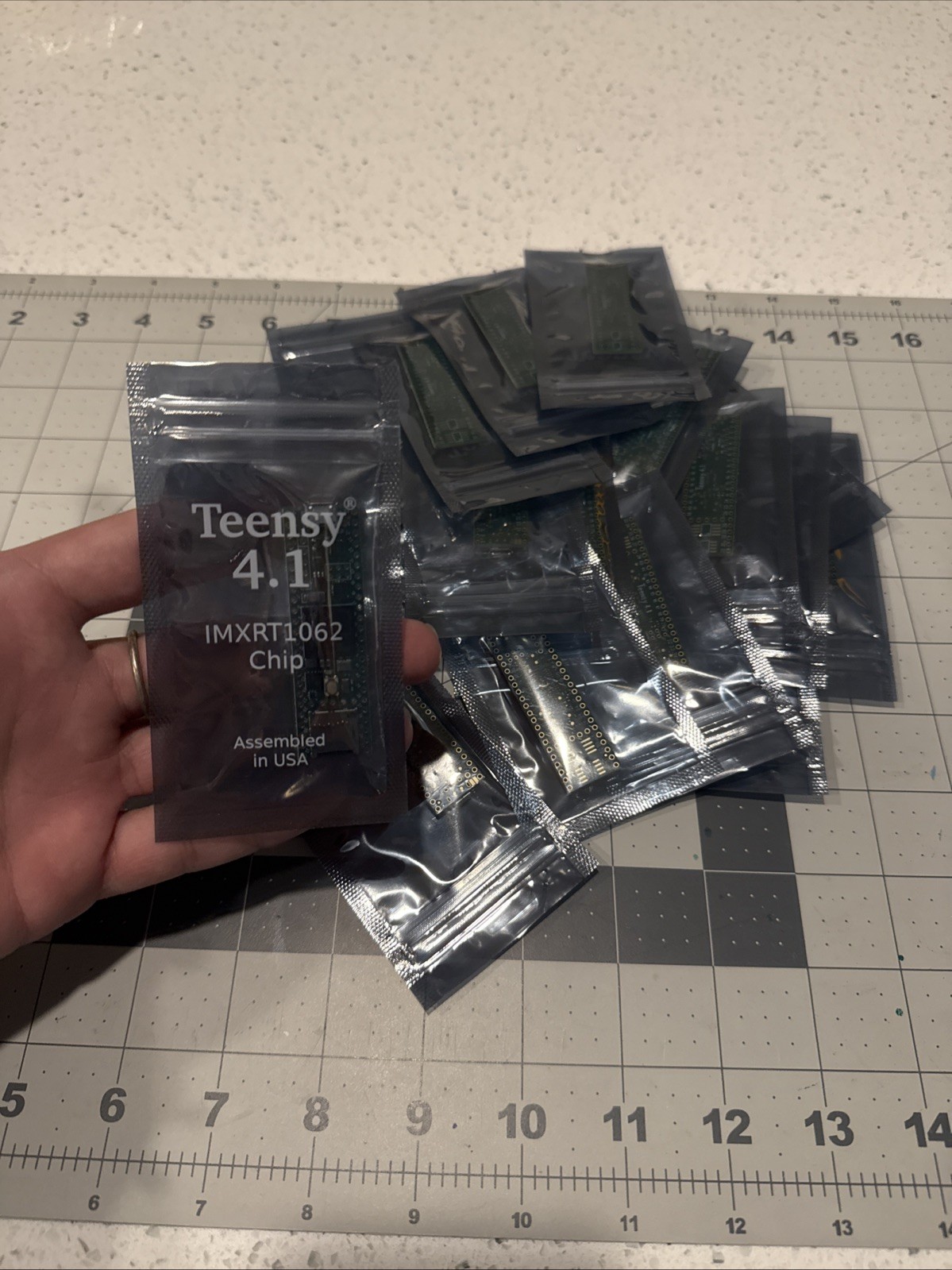
The PJRC Teensy 4.1 iMXRT1062 Microcontroller Development Board suits an Arduino-oriented embedded build that calls for named wired extras. The title specifies SD Card and Ethernet, while the model details identify an iMXRT1062 board with an ARM core, 8 MB RAM, and flash memory. Its limitation is feature direction: those named extras point to storage and wired networking rather than the multi-radio handheld design associated with ESP32-DIV V2.0. Choose Teensy 4.1 when the Arduino platform is the deciding cue; its USD 30.00 listed price also places it between the RP2350A and ESP32 choices.
Final recommendation by use case
- For the lowest upfront price: choose the Raspberry Pi RP2350A USB Development Board.
- For an Arduino-oriented build: choose the PJRC Teensy 4.1.
- For a handheld wireless instrument: choose the ESP32-DIV V2.0.
- For batch ESP32 purchasing: choose the ESP32 WROOM-32 Type-C CH340C board.
There is no single fit for all four jobs. Start with quantity when matching boards are central; otherwise, select the board whose stated project role aligns most closely with the build.
ESP32 WROOM-32 Type-C CH340C Development Board Dual Core WiFi Bluetooth 5/100PCS$549.99View on eBayRaspberry Pi RP2350A USB Development Board Dual-Core Dual-Architecture Type A US$17.78View on eBayFind Similar on eBayESP32-DIV V2.0 WiFi+Bluetooth NRF24 ESP32 Development Board Wireless$91.99View on eBayFind Similar on eBayPJRC Teensy 4.1 iMXRT1062 Microcontroller Development Board w/ SD Card$30.00View on eBayFind Similar on eBay