
Photos from current listings. Actual item, color, and included accessories may vary.
Arduino Uno Board Buying Guide
The Arduino Uno is an 8-bit ATmega328P development board with a standardized Uno R3 header layout, USB programming, and a 5V logic ecosystem. The primary trade-off is genuine vs. clone construction: genuine boards use an ATmega16U2 USB-serial bridge and resettable polyfuse, while many clones substitute CH340G/CP2102 bridges and omit protection circuitry. The decision rule is simple: buy a genuine or properly licensed board when USB reliability and long-term IDE compatibility matter, and accept a clone only as a cost-controlled spare with a known bridge chip.
Median $47.58
Key takeaways
- Genuine Uno R3 uses ATmega16U2 as USB-to-serial bridge; clones typically use CH340G or CP2102, requiring separate drivers on Windows and macOS.
- Uno R3 headers follow the Arduino Shield standard: 0.1-inch pitch, 2.54mm, with 5V/3.3V/GND/VIN power rails and 14 digital plus 6 analog pins.
- The ATmega328P provides 32KB flash, 2KB SRAM, and 1KB EEPROM at 16MHz; 5V logic means 3.3V sensors need level shifting on input pins.
At a glance
- Category
- Microcontrollers & Dev Boards
- Last updated
- Nov 25, 2026
Current offers
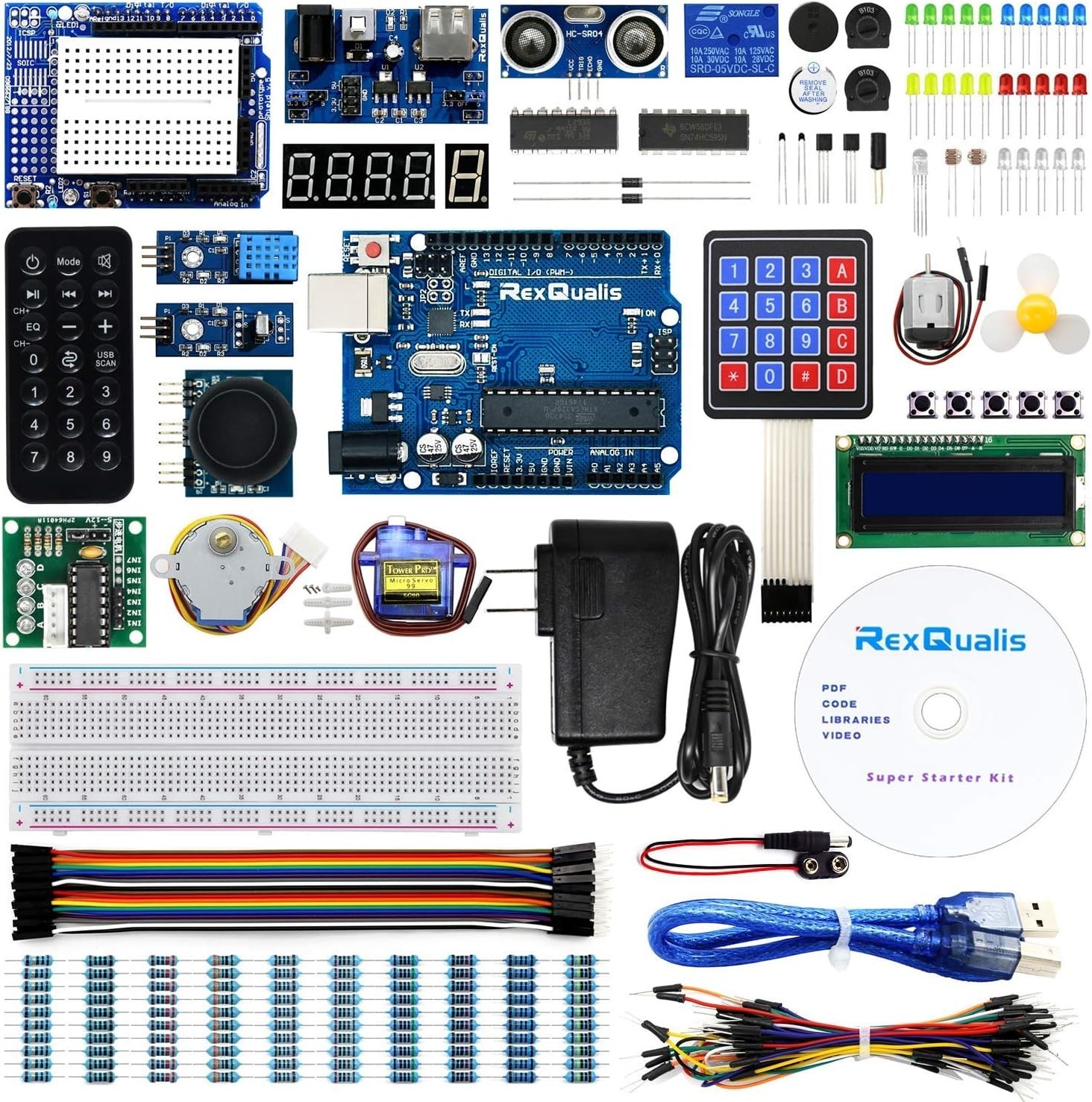 Super Starter Kit Based on Arduino UNO R3 with Tutorial and Controller Board Com$42.59View on eBay
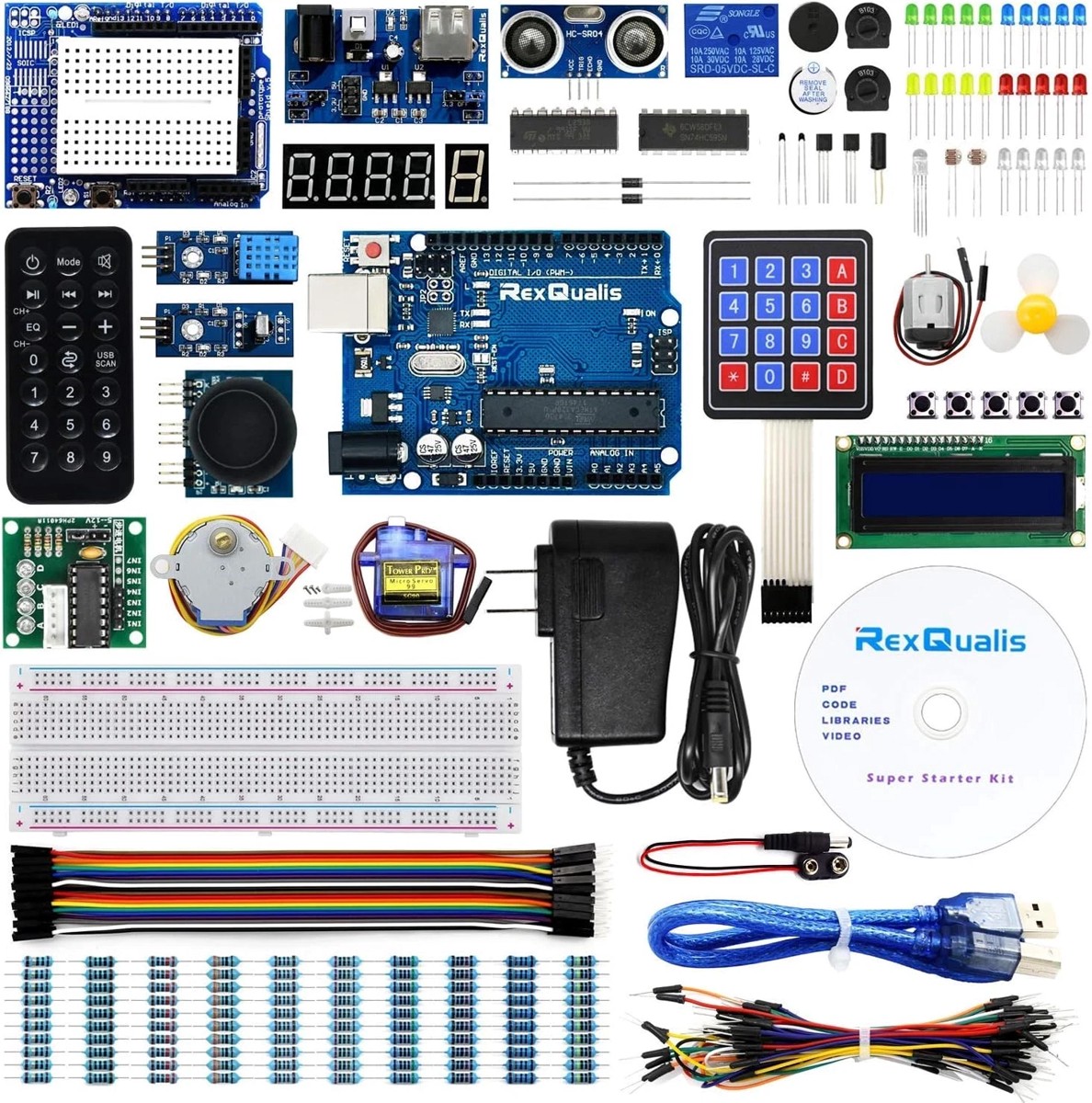 Super Starter Kit Based on Arduino UNO R3 with Tutorial and Controller Board Com$43.74View on eBay
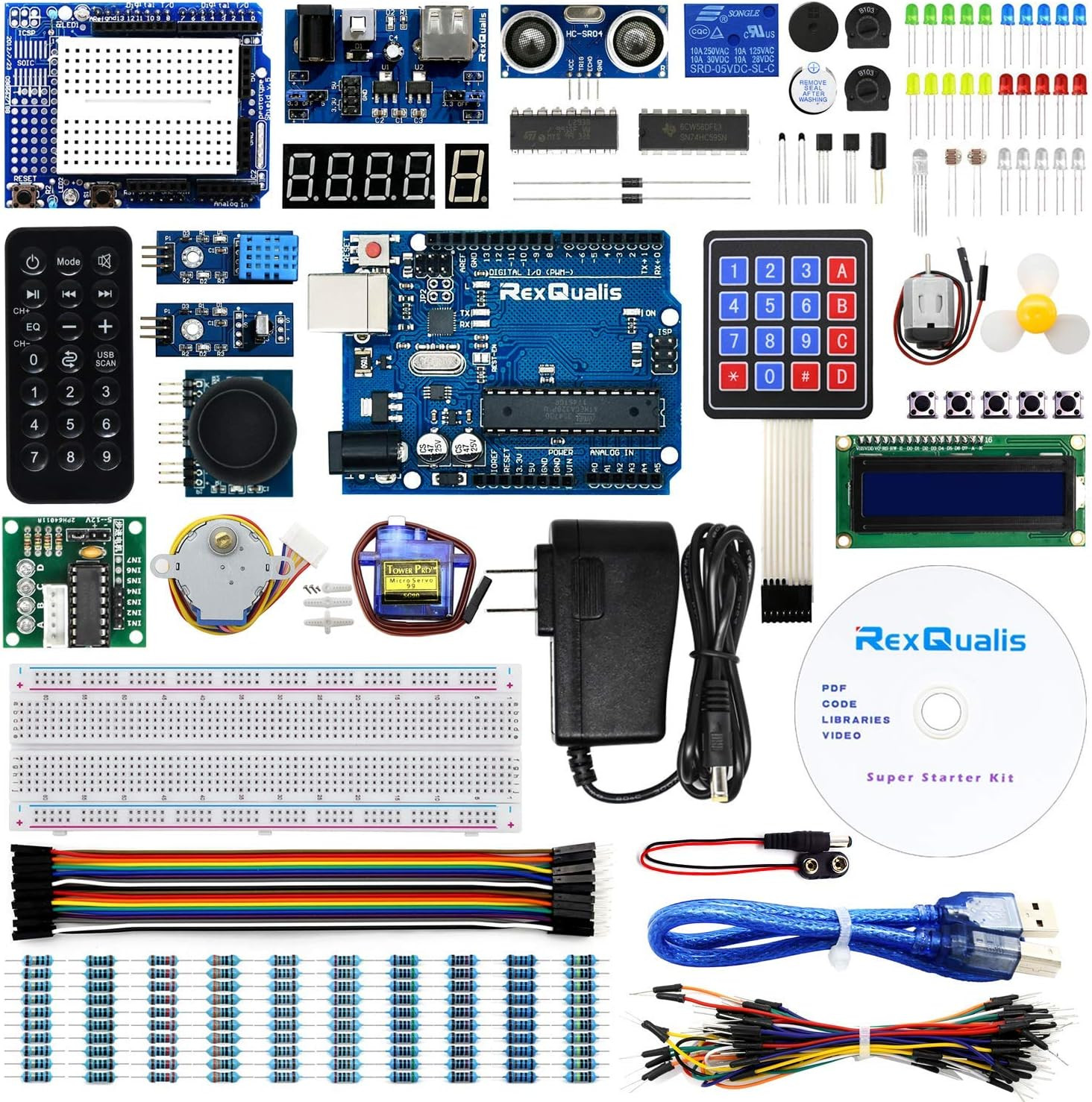 Super Starter Kit Based on Arduino UNO R3 with Tutorial and Controller Board Com$44.30View on eBay
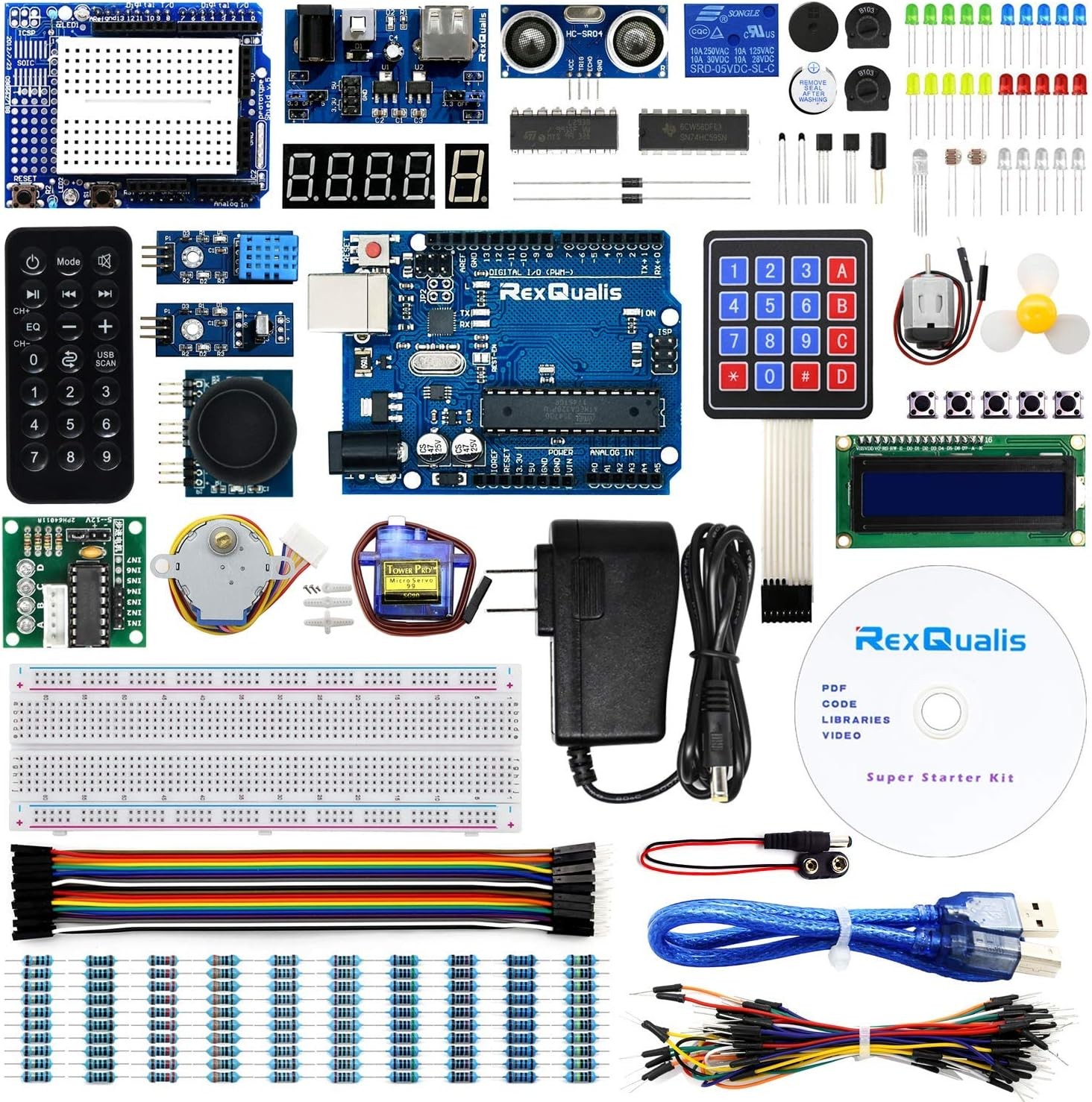 Super Starter Kit Based on Arduino UNO R3 with Tutorial and Controller Board Com$44.38View on eBay
- Super Starter Kit Based on Arduino UNO R3 with Tutorial and Controller Board Com$45.06View on eBay
- Arduino UNO R3 Super Starter Kit with Sensors, LCD, Motor Modules & Tutorial Set$45.43View on eBay
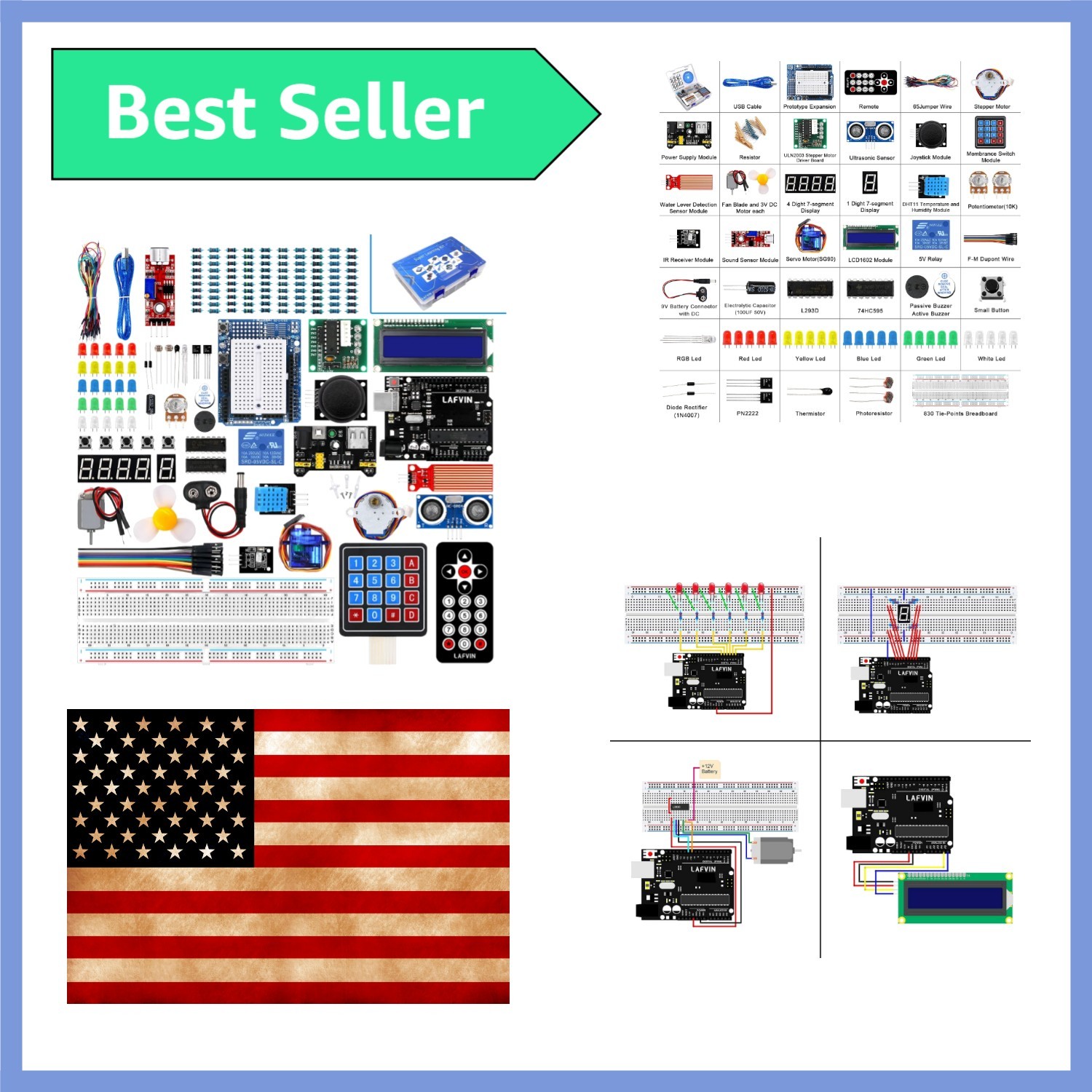 Super Starter Kit Based on Arduino UNO R3 with Tutorial and Controller Board Com$47.58View on eBay
- Super Starter Kit Based on Arduino UNO R3 with Tutorial and Controller Board Com$51.07View on eBay
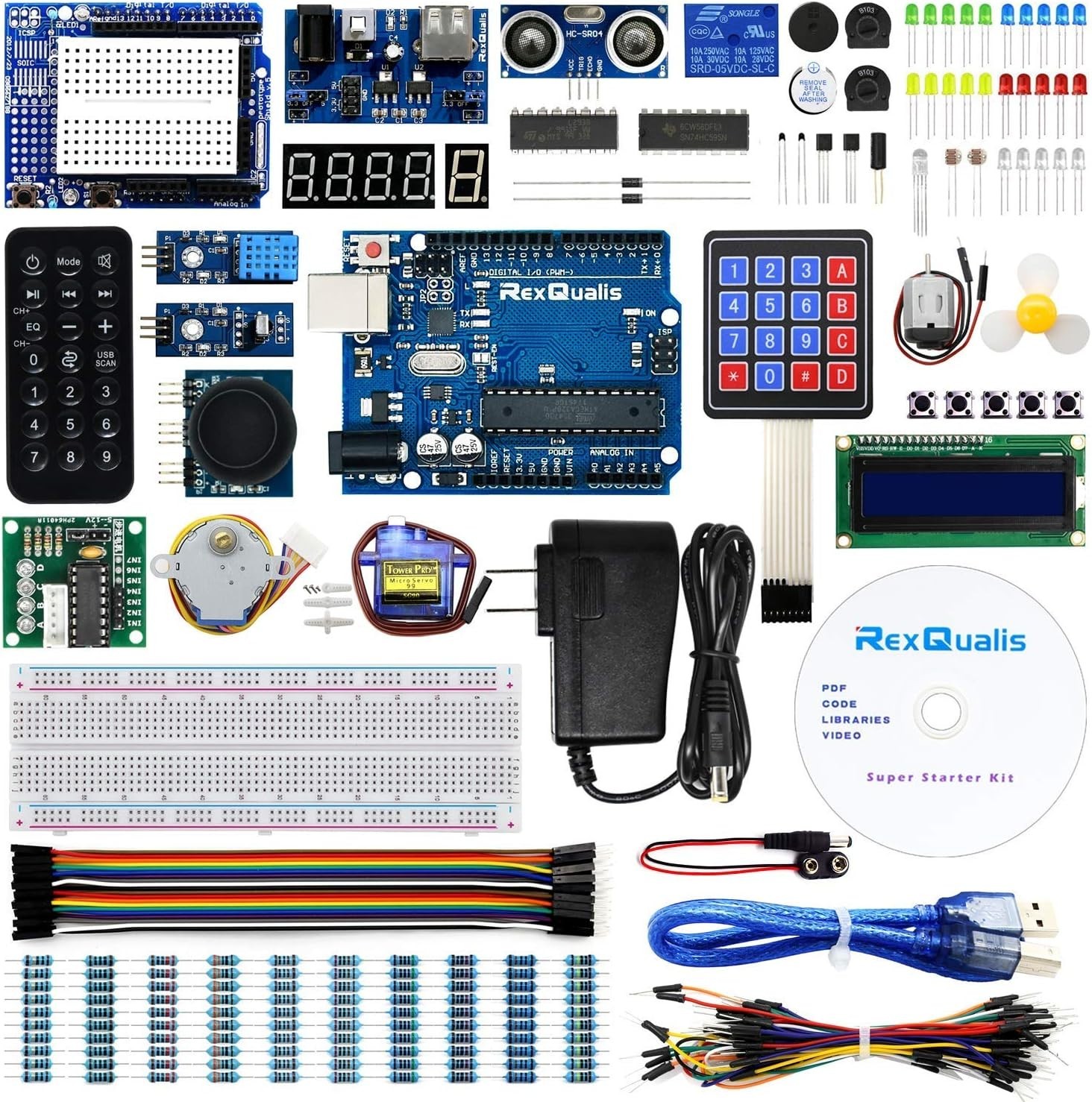 Super Starter Kit Based on Arduino UNO R3 with Tutorial and Controller Board Com$51.99View on eBay
- Super Starter Kit Based on Arduino UNO R3 with Tutorial and Controller Board Com$52.70View on eBay
- Rexqualis Super Starter Kit Based on Arduino UNO R3 with Tutorial and Controller$53.09View on eBay
- Super Starter Kit Based on Arduino UNO R3 with Tutorial and Controller Board Com$53.42View on eBay
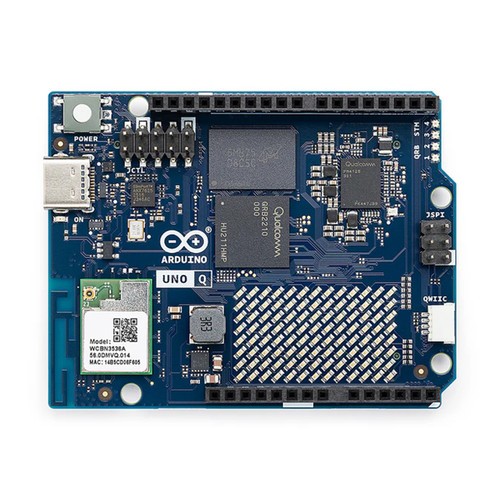 Arduino UNO Q Hybrid Board Qualcomm QRB2210 & STM32U585 AI Vision IoT$59.00View on eBay
Highlights
- Genuine Uno R3 uses ATmega16U2 as USB-to-serial bridge; clones typically use CH340G or CP2102, requiring separate drivers on Windows and macOS.
- Uno R3 headers follow the Arduino Shield standard: 0.1-inch pitch, 2.54mm, with 5V/3.3V/GND/VIN power rails and 14 digital plus 6 analog pins.
- The ATmega328P provides 32KB flash, 2KB SRAM, and 1KB EEPROM at 16MHz; 5V logic means 3.3V sensors need level shifting on input pins.
- Genuine boards include a resettable polyfuse on USB VBUS and a MOSFET that auto-switches between USB and VIN power, preventing back-feed damage.
Best use cases
- Best fit: buy a genuine Uno R3 for education, first-time learning, or any project where USB enumeration reliability and IDE compatibility must be guaranteed.
- Best fit: choose a starter kit with a genuine or reputable clone board when you need sensors, jumpers, and tutorials in one purchase; verify the kit lists the bridge chip.
- Wrong fit: skip the Uno for battery-powered wearables or projects needing native 3.3V logic; a 3.3V board such as the ESP32 or Arduino Nano 33 is the correct choice.
- Wrong fit: skip clones in permanent installations or production fixtures where a failed USB bridge or missing polyfuse would require service calls.
Buying tips
- Match the USB bridge chip: ATmega16U2 (genuine) needs no extra drivers; CH340G requires a driver install on Windows and macOS; CP2102 uses Silicon Labs drivers.
- Check logic level before buying sensors: Uno is 5V logic; a 3.3V sensor output must be level-shifted or it can damage the ATmega328P input.
- For shield stacking, confirm the board is R3-compliant with the extra SDA/SCL and IOREF pins; pre-R3 boards lack these and break many modern shields.
- Buy a kit only if the tutorial language and included sensor list match your project; kits without a listed bridge chip often ship CH340G clones.
Specs
| Microcontroller | ATmega328P, 8-bit AVR, 16MHz |
|---|---|
| USB Bridge | ATmega16U2 vs CH340G vs CP2102 |
| Logic Level | 5V (3.3V sensors need shifting) |
| Header Standard | Uno R3 shield-compatible, 0.1in pitch |
Related searches
What to check before buying
- Measure your enclosure or mounting plate: Uno is 68.6mm x 53.4mm with 3.5mm mounting holes; shields add height and need clearance above the USB port.
- Confirm your computer OS supports the bridge chip driver: CH340G needs a driver on Windows 10/11 and macOS; ATmega16U2 is driverless on modern OS versions.
- Check power source: USB provides 5V at 500mA; VIN accepts 7-12V; do not exceed 20V on VIN or the regulator will overheat.
- Verify kit contents against your first project: a kit without a breadboard and jumper wires still requires those parts for any sensor work.
FAQ
Data sources: eBay / Amazon listings and product attribute feeds. Updated Nov 25, 2026.
Some links on this page are affiliate links. If you buy after clicking one, we may earn a commission at no extra cost to you. This does not change which products appear here or their order. Affiliate disclosure.