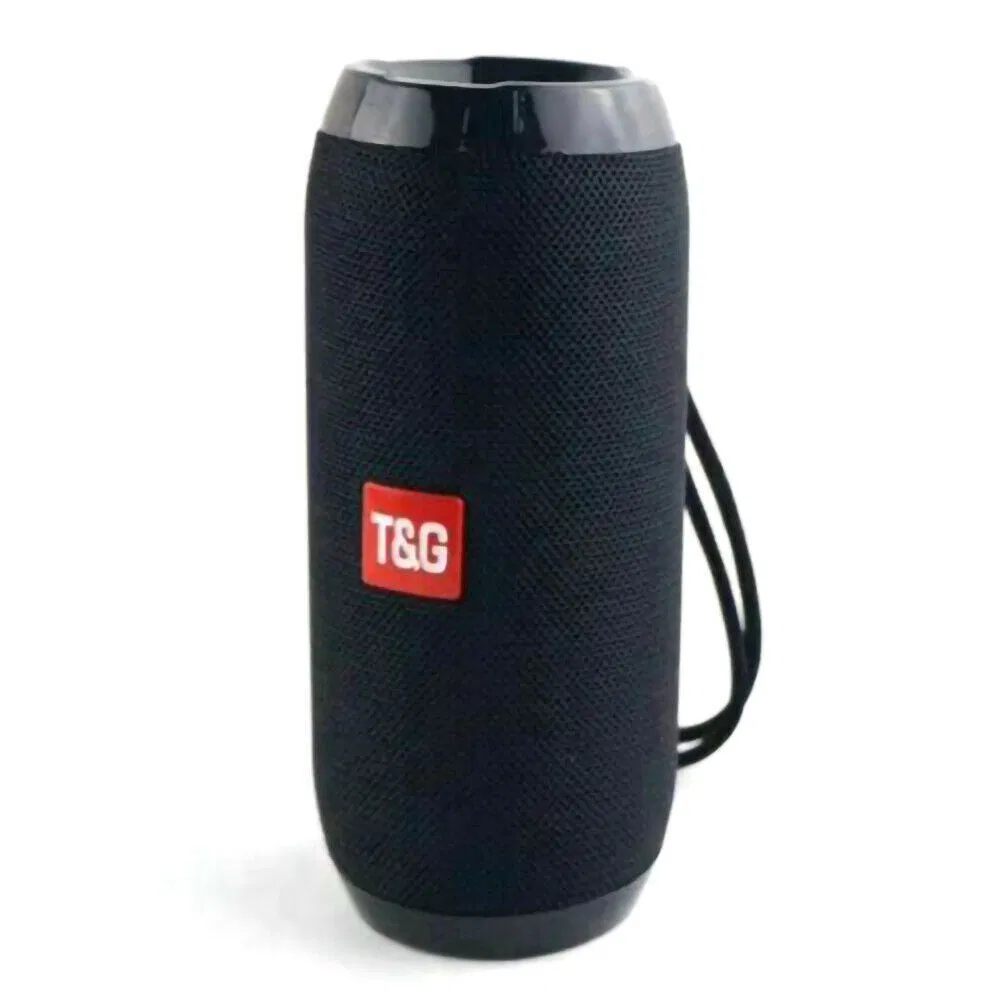

Photos from current listings. Actual item, color, and included accessories may vary.
Waterproof Outdoor Bluetooth Speaker Buying Guide
A waterproof outdoor Bluetooth speaker is a portable, battery-powered audio system built to survive rain, splashes, and dust while delivering enough volume for patios, pools, and campsites. The core trade-off is between rugged ingress protection (IP rating) and acoustic output/battery life—sealing a cabinet tight limits bass response and heat dissipation, so budget models often fake durability with a splash-resistant mesh. The decision rule: buy only models rated IP67 or higher with a documented battery-hour rating at moderate volume; skip any speaker that lists 'waterproof' without a numeric IP code or that uses a sealed lead-acid battery.
Key takeaways
- IP67 (dust-tight, 1 m submersion for 30 min) is the minimum for true outdoor use; IPX7 alone ignores dust, which kills drivers in sandy or windy environments.
- Battery runtime scales inversely with driver size and volume: 3–4 inch drivers at 50% volume typically yield 12–20 hours from a 4000–6000 mAh cell; 6.5-inch party models drop to 6–10 hours.
- Passive radiators (oval carbon-fiber or polypropylene cones) deliver bass in sealed cabinets without a port that lets water in—ported 'outdoor' speakers are a durability compromise.
At a glance
- Category
- Home Theater Speakers & Subwoofers
- Last updated
- Nov 28, 2026
Current offers
Highlights
- IP67 (dust-tight, 1 m submersion for 30 min) is the minimum for true outdoor use; IPX7 alone ignores dust, which kills drivers in sandy or windy environments.
- Battery runtime scales inversely with driver size and volume: 3–4 inch drivers at 50% volume typically yield 12–20 hours from a 4000–6000 mAh cell; 6.5-inch party models drop to 6–10 hours.
- Passive radiators (oval carbon-fiber or polypropylene cones) deliver bass in sealed cabinets without a port that lets water in—ported 'outdoor' speakers are a durability compromise.
- Bluetooth 5.0 or later is required for stable 30+ m range and lower power draw; older 4.2 chips drop connection behind walls and drain battery faster.
Best use cases
- Pool deck or patio: pick an IP67 speaker with a 3–4 inch driver and 15+ hour battery; skip 6.5-inch 'party' boxes that are only IPX5 and too heavy to move indoors.
- Beach or boat: choose a floating model (IP67 plus buoyancy) with a rubberized exterior and Bluetooth 5.2; avoid fabric-wrapped speakers that hold salt and sand.
- Campsite or tailgate: select a model with a built-in power bank (USB-A output) and at least 20 hours at 50% volume; skip compact 5 W speakers that distort above 70% volume.
- Home theater overflow (garage/workshop): use a Wi-Fi or Bluetooth speaker with an auxiliary 3.5 mm input and IP66 rating; skip pure-Bluetooth models with no wired input for fixed installations.
Buying tips
- Match driver size to space: 3-inch drivers suit 200–400 sq ft patios; 4–5 inch drivers cover 500–800 sq ft; 6.5-inch and larger are for open yards and need 20+ W RMS per channel.
- Check the IP code's second digit: 7 means temporary submersion, 6 means powerful jets—outdoor speakers need at least 6; 7 or 8 is better for poolside.
- Verify battery capacity in mAh and rated hours at 50% volume, not max: a 5000 mAh cell typically gives 12–16 hours at moderate output; marketing '24-hour' claims usually mean 30% volume.
- Confirm Bluetooth codec and version: SBC/AAC is fine for outdoor casual listening, but aptX or LDAC matters only if your source supports it—do not pay extra for hi-res codecs on a splash-proof speaker.
Specs
| Waterproof Rating | IP67 minimum / IP66 splash |
|---|---|
| Driver Size | 3–6.5 in full-range + radiator |
| Battery Runtime | 12–20 hr at 50% volume |
| Bluetooth Version | 5.0+ / 30 m range |
Related searches
What to check before buying
- Measure your patio or yard: a speaker with 20 W RMS fills up to 800 sq ft outdoors; larger spaces need 40 W+ or a second speaker paired in stereo.
- Check the charging port standard: USB-C is now universal and survives more insert cycles than micro-USB; sealed gaskets must be present on both the port and the compartment door.
- Verify the speaker's weight and carry method: models above 3 lb need a handle or strap; floating models should have a tether point for pool use.
- Confirm operating temperature range: most lithium-ion outdoor speakers charge safely between 32°F and 113°F; leaving them in a hot car or freezing garage degrades cells and seals.
FAQ
Data sources: eBay / Amazon listings and product attribute feeds. Updated Nov 28, 2026.
Some links on this page are affiliate links. If you buy after clicking one, we may earn a commission at no extra cost to you. This does not change which products appear here or their order. Affiliate disclosure.