
Photos from current listings. Actual item, color, and included accessories may vary.
Speaker Buying Guide
Home theater speakers and subwoofers are passive or powered acoustic components that convert amplified electrical signals into sound, with the primary trade-off being driver/material quality versus room-sized output capability. Durable options use rigid enclosures, high-grade driver materials, and standardized impedance/crossover designs; compromises cut corners on cabinet resonance, crossover components, and power handling. The clear decision rule: match speaker sensitivity, impedance, and amplifier power to your room volume and listening distance, and always prioritize acoustic design over cosmetic features.
Median $84.99
Key takeaways
- Bookshelf speakers typically use 5.25–6.5-inch woofers and 1-inch tweeters; larger woofers yield deeper bass but require more amplifier power and space.
- Impedance ratings of 4, 6, or 8 ohms determine amplifier compatibility—most home theater receivers handle 6–8 ohms, while 4-ohm loads demand higher-current amps.
- Ceiling and in-wall speakers often use 70V/100V constant-voltage lines for commercial distributed audio, while residential models use 8-ohm direct-drive connections.
At a glance
- Category
- Home Theater Speakers & Subwoofers
- Last updated
- Nov 28, 2026
Current offers
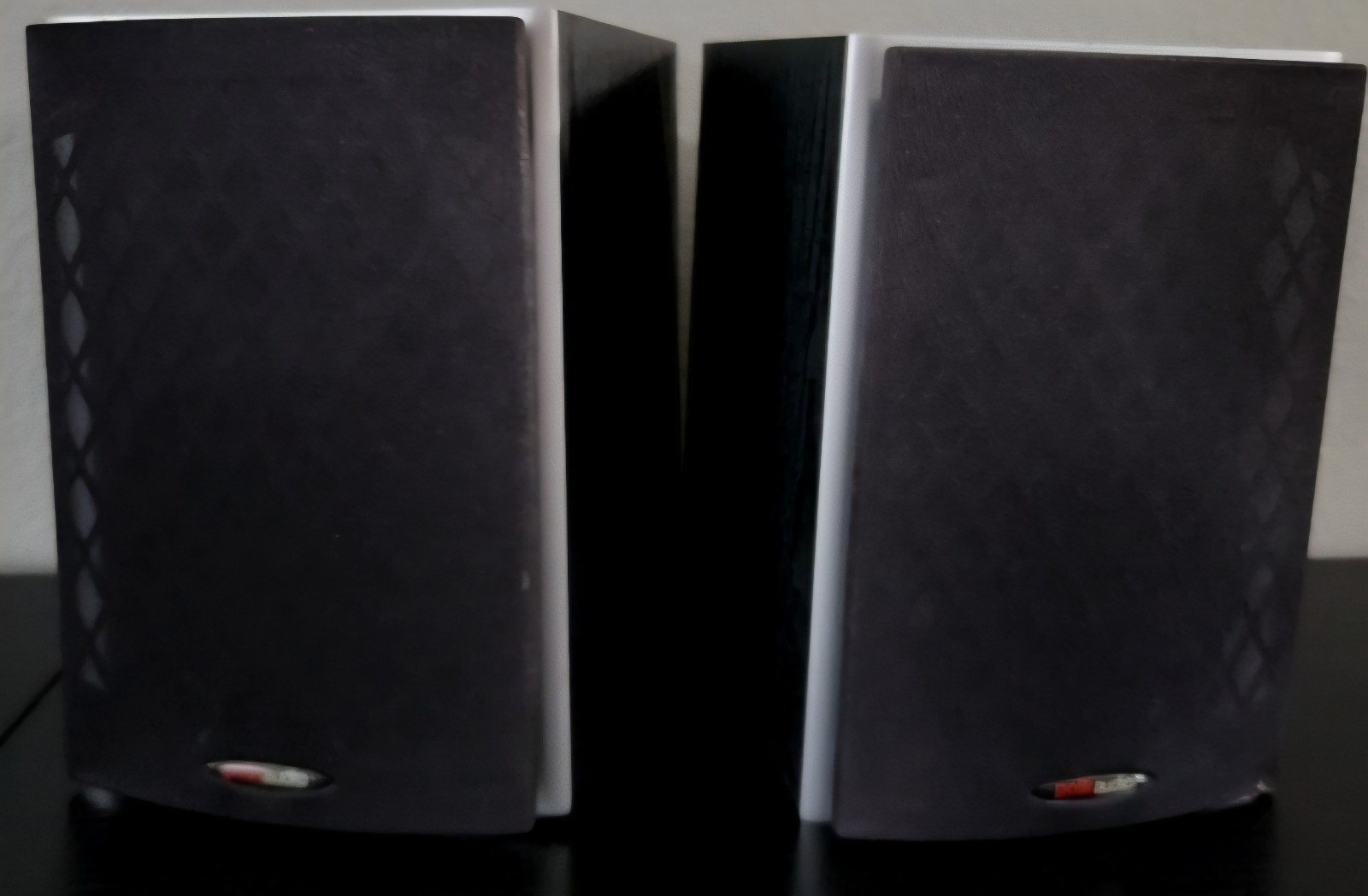 Polk Audio M10 Bookshelf Speakers Pair Black Wood Grain Finish Home Theater$49.99View on eBay
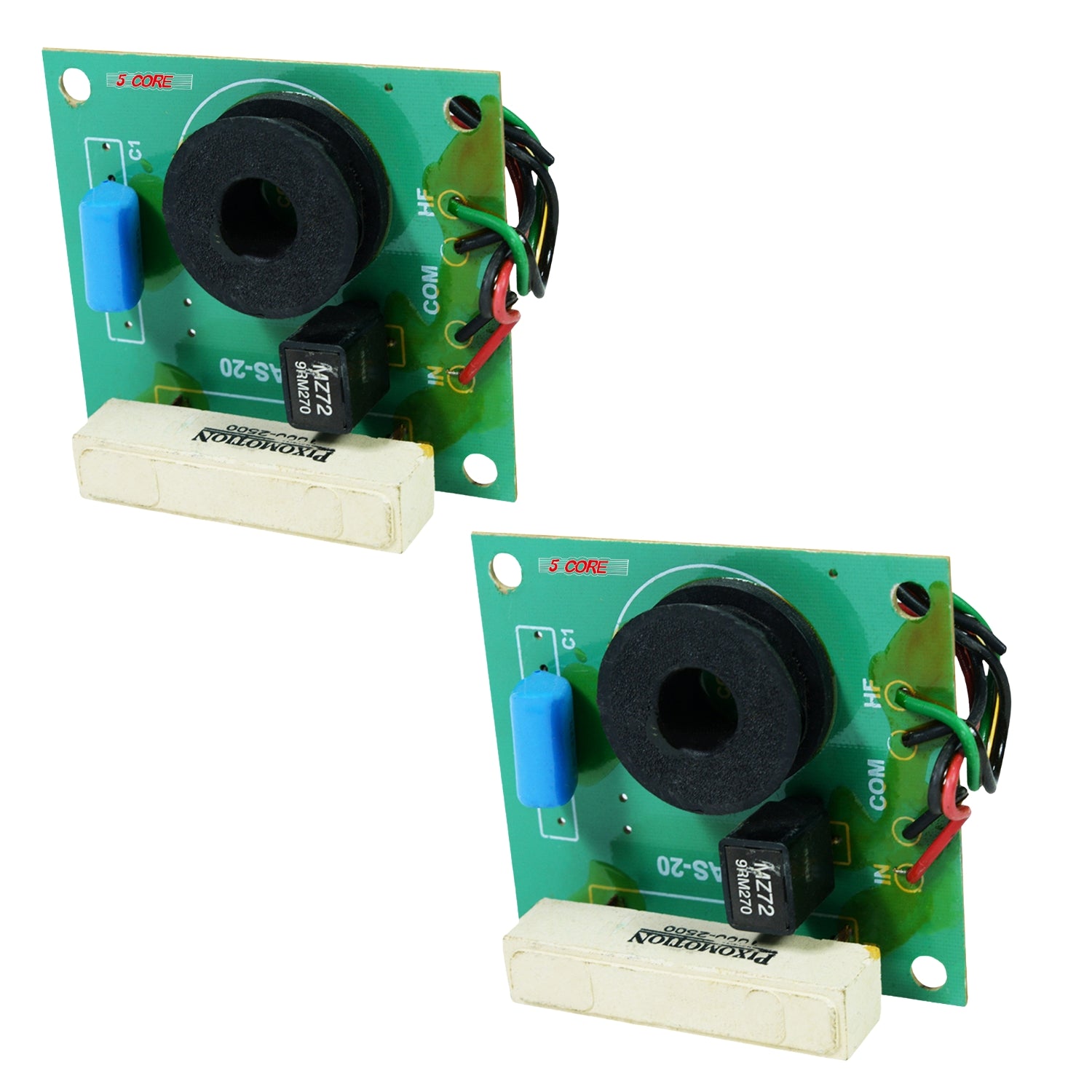 5Core 1 Way Passive Crossover Network Speaker 2Pcs$19.99View on Mallflare
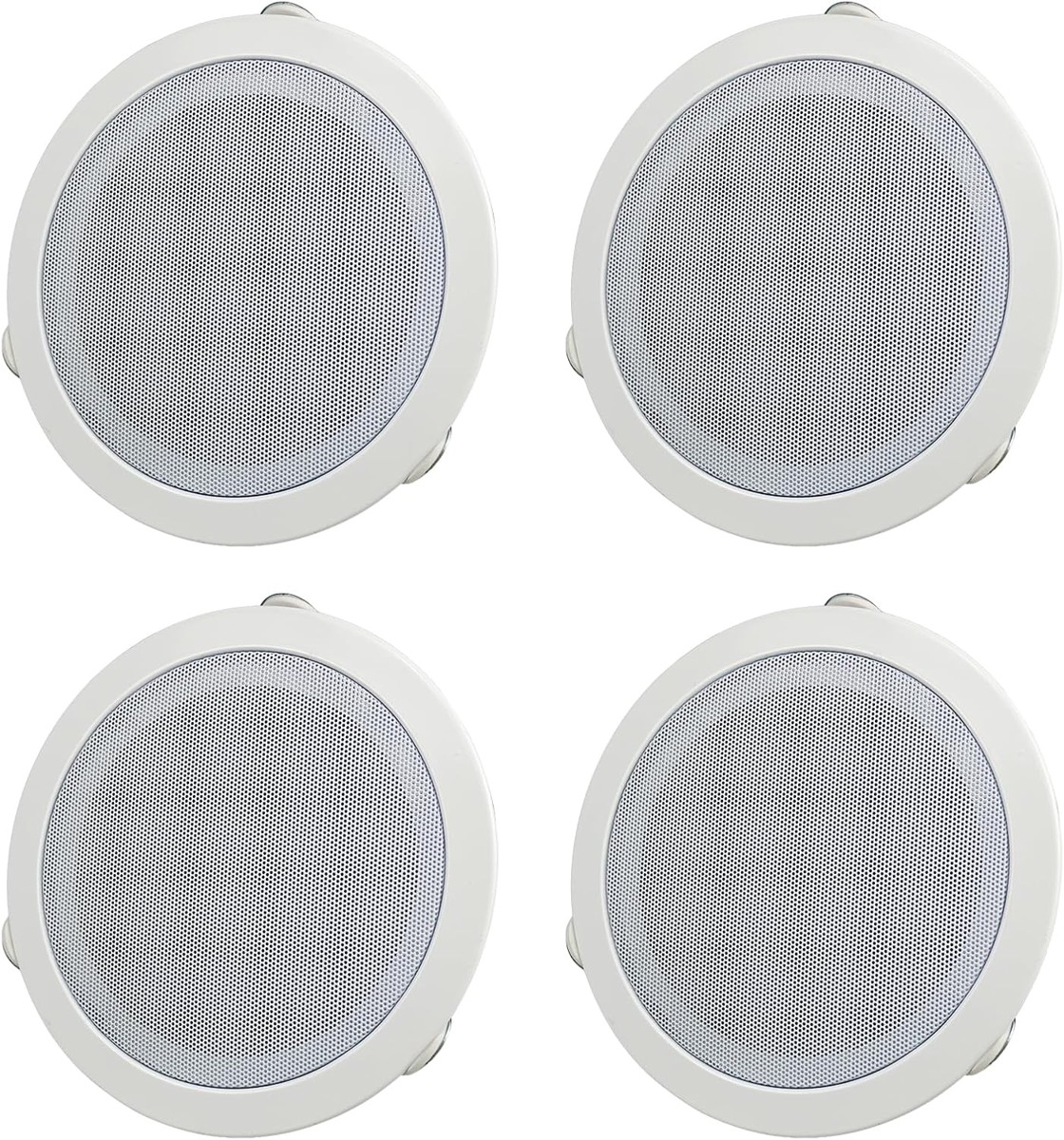 4x Herdio 6" Commercial Ceiling Speaker 70V High-Fidelity Audio Wide$64.69View on eBay
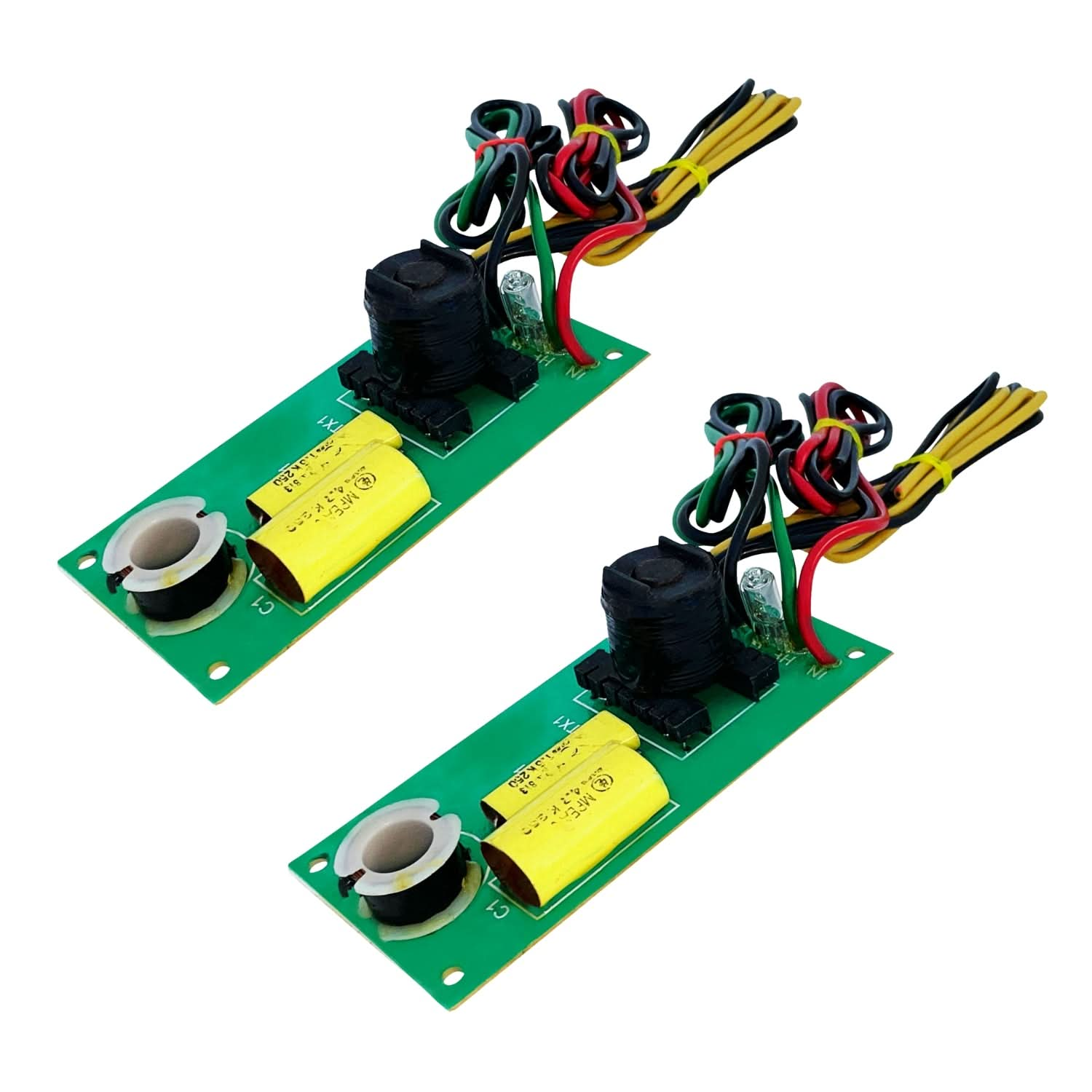 5Core 2 Way Passive Crossover Network Speaker Pair$22.99View on Mallflare
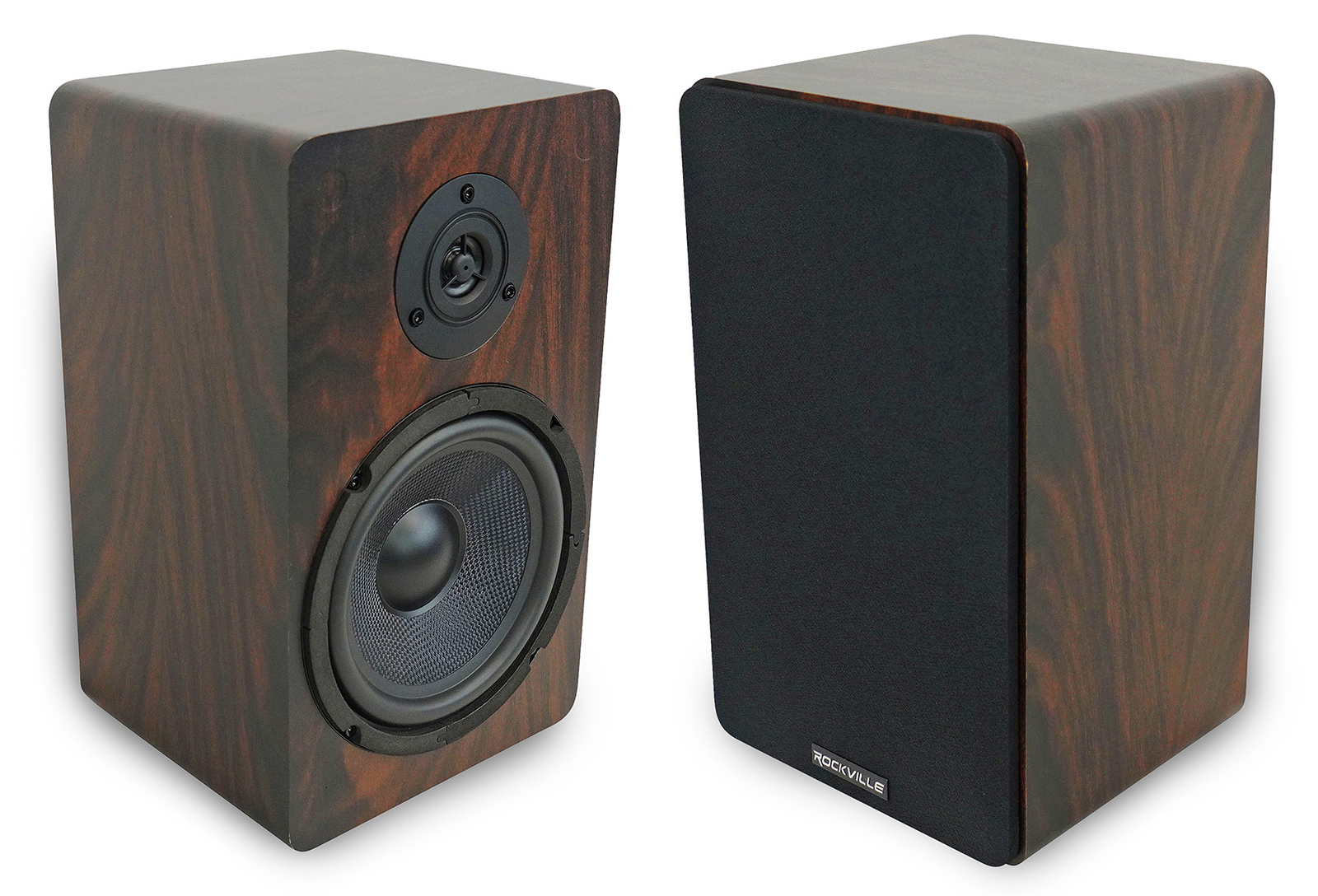 Pair Rockville RockShelf 68D 400w Dark Wood 6.5" Home Theater Bookshelf Speakers$84.95View on eBay
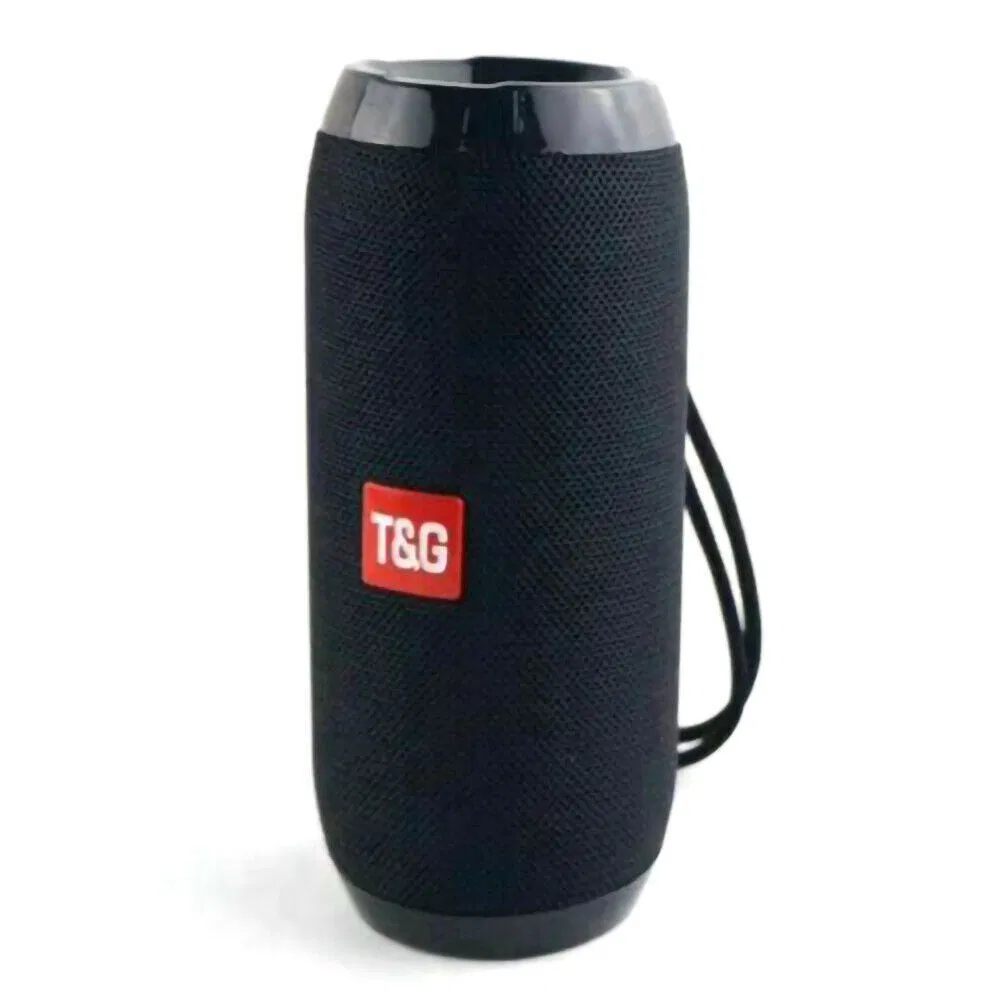 Bluetooth Speaker Wireless Waterproof Outdoor Stereo Bass USB/TF/FM Radio LOUD$27.99View on Mallflare
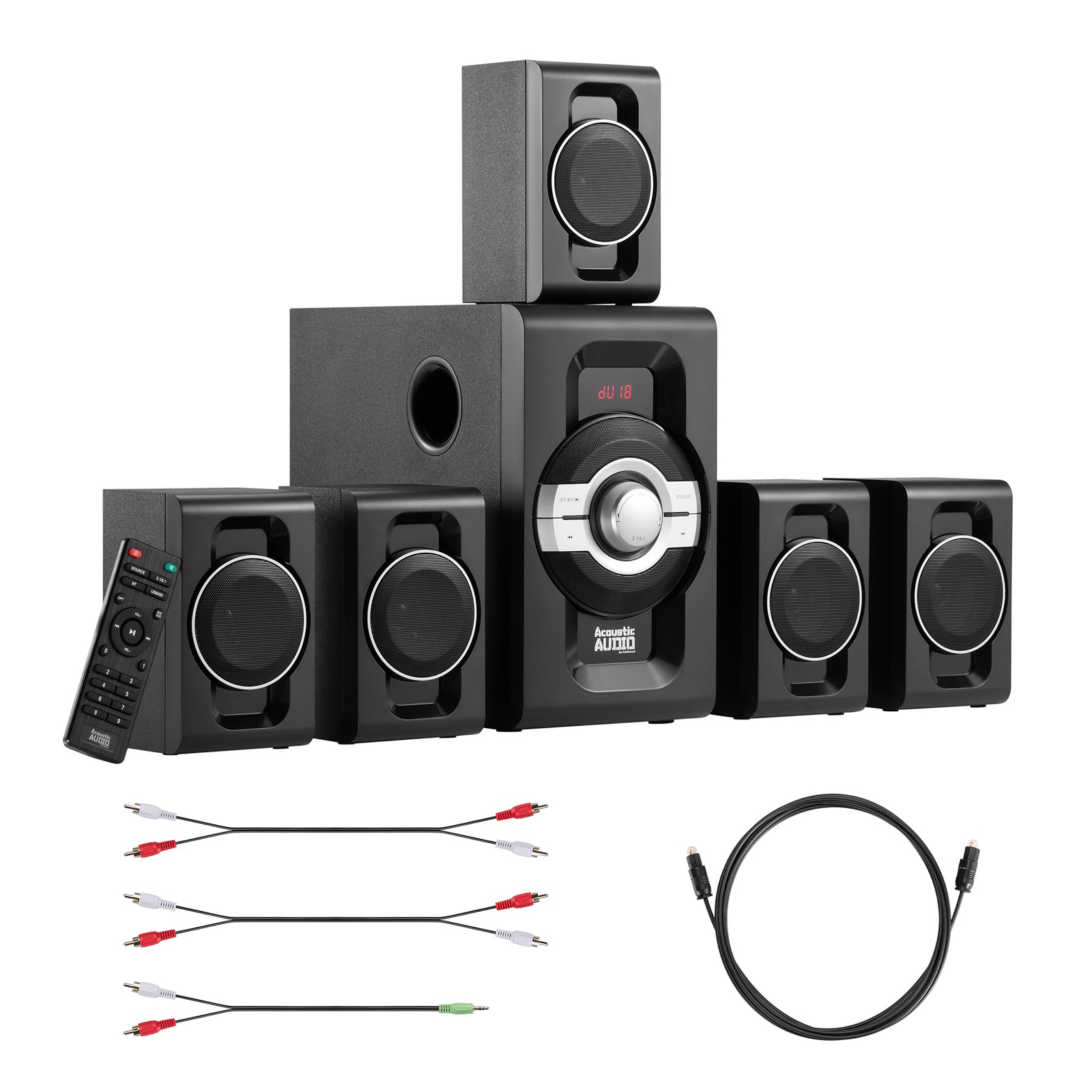 Acoustic Audio 5.1 Bluetooth 6 Speaker System Home Theater Surround Sound NEW$94.88View on eBay
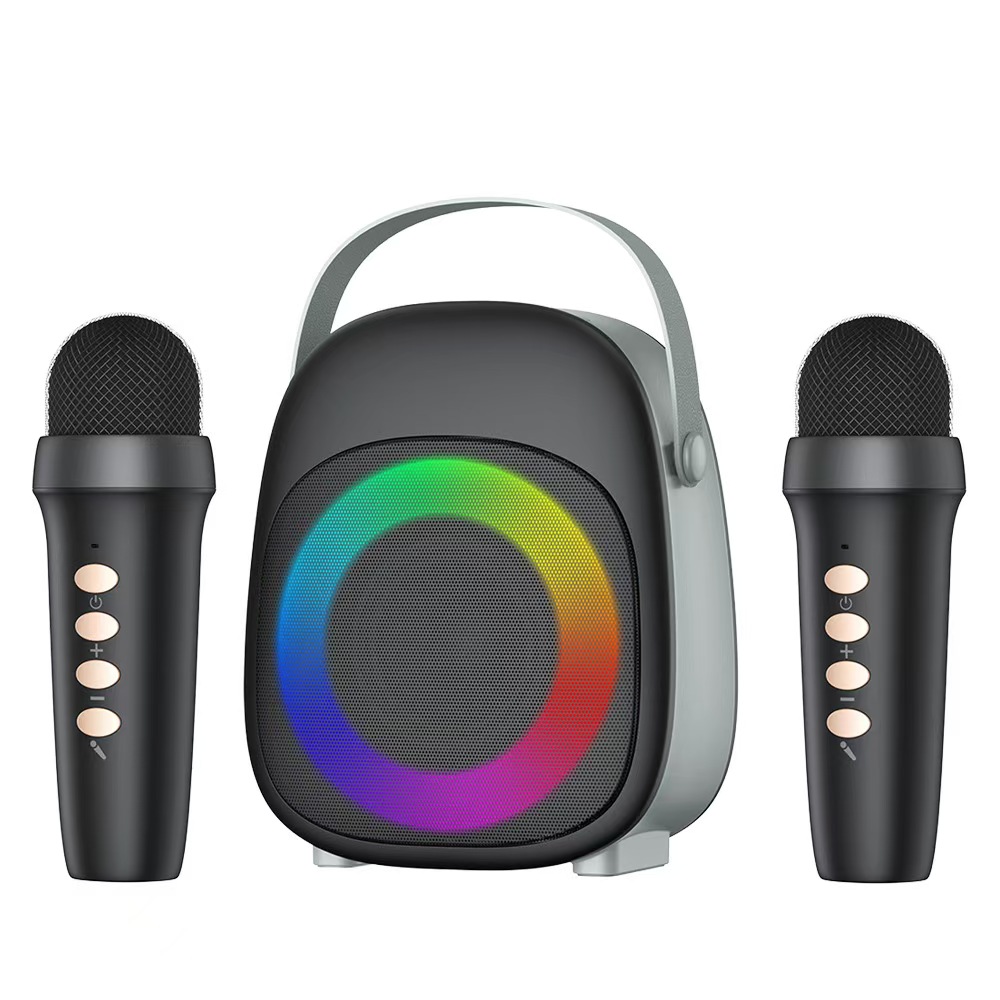 Speaker With Microphone Set, Home Karaoke Machine, Portable Hand-held Loudspeaker。$28.99View on Mallflare
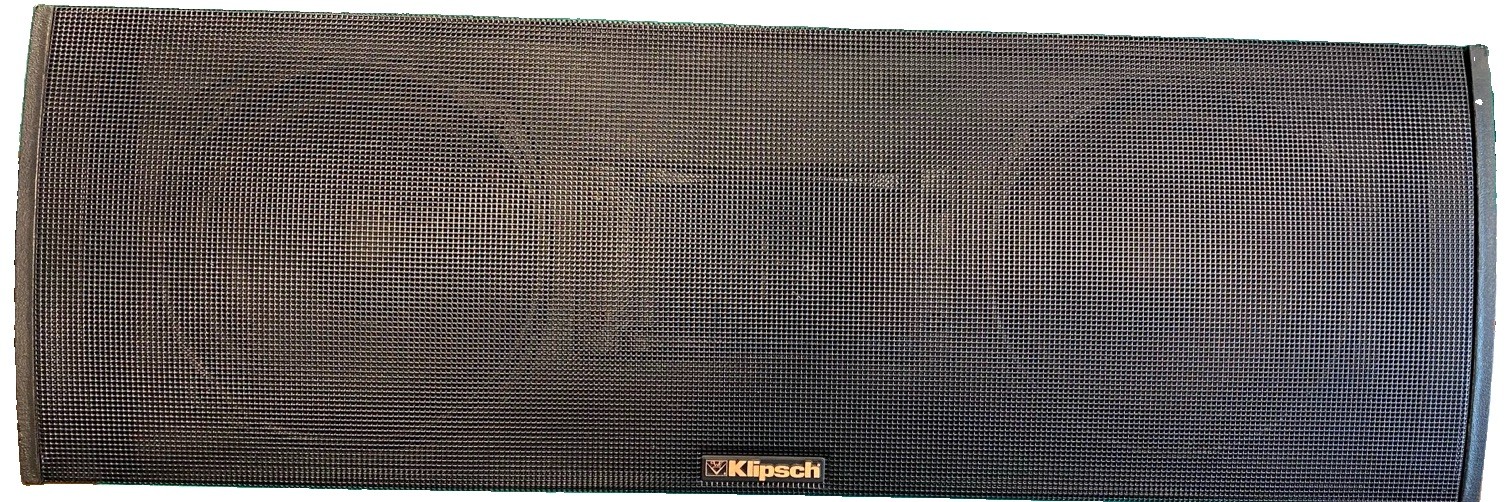 Klipsch KSC-C1 Center Channel Speaker 100W 8 Ohm free Shipping$97.77View on eBay
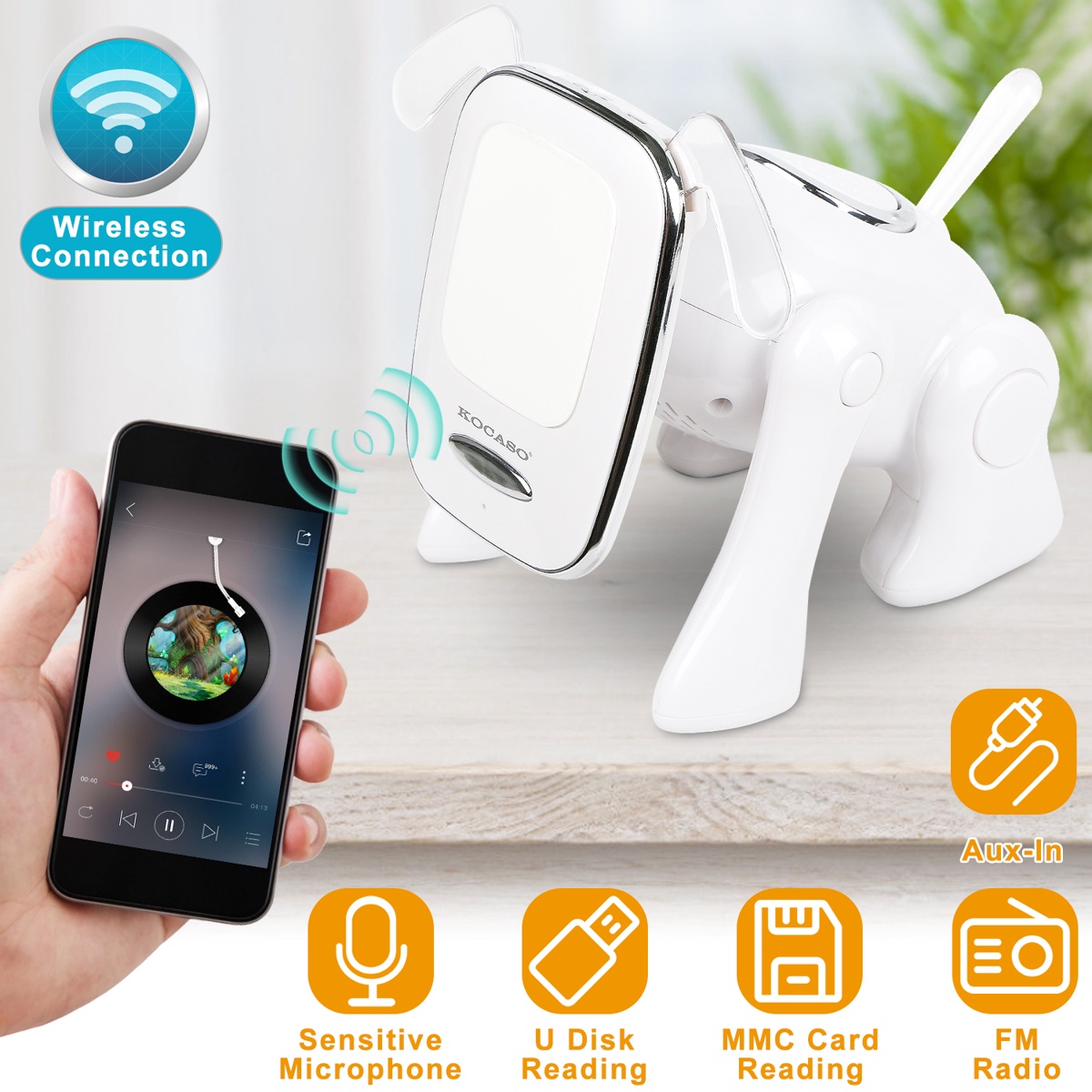 Puppy Dog Wireless Speaker Portable Mini Music Player Stereo Cute Animal With Built-In Mic FM Radio Bass MMC Card Slot USB Port For Cellphone Tablet$42.99View on Mallflare
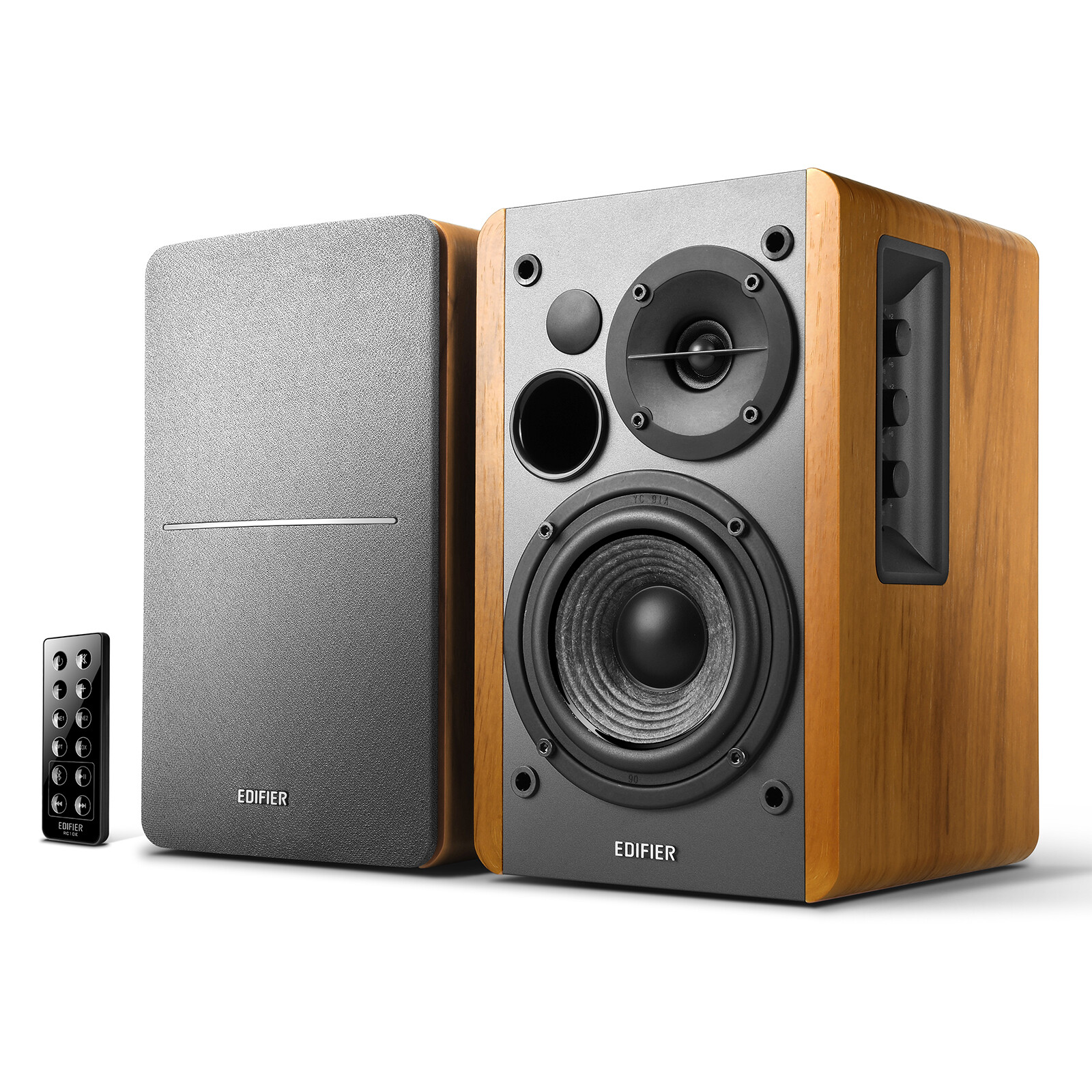 Edifier R1280DB Powered Bluetooth Speakers System 42W RMS Certified Refurbished$99.99View on eBay
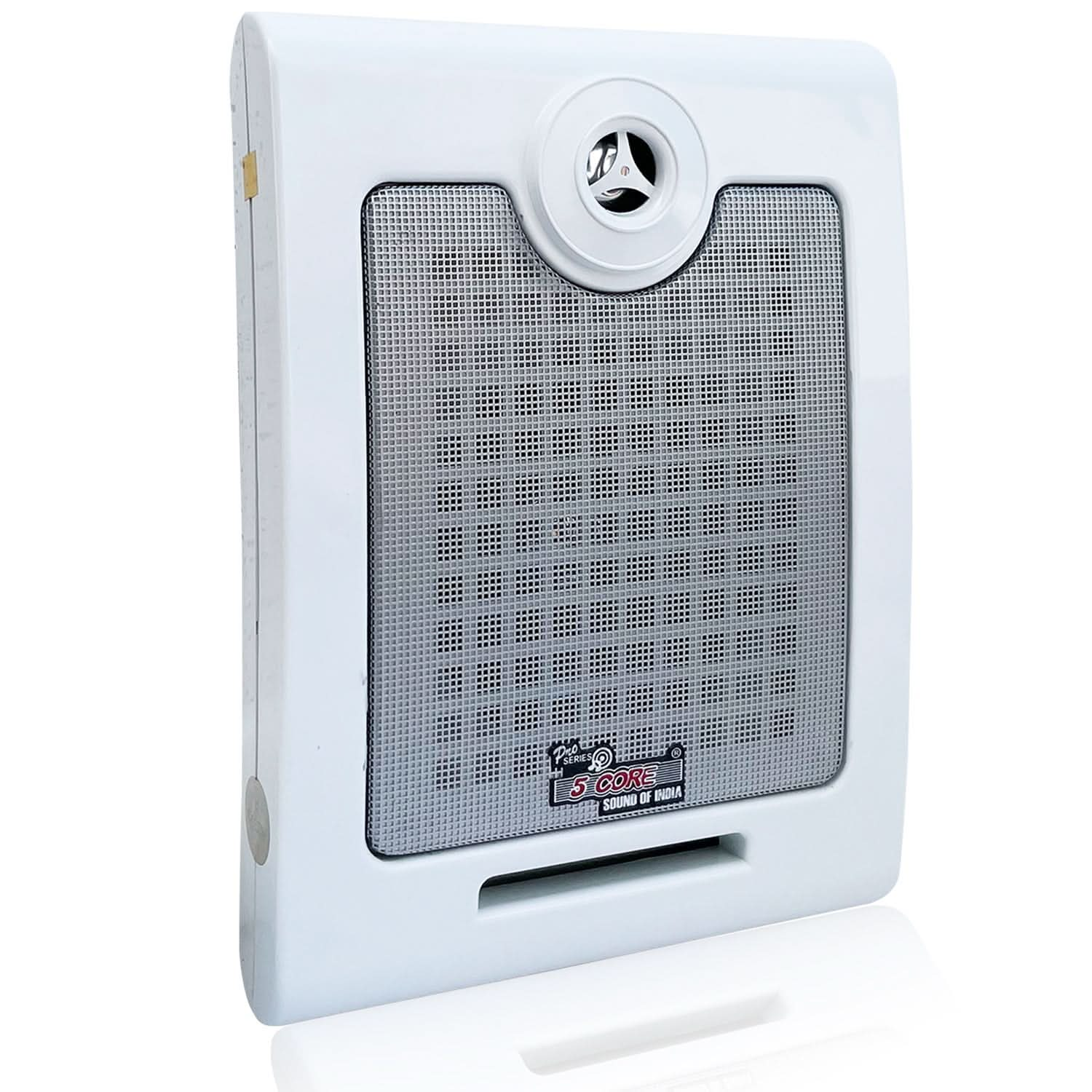 5 Core Window Speaker 500W In Wall Speakers Passive$44.99View on Mallflare
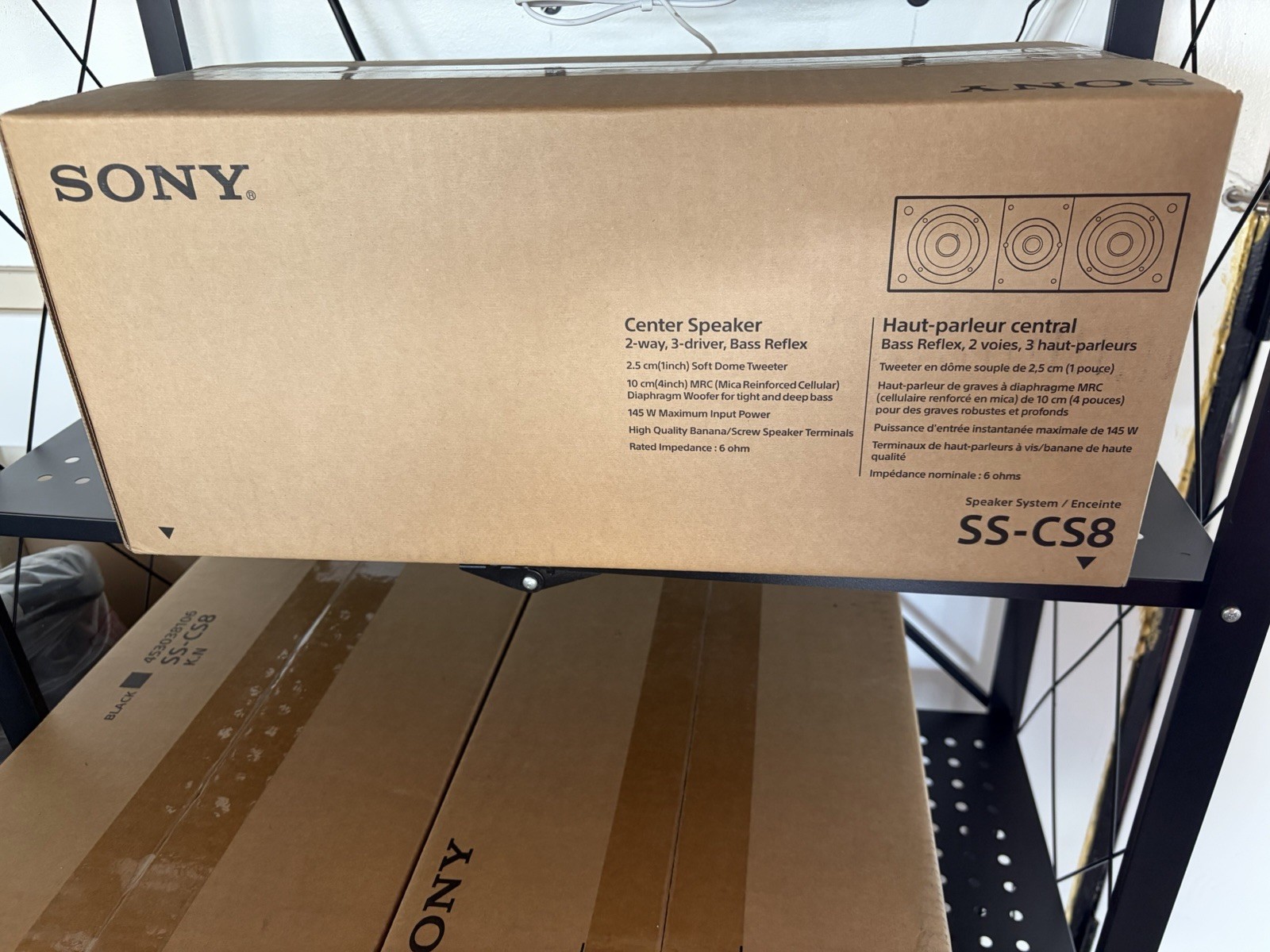 Sony SSCS8 2-way Center Channel Speaker - Black$149.00View on eBay
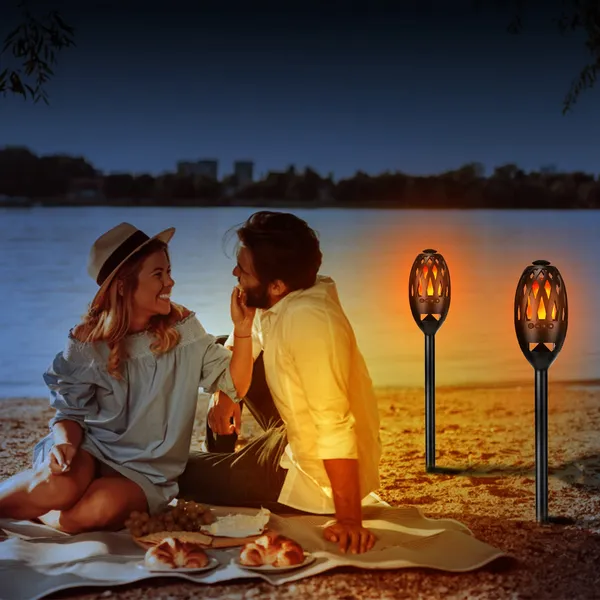 LED Flame Speakers Torch Wireless Speaker Waterproof Stereo Bass Outdoor Light-Up Atmosphere LED Flickers Night Light Patio Stake Lights/Lantern For Party Camping$52.99View on Mallflare
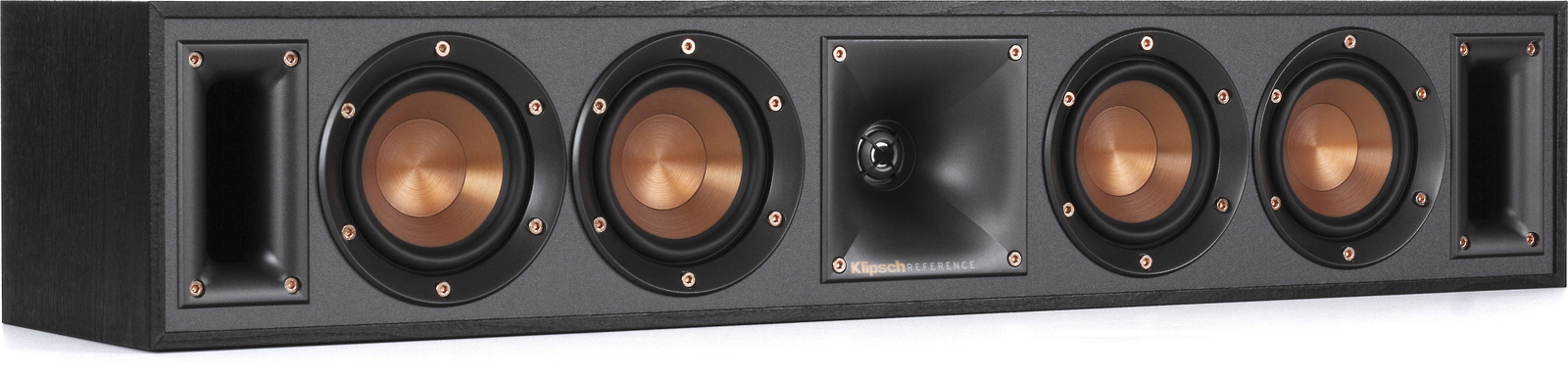 Klipsch Ref R-34C ea Center Channel Speaker$199.99View on eBay
 1Pc Wireless Portable Speaker Loud Stereo With 6 Color Changing Lights Radio Party TWS For Home Outdoor Travelling$55.99View on Mallflare
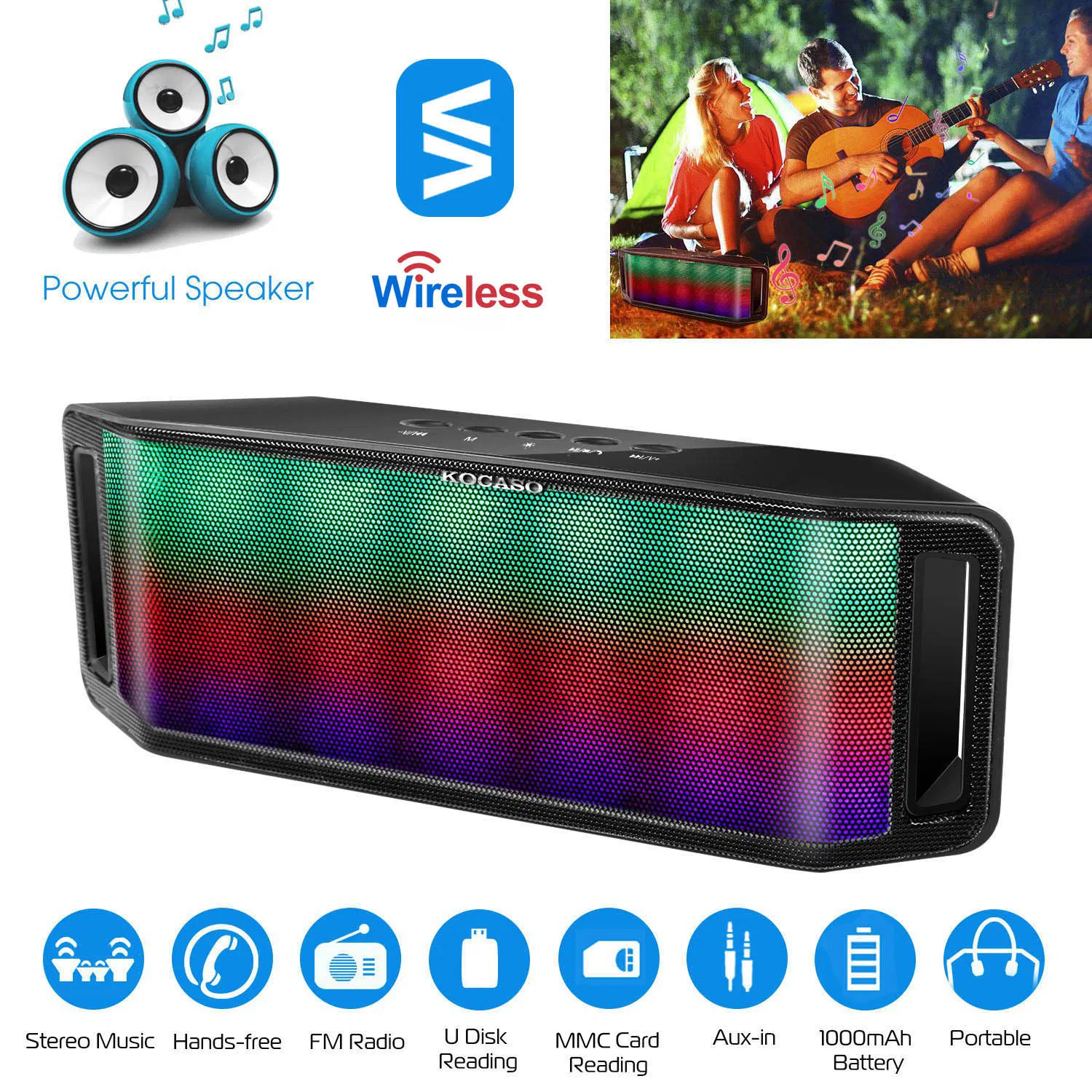 LED Wireless Speaker Dynamic Multicolor Hands-free FM Radio USB MMC Reading Aux In for Party Camping Travel$62.99View on Mallflare
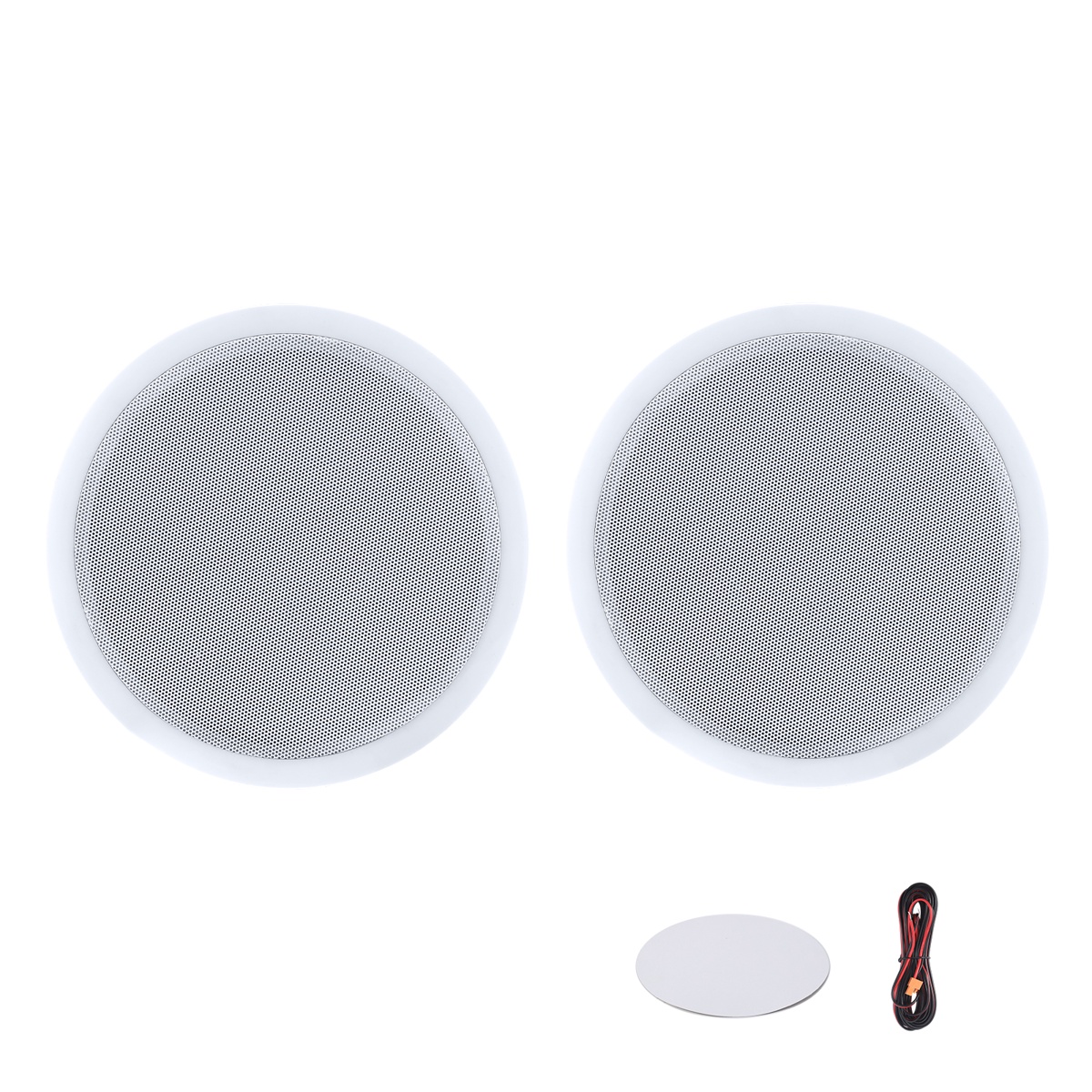 Bluetooth Ceiling Speakers, 8", In & In-Wall Speaker System With Amplifier, 2-Way Flush Mount For Damp Humid Placement, Home Theater, Living Room, Or Covered Patio, 1 Pair$84.99View on Mallflare
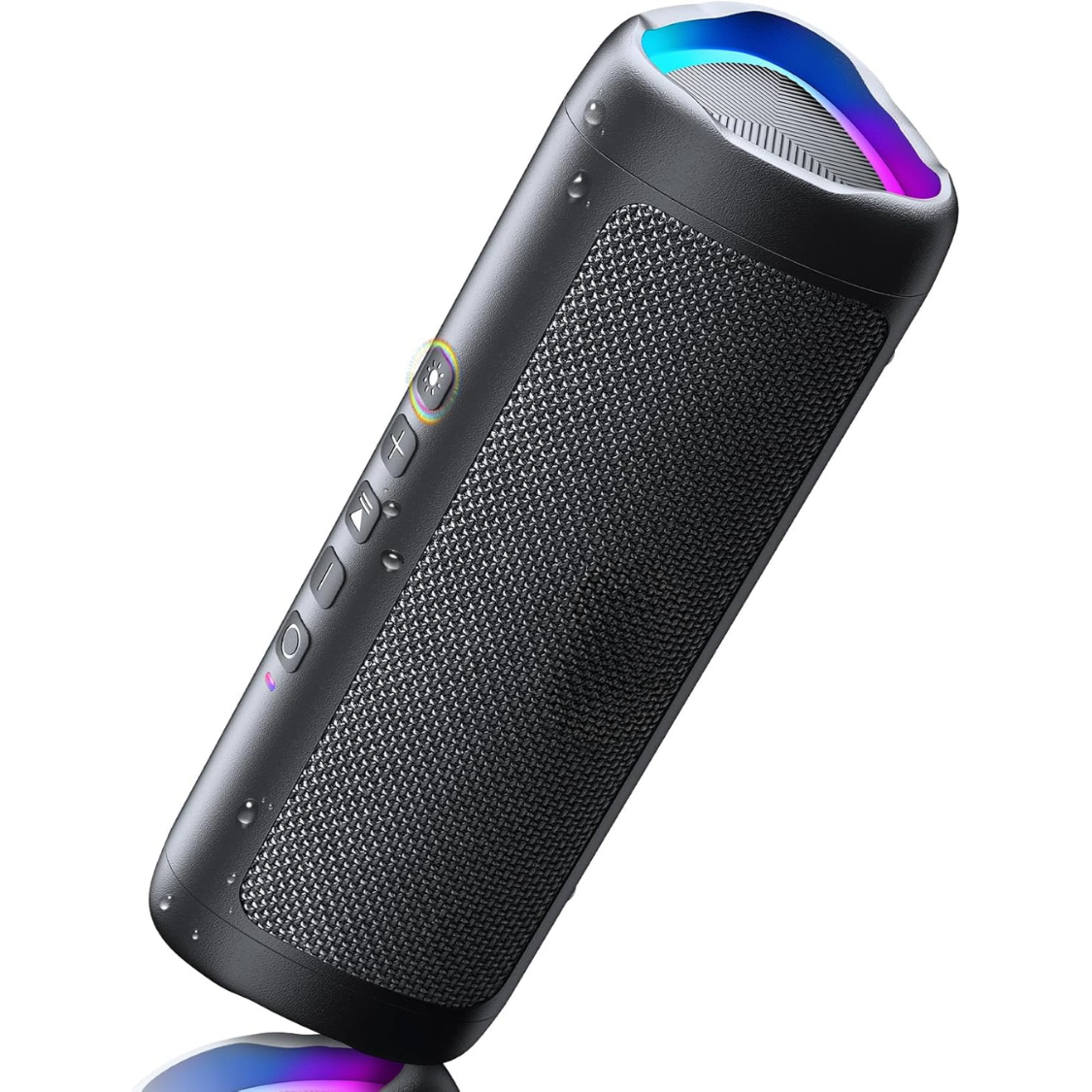 Bluetooth Speaker, 20W HD Sound, Portable Wireless, IPX5 Waterproof, Up To 24H Playtime, TWS Pairing$86.99View on Mallflare
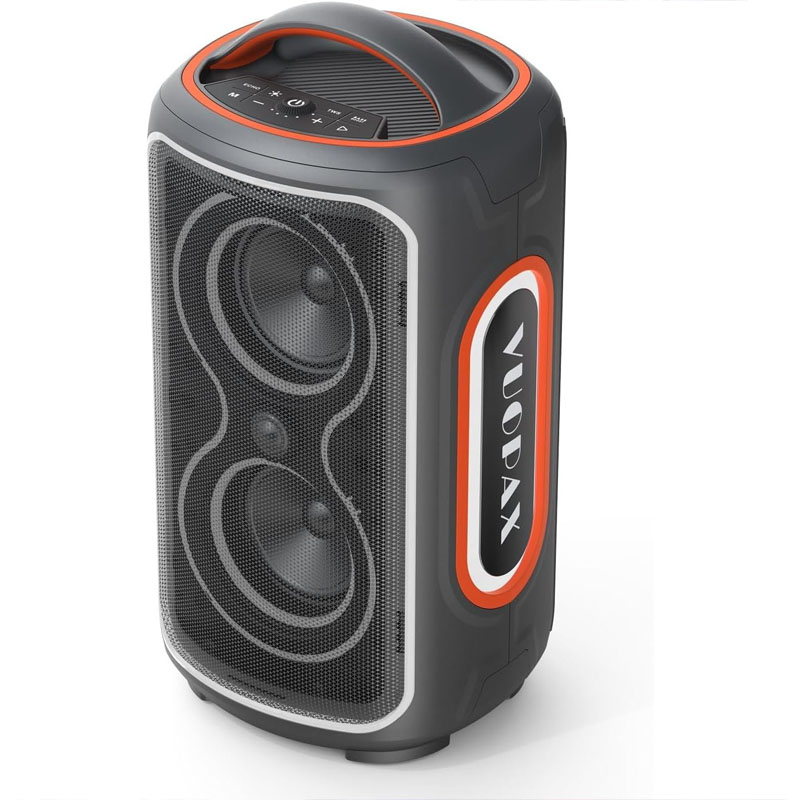 Portable Bluetooth Party Speaker With 240W Peak Power Wireless Audio For Home Parties And Outdoor Gatherings$114.99View on Mallflare
Highlights
- Bookshelf speakers typically use 5.25–6.5-inch woofers and 1-inch tweeters; larger woofers yield deeper bass but require more amplifier power and space.
- Impedance ratings of 4, 6, or 8 ohms determine amplifier compatibility—most home theater receivers handle 6–8 ohms, while 4-ohm loads demand higher-current amps.
- Ceiling and in-wall speakers often use 70V/100V constant-voltage lines for commercial distributed audio, while residential models use 8-ohm direct-drive connections.
- Center channel speakers are horizontally oriented and voice-matched to front left/right speakers; mismatched timbre causes dialogue to sound detached from the screen.
Best use cases
- For projector setups: choose a 5.1 or 7.1 bookshelf/center-channel system with a powered subwoofer; skip soundbars because they lack discrete rear-channel placement and proper LFE routing.
- For record players: pick powered bookshelf speakers with a built-in phono preamp or pair a turntable with a separate phono stage and passive speakers; skip Bluetooth-only speakers that lack analog RCA inputs.
- For outdoor or commercial spaces: use 70V/100V ceiling or wall speakers with weather-resistant cones and grilles; skip untreated paper-cone models that degrade in humidity.
- For small rooms under 150 sq ft: select 4–5 inch woofers and a sealed subwoofer; skip dual 15-inch subwoofers that overload room modes and require equalization.
Buying tips
- Calculate room volume (L×W×H in feet) and aim for speakers with sensitivity ≥88 dB and amplifier power ≥50 W per channel for rooms above 1,500 cubic feet.
- Match subwoofer size to room: 8–10 inch drivers suit rooms under 1,500 cu ft; 12–15 inch drivers are needed for 2,000+ cu ft or dedicated theater rooms.
- Verify impedance: 8-ohm speakers are safe with any receiver; 4-ohm speakers require a receiver rated for 4-ohm loads or an external amplifier to avoid overheating.
- For ceiling Atmos, use angled or coaxial drivers aimed at the listening position; standard downward-firing ceiling speakers blur height cues.
Specs
| Speaker Type | Bookshelf / Center / Ceiling / Subwoofer |
|---|---|
| Impedance | 4 / 6 / 8 ohm (70V/100V for commercial) |
| Sensitivity | 85–92 dB (1W/1m) |
| Driver Material | Paper / Poly / Metal dome / Horn |
Related searches
What to check before buying
- Measure available shelf, stand, or ceiling cutout dimensions—bookshelf speakers need 6–12 inches of rear clearance for ported designs.
- Confirm amplifier or receiver power rating at the speaker's impedance; underpowering causes clipping and tweeter damage.
- Check room acoustics: hard floors and bare walls require absorption panels or carpet to tame reflections from horn-loaded or metal-dome tweeters.
- Verify voltage and plug standards for powered speakers and subwoofers—export models may require step-down transformers.
FAQ
Data sources: eBay / Amazon listings and product attribute feeds. Updated Nov 28, 2026.
Some links on this page are affiliate links. If you buy after clicking one, we may earn a commission at no extra cost to you. This does not change which products appear here or their order. Affiliate disclosure.