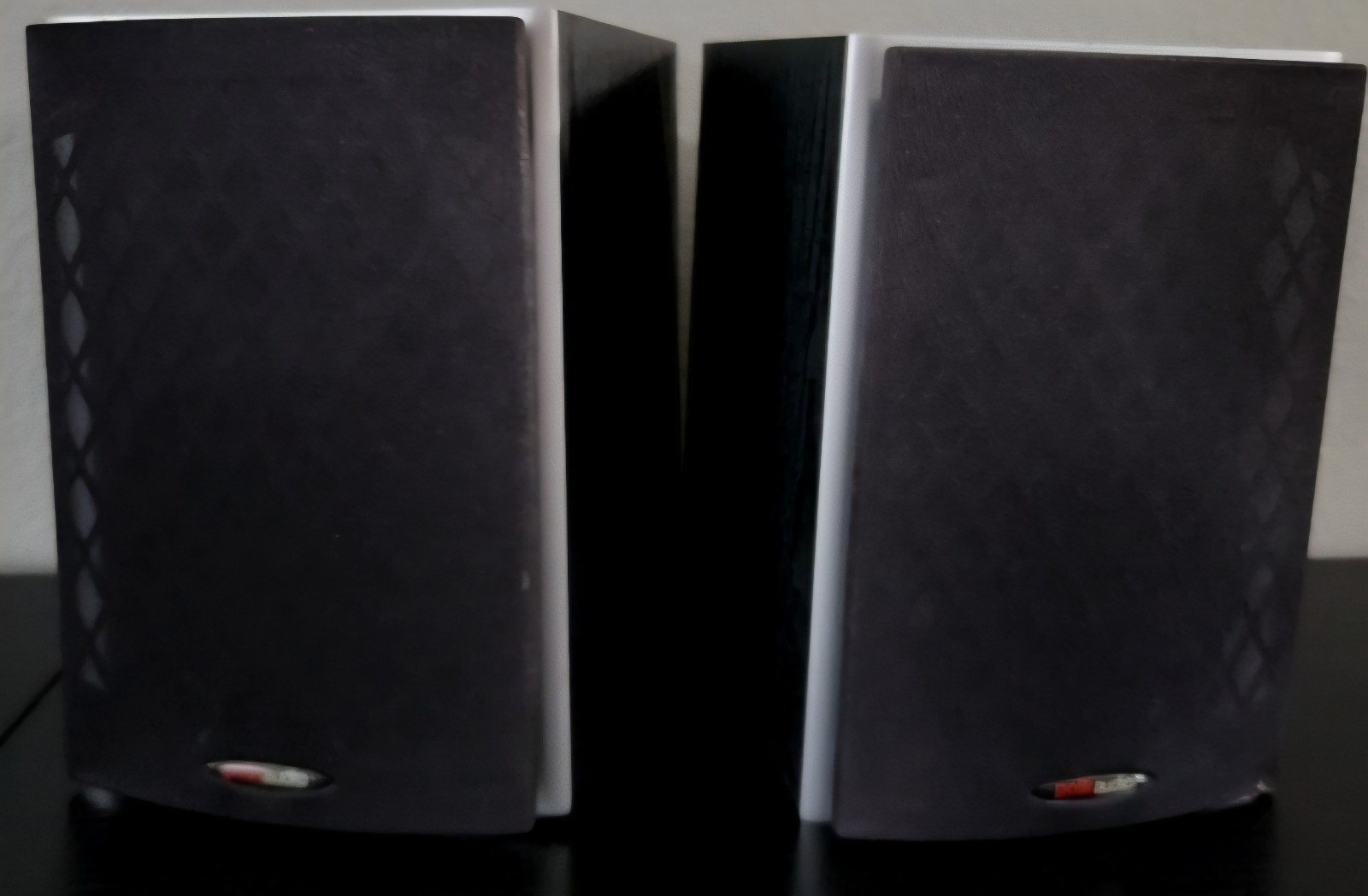

Photos from current listings. Actual item, color, and included accessories may vary.
Home Audio Speaker Buying Guide
Home audio speakers range from compact soundbars to multi-speaker surround systems, where the core trade-off is cabinet rigidity and driver quality versus compact convenience. Durable options use MDF cabinets, sealed or ported enclosures, and dedicated tweeters/woofers; compromises rely on plastic housings and full-range drivers. Decide by room size and source first, then match speaker tier to amplification and placement.
Median $72.44
Key takeaways
- 2.0 soundbars with 80W total power suit 24–32-inch TVs but lack dedicated subwoofers, so bass below 80 Hz is minimal.
- Bookshelf pairs like Polk M10 use 5.25-inch woofers and 1-inch tweeters in MDF cabinets for stereo imaging and midbass extension to ~55 Hz.
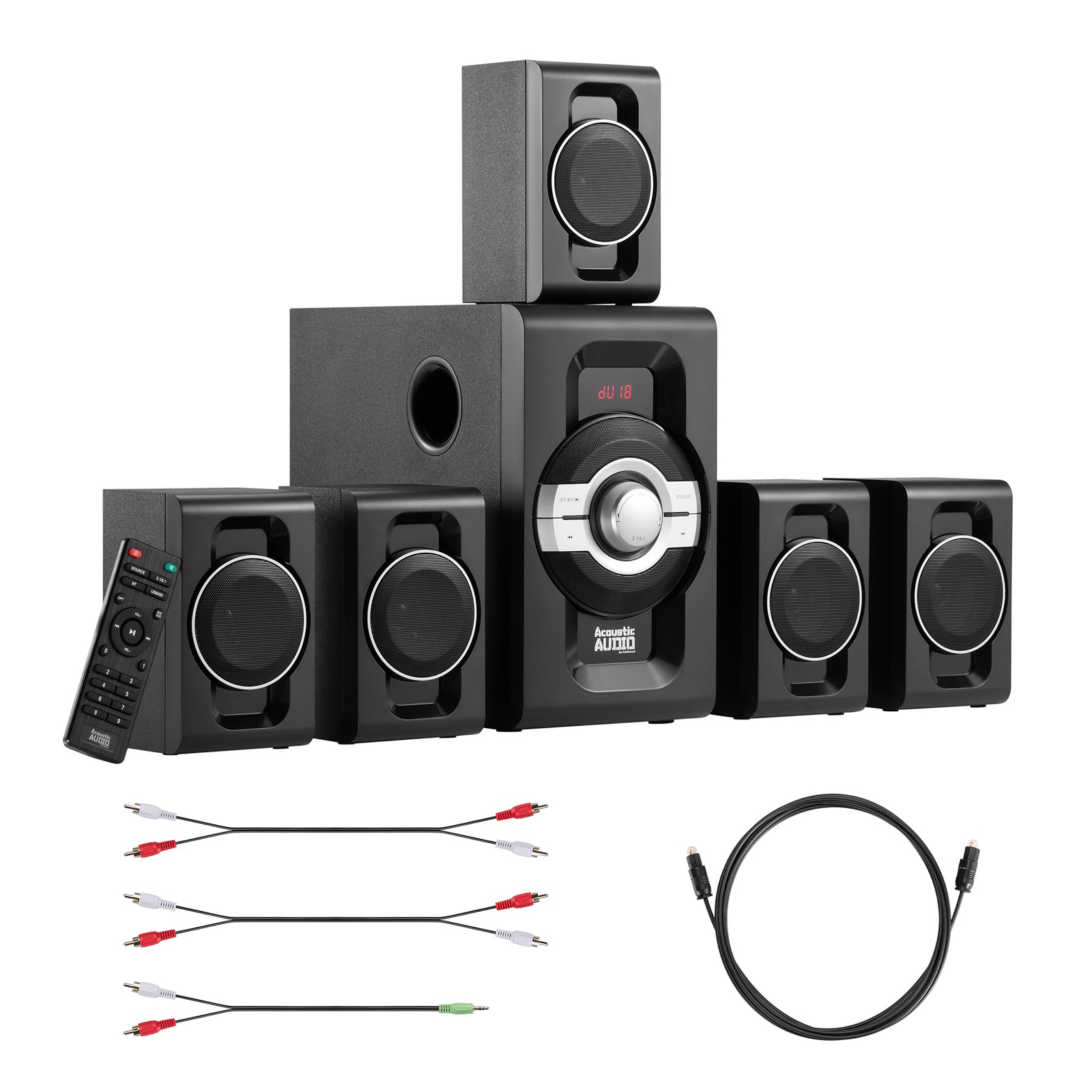
- 5.1 systems with six speakers require an AV receiver with 5 discrete amplified channels (typically 50–100 W per channel at 8 ohms).
At a glance
- Category
- Home Theater Speakers & Subwoofers
- Last updated
- Nov 28, 2026
Current offers
Highlights
- 2.0 soundbars with 80W total power suit 24–32-inch TVs but lack dedicated subwoofers, so bass below 80 Hz is minimal.
- Bookshelf pairs like Polk M10 use 5.25-inch woofers and 1-inch tweeters in MDF cabinets for stereo imaging and midbass extension to ~55 Hz.
- 5.1 systems with six speakers require an AV receiver with 5 discrete amplified channels (typically 50–100 W per channel at 8 ohms).
- Party speakers rated 240W peak often deliver only 40–60W RMS; check continuous power and driver size (6.5–8 inch) for outdoor output.
Best use cases
- Choose a 2.0 soundbar (24–32 inch, 80W) for a secondary TV or bedroom where space is tight and dialogue clarity matters more than bass.
- Pick a bookshelf pair (5.25-inch woofer, rear-ported) plus a stereo amplifier for music-first listening in small-to-medium rooms up to 200 sq ft.
- Buy a 5.1 six-speaker system only if you have an AV receiver and can place rear satellites at 90–110 degrees off-axis; skip it for apartments with strict noise limits.
- For outdoor parties, select a portable party speaker with a 6.5–8-inch woofer and RMS rating near half of peak; skip plastic compact soundbars for outdoor use.
Buying tips
- Match amplifier power to speaker sensitivity: 87–90 dB speakers need 50–100 W per channel; below 85 dB requires 100W+ or high-current amps.
- For rooms under 150 sq ft, a 5.25-inch woofer bookshelf pair reaches 55–60 Hz; for 150–300 sq ft, step up to 6.5-inch woofers or add a subwoofer.
- Confirm impedance compatibility: 8-ohm speakers work with all AV receivers; 4-ohm models require receivers rated for 4-ohm loads to avoid overheating.
- Choose MDF cabinets over plastic for bookshelf and center speakers; 0.5–0.75-inch MDF reduces resonance and improves midbass clarity.
Specs
| System Type | 2.0 soundbar / 5.1 surround / stereo pair |
|---|---|
| Cabinet Material | MDF wood vs plastic housing |
| Woofer Size | 5.25 in bookshelf / 6.5–8 in party |
| Power Handling | 50–100 W RMS per channel at 8 ohms |
Related searches
What to check before buying
- Measure TV width and shelf depth: 24-inch soundbars fit 32-inch TVs; 32-inch bars suit 40–50-inch TVs without blocking IR sensors.
- Verify receiver channels and power: a 5.1 system needs 5 amplified channels plus a subwoofer pre-out; stereo amps only drive 2.0 or 2.1.
- Check room boundaries for rear-ported bookshelf speakers: keep 6–12 inches from the wall to avoid boomy bass.
- Confirm voltage and plug standard (120V 60Hz US or 230V 50Hz EU) for powered speakers and soundbars; passive speakers need no power.
FAQ
Data sources: eBay / Amazon listings and product attribute feeds. Updated Nov 28, 2026.
Some links on this page are affiliate links. If you buy after clicking one, we may earn a commission at no extra cost to you. This does not change which products appear here or their order. Affiliate disclosure.