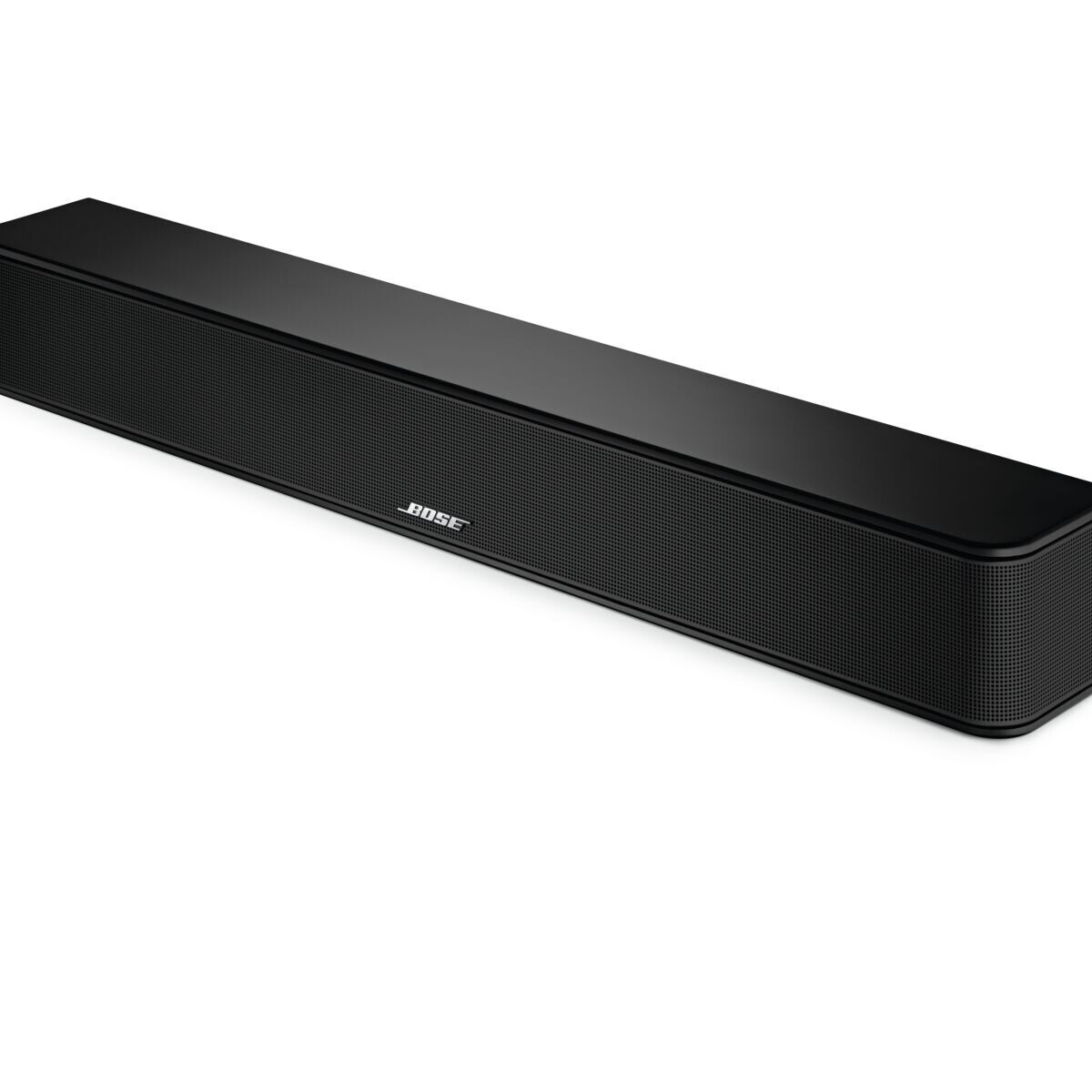

Photos from current listings. Actual item, color, and included accessories may vary.
Bose Home Theater Buying Guide
Bose home theater systems span soundbars, subwoofer-satellite sets, and premium all-in-one units, with the core trade-off being compact convenience versus true discrete-channel separation. The decisive rule: choose a soundbar or Solo-class unit if you want simple HDMI-ARC hookup in a small room, but step up to a true 5.1 system with a dedicated subwoofer and rear satellites if you demand real surround imaging.
Key takeaways
- Soundbar models like the Solo series use a single front-firing array with no rear channels, so surround effects are virtualized or absent; true 5.1 systems need physical rear speakers.
- Bose home theater systems rely on HDMI-ARC or optical for connection; only HDMI-ARC supports CEC volume control and lossless Dolby formats, while optical is limited to compressed 5.1.
- Subwoofer-satellite sets use proprietary wireless subwoofer links, but rear satellites often require wired connections to the subwoofer or amplifier module, adding cable runs.
At a glance
- Category
- Home Theater Speakers & Subwoofers
- Last updated
- Nov 28, 2026
Current offers
Highlights
- Soundbar models like the Solo series use a single front-firing array with no rear channels, so surround effects are virtualized or absent; true 5.1 systems need physical rear speakers.
- Bose home theater systems rely on HDMI-ARC or optical for connection; only HDMI-ARC supports CEC volume control and lossless Dolby formats, while optical is limited to compressed 5.1.
- Subwoofer-satellite sets use proprietary wireless subwoofer links, but rear satellites often require wired connections to the subwoofer or amplifier module, adding cable runs.
- Certified Refurbished Bose units carry the same acoustic performance as new but may ship with shorter warranty periods and generic accessories; check the included remote and power supply.
Best use cases
- Best fit: small living room or bedroom with a single HDMI-ARC TV and no space for rear speakers — pick a Bose soundbar or Solo unit and skip subwoofer-satellite sets.
- Best fit: dedicated media room with seating against a back wall — choose a true 5.1 system with rear satellites placed behind or beside the listener for real surround.
- Wrong fit: open-plan room with vaulted ceilings and no rear-wall mounting — skip rear-satellite systems and opt for a soundbar with a separate wireless subwoofer instead.
- Wrong fit: PC or desk setup needing near-field stereo — skip home theater soundbars and pick powered bookshelf speakers; Bose home theater units are tuned for TV-room acoustics.
Buying tips
- Measure TV width: a soundbar should be no wider than the TV stand or wall-mount bracket; Solo units fit TVs 40 inches and up, while wider arrays suit 55-inch and larger screens.
- For true surround, ensure the subwoofer module can sit within wireless range of the soundbar or receiver — most Bose wireless subs need a clear line of sight within 30 feet.
- Check HDMI ports: use the TV's HDMI-ARC port for one-cable audio and CEC; if your TV lacks ARC, budget for an optical cable and accept compressed 5.1 audio.
- Refurbished Bose systems use the same drivers and DSP as new units, but confirm the included power adapter matches your region's voltage (100-240V for most Bose externals).
Specs
| System Type | Soundbar / 5.1 satellite-sub |
|---|---|
| Surround Format | Virtual / Discrete 5.1 |
| TV Connection | HDMI-ARC or Optical |
| Subwoofer Link | Wireless / Wired to module |
Related searches
What to check before buying
- Measure TV stand width and depth: soundbars typically need 3-4 inches of depth and must not block the TV's IR remote sensor.
- Confirm wall or ceiling space for rear satellites: true 5.1 systems need two rear speakers at or slightly above ear height, plus cable routing to the subwoofer.
- Verify TV audio output: HDMI-ARC is required for single-cable control; optical is the fallback, and neither supports more than 5.1 channels.
- Check room volume and seating distance: soundbars suit rooms under 300 square feet; larger rooms need a separate subwoofer and higher-output satellites.
FAQ
Data sources: eBay / Amazon listings and product attribute feeds. Updated Nov 28, 2026.
Some links on this page are affiliate links. If you buy after clicking one, we may earn a commission at no extra cost to you. This does not change which products appear here or their order. Affiliate disclosure.