
Photos from current listings. Actual item, color, and included accessories may vary.
5 Port Switch Buying Guide
A 5-port switch is a compact, fanless network distribution device that adds four or five wired Ethernet ports to a router or modem, with the main trade-off being unmanaged plug-and-play simplicity versus managed VLAN and QoS control. Buyers should choose unmanaged for basic expansion and managed for traffic separation or monitoring; the decisive rule is metal housing and Gigabit or 2.5GbE ports over plastic 10/100 compromises.
Median $49.50
Key takeaways
- Unmanaged switches forward frames automatically with no IP address or configuration; managed models add 802.1Q VLANs, QoS, and loop detection but require a browser or CLI setup.
- Gigabit (10/100/1000) ports are the baseline; 2.5GbE (NBASE-T) models cost more but remove bottlenecks for NAS and Wi-Fi 6E access points exceeding 1 Gbps.
- Metal chassis with fanless passive cooling dissipates heat and shields EMI; plastic housings are lighter but crack under cable strain and trap heat in closets.
At a glance
- Category
- Network Switches, Routers & Firewalls
- Last updated
- Nov 25, 2026
Current offers
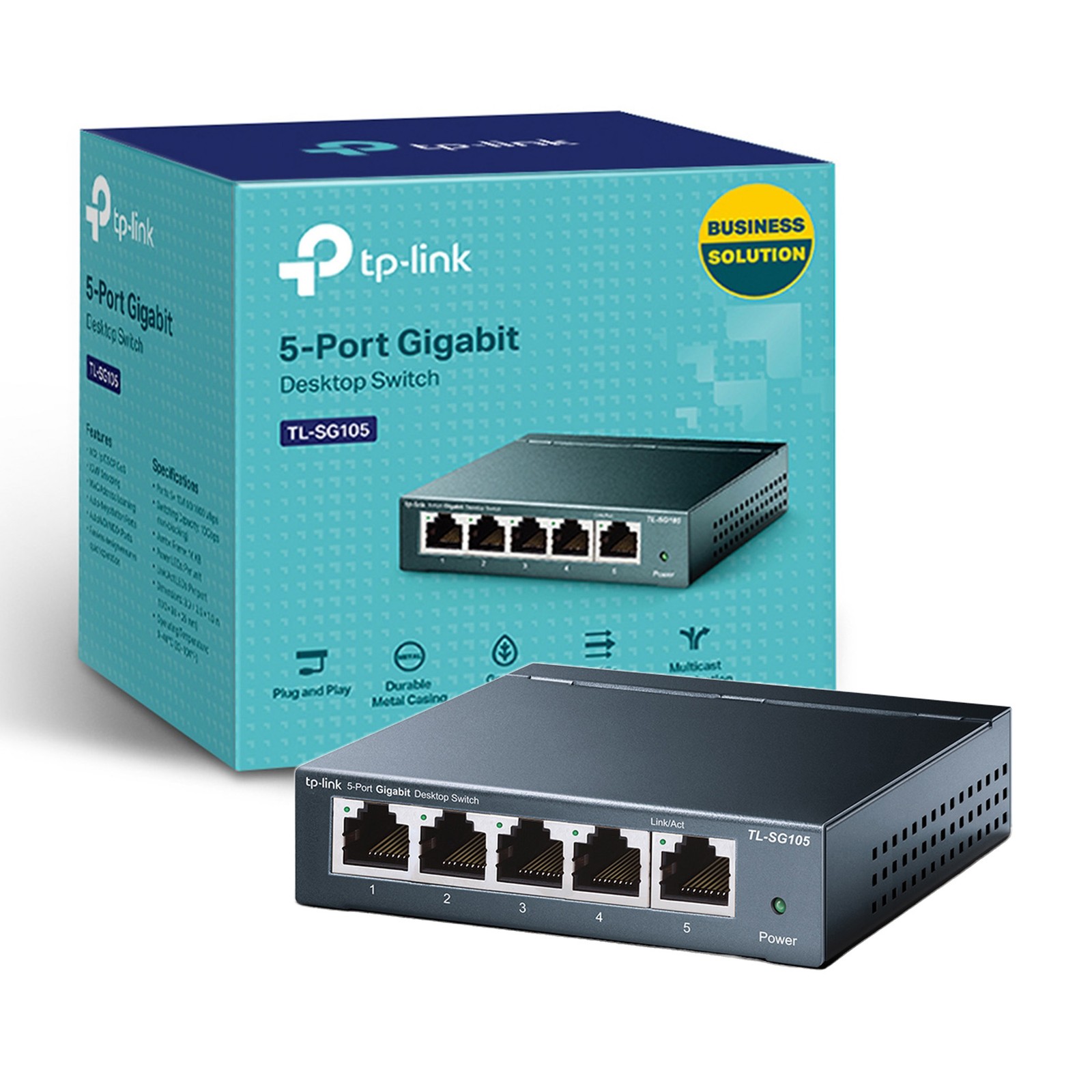 TP-Link TL-SG105 5-Port Gigabit Ethernet Unmanaged Metal Desktop Network Switch$29.99View on eBay
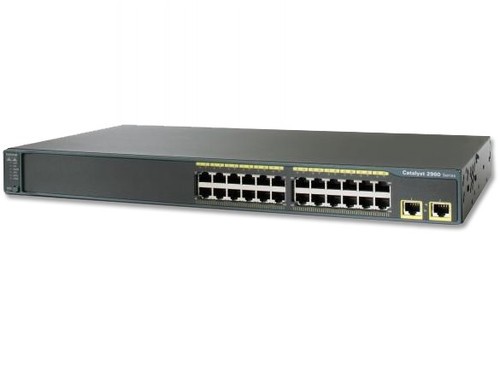 Cisco Catalyst 2960-24TT-L 24-Port Fast Ethernet Managed Switch$29.99View on eBay
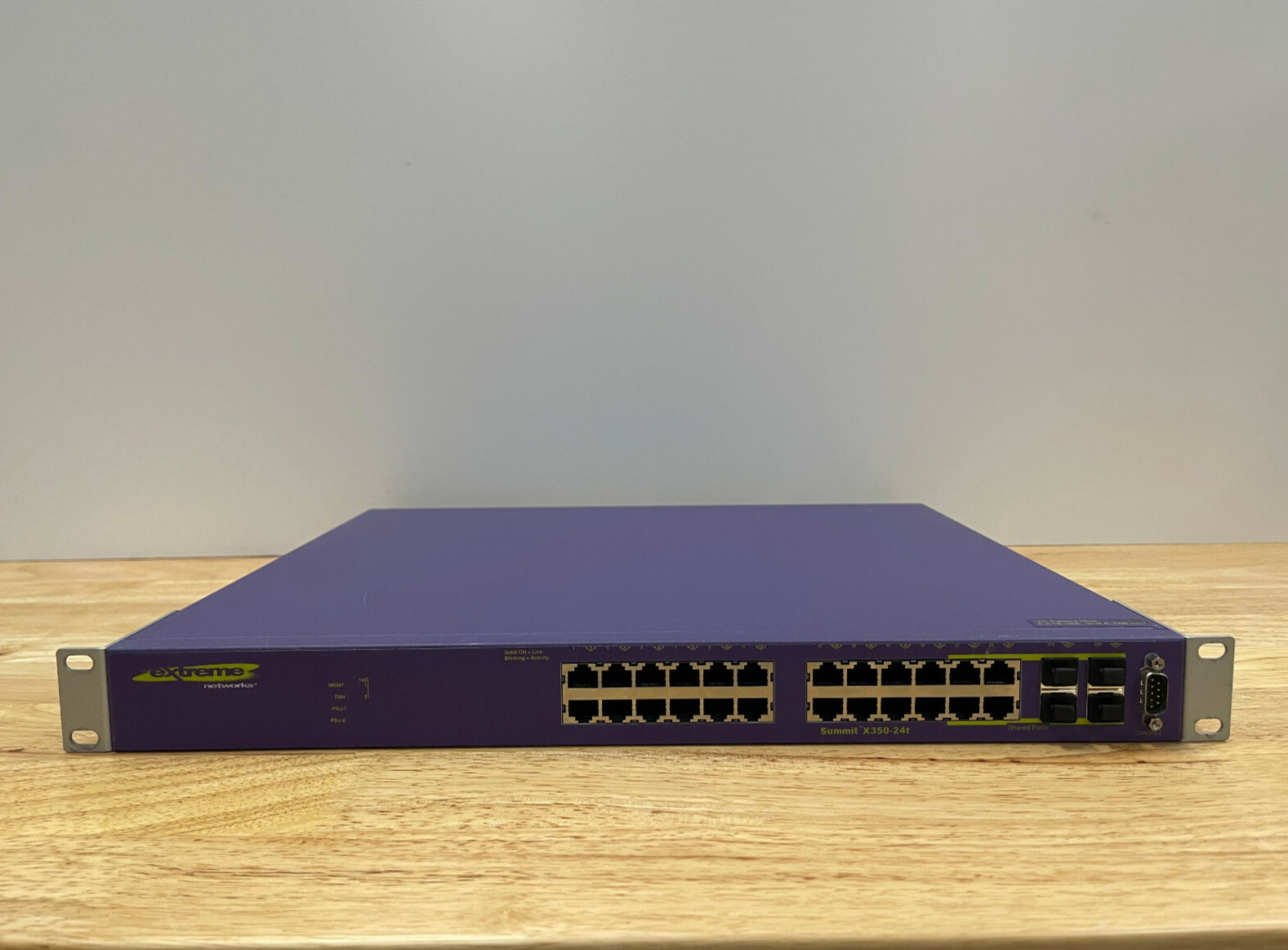 Extreme Networks Summit X350-24T 24-Port SFP 1Gbps RJ45 Ethernet Network Switch$49.00View on eBay
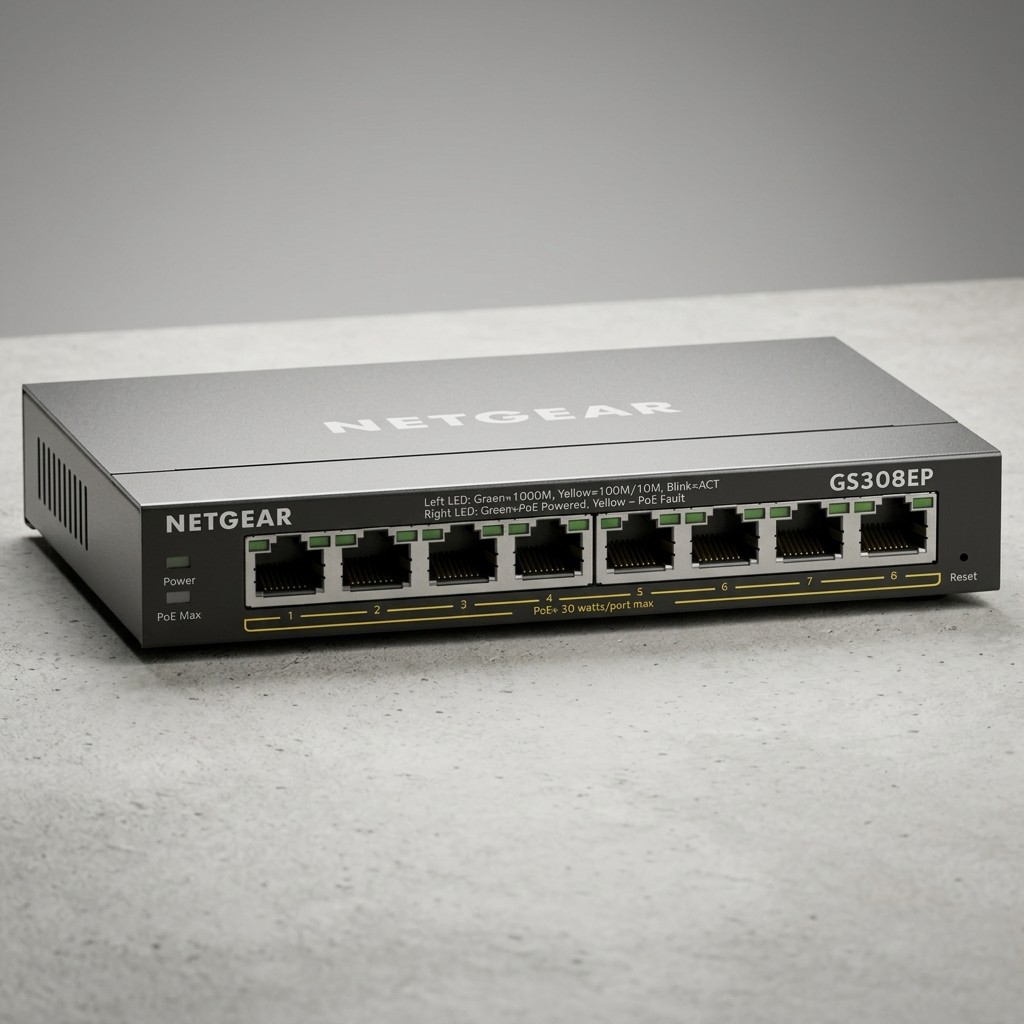 NETGEAR GS308EP Essential Series 8-Port Gigabit PoE+ Unmanaged Switch$49.99View on eBay
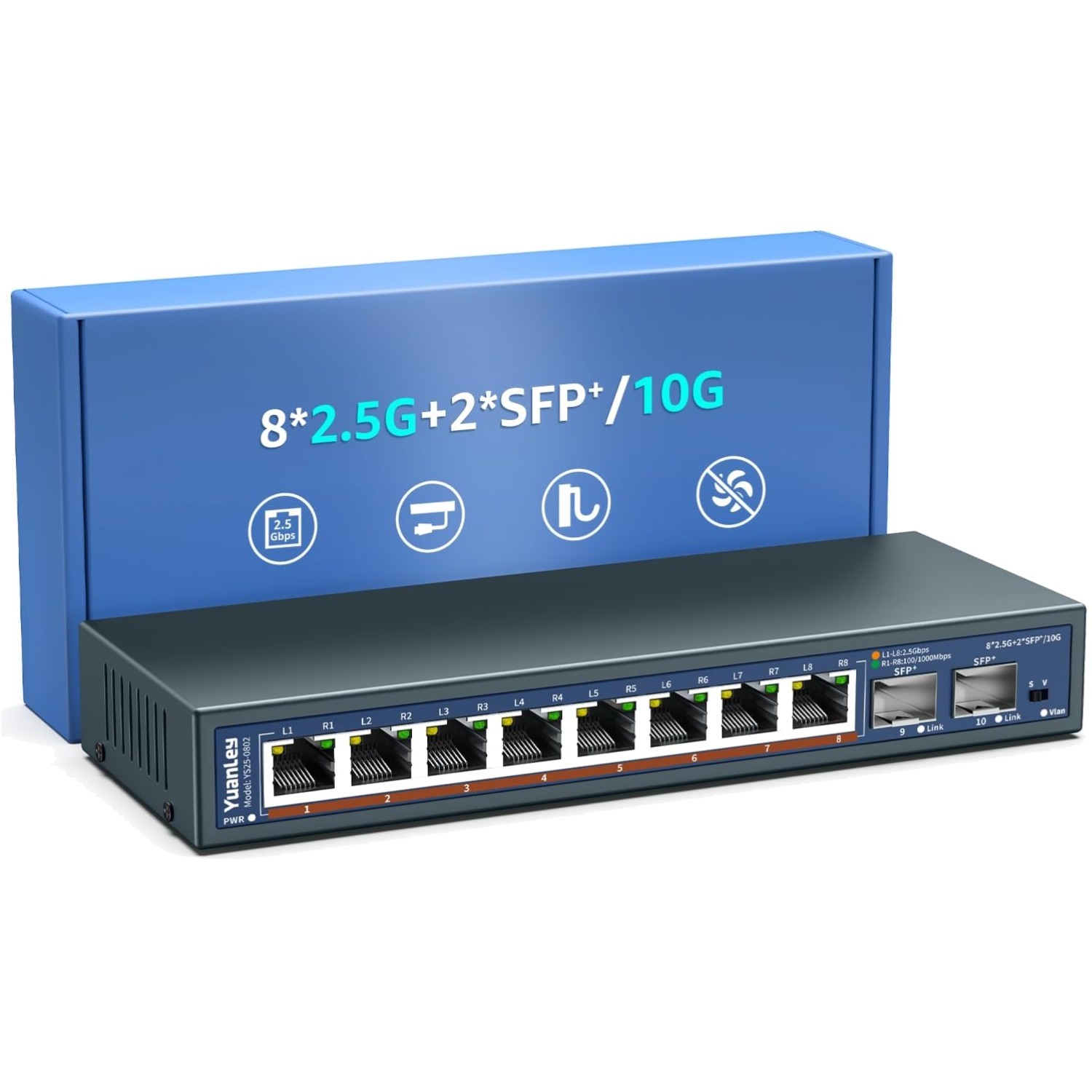 10-Port Fanless 2.5G Ethernet Switch with VLAN & 80Gbps Capacity for Home Office$117.59View on eBay
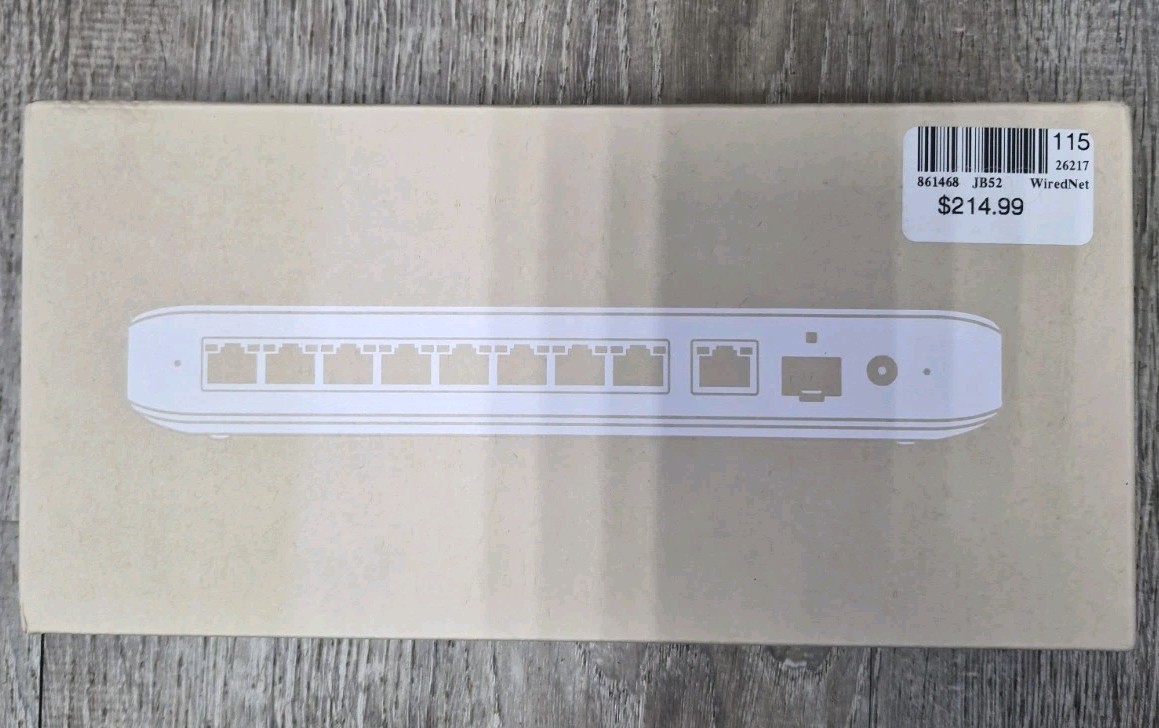 UBIQUITI NETWORKS USW-Flex-2.5G-8-PoE Flex PoE 8-Port Managed Network Switch$188.99View on eBay
Highlights
- Unmanaged switches forward frames automatically with no IP address or configuration; managed models add 802.1Q VLANs, QoS, and loop detection but require a browser or CLI setup.
- Gigabit (10/100/1000) ports are the baseline; 2.5GbE (NBASE-T) models cost more but remove bottlenecks for NAS and Wi-Fi 6E access points exceeding 1 Gbps.
- Metal chassis with fanless passive cooling dissipates heat and shields EMI; plastic housings are lighter but crack under cable strain and trap heat in closets.
- Power budgets differ: PoE passthrough models supply 802.3af/at to cameras and APs, while non-PoE units only carry data and need separate injectors.
Best use cases
- Best fit: expand a home router that has run out of LAN ports for a TV, console, and desktop; pick an unmanaged metal Gigabit model like the TP-Link TL-SG105 and skip plastic 10/100 units.
- Best fit: small office needing separate guest and staff traffic; choose a managed 5-port Gigabit switch with 802.1Q VLAN support and skip unmanaged units that cannot isolate broadcast domains.
- Wrong fit: powering IP cameras or access points over Ethernet; a non-PoE 5-port switch cannot deliver 802.3af/at power, so select a PoE model with a stated watt budget or use injectors.
- Wrong fit: multi-gig NAS or Wi-Fi 7 backhaul; a 1GbE 5-port switch caps throughput, so step up to 2.5GbE ports or skip the purchase entirely.
Buying tips
- Count devices first: a 5-port switch yields four usable ports when one uplinks to the router, so buy 8-port if you already have five end devices.
- Match speed end-to-end: 10/100 ports bottleneck any Gigabit router or fiber plan above 100 Mbps; confirm every port is 10/100/1000 or 2.5GbE.
- For VLANs, QoS, or port mirroring, require IEEE 802.1Q and 802.1p managed firmware; unmanaged switches cannot segment traffic regardless of port count.
- PoE buyers must check the total power budget in watts against device draw—802.3af allots 15.4W per port and 802.3at 30W—not just the port count.
Specs
| Port Speed | 10/100/1000 Mbps or 2.5GbE |
|---|---|
| Management | Unmanaged vs 802.1Q managed |
| Housing | Metal fanless vs plastic |
| PoE Standard | None / 802.3af / 802.3at |
Related searches
What to check before buying
- Measure the shelf or wall space: typical 5-port metal desktop units run about 4–6 inches wide and need 1–2 inches clearance for passive airflow.
- Confirm your router has a free LAN port and that you have one Ethernet cable per device plus one uplink cable.
- Verify the power adapter matches your region's voltage and plug type; many compact switches ship with external 5V or 12V DC bricks.
- For rack or wall mounting, check whether the chassis includes keyhole slots or a bracket, since loose desktop units need a shelf or Velcro.
FAQ
Data sources: eBay / Amazon listings and product attribute feeds. Updated Nov 25, 2026.
Some links on this page are affiliate links. If you buy after clicking one, we may earn a commission at no extra cost to you. This does not change which products appear here or their order. Affiliate disclosure.