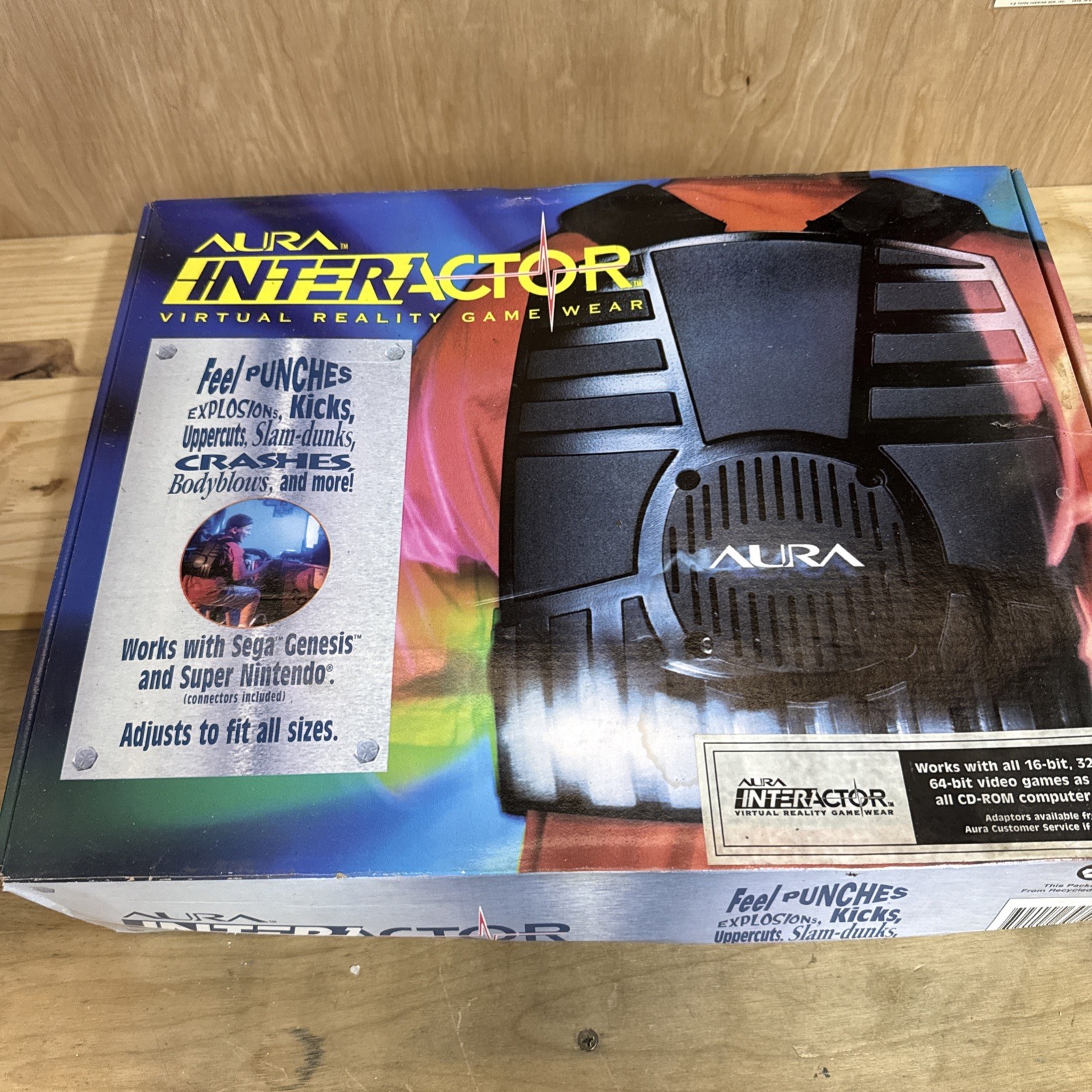

Photos from current listings. Actual item, color, and included accessories may vary.
AURA Interactor Virtual Reality Buying Guide
The AURA Interactor is a vintage force-feedback wearable from the early 1990s that uses a hard-shell vest with internal solenoids to thump the torso in sync with game audio. Its single-channel low-frequency actuation delivers blunt bass impacts rather than directional haptics, making it a collector's artifact rather than a modern VR accessory. Buy only if you are assembling a period-correct retro rig or want a physical piece of haptic history; skip it for any contemporary VR or console setup.
Key takeaways
- Original Interactor connects via serial or parallel port with a separate audio pass-through, not USB or HDMI.
- Hard-shell ABS torso unit houses a single solenoid transducer that responds to low-frequency audio, not positional tracking data.
- No onboard motion sensing or software API; it is an audio-driven force-feedback device, not a VR headset or motion controller.
At a glance
- Category
- Controllers & Gaming Accessories
- Status
- Listings available
- Last updated
- Nov 28, 2026
Current offers
Highlights
- Original Interactor connects via serial or parallel port with a separate audio pass-through, not USB or HDMI.
- Hard-shell ABS torso unit houses a single solenoid transducer that responds to low-frequency audio, not positional tracking data.
- No onboard motion sensing or software API; it is an audio-driven force-feedback device, not a VR headset or motion controller.
- Later 'Interactor VR' branding refers to the same audio-thump hardware, not a true 6DoF virtual reality peripheral.
Best use cases
- Best fit: retro-computing collectors pairing it with a 486/Pentium-era PC, Sound Blaster card, and CRT monitor for an authentic 1994 sim experience.
- Wrong fit: anyone building a modern VR setup (Quest, Index, PSVR2) — it has no USB, no tracking, and no driver support on current OSes.
- Best fit: museum or game-history display where the hard-shell vest is shown as a physical artifact of early haptics.
- Wrong fit: comfort-focused home use — the rigid shell and single blunt transducer are heavy and non-adjustable compared with modern haptic vests.
Buying tips
- Confirm the control box is included: the Interactor requires an external interface box that converts serial/parallel signals to the vest; a vest alone is non-functional.
- Check for a 9V DC power input or original AC adapter — the solenoid needs external power and does not run from the game port.
- Verify the cable termination is DB9 serial or DB25 parallel, not USB; USB models do not exist for this product generation.
- Inspect the hard-shell for cracks at the shoulder and waist mounts, as ABS from this era becomes brittle and replacement shells are unavailable.
Specs
| Haptic Type | Single solenoid audio-thump |
|---|---|
| Interface | Serial / parallel game port |
| Power Source | 9V DC adapter (external) |
| Shell Material | Hard ABS torso shell |
Alternatives to compare
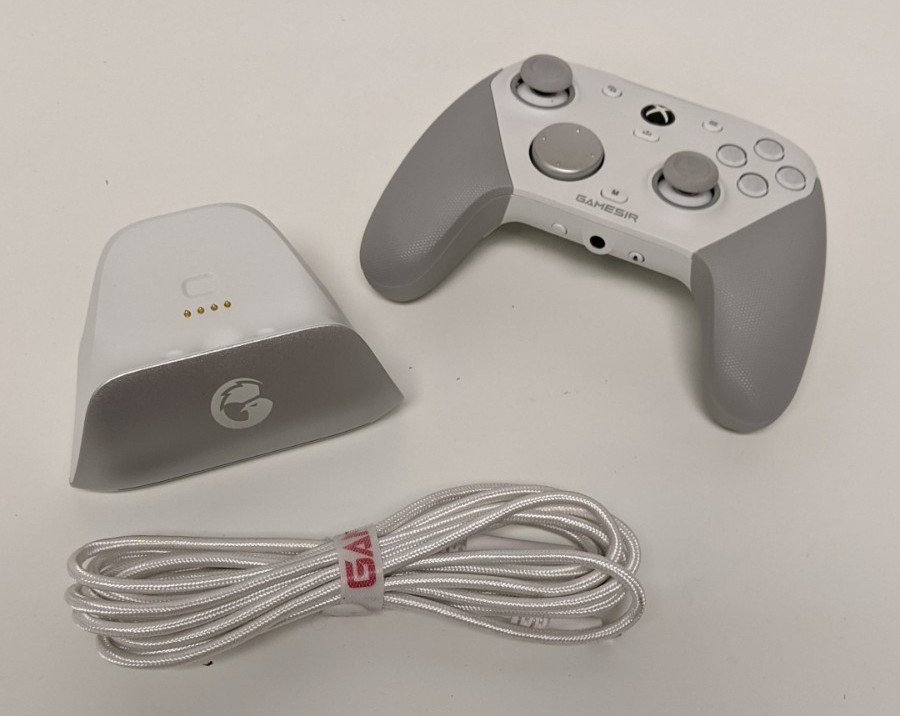
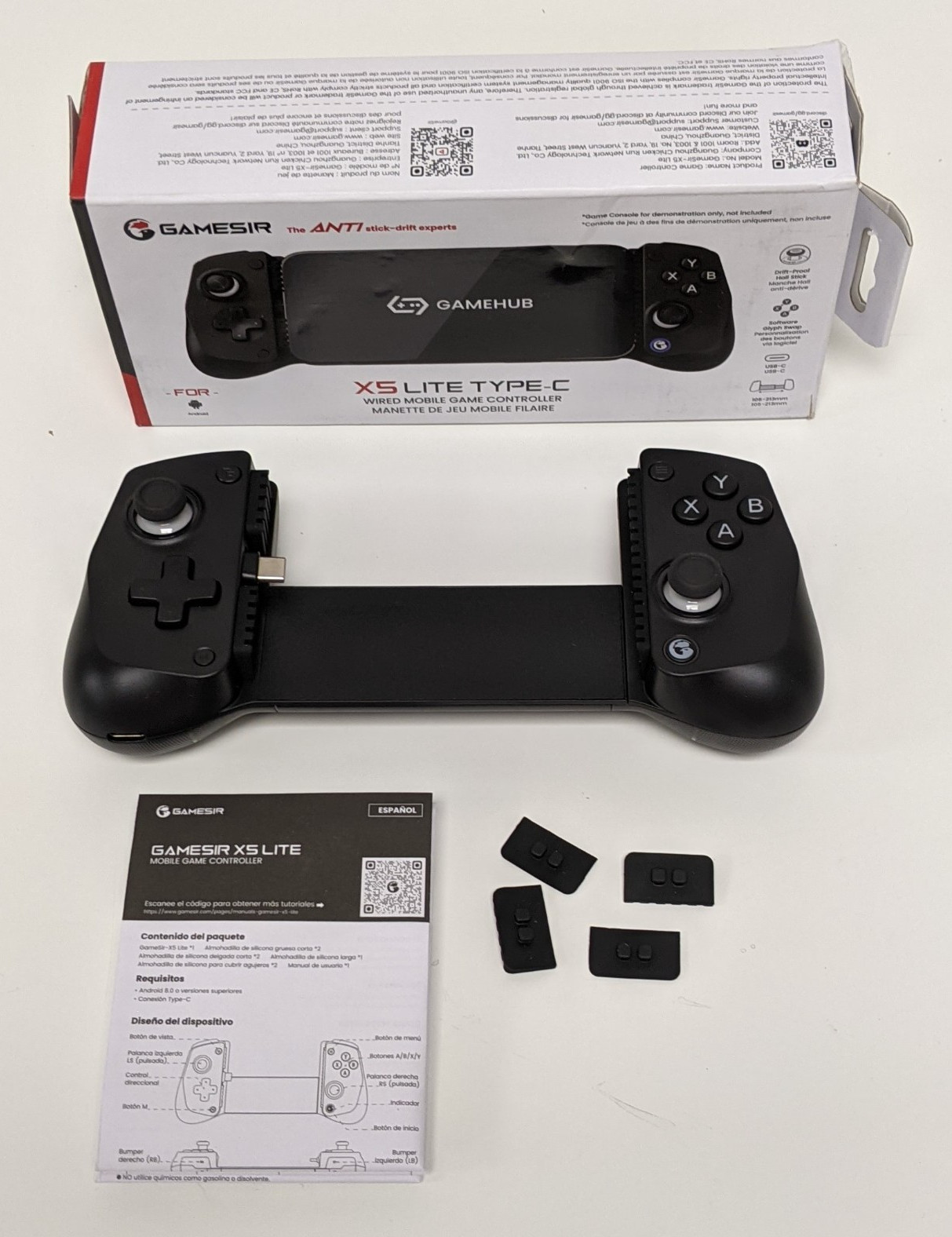
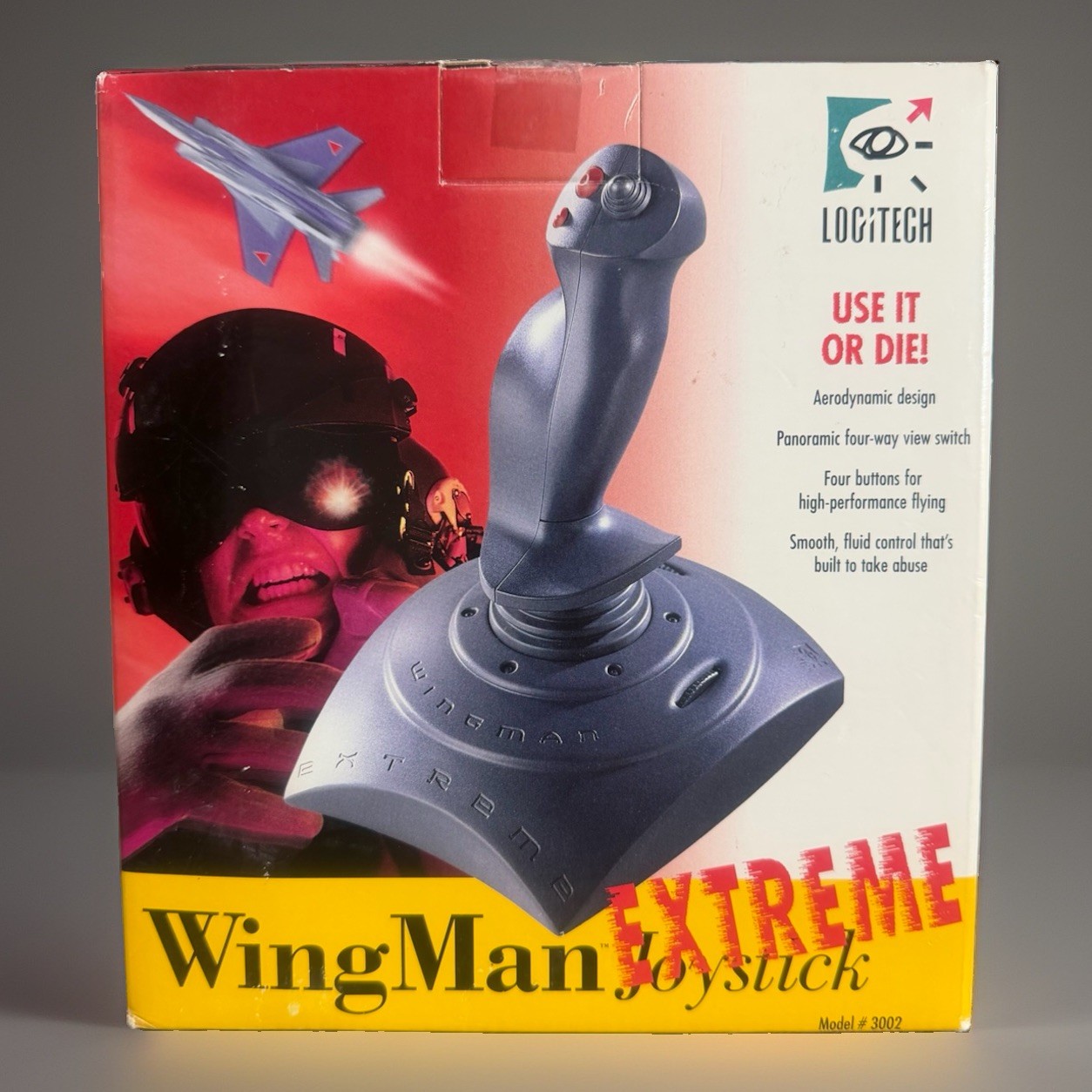
Related searches
What to check before buying
- Measure your torso against the vest's fixed hard-shell dimensions — the original Interactor was offered in limited sizing and does not adjust like fabric vests.
- Confirm your retro PC has a free serial or parallel port and a sound card with line-out pass-through for the audio-driven trigger.
- Check that you have a 9V DC power source matching the original adapter polarity and barrel size.
- Verify the vest's internal solenoid still actuates smoothly by testing with the control box before committing to a display-only purchase.
FAQ
Data sources: eBay / Amazon listings and product attribute feeds. Updated Nov 28, 2026.
Some links on this page are affiliate links. If you buy after clicking one, we may earn a commission at no extra cost to you. This does not change which products appear here or their order. Affiliate disclosure.