
Photos from current listings. Actual item, color, and included accessories may vary.
Desktop Computer Buying Guide
The desktop computer category spans compact mini-PCs, full towers, and refurbished business machines, with the core trade-off being CPU generation/RAM capacity versus upgradeability and warranty. Durable options use standard ATX or proprietary-but-documented form factors, 80 Plus power supplies, and user-replaceable memory/storage; compromises hide non-standard boards, soldered RAM, or aging 4th-7th gen Intel chips. The decision rule: buy a machine with at least an 8th-gen Intel or Ryzen 2000 CPU, 16GB RAM, and an SSD, and reject any listing that omits the exact CPU model.
Median $170.31
Key takeaways
- 8th-gen Intel Core (8000 series) is the Windows 11 compatibility floor for mainstream desktops; 7th-gen and older require workarounds and lose official updates.
- Business refurbs (Dell OptiPlex, Lenovo ThinkCentre, HP EliteDesk) use standardized micro-ATX or proprietary boards with documented RAM slots and 3.5-inch drive bays, making them more serviceable than consumer slim towers.
- RAM type determines upgrade cost: DDR4-2666/3200 DIMMs are cheap and swappable, while DDR3 machines (4th-gen Intel) are a dead end for future upgrades.
At a glance
- Category
- Computers & Peripherals
- Last updated
- Nov 27, 2026
Current offers
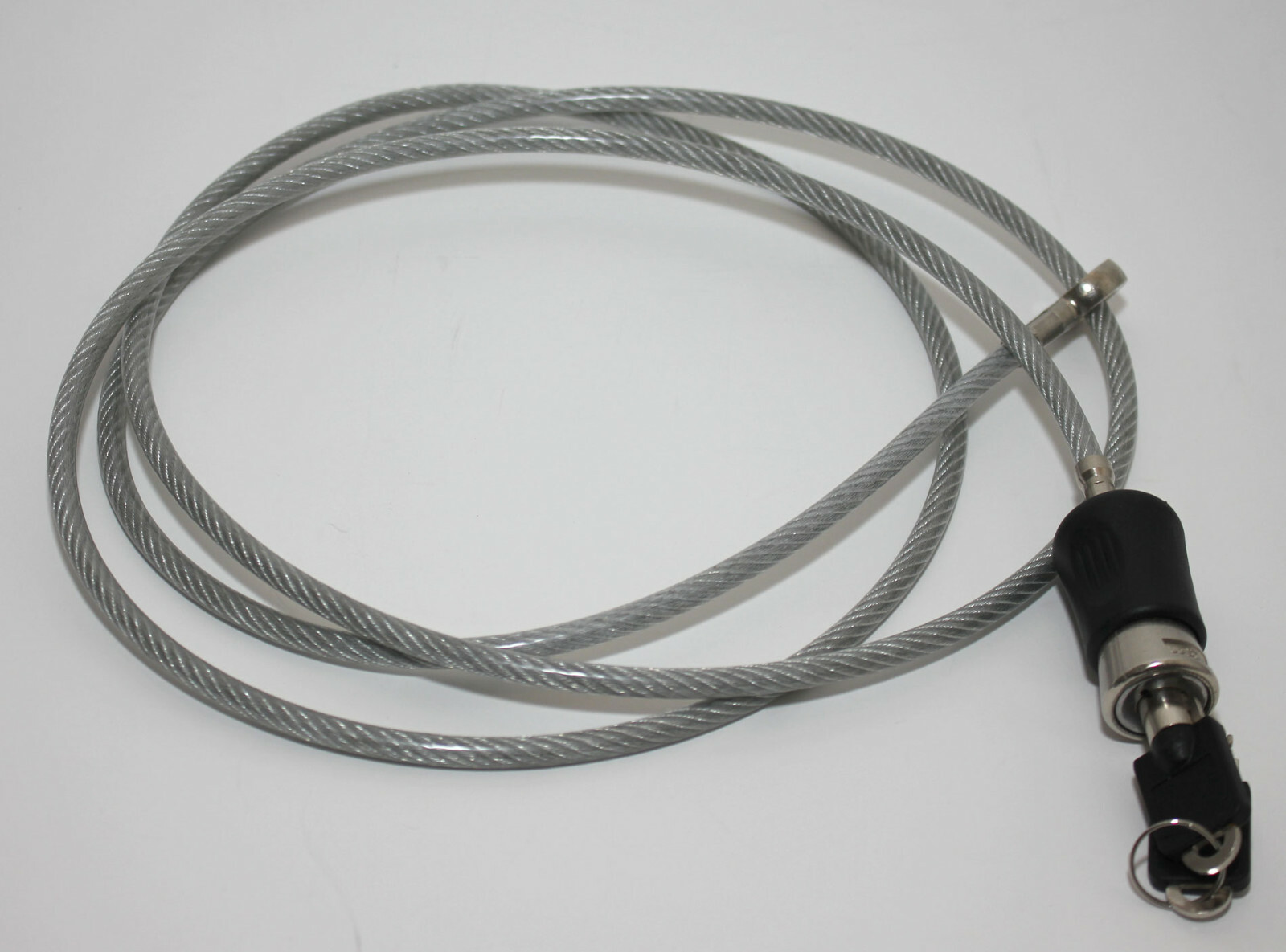 KENSINGTON Desktop Computer and Peripherals Lock with Two Keys$15.99Last checked Nov 19, 2026View on eBay
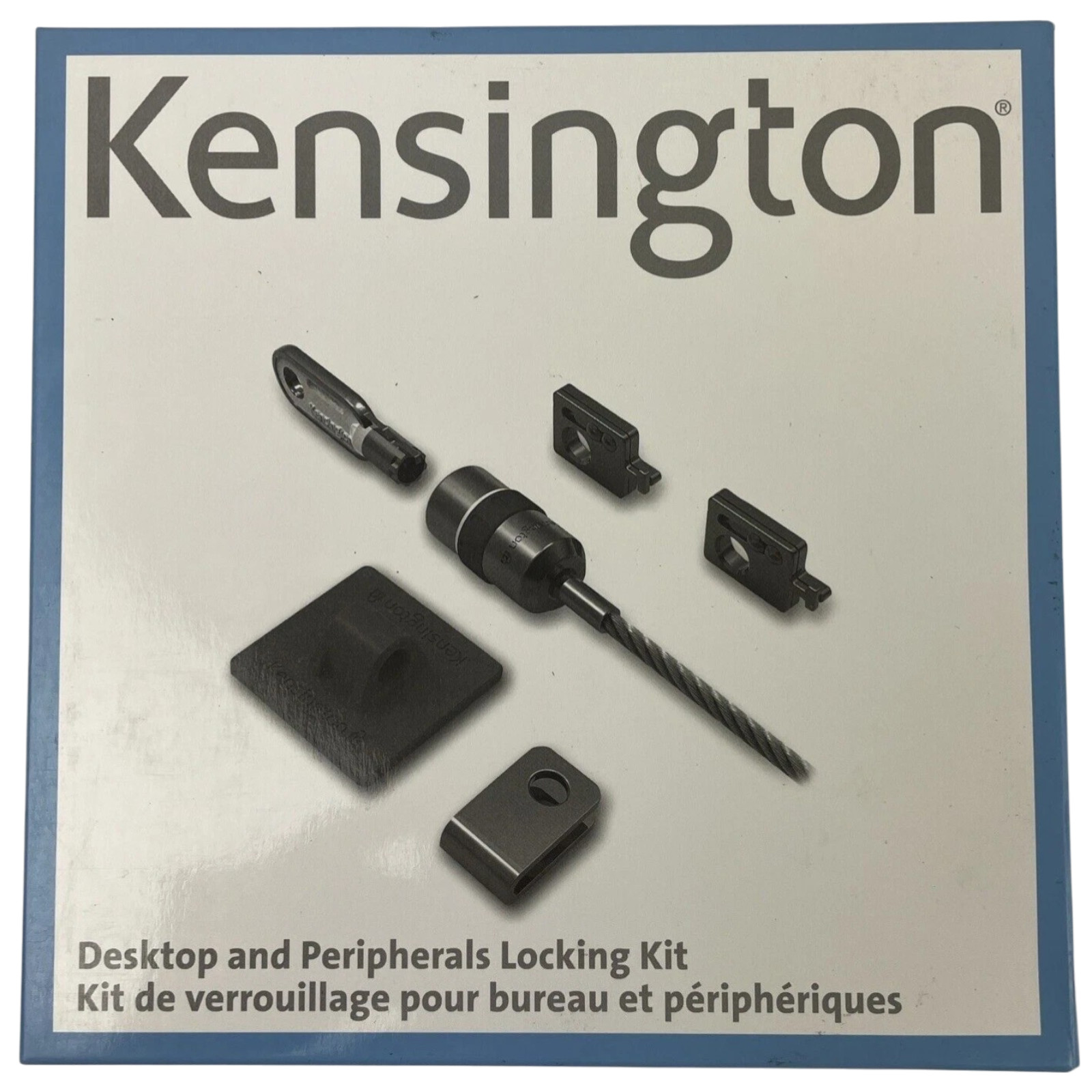 2 x New Kensington K64615US Desktop Computer and Peripherals Locking Kit - LOOK$28.99View on eBay
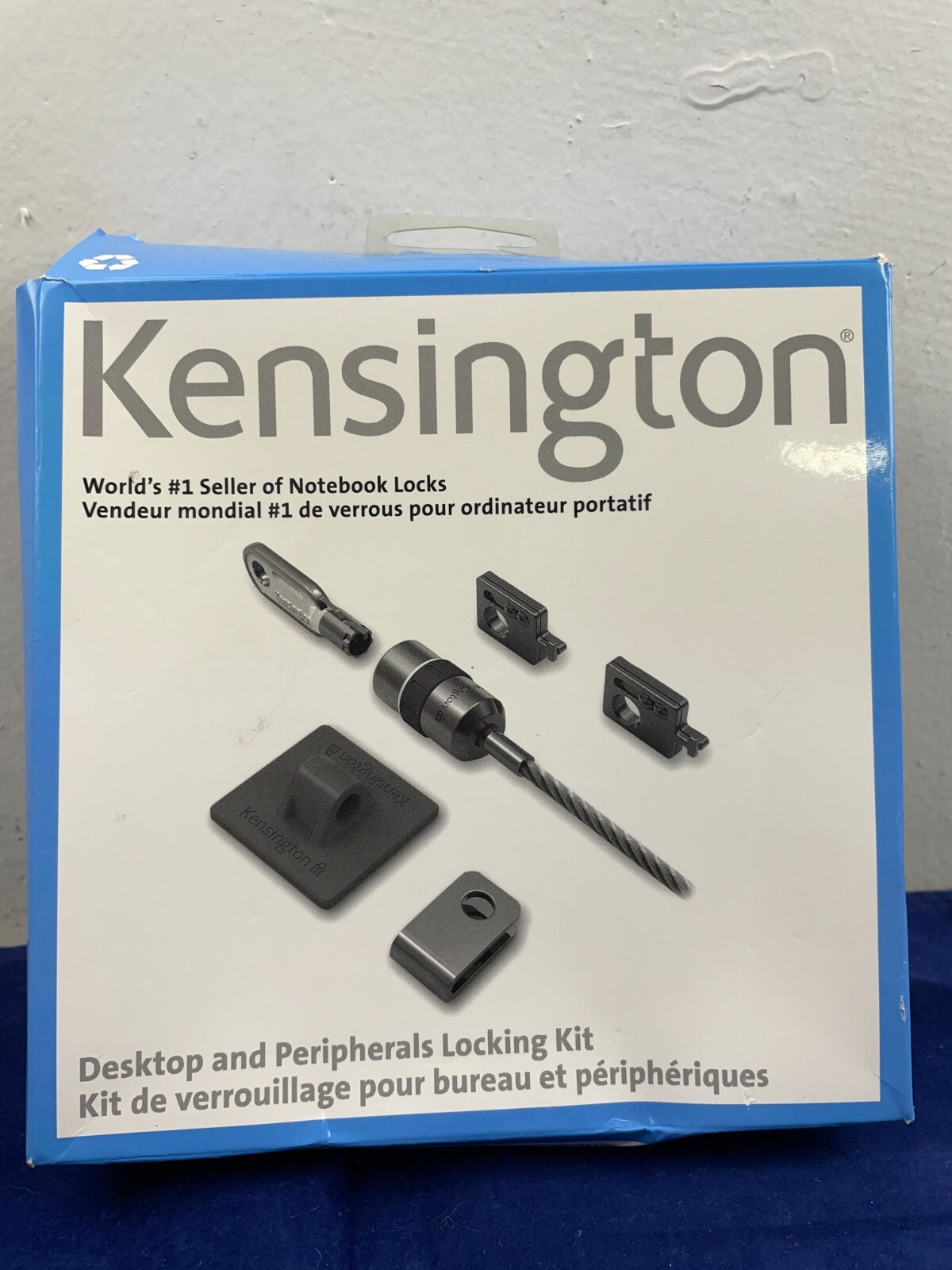 Kensington K64615US Desktop Computer and Peripherals Locking Kit$30.00View on eBay
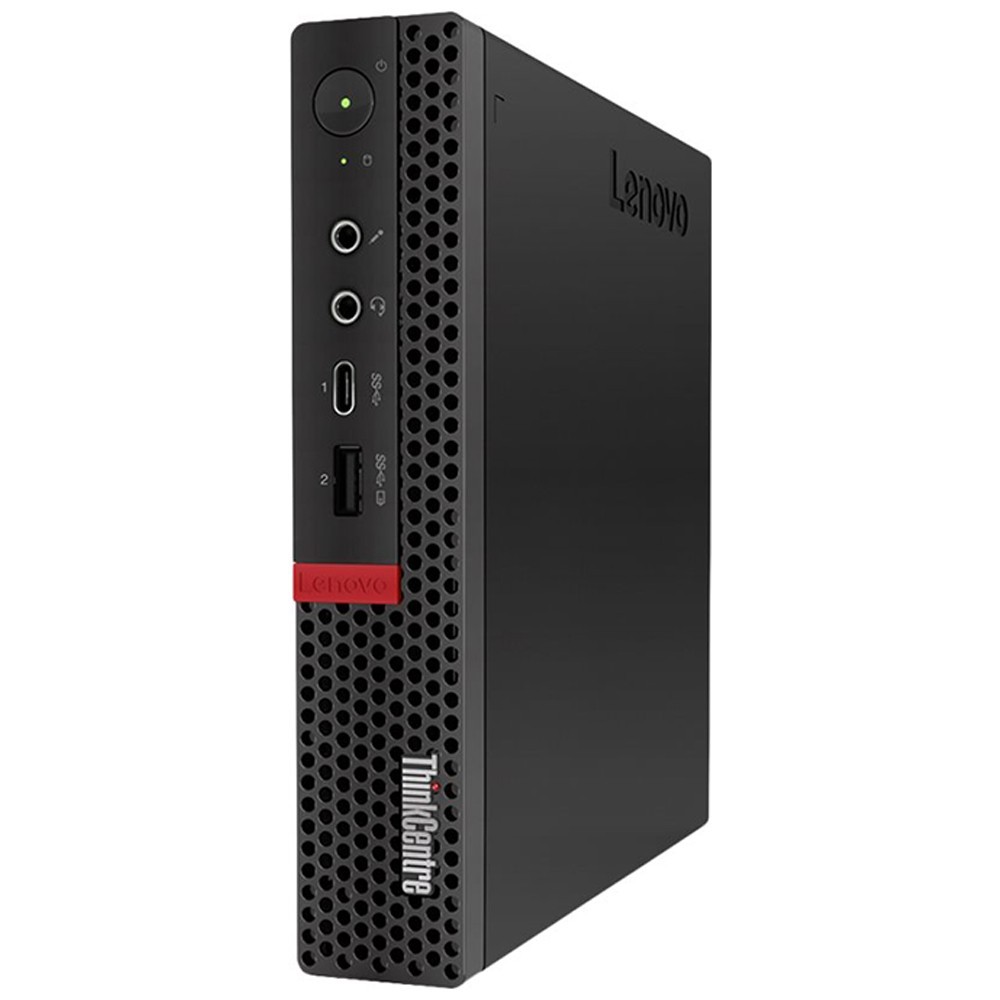 Lenovo Desktop Computer PC Intel Processor 16GB RAM 240GB SSD Windows 11 Wi-Fi$170.31View on eBay
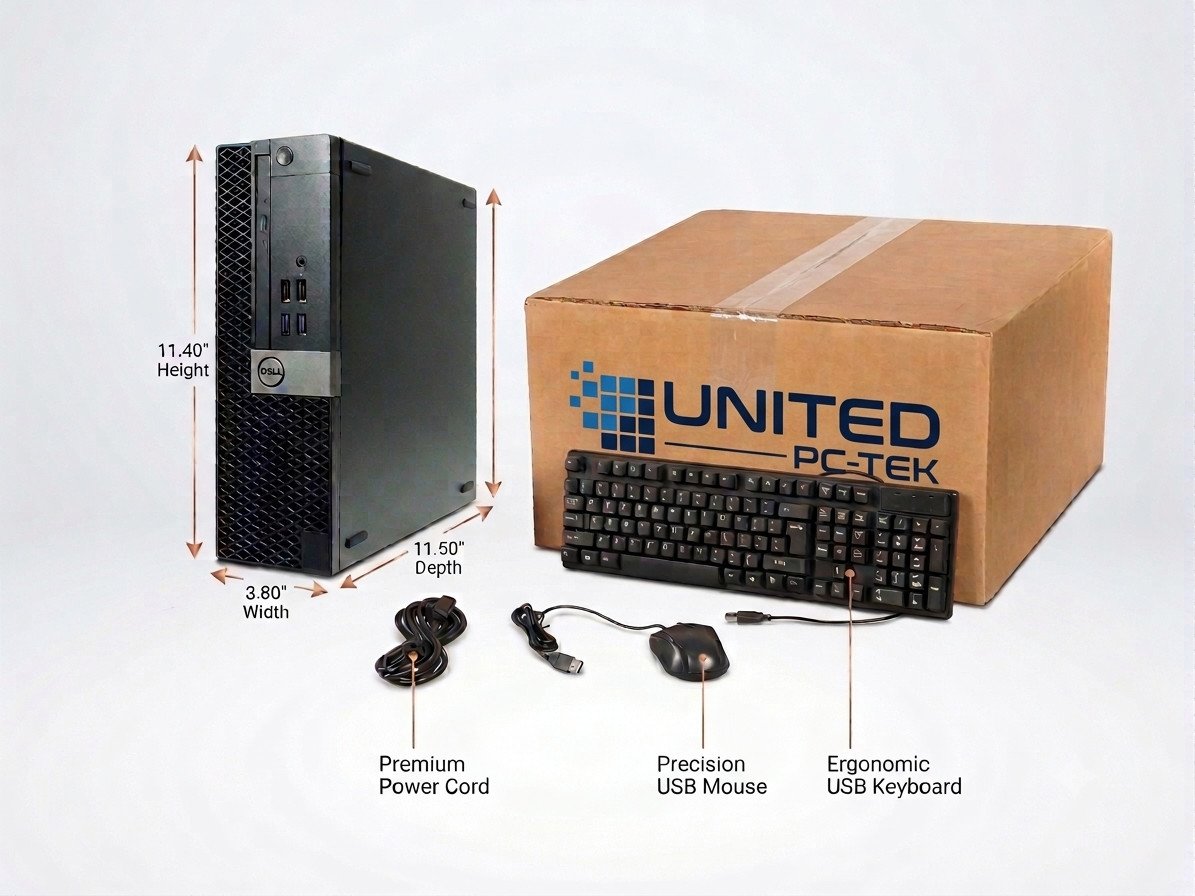 Fast Dell i7 Desktop Computer PC | up to 32GB RAM 2TB SSD | Windows 11 Pro WiFi$249.99Last checked Nov 18, 2026View on eBay
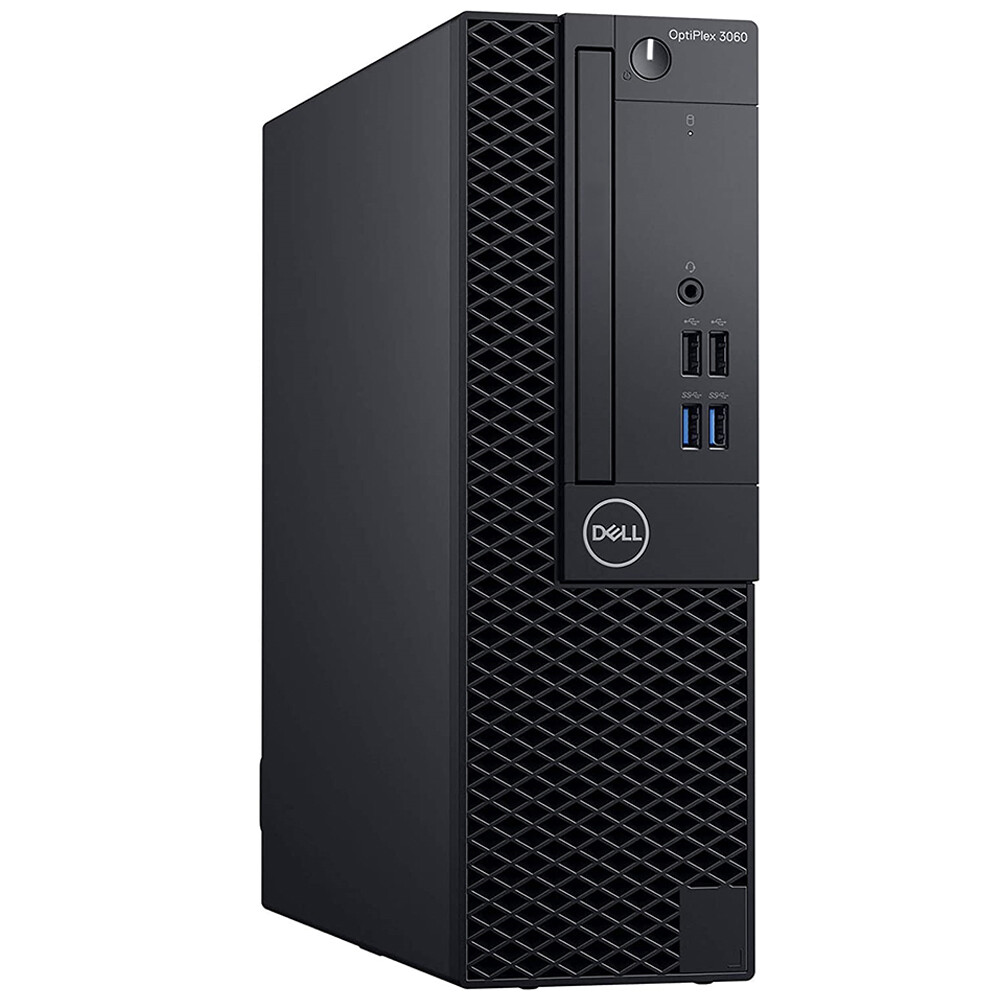 Dell Windows 11 Pro Desktop Computer PC Up To i7 8th Gen. 32GB RAM 4TB SSD/HDD$284.38Last checked Nov 16, 2026View on eBay
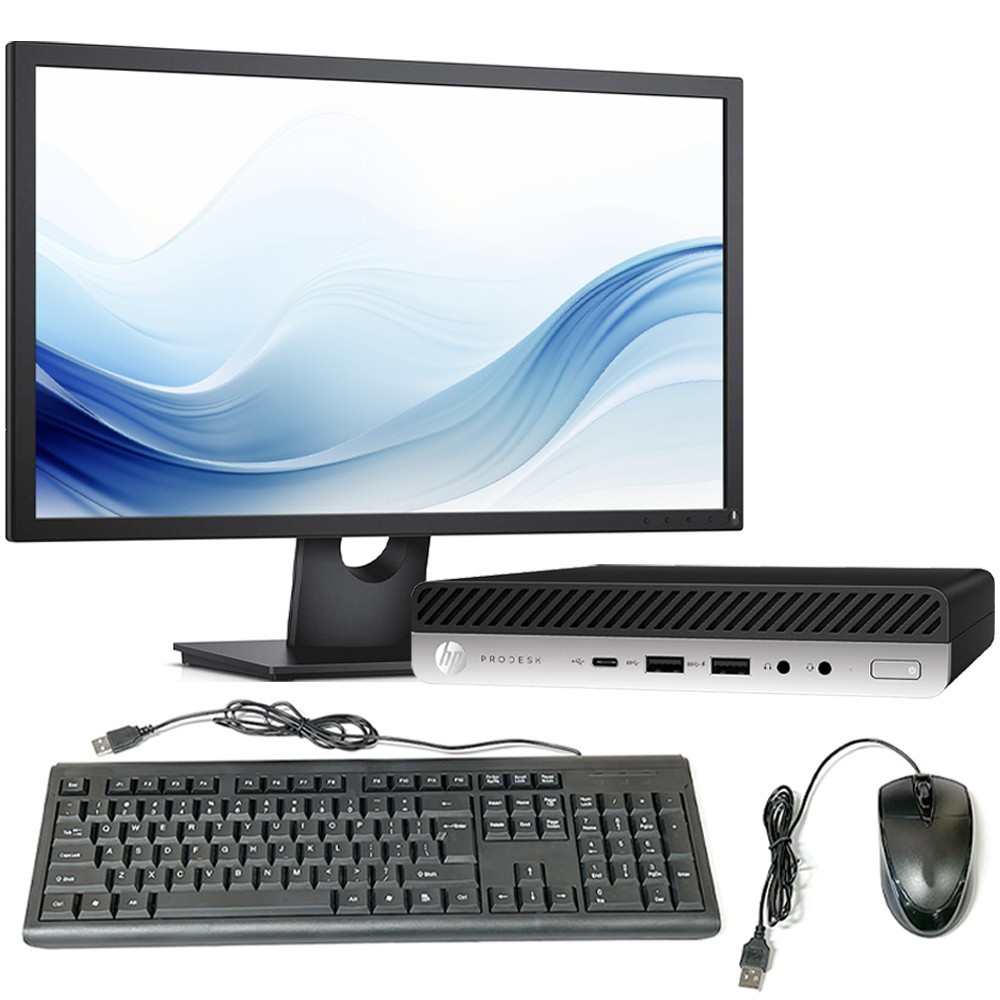 HP Windows 11 Pro Desktop i5 Computer Micro Up To 27" LCD 32GB RAM 1TB SSD Wi-Fi$339.33Last checked Nov 18, 2026View on eBay
Highlights
- 8th-gen Intel Core (8000 series) is the Windows 11 compatibility floor for mainstream desktops; 7th-gen and older require workarounds and lose official updates.
- Business refurbs (Dell OptiPlex, Lenovo ThinkCentre, HP EliteDesk) use standardized micro-ATX or proprietary boards with documented RAM slots and 3.5-inch drive bays, making them more serviceable than consumer slim towers.
- RAM type determines upgrade cost: DDR4-2666/3200 DIMMs are cheap and swappable, while DDR3 machines (4th-gen Intel) are a dead end for future upgrades.
- A 240GB SATA SSD is the minimum acceptable boot drive; combined HDD+SSD listings often ship the OS on the slower HDD, so confirm the boot drive.
Best use cases
- General office/web/home use: pick a refurbished 8th-gen i5 with 16GB RAM and 512GB SSD; skip new low-end Celeron mini-PCs with 4GB soldered RAM.
- Music production: choose a tower with at least 6 cores (i5-10400/Ryzen 5 3600), 32GB RAM capacity, and USB-C or Thunderbolt for audio interfaces; avoid slim cases with no PCIe slot for a dedicated audio card.
- Light gaming or video editing: require a discrete GPU (GTX 1650 or better) and a 500W+ 80 Plus Bronze PSU; skip integrated-graphics-only mini-PCs and proprietary PSUs that cannot be upgraded.
- Kiosk or shared-desk security: add a Kensington-style cable lock through the chassis security slot; skip if the case lacks a reinforced slot, as plastic-only locks are easily defeated.
Buying tips
- Match CPU generation to OS support: Intel 8th-gen or newer, or AMD Ryzen 2000 or newer, for Windows 11 and current driver support.
- Calculate RAM headroom: 16GB (2x8GB) is the practical minimum for multitasking; confirm two DIMM slots so you can reach 32GB later.
- Check form factor: full towers accept standard ATX PSUs and GPUs up to 300mm; micro/SFF units often need low-profile cards and proprietary power connectors.
- For refurbs, prefer listings that state the exact CPU model (e.g., i5-8500, not 'up to i7') and include a drive caddy and SATA cables.
Specs
| CPU Generation | Intel 8th-gen+ / Ryzen 2000+ |
|---|---|
| RAM Type & Slots | DDR4 DIMM, 2-4 slots (not soldered) |
| Form Factor | Full tower / SFF / Mini-PC |
| Boot Drive | SSD 240GB+ (NVMe preferred) |
Related searches
What to check before buying
- Measure your desk or under-desk clearance: micro towers are about 3.5-4 inches wide, full towers about 7-8 inches, and mini-PCs under 2 inches.
- Confirm the monitor ports you need (HDMI 2.0, DisplayPort 1.4, VGA legacy) and that the GPU or iGPU supports your resolution and refresh rate.
- Verify your wall outlet and PSU voltage (100-240V auto-switching is standard; fixed 115V units need a step-up transformer abroad).
- Ensure you have a keyboard, mouse, and monitor included or budget for them; many refurb listings are PC-only.
FAQ
Data sources: eBay / Amazon listings and product attribute feeds. Updated Nov 27, 2026.
Some links on this page are affiliate links. If you buy after clicking one, we may earn a commission at no extra cost to you. This does not change which products appear here or their order. Affiliate disclosure.