
Photos from current listings. Actual item, color, and included accessories may vary.
Stereo Receiver With Bluetooth Buying Guide
A stereo receiver with Bluetooth combines a two-channel amplifier, radio tuner, and wireless streaming in one chassis, but the market splits sharply between honest continuous-power hi-fi components and inflated 'peak watt' surround amps. The core trade-off is real RMS power per channel into 8 ohms versus marketing wattage, plus whether Bluetooth is a stable built-in module or a noisy afterthought. Buy a name-brand stereo receiver rated in RMS watts with aptX or AAC support; skip any listing advertising peak or '3000W' numbers.
Median $159.00 · Pre-owned listings
Key takeaways
- Continuous RMS power per channel at 8 ohms (20Hz-20kHz, low THD) is the only meaningful amplifier rating; peak or 'max' watt figures are marketing fiction on budget receivers.
- Bluetooth codec support separates tiers: SBC/AAC is baseline, aptX or aptX HD reduces latency and compression artifacts for critical listening from phones and tablets.
- Class AB linear amplification dominates stereo receivers for clean 2-channel sound; Class D is efficient but needs careful implementation to avoid hiss at low volume.
At a glance
- Category
- AV Receivers & Amplifiers
- Last updated
- Nov 24, 2026
Current offers
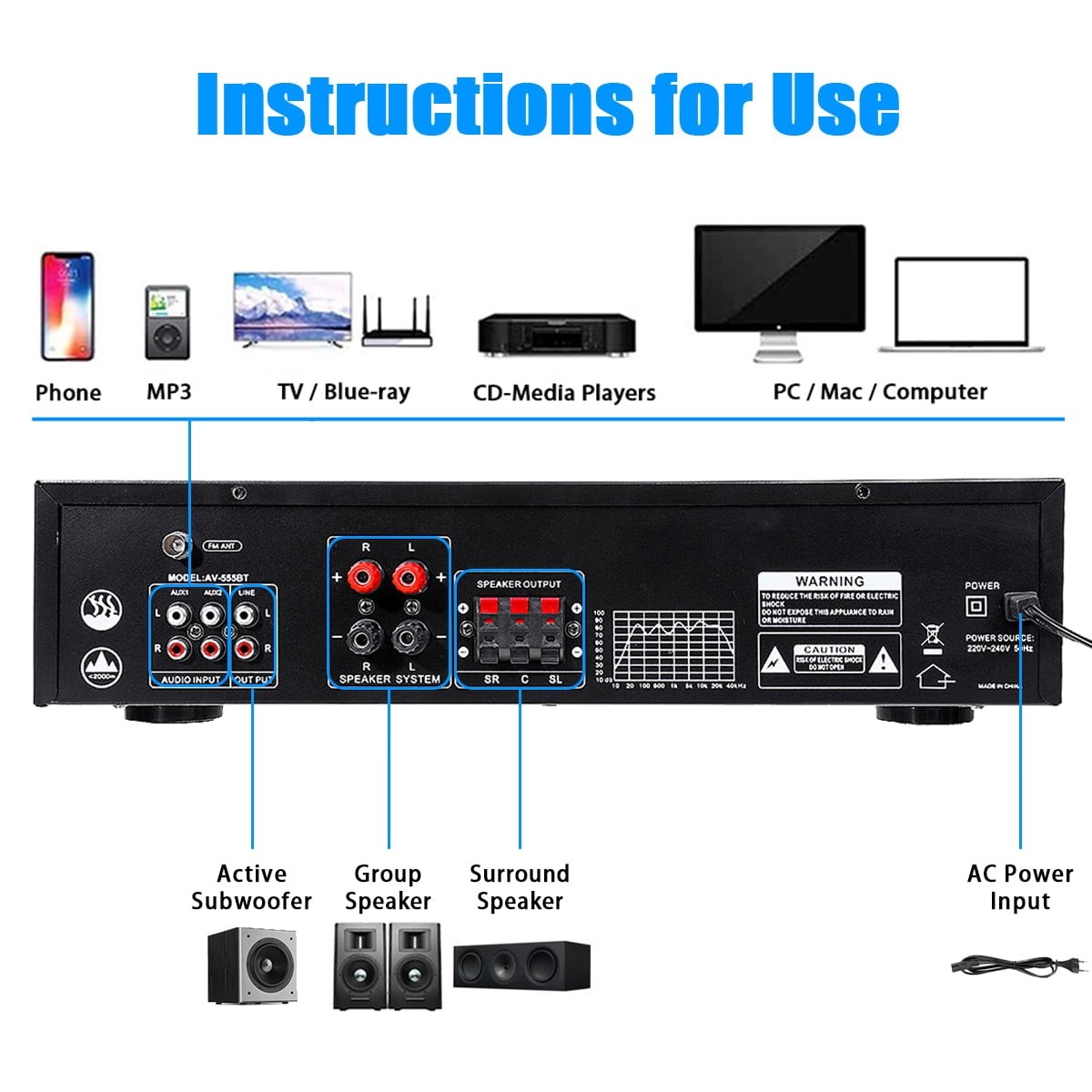 800W Surround Sound Bluetooth Audio Power Amplifier Receiver Home Theater Stereo$117.49View on eBay
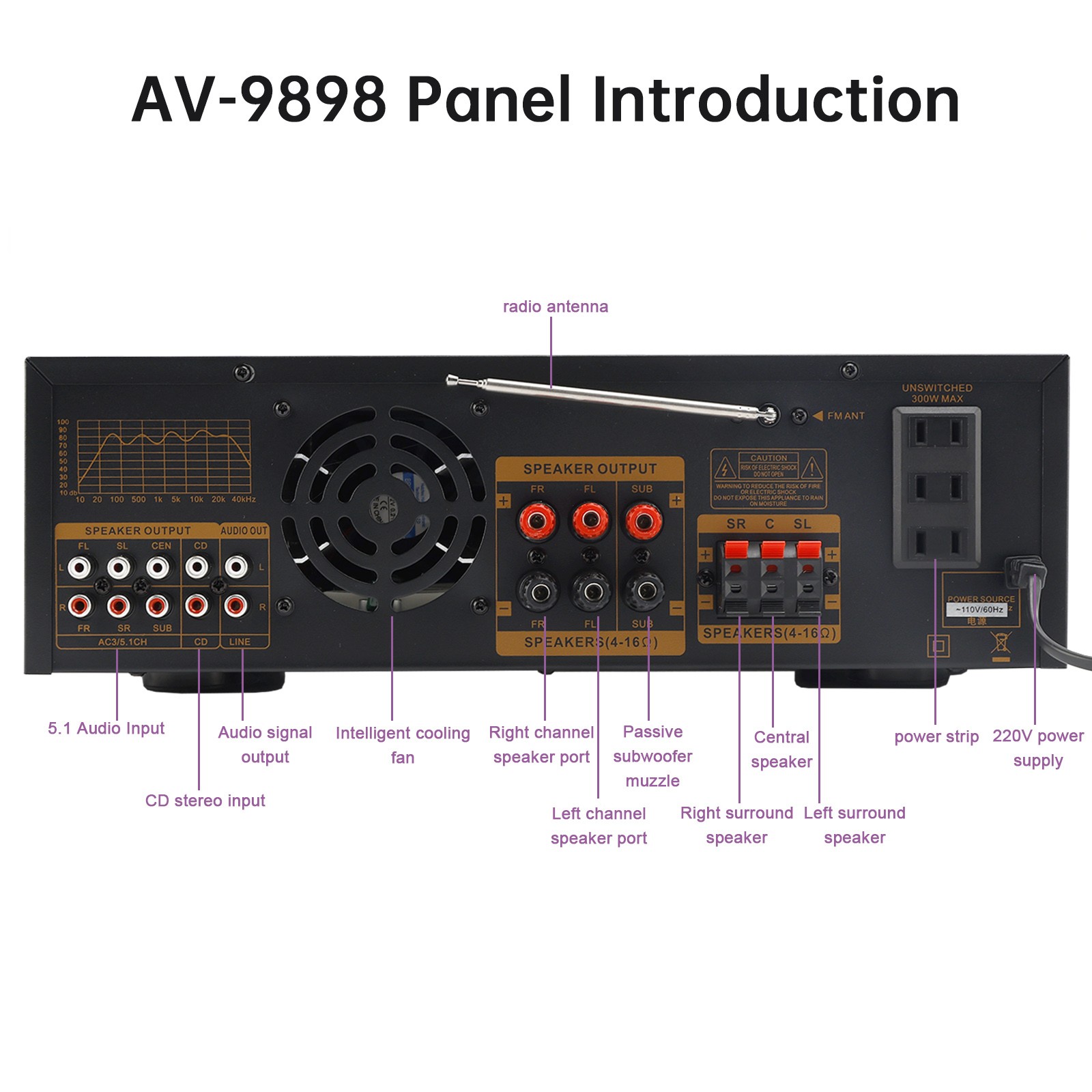 3000W Peak Stereo HiFi Power Amplifier High-Power 5.1Channel Subwoofer Amplifier$119.45View on eBay
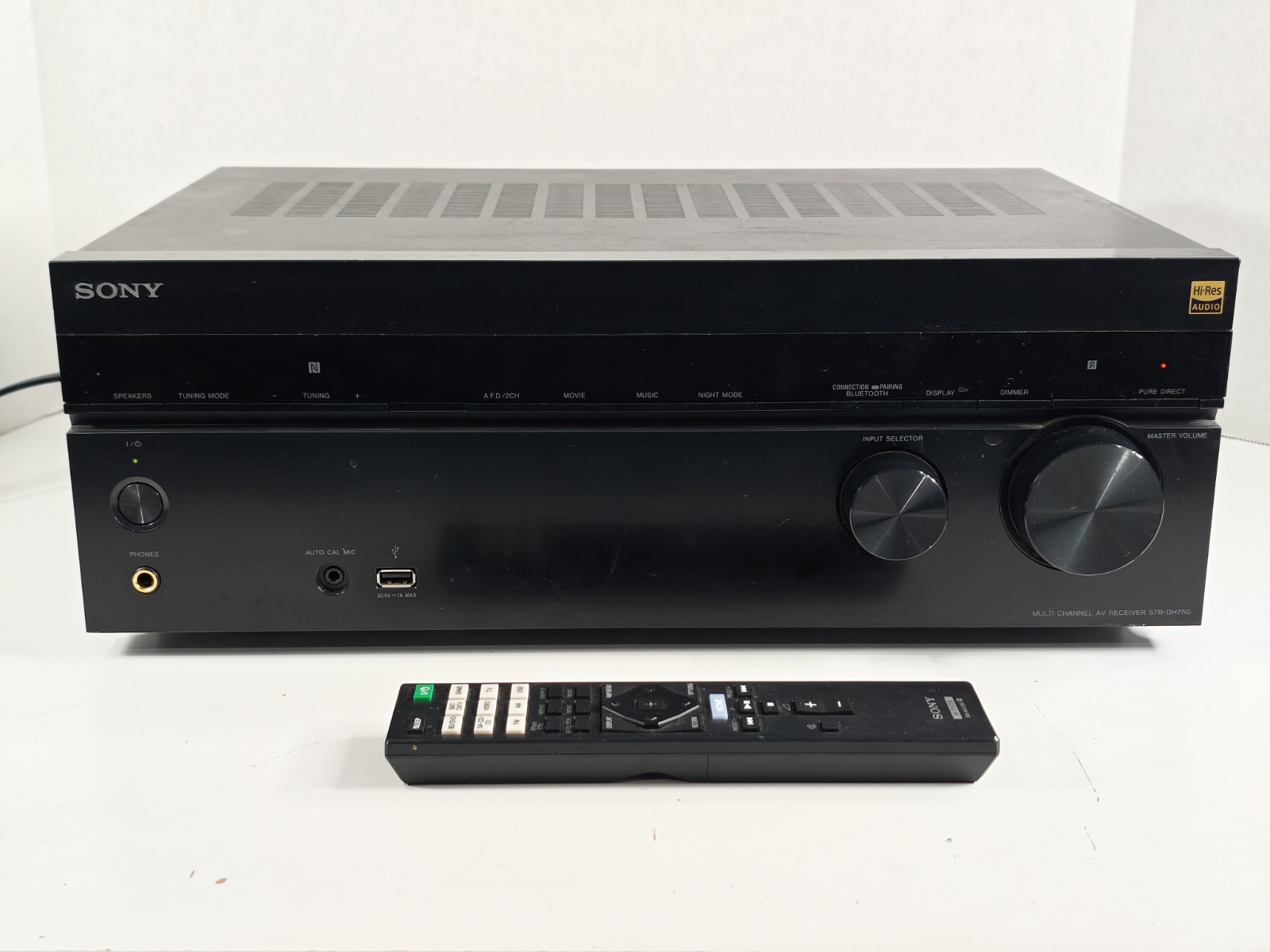 Sony STR-DH750 7.2 Channel Home Theater Bluetooth AV Stereo Receiver TESTED!$149.95View on eBay
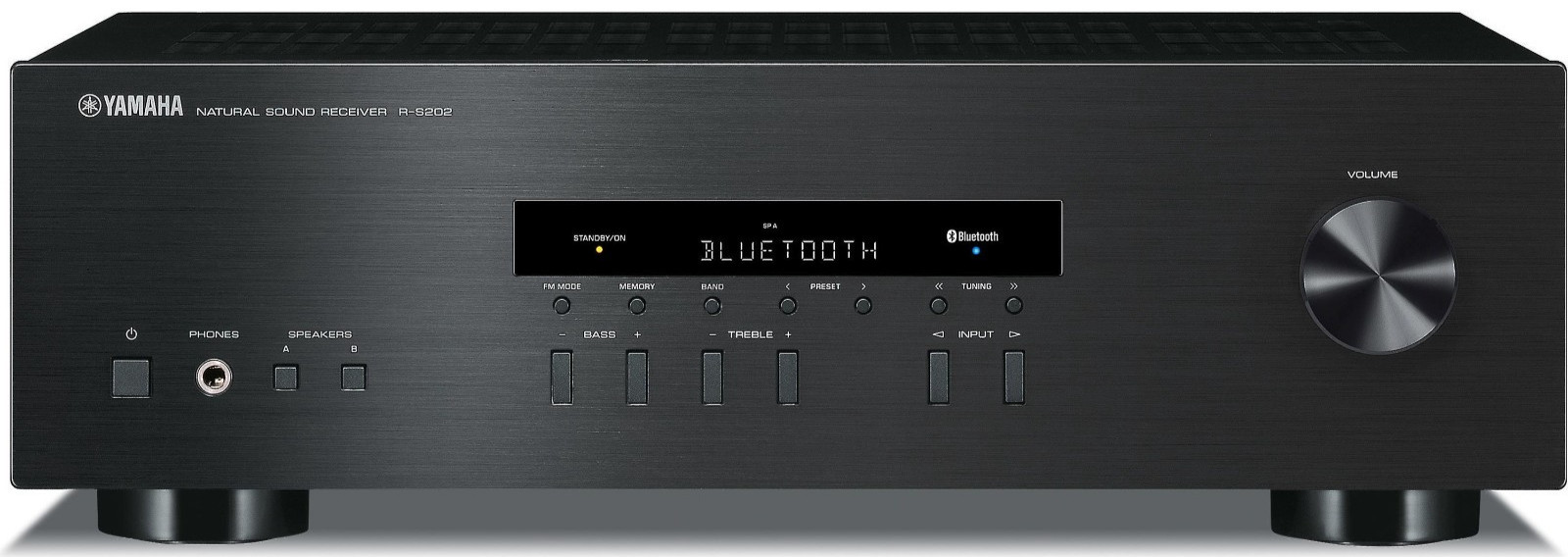 Yamaha R-S202 2ch. Natural Sound 200W Bluetooth Stereo Receiver$159.00View on eBay
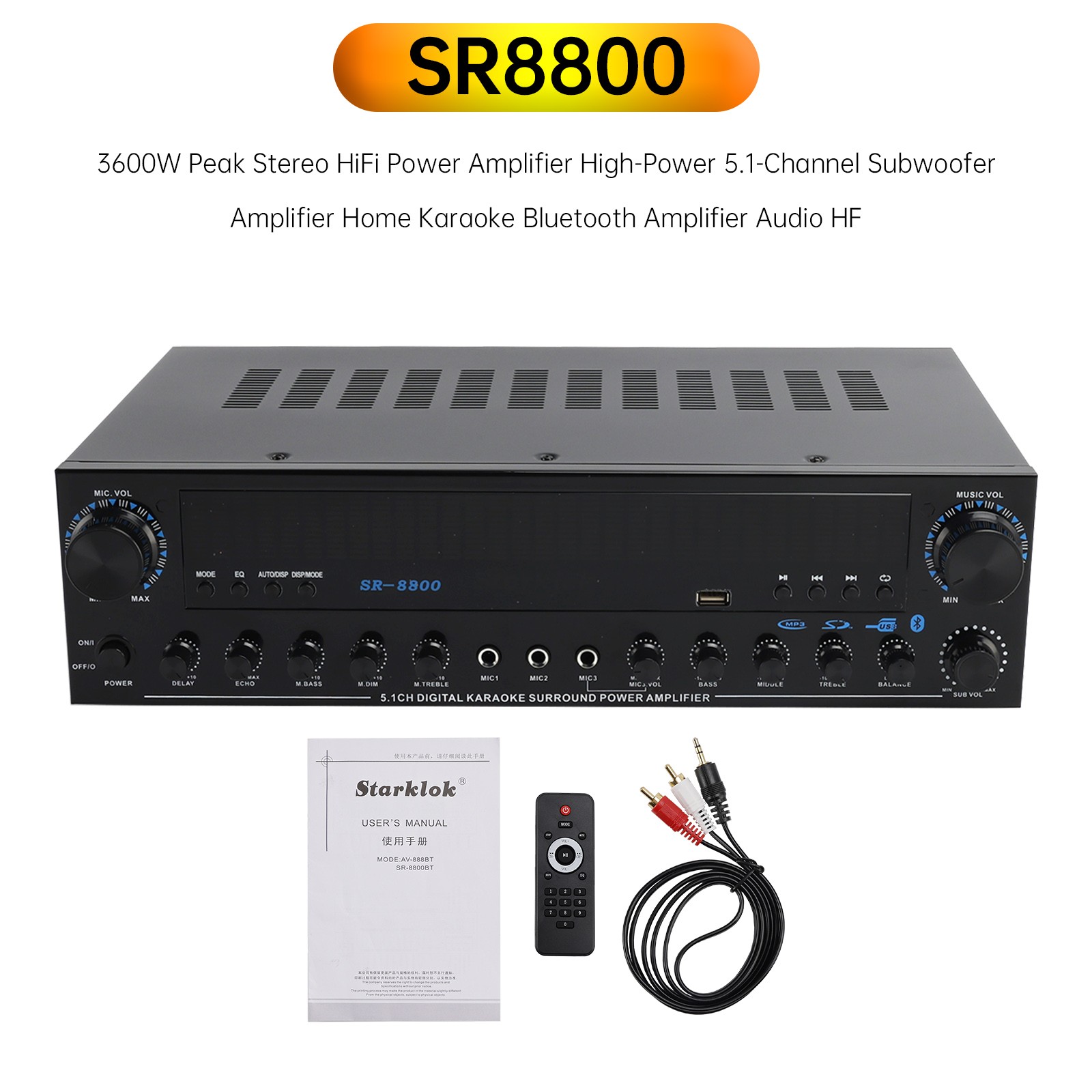 3600W Peak Stereo HiFi Power Bluetooth Amplifier High-Power 5.1 Subwoofer Home$319.55Last checked Nov 18, 2026View on eBay
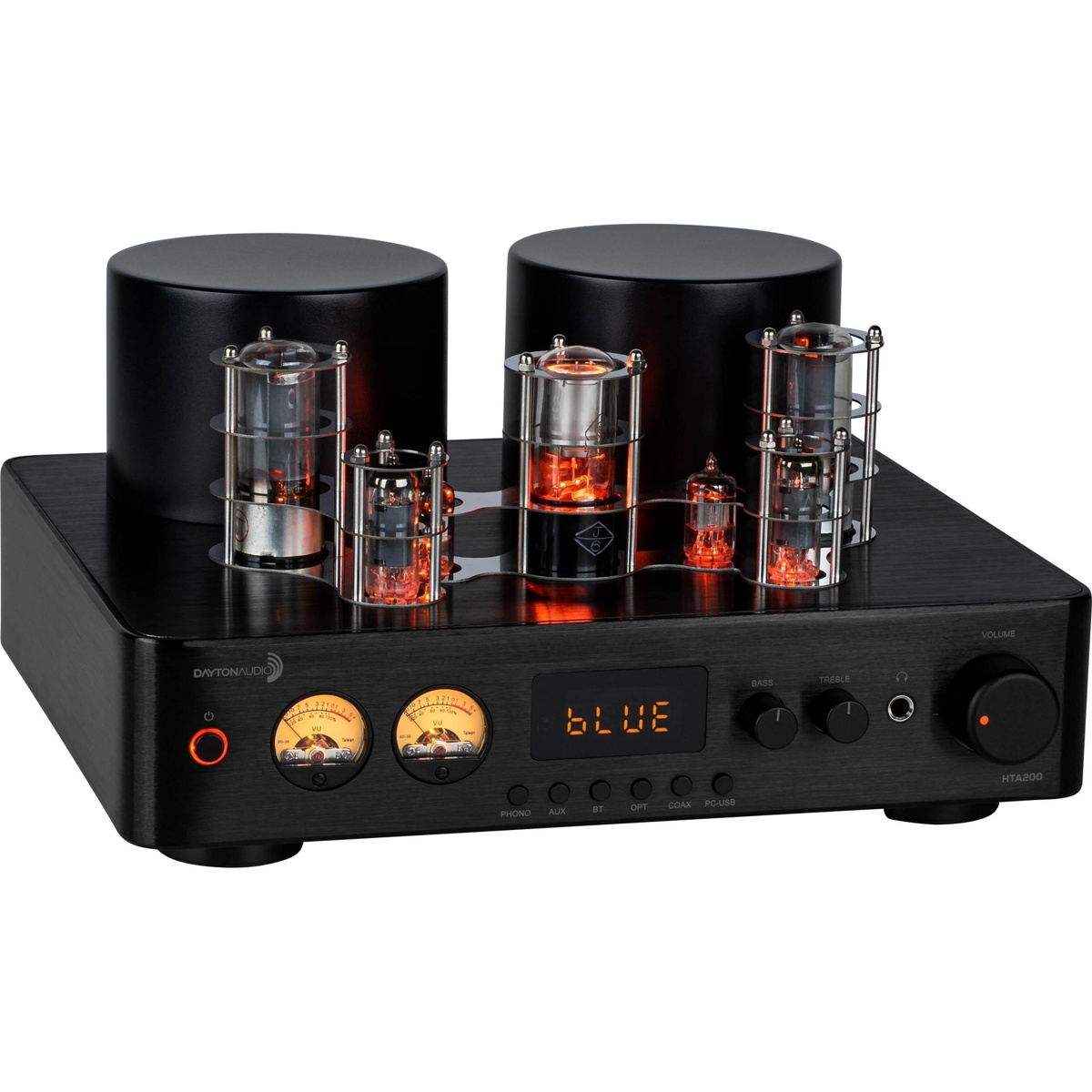 Dayton Audio HTA200 Integrated Stereo Hybrid Tube Amplifier 200 Watts$359.99Last checked Nov 18, 2026View on eBay
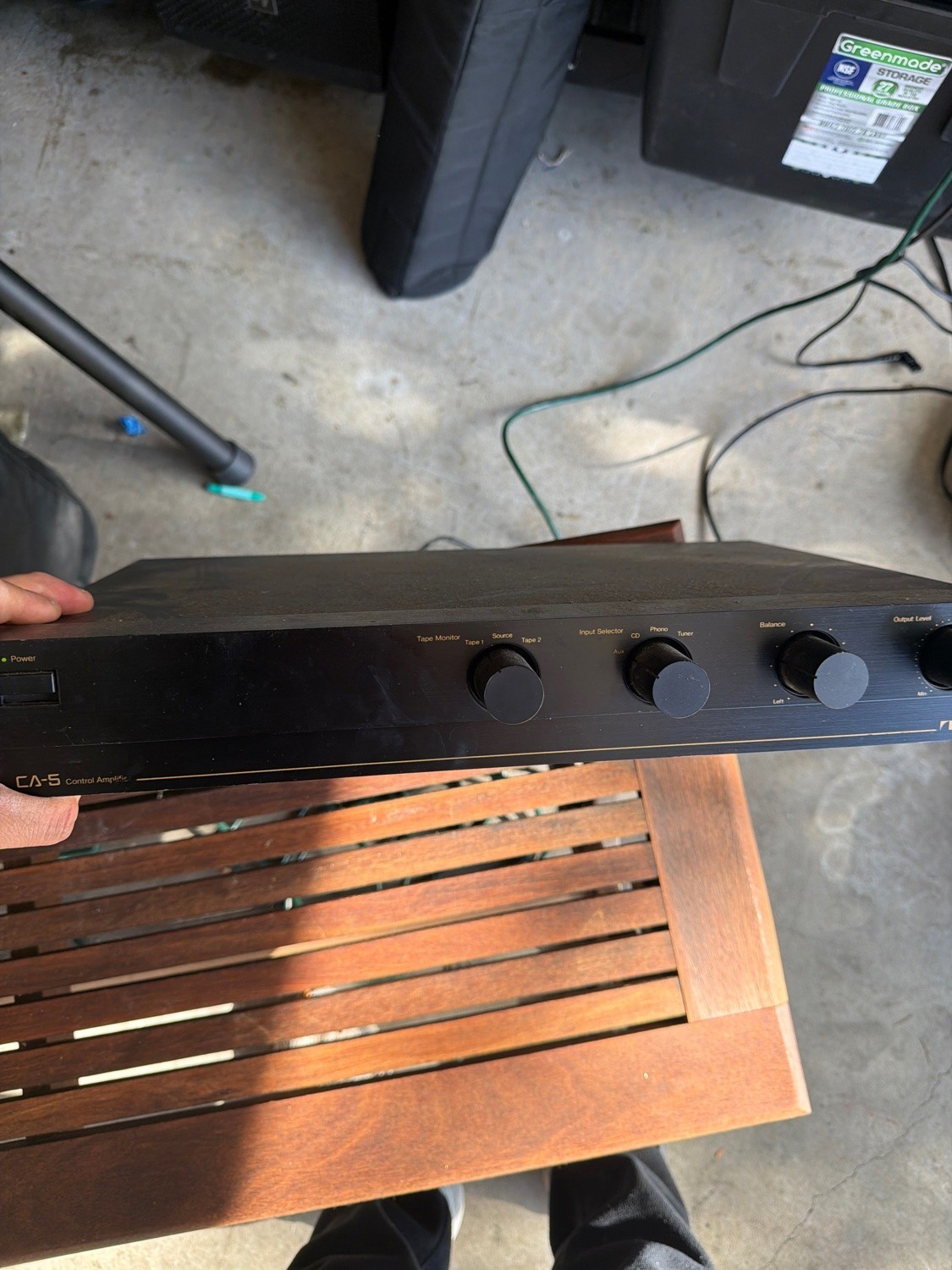 Nakamichi CA-5 Control Amplifier Stereo Preamp - Works Great$475.00Used · Last checked Nov 20, 2026View on eBay
Highlights
- Continuous RMS power per channel at 8 ohms (20Hz-20kHz, low THD) is the only meaningful amplifier rating; peak or 'max' watt figures are marketing fiction on budget receivers.
- Bluetooth codec support separates tiers: SBC/AAC is baseline, aptX or aptX HD reduces latency and compression artifacts for critical listening from phones and tablets.
- Class AB linear amplification dominates stereo receivers for clean 2-channel sound; Class D is efficient but needs careful implementation to avoid hiss at low volume.
- Stereo receivers typically provide 2-4 analog RCA inputs plus one or two digital optical/coaxial inputs; AV receivers add HDMI switching and multichannel decoding but compromise 2-channel purity at the same price.
Best use cases
- Best fit: a two-speaker music system in a living room or study — pick a 50-100W RMS per channel stereo receiver with Bluetooth and a phono or optical input for TV audio.
- Best fit: turntable plus streaming setup — choose a receiver with a dedicated MM phono stage and Bluetooth aptX so vinyl and phone playback share one system cleanly.
- Wrong fit: home theater surround — a stereo receiver cannot decode Dolby/DTS or drive center and surround channels; buy a 5.1 or 7.1 AV receiver instead.
- Wrong fit: large outdoor or party spaces — budget '800W' Bluetooth amps deliver far less continuous power; use a pro audio amplifier rated in RMS watts per channel.
Buying tips
- Match amplifier RMS power to speaker sensitivity: 85dB speakers need roughly double the wattage of 90dB speakers to hit the same volume, so buy 80-100W RMS into 8 ohms for low-sensitivity speakers.
- Check the impedance rating: receivers rated for 4-8 ohms handle most bookshelf and tower speakers, but 6-ohm-only budget amps may shut down or overheat with 4-ohm loads.
- Prefer Bluetooth 5.0 or later with aptX/AAC over Bluetooth 4.x SBC-only modules; range, stability, and lip-sync latency improve measurably with newer chipsets.
- Confirm digital inputs: at least one optical (Toslink) and one coaxial input lets you route TV and CD audio without extra converters, while USB DAC inputs are a premium-tier feature.
Specs
| Amplifier Class | Class AB vs Class D |
|---|---|
| Power Rating | 50-100W RMS per ch (8 ohms) |
| Bluetooth Codec | SBC/AAC vs aptX/aptX HD |
| Inputs | RCA, optical, coaxial, phono |
Related searches
What to check before buying
- Measure shelf or cabinet depth and height: stereo receivers commonly run 380-430mm wide and 110-150mm tall, plus clearance for speaker terminals and ventilation.
- Check speaker impedance and sensitivity from the speaker spec sheet before matching receiver wattage; 4-ohm loads demand a receiver explicitly rated for 4 ohms.
- Verify mains voltage and plug type for your region (120V/60Hz North America vs 230V/50Hz Europe) — gray-import receivers may not include the correct power cord.
- Plan for a phono preamp if your turntable lacks one; only receivers with a dedicated MM phono input accept a turntable directly via RCA.
FAQ
Data sources: eBay / Amazon listings and product attribute feeds. Updated Nov 24, 2026.
Some links on this page are affiliate links. If you buy after clicking one, we may earn a commission at no extra cost to you. This does not change which products appear here or their order. Affiliate disclosure.