
Photos from current listings. Actual item, color, and included accessories may vary.
Bluetooth Receiver Buying Guide
A Bluetooth receiver is a bridge component that lets legacy speakers, stereos, and AV receivers stream audio wirelessly from a phone, tablet, or computer. The core trade-off is Bluetooth codec and version versus output architecture: SBC/AAC-only adapters are fine for casual listening, while aptX HD, LDAC, or a true digital output stage preserves fidelity. The decision rule: buy a dedicated adapter with the right output type and codec tier for your existing gear rather than replacing working speakers with a Bluetooth-native system.
Median $149.97
Key takeaways
- Bluetooth 5.0+ with aptX HD or LDAC transmits up to 24-bit/96kHz; SBC-only adapters cap at roughly 328kbps and audibly compress detail.
- Output architecture decides compatibility: 3.5mm/RCA analog outputs feed any powered speaker or amp, while optical/coaxial digital outputs bypass the adapter's DAC for cleaner signal into AV receivers.
- A receiver with a dedicated Bluetooth input (e.g., Yamaha R-S202, Sony STR-DN1080) integrates switching and volume into one remote, unlike a standalone adapter needing its own power and cable run.
At a glance
- Category
- AV Receivers & Amplifiers
- Last updated
- Nov 24, 2026
Current offers
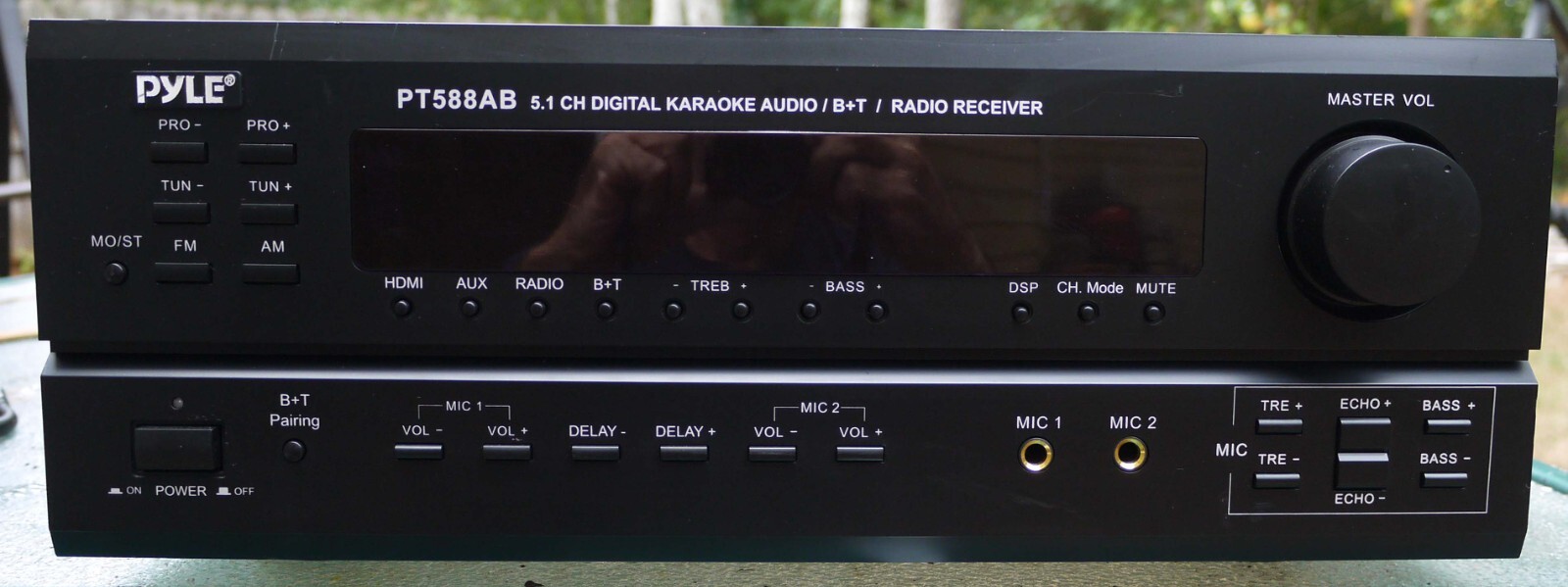 Pyle PT588AB 5.1 Channel Home Receiver AM/FM HDMI and Bluetooth NO REMOTE Tested$79.99View on eBay
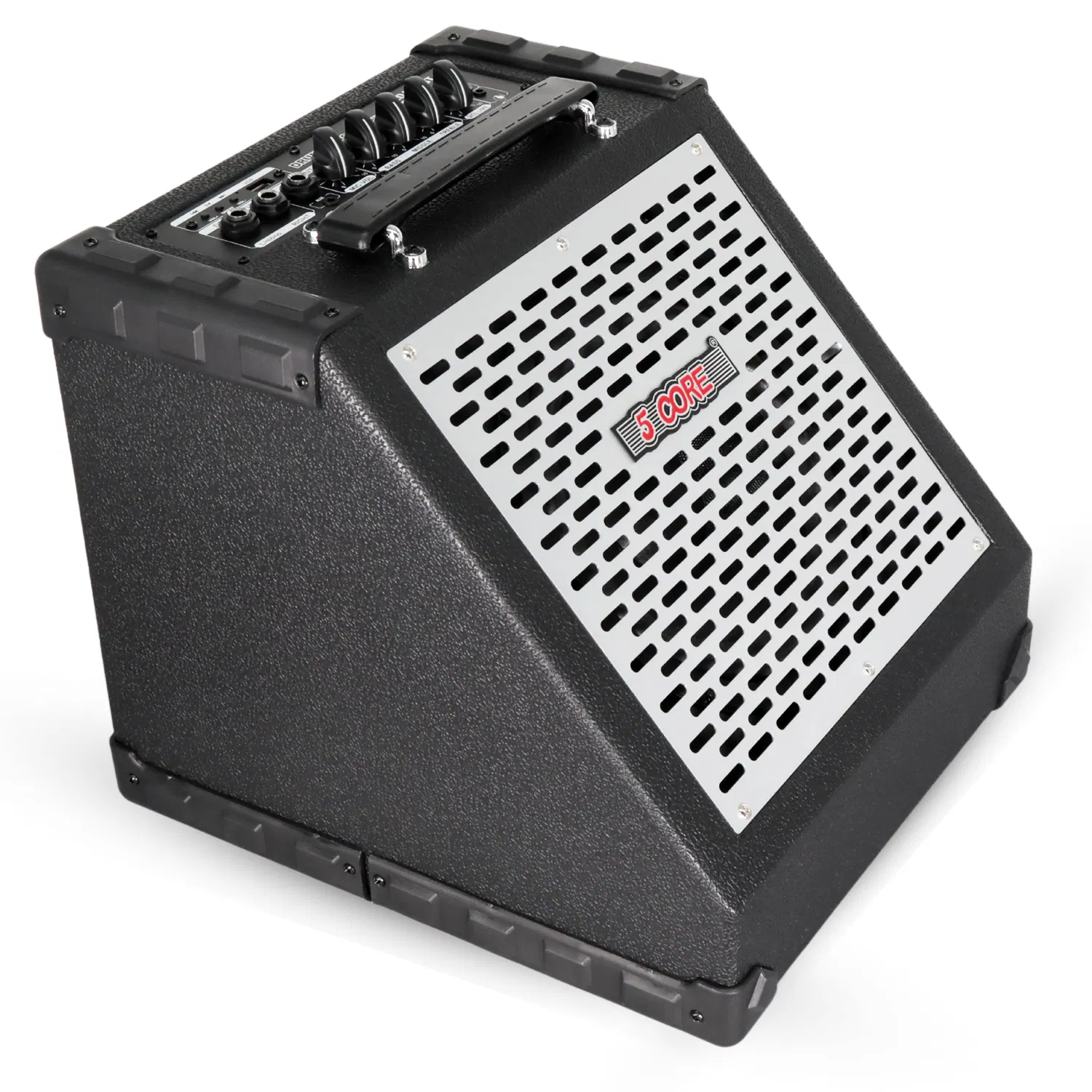 5 Core Electric Drum Amplifier 80W Professional Bluetooth Drumming Amp w 8' Speaker w 3 Band EQ$149.99View on Mallflare
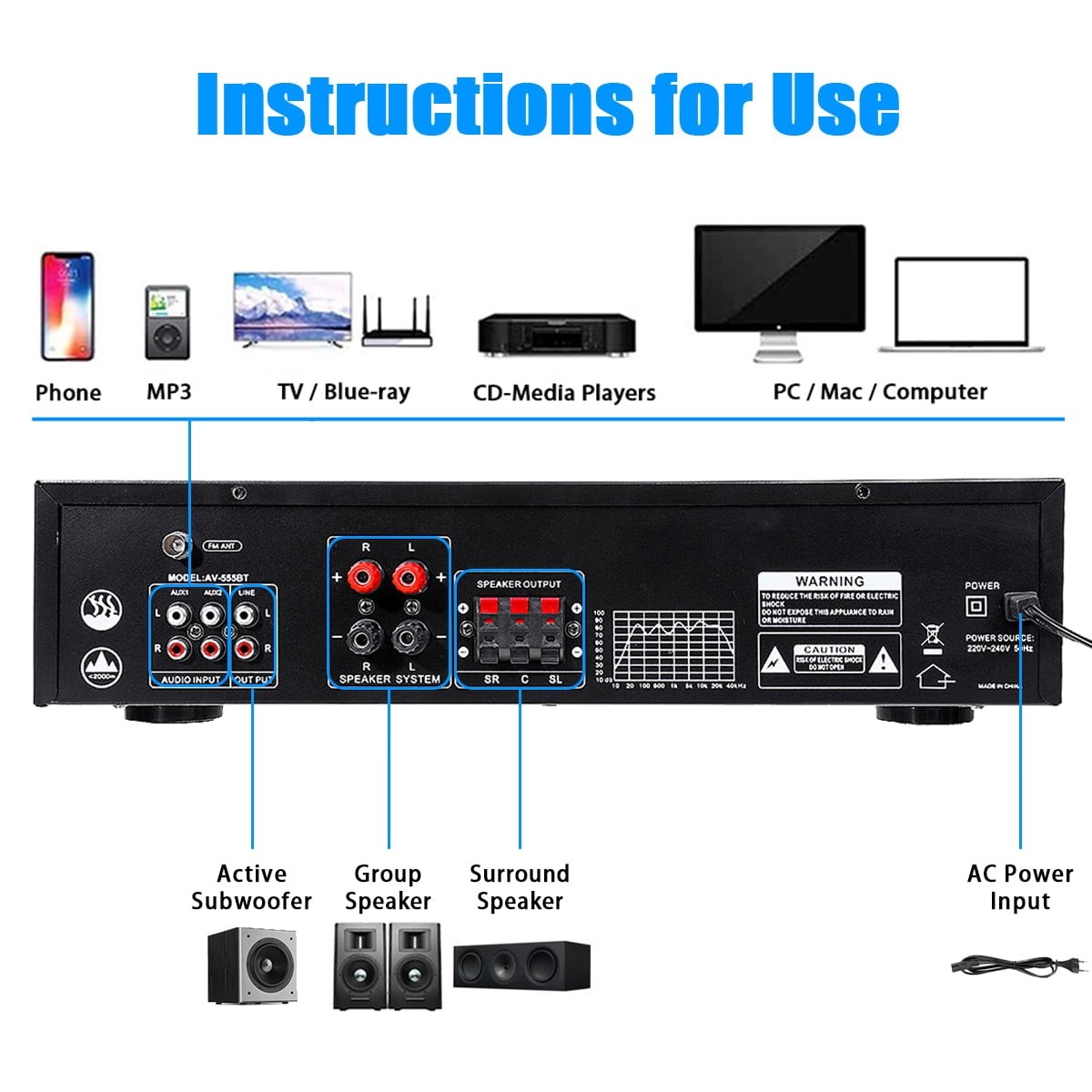 800W Surround Sound Bluetooth Audio Power Amplifier Receiver Home Theater Stereo$117.49View on eBay
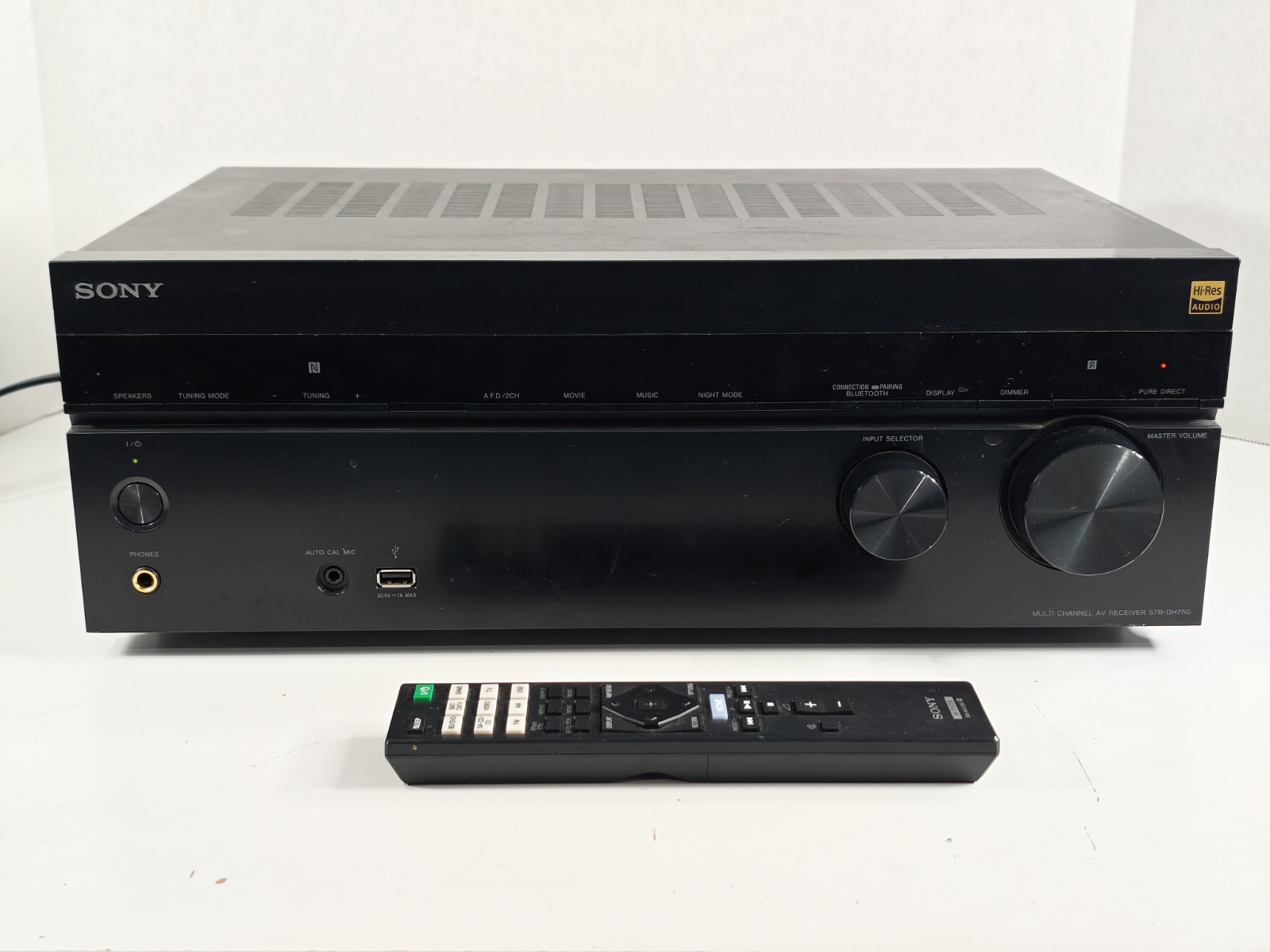 Sony STR-DH750 7.2 Channel Home Theater Bluetooth AV Stereo Receiver TESTED!$149.95View on eBay
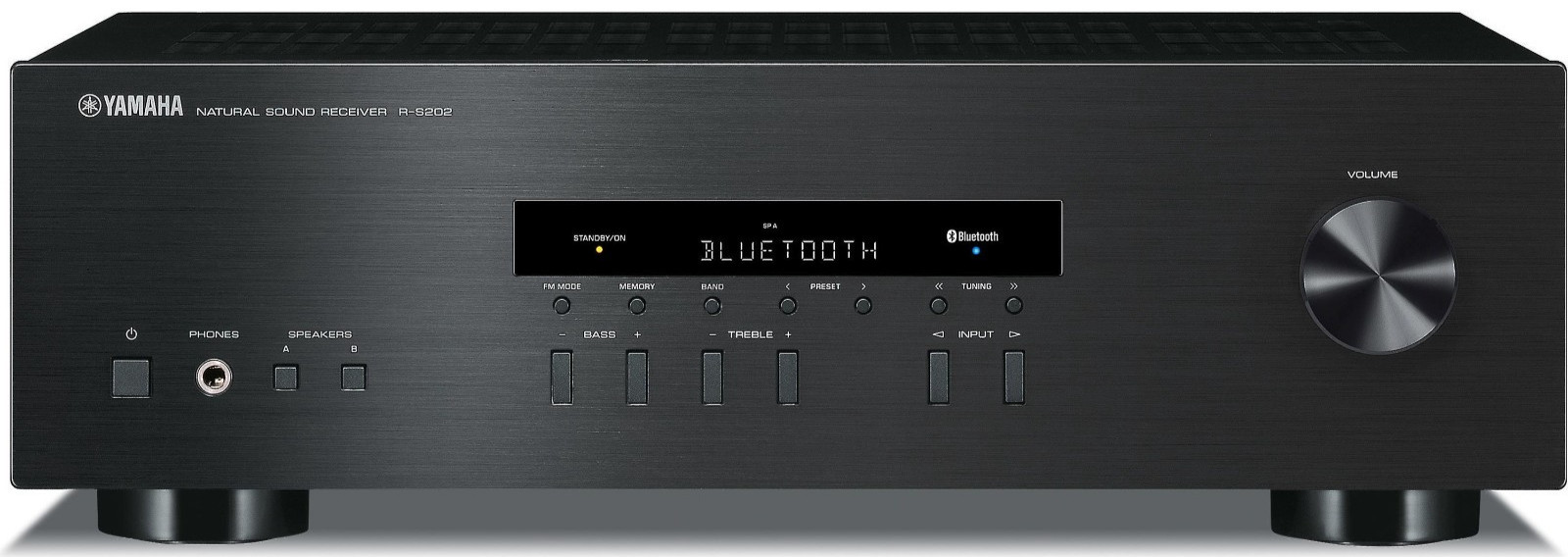 Yamaha R-S202 2ch. Natural Sound 200W Bluetooth Stereo Receiver$159.00View on eBay
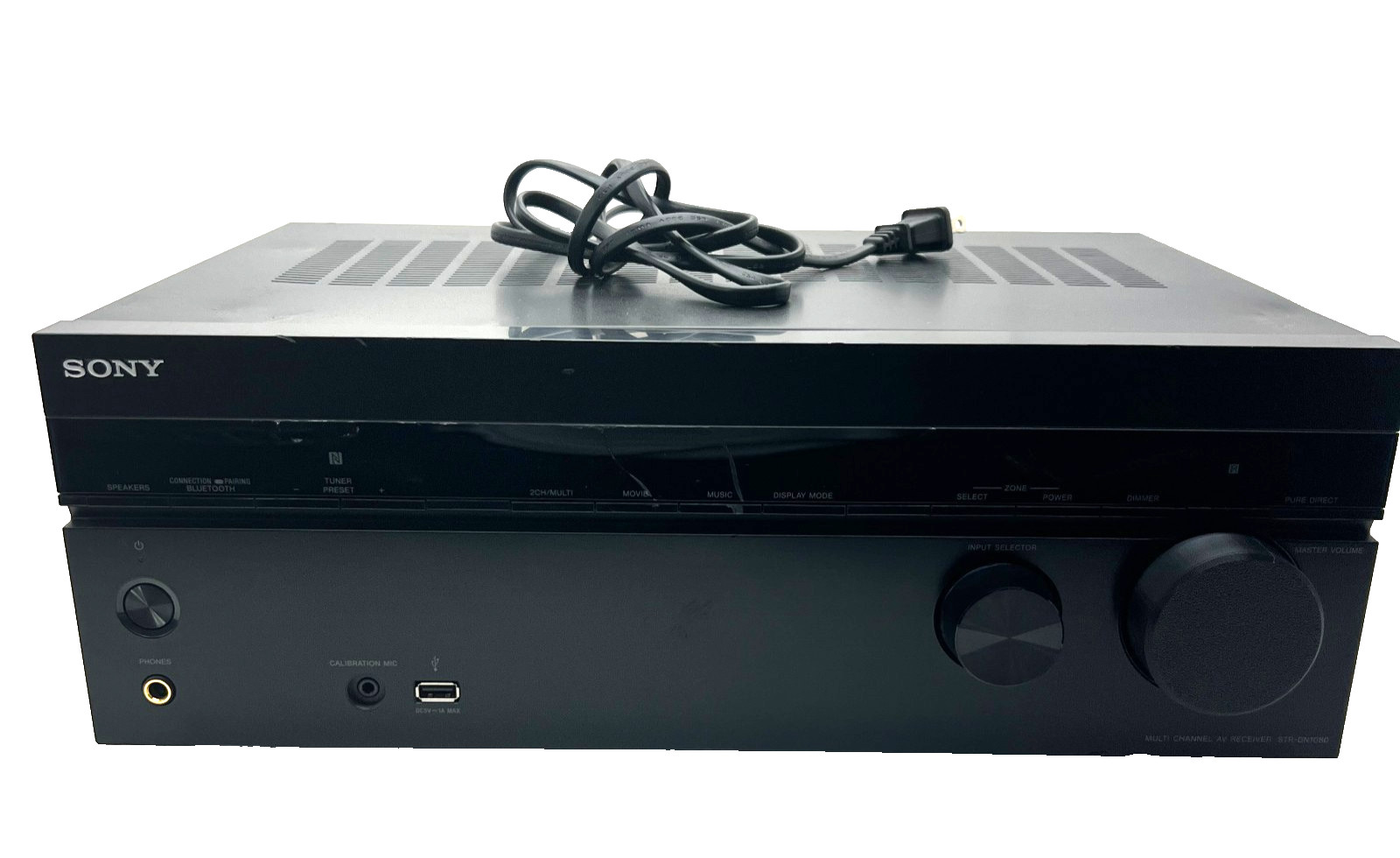 Sony STR-DN1080 Dolby Atmos Home Theater Multi Channel AV Receiver Bluetooth$169.99View on eBay
Highlights
- Bluetooth 5.0+ with aptX HD or LDAC transmits up to 24-bit/96kHz; SBC-only adapters cap at roughly 328kbps and audibly compress detail.
- Output architecture decides compatibility: 3.5mm/RCA analog outputs feed any powered speaker or amp, while optical/coaxial digital outputs bypass the adapter's DAC for cleaner signal into AV receivers.
- A receiver with a dedicated Bluetooth input (e.g., Yamaha R-S202, Sony STR-DN1080) integrates switching and volume into one remote, unlike a standalone adapter needing its own power and cable run.
- Transmit-versus-receive mode is not universal: most adapters are receive-only, so confirm the unit supports TX if you need to send audio from a TV to Bluetooth headphones.
Best use cases
- Best fit: a standalone RCA/3.5mm Bluetooth 5.0 receiver adapter for an old stereo or powered bookshelf speakers; skip AV receiver upgrades if your amp already has RCA aux input.
- Best fit: a Bluetooth-equipped stereo receiver like the Yamaha R-S202 for a two-channel music system; skip multichannel AV receivers if you only listen to music and never run surround.
- Best fit: an AV receiver with built-in Bluetooth (Sony STR-DH750, Yamaha TSR-7850) for a home theater needing HDMI switching plus wireless music; skip standalone adapters to avoid extra cables and power bricks.
- Wrong fit: a receive-only adapter for transmitting TV audio to Bluetooth headphones; choose a dedicated TX-capable transmitter instead.
Buying tips
- Match the output to your input: RCA or 3.5mm for powered speakers and vintage amps, optical/coaxial for AV receivers with digital inputs, and confirm the adapter's DAC supports at least 24-bit/48kHz.
- Prioritize Bluetooth 5.0 or later for range and stability; version 4.2 adapters drop connection more often and lack aptX HD/LDAC support.
- Check pairing memory: multi-point adapters that remember 4-8 devices avoid re-pairing every session, which matters for shared household stereos.
- For AV receiver integration, pick a model with Bluetooth built in and at least 4-6 HDMI inputs; a separate adapter adds a power outlet and analog cable run you may not have room for.
Specs
| Bluetooth Version | 5.0+ preferred / 4.2 minimum |
|---|---|
| Codec Support | SBC, AAC, aptX HD, LDAC |
| Output Type | RCA / 3.5mm / Optical / Coaxial |
| Mode | Receive-only vs TX/RX switchable |
Related searches
What to check before buying
- Measure the cable run from adapter to amp or speaker: most bundled 3.5mm-to-RCA cables are short, so plan for an extension if the stereo sits across the room.
- Confirm the amp or speaker has a free analog aux/RCA input and, for digital adapters, a free optical or coaxial input.
- Verify the adapter's power source: USB bus power needs a free USB port or 5V wall adapter, while internal-battery models need a charging routine.
- Check Bluetooth codec support on both ends: LDAC or aptX HD requires a compatible phone or transmitter, or the adapter falls back to SBC/AAC.
FAQ
Data sources: eBay / Amazon listings and product attribute feeds. Updated Nov 24, 2026.
Some links on this page are affiliate links. If you buy after clicking one, we may earn a commission at no extra cost to you. This does not change which products appear here or their order. Affiliate disclosure.