
Photos from current listings. Actual item, color, and included accessories may vary.
Bluetooth Receiver Car Buying Guide
A Bluetooth car receiver is a compact aftermarket module that adds wireless audio streaming to a vehicle's existing stereo, typically via 12V accessory power and a 3.5mm AUX or RCA output. The core trade-off is between basic streaming-only dongles and powered units with dedicated DACs and noise isolation; the decision rule is to match the receiver's output type and power isolation to your head unit's input, and skip any unit lacking a hardware codec beyond SBC if call clarity or low latency matters.
Median $149.95
Key takeaways
- Bluetooth 5.0 and later deliver lower latency and more stable links than 4.2; 5.3 adds LE Audio readiness but requires a compatible phone.
- Qualcomm aptX and aptX HD support reduces audio lag for video playback and improves bitrate, but only when both phone and receiver support the codec.
- A built-in ground-loop isolator or galvanic isolation prevents alternator whine and engine noise that plagues USB-powered receivers sharing the car's 12V circuit.
At a glance
- Category
- AV Receivers & Amplifiers
- Last updated
- Nov 24, 2026
Current offers
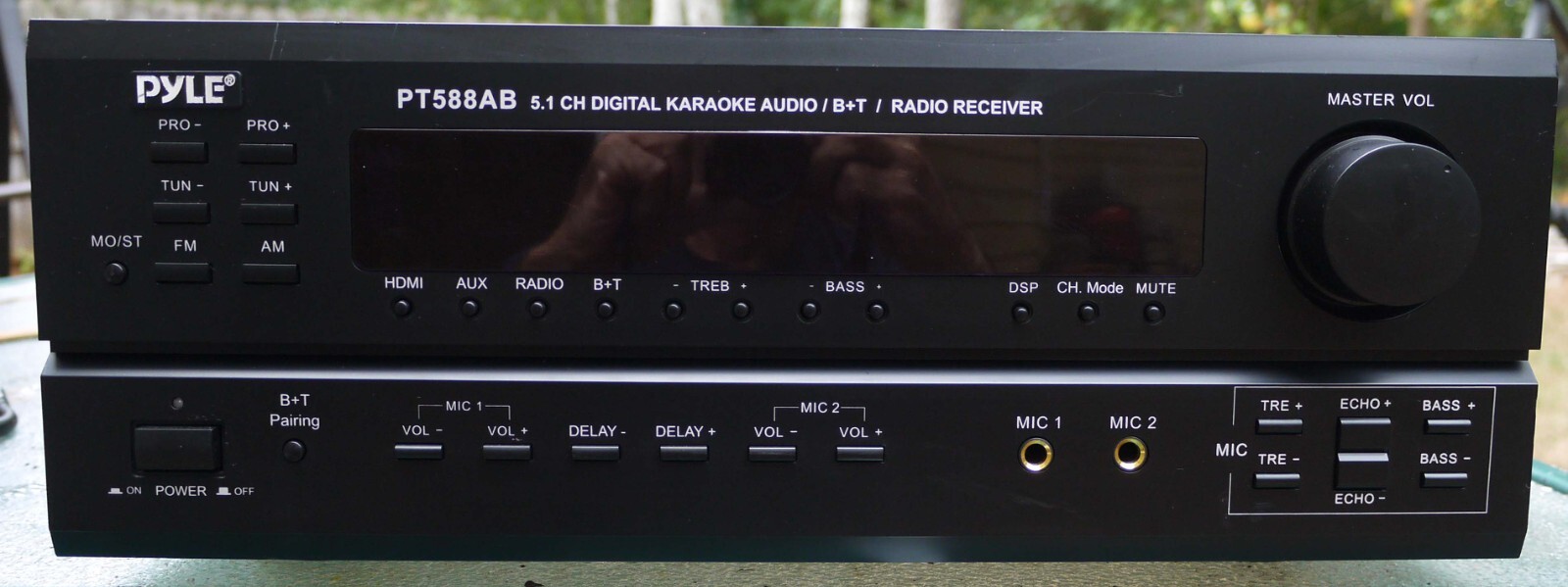 Pyle PT588AB 5.1 Channel Home Receiver AM/FM HDMI and Bluetooth NO REMOTE Tested$79.99View on eBay
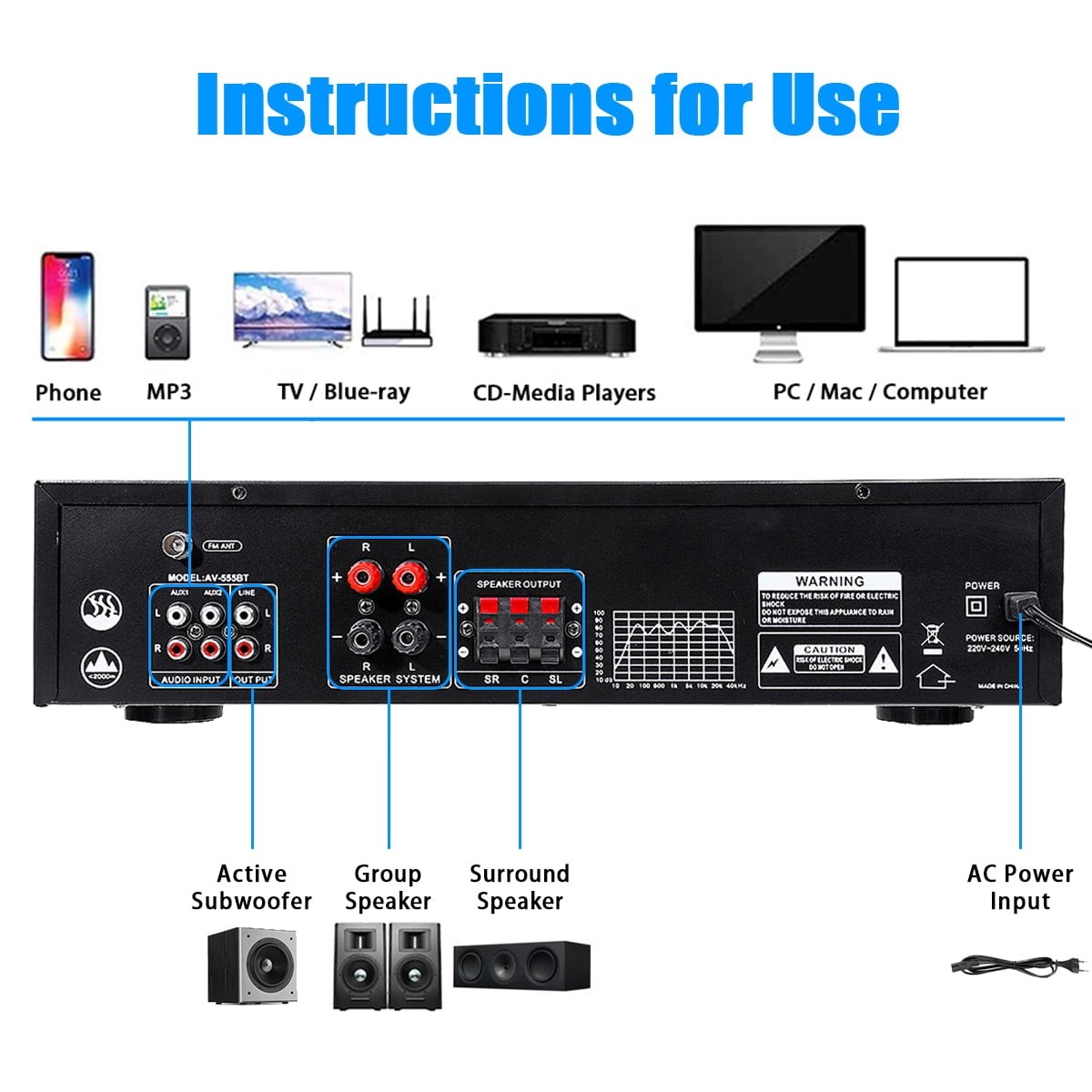 800W Surround Sound Bluetooth Audio Power Amplifier Receiver Home Theater Stereo$117.49View on eBay
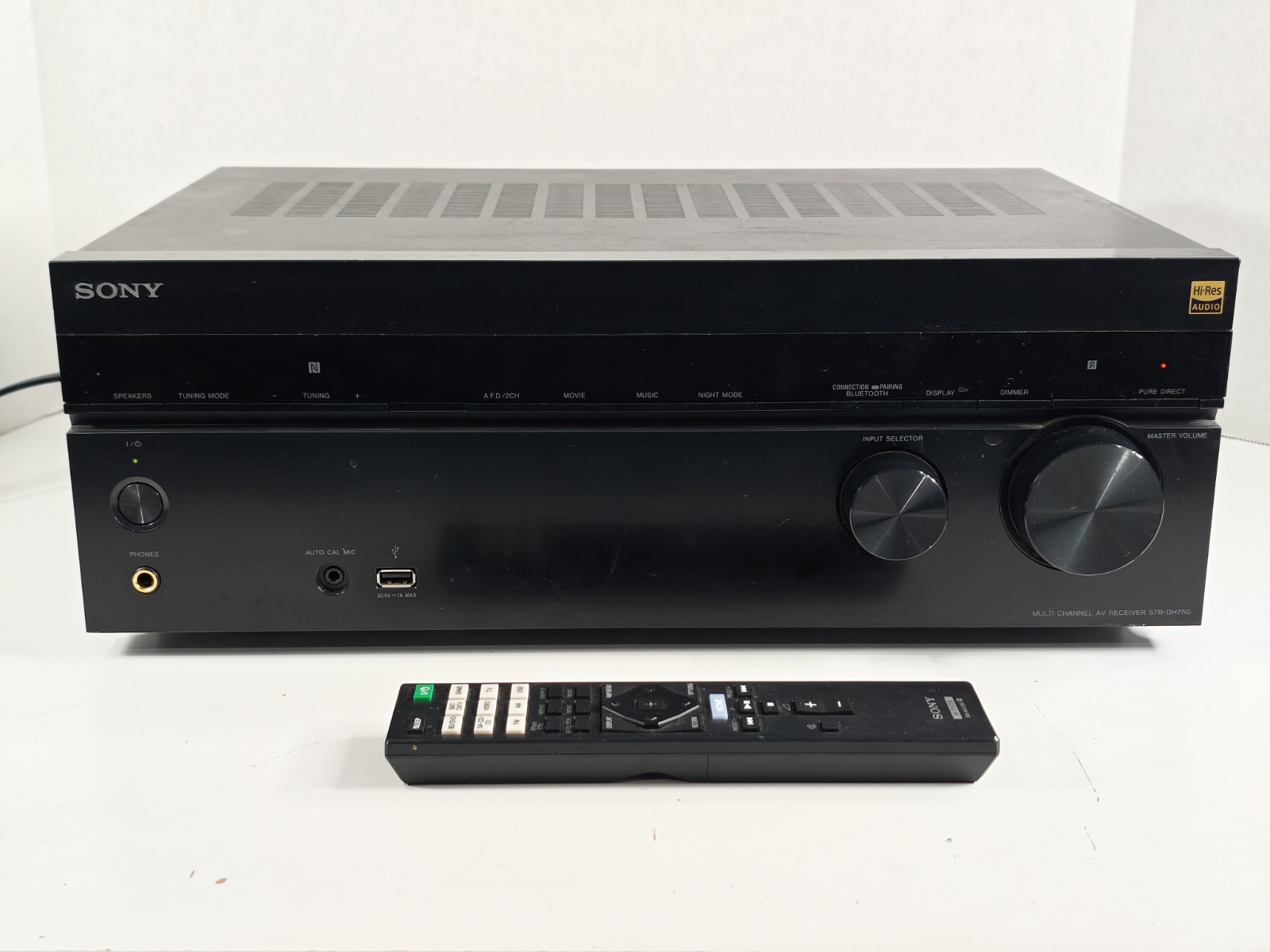 Sony STR-DH750 7.2 Channel Home Theater Bluetooth AV Stereo Receiver TESTED!$149.95View on eBay
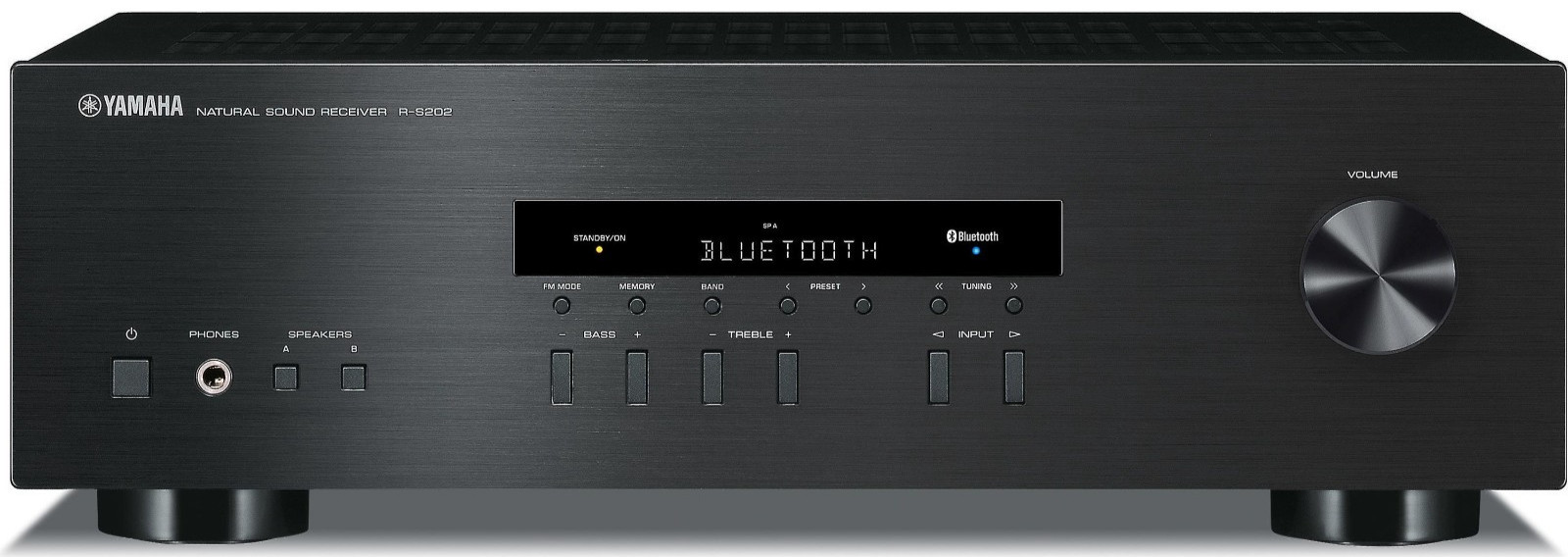 Yamaha R-S202 2ch. Natural Sound 200W Bluetooth Stereo Receiver$159.00View on eBay
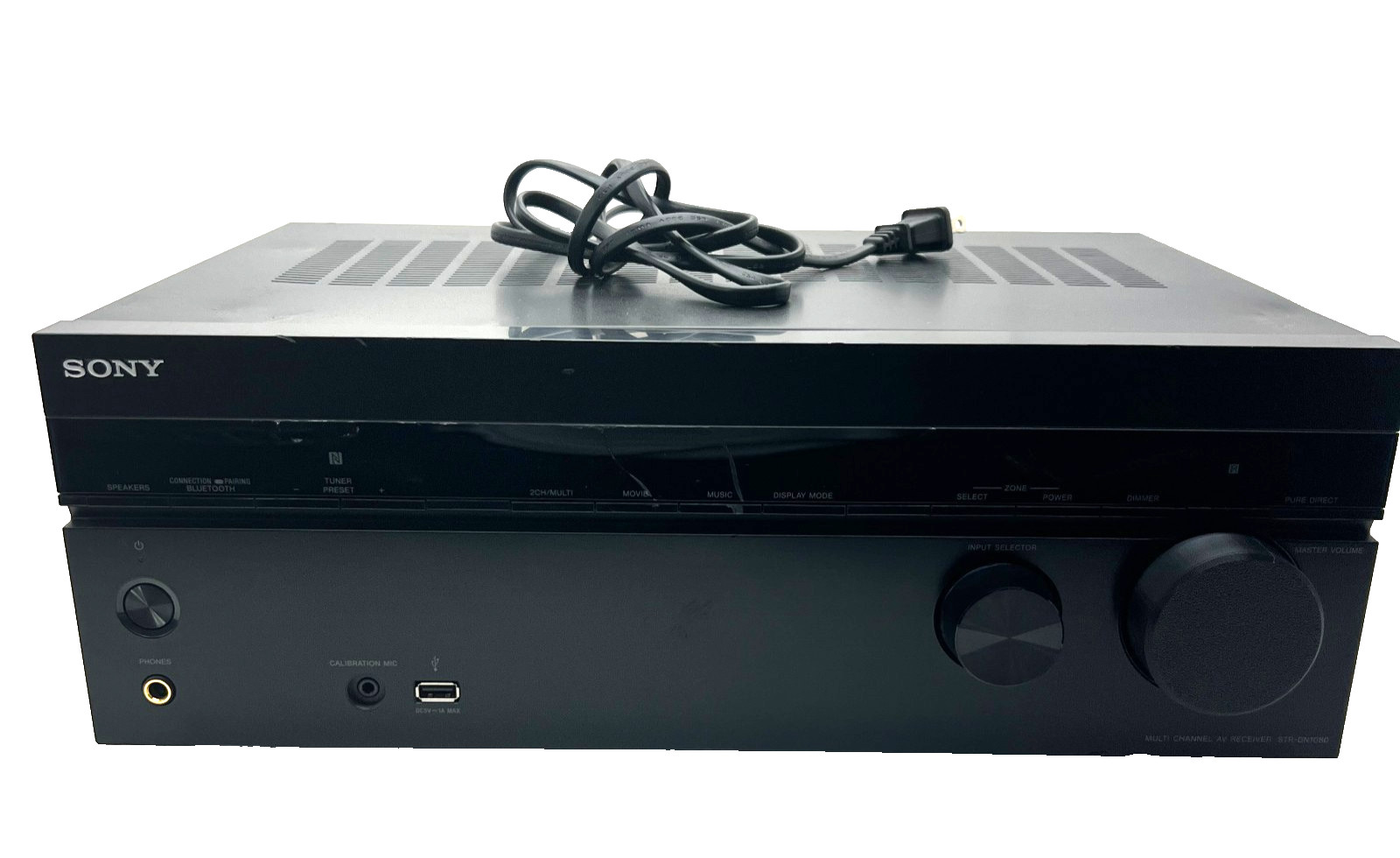 Sony STR-DN1080 Dolby Atmos Home Theater Multi Channel AV Receiver Bluetooth$169.99View on eBay
Highlights
- Bluetooth 5.0 and later deliver lower latency and more stable links than 4.2; 5.3 adds LE Audio readiness but requires a compatible phone.
- Qualcomm aptX and aptX HD support reduces audio lag for video playback and improves bitrate, but only when both phone and receiver support the codec.
- A built-in ground-loop isolator or galvanic isolation prevents alternator whine and engine noise that plagues USB-powered receivers sharing the car's 12V circuit.
- USB-C powered receivers with an internal DAC and 3.5mm line-out outperform headphone-jack-only dongles by delivering a fixed line-level signal that avoids double amplification.
Best use cases
- Best fit: A car with an AUX input but no built-in Bluetooth—choose a 12V USB-C powered receiver with 3.5mm line-out and hardware codec support for clean, low-latency streaming.
- Wrong fit: A vehicle relying solely on a cassette adapter or FM modulator—skip basic dongles and choose a receiver with an integrated FM transmitter only if no AUX exists, accepting lower fidelity.
- Best fit: Hands-free calling priority—pick a receiver with a built-in microphone and echo cancellation; skip units that route calls through the phone's mic only.
- Wrong fit: Factory amplified or MOST-based systems—skip standard line-level receivers and choose a unit with a high-level speaker input or a vehicle-specific interface adapter.
Buying tips
- Match output to input: choose a 3.5mm line-out receiver for AUX-equipped head units; choose RCA line-out for aftermarket amps; avoid headphone-level outputs that cause volume mismatch.
- Select Bluetooth 5.0 or newer with at least SBC and AAC support; add aptX or aptX HD only if your phone supports the same codec for lower latency.
- Prefer receivers with a dedicated ground-loop isolator or optical isolation when powering from the car's 12V socket, which shares a noisy ground with the alternator.
- Confirm the receiver's power draw stays under the vehicle's accessory socket rating, typically 10A to 15A, and choose USB-C PD input for stable 5V regulation.
Specs
| Bluetooth Version | 5.0+ preferred; 4.2 minimum |
|---|---|
| Audio Codecs | SBC/AAC baseline; aptX for low latency |
| Output Type | 3.5mm line-out or RCA line-out |
| Power Input | USB-C 5V or 12V accessory socket |
Related searches
What to check before buying
- Verify the head unit has a 3.5mm AUX input or RCA line-in; if only FM exists, choose a receiver with a built-in FM transmitter.
- Check the 12V accessory socket's fuse rating and confirm the receiver's current draw fits within it, especially for units with built-in amplification.
- Measure clearance around the center console or dash for the receiver's footprint and cable routing; avoid blocking vents or controls.
- Confirm your phone's Bluetooth codec support (SBC, AAC, aptX) matches the receiver's advertised codecs to avoid fallback to lower quality.
FAQ
Data sources: eBay / Amazon listings and product attribute feeds. Updated Nov 24, 2026.
Some links on this page are affiliate links. If you buy after clicking one, we may earn a commission at no extra cost to you. This does not change which products appear here or their order. Affiliate disclosure.