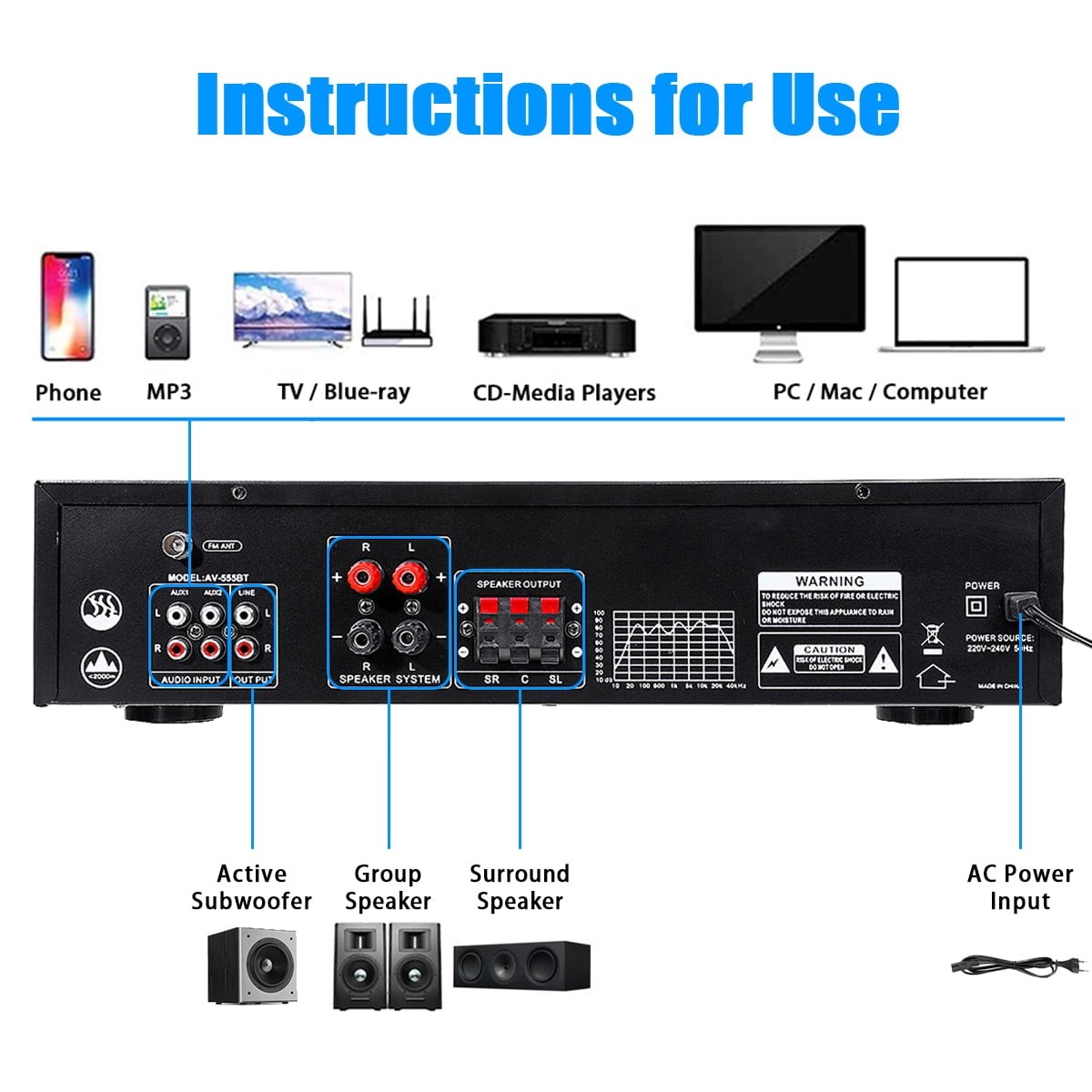

Photos from current listings. Actual item, color, and included accessories may vary.
Stereo Receiver Turntable Buying Guide
A stereo receiver for turntable use is a 2-channel amplifier that combines a phono preamp, line-level inputs, and speaker amplification in one chassis. The primary trade-off is between a true built-in phono stage (moving-magnet RIAA equalization) and a generic aux input, which determines whether you need an external preamp. The decision rule is simple: buy a receiver with a dedicated PHONO input rated for moving-magnet cartridges, or budget for a separate phono preamp.
Median $149.95
Key takeaways
- Dedicated PHONO inputs use RIAA equalization and a moving-magnet gain stage (~40 dB); a plain AUX/CD input lacks this and will sound thin and quiet with a turntable.
- Power ratings matter by impedance: a '200W' budget receiver often means 100W per channel at 8 ohms or inflated 1 kHz figures; look for 20 Hz–20 kHz FTC ratings at 8 ohms.
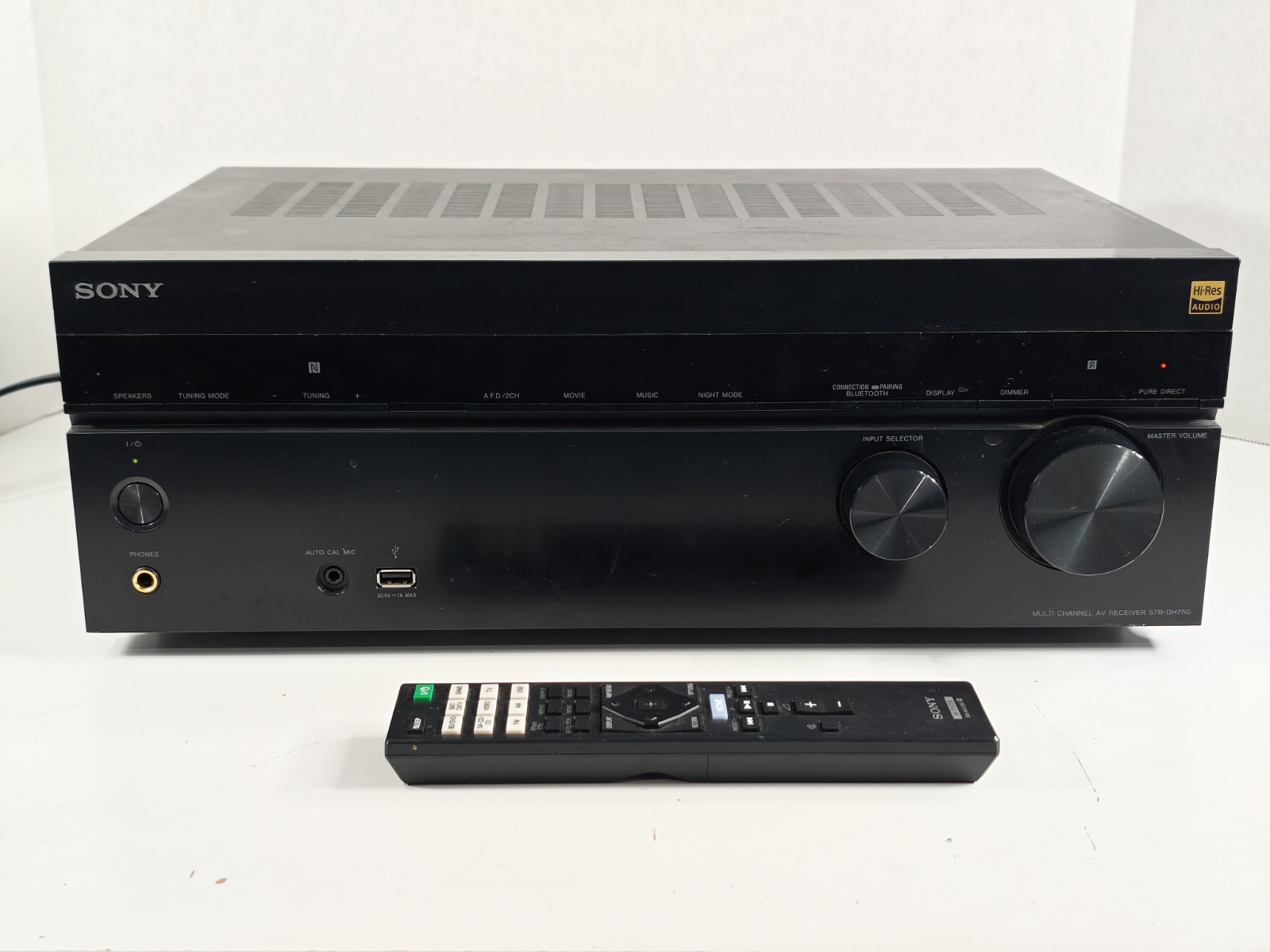
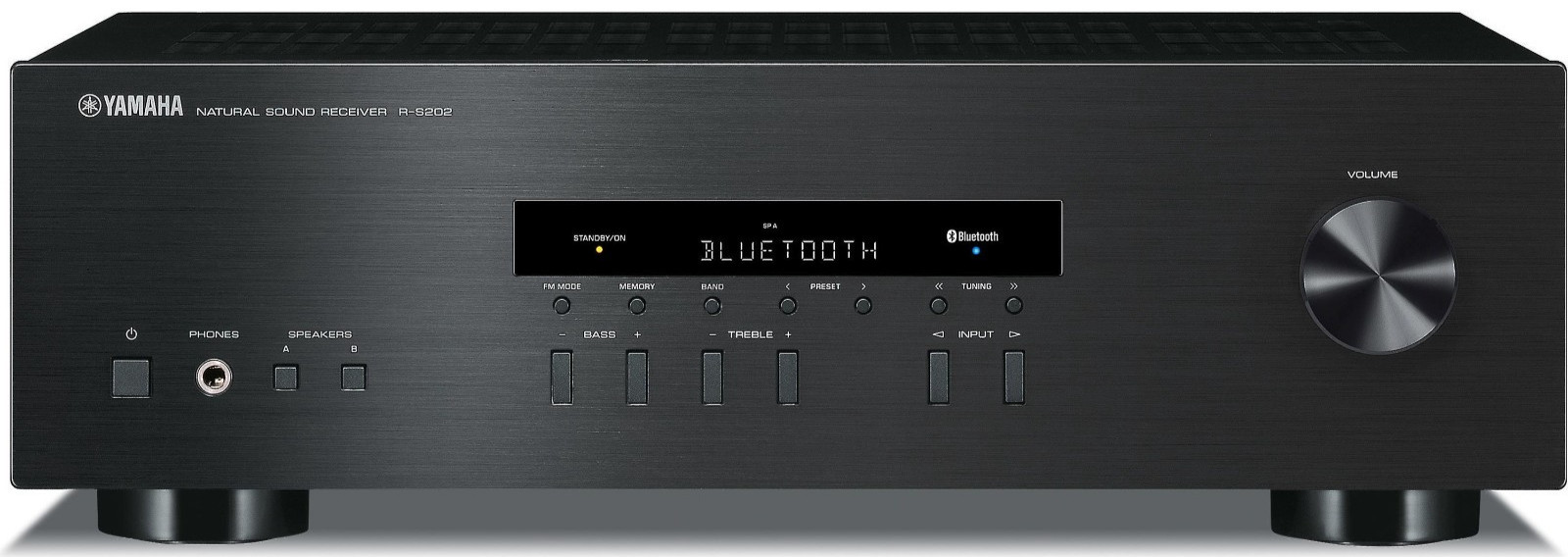
- Bluetooth receivers (e.g. Yamaha R-S202, Sony STR-DH750) add wireless streaming but do not improve turntable performance; the phono stage quality is the deciding factor.
At a glance
- Category
- AV Receivers & Amplifiers
- Last updated
- Nov 24, 2026
Current offers
Highlights
- Dedicated PHONO inputs use RIAA equalization and a moving-magnet gain stage (~40 dB); a plain AUX/CD input lacks this and will sound thin and quiet with a turntable.
- Power ratings matter by impedance: a '200W' budget receiver often means 100W per channel at 8 ohms or inflated 1 kHz figures; look for 20 Hz–20 kHz FTC ratings at 8 ohms.
- Bluetooth receivers (e.g. Yamaha R-S202, Sony STR-DH750) add wireless streaming but do not improve turntable performance; the phono stage quality is the deciding factor.
- Surround receivers like the 7.2-channel Sony STR-DH750 can run in stereo mode, but their phono sections are often basic; dedicated 2-channel receivers typically have cleaner phono circuits.
Best use cases
- Best fit: vinyl-only or vinyl-plus-Bluetooth listening in a small-to-medium room — pick a 2-channel receiver with PHONO input and 50–100W per channel at 8 ohms.
- Wrong fit: turntables with moving-coil cartridges — most built-in phono stages are moving-magnet only; buy a receiver with a line input plus a dedicated MC phono preamp.
- Skip: 800W 'surround sound' no-name amplifiers with no PHONO input — they require an external preamp and often inflate power specs.
Buying tips
- Count your inputs: you need PHONO for the turntable, plus AUX/CD for streaming or CD, and a headphone jack if you listen at night; 2-channel receivers typically offer 4–6 line inputs.
- Match power to speakers: 8-ohm speakers need 50–100W per channel; 4-ohm speakers need a receiver rated for 4-ohm loads (check the rear-panel impedance switch).
- Verify the phono stage type: moving-magnet (MM) is standard; if your cartridge is moving-coil (MC), budget for an external step-up or MC preamp.
- For Bluetooth, prefer Bluetooth 4.2 or 5.0 with AAC/SBC; older 2.1 versions introduce latency and dropouts, and Bluetooth does not affect wired turntable sound.
Specs
| Phono Input | Moving-magnet (MM) RIAA built-in |
|---|---|
| Power per Channel | 50–100W @ 8 ohms (20 Hz–20 kHz) |
| Channels | 2-channel stereo vs 7.2 surround |
| Bluetooth | 4.2/5.0 with AAC or SBC |
Related searches
What to check before buying
- Measure your speaker impedance (4 or 8 ohms) and sensitivity; low-sensitivity speakers need more power than the receiver's smallest rated tier.
- Confirm shelf depth and ventilation: stereo receivers run 12–17 inches deep and need 2–4 inches of clearance above for heat dissipation.
- Check turntable output: most modern turntables output moving-magnet phono level; if yours has a built-in preamp, you can use any line input instead of PHONO.
- Verify voltage and plug standard for your region (120V/60Hz North America vs 230V/50Hz Europe) and that the receiver includes the correct power cable.
FAQ
Data sources: eBay / Amazon listings and product attribute feeds. Updated Nov 24, 2026.
Some links on this page are affiliate links. If you buy after clicking one, we may earn a commission at no extra cost to you. This does not change which products appear here or their order. Affiliate disclosure.