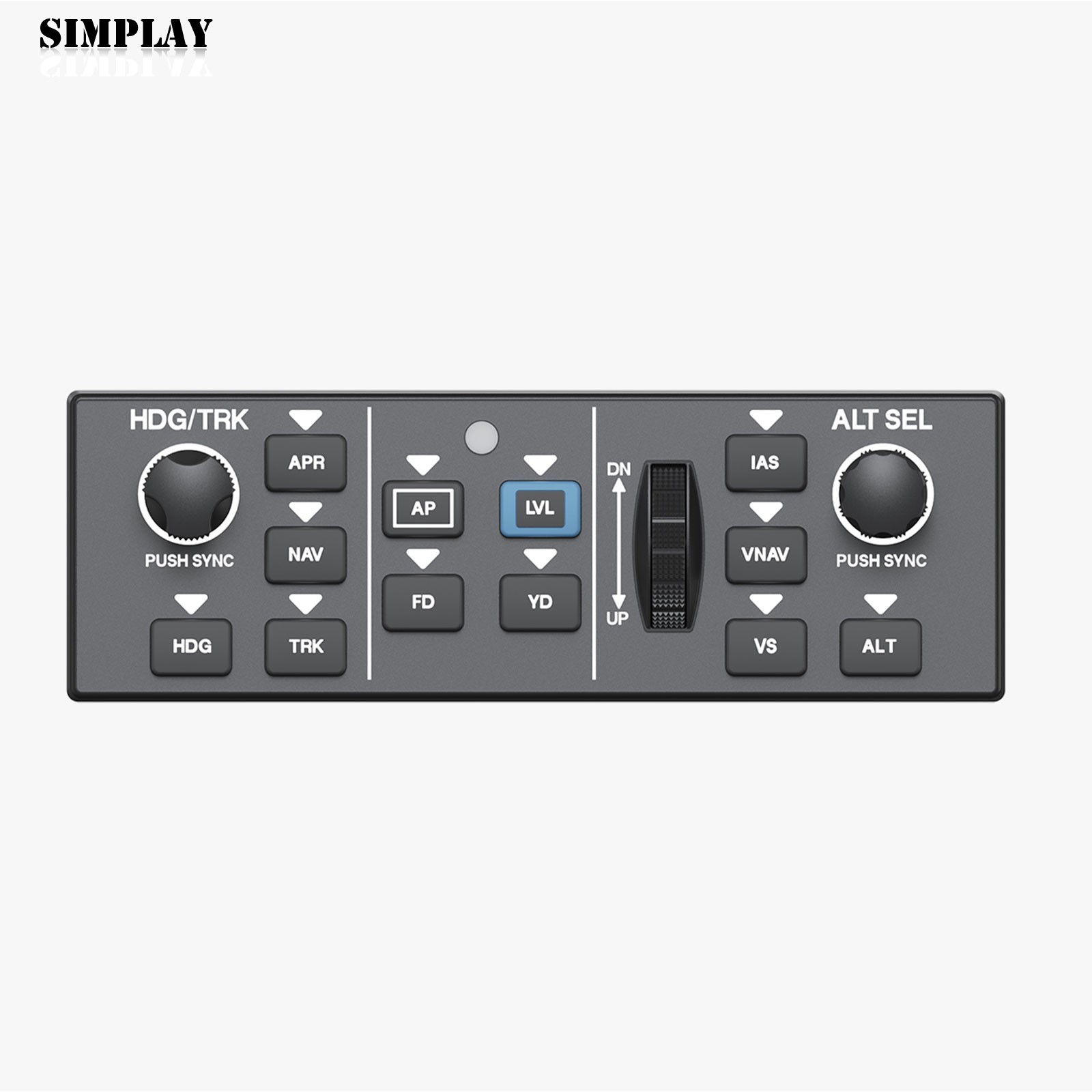
Flight Sim Panels & Instruments
Flight Sim Panels & Instruments
Compare flight sim panels & instruments models, specs, and current prices.
TechShelf Guide
Compare consumer electronics by use case, features, trade-offs, price, returns, and seller terms before you buy.
Compare flight sim panels & instruments models, specs, and current prices.
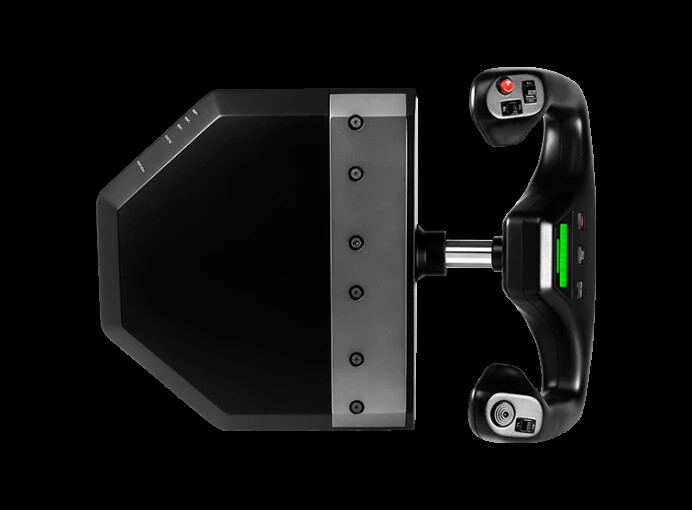
Compare flight sim hardware models, specs, and current prices.
Compare tvs & display panels models, specs, and current prices.
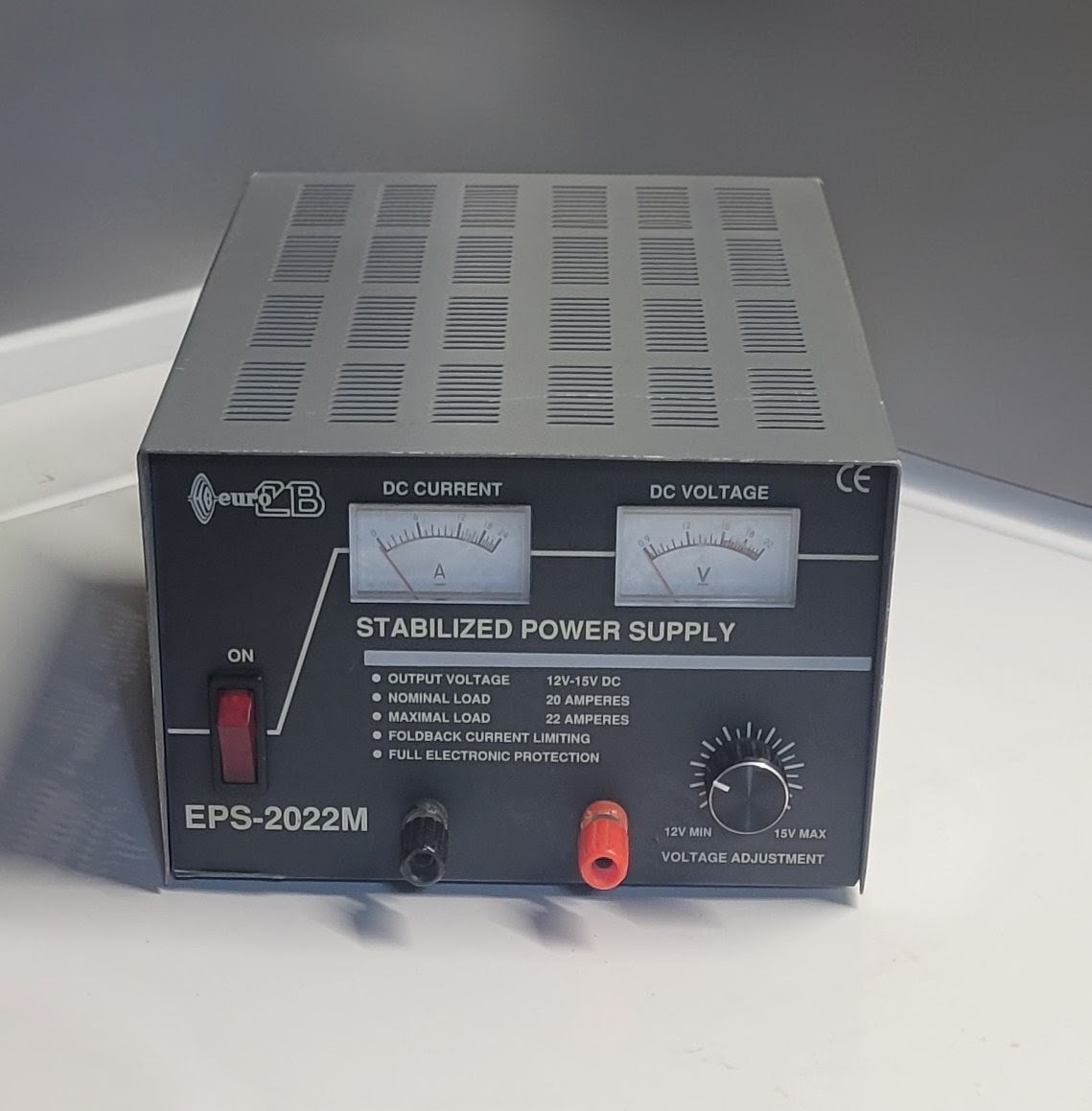
Compare ham radio power & batteries models, specs, and current prices.
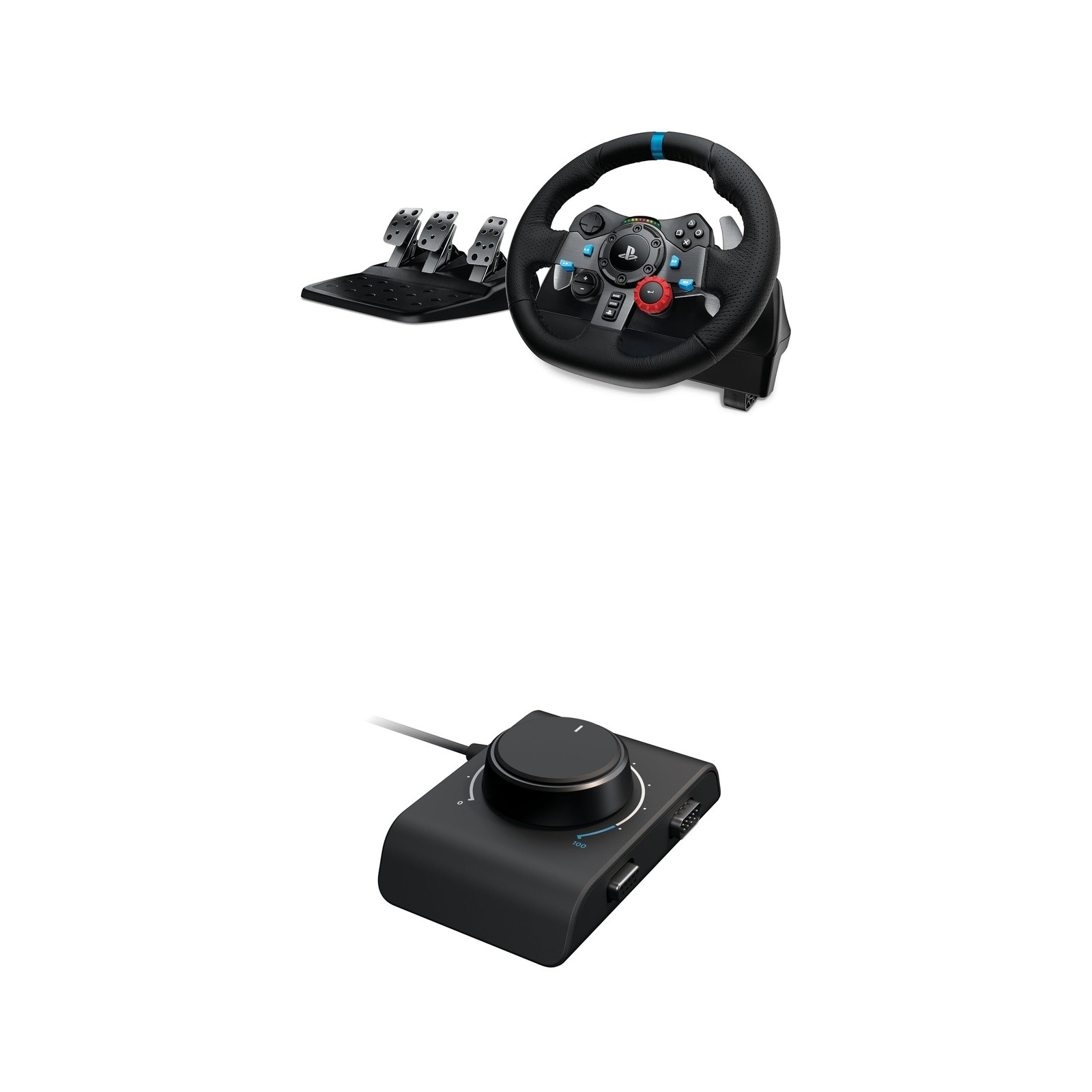
Compare sim racing hardware models, specs, and current prices.
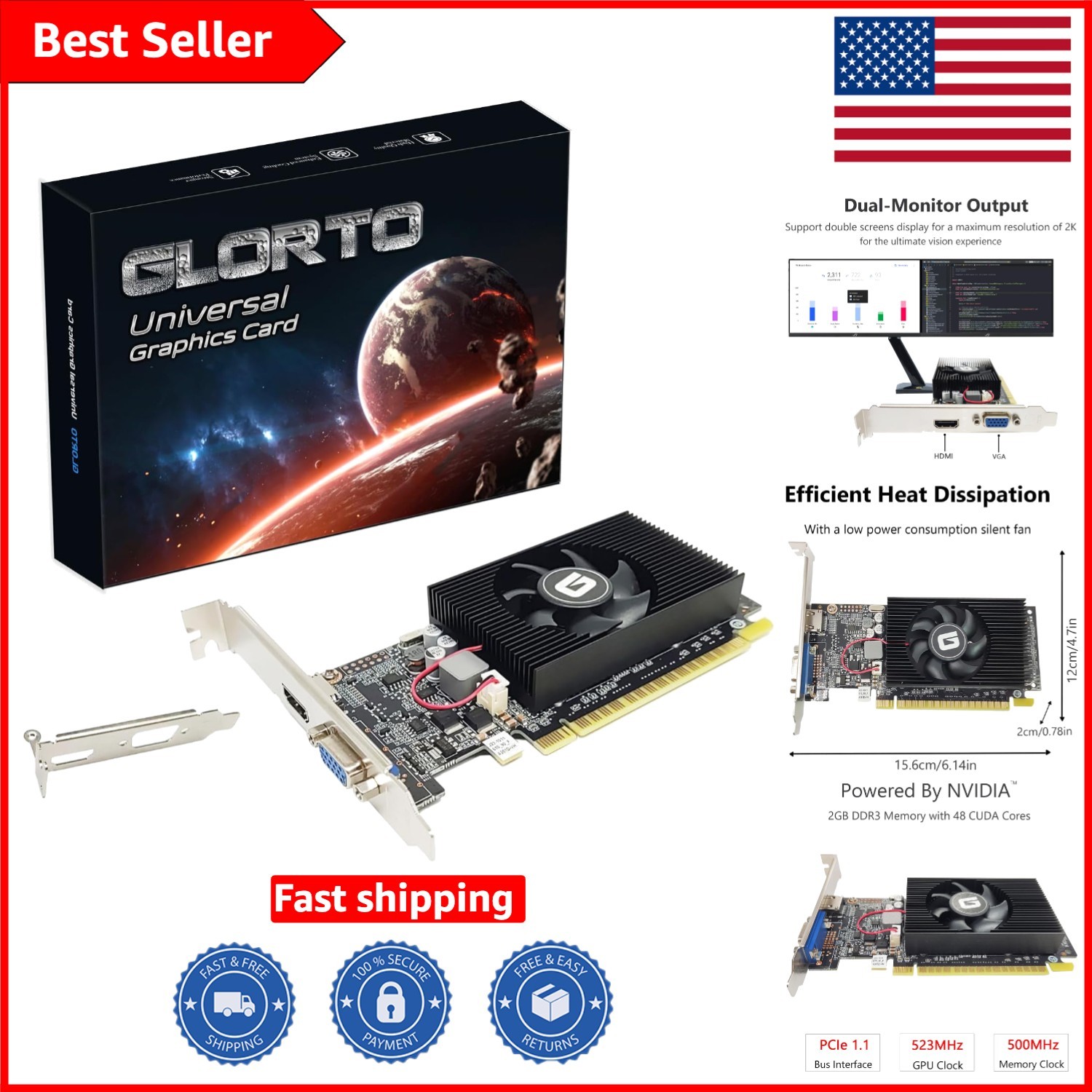
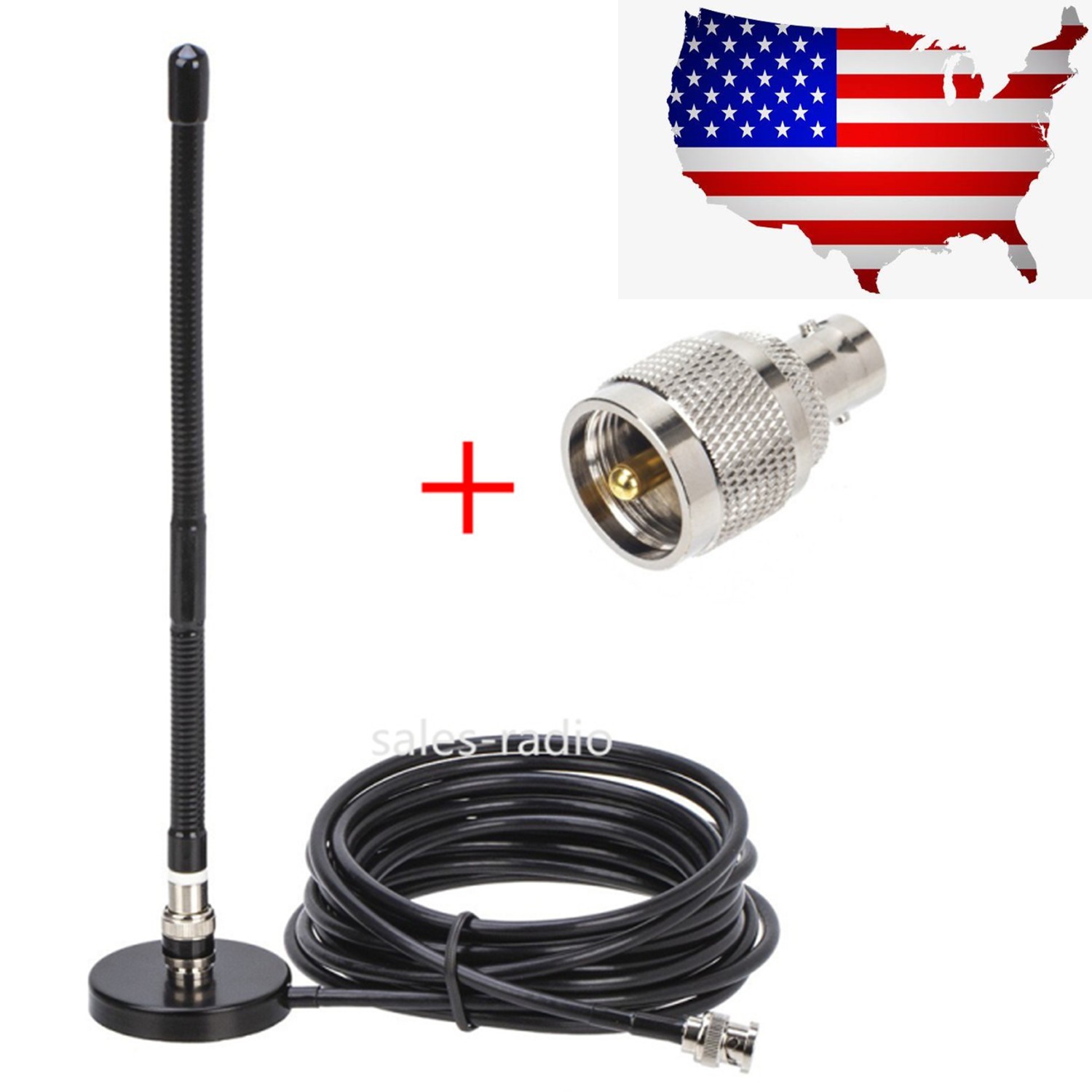
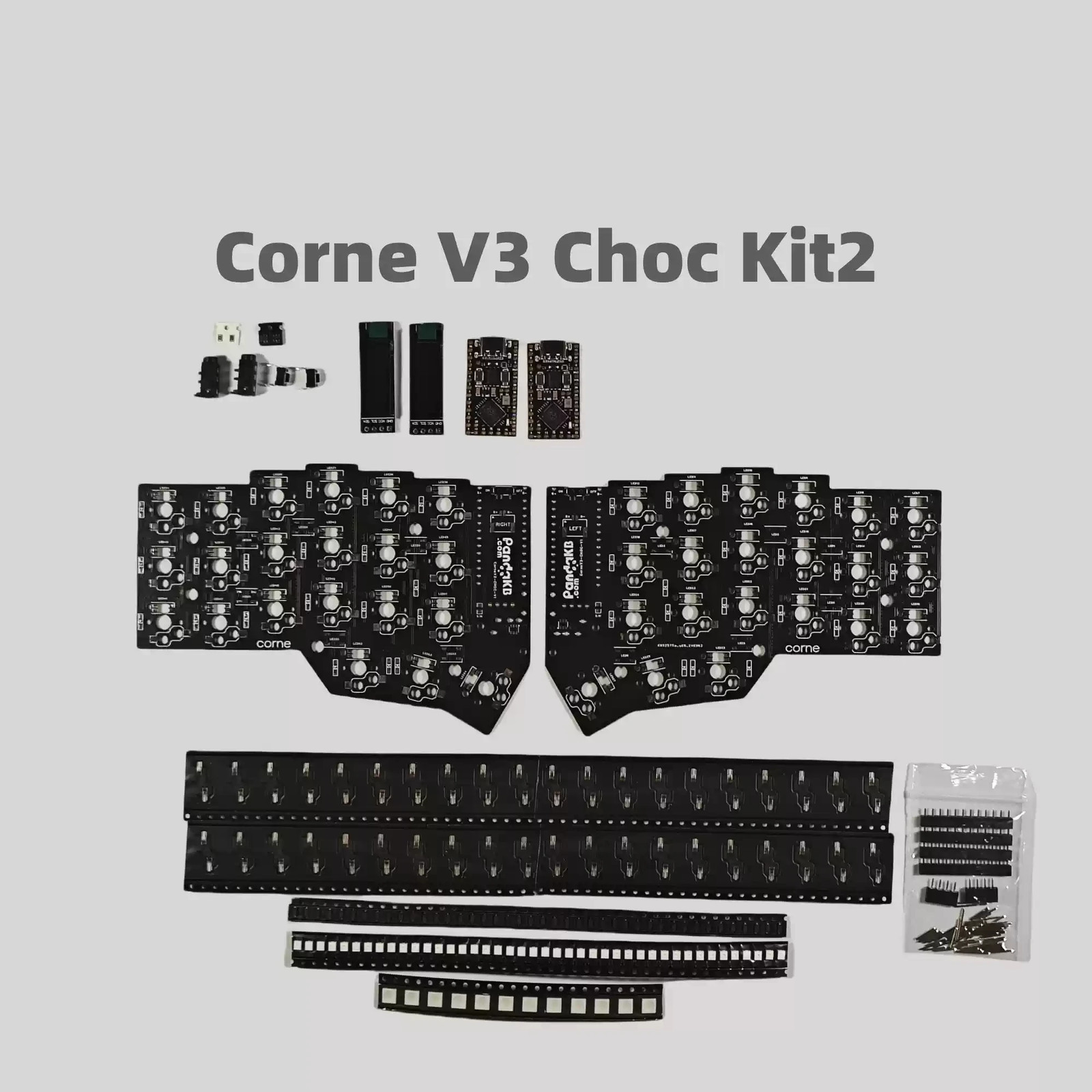
Compare keyboard pcbs, cases & plates models, specs, and current prices.
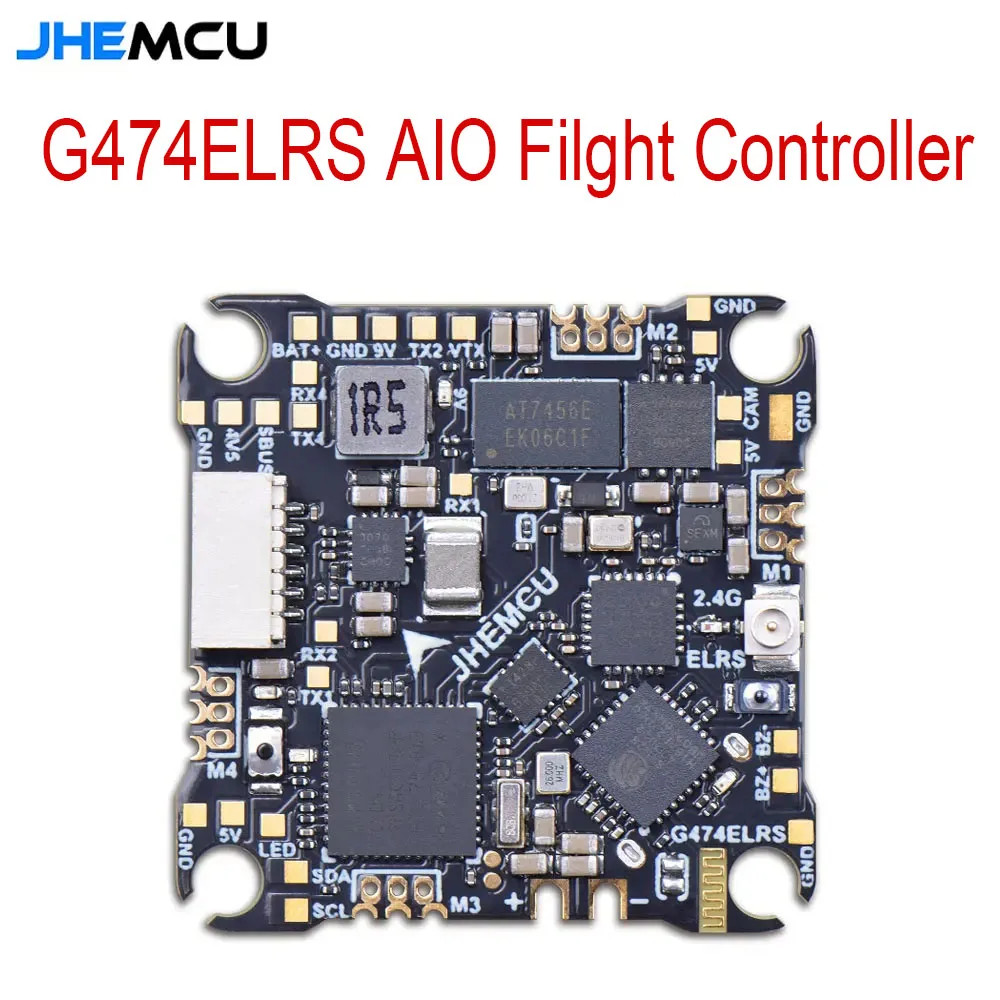
Compare fpv flight controllers models, specs, and current prices.
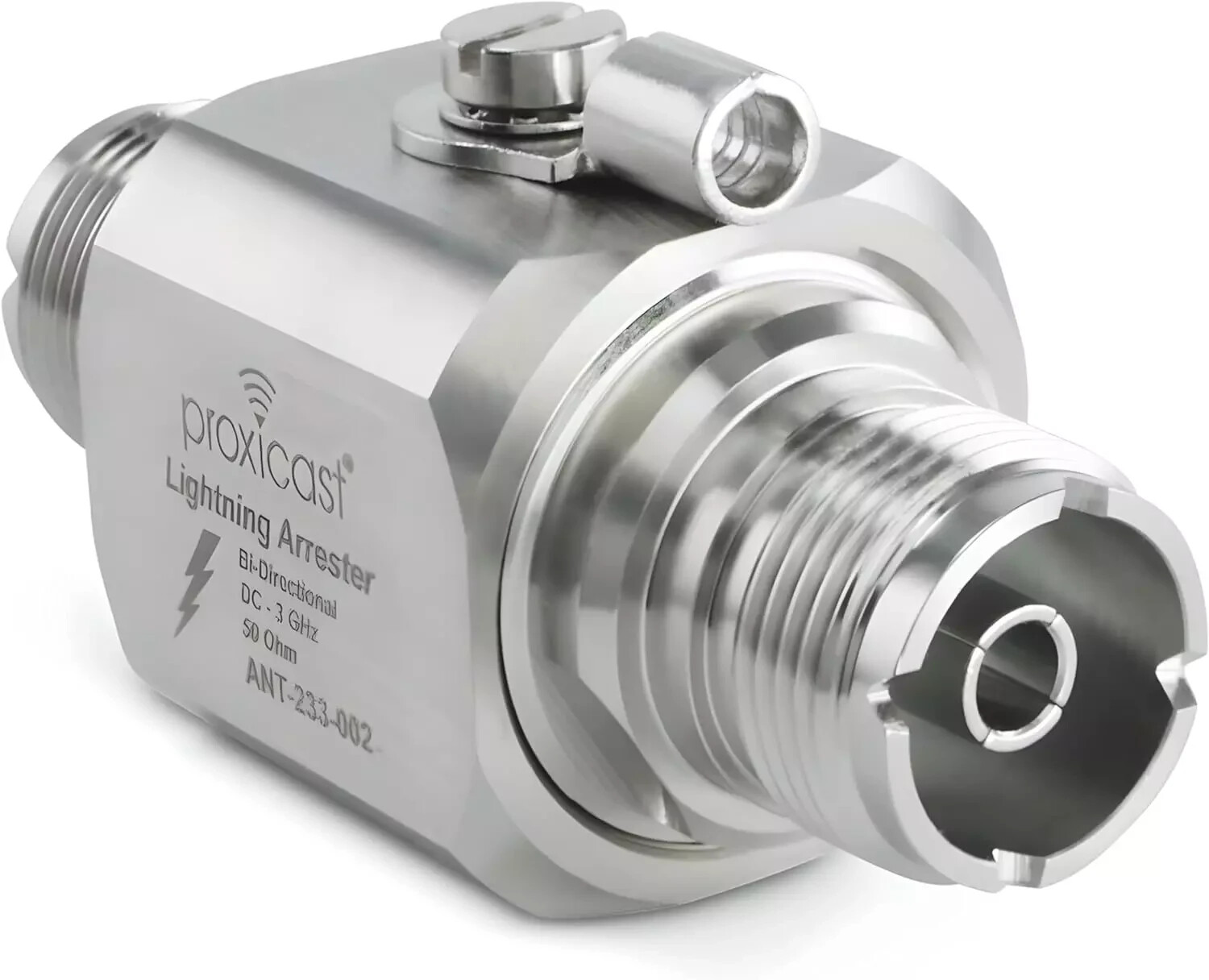
Compare coax, connectors & portable cases models, specs, and current prices.
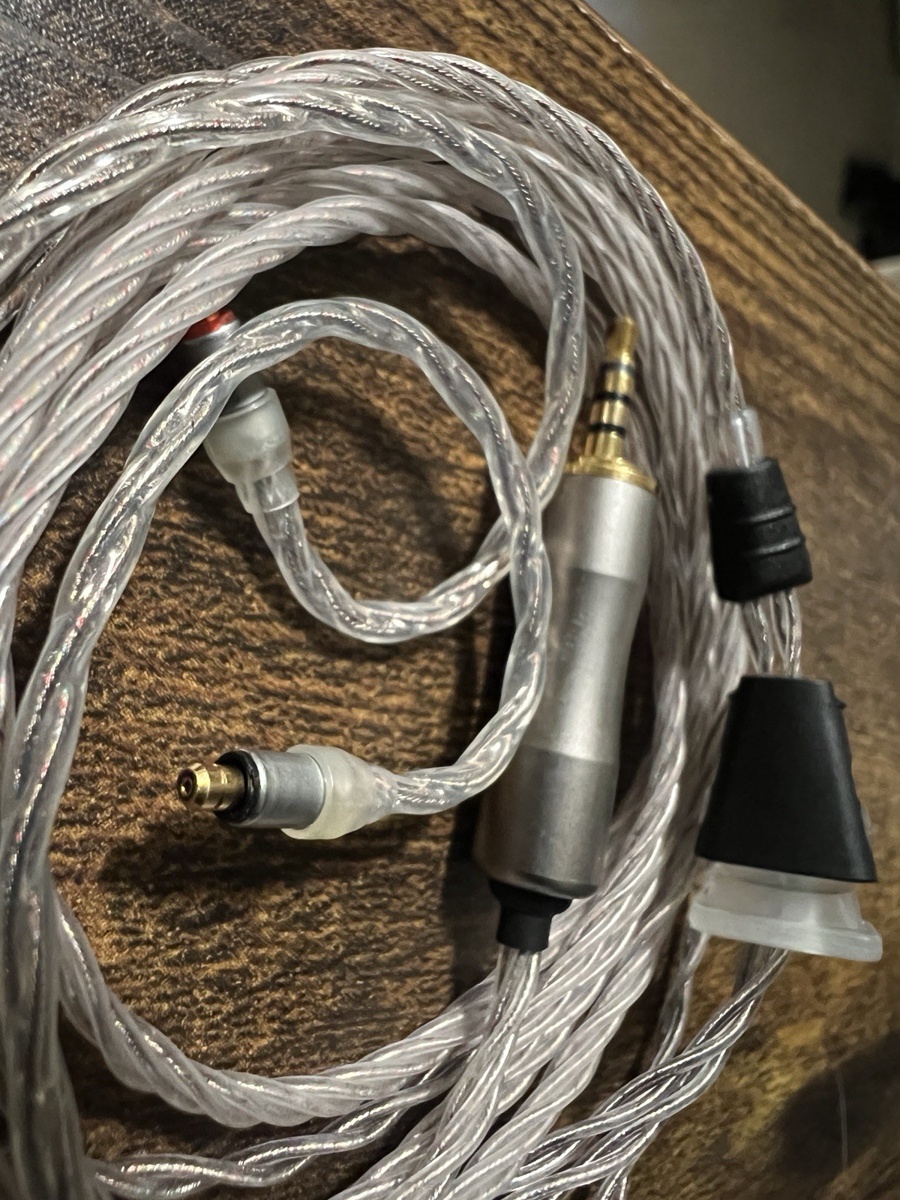
Compare iem cables & ear tips models, specs, and current prices.
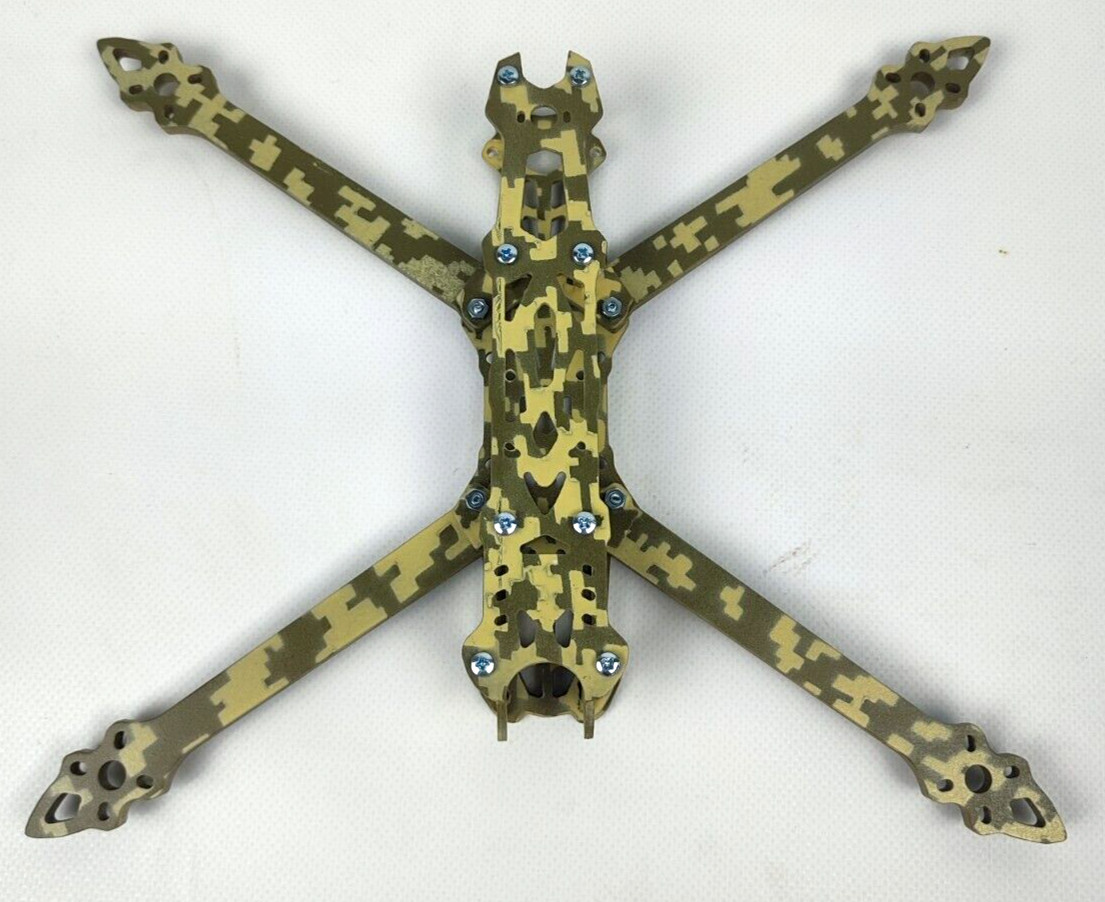
Compare fpv frames & build kits models, specs, and current prices.
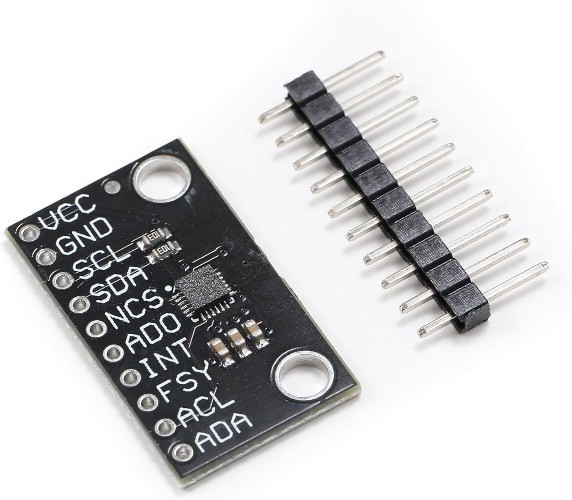
Compare sensors, modules & components models, specs, and current prices.
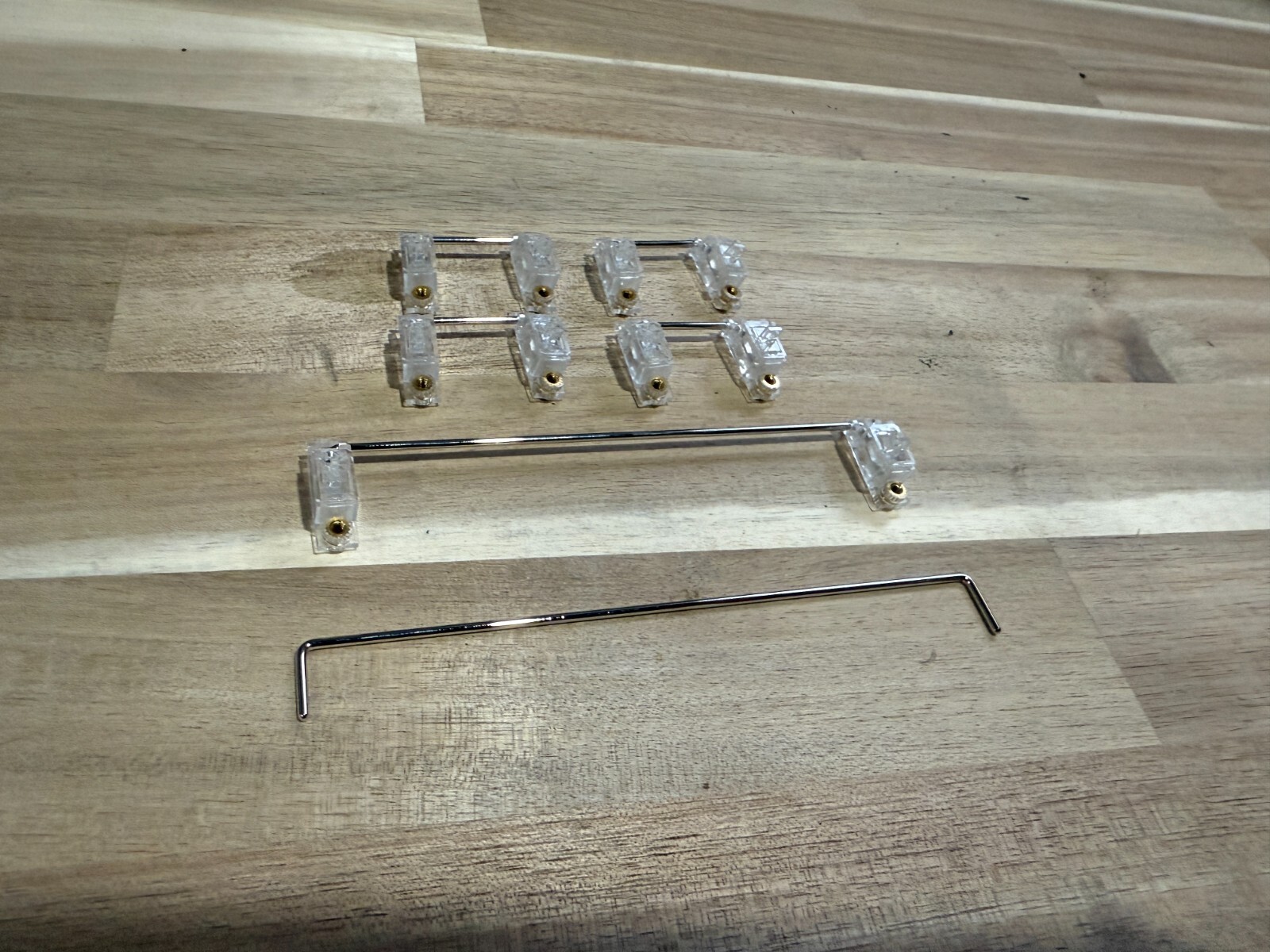
Compare stabilizers, lubricants & build tools models, specs, and current prices.
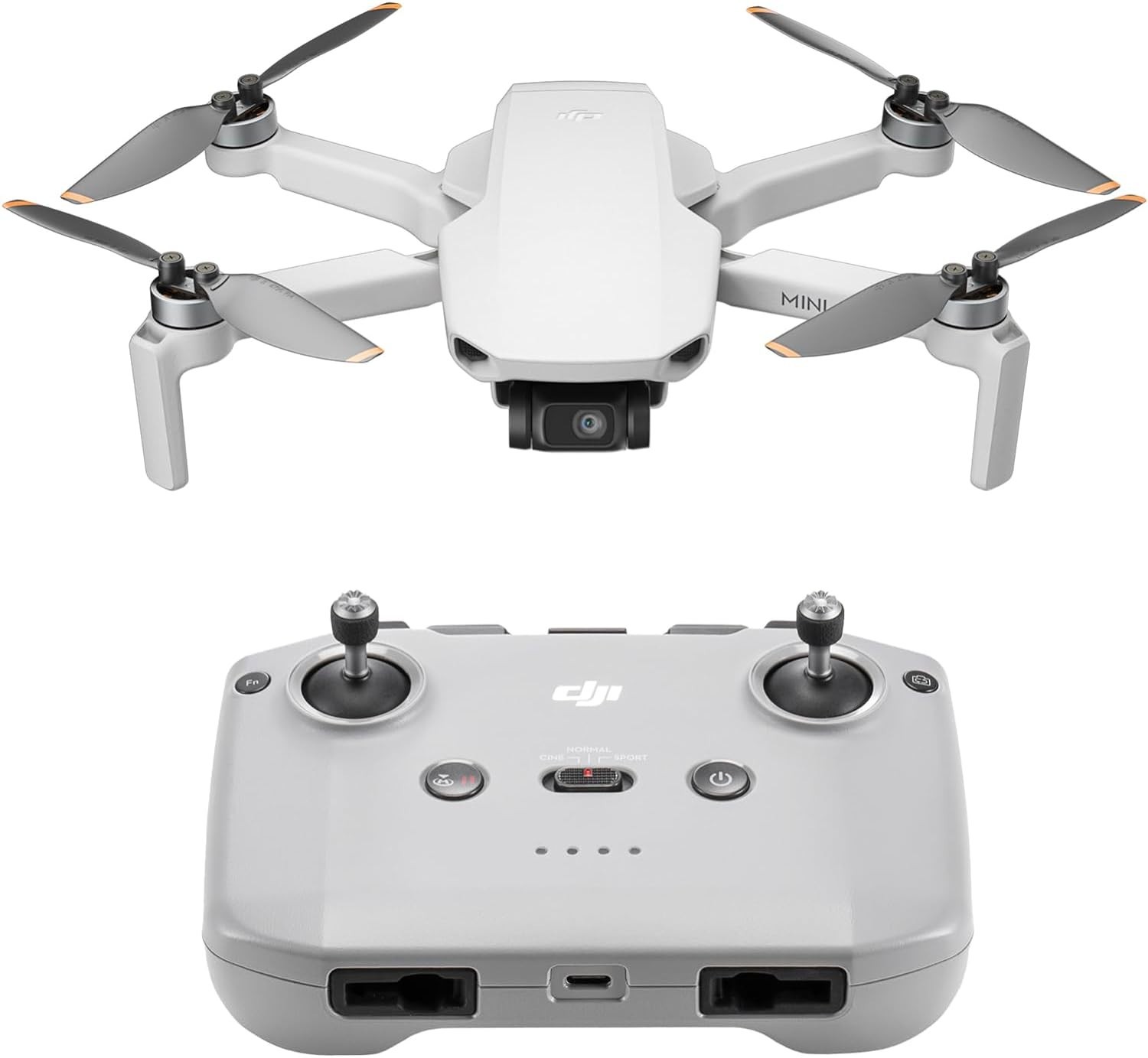
Drones span toy-grade Wi-Fi quadcopters to GPS-stabilized camera platforms, and the defining trade-off is control-link and stabilization quality versus paper specs: toy drones advertise 4K but deliver laggy 2.4 GHz Wi-Fi video, while serious camera drones pair GPS/optical flow with brushless motors and gimbals. The decision rule: buy a brushless, GPS or optical-flow drone with a real gimbal for outdoor photography, and accept brushed, app-only Wi-Fi drones only as indoor or calm-day toys.
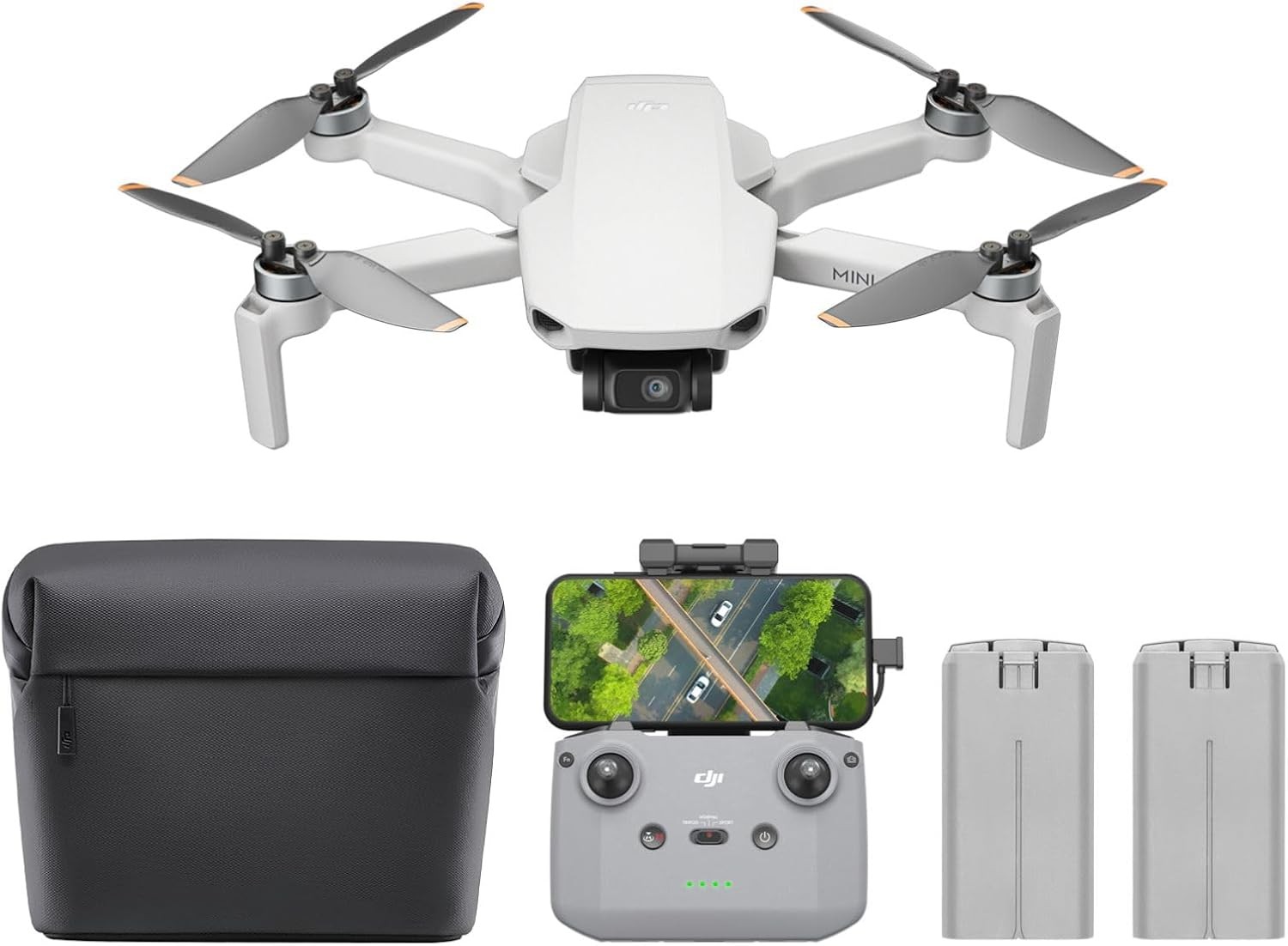
Camera drones span toy-grade Wi-Fi quadcopters to GPS-stabilized 4K aerial platforms, and the decisive trade-off is sensor/ gimbal quality versus flight-control reliability. The clear rule: buy a brushless, GPS-equipped model with a physical gimbal and labeled sensor size for usable footage; treat brushed-motor, app-only Wi-Fi drones as indoor toys regardless of claimed resolution.
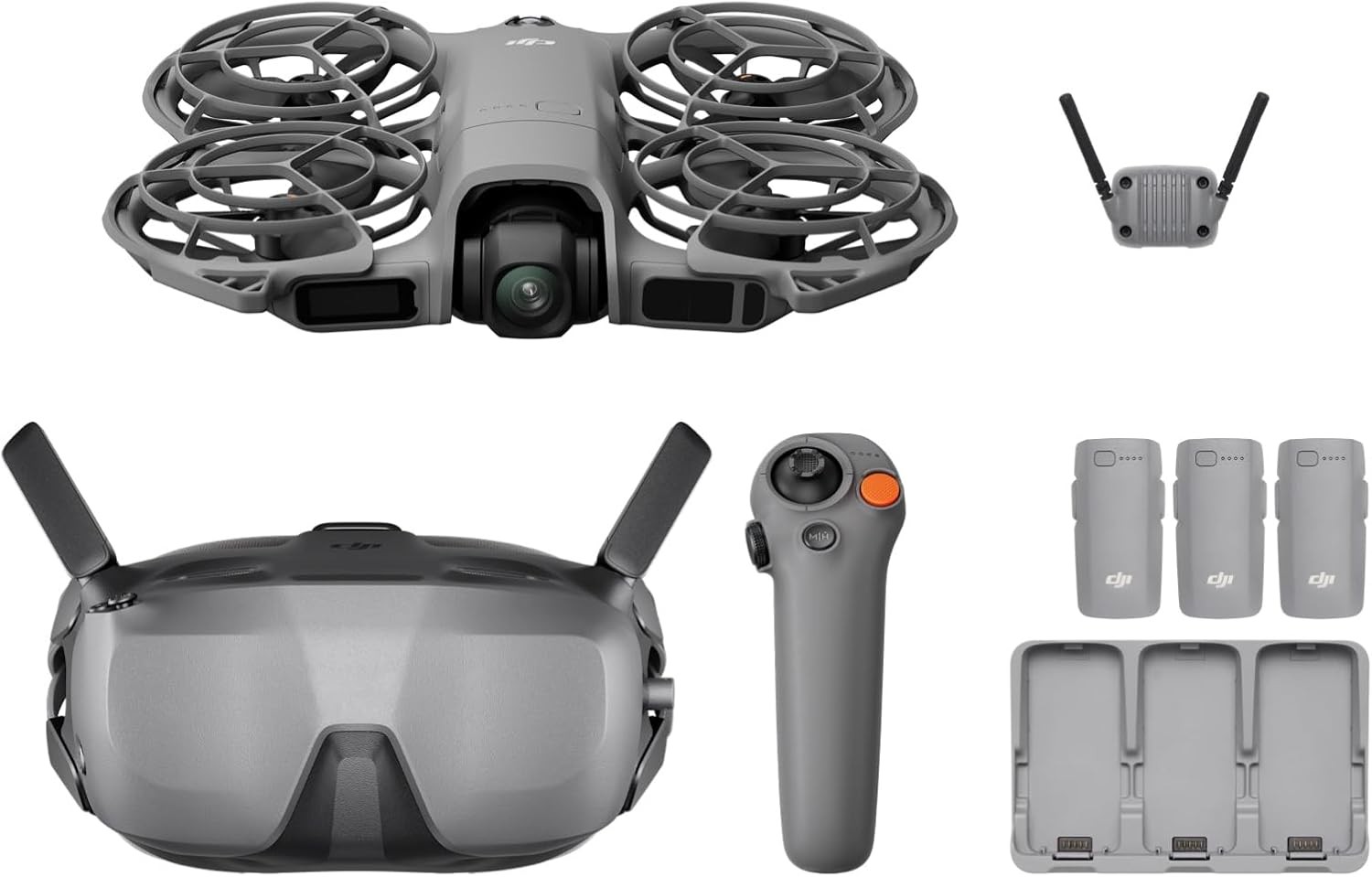
A 'drone with goggles' can mean two very different things: a true FPV system where the goggles receive a low-latency analog or digital feed from the drone's camera, or a camera drone that only streams to a phone while you use separate goggles for a cinematic view. Most buyer mistakes are picking a toy-grade Wi-Fi drone and expecting real FPV, or buying goggles that don't match the drone's video transmission protocol. Decide first whether you want immersive racing-style flight or smooth aerial video, then size the drone and goggles to your use case.
A camera drone is an aerial imaging platform whose value splits cleanly between camera sensor quality (sensor size, stabilization, dynamic range) and flight architecture (GPS, brushless motors, real battery capacity). The decisive trade-off is that sub-250g mini drones trade wind resistance and battery life for regulation-free convenience, while larger GPS drones trade weight and registration requirements for stability and longer flight. Buy a brushless, GPS-equipped drone with a specified sensor size (1/2.3-inch or larger) and real mAh ratings; skip toy-grade brushed-motor drones with interpolated '6K' labels and 1,435 mAh batteries.
Camera drones are aerial imaging platforms where the gimbal sensor, transmission link, and battery architecture determine whether footage is usable or merely captured. The core trade-off is between compact sub-250g models with restricted wind resistance and larger multi-axis-gimbal drones delivering stable 4K/5.4K video at the cost of registration and portability. The decision rule: buy a drone with a mechanical 3-axis gimbal and a documented radio link (OcuSync/O3-class or better); treat Wi-Fi-only FPV and interpolated '6K' labels as toy-tier compromises.
Finding more guides for you…