
Photos from current listings. Actual item, color, and included accessories may vary.
Camera Drone Buying Guide
Camera drones are aerial imaging platforms where the gimbal sensor, transmission link, and battery architecture determine whether footage is usable or merely captured. The core trade-off is between compact sub-250g models with restricted wind resistance and larger multi-axis-gimbal drones delivering stable 4K/5.4K video at the cost of registration and portability. The decision rule: buy a drone with a mechanical 3-axis gimbal and a documented radio link (OcuSync/O3-class or better); treat Wi-Fi-only FPV and interpolated '6K' labels as toy-tier compromises.
Median $245.00 · New & pre-owned listings
Key takeaways
- Mechanical 3-axis gimbals stabilize to fractions of a degree; electronic image stabilization (EIS) alone cannot eliminate rolling-shutter jello in wind.
- Sub-250g drones (e.g., Mini-class) avoid registration in most jurisdictions but typically cap wind resistance near Level 5 and use smaller 1/2-inch or 1/1.3-inch sensors.
- Real 4K requires a 1/1.3-inch or larger CMOS with dual-native-ISO or HDR; '6K' labels on low-cost foldables usually denote interpolated upscaling, not native resolution.
At a glance
- Category
- Drones & Consumer Robotics
- Last updated
- Nov 28, 2026
Current offers
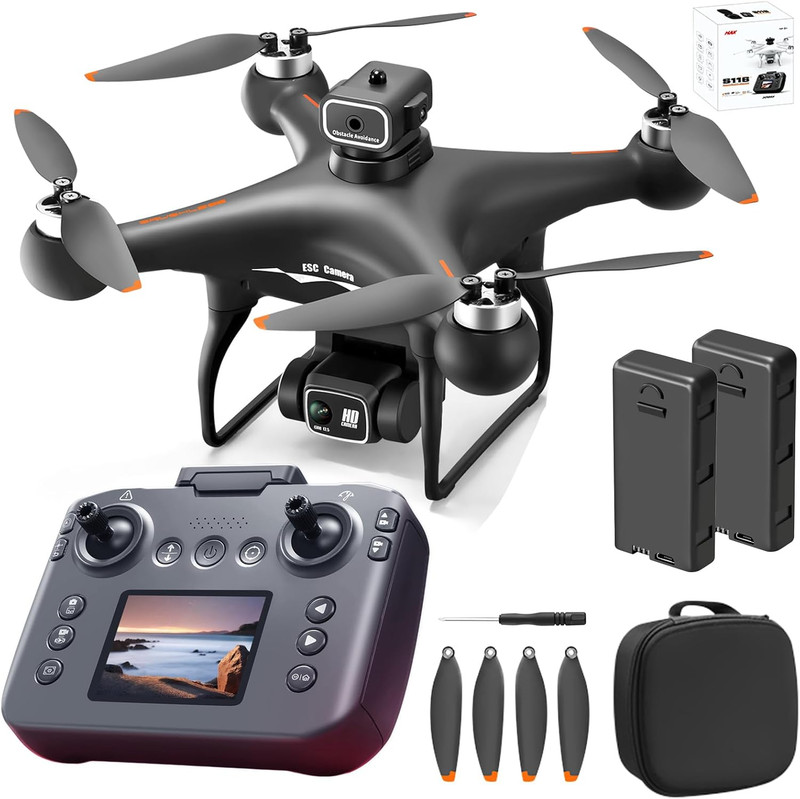 6K HD Camera Drone with FPV, 5G WiFi, Obstacle Avoidance, Dual Batteries Set$47.48View on eBay
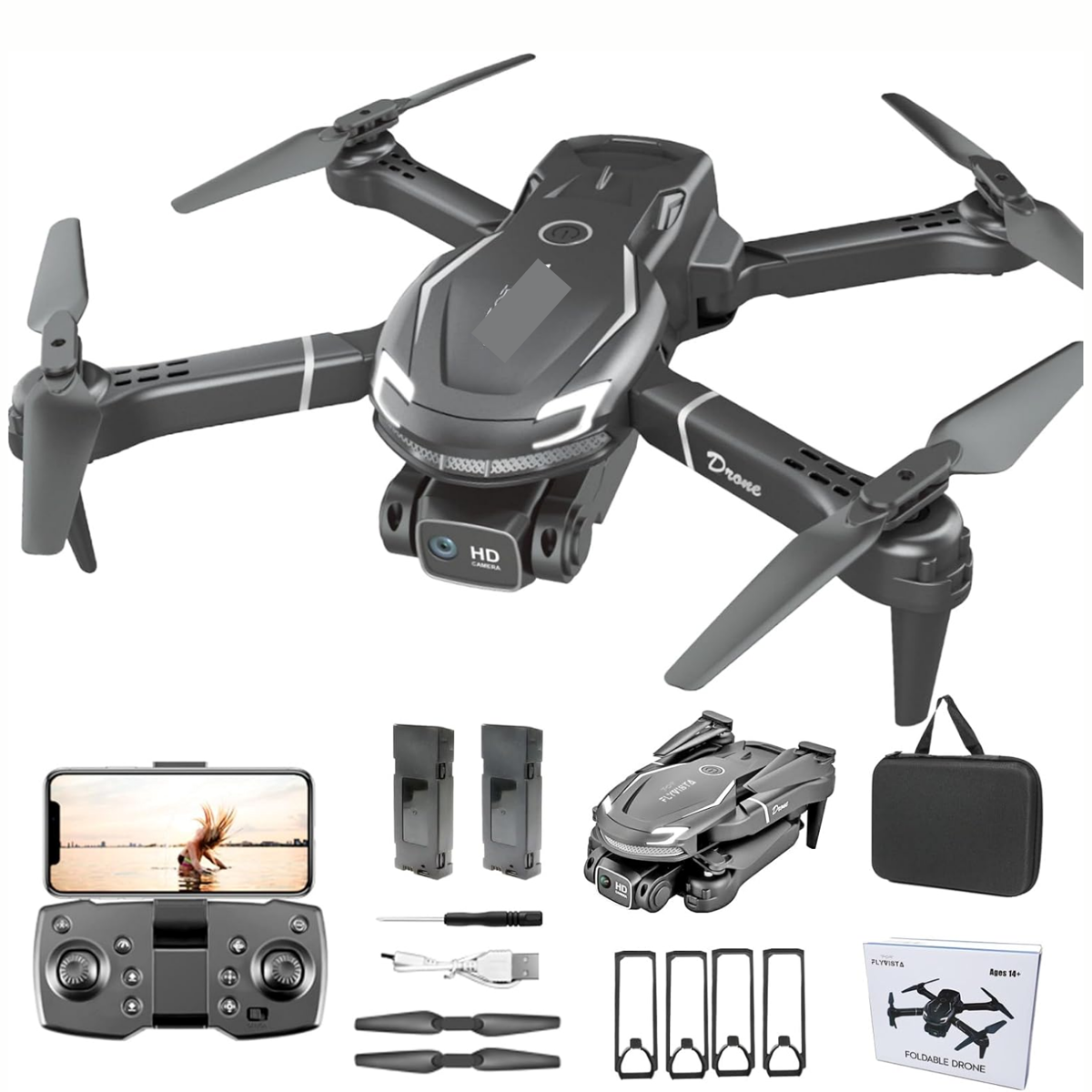 Mini FPV Camera Drone With HD 2 Batteries, One Click Takeoff And Landing Altitude Hold, Headless Mode Flips And 3 Speed Settings$106.99View on Mallflare
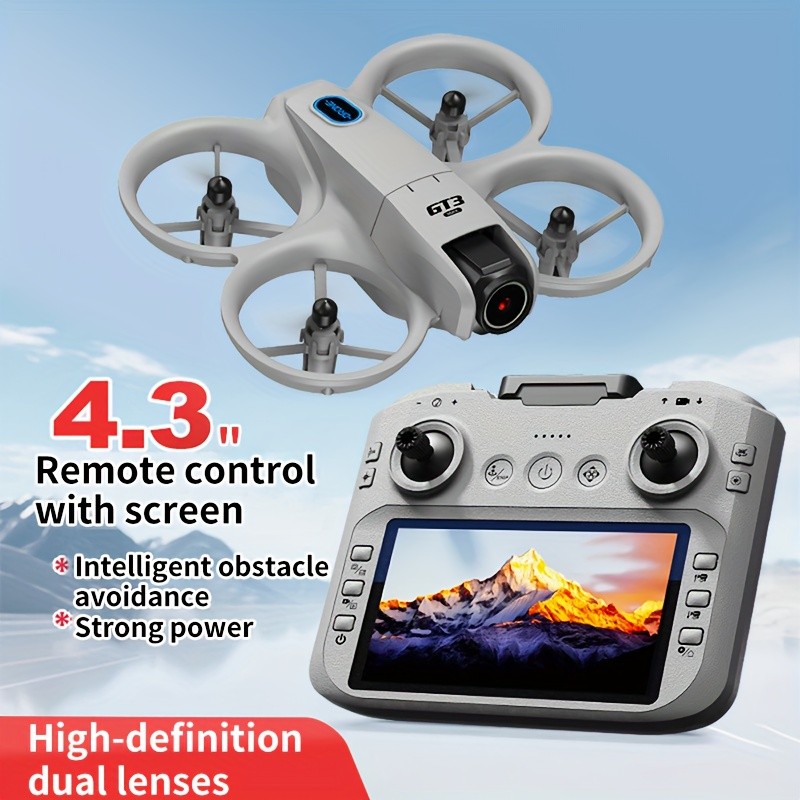 6K GT3 Camera Drone with 4.3" Large Screen Remote, Foldable Quadcopter Gift$64.99View on eBay
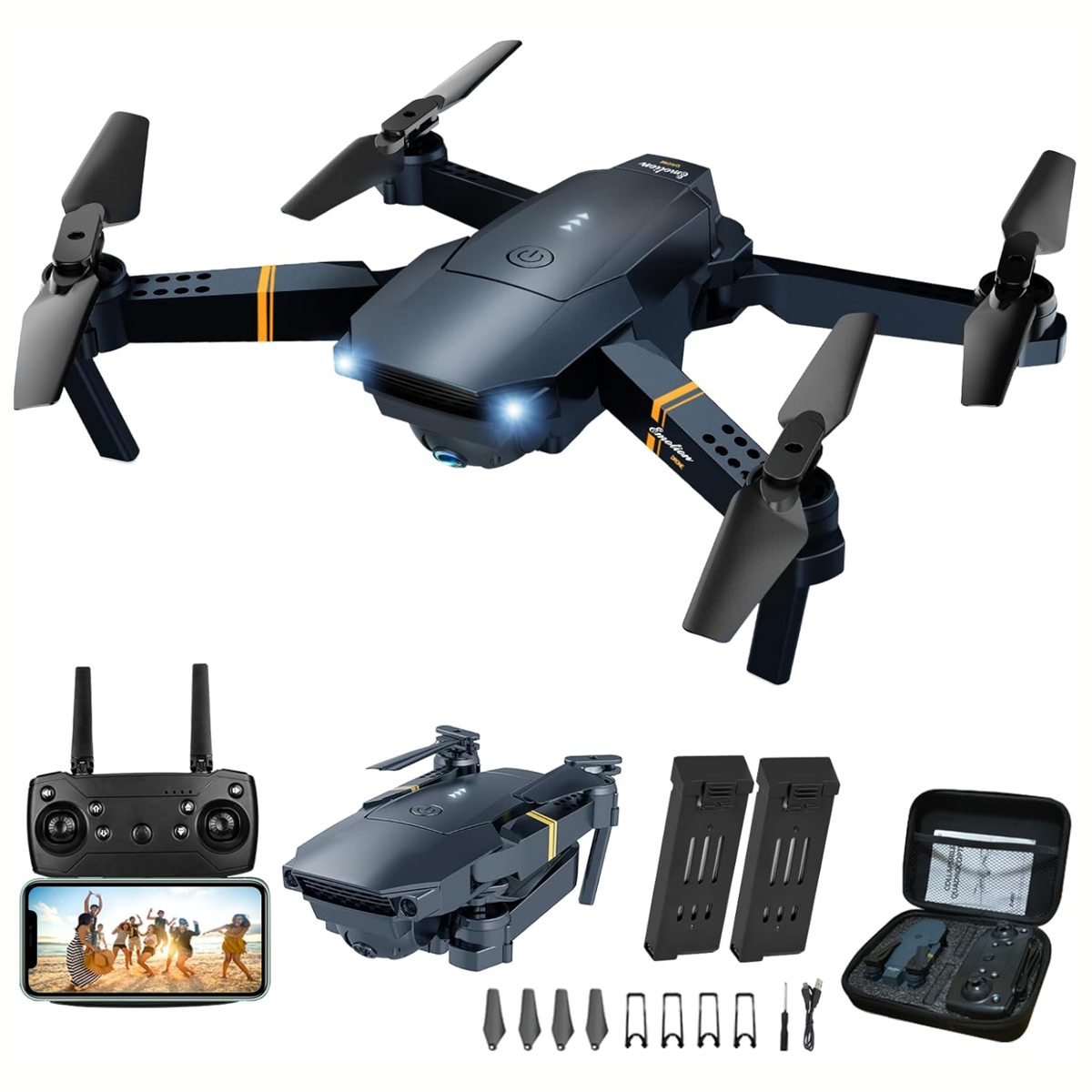 Foldable 1080P FPV Camera Drone With 2 Batteries, Carrying Case, One-Key Start, Altitude Hold, Headless Mode And 3D Flips$113.99View on Mallflare
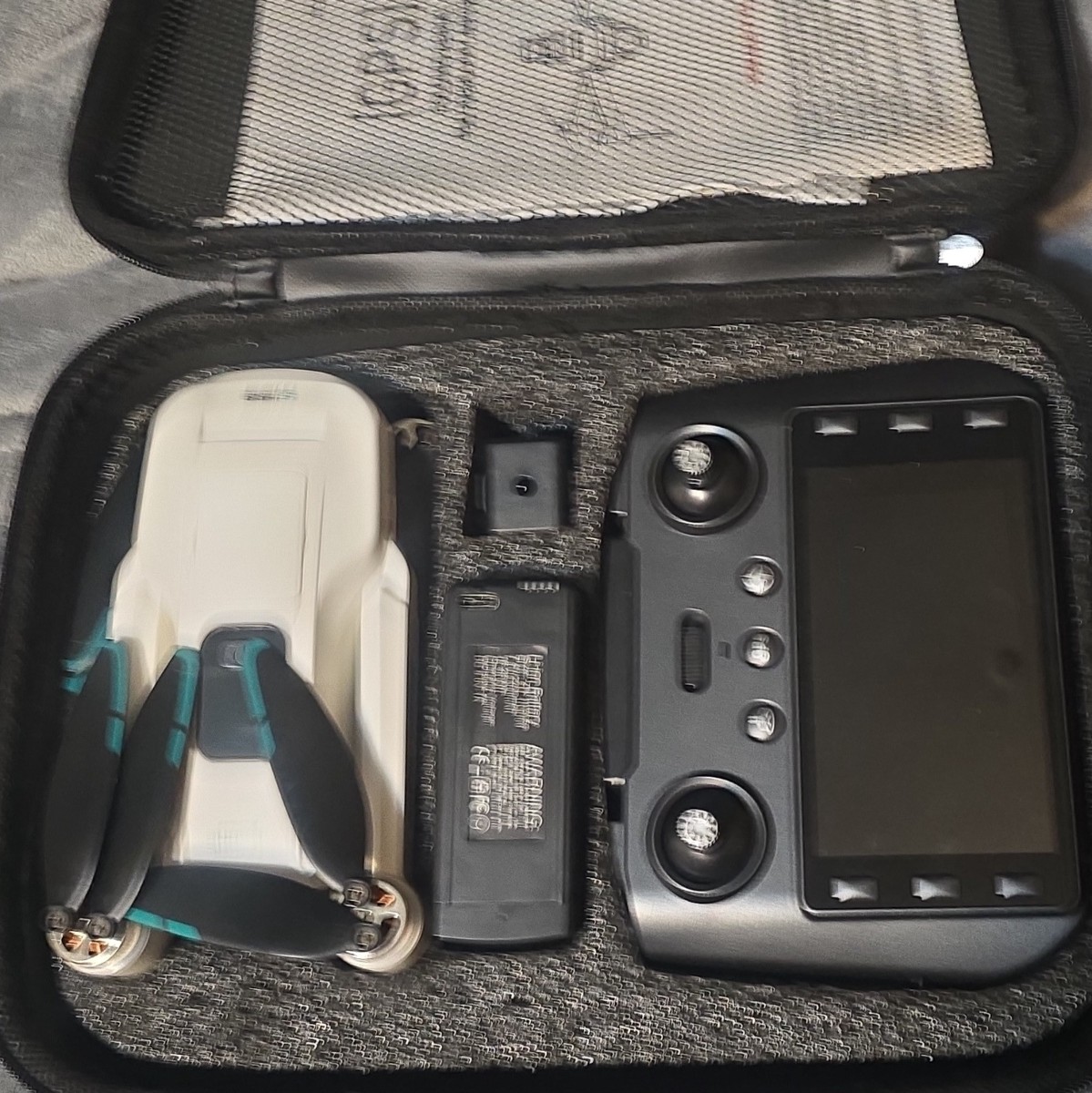 S159 GPS 4K Camera Drone w/ Controller, 2 Batterie Case$80.00View on eBay
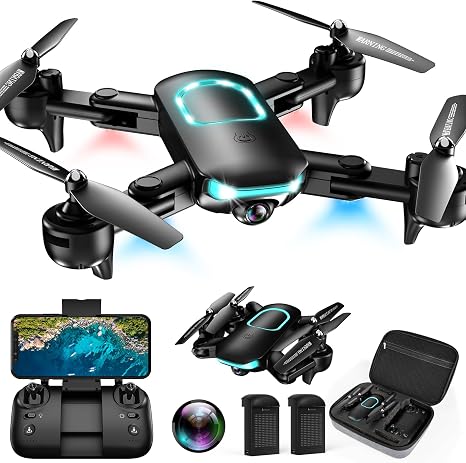 Foldable 1080P Camera Drone With Altitude Hold, Waypoint Flight, Circle Mode, 3D Flips, One-Key Start And 2 Batteries$128.99View on Mallflare
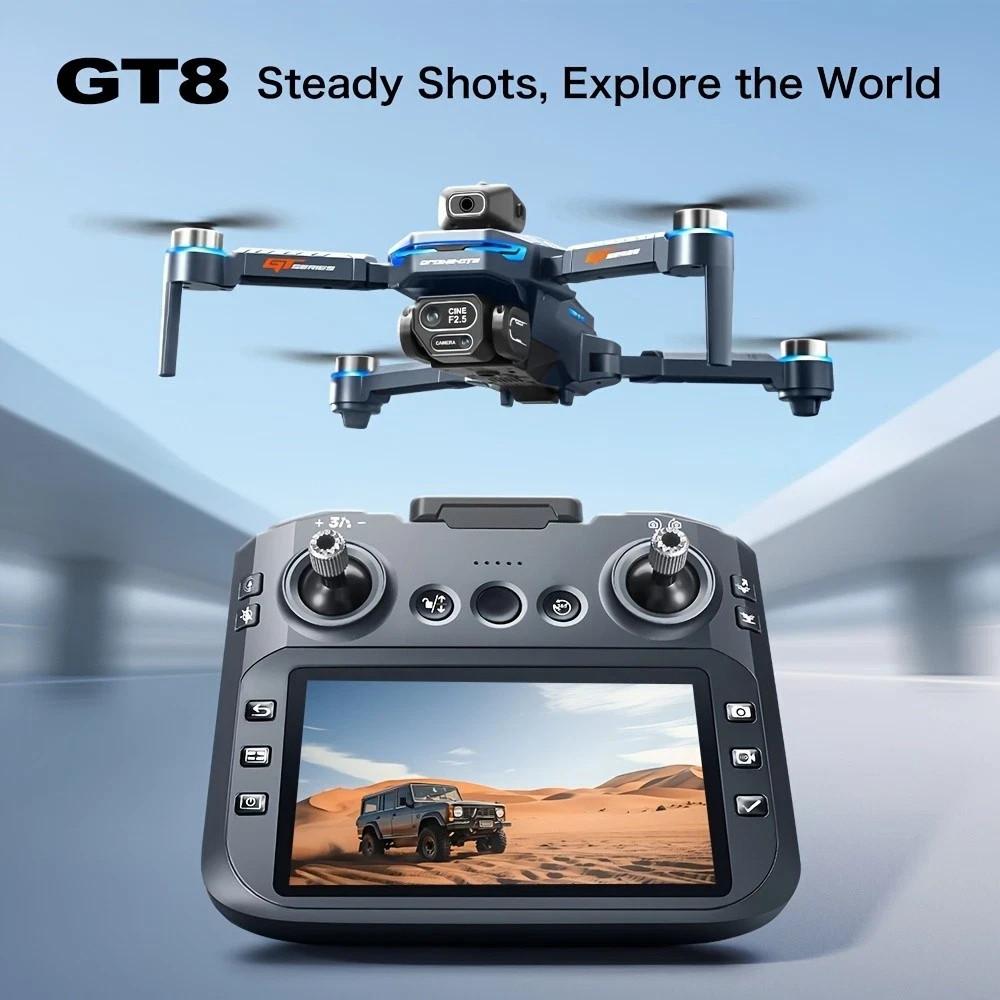 5G Professional 8K HD Dual Camera Drone With FPV WIFI Obstacle Avoidance$99.98Last checked Nov 27, 2026View on eBay
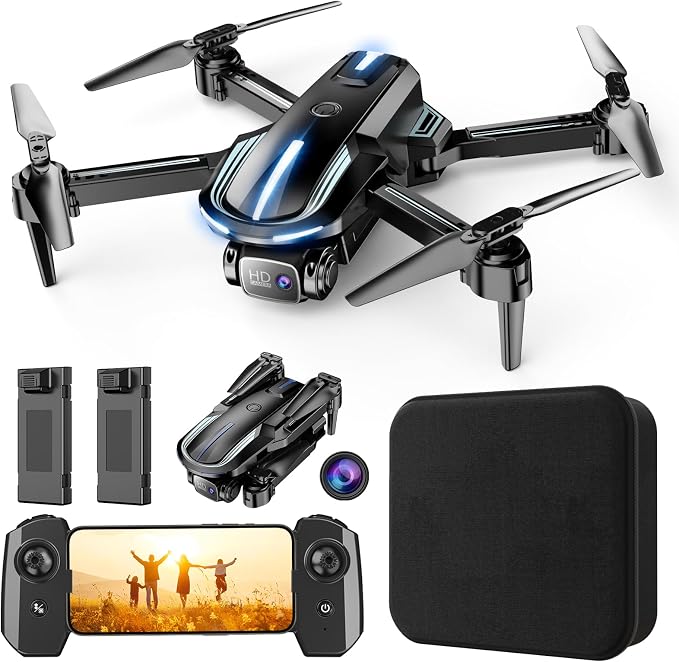 1080P Foldable Mini Camera Drone With 2 Batteries, One-Key Start, Altitude Hold And 3D Flips$202.99View on Mallflare
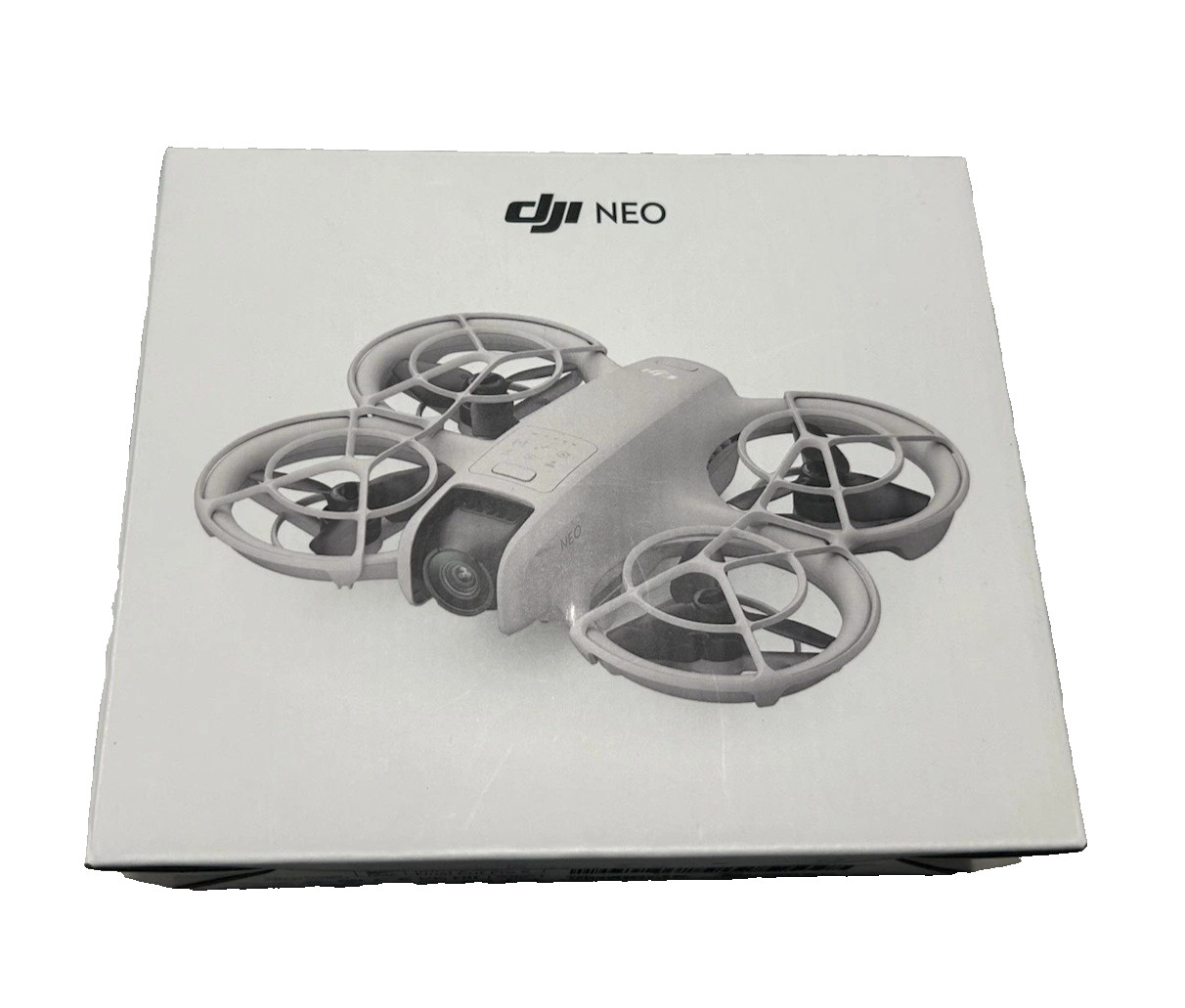 DJI Neo Mini Drone 4K UHD Camera Drone$129.98View on eBay
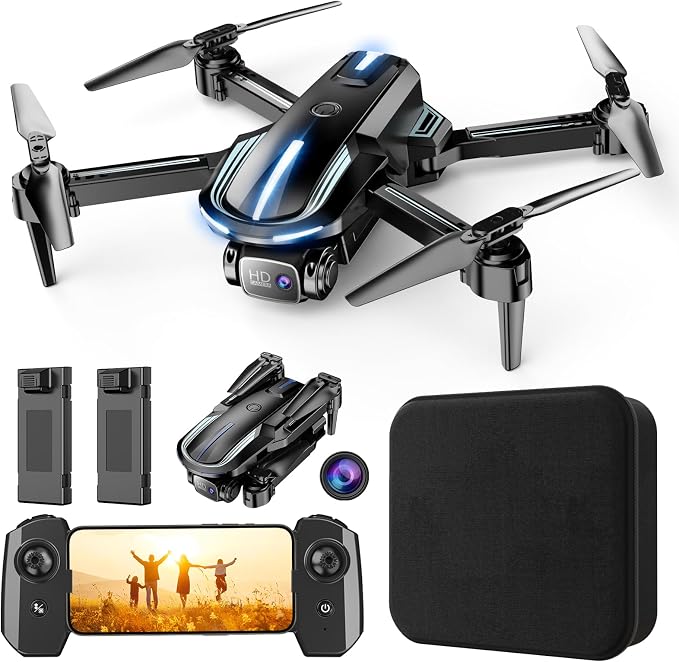 080P Foldable Mini Camera Drone With 2 Batteries, One-Key Start, Altitude Hold And 3D Flips$217.99View on Mallflare
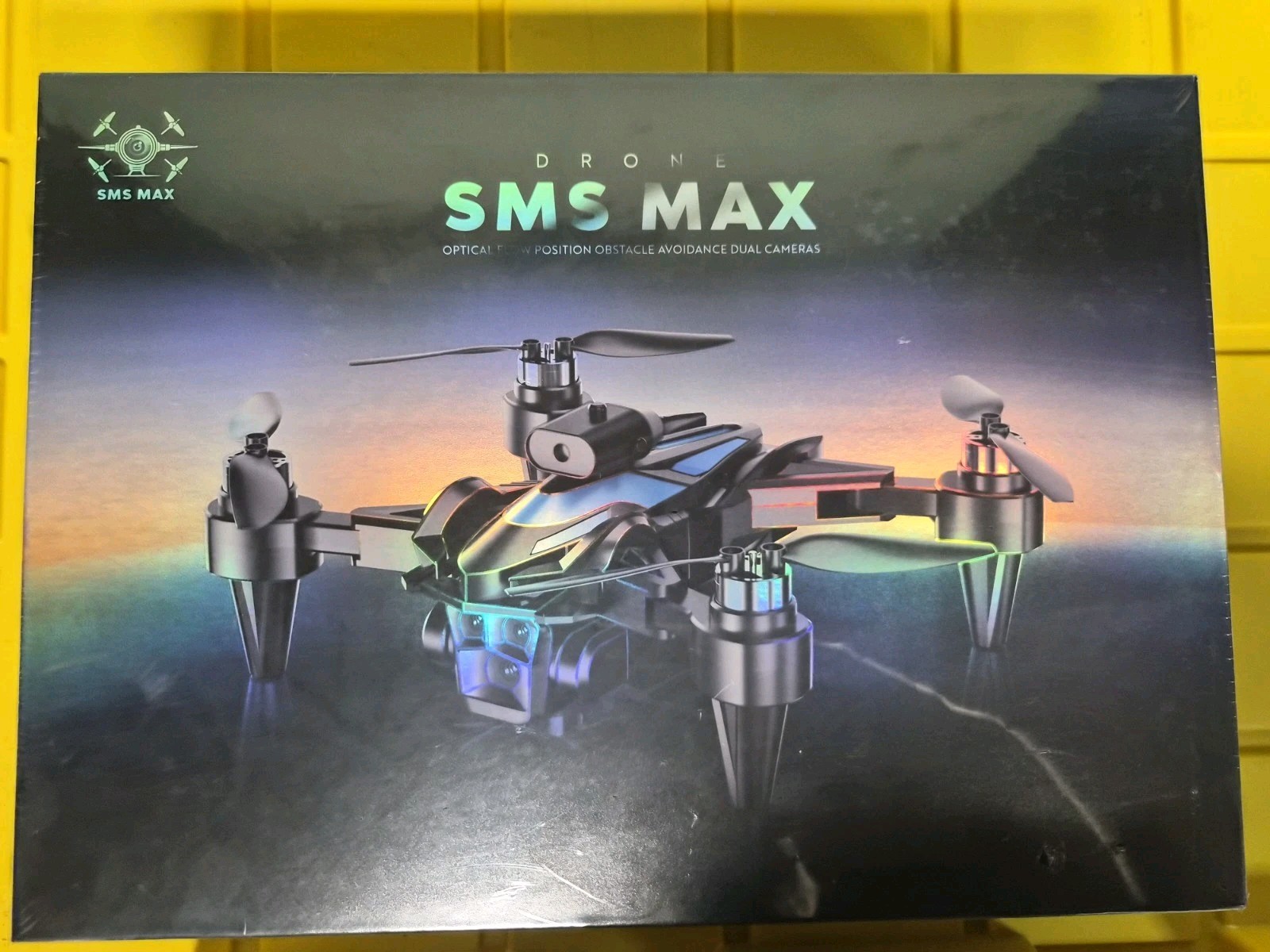 SMS Max 4K Camera Drone 5.6” Screen Obstacle Avoidance SEALED BOX $1999 MSRP New$150.00View on eBay
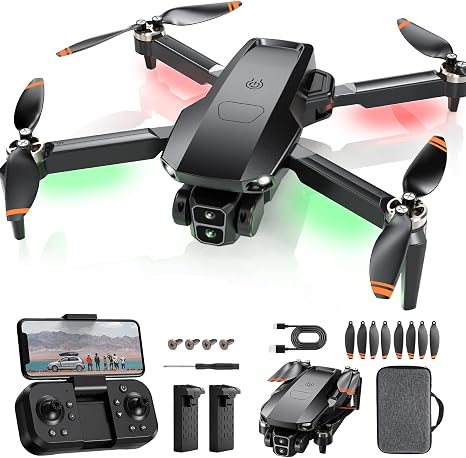 Camera Drone With Brushless Motor For Adults, Kids And Beginners$249.99View on Mallflare
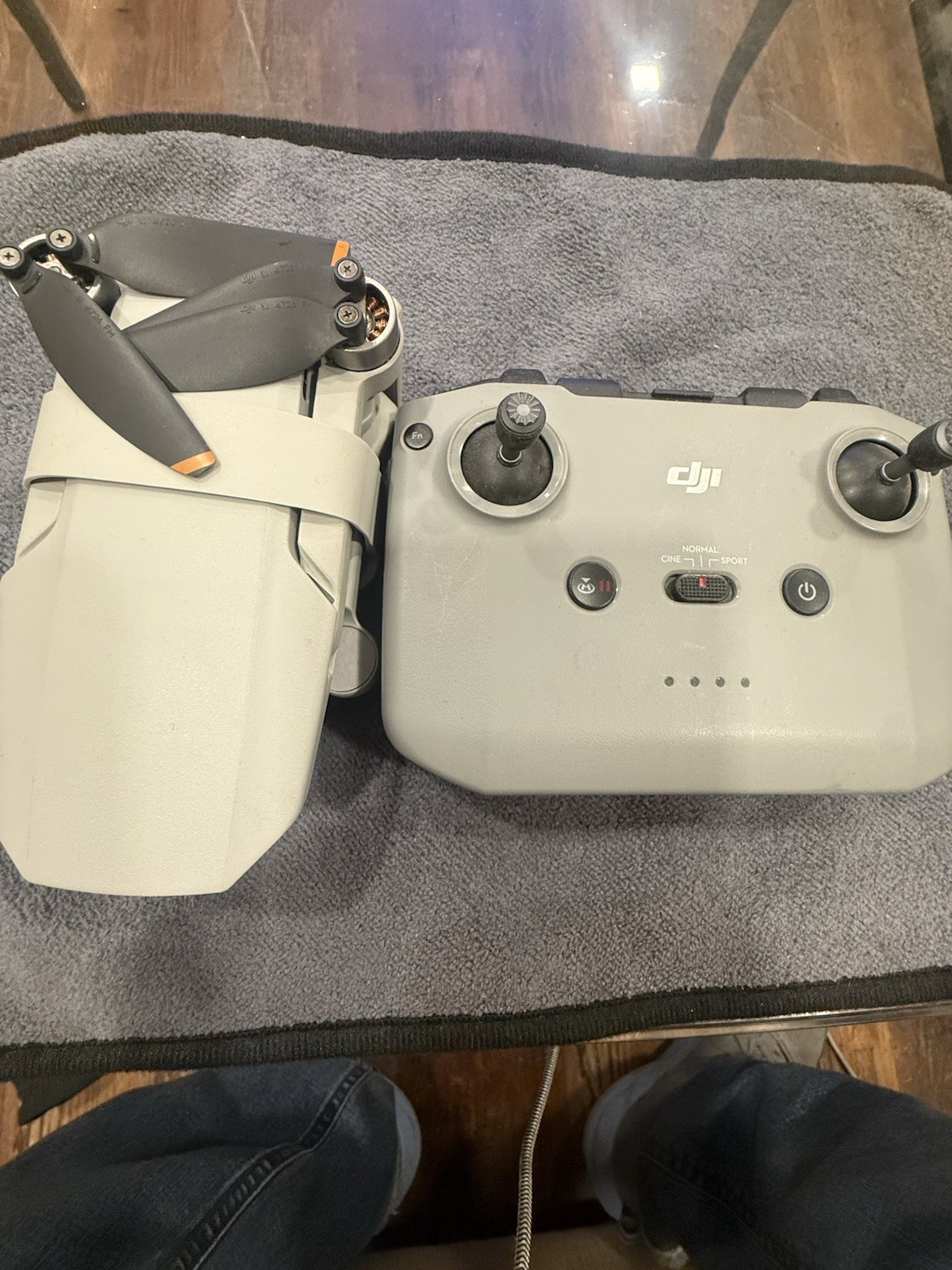 DJI Mini 2 Ultra Light 4K Camera Drone Remote Controller Battery Works$200.00Used · Last checked Nov 15, 2026View on eBay
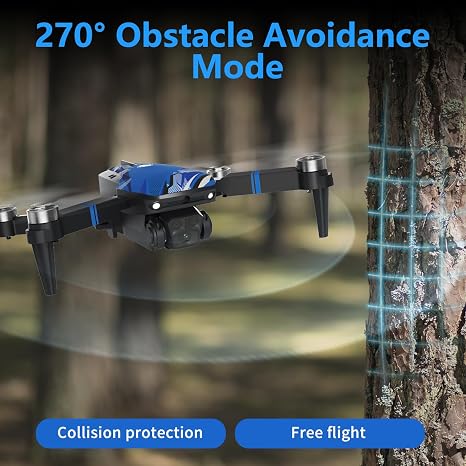 Foldable Mini FPV Camera Drone With LCD Controller, Brushless Motor, Obstacle Avoidance And 32GB SD Card Support$264.99View on Mallflare
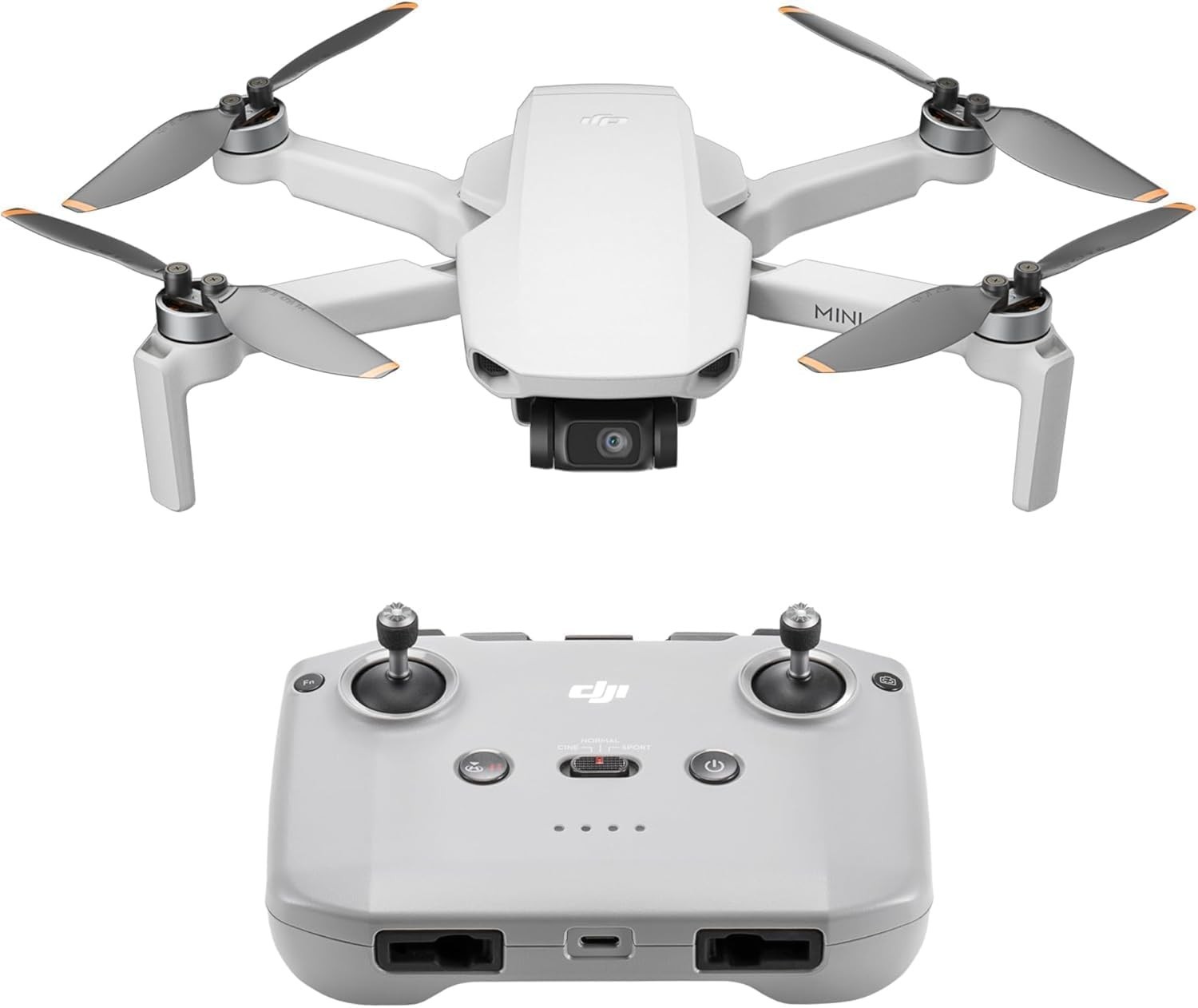 DJI Mini 4K Lightweight&foldable mini camera drone with 4K HDR video(95% new)$205.00Used · Last checked Nov 15, 2026View on eBay
- DJI Mini 4K Lightweight&foldable mini camera drone with 4K HDR video,Under 249g$205.00Used · Last checked Nov 15, 2026View on eBay
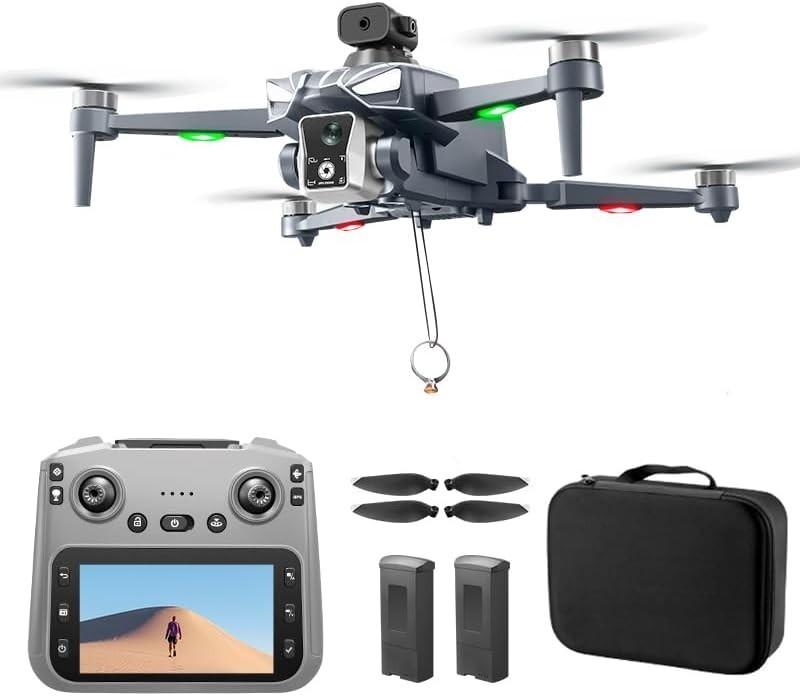 GPS Drones with Camera,5G RC Camera Drones, 4.5"HD Screen,GPS Follow&Auto Return$206.99Last checked Nov 17, 2026View on eBay
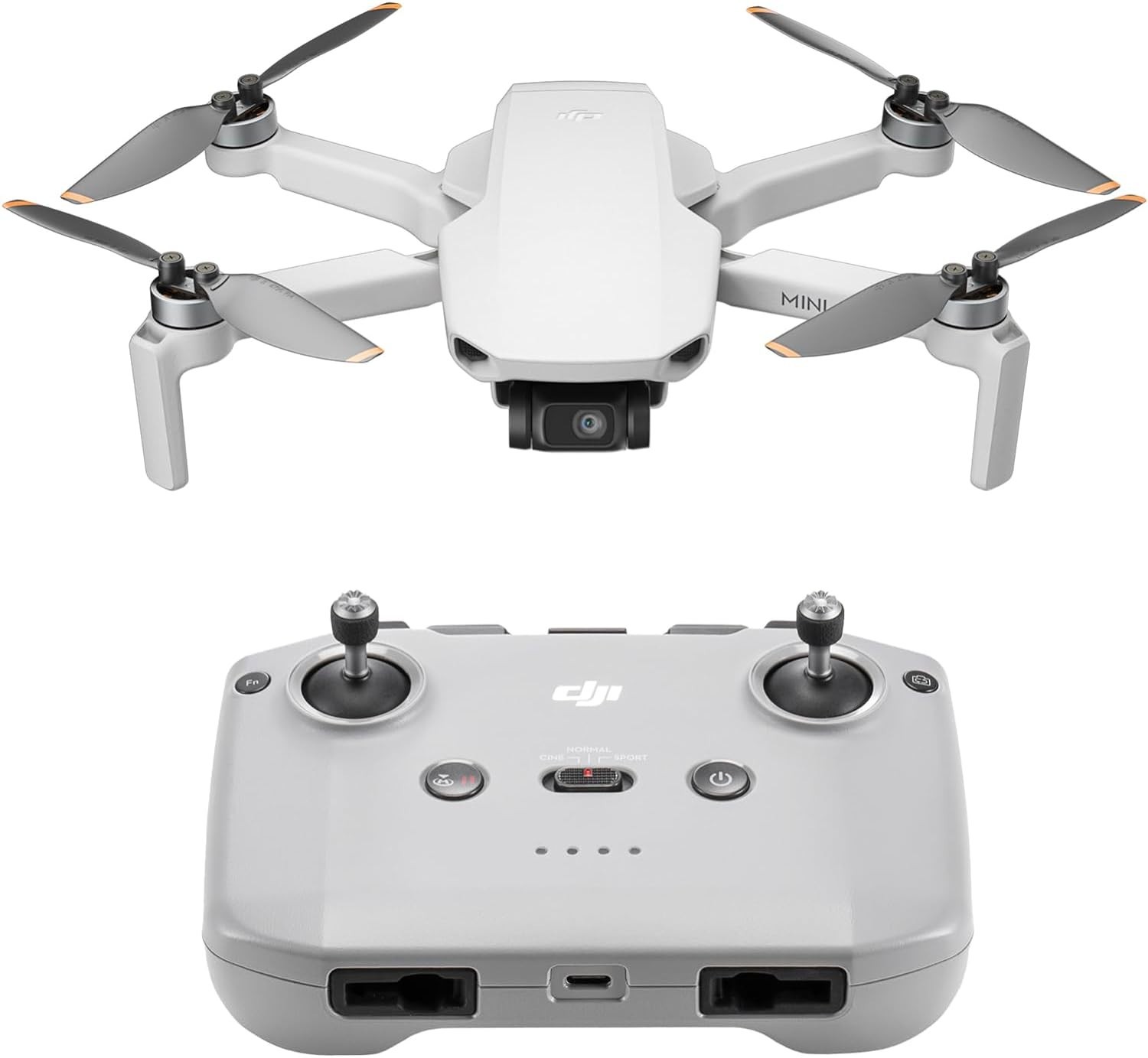 DJI Mini 4K Camera Drone (31-min) Drone with 4K UHD Camera$209.00UsedView on eBay
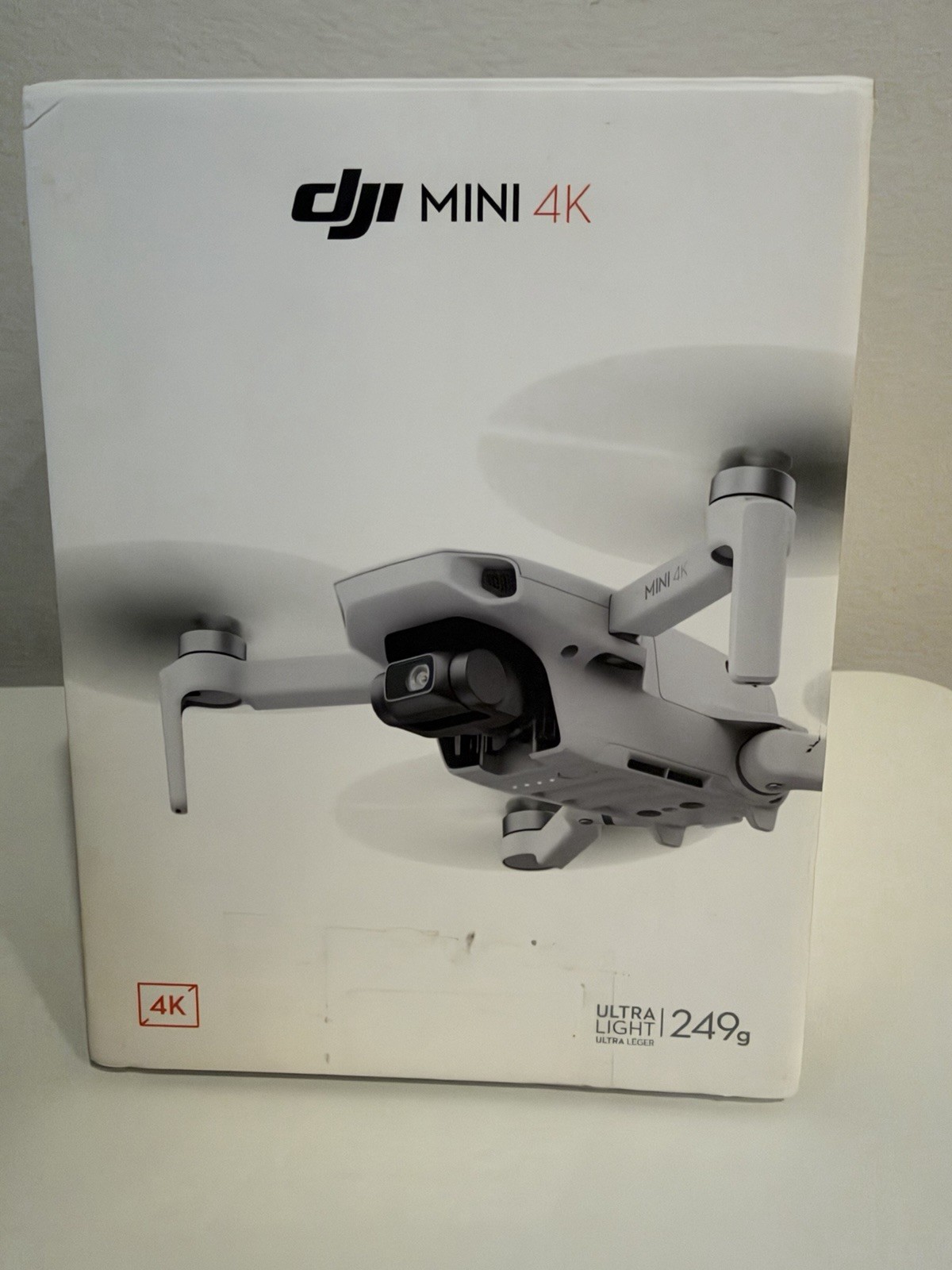 DJI Mini 2 SE Camera Drone 4K UHD 12MP with Controller, Gray, Ages 16+$215.00Open boxView on eBay
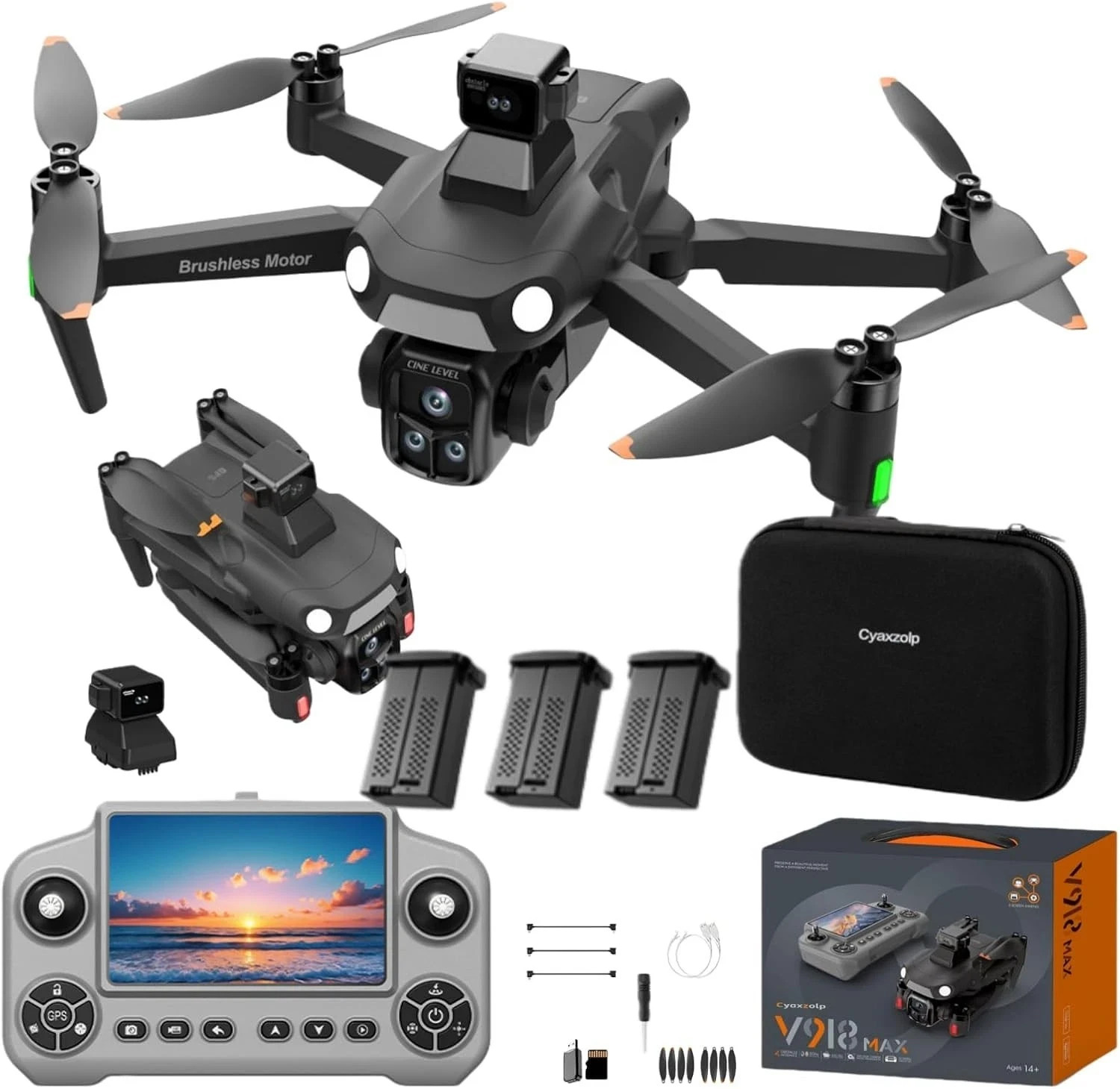 Drone with 8K Camera Drones for Adults,4.5-inch LCD High-definition Large Displa$219.98Last checked Nov 16, 2026View on eBay
Highlights
- Mechanical 3-axis gimbals stabilize to fractions of a degree; electronic image stabilization (EIS) alone cannot eliminate rolling-shutter jello in wind.
- Sub-250g drones (e.g., Mini-class) avoid registration in most jurisdictions but typically cap wind resistance near Level 5 and use smaller 1/2-inch or 1/1.3-inch sensors.
- Real 4K requires a 1/1.3-inch or larger CMOS with dual-native-ISO or HDR; '6K' labels on low-cost foldables usually denote interpolated upscaling, not native resolution.
- Battery tiers dictate flight time: standard packs deliver roughly 31-38 minutes, Plus/Extended packs 45-52 minutes, with 2453-3850 mAh capacities spanning Mini to Mavic-class airframes.
Best use cases
- Best fit: travel and hiking photography — choose a sub-250g foldable with a 1/1.3-inch sensor, 3-axis gimbal, and 30+ minute standard battery; skip heavier drones requiring registration and cases.
- Best fit: professional videography and client work — pick a Mavic 3-class or Air 3-class airframe with dual cameras, O3/O4 transmission, and 45-52 minute Plus batteries; skip Wi-Fi FPV models lacking obstacle sensing.
- Best fit: first-time recreational flying — a 1080p or 4K GPS drone with altitude hold, return-to-home, and two batteries is sufficient; skip '6K' dual-camera bundles that inflate specs without gimbal quality.
- Wrong fit: windy coastal or mountain shooting with a sub-250g drone — step up to a 700g+ airframe rated for Level 5+ wind; wrong fit: indoor obstacle courses with a GPS drone — use a ducted-propeller mini instead.
Buying tips
- Match sensor size to output: 1/2.3-inch for 1080p/2.7K, 1/1.3-inch for true 4K HDR, 4/3 or 1-inch for 5.4K/6K professional footage; ignore resolution claims without a sensor spec.
- Prioritize transmission protocol over camera megapixels: OcuSync/O3/O4-class links reach 10-20 km and resist interference; Wi-Fi 5G FPV drops at 500 m-1 km in urban RF noise.
- Budget battery capacity by airframe: 1435-1606 mAh suits sub-250g minis (19-34 min), 2453-3110 mAh suits Air-class (34-46 min), 3850 mAh and Plus packs push Mavic-class flights to 45-52 minutes.
- Confirm registration thresholds: sub-250g avoids many registrations; 250g-900g typically requires registration and remote ID; verify propeller guards and payload add weight that can cross the 250g line.
Specs
| Gimbal Type | 3-axis mechanical vs EIS-only |
|---|---|
| Sensor Size | 1/2.3" to 4/3 CMOS; 1/1.3" = true 4K |
| Flight Time | 19-38 min std / 45-52 min Plus |
| Transmission | O3/O4 10-20 km vs Wi-Fi 0.5-1 km |
Related searches
What to check before buying
- Check local registration and remote-ID rules for your country and the drone's takeoff weight with battery and props installed, not the marketing 'lightest' figure.
- Verify controller and phone/tablet compatibility: DJI RC-N-series needs a phone, RC/RC 2 has a built-in screen; third-party Wi-Fi drones require a 5 GHz-capable phone and app.
- Confirm voltage and plug standard for charging: most camera drones use USB-C PD or proprietary 12-17V chargers; a 65W PD charger covers Mini-class packs, while Air/Mavic Plus packs need dedicated hubs.
FAQ
Data sources: eBay / Amazon listings and product attribute feeds. Updated Nov 28, 2026.
Some links on this page are affiliate links. If you buy after clicking one, we may earn a commission at no extra cost to you. This does not change which products appear here or their order. Affiliate disclosure.