New Bee Wired Over-Ear Headphones $22.89 vs $21.05: Rotating Cups or Multi-Device Use?
These New Bee wired over-ear studio headphones share 50mm dynamic drivers. Choose between the rotating-cup model's studio handling and the multi-device model's broader setup wording.
Last updated Oct 7, 2026
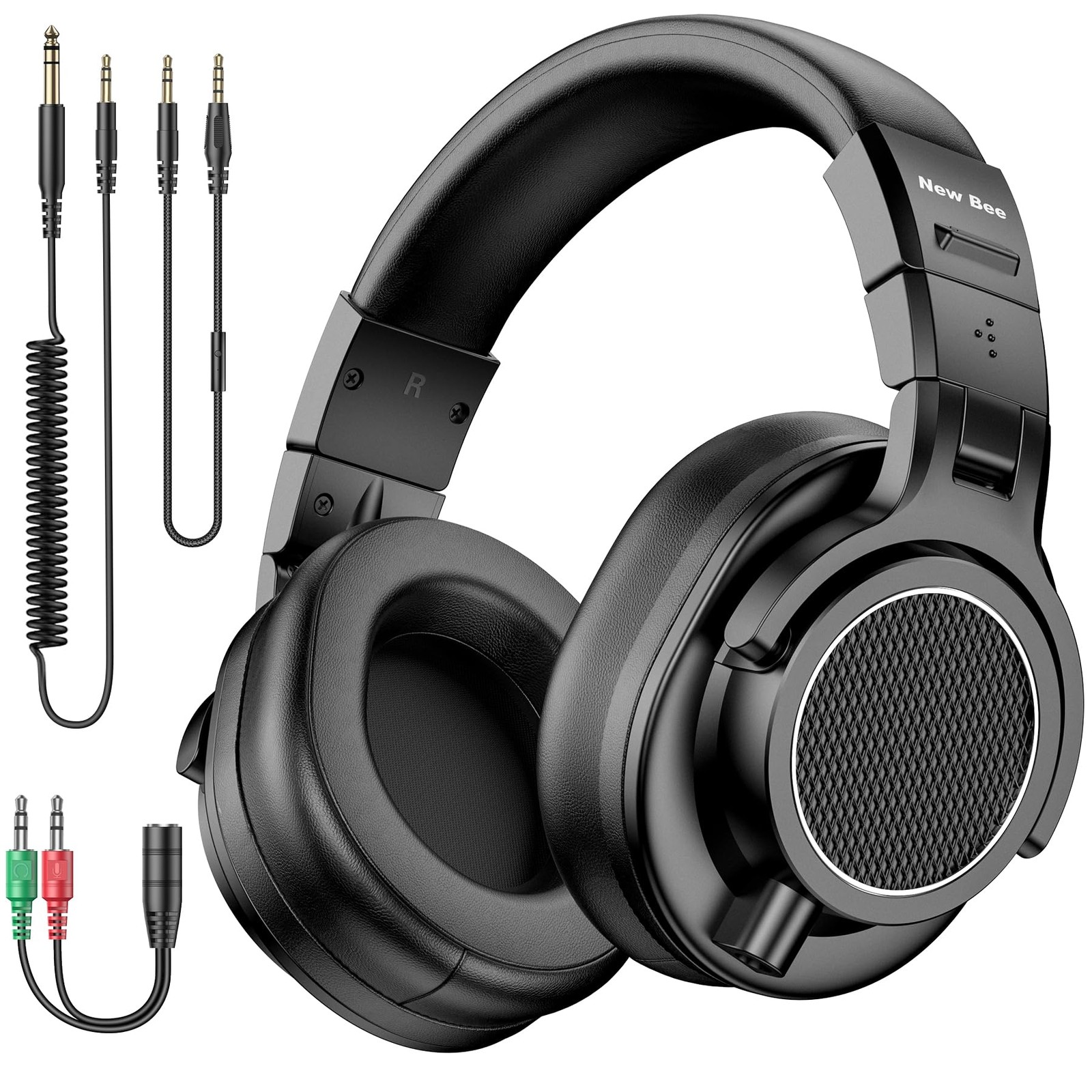
Wired Over Ear Headphones, Studio Headphones
$22.89Listed at review time
Original listing may be ended — you can still view it or find similar offers.
Affiliate disclosure: We may earn a commission if you buy through links on this page, at no extra cost to you. Confirm live price, stock, and return terms on the seller page. Affiliate disclosure.
Choosing audiophile over-ear headphones can come down to a narrow tradeoff: two similar wired studio models share core audio specifications, but their use cases are framed differently. One emphasizes hands-on studio handling, while the other highlights broad device use and technical support. Because the prices are close, your workflow matters more than a small price difference.
Quick verdict
Choose the $22.89 model if its physical studio-handling details match your routine. Choose the $21.05 model if you prioritize the lower price and the device-oriented emphasis. Both are wired over-ear headphones with 50mm dynamic drivers, detachable cables with integrated microphones, and black configurations. Those shared traits do not separate them; the meaningful choice is how each model frames studio use.
At a glance
| Comparison point | Rotating-cup model | Multi-device model |
|---|---|---|
| Listed price | USD 22.89 | USD 21.05 |
| Price difference | USD 1.84 higher | USD 1.84 lower |
| Audio driver | 50mm dynamic driver | 50mm dynamic driver |
| Cable | Detachable cable with integrated microphone | Detachable cable with integrated microphone |
| Color | Black | Black |
Where each product wins
- Rotating-cup design: The $22.89 model wins when physical studio handling is the deciding criterion. Its described workflow makes it the more natural fit for shoppers focused on hands-on monitoring sessions.
- Multi-device model: The $21.05 model wins on price, with an absolute spread of $1.84 between the two. That makes it the straightforward tie-breaker when physical handling is not the priority.
Product notes
Wired Over Ear Headphones with 50mm Drivers - Rotating-Cup Design
The rotating-cup model is the choice for a hands-on studio routine. Its description gives concrete handling details: 90° rotating ear cups for single-ear monitoring, an adjustable headband, foldable hinges, and a 210 g build. The over-ear design is also described as providing passive noise reduction. Those points align with DJ or sound-engineering use and make the physical design the main reason to select it. The limitation is equally clear: connectivity is wired, so it is not suited to a wireless-listening brief. Choose it when the rotating-cup and foldable-hinge details matter more than the other model's device-oriented support wording.
Wired Over Ear Headphones with 50mm Drivers - Multi-Device Model
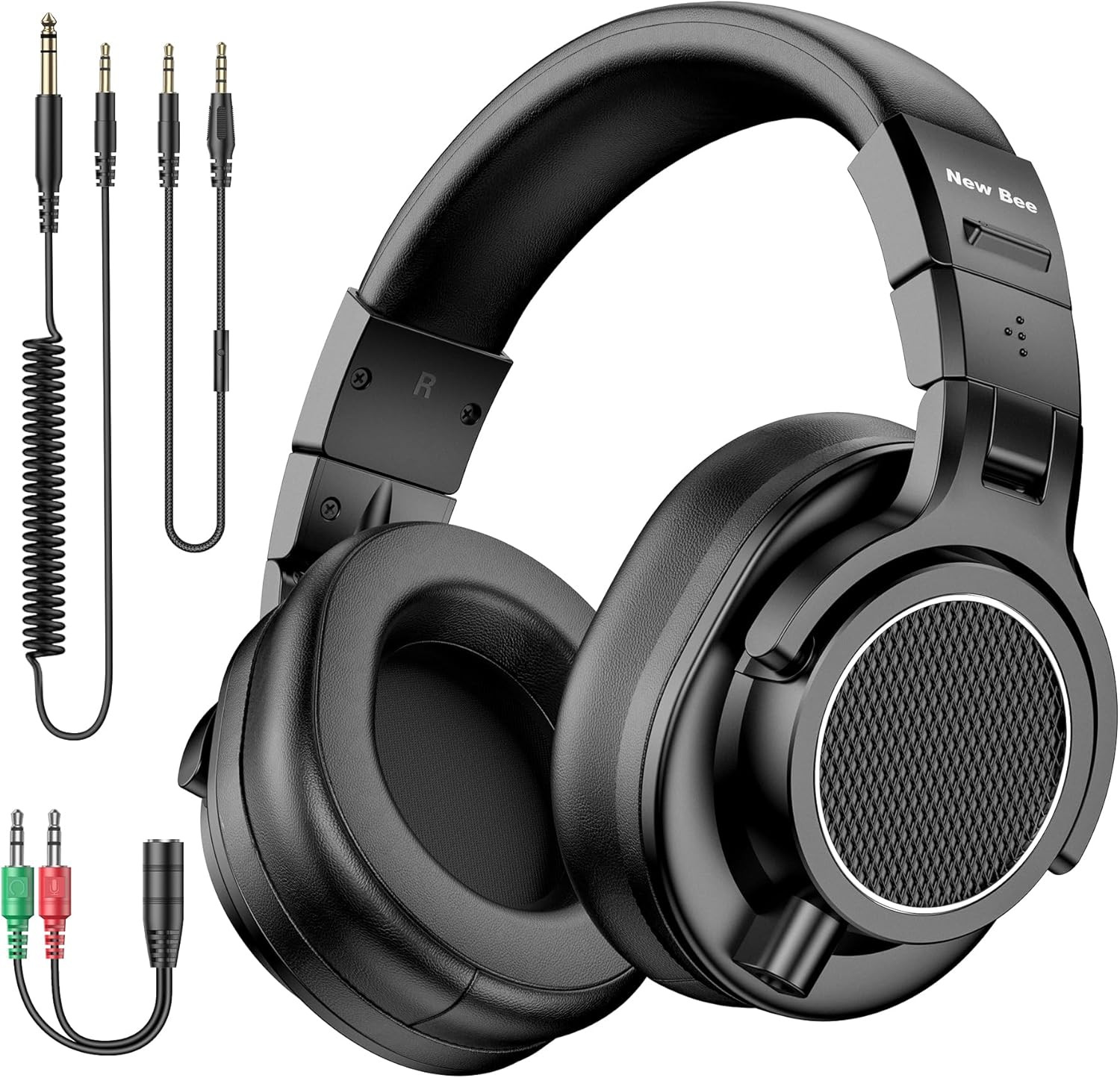
The multi-device model makes its case through breadth rather than a long physical-design description. Its attributes explicitly mention multi-device compatibility and lifelong technical support, and the use description names DJs, gaming, monitoring, and music production. That makes it a practical fit for someone moving the same wired headset among the listed desktop, laptop, tablet, mobile phone, TV, console, and smart-speaker devices. The limitation is that it remains wired, so wireless listening is outside this model's stated setup. Select it when the lower listed price and device-oriented wording are the deciding factors; the shared 50mm dynamic-driver format does not create a difference here.
Final choice by use case
- DJ or single-ear monitoring: Choose the rotating-cup model, because its description specifically includes 90° rotating ear cups and single-ear monitoring.
- Foldable studio storage: Choose the same model if foldable hinges and an adjustable headband are priorities.
- Mixed-device setups: Choose the multi-device model for its explicit multi-device compatibility and lifelong technical support wording.
- Price-led decisions: Choose the lower-priced model when the feature priorities are otherwise even.
The choice is therefore less about the shared driver format and more about the use case. Pick the rotating-cup model for its physical studio workflow; pick the multi-device model when its support language, broad device emphasis, and lower listed price better match your setup.