
Photos from current listings. Actual item, color, and included accessories may vary.
Bluetooth Headphones Buying Guide
Tuitager Bluetooth over-ear headphones represent the budget wireless segment: closed-back designs with built-in mics and adjustable headbands, typically using Bluetooth 5.0 or newer and plastic/leather construction. The core trade-off is battery life and codec support versus build materials and ANC quality—budget models favor long playtime and folding portability over premium drivers or adaptive noise cancellation. The decision rule: buy for a specific feature tier (ANC, 70+ hour battery, or wired 2-in-1) and skip any model that lacks a stated Bluetooth version or foldable hinge, as these are the markers of disposable builds.
Median $96.99 · New & pre-owned listings
Key takeaways
- Bluetooth 5.0 or 5.2 delivers lower latency and better power efficiency than 4.2; 4.2 models are legacy stock and should be avoided for video use.
- Closed-back plastic/leather construction dominates this tier; 32 Ohm impedance is standard and works with phones without an amp, while 16 Ohm models are louder but distort more easily.
- Battery claims range from 70 to 90 hours of playtime—these figures assume 50% volume and ANC off; expect 40-50% less with ANC active.
At a glance
- Category
- Over-Ear Headphones
- Last updated
- Nov 28, 2026
Current offers
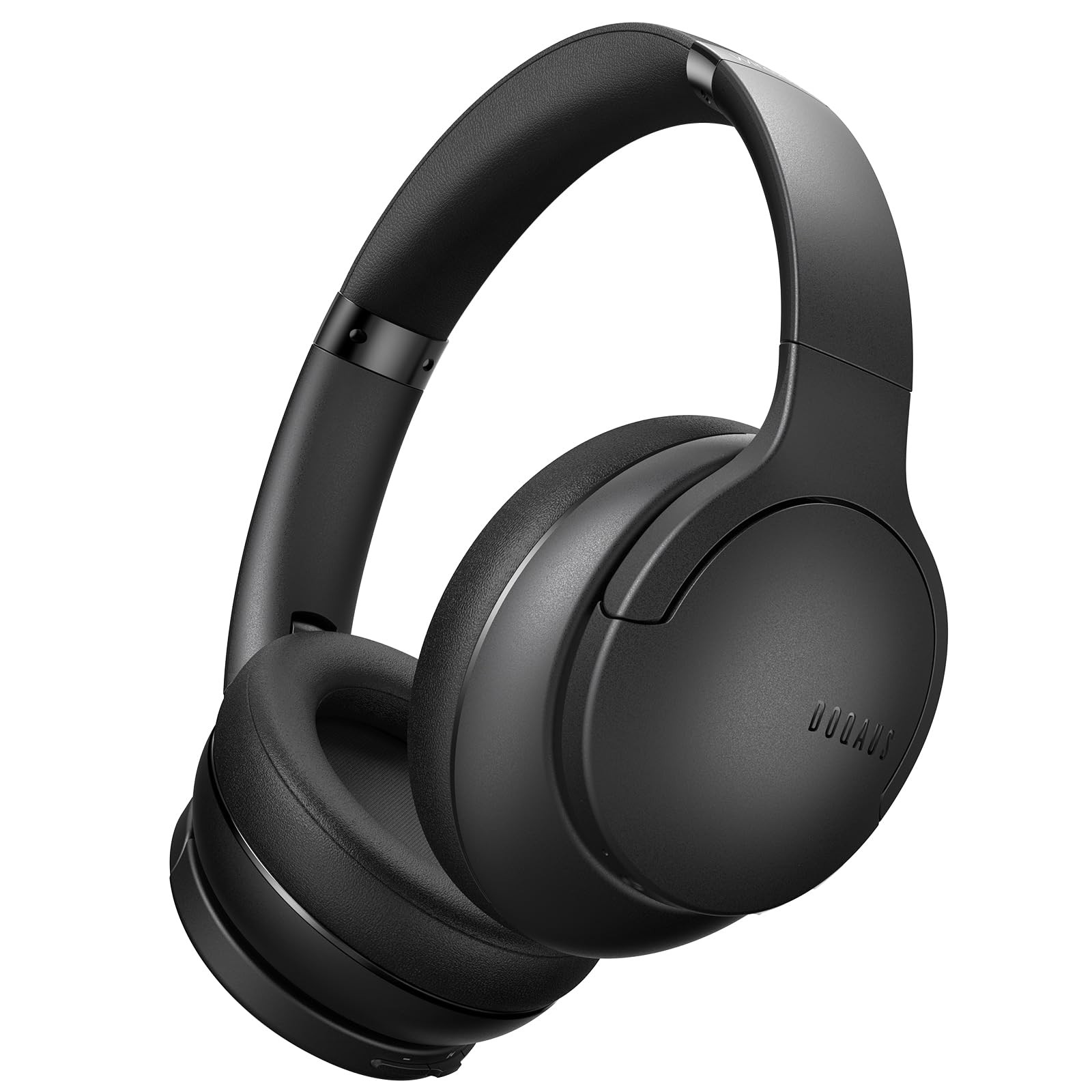 DOQAUS LIFE 4 Bluetooth Headphones Over Ear 90 Hours Playtime Premium Sound$18.09Last checked Nov 25, 2026View on eBay
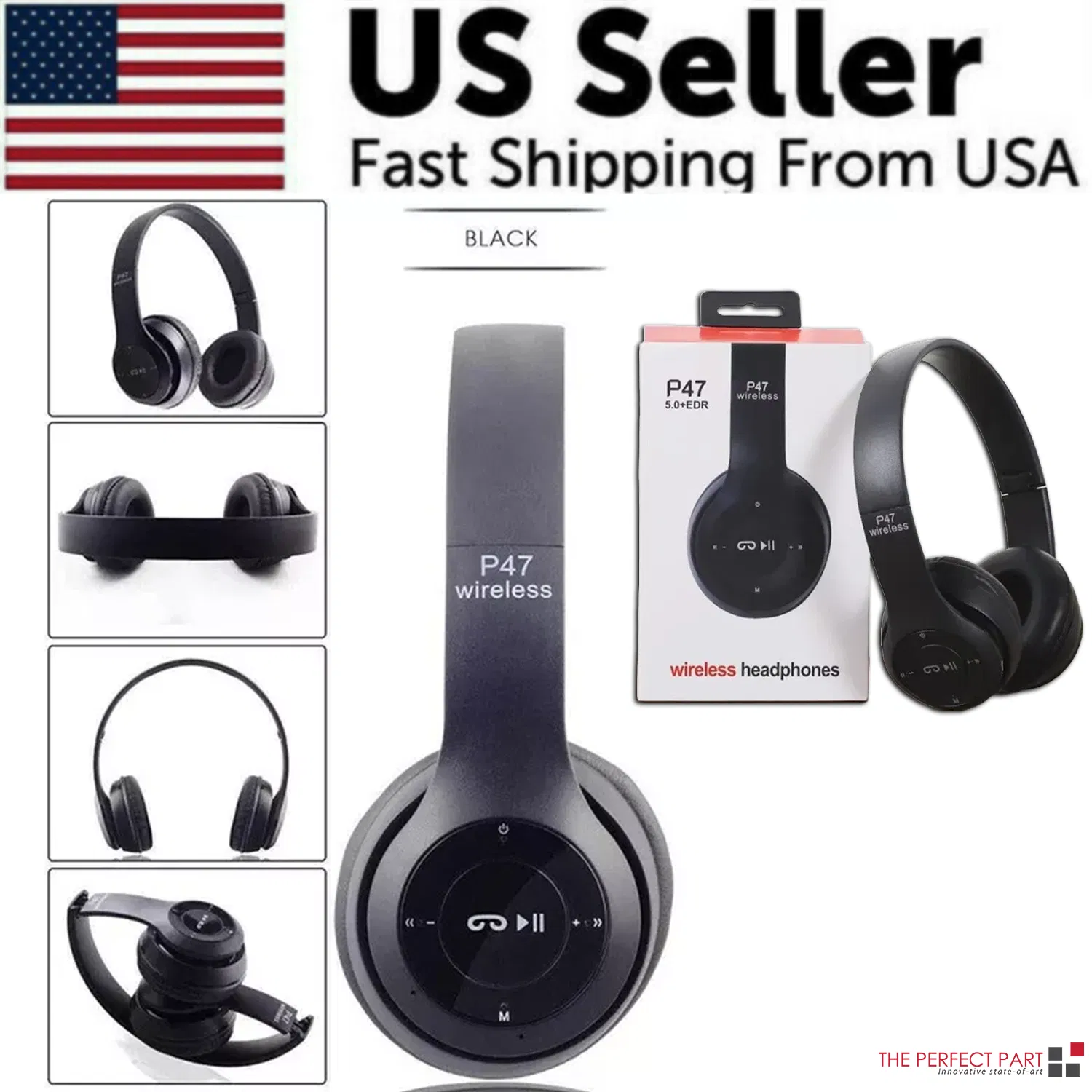 Wireless Bluetooth 5.0 Headphones Headset Over-Ear FM Radio MIC Foldable TF Card$20.99View on Mallflare
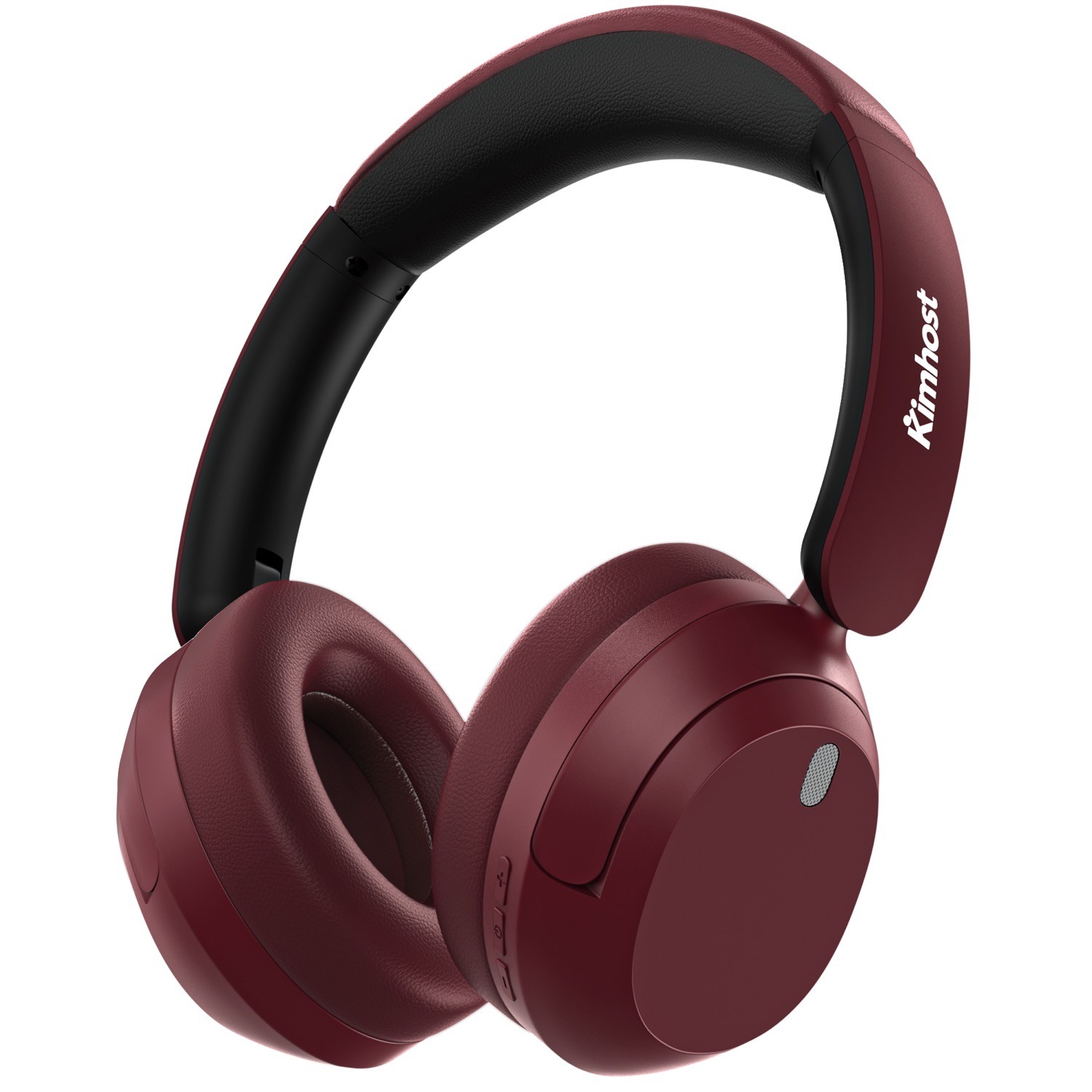 Kimhost Over-ear Headphone Foldable Active Noise Cancelling Bluetooth Headset$22.99Last checked Nov 23, 2026View on eBay
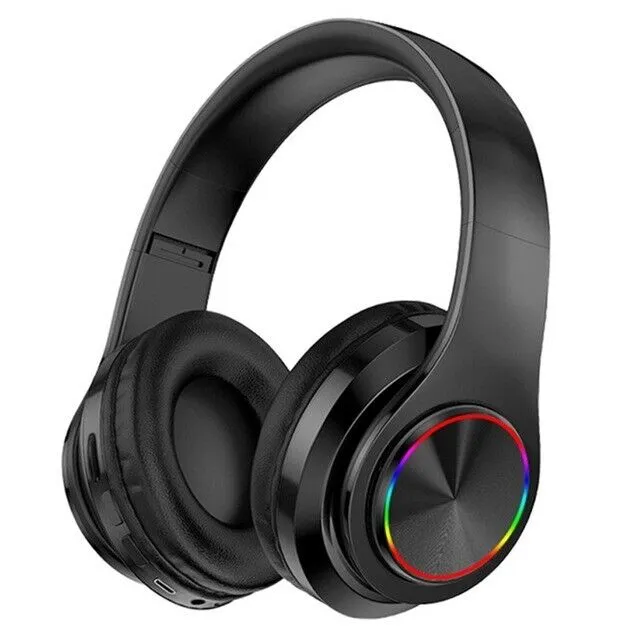 Super Bass Wireless Bluetooth Headphones Foldable Stereo Earphones Headsets Mic$25.99View on Mallflare
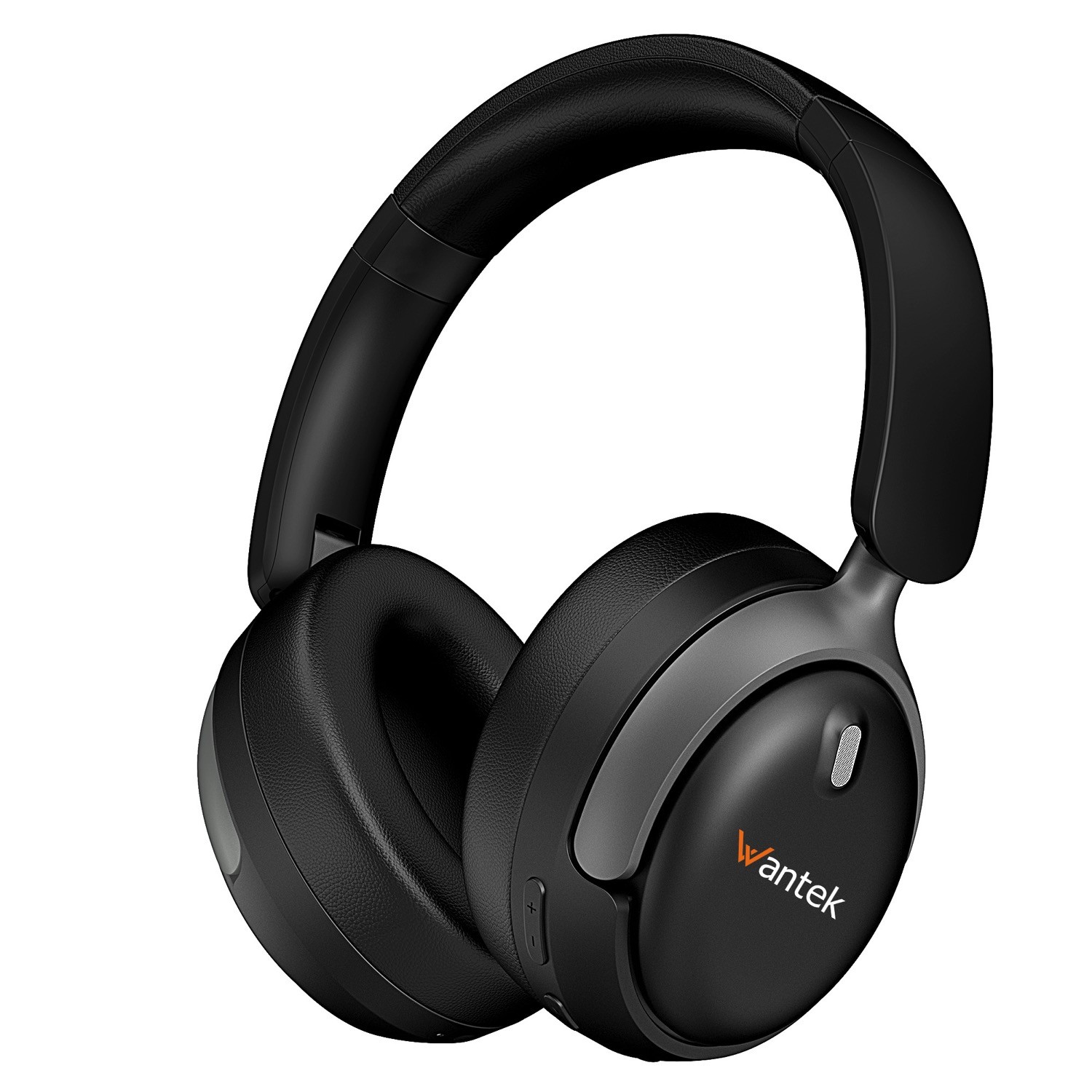 Wantek Over-ear Headphone Foldable Active Noise Cancelling Bluetooth Headset$28.99Last checked Nov 19, 2026View on eBay
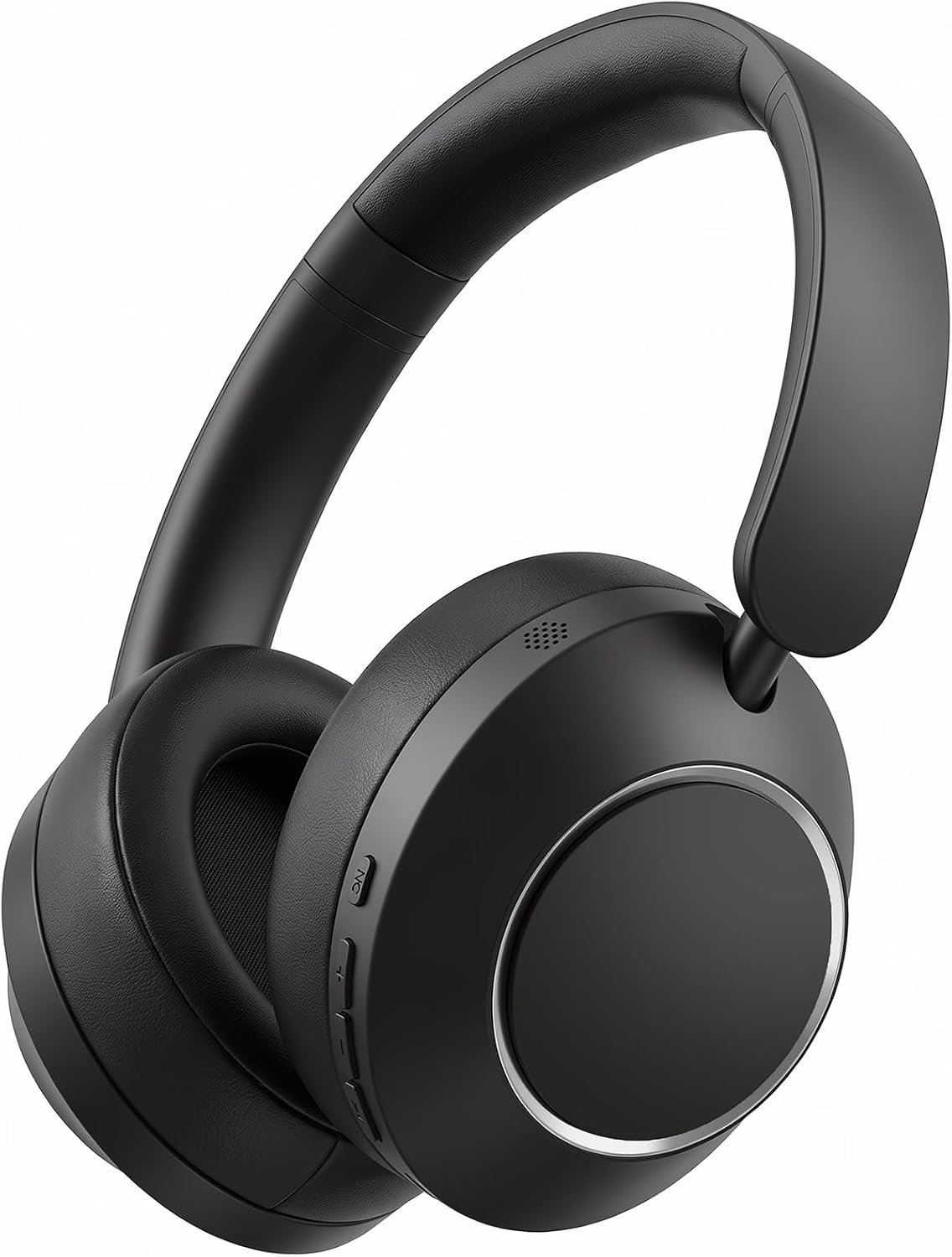 Active Noise Cancelling Bluetooth Headphones, Black$29.99View on Mallflare
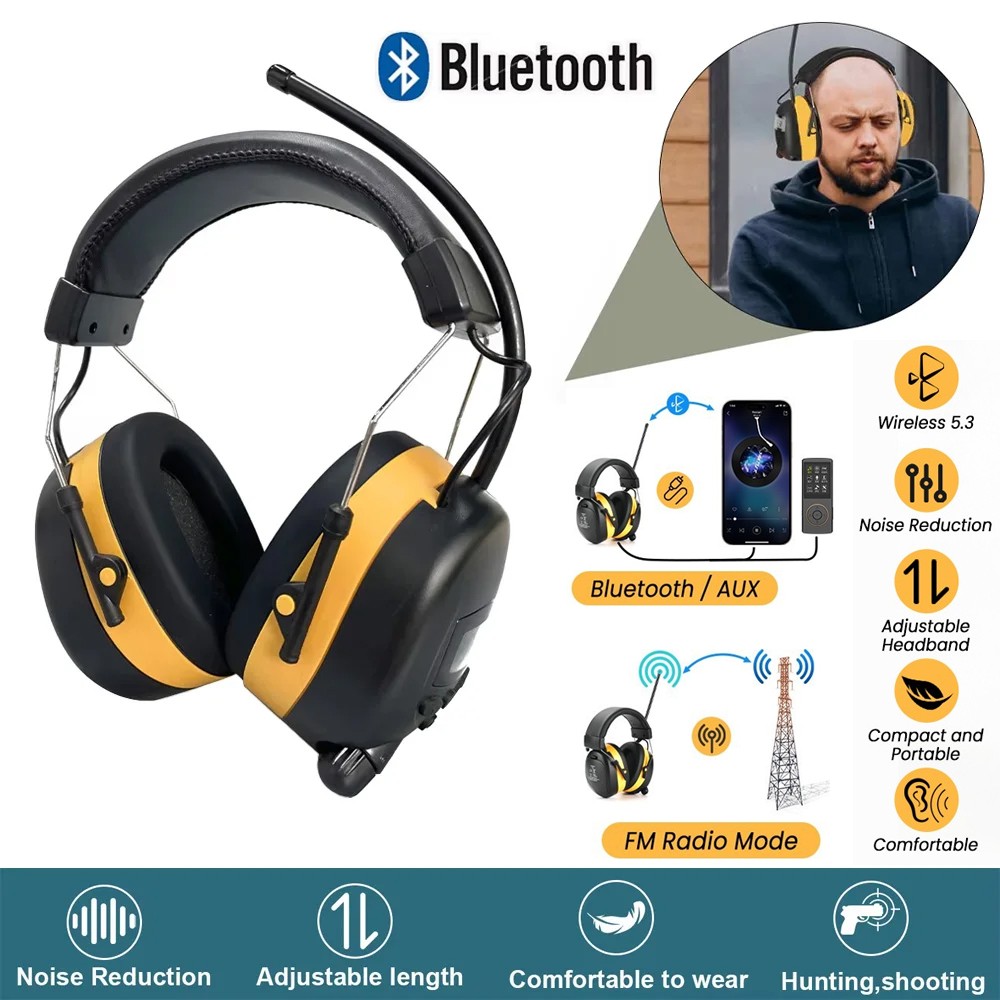 Bluetooth Headphones FM Radio Headphone Ear Safety Earmuffs for Mowing Work$32.98Last checked Nov 28, 2026View on eBay
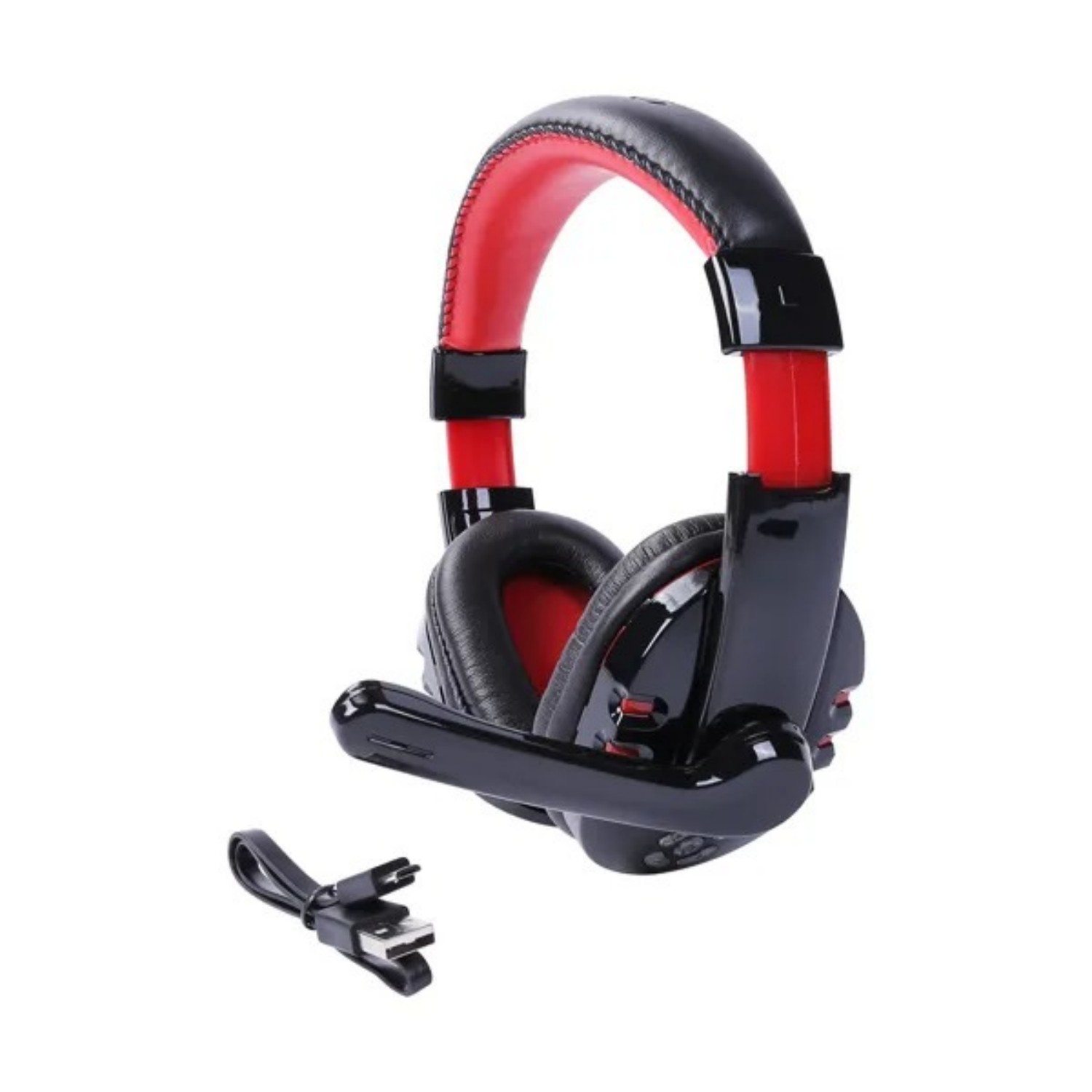 Wireless Bluetooth 4.2 Over Ear Earphone Noise Canceling Adjustable Deep Bass Stereo Gaming Micro Headphones$45.99View on Mallflare
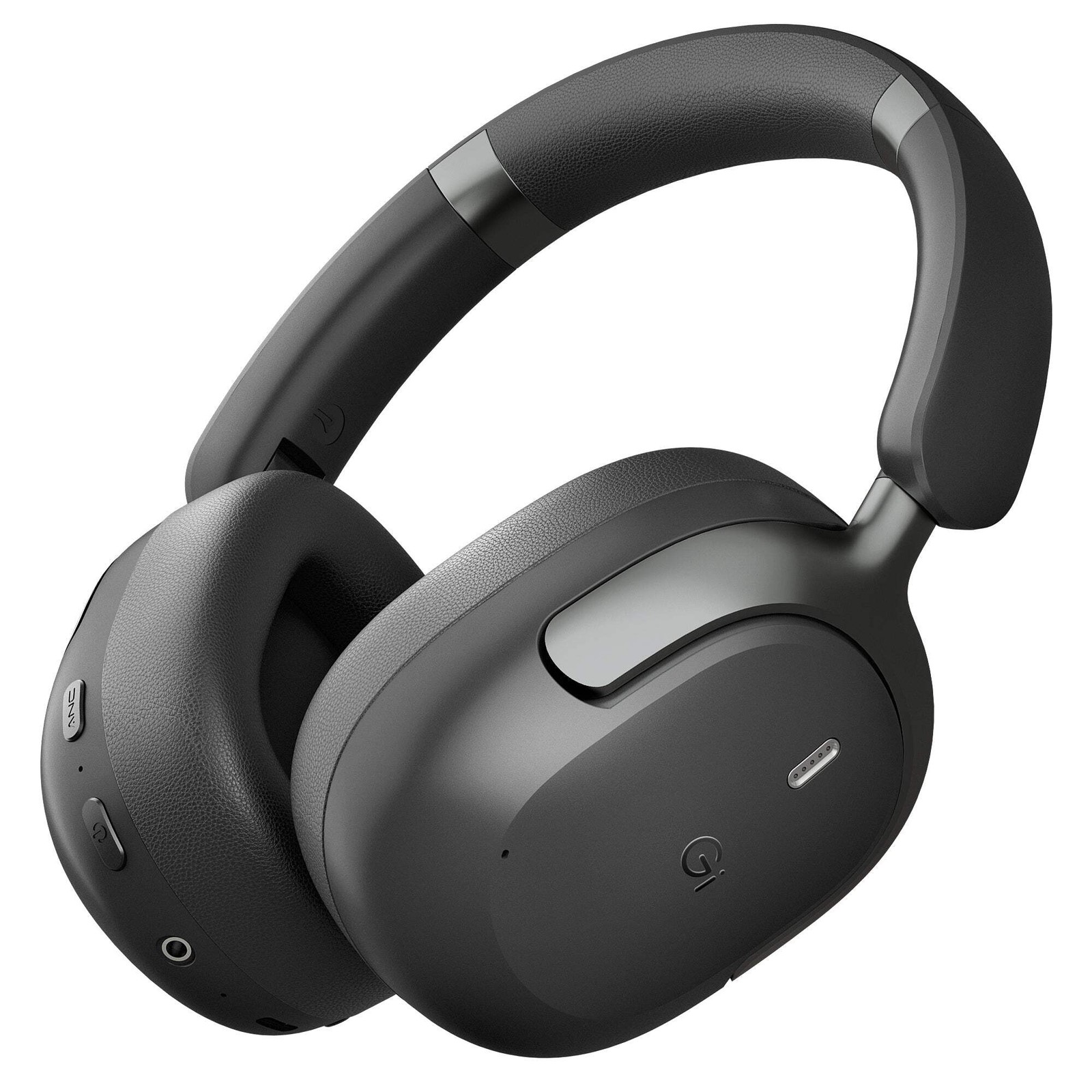 GEARit Over-Ear Bluetooth Headphones Hybrid ANC Multipoint Spatial Audio$33.95Last checked Nov 23, 2026View on eBay
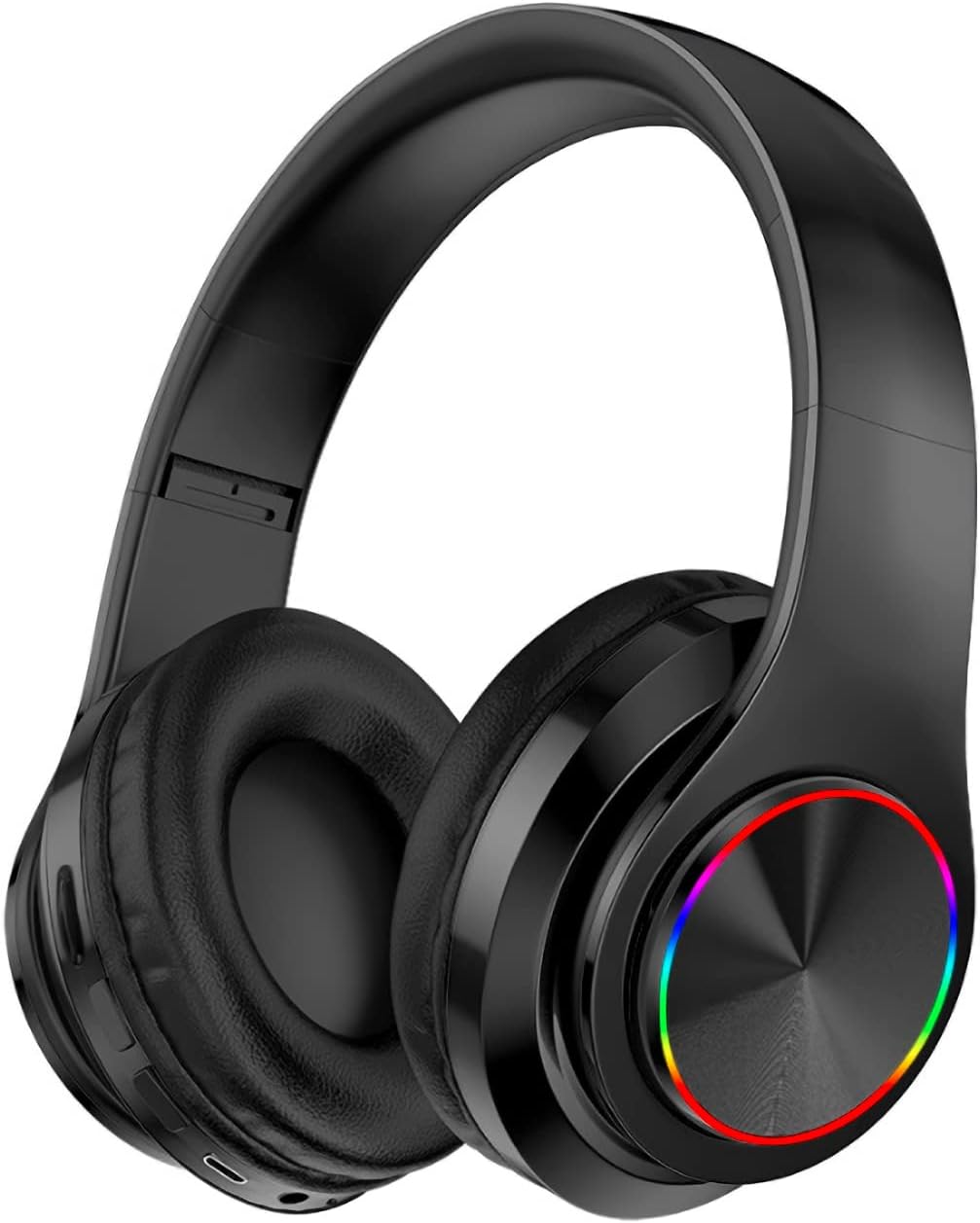 Wireless Bluetooth Headphones-Colorful Light, Stereo$96.99View on Mallflare
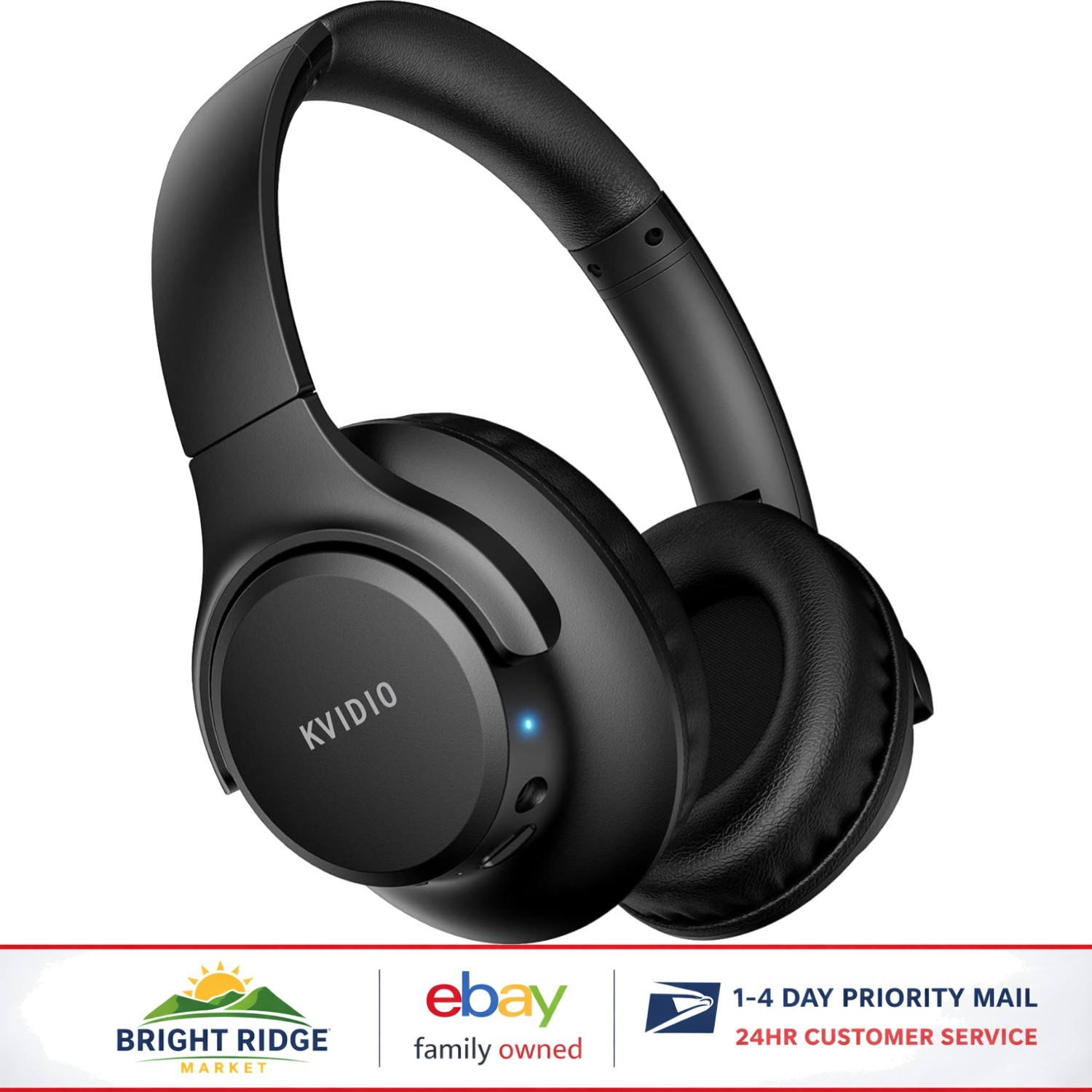 Bluetooth 5.3 Headphones for Work and Entertainment with Long Battery Life$37.99View on eBay
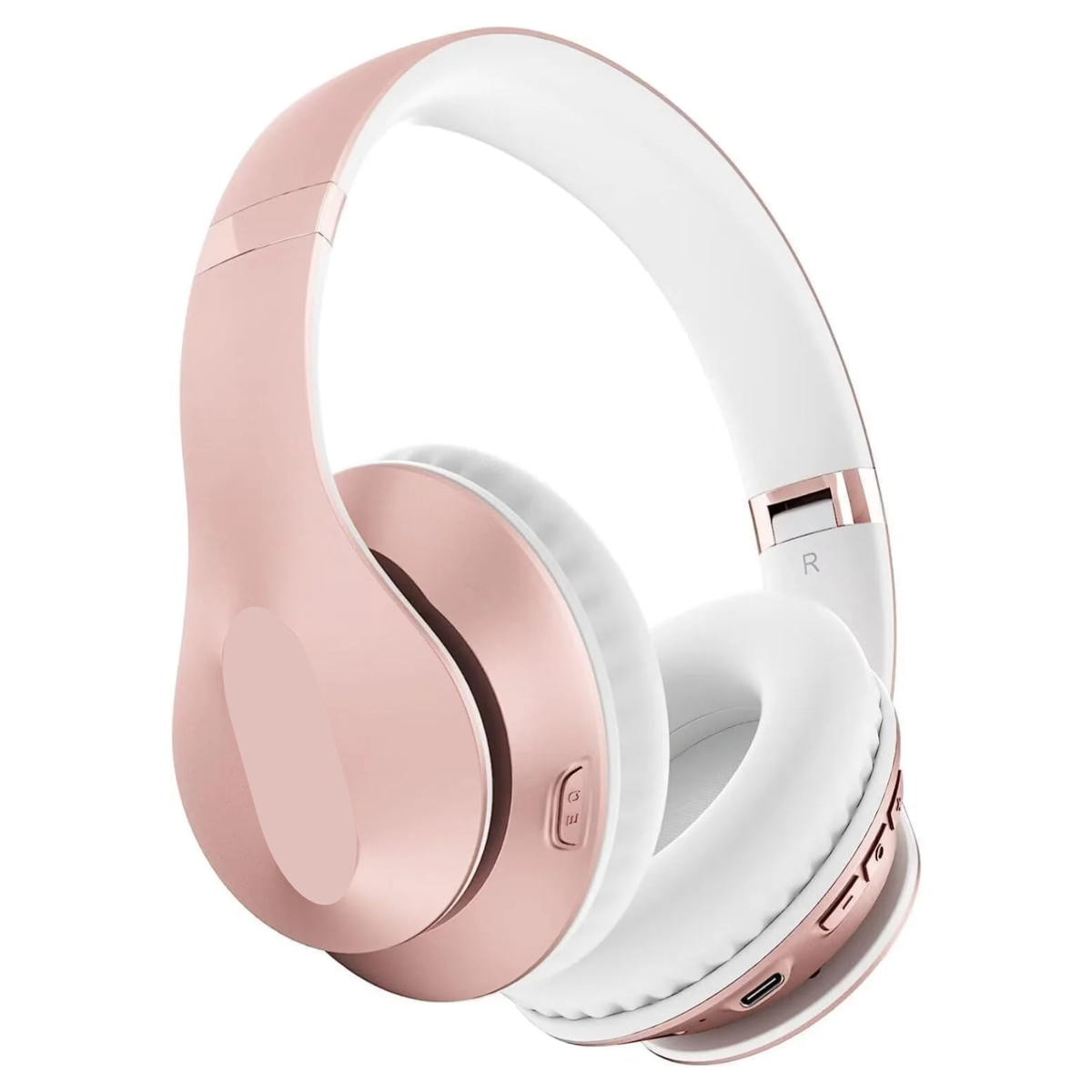 Wireless Bluetooth Headphones Over Ear V6.0 HiFi Stereo With Mic$119.99View on Mallflare
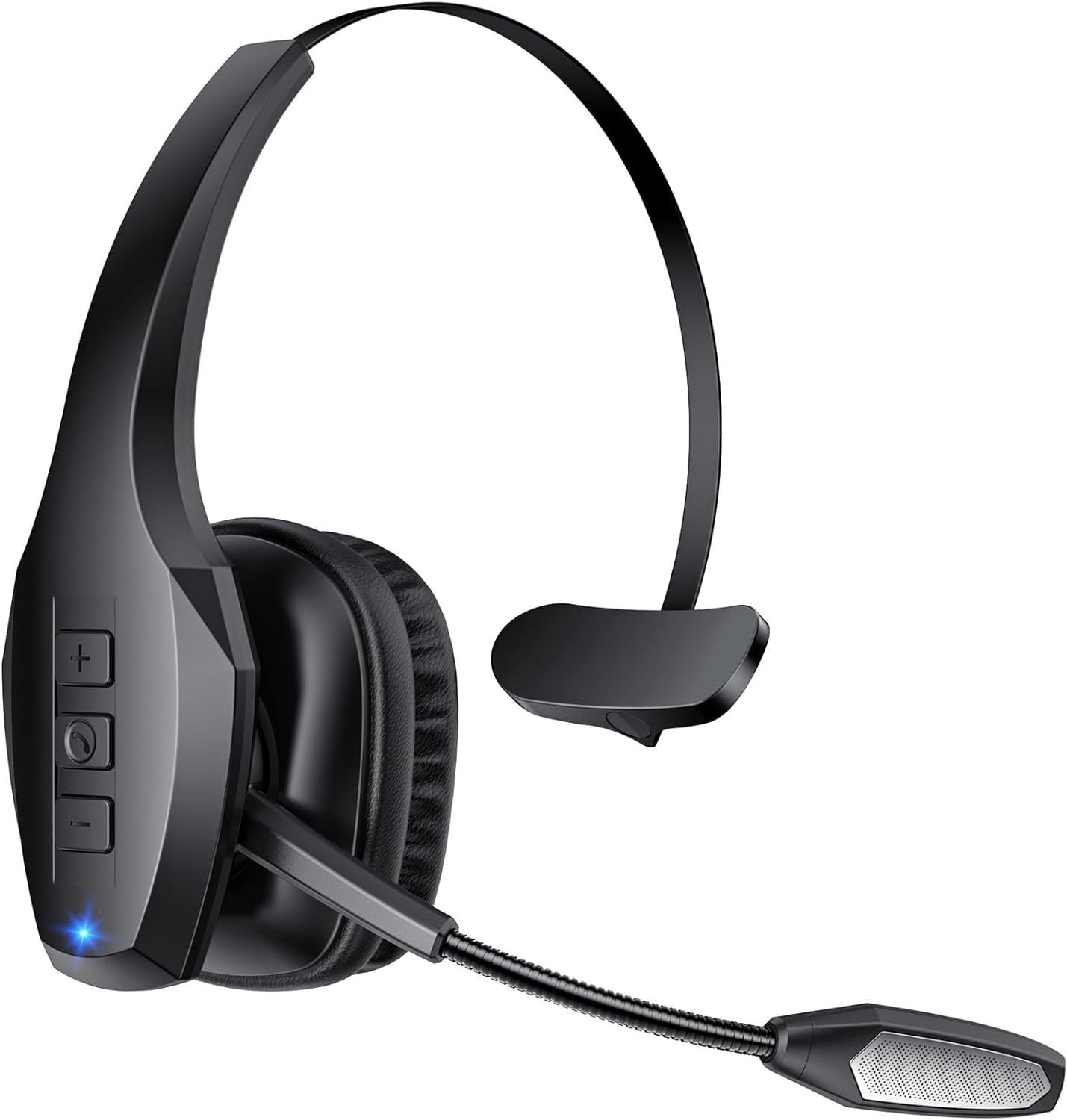 Wireless Headphone Blue Parrot Headset Bluetooth Truck Driver Noise Cancelling$52.64View on eBay
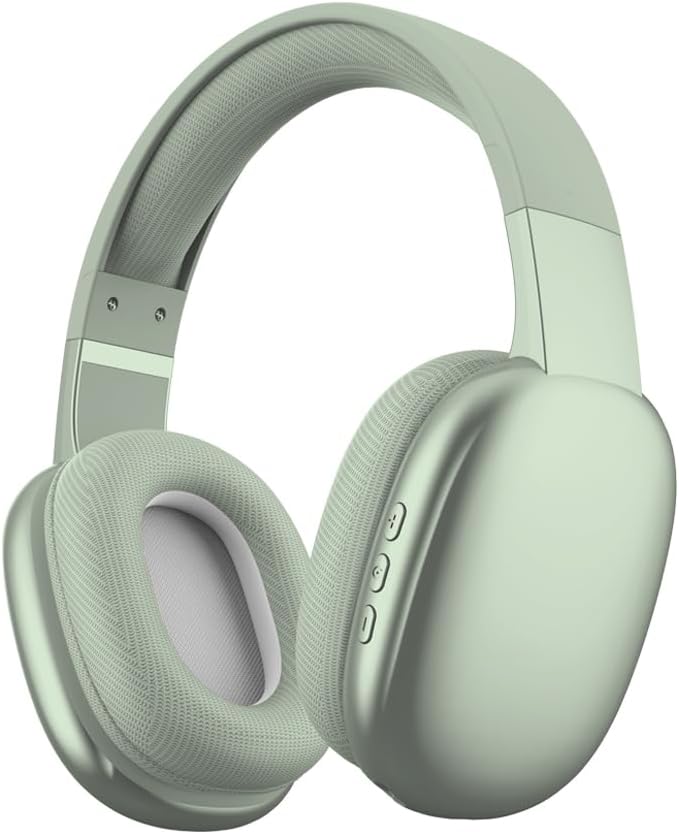 Wireless Bluetooth Over-Ear Headphones With Microphone, Noise Reduction, Wired And Connectivity, Built-in Micro SD Support$130.99View on Mallflare
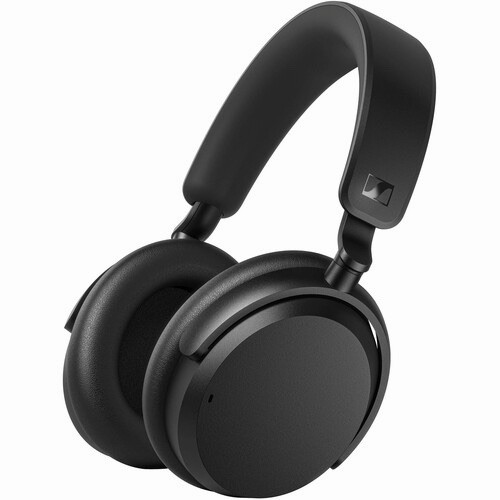 Sennheiser Accentum Wireless Bluetooth Headphones, Black$64.99Last checked Nov 21, 2026View on eBay
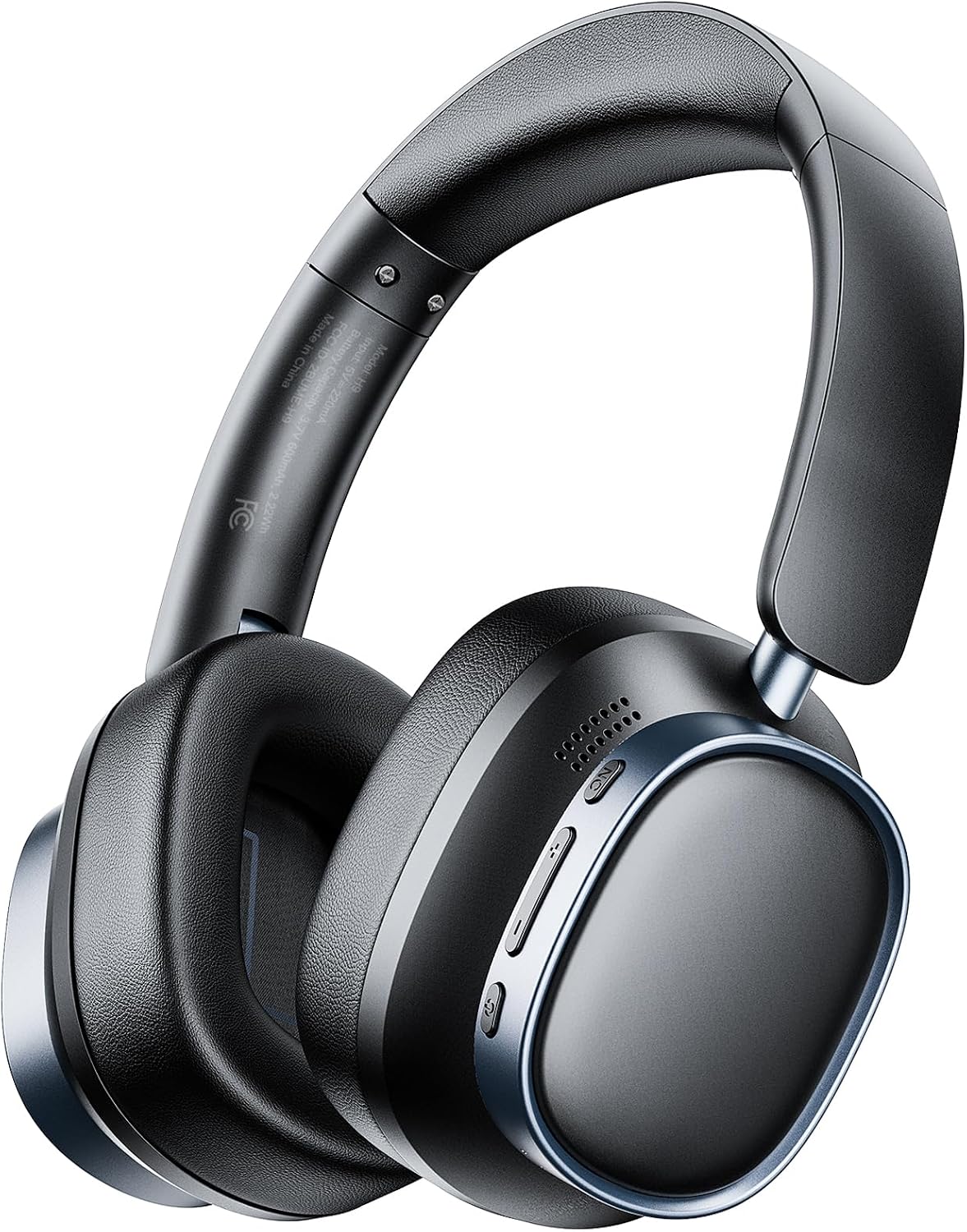 Active Noise Cancelling Headphones,78H Wireless Bluetooth Headphones,Black$139.99View on Mallflare
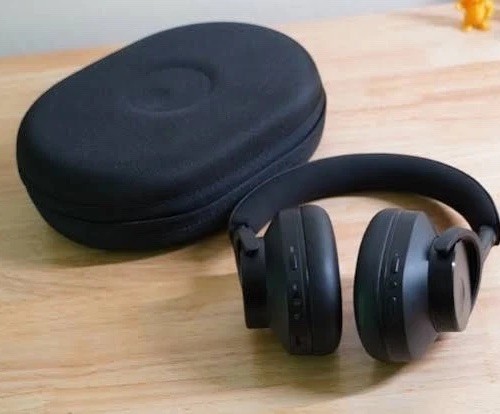 Cambridge Audio Melomania P100 ANC Black Over-Ear Bluetooth Wireless Headphones$199.00View on eBay
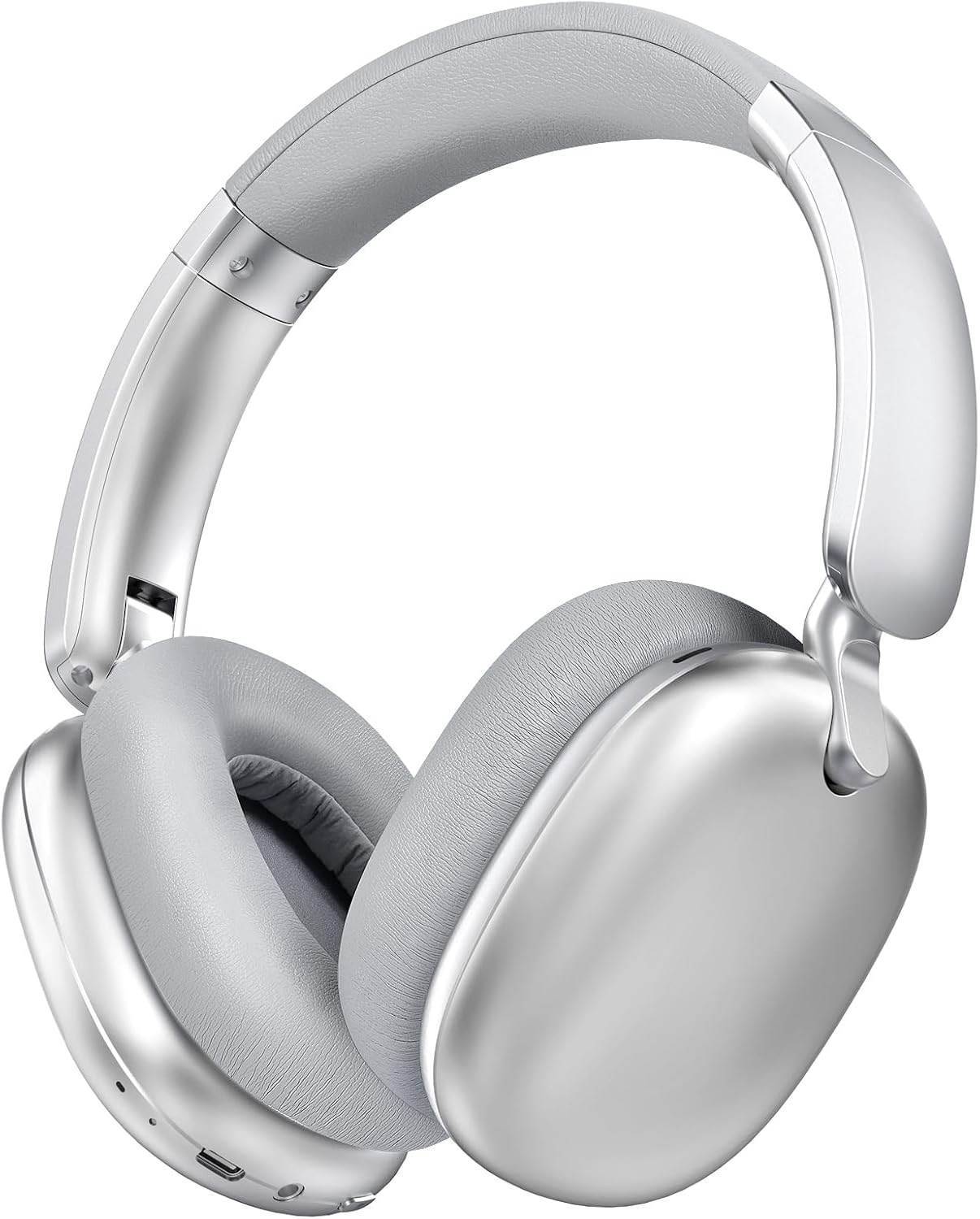 C6 Wireless Bluetooth Over-Ear Headphones With Active Noise Cancelling, 60-Hour Playtime, Built-in Microphone, Foldable Lightweight Design, Silver$142.99View on Mallflare
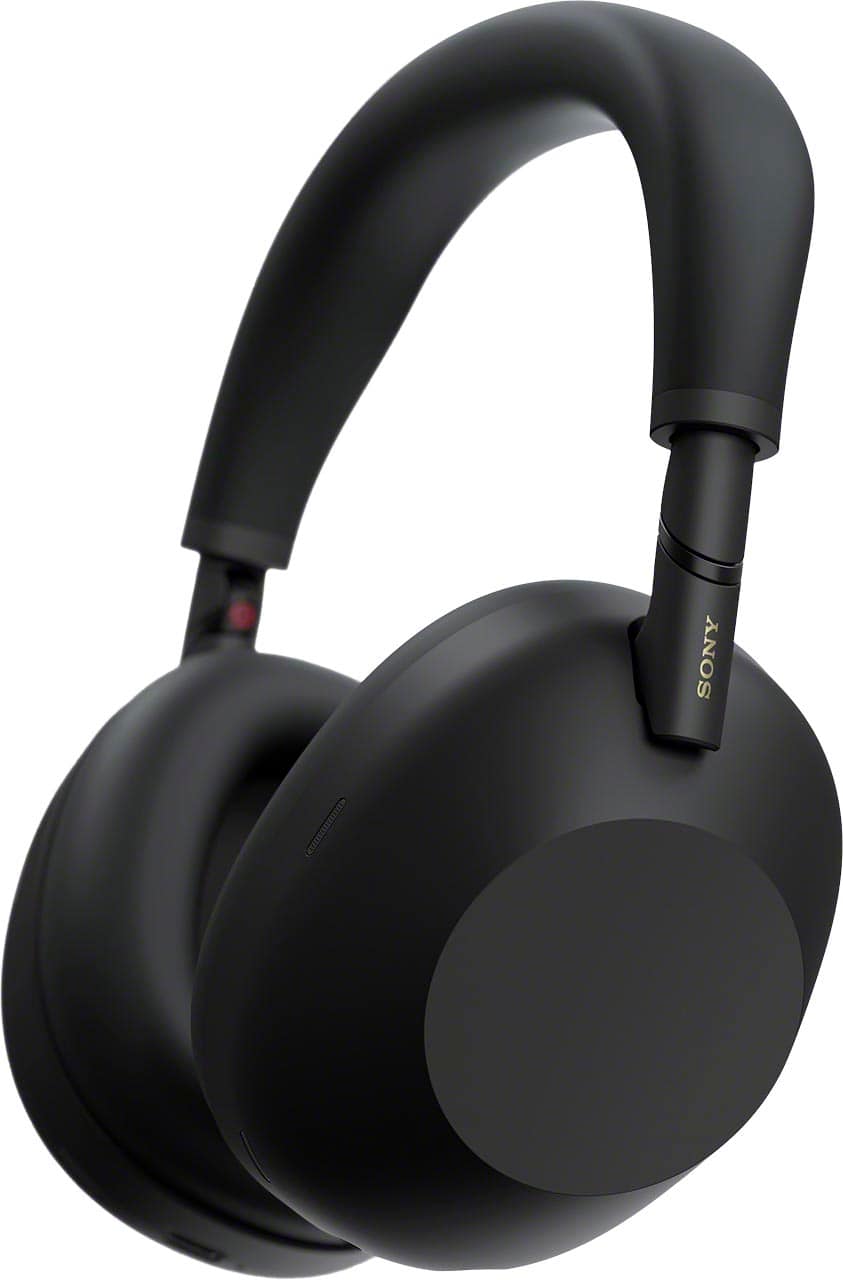 Sony WH-1000XM6 The Best Wireless Noise Canceling Over-Ear Headphone Bluetooth$278.99Certified - Refurbished · Last checked Nov 21, 2026View on eBay
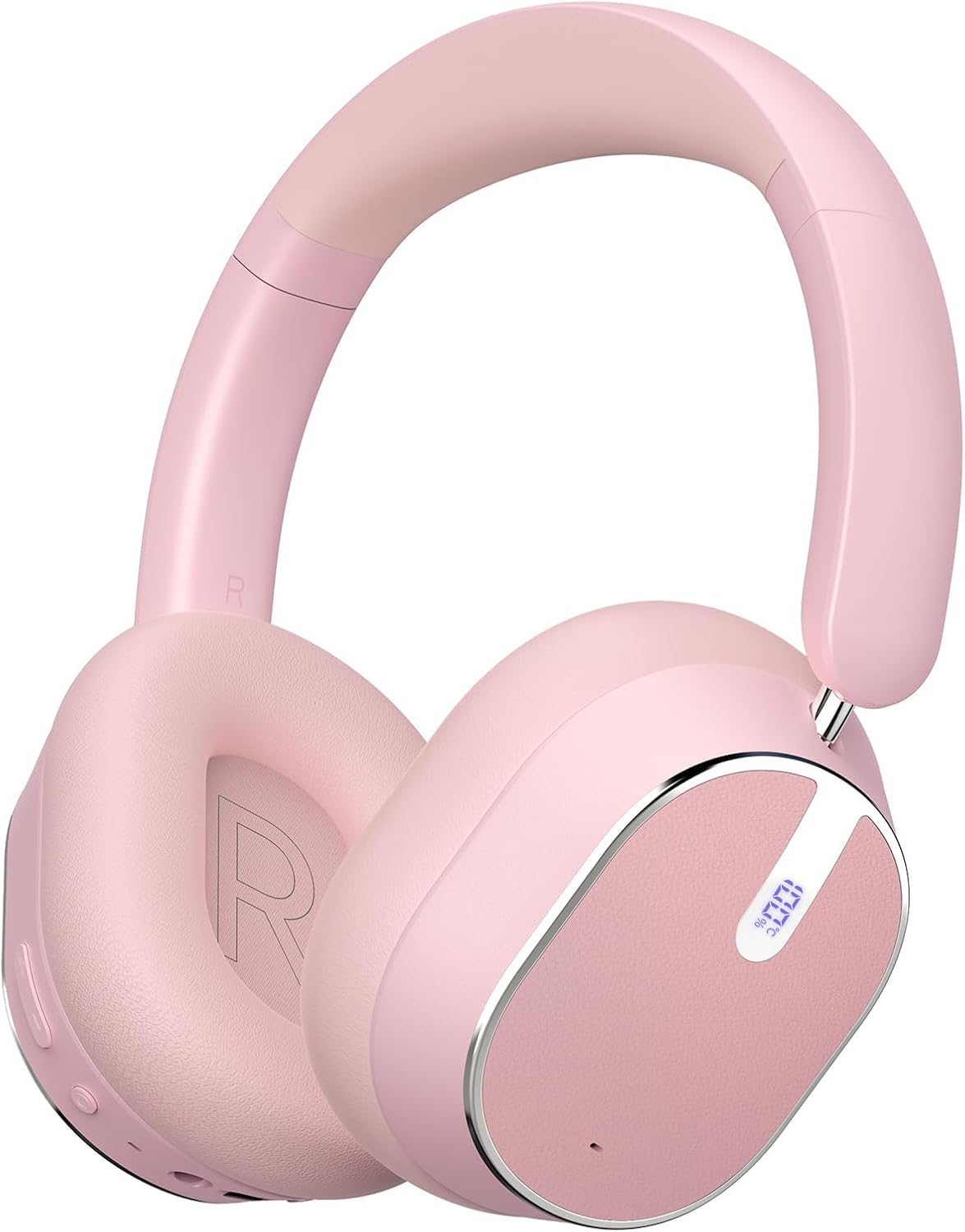 Active Noise Cancelling Bluetooth Headphones, Over Ear Wireless$149.99View on Mallflare
Highlights
- Bluetooth 5.0 or 5.2 delivers lower latency and better power efficiency than 4.2; 4.2 models are legacy stock and should be avoided for video use.
- Closed-back plastic/leather construction dominates this tier; 32 Ohm impedance is standard and works with phones without an amp, while 16 Ohm models are louder but distort more easily.
- Battery claims range from 70 to 90 hours of playtime—these figures assume 50% volume and ANC off; expect 40-50% less with ANC active.
- ANC in this segment is feedforward single-mic, effective mainly on steady low-frequency noise (engines, fans), not voices or sudden sounds.
Best use cases
- Best fit: commuting or office listening where 70+ hour battery and a foldable hinge matter more than premium sound—pick a Bluetooth 5.0+ closed-back model with ANC.
- Best fit: truckers and call-center users needing a boomless AI noise-cancelling mic—choose a headset with Bluetooth 5.2 and dedicated mic noise reduction, not music-first ANC headphones.
- Wrong fit: critical mixing or gaming with positional audio—skip budget ANC models and use a wired 2-in-1 (Bluetooth plus 3.5mm) with low-latency codec support instead.
- Wrong fit: kids under 6 or users needing certified hearing protection—cat-ear LED novelty sets are toys, not hearing-safe; choose volume-limited children's headphones with an 85 dB cap.
Buying tips
- Require Bluetooth 5.0 or higher; version 4.2 and older lack the low-latency and power efficiency needed for modern video and calls.
- Match impedance to your source: 32 Ohm is universal for phones and laptops; 16 Ohm only suits low-power sources and risks distortion at high volume.
- Treat playtime claims as ANC-off figures—if you need all-day ANC, halve the advertised hours and confirm USB-C charging, not micro-USB.
- Check the foldable hinge and headband adjustment range: plastic sliders under 3 cm of travel fit fewer head sizes; metal-reinforced hinges last longer.
Specs
| Bluetooth Version | 5.0-5.2 preferred; avoid 4.2 |
|---|---|
| Impedance | 32 Ohm standard; 16 Ohm low-power |
| Battery Playtime | 70-90 hr claimed; halve for ANC |
| Build & Fit | Closed-back plastic/leather; foldable hinge |
Related searches
What to check before buying
- Measure your head width and confirm the headband adjusts at least 3 cm per side; tight plastic sliders cause pressure headaches after one hour.
- Confirm your phone or PC supports the headphone's Bluetooth profile (A2DP for audio, HFP for mic) and that you have USB-C or micro-USB charging available.
- For ANC use, identify your noise environment: single-mic feedforward ANC handles engine/fan hum but not crowded-room chatter—choose isolation via closed-back fit in that case.
- Check ear cup depth and pad material: leather pads seal better for bass and ANC but trap heat; replaceable pads extend life in humid climates.
FAQ
Data sources: eBay / Amazon listings and product attribute feeds. Updated Nov 28, 2026.
Some links on this page are affiliate links. If you buy after clicking one, we may earn a commission at no extra cost to you. This does not change which products appear here or their order. Affiliate disclosure.