
Photos from current listings. Actual item, color, and included accessories may vary.
Black Headphones Buying Guide
Black over-ear headphones span wired studio monitors, Bluetooth noise-cancelling travel cans, and low-latency gaming headsets, all sharing a dark finish that hides wear. The core trade-off is driver and build quality versus wireless convenience: wired 32-ohm closed-backs deliver clean, uncolored sound for monitoring and mixing, while Bluetooth models add ANC and long battery life at the cost of codec latency and eventual battery degradation. The decisive rule is simple: buy wired for critical listening and gaming on a fixed setup, buy Bluetooth with ANC for commuting and calls, and avoid any model that cannot fold or swivel if you need portability.
Median $65.17 · New & pre-owned listings
Key takeaways
- Closed-back over-ear designs isolate sound and prevent leakage; open-back models sound wider but bleed audio and offer no isolation for office or transit use.
- Impedance of 32 ohms is the portable sweet spot—driven easily by phones and laptops—while 250-ohm studio models demand a dedicated headphone amp.
- Bluetooth 5.0 or newer with aptX/LDAC reduces latency and improves fidelity; older 4.x chipsets introduce audible lip-sync delay in video and gaming.
At a glance
- Category
- Over-Ear Headphones
- Last updated
- Nov 28, 2026
Current offers
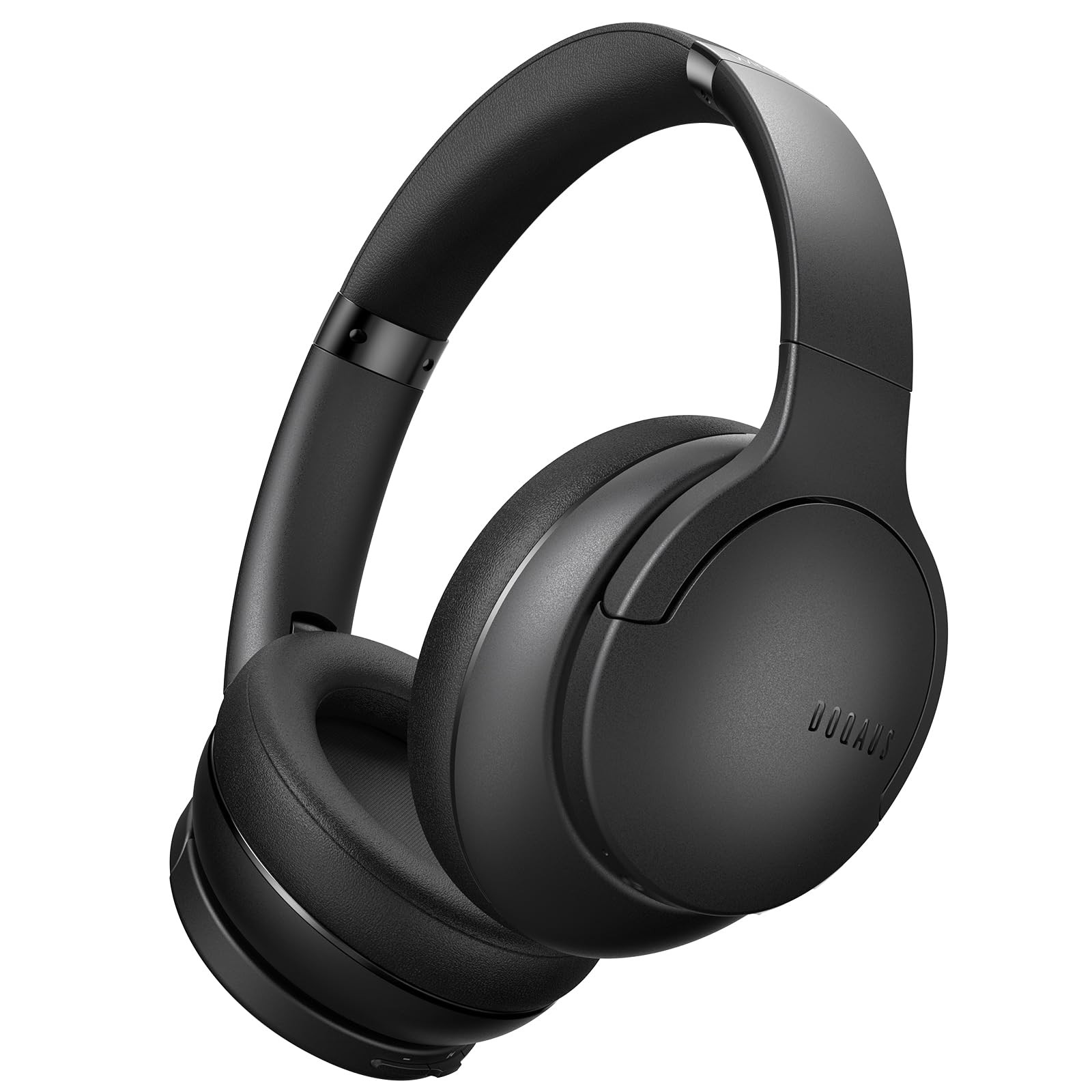 DOQAUS LIFE 4 Bluetooth Headphones Over Ear 90 Hours Playtime Premium Sound$18.09Last checked Nov 25, 2026View on eBay
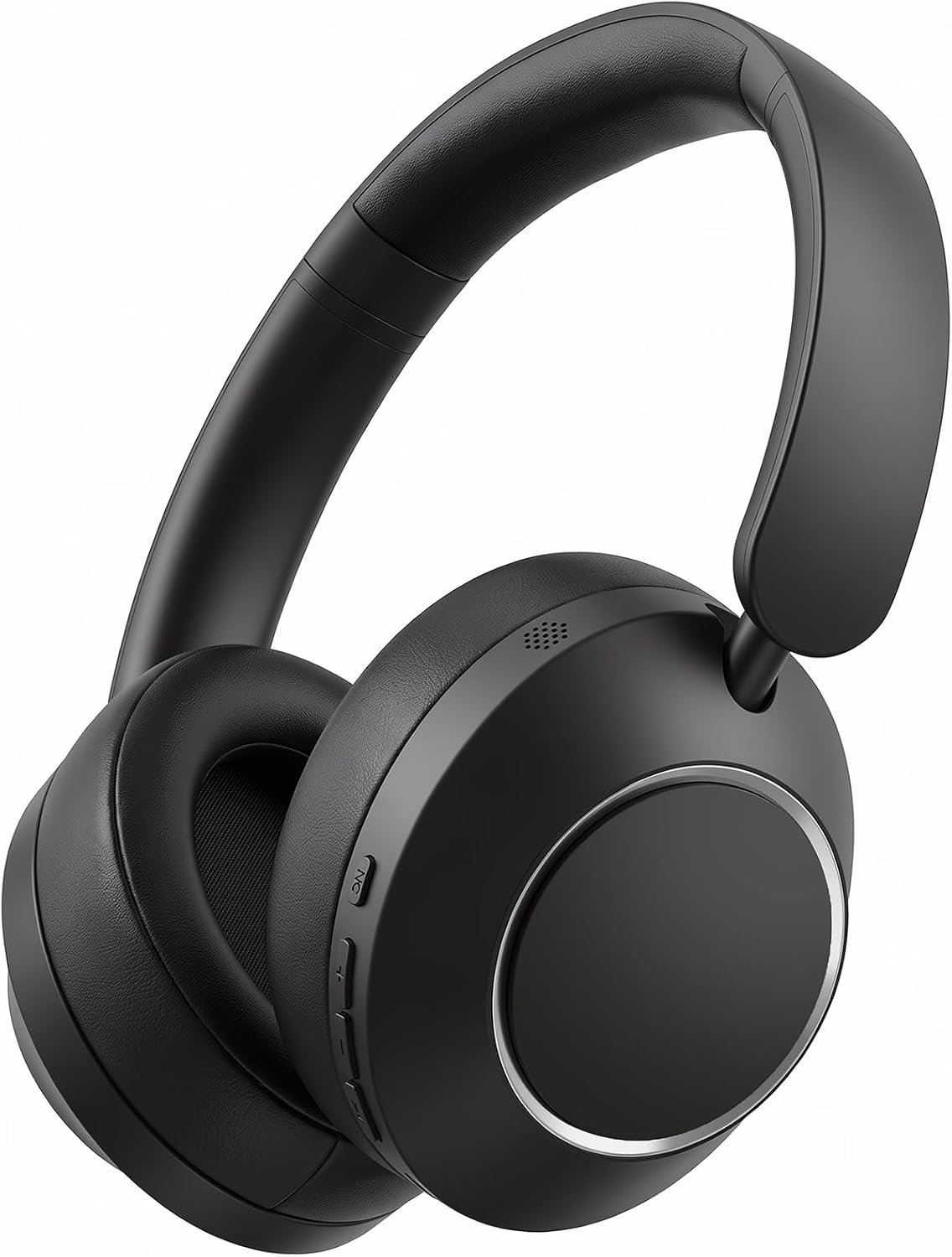 Active Noise Cancelling Bluetooth Headphones, Black$29.99View on Mallflare
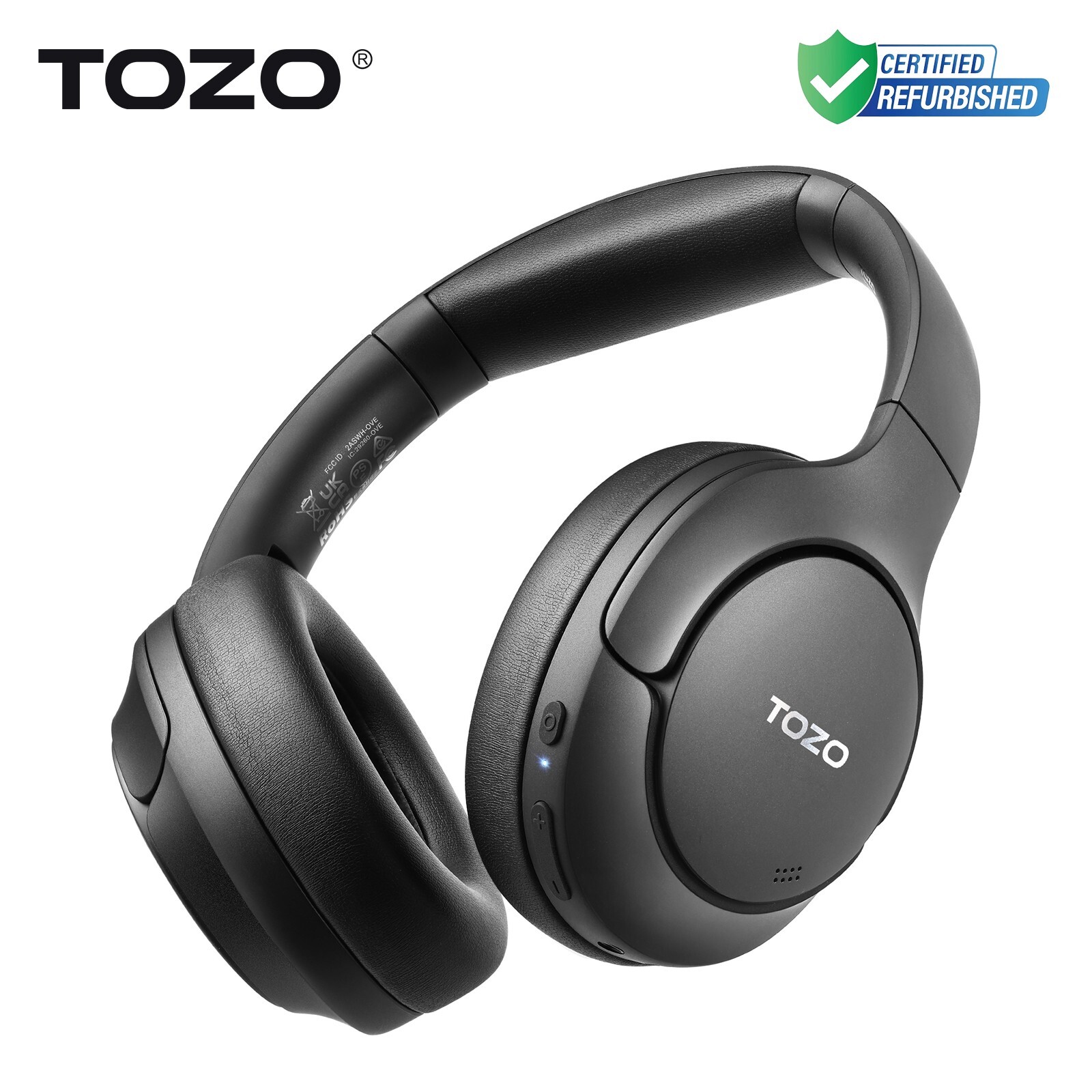 TOZO HT2 Hybrid Active Noise Cancelling Over Ear Headphones Black, Refurbished$19.79Last checked Nov 26, 2026View on eBay
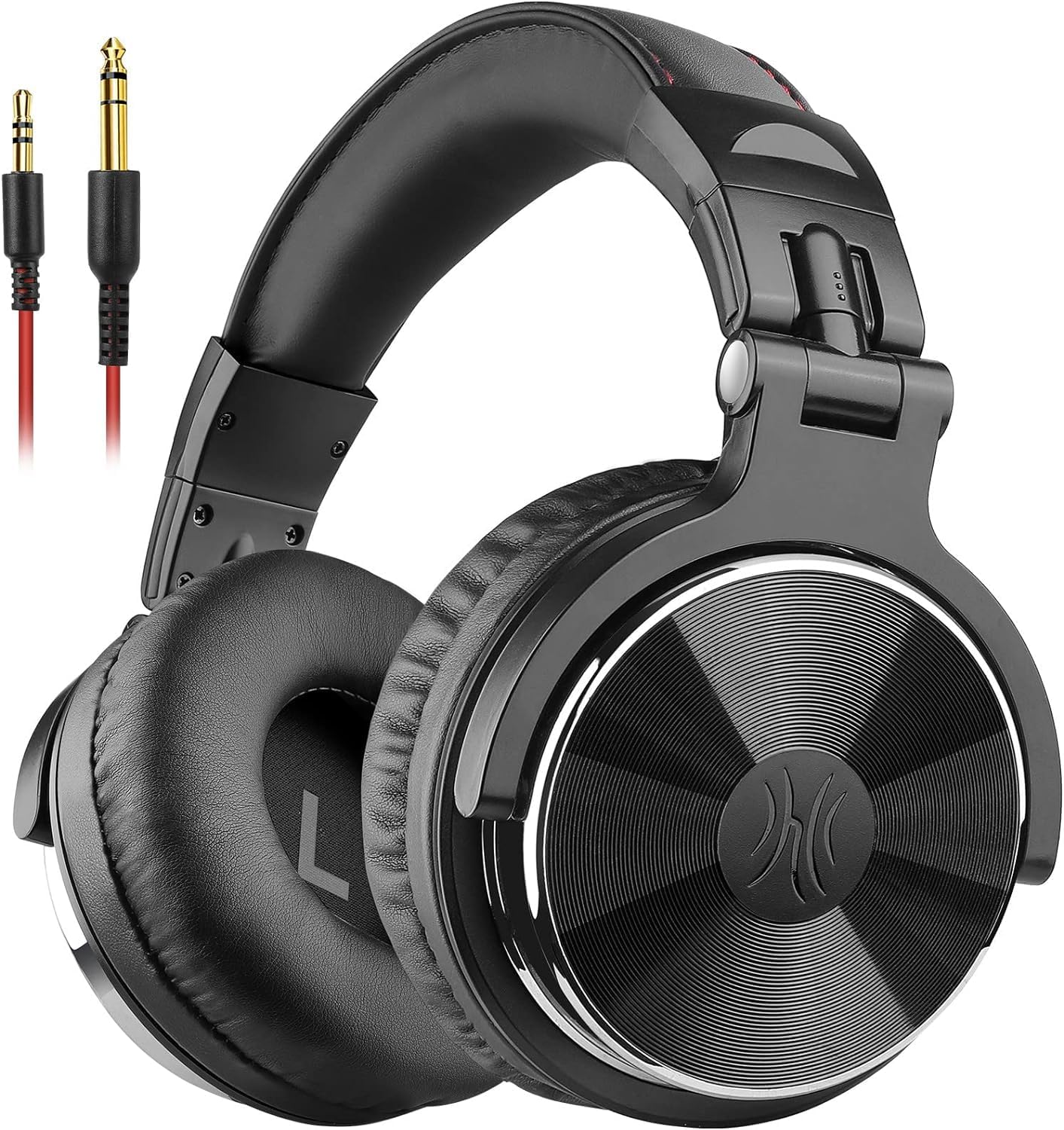 Wired DJ Hi-Res Over-Ear Headphones For PC, Keyboard Guitar - Black$139.99View on Mallflare
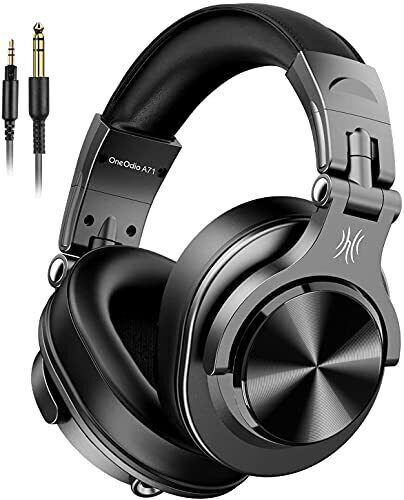 Genuine OneOdio A71 Professional Wired Over Ear Headphones Studio Stereo Sound$20.00Last checked Nov 21, 2026View on eBay
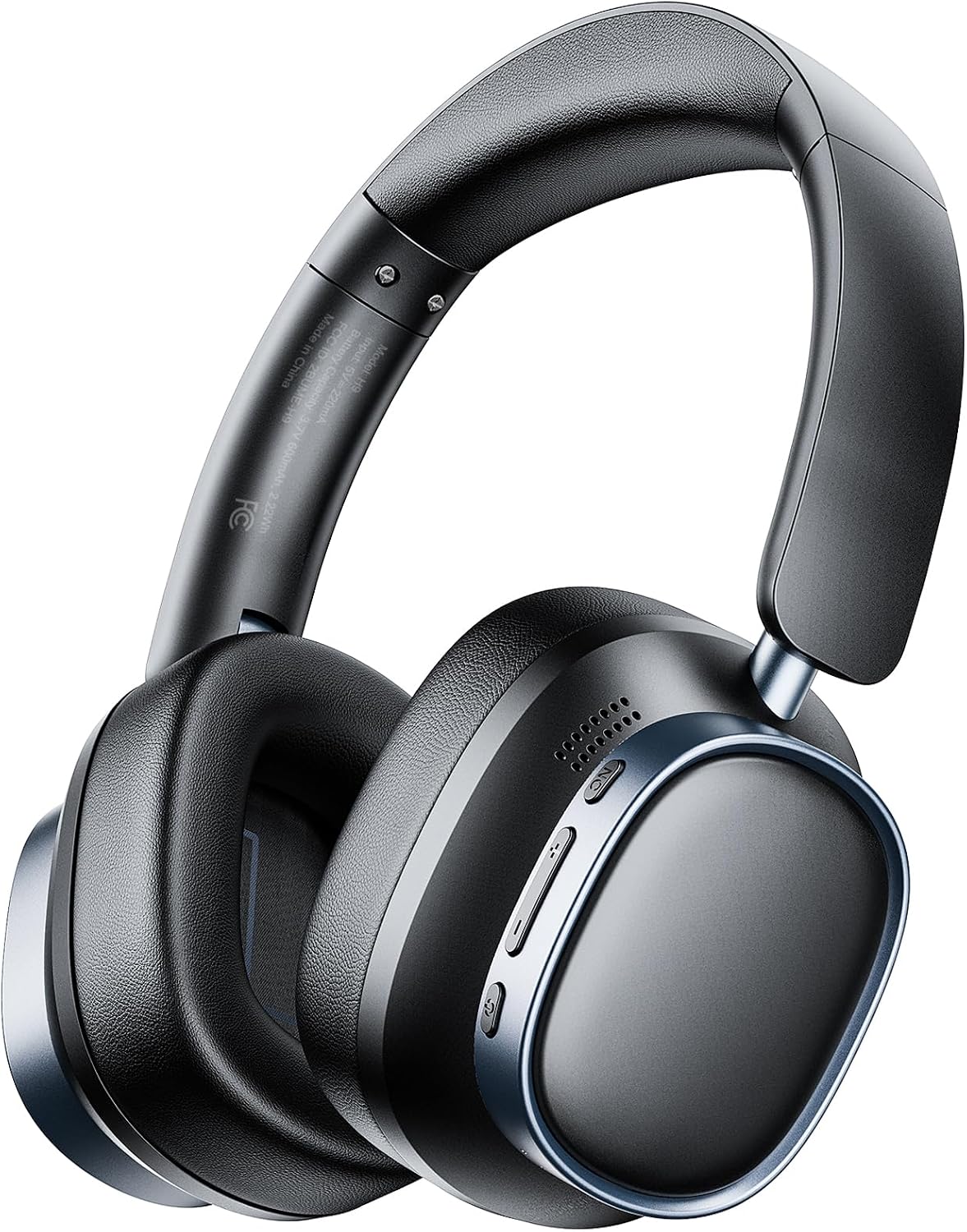 Active Noise Cancelling Headphones,78H Wireless Bluetooth Headphones,Black$139.99View on Mallflare
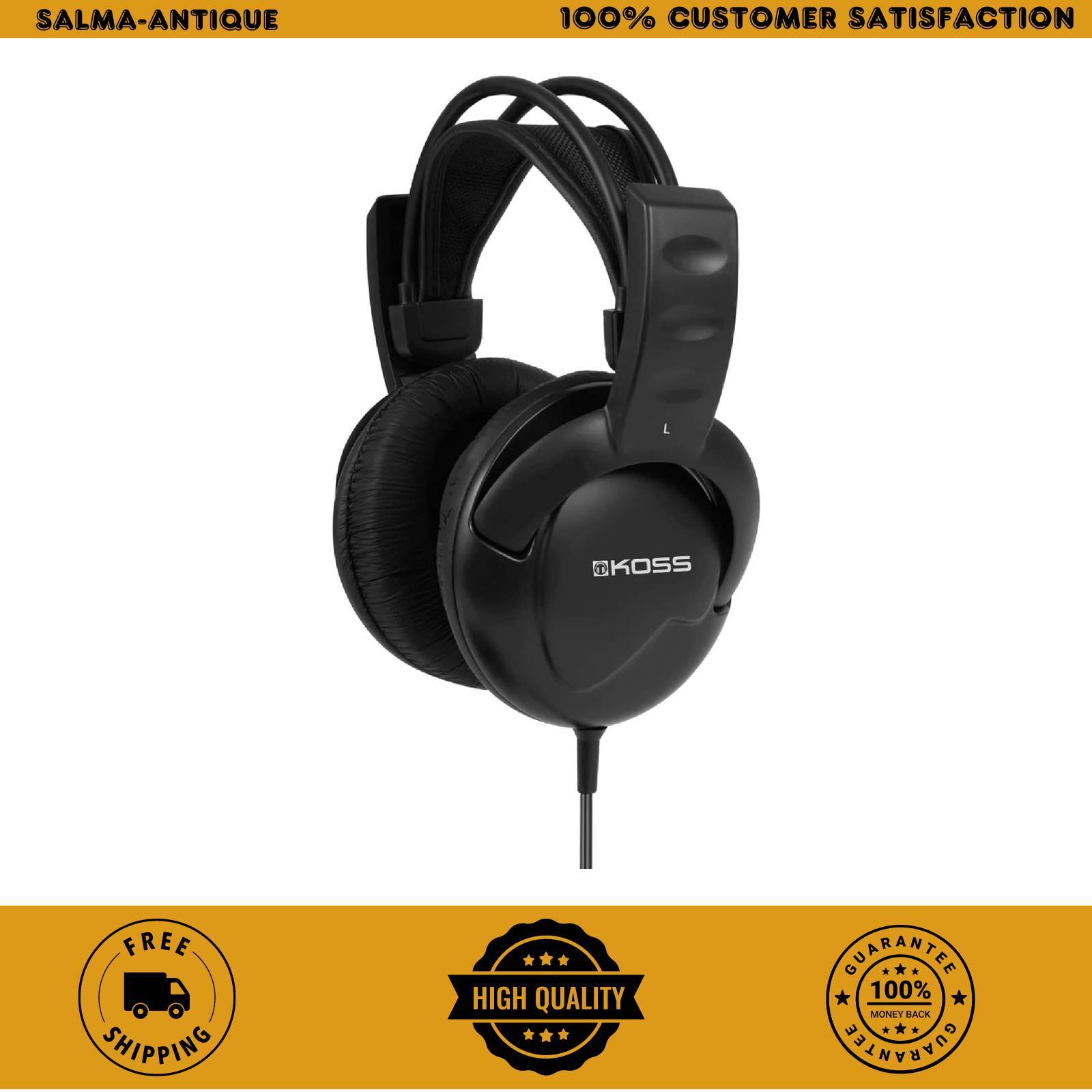 Over The Ear Headphones Wired Black Flexible Clear Sound Stereophone 3.5mm$20.79Last checked Nov 21, 2026View on eBay
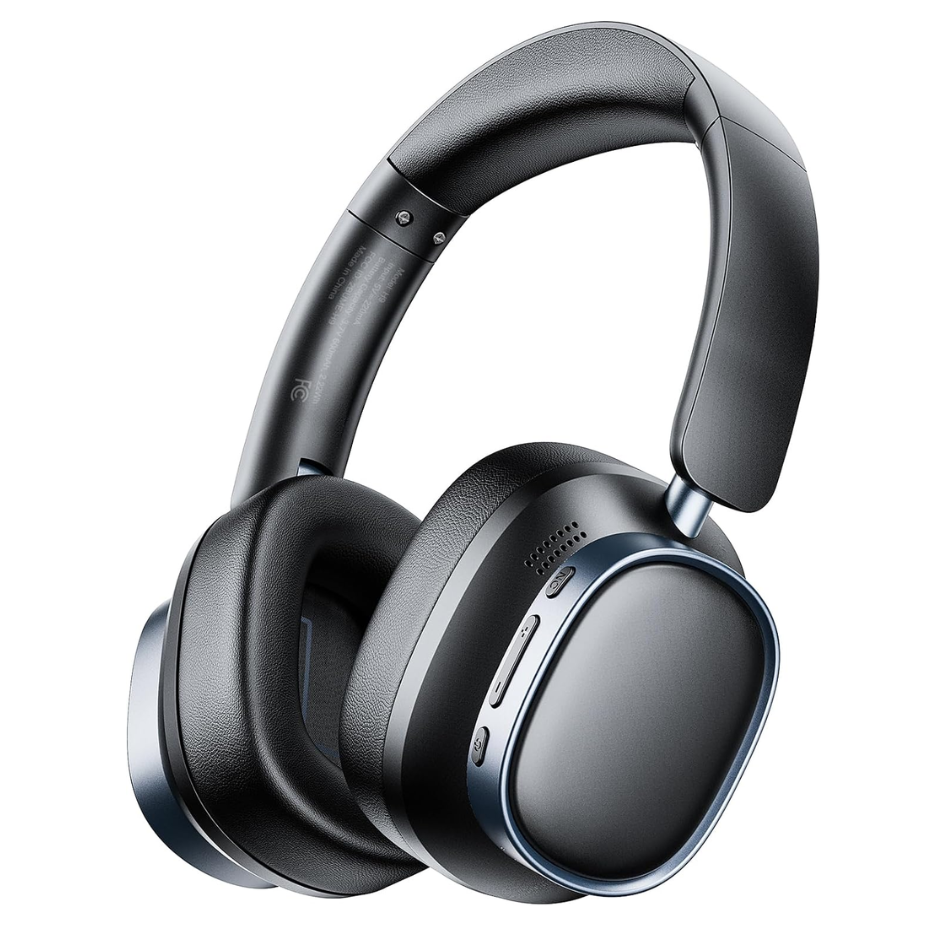 Wireless Bluetooth Over-Ear Headphones With Active Noise Cancelling, 78-Hour Battery Life, Foldable Design, Black$149.99View on Mallflare
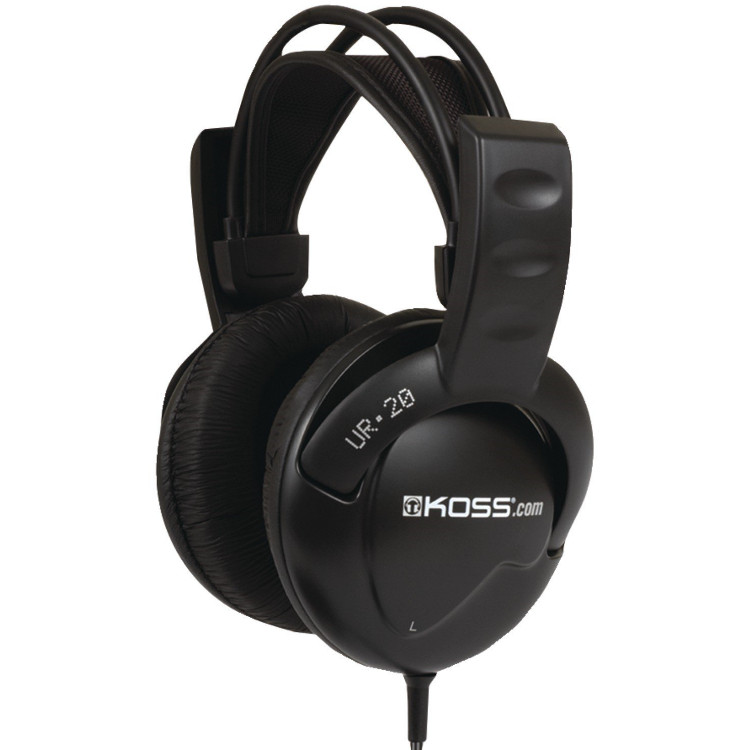 Over The Ear Headphones Wired Black Flexible Game Clear Sound Stereo Phone 3.5mm$21.35Last checked Nov 20, 2026View on eBay
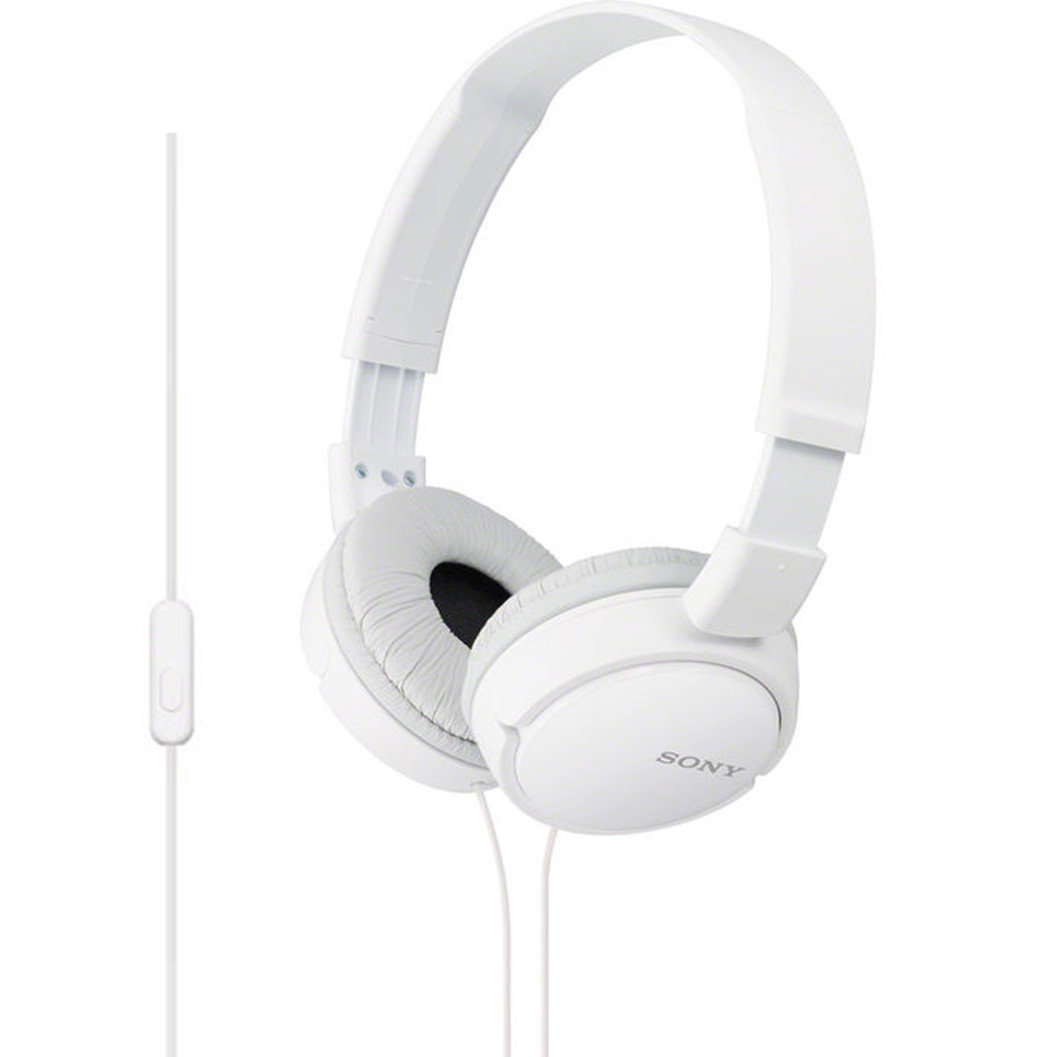 Sony Headphone Over-Head MDR-ZX110 Stereo Extra Bass Black & White Colors NEW!!$21.99Last checked Nov 26, 2026View on eBay
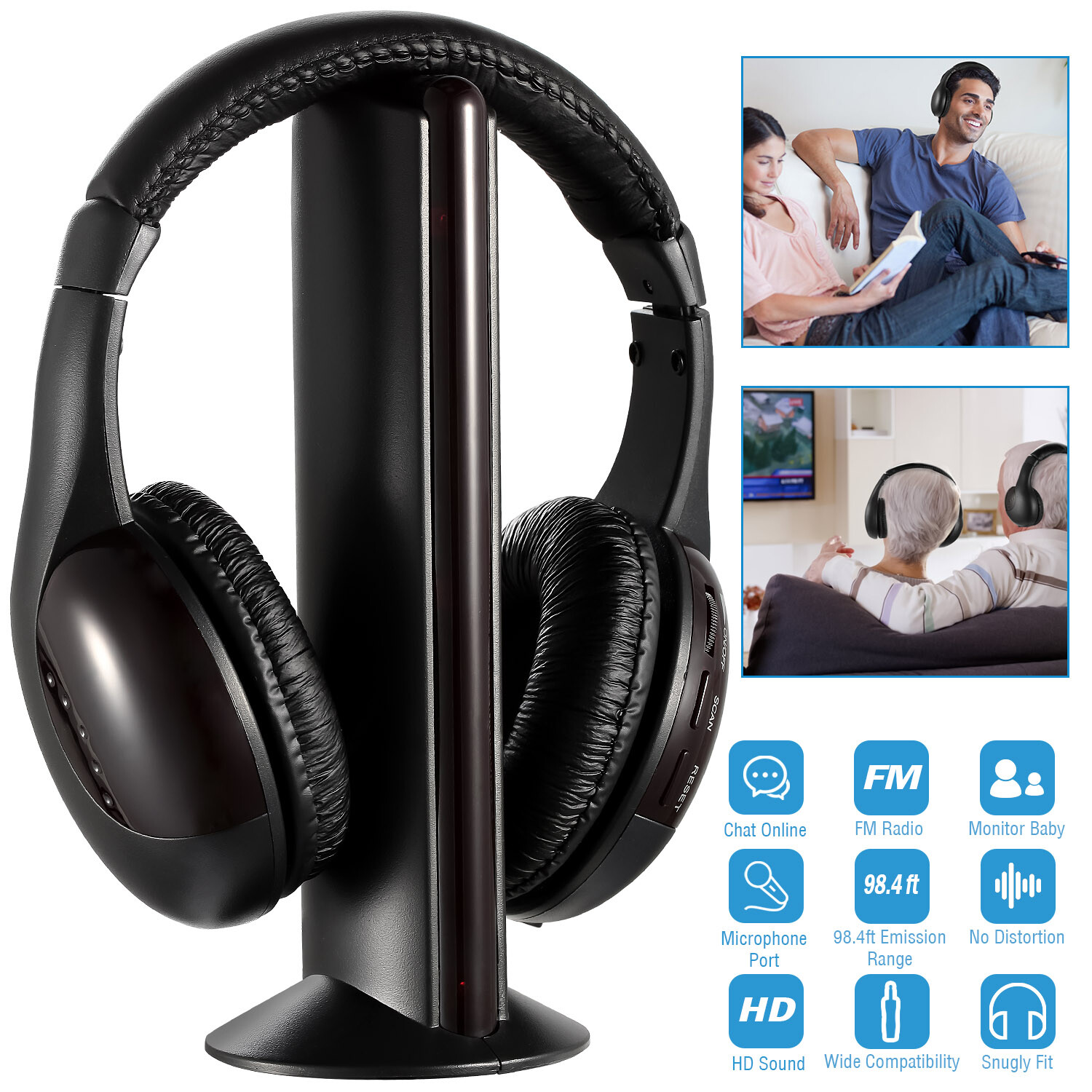 Wireless RF Headphones 98ft Range - HiFi Over-Ear Studio Monitor 5 Functions$23.61Last checked Nov 26, 2026View on eBay
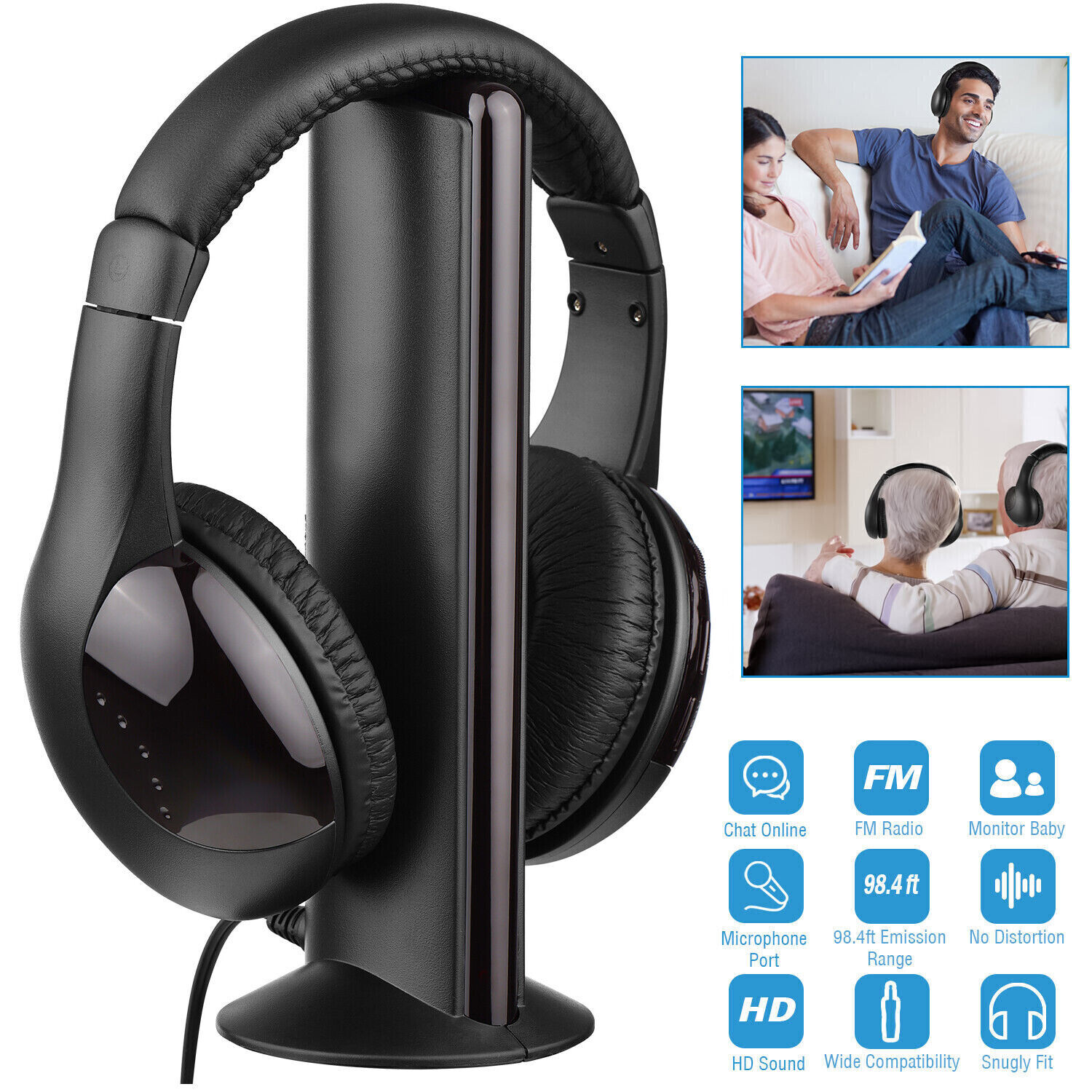 5 in 1 Wireless TV Headphone with RF Transmitter Hi-Fi Over-Ear Headset G7L5$24.95Last checked Nov 20, 2026View on eBay
- TOZO HT2 Hybrid Active Noise Cancelling Headphones Over Ear Headset, Refurbished$26.39Last checked Nov 26, 2026View on eBay
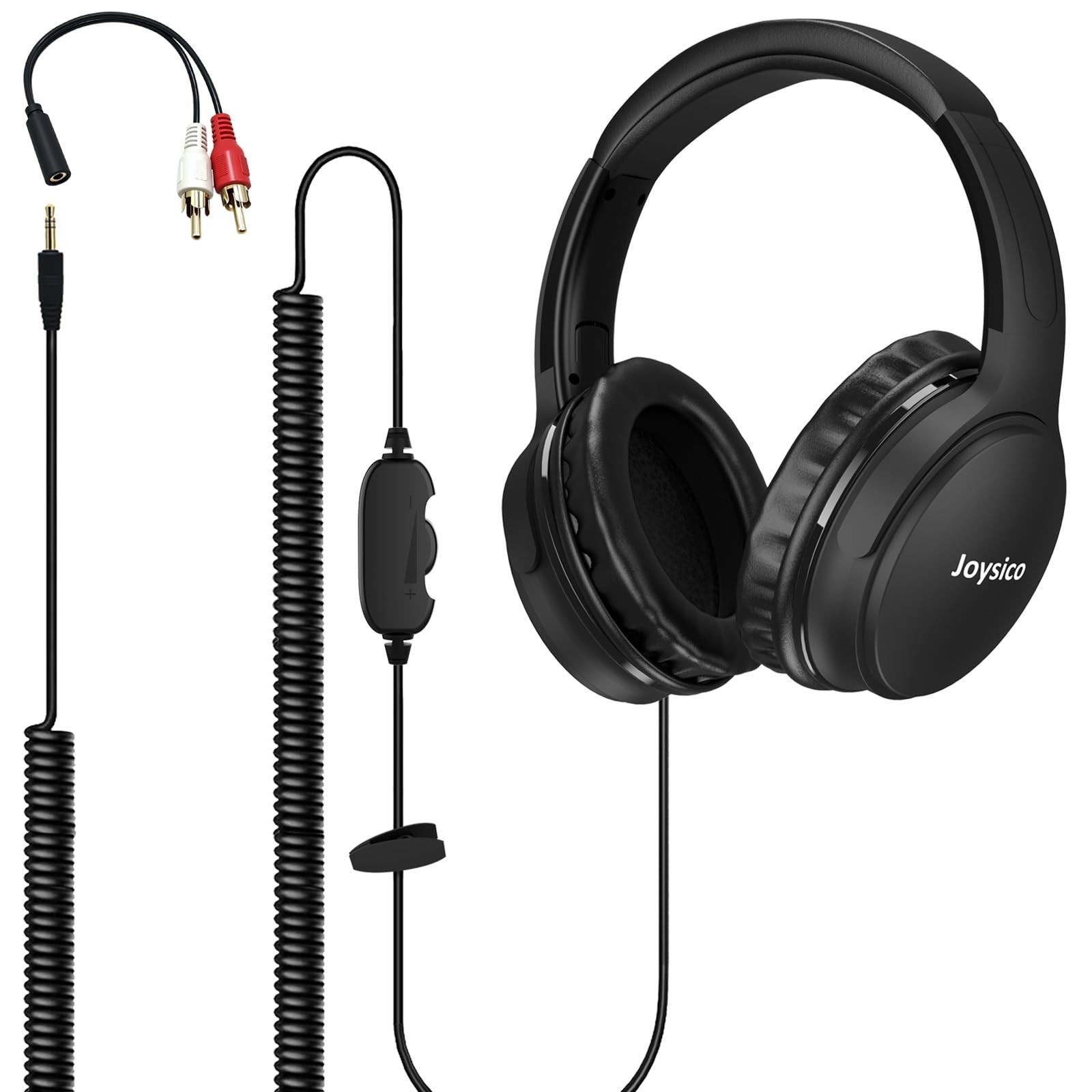 Noise-Canceling Over-Ear Headphones with Volume Control and 10ft Coiled Cord$26.65View on eBay
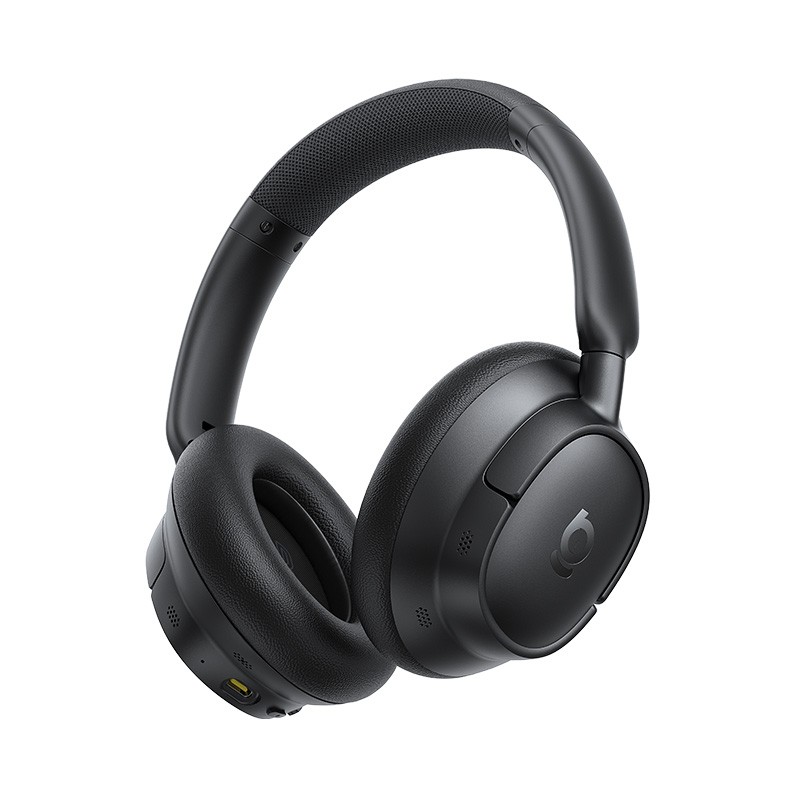 Baseus Bass Adaptive Active Noise Cancelling Headphones LDAC Hi-Res Sound BH1$27.49Last checked Nov 21, 2026View on eBay
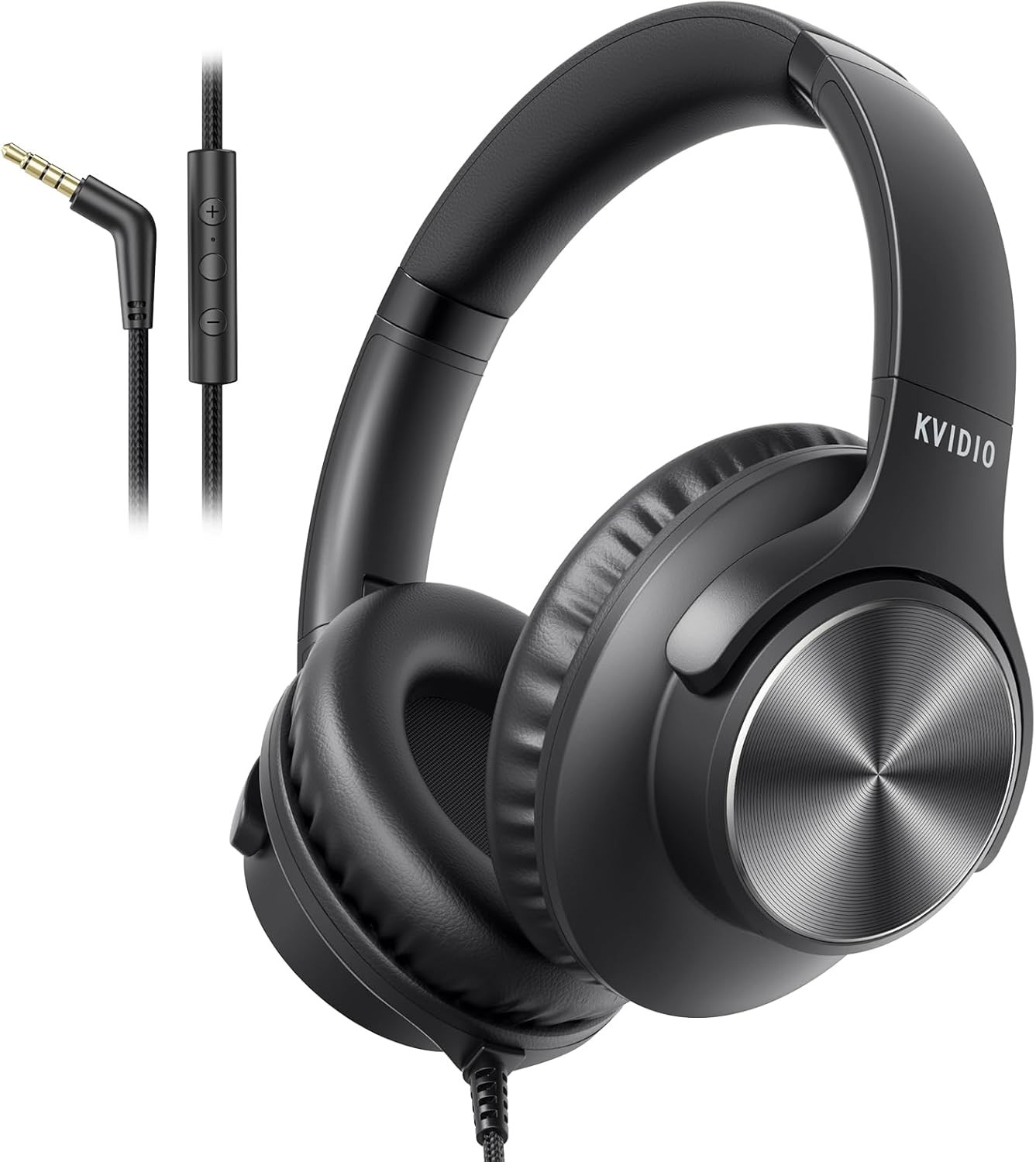 Wired Headphones with Mic, Volume & Playback Control, Over-Ear Foldable Headphon$28.99Last checked Nov 25, 2026View on eBay
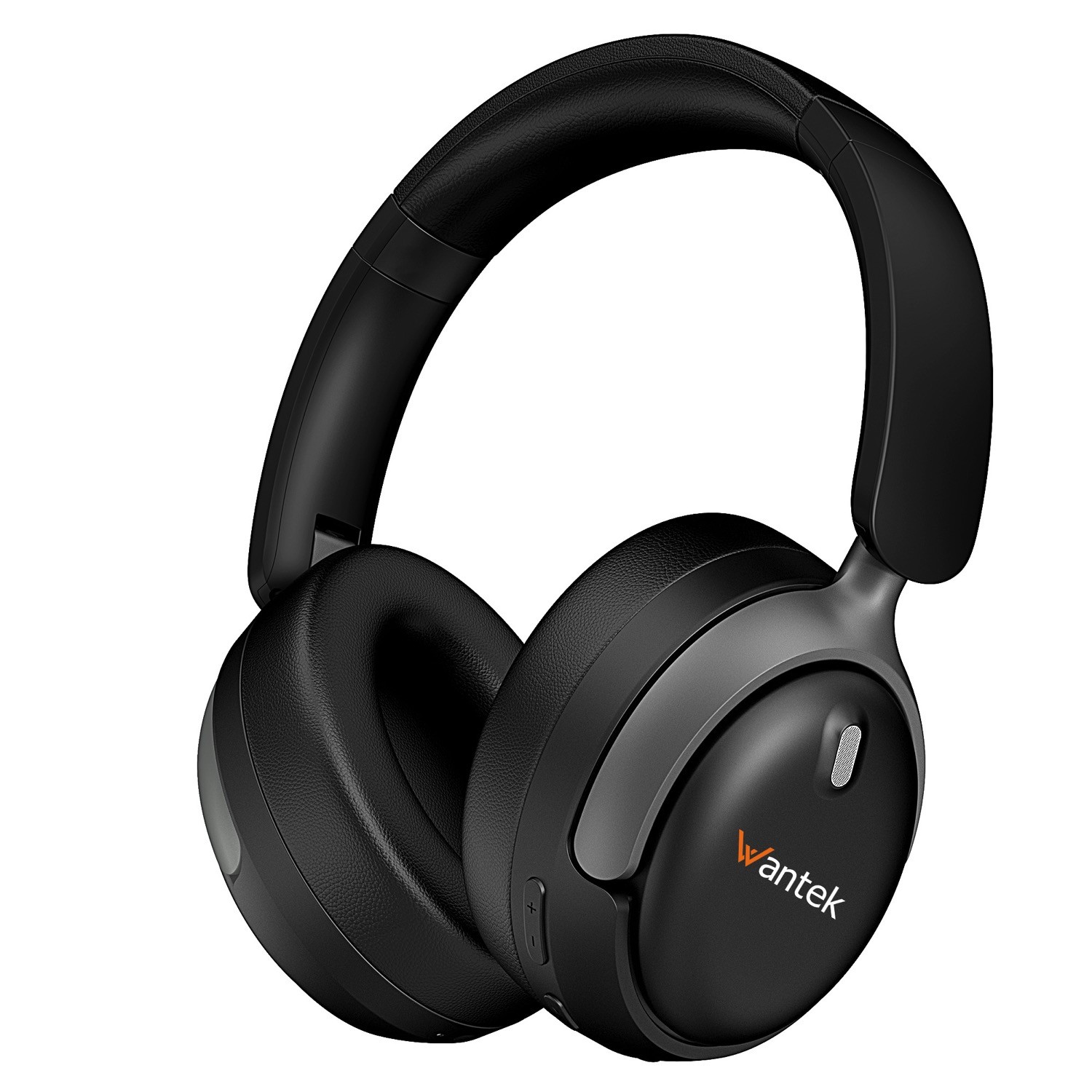 Wantek Over-ear Headphone Foldable Active Noise Cancelling Bluetooth Headset$28.99Last checked Nov 19, 2026View on eBay
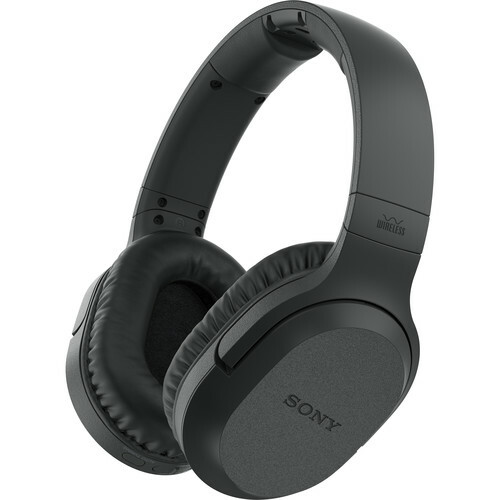 Sony RF400 Wireless Home Theater Headphones - Black$32.99Last checked Nov 22, 2026View on eBay
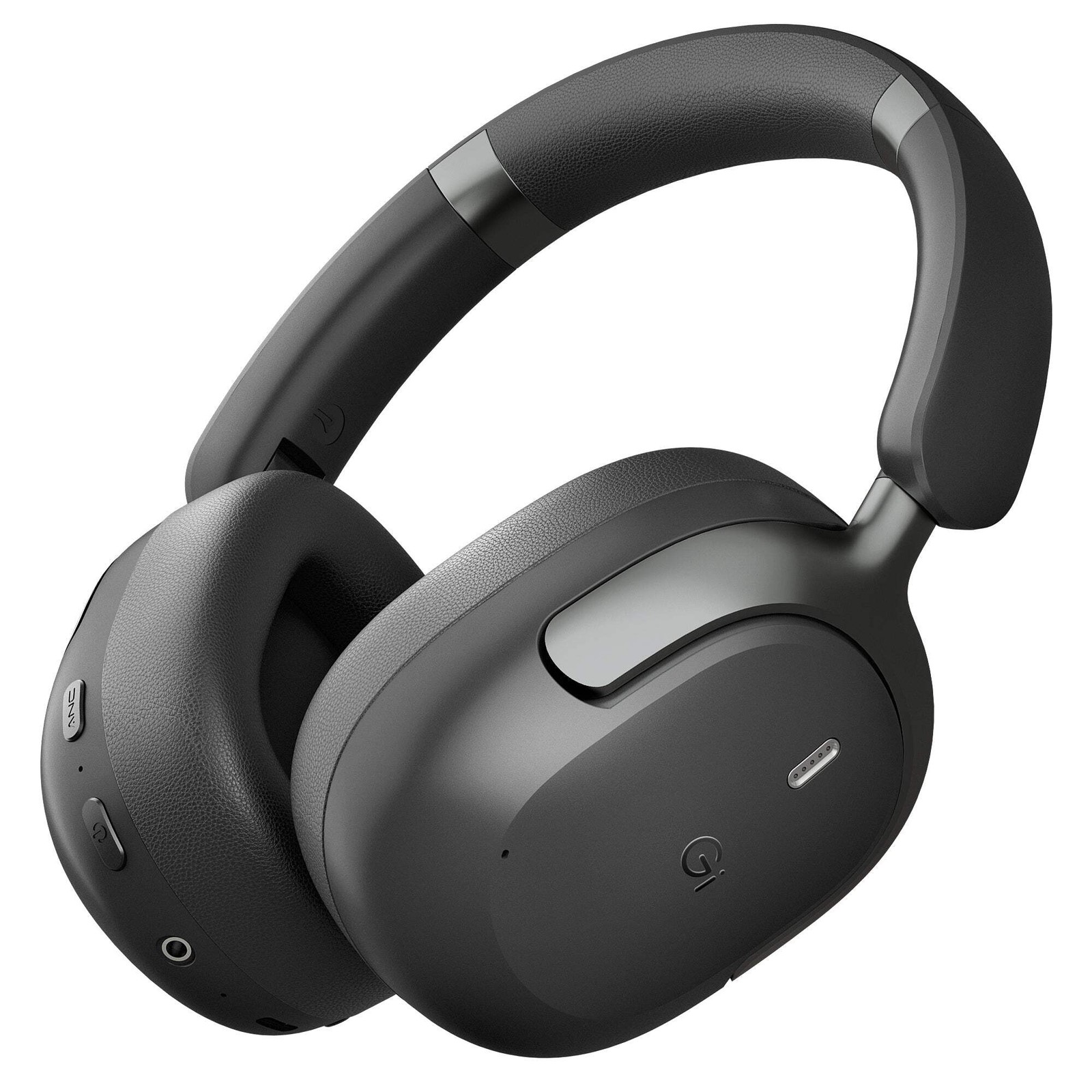 GEARit Over-Ear Bluetooth Headphones Hybrid ANC Multipoint Spatial Audio$33.95Last checked Nov 23, 2026View on eBay
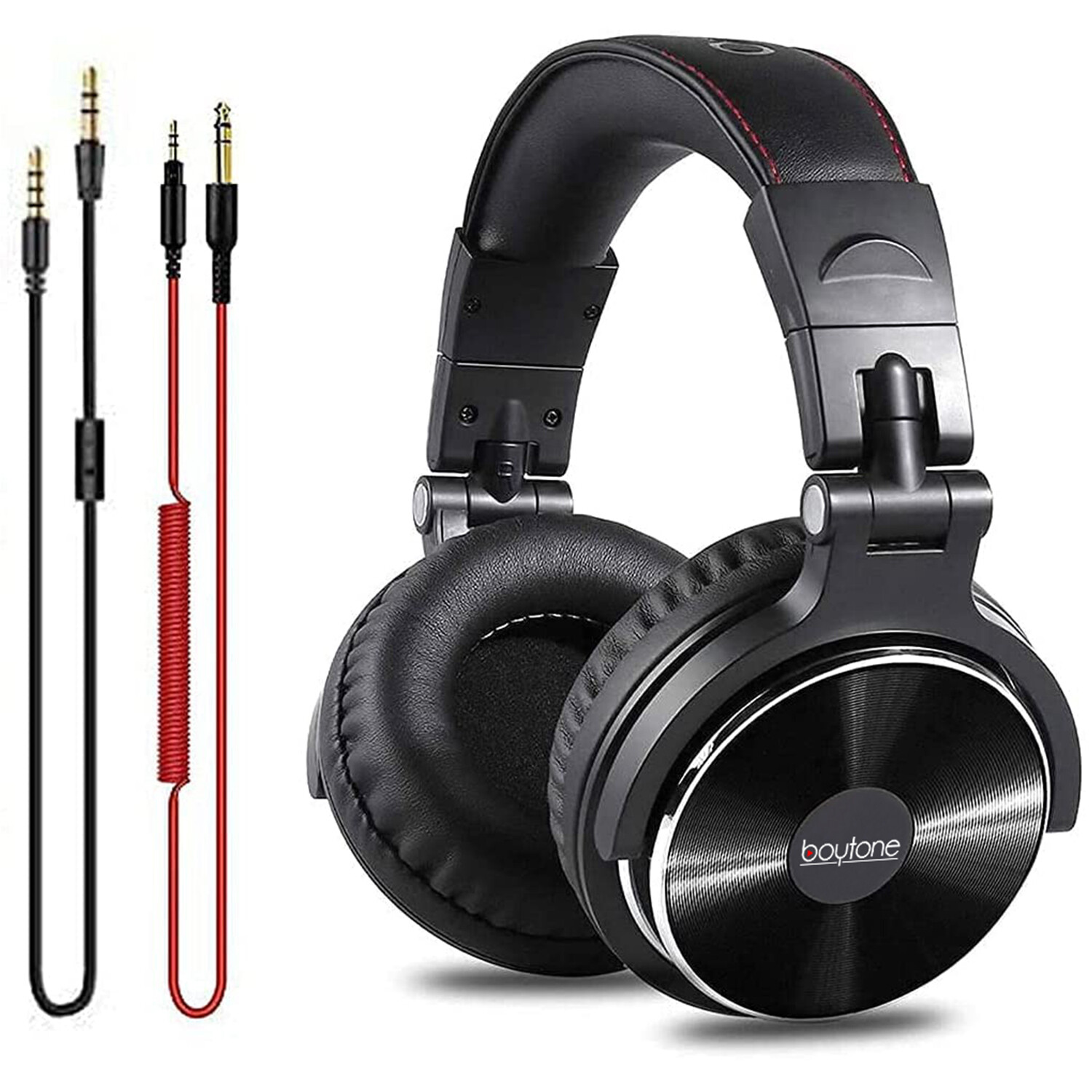 Boytone BT-10BK Wired Over Ear DJ Headphones, Studio Monitor , Stereo headphone$35.99Last checked Nov 26, 2026View on eBay
Highlights
- Closed-back over-ear designs isolate sound and prevent leakage; open-back models sound wider but bleed audio and offer no isolation for office or transit use.
- Impedance of 32 ohms is the portable sweet spot—driven easily by phones and laptops—while 250-ohm studio models demand a dedicated headphone amp.
- Bluetooth 5.0 or newer with aptX/LDAC reduces latency and improves fidelity; older 4.x chipsets introduce audible lip-sync delay in video and gaming.
- Foldable hinges and swiveling earcups are the difference between a portable pair that survives daily bag life and a desktop-only headphone with fixed yokes.
Best use cases
- Choose a wired 32-ohm closed-back with a detachable 3.5mm cable for studio tracking, podcasting, and PC gaming—skip Bluetooth entirely for zero-latency monitoring.
- Choose Bluetooth over-ear with active noise cancelling and 30+ hours battery for commuting, open offices, and travel; avoid ANC models if you need passive isolation with zero battery dependence.
- Choose a gaming headset only if it includes a boom mic and low-latency USB or 2.4GHz dongle—stereo music headphones with an inline mic are a poor substitute for team chat.
- Choose foldable, swiveling earcups for daily carry; skip large fixed-yoke studio monitors if you plan to commute with them—they are desk-bound by design.
Buying tips
- Match impedance to your source: 16-32 ohms for phones and laptops, 80-250 ohms only with a dedicated amp or audio interface.
- Pick Bluetooth 5.0+ with aptX or LDAC for Android and LDAC-capable players; iPhone users get AAC, so prioritize AAC support and stable antenna design.
- Verify the cable termination: 3.5mm with a 6.35mm screw-on adapter covers consumer and pro gear; a fixed 2.5mm jack limits replacement cables.
- Check battery tier before buying wireless: 20-30 hours suits daily commutes, 40-60+ hours suits travel and forget-to-charge users; ANC drains 20-30% more.
Specs
| Connectivity | Bluetooth 5.x / 3.5mm wired / USB |
|---|---|
| Impedance | 16-32 ohm portable; 80-250 ohm amp |
| Form Factor | Closed-back vs open-back over-ear |
| Battery (ANC) | 20-60 hr; ANC drains 20-30% |
Related searches
What to check before buying
- Measure your headband fit: most over-ear models adjust 1.5-2 inches per side; smaller heads need compact yokes, larger heads need extended sliders.
- Confirm your source outputs: 3.5mm, USB-C audio, or Bluetooth—some phones and consoles require dongles or specific codecs for mic and game audio.
- Check earcup depth and pad material: memory foam with 0.8-1 inch depth fits most ears; shallow pads press on glasses and cause fatigue.
- Plan for replacement parts: detachable cables and user-replaceable earpads extend life; glued pads and proprietary batteries shorten it.
FAQ
Data sources: eBay / Amazon listings and product attribute feeds. Updated Nov 28, 2026.
Some links on this page are affiliate links. If you buy after clicking one, we may earn a commission at no extra cost to you. This does not change which products appear here or their order. Affiliate disclosure.