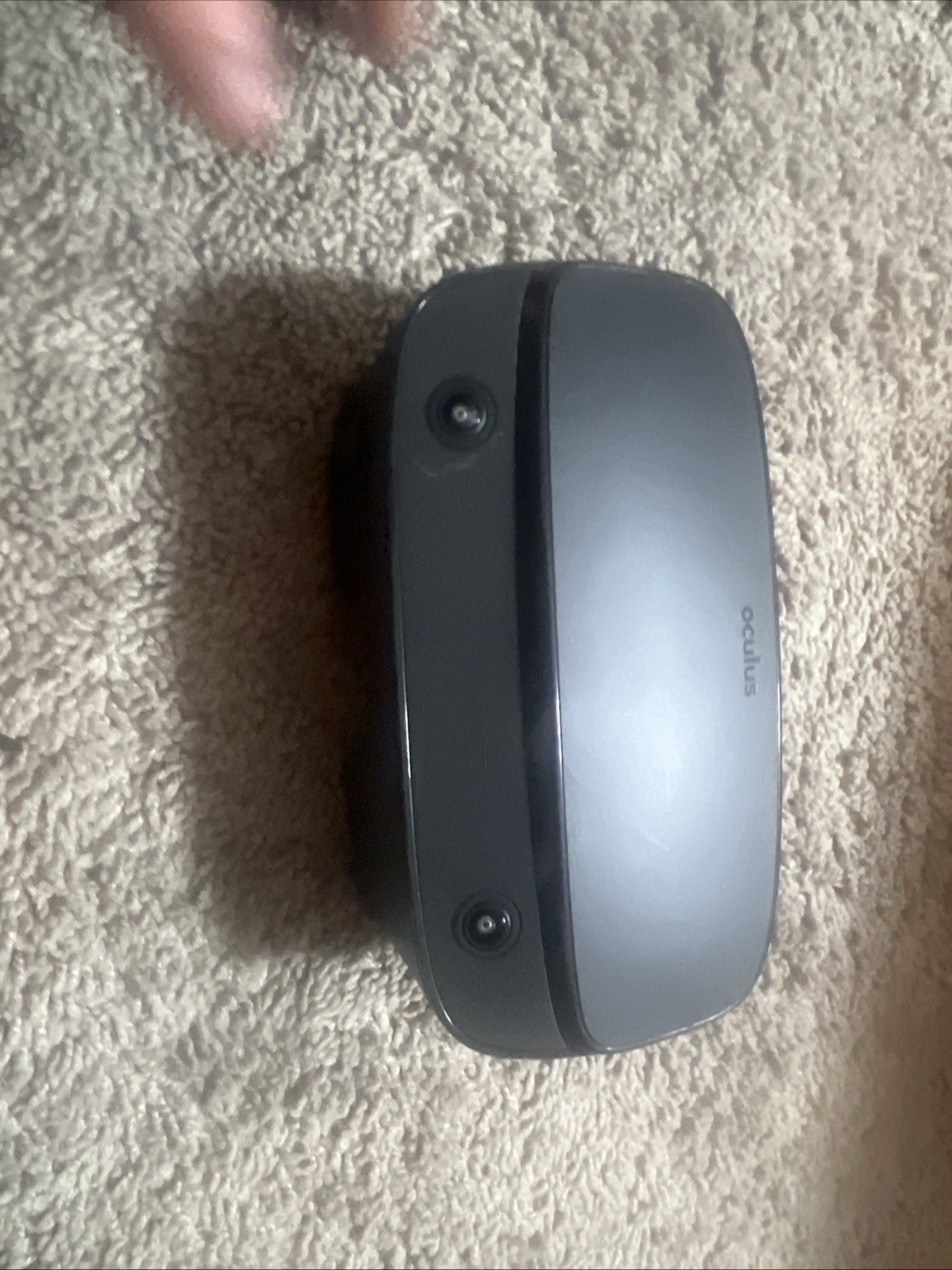

Photos from current listings. Actual item, color, and included accessories may vary.
Meta Oculus Rift S Buying Guide
The Oculus Rift S is a discontinued PC-tethered VR headset from Meta that uses inside-out tracking and a single LCD panel, making it simple to set up but entirely dependent on a DisplayPort connection. The primary trade-off is between its lightweight, halo-strap comfort and its lack of mechanical IPD adjustment, which makes it a poor fit for many users outside the 61.5–65.5 mm eye-spacing range. Buy only if you have a compatible gaming PC and can find a complete unit with controllers and cable; skip it if you need wireless freedom or mechanical IPD tuning.
Median $12.97
Key takeaways
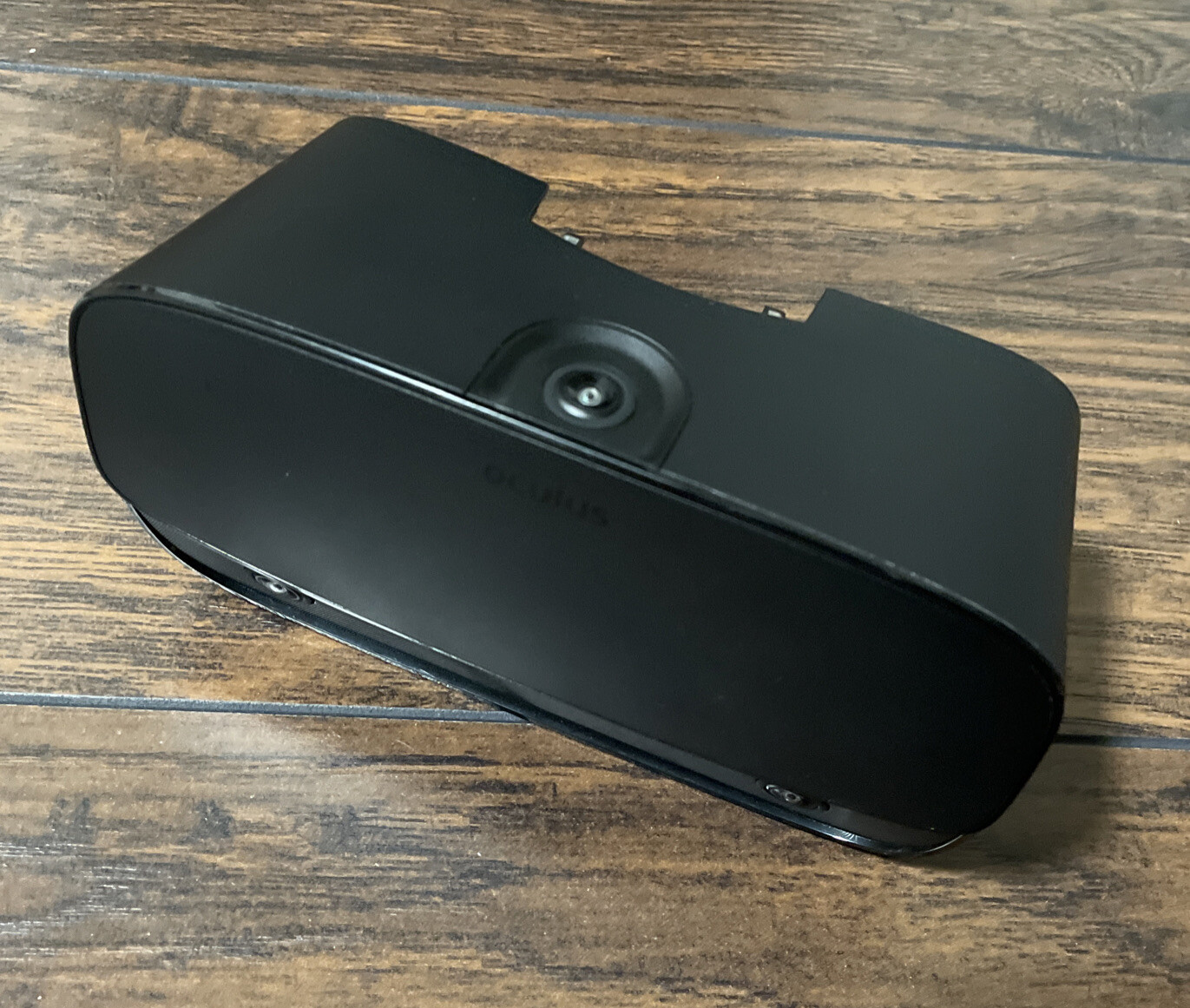
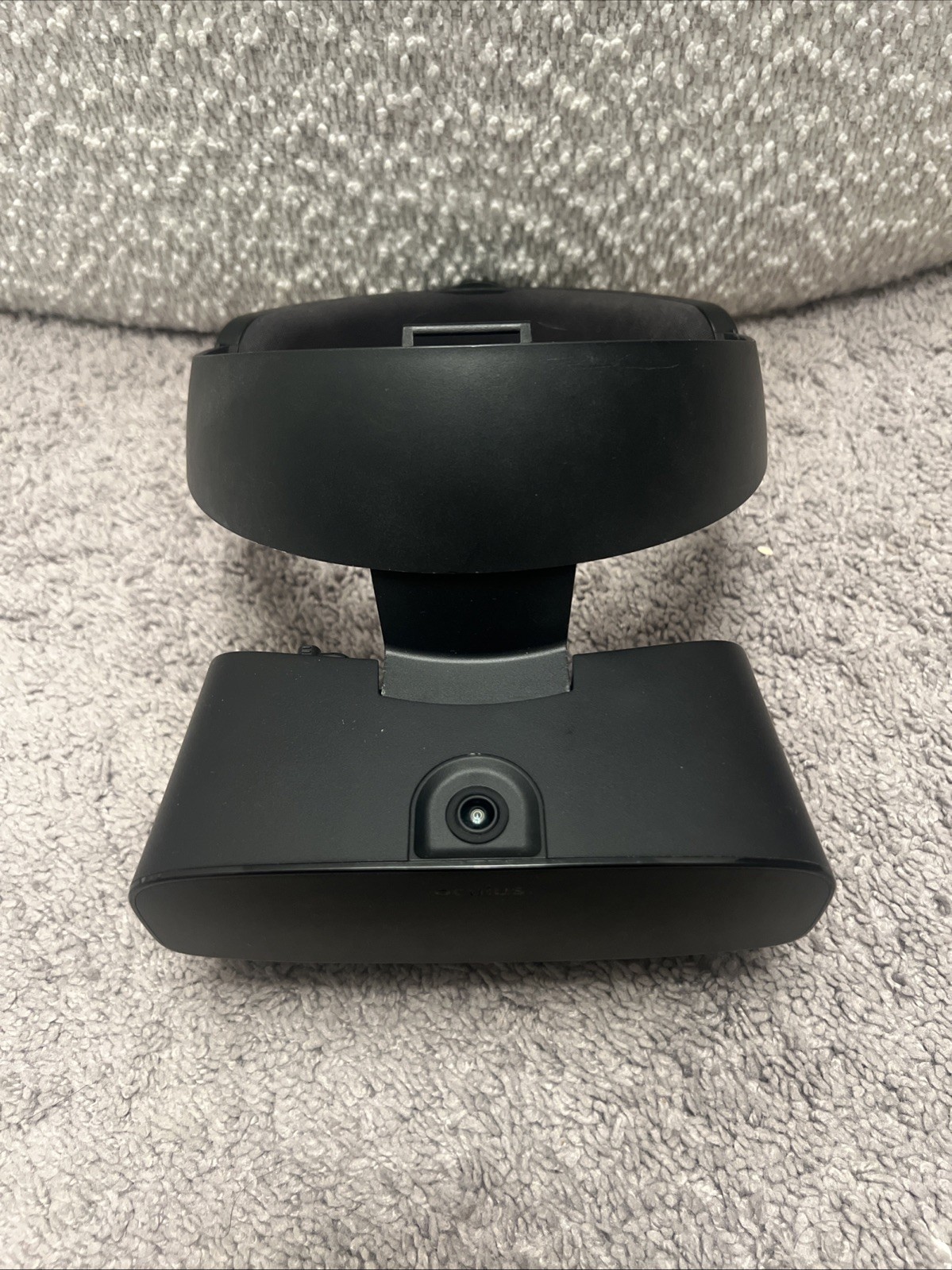
- Inside-out tracking uses five onboard cameras—no external base stations—so setup requires only a DisplayPort 1.2 and USB 3.0 connection to the PC.
- Single fast-switch LCD (2560×1440 total, 80 Hz) delivers a sharp image with low screen-door effect but contrasts worse than OLED alternatives.
- Fixed lens spacing (63.5 mm nominal, software IPD 58–72 mm) lacks a mechanical slider, causing blur or eye strain for users far outside that range.
At a glance
- Category
- VR Gaming Hardware & Accessories
- Status
- Listings available
- Last updated
- Nov 28, 2026
Current offers
Highlights
- Inside-out tracking uses five onboard cameras—no external base stations—so setup requires only a DisplayPort 1.2 and USB 3.0 connection to the PC.
- Single fast-switch LCD (2560×1440 total, 80 Hz) delivers a sharp image with low screen-door effect but contrasts worse than OLED alternatives.
- Fixed lens spacing (63.5 mm nominal, software IPD 58–72 mm) lacks a mechanical slider, causing blur or eye strain for users far outside that range.
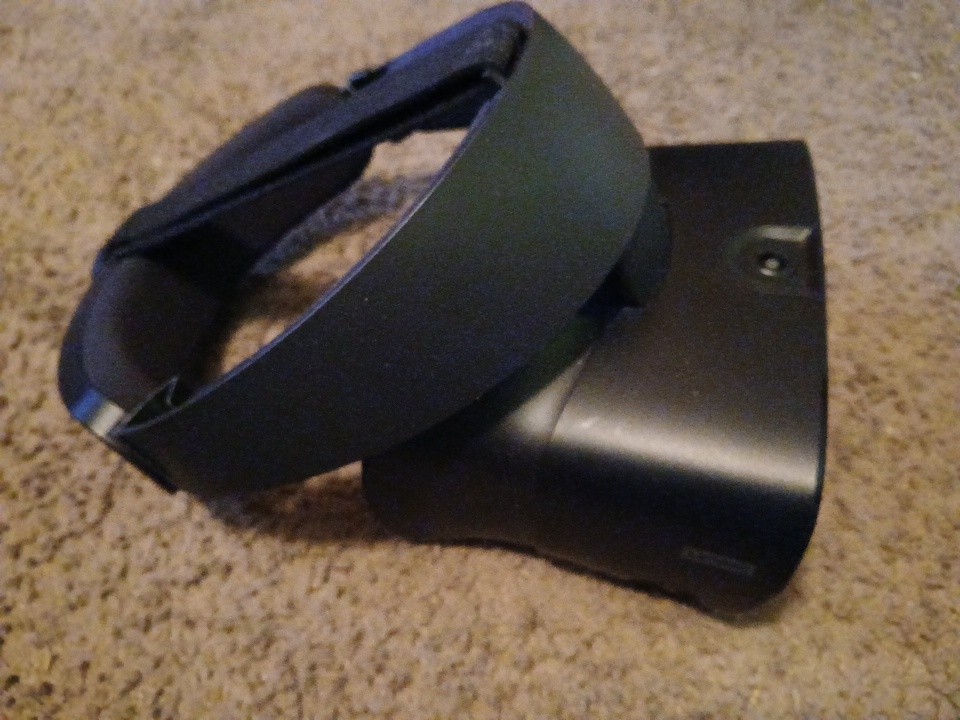
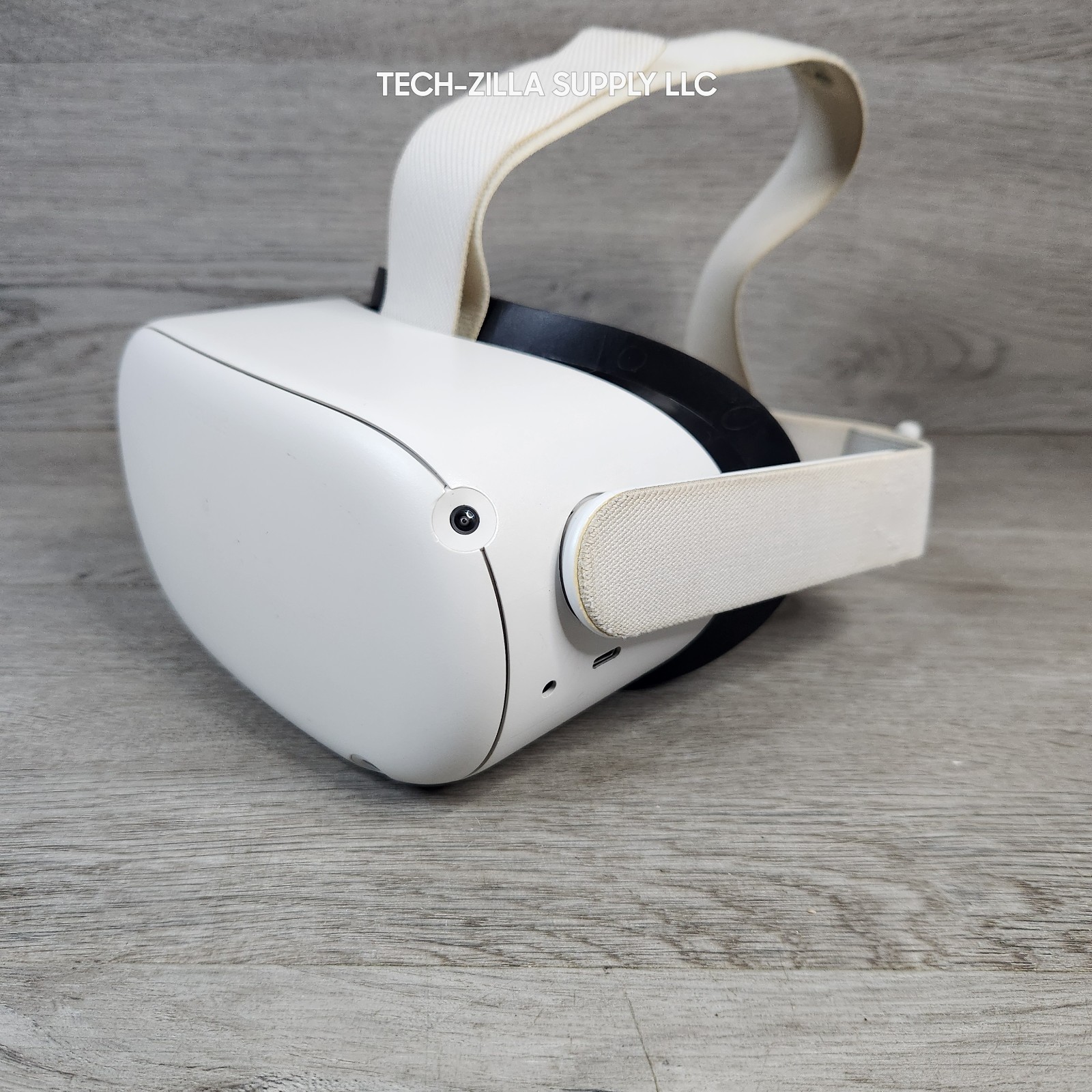
- Halo head strap with a rear tightening dial distributes weight well; the 5 m tethered cable is proprietary and not user-replaceable without a full replacement part.
Best use cases
- Best fit: seated or standing PC VR in a 2×2 m play space for sim racing, flight sims, and room-scale games—buy a complete kit with both Touch controllers and the original cable.
- Wrong fit: users who wear progressive lenses or have an IPD below 58 mm or above 72 mm—skip the Rift S and choose a headset with mechanical IPD adjustment.
- Best fit: budget-conscious buyers upgrading from a 3DoF mobile headset—the Rift S delivers 6DoF tracking and PC-grade graphics at a lower cost than current-gen headsets.
- Wrong fit: anyone wanting wireless PC VR or standalone play—the Rift S is strictly tethered and requires a PC; consider a Quest 2 or Quest 3 with Link instead.
Buying tips
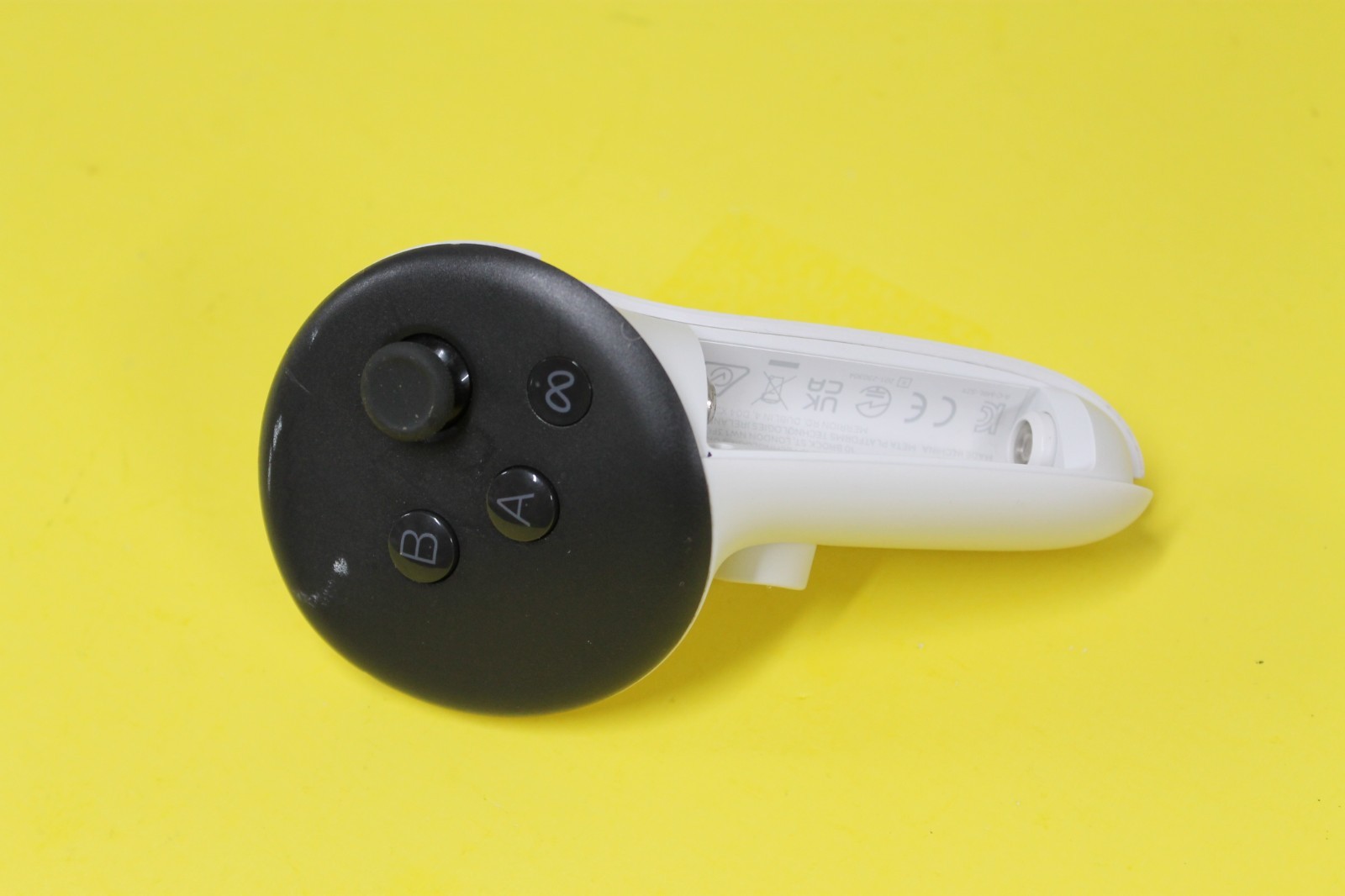
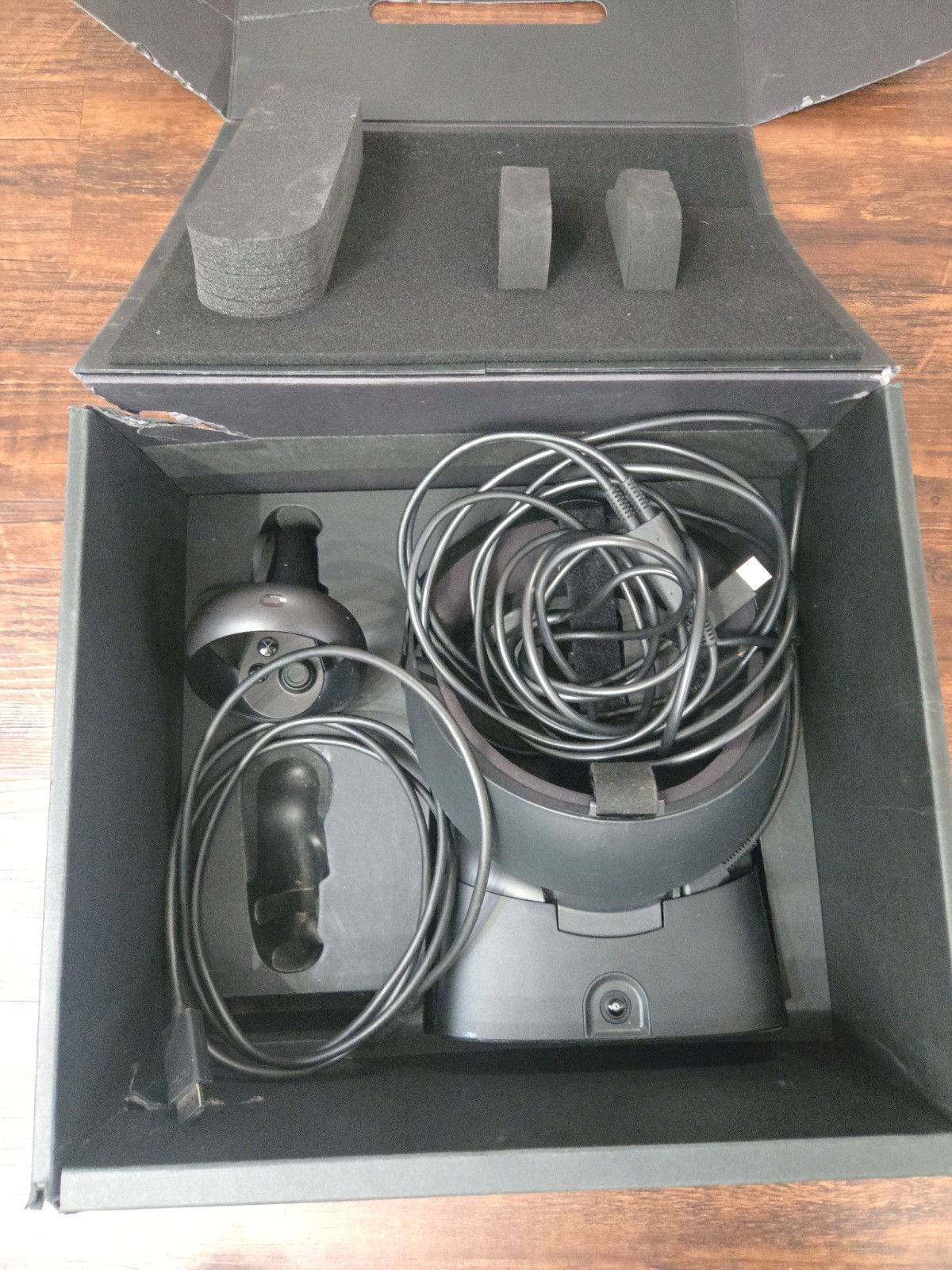
- Verify the bundle includes both Touch controllers, the 5 m DisplayPort/USB cable, and the power adapter—controllers and cables are sold separately and are scarce for this discontinued model.
- Confirm your PC has a DisplayPort 1.2 output (or active adapter) and a free USB 3.0 port; HDMI-only laptops will need a compatible adapter, and some laptops lack the required GPU power.
- Check the facial interface foam condition—replacements are hard to source; worn foam degrades comfort and hygiene and can affect tracking camera visibility.
- Inspect the cable for kinks or damage near the headset connector; a damaged proprietary cable renders the headset unusable and replacement cables are expensive and rare.
Specs
| Tracking Type | Inside-out (5 cameras, no base stations) |
|---|---|
| Display Resolution | 2560×1440 LCD, 80 Hz |
| IPD Adjustment | Fixed lenses, software 58–72 mm |
| PC Connection | DisplayPort 1.2 + USB 3.0 tethered |
Alternatives to compare
Related searches
What to check before buying
- Measure your IPD (pupillary distance) with a mirror or app—if outside 58–72 mm, the Rift S will not focus correctly and should be skipped.
- Confirm your PC meets or exceeds: NVIDIA GTX 1060 / AMD RX 480, 8 GB RAM, DisplayPort 1.2, and USB 3.0.
- Ensure your play area has at least 2×2 m of clear floor space and moderate lighting—inside-out cameras need visible features and cannot track in direct sunlight or total darkness.
- Check that your region uses 100–240 V power (the included adapter is universal) and that you have a spare USB 3.0 port for the headset's tracking data.
FAQ
Data sources: eBay / Amazon listings and product attribute feeds. Updated Nov 28, 2026.
Some links on this page are affiliate links. If you buy after clicking one, we may earn a commission at no extra cost to you. This does not change which products appear here or their order. Affiliate disclosure.