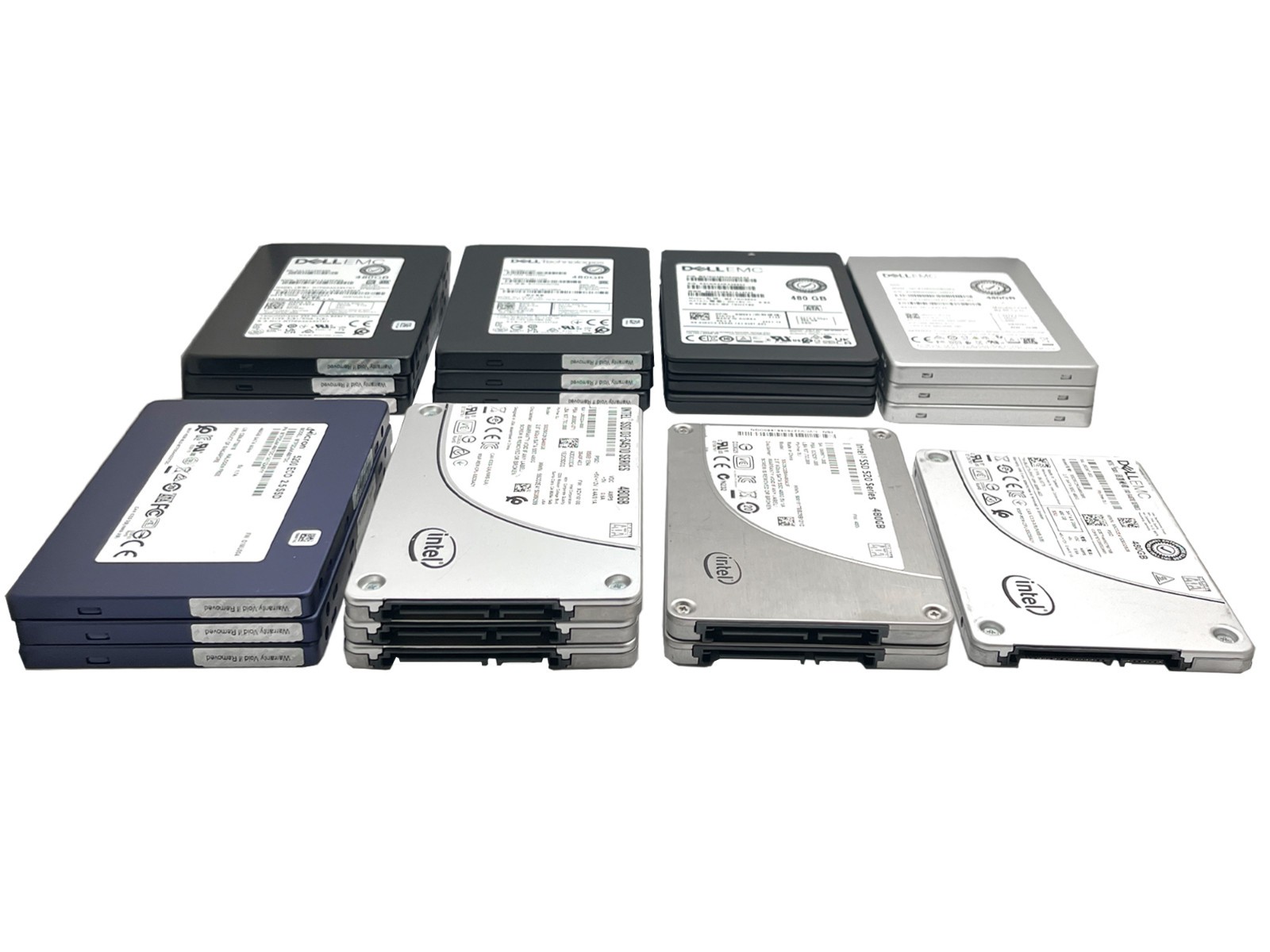

Photos from current listings. Actual item, color, and included accessories may vary.
SATA SSD Drive Buying Guide
A SATA SSD is a 2.5-inch or M.2 SATA drive using the AHCI protocol over a 6 Gb/s link, capped near 550 MB/s sequential regardless of NAND quality. The decisive trade-off is DRAM-cached TLC with high TBW versus DRAM-less QLC that collapses under sustained writes, so buy by endurance rating and cache architecture, not by capacity label alone. Any drive lacking a published TBW or DRAM spec is a compromise tier unfit for boot or workload use.
Median $84.99
Key takeaways
- SATA III 6 Gb/s tops out around 550 MB/s read and 520 MB/s write; interface, not NAND, is the ceiling for every 2.5-inch SATA SSD.
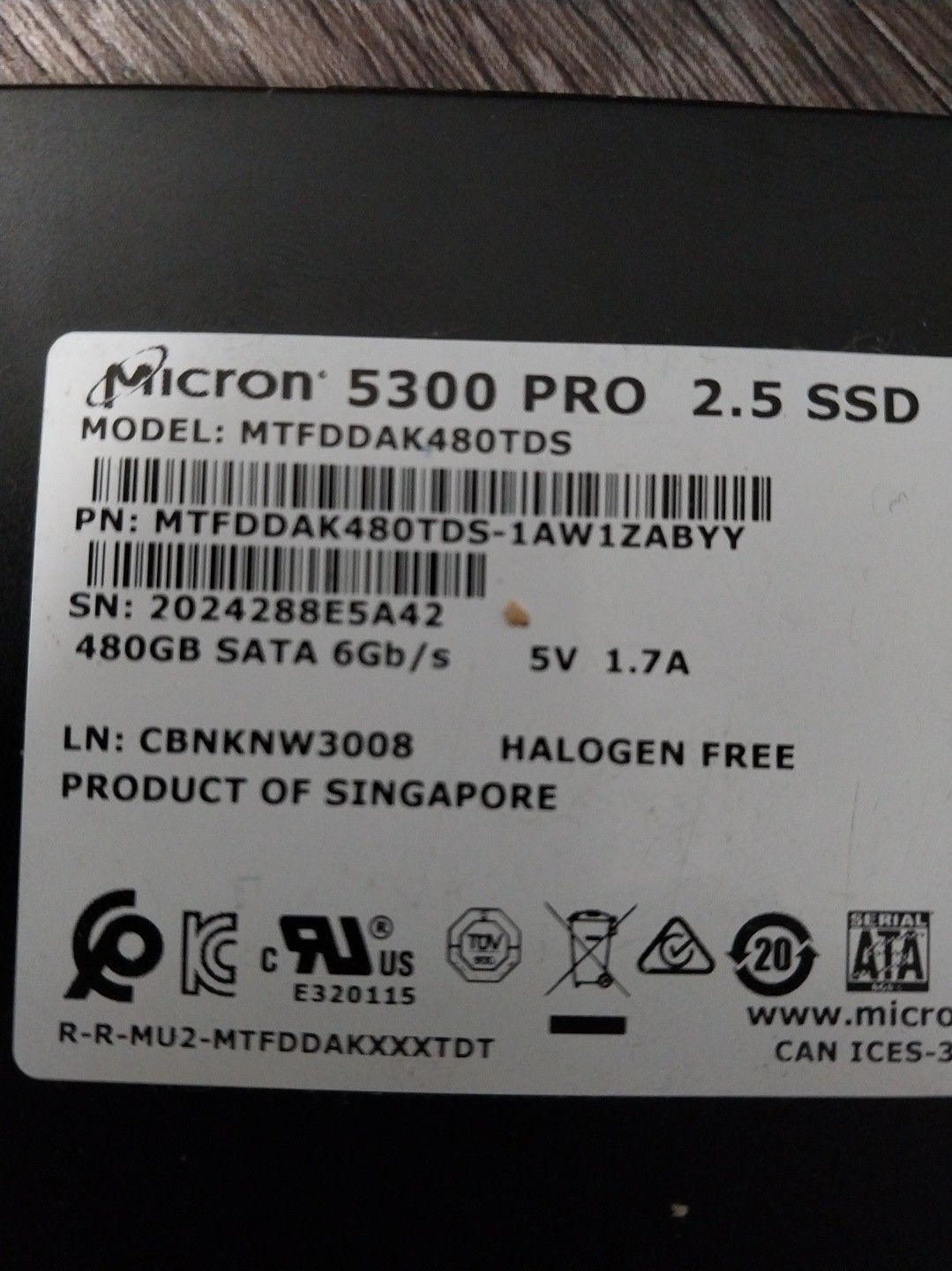
- DRAM-cached TLC (e.g., Micron 5300 PRO class) sustains mixed writes; DRAM-less QLC drops to HDD-like speeds once SLC cache exhausts.
- Endurance separates tiers: enterprise/read-intensive drives publish 1+ DWPD or high TBW, while budget consumer drives often omit TBW entirely.
At a glance
- Category
- PC Storage Upgrades
- Last updated
- Nov 24, 2026
Current offers
Highlights
- SATA III 6 Gb/s tops out around 550 MB/s read and 520 MB/s write; interface, not NAND, is the ceiling for every 2.5-inch SATA SSD.
- DRAM-cached TLC (e.g., Micron 5300 PRO class) sustains mixed writes; DRAM-less QLC drops to HDD-like speeds once SLC cache exhausts.
- Endurance separates tiers: enterprise/read-intensive drives publish 1+ DWPD or high TBW, while budget consumer drives often omit TBW entirely.
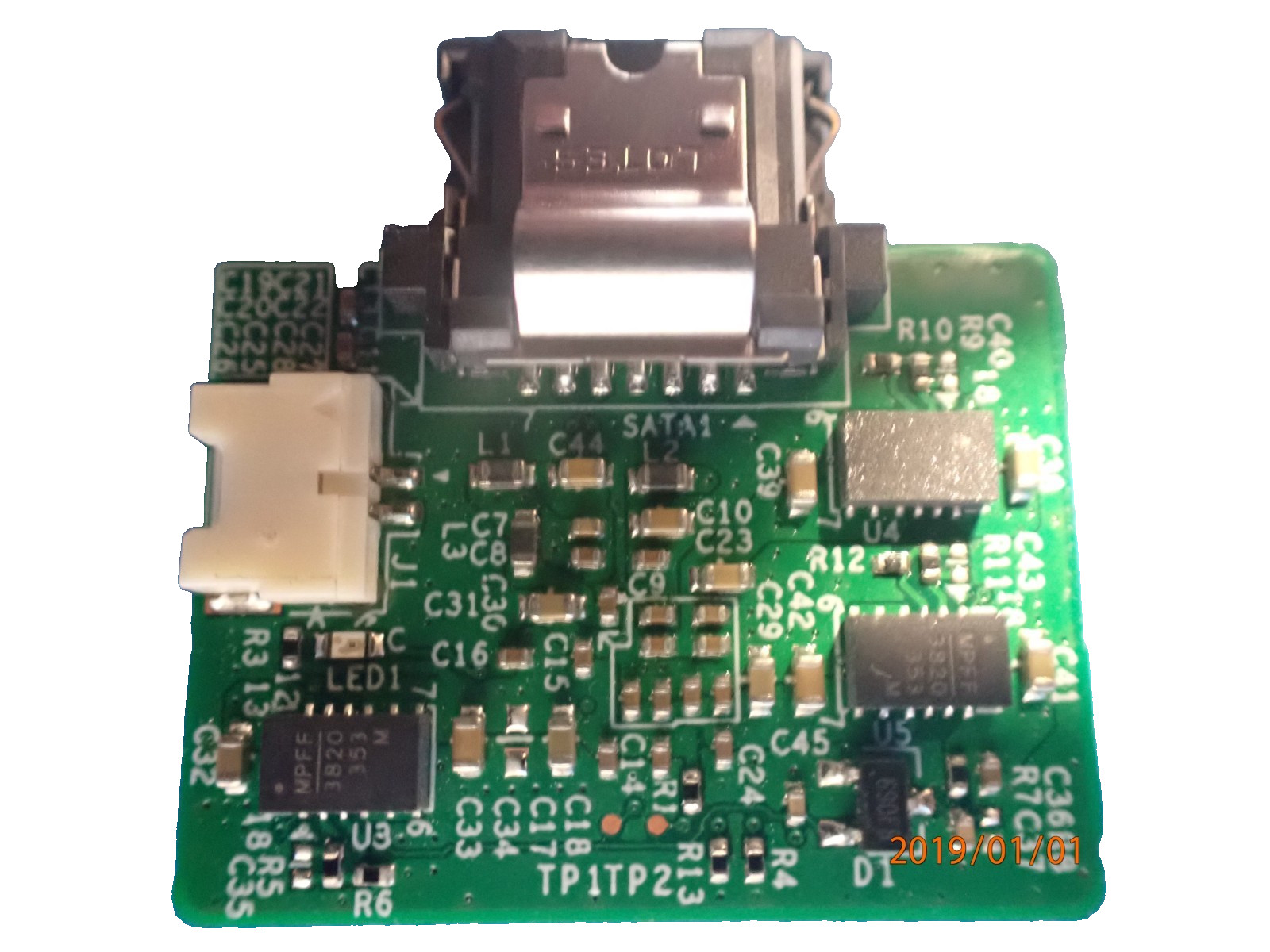
- 2.5-inch SATA uses 5V SATA power plus 7-pin data; SATA DOM modules (e.g., Supermicro 64GB) draw power from the SATA connector and suit embedded boot roles only.
Best use cases
- Best fit: reviving an older laptop or desktop with a 2.5-inch bay — pick a DRAM-cached TLC 480GB–1TB drive for boot and apps; skip DRAM-less QLC.
- Best fit: SATA-only NAS or surveillance NVR — choose high-TBW, power-loss-protected drives rated for 24/7 writes; skip consumer budget SSDs.
- Wrong fit: buying a SATA DOM or mSATA module for a standard 2.5-inch bay — those are embedded boot devices, not general storage.
- Wrong fit: expecting NVMe speeds from any SATA SSD — if the board has an M.2 NVMe slot, a SATA drive wastes the upgrade.
Buying tips
- Match form factor to the slot: 2.5-inch 7mm for laptop bays, 2.5-inch 9.5mm for older desktop caddies, M.2 2280 SATA only where the key is B+M.
- Demand a published TBW and DRAM spec; a 480GB drive should list roughly 250–350 TBW for consumer TLC and far higher for enterprise tiers.
- For sustained writes, choose TLC with DRAM over QLC; QLC SLC-cache exhaustion can fall below 100 MB/s on large transfers.
- Confirm SATA 6 Gb/s on both board and drive; a SATA II port caps near 300 MB/s and negates the upgrade.
Specs
| Interface | SATA III 6 Gb/s (AHCI) |
|---|---|
| Form Factor | 2.5-inch 7mm / 9.5mm; M.2 2280 SATA |
| NAND & Cache | TLC + DRAM vs QLC DRAM-less |
| Endurance | Published TBW / DWPD rating |
Related searches
What to check before buying
- Measure the bay: 2.5-inch drives are 100×70mm; verify 7mm vs 9.5mm clearance and screw/caddy mounting.
- Confirm an unused SATA data port and a free SATA power connector on the PSU.
- Check motherboard M.2 keying — B+M key accepts SATA; M-key-only slots are NVMe-only.
- For SATA DOM, verify the host supports DOM power-on-pin and that the board has a matching SATA DOM port.
FAQ
Data sources: eBay / Amazon listings and product attribute feeds. Updated Nov 24, 2026.
Some links on this page are affiliate links. If you buy after clicking one, we may earn a commission at no extra cost to you. This does not change which products appear here or their order. Affiliate disclosure.