
Photos from current listings. Actual item, color, and included accessories may vary.
Smart Mini Projector Buying Guide
Smart mini projectors combine a compact LED/laser light engine with a built-in streaming OS (Android TV/Google TV) and Wi-Fi, so you can stream without a stick or laptop. The core trade-off is brightness versus portability: sealed single-LCD or DLP engines with 300–500 ANSI lumens suit dim rooms, while 800+ ANSI lumens or laser engines deliver usable daytime images at higher cost and size. The decision rule: buy for measured ANSI lumens and native resolution, not marketing '4K support' or inflated ISO lumens—if a listing omits ANSI lumens and native chip resolution, treat it as a compromise.
Median $162.01
Key takeaways
- Light engine dictates image quality: single-LCD panels are cheapest but soft with poor contrast; DLP with an RGBB or RGB laser light source delivers sharper focus and 20,000+ hour lifespan.
- Native resolution beats 'support': true 1080p (1920x1080) DLP or LCD chips render detail; 720p/480p chips that accept 4K input only downscale, so text looks soft.
- Smart OS tier separates ease of use: licensed Google TV/Android TV includes certified Netflix/Prime apps; AOSP or 'Android 12' boxes often lack Netflix HD and need sideloading.
At a glance
- Category
- Projectors & Screens
- Last updated
- Nov 27, 2026
Current offers
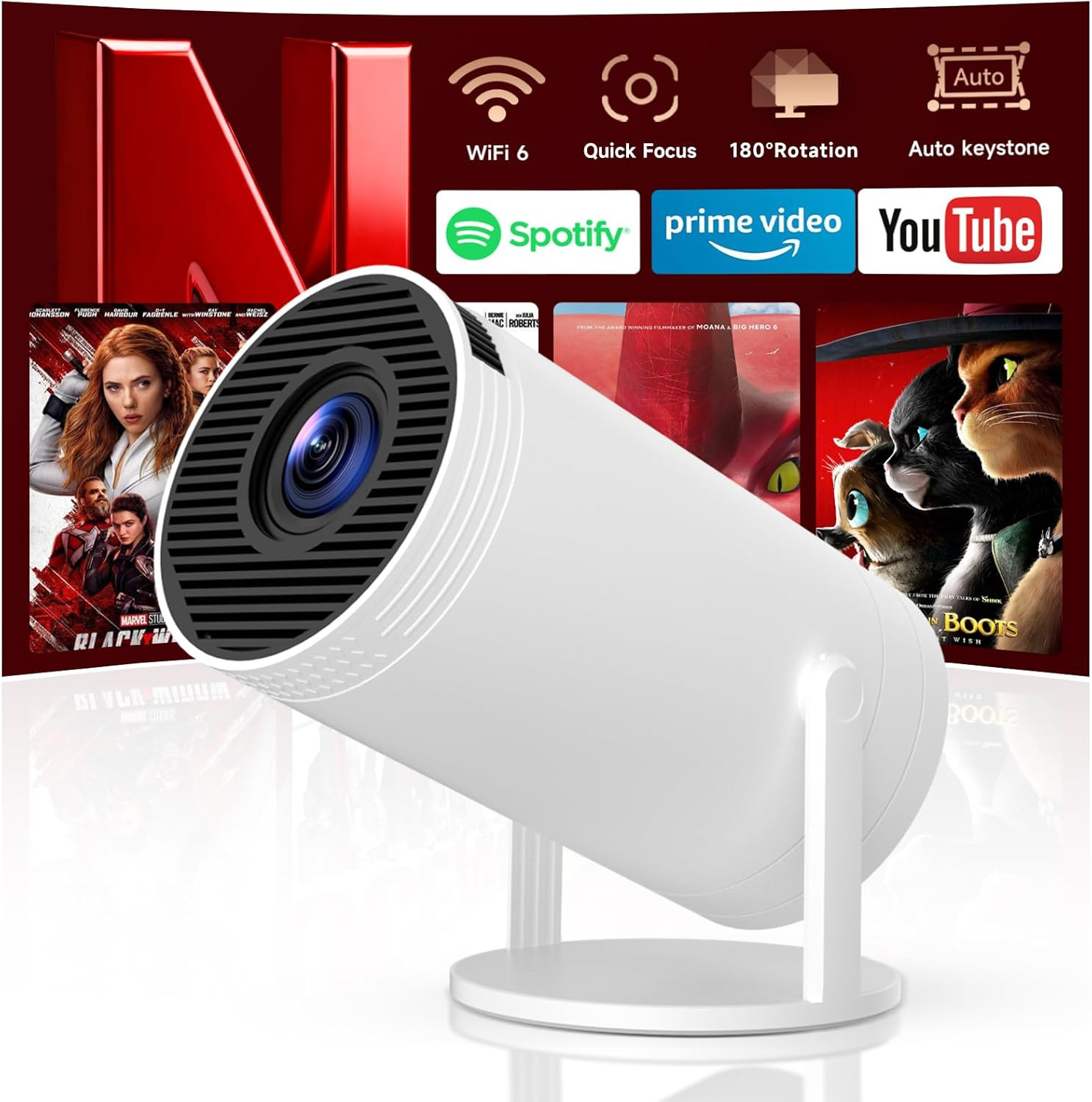 Mini Projector with WiFi 6 and Smart TV OS, Portable Projector 4K support, Home$60.79View on eBay
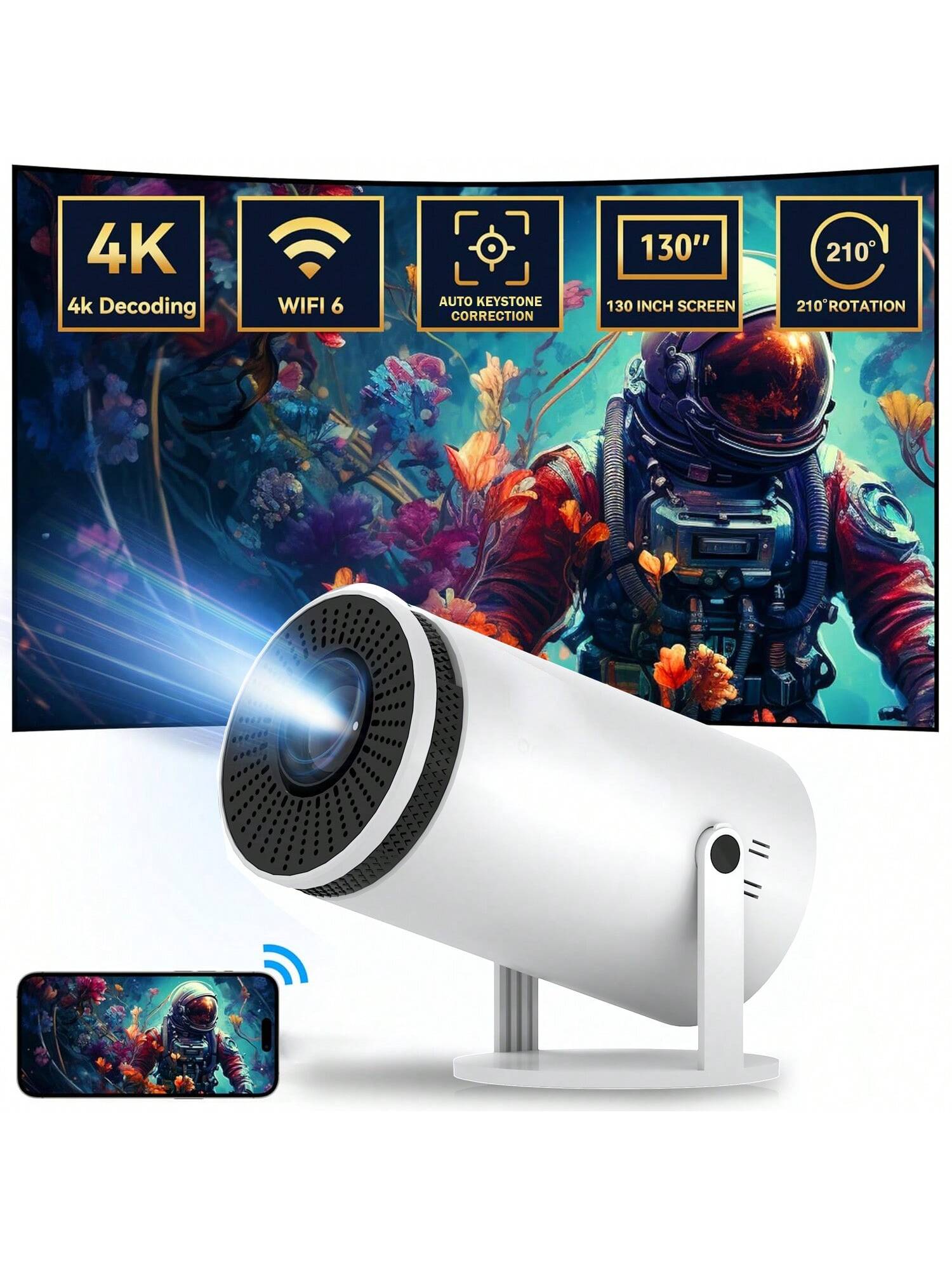 Smart Portable Theater Projector With Trapezoidal Image Correction, Wifi 6 Support, Android 12 And Multiple Ports, Mini Size For Phone And Laptop$88.99View on Mallflare
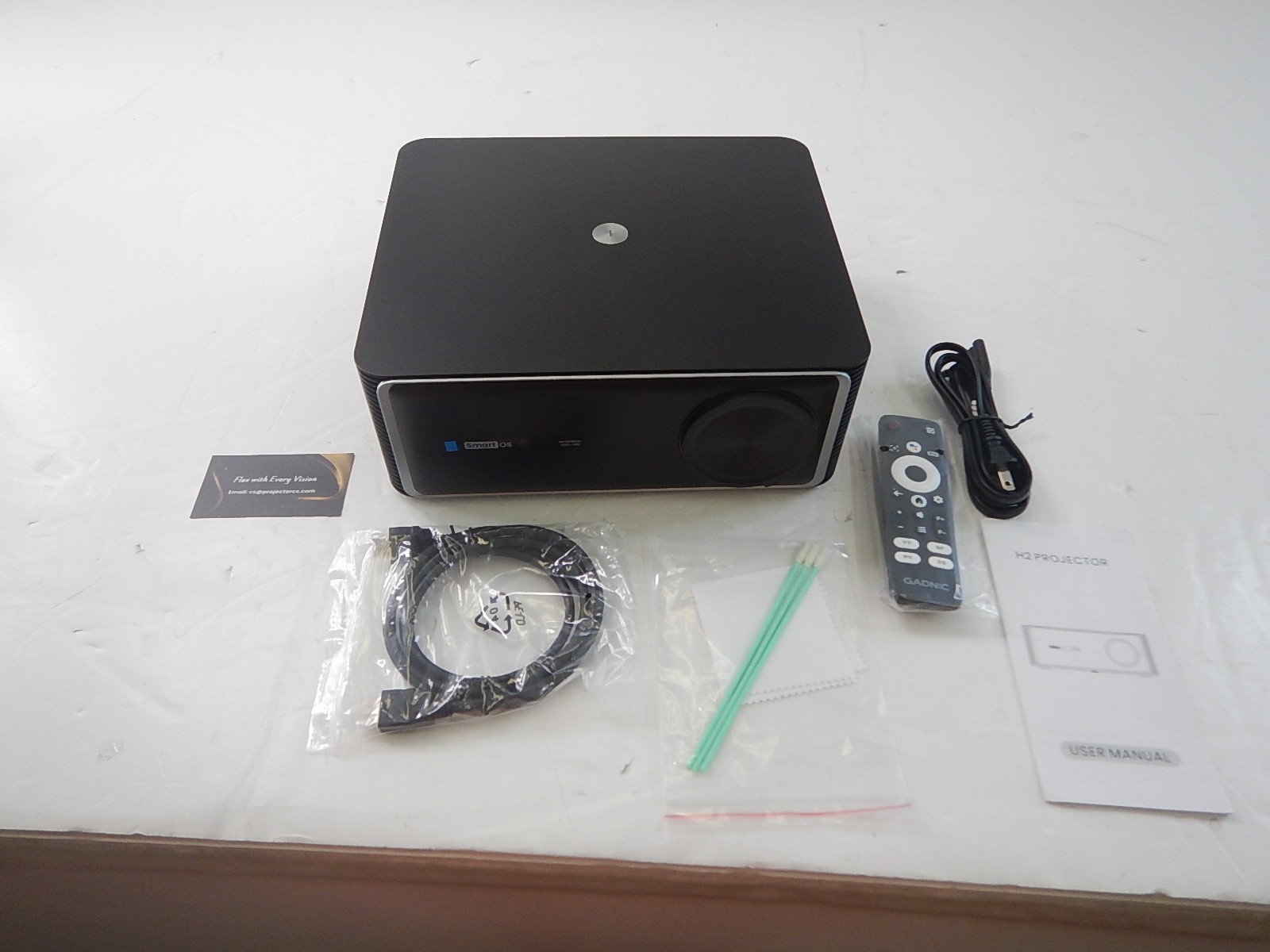 Boldever E22 3000 ANSI Google TV Smart Projector w/ WiFi - TESTED/NEW$126.02View on eBay
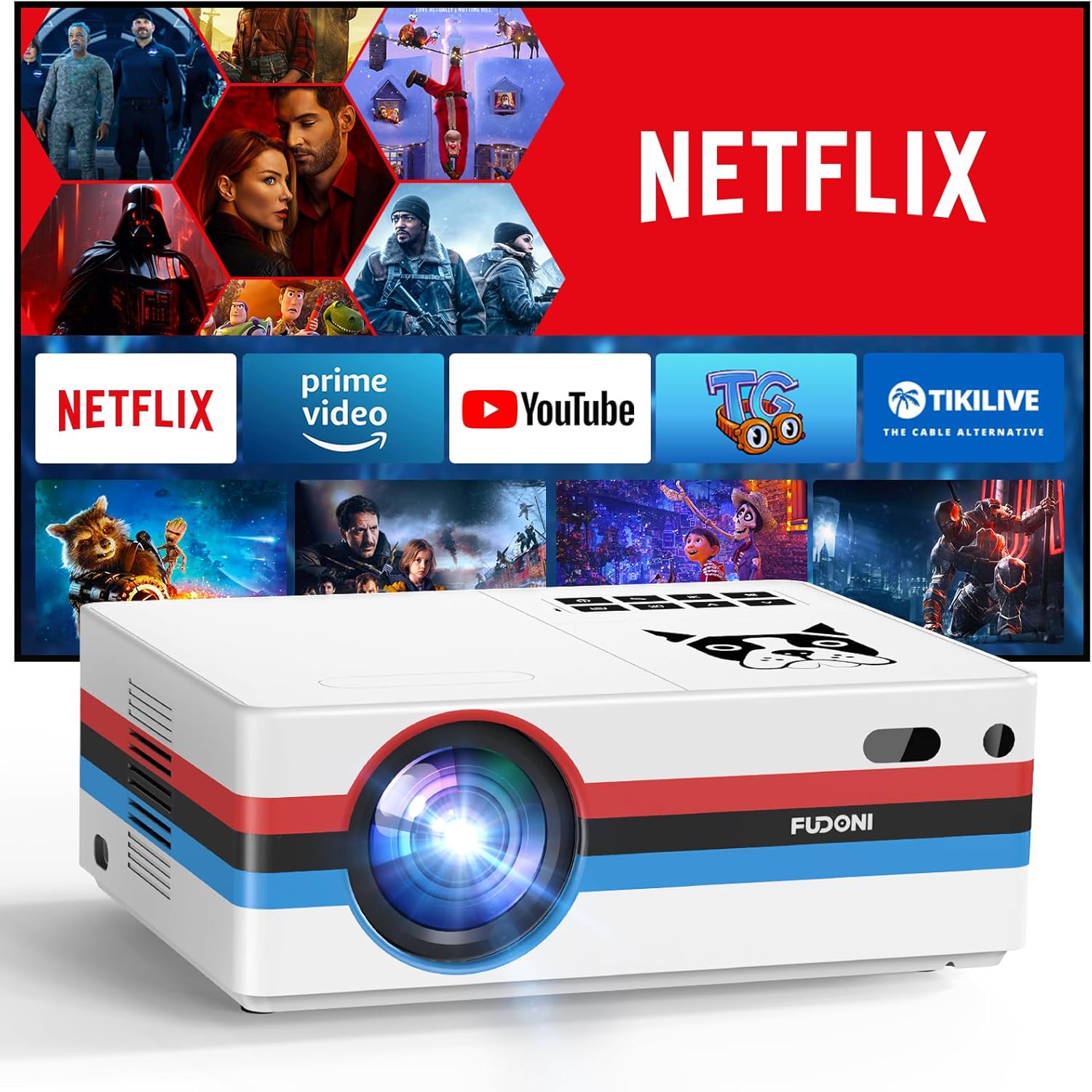 FUDONI Smart Projector with WiFi and Bluetooth, Native 1080P 4K Decoding for Home Cinema, Outdoor Movie Apps, Built-in Netflix/YouTube/Prime Video$197.99View on Mallflare
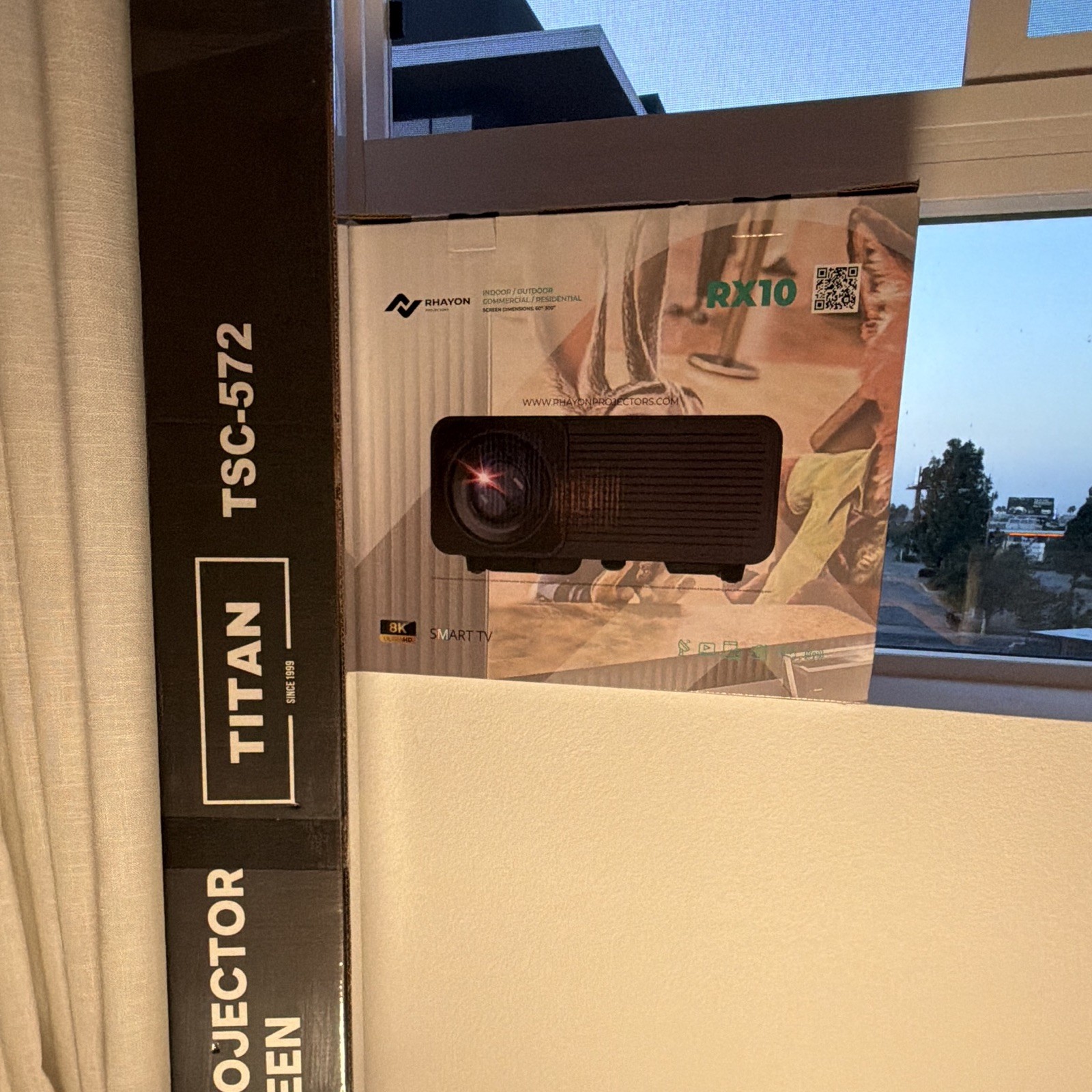 Rhayon RX10 8K Smart Laser Projector + Titan TSC-572 Screen MSRP $8,750 NEW$399.99Last checked Nov 18, 2026View on eBay
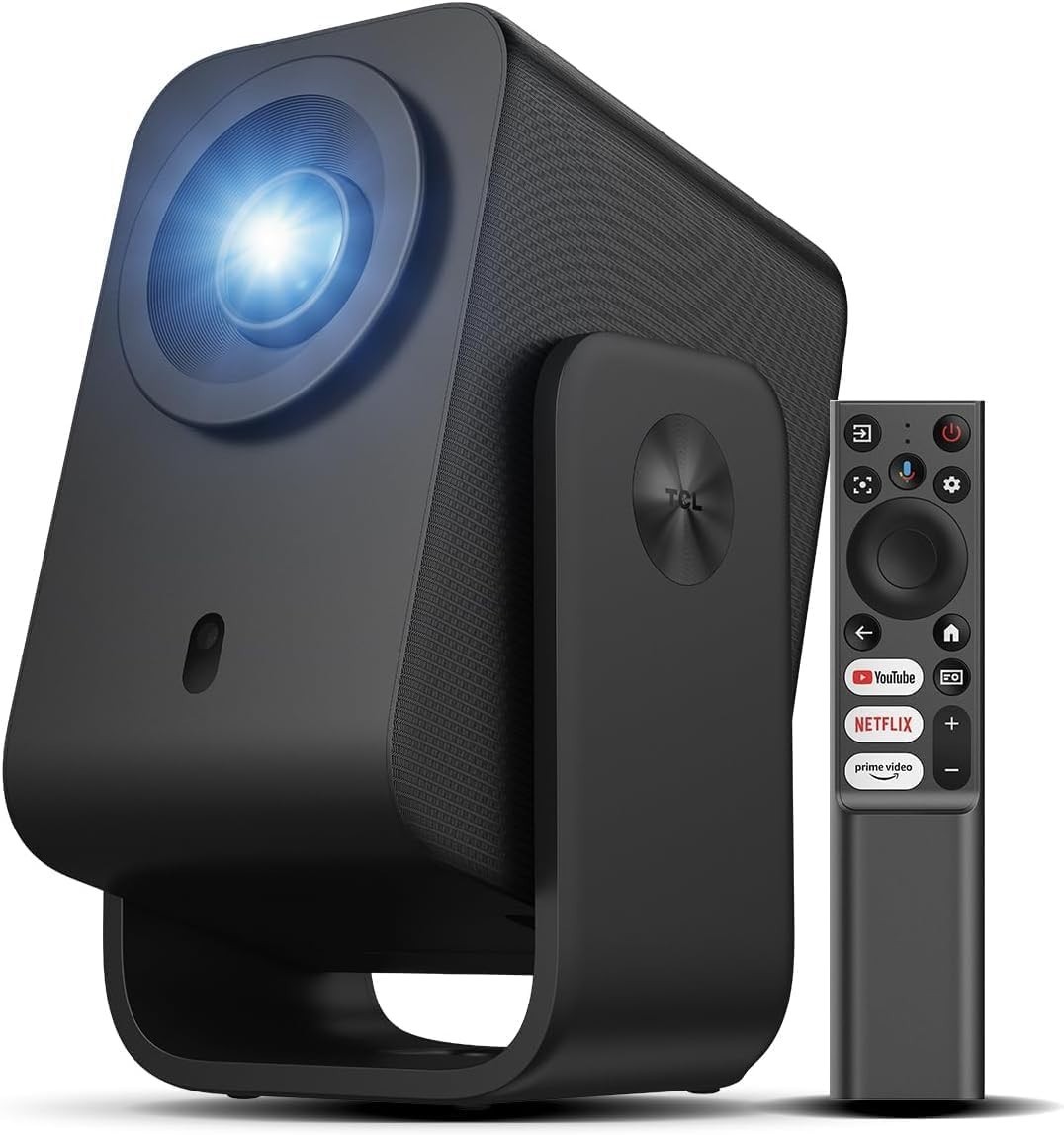 C1 Smart Projector 4K Support, Compatible with Google TV, WiFi and Bluetooth,...$416.09Last checked Nov 18, 2026View on eBay
Highlights
- Light engine dictates image quality: single-LCD panels are cheapest but soft with poor contrast; DLP with an RGBB or RGB laser light source delivers sharper focus and 20,000+ hour lifespan.
- Native resolution beats 'support': true 1080p (1920x1080) DLP or LCD chips render detail; 720p/480p chips that accept 4K input only downscale, so text looks soft.
- Smart OS tier separates ease of use: licensed Google TV/Android TV includes certified Netflix/Prime apps; AOSP or 'Android 12' boxes often lack Netflix HD and need sideloading.
- Keystone correction type matters: auto 4-point/4D keystone plus autofocus keeps a moving or angled setup sharp; manual vertical keystone alone forces square placement.
Best use cases
- Best for dark bedrooms and ceiling-projected movie nights: pick a 300–500 ANSI lumen, native 1080p DLP model with auto keystone and built-in Google TV—skip battery-powered 100-lumen toys.
- Best for outdoor movie nights in near-dark: choose 500+ ANSI lumens, a sealed optical engine, and HDMI ARC plus Bluetooth audio out; skip 200-lumen units that wash out on a 100-inch screen.
- Wrong fit for daylight living rooms or sports: a mini projector under 1000 ANSI lumens cannot compete with ambient light—choose a 2000+ lumen home theater projector or a bright TV instead.
- Best for travel and kids' rooms: prioritize a built-in battery, auto vertical keystone, and a 0.5–1.0 kg body; skip laser models with external power bricks if portability is the goal.
Buying tips
- Use ANSI lumens as the only cross-brand brightness metric: 200–400 ANSI suits dark rooms, 500–800 ANSI handles dim rooms, and 1000+ ANSI is needed for any daylight viewing.
- Match throw ratio to your room: a 1.2:1 ratio gives a 100-inch image from about 2.6 m; short-throw 0.5:1 needs only ~1.1 m, but most mini projectors are standard throw—measure before buying.
- Check the native chip, not the input spec: a '4K support' label on a 0.23-inch 720p DMD means downscaling; insist on native 1080p (0.33-inch DMD or larger) for crisp 100-inch images.
- Confirm the streaming tier: Google TV/Android TV licensed models run Netflix, Disney+, and Prime natively; generic Android boxes may cap Netflix at 480p and lack Widevine L1 for HD.
Specs
| Brightness Metric | ANSI lumens (200–1000+ typical) |
|---|---|
| Native Resolution | 1080p DLP/LCD vs 720p/480p |
| Smart OS Tier | Google TV/Android TV vs AOSP |
| Light Source Life | LED 20,000–30,000 hr / Laser 20,000+ hr |
Related searches
What to check before buying
- Measure your projection wall and seating distance, then confirm the throw ratio delivers your target screen size without digital zoom cropping.
- Verify room light control: any window or lamp near the screen demands 800+ ANSI lumens; otherwise plan a dark-room setup or blackout blinds.
- Confirm power and ports: most mini projectors need a 19V DC brick (not USB-C PD), plus HDMI for consoles and 3.5 mm or Bluetooth for external speakers.
- Check mounting and keystone limits: ceiling or shelf placement needs 360° or at least 4-point keystone plus autofocus; tabletop use tolerates auto vertical keystone.
FAQ
Data sources: eBay / Amazon listings and product attribute feeds. Updated Nov 27, 2026.
Some links on this page are affiliate links. If you buy after clicking one, we may earn a commission at no extra cost to you. This does not change which products appear here or their order. Affiliate disclosure.