
Photos from current listings. Actual item, color, and included accessories may vary.
Portable Projector Screen With Stand Buying Guide
A portable projector screen with stand bundles a wrinkle-resistant fabric viewing surface with a freestanding frame or tripod, so you can set up cinema anywhere in minutes. The core trade-off is between lightweight foldable-frame designs that pack small and rigid tripod or frame stands that resist wind and sag but weigh more. Choose a foldable-frame kit for packed-car portability and occasional indoor use, or a tripod/frame stand with weighted feet for regular outdoor viewing.
Median $74.99
Key takeaways
- Fabric surfaces are either matte white front-projection or grey rear-projection; grey boosts contrast in ambient light but dims brightness, matte white maximizes gain for dark rooms.
- Stand architecture splits into folding A-frame legs with crossbars (packs flat, lighter) and tripod pole stands with a top crossbar (taller, more stable, slower to assemble).
- Screen sizes follow 16:9 diagonal math: 100-inch ≈ 87×49 in, 120-inch ≈ 105×59 in, 150-inch ≈ 131×74 in; confirm wall or yard width before sizing up.
At a glance
- Category
- Projectors & Screens
- Last updated
- Nov 27, 2026
Current offers
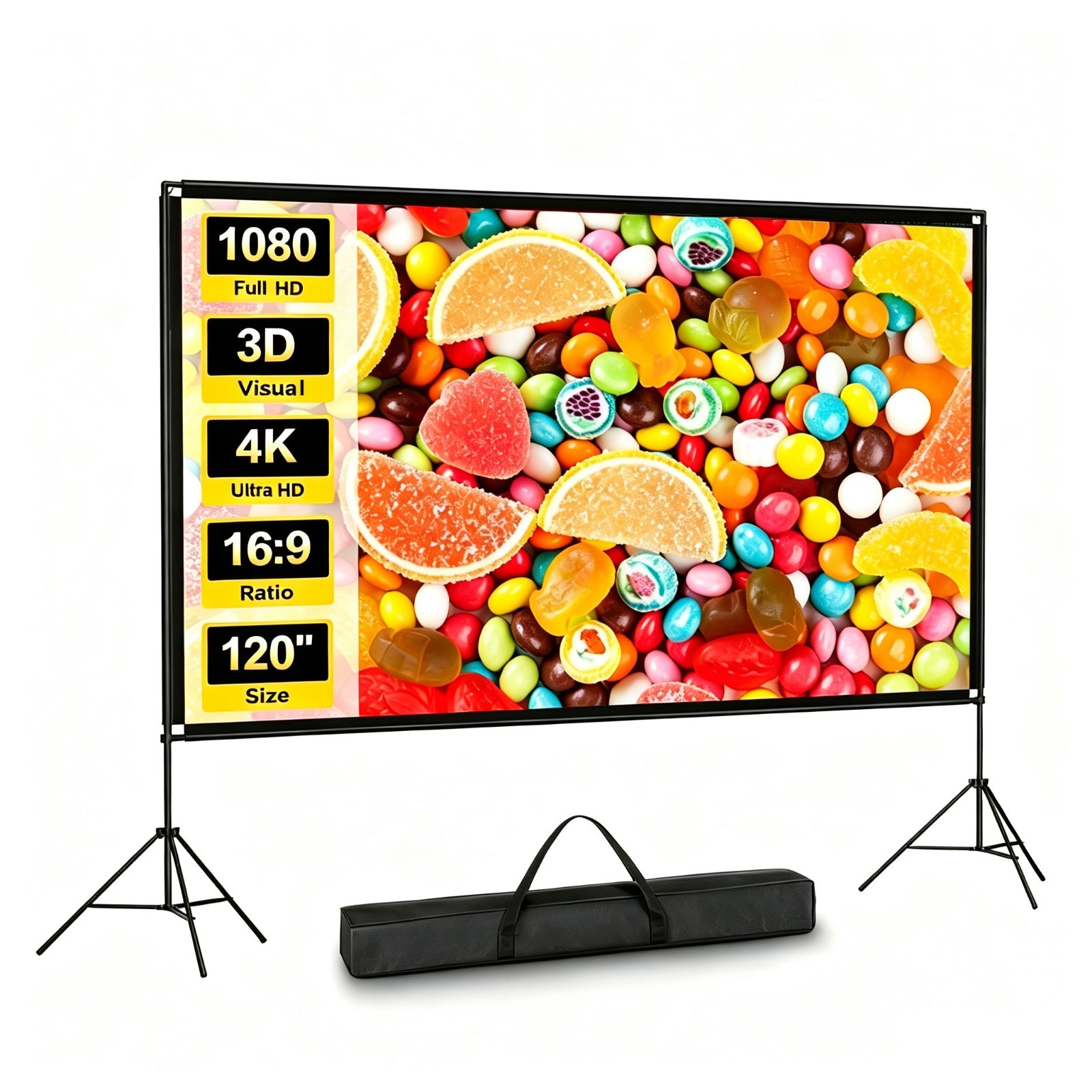 120 inch Outdoor Projector Screen with Stand Foldable Projector Screen 16:9 HD$59.99View on eBay
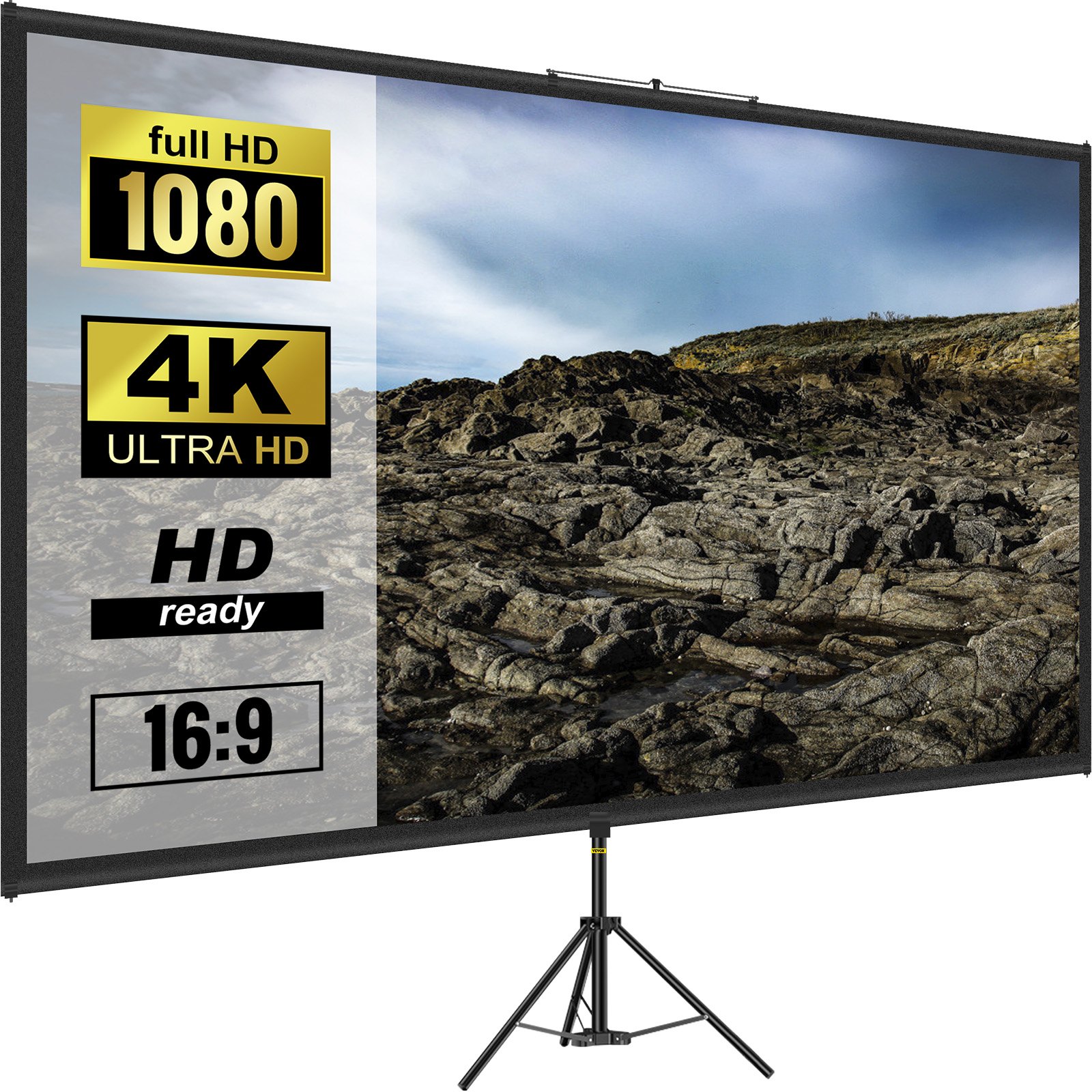 Tripod Projector Screen With Stand 60 Inch 16:9 4K HD Projection Wrinkle-Free Height Adjustable Portable For Indoor & Outdoor For Movie, Home Cinema, Gaming, Office$36.99View on Mallflare
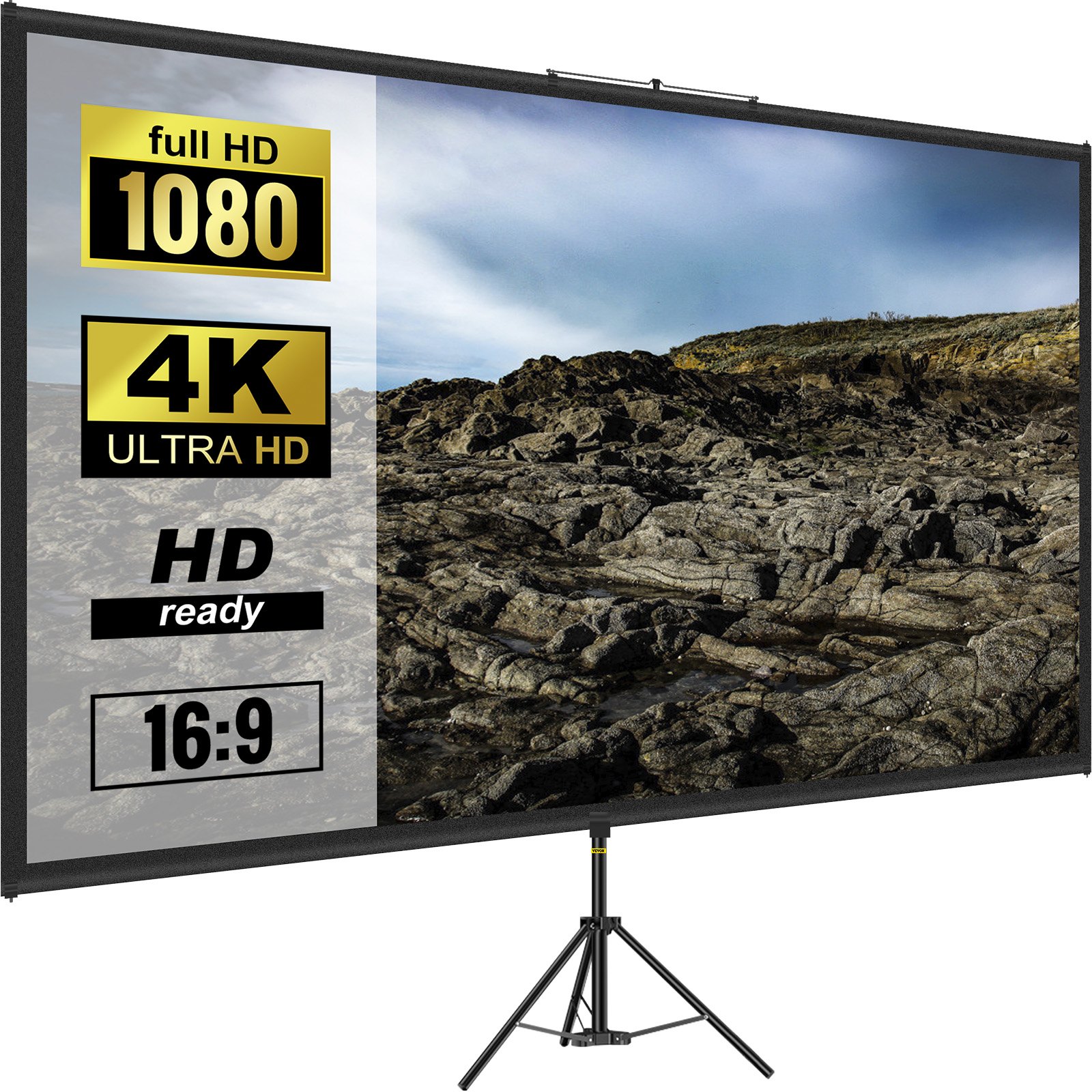 Tripod Projector Screen With Stand 110inch 16:9 4K HD Projection Wrinkle-Free Height Adjustable Portable For Indoor & Outdoor For Movie, Home Cinema, Gaming, Office$48.99View on Mallflare
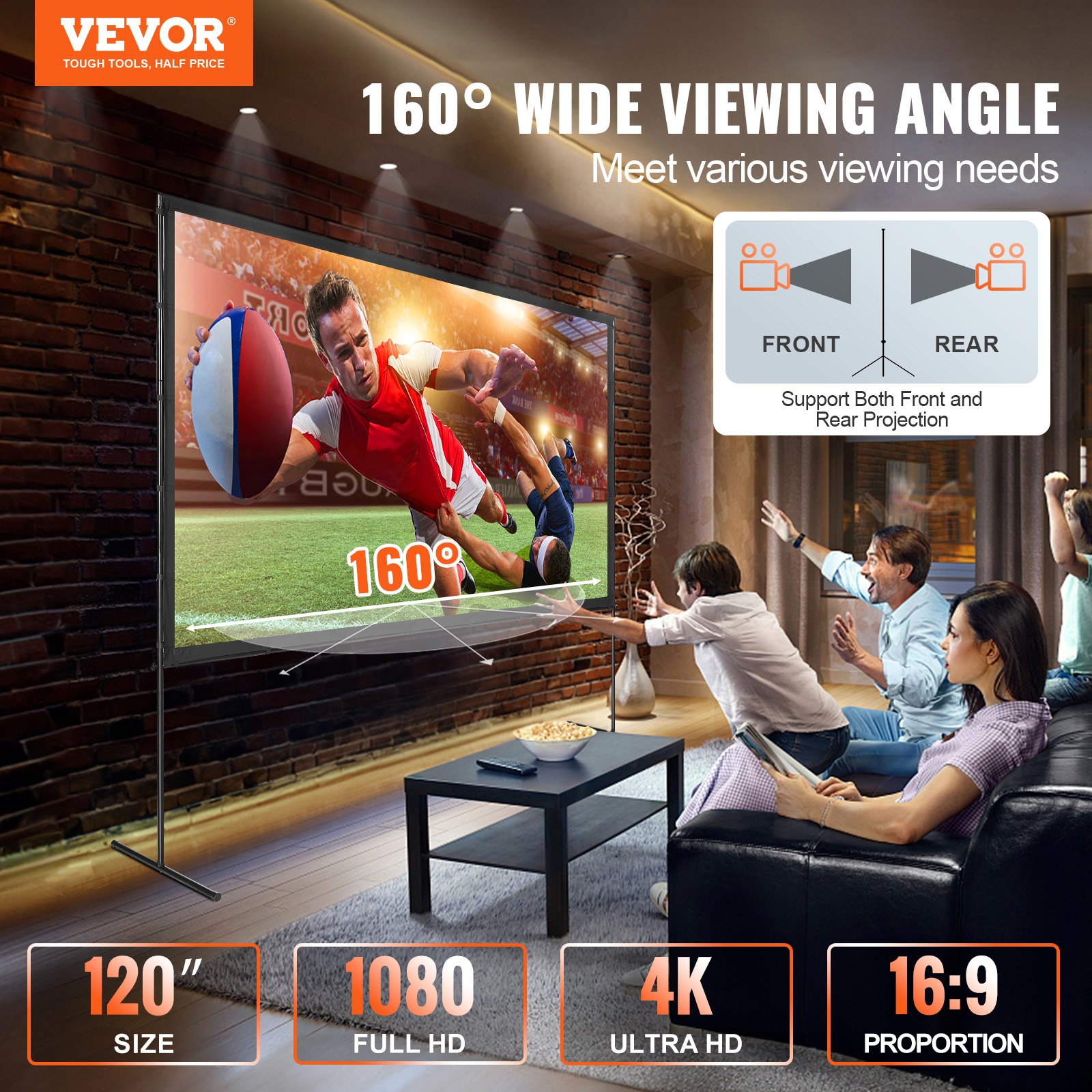 VEVOR Projector Screen With Stand, 120 Inch 4K 1080 HD Outdoor Movie Wrinkle-Free Projection Bar Feet And Carry Bag, For Home Theater Cinema Backyard Night$67.99View on Mallflare
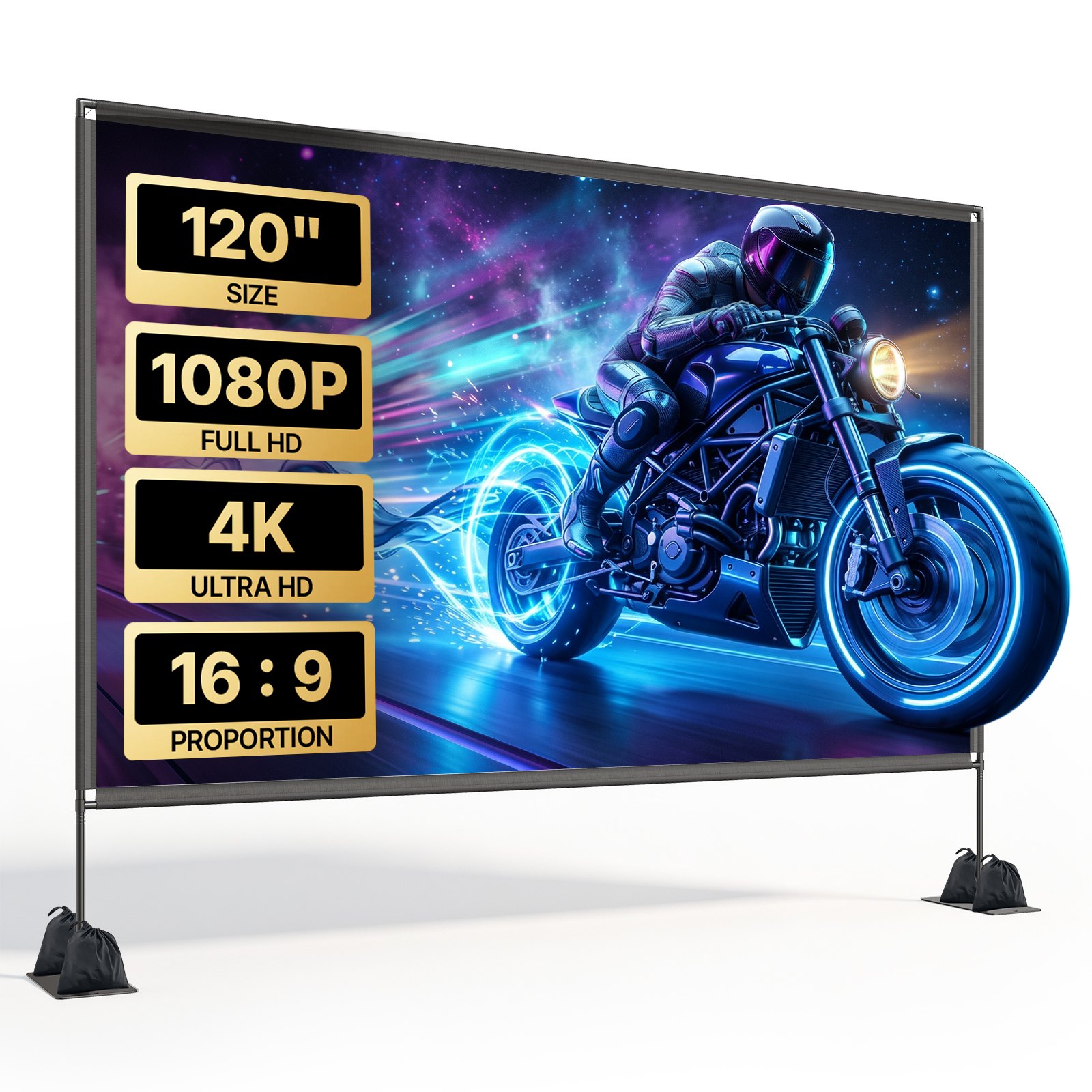 Projector Screen with Stands, 120 Inch 16:9 4K 1080P HD Movie 170° Wide Viewing, Front/Rear Projection Ground Stakes, Sandbags & Guy Ropes for Home Theater & Backyard Movies$67.99View on Mallflare
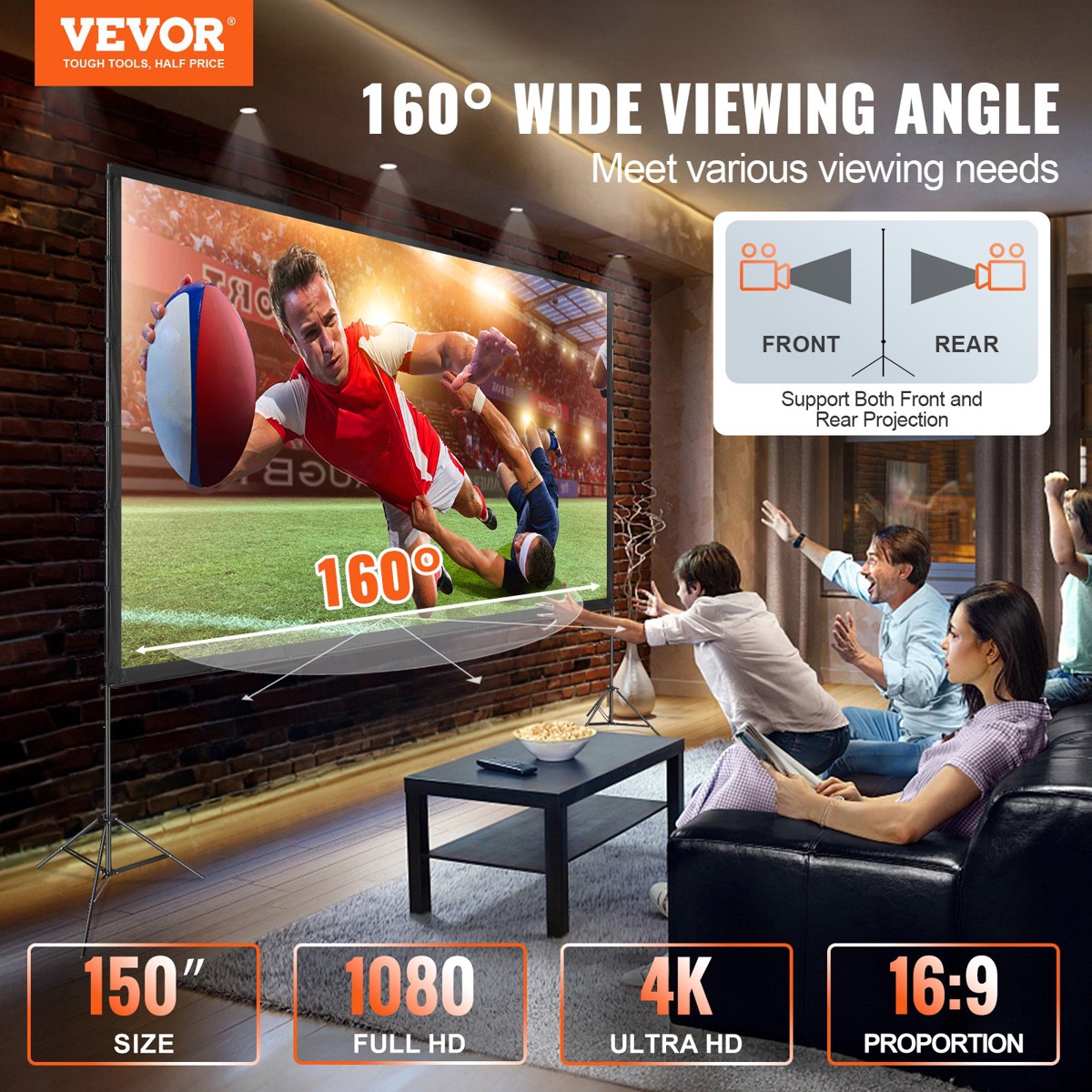 Projector Screen With Stand, 150 Inch 16 9 4K 1080 HD Outdoor Movie Wrinkle-Free Projection Tripods And Carry Bag, For Home Theater Cinema Backyard Night$70.99View on Mallflare
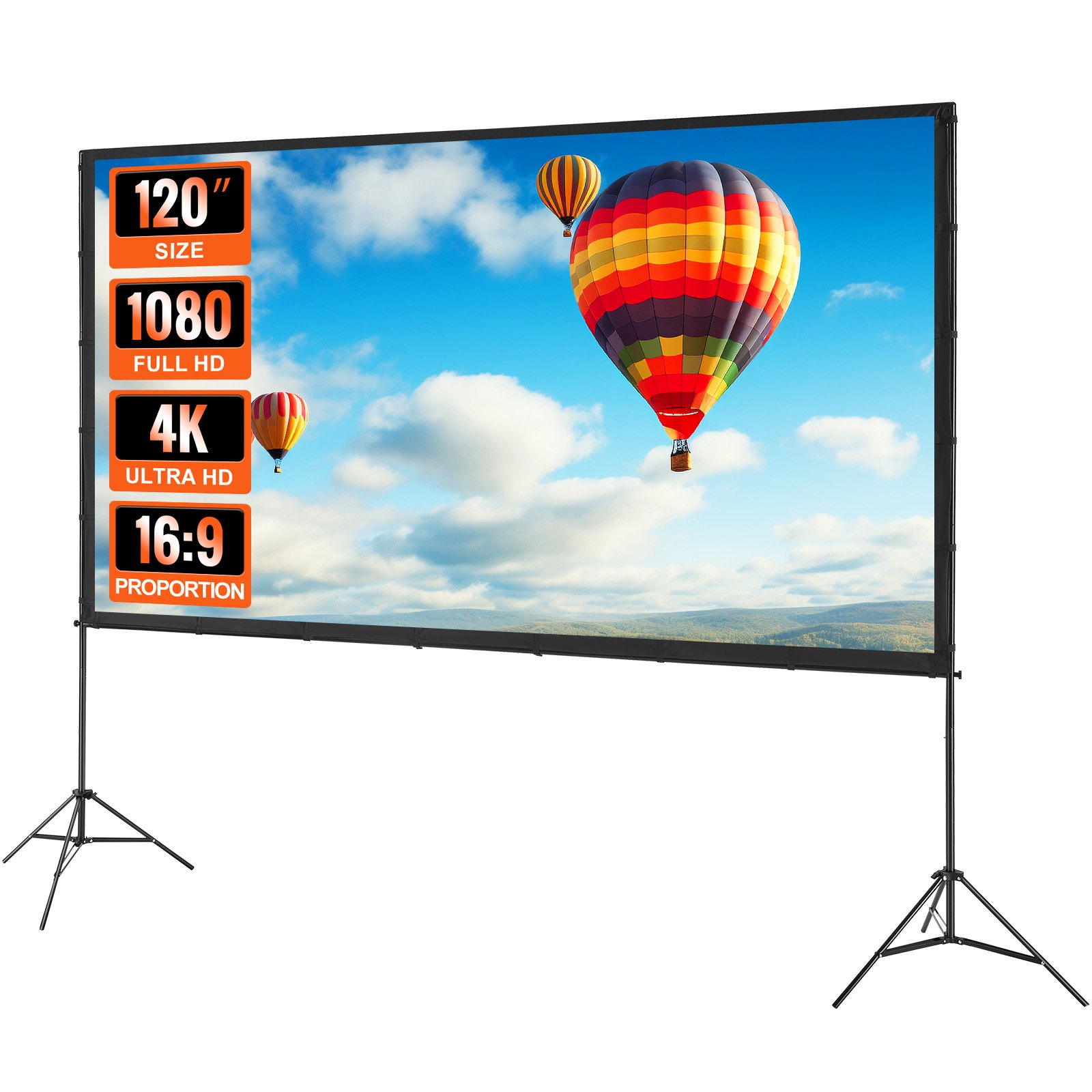 Projector Screen With Stand, 120 Inch 16:9 4K 1080 HD Outdoor Movie Wrinkle-Free Projection Tripods And Carry Bag, For Home Theater Cinema Backyard Night$74.99View on Mallflare
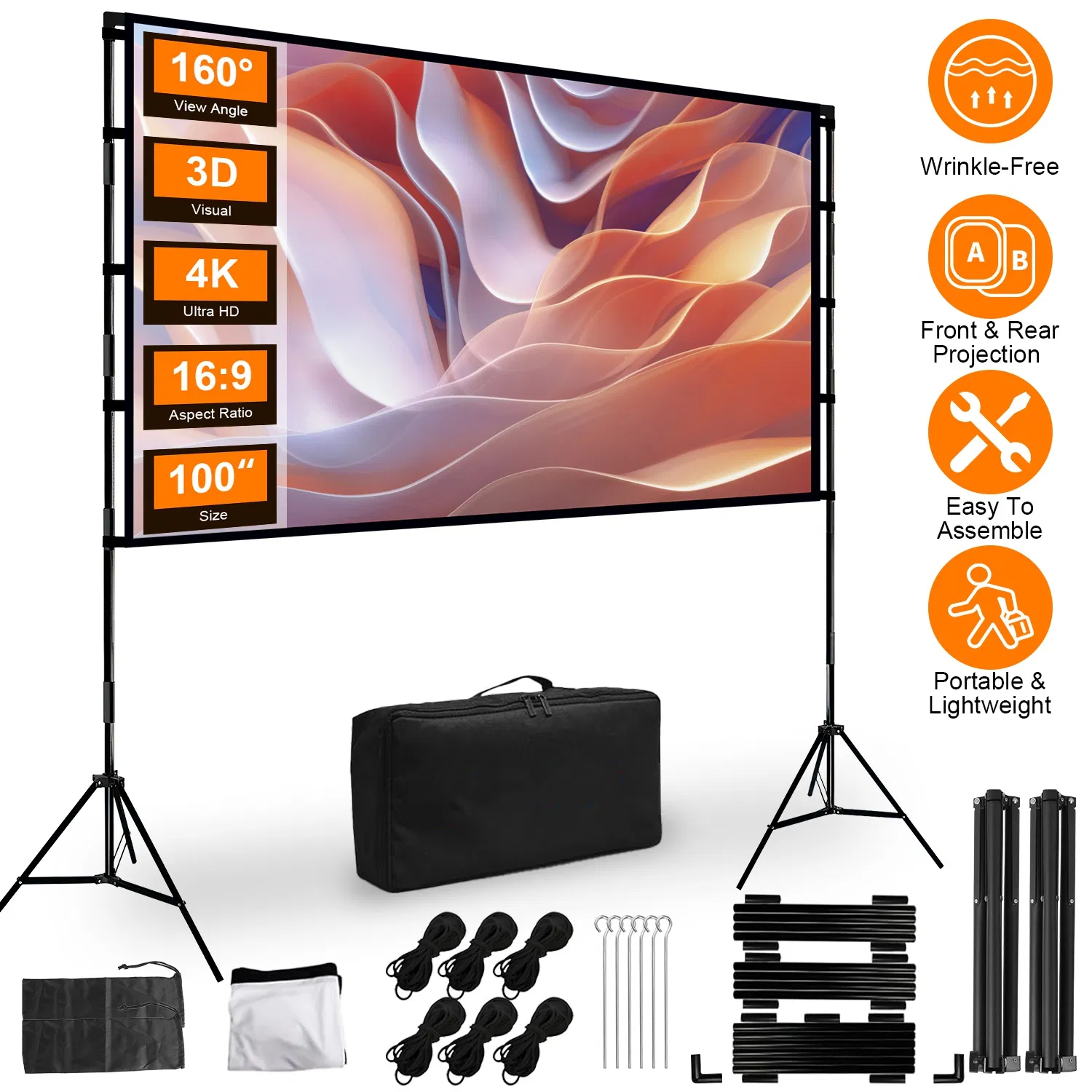 100inch 120inch Options Projector Screen With Stand 4K HD Rear Front Wrinkle-Free Portable And Foldable Movie Carry Bag For Indoor Outdoor Home Theater Backyard Cinema$87.99View on Mallflare
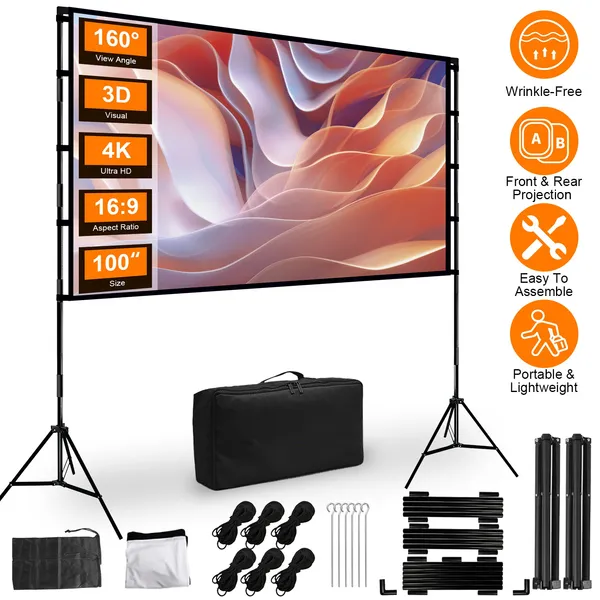 100inch/120inch Options Projector Screen With Stand 16:9 4K HD Rear Front Wrinkle-Free Portable And Foldable Movie Carry Bag For Indoor Outdoor Home Theater Backyard Cinema$87.99View on Mallflare
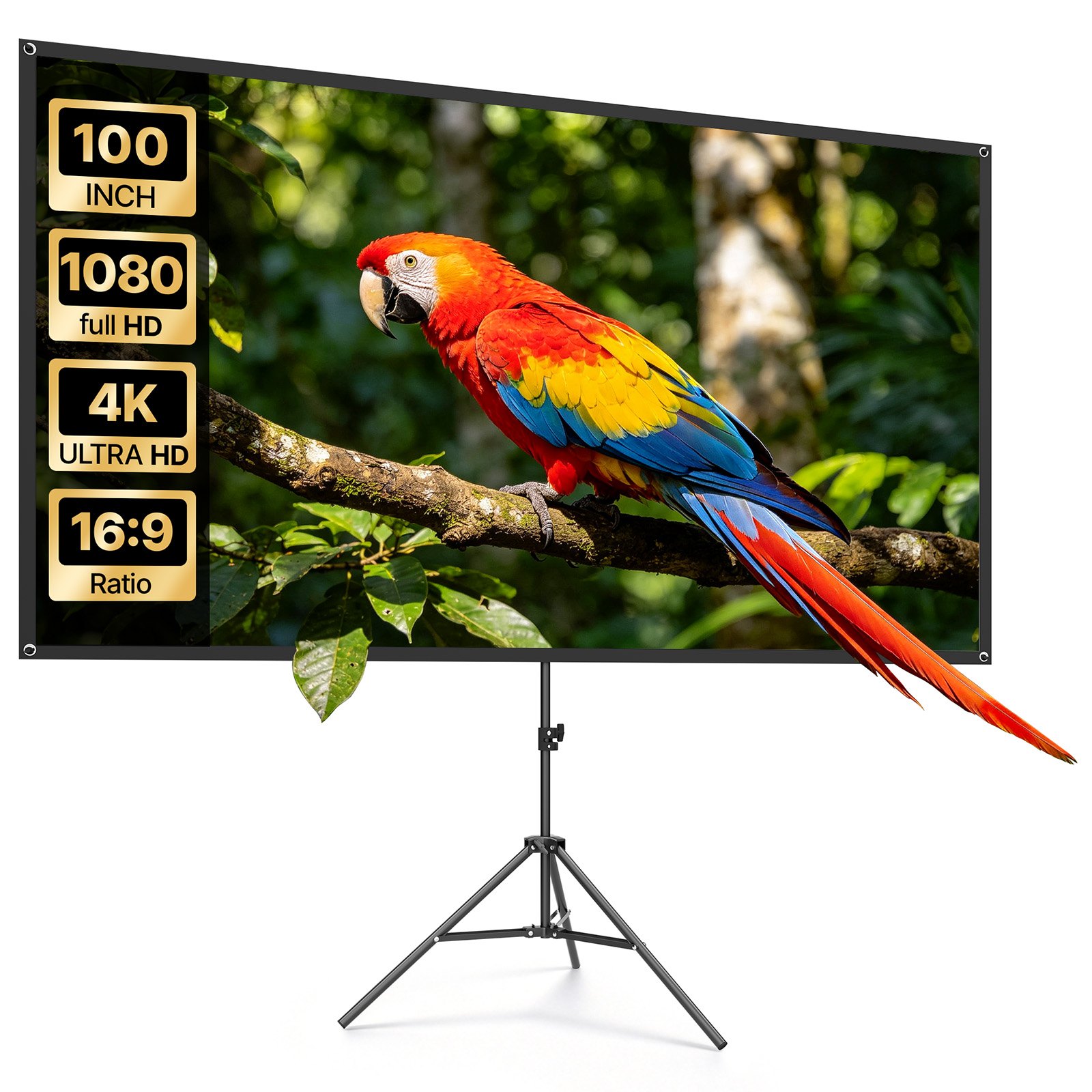 Projector Screen with Stand, 100 Inch 16:9 4K 1080P HD Movie 170° Wide Viewing, Wrinkle-Free Projection Stable Tripod & Portable Bag for Home Theater, Immersive Nights$91.99View on Mallflare
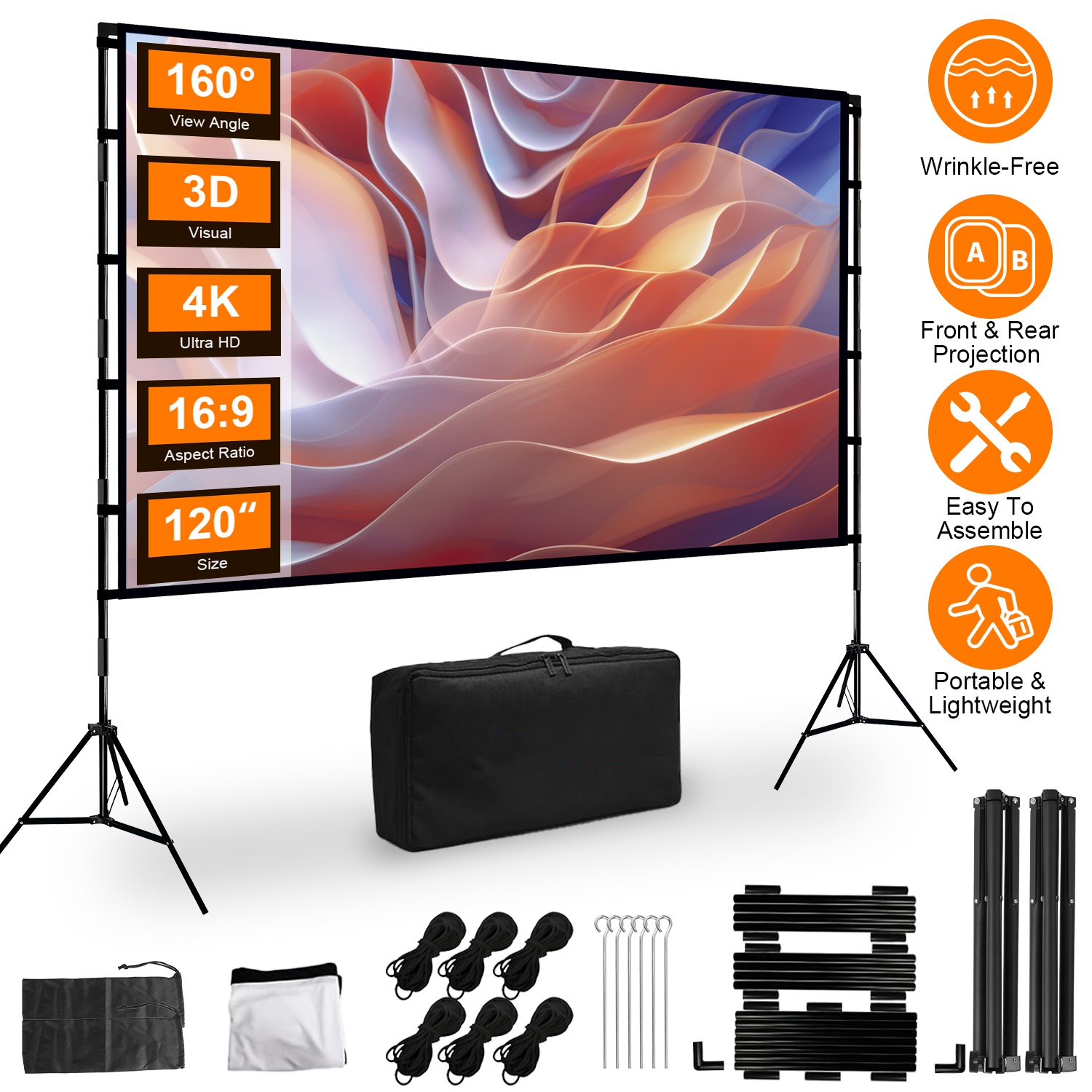 1Pc 120inch Or 100inch Projector Screen With Stand 16 9 4K HD Rear Front Wrinkle Free Portable And Foldable Movie Carry Bag For Indoor Outdoor Home Theater Backyard Cinema$97.99View on Mallflare
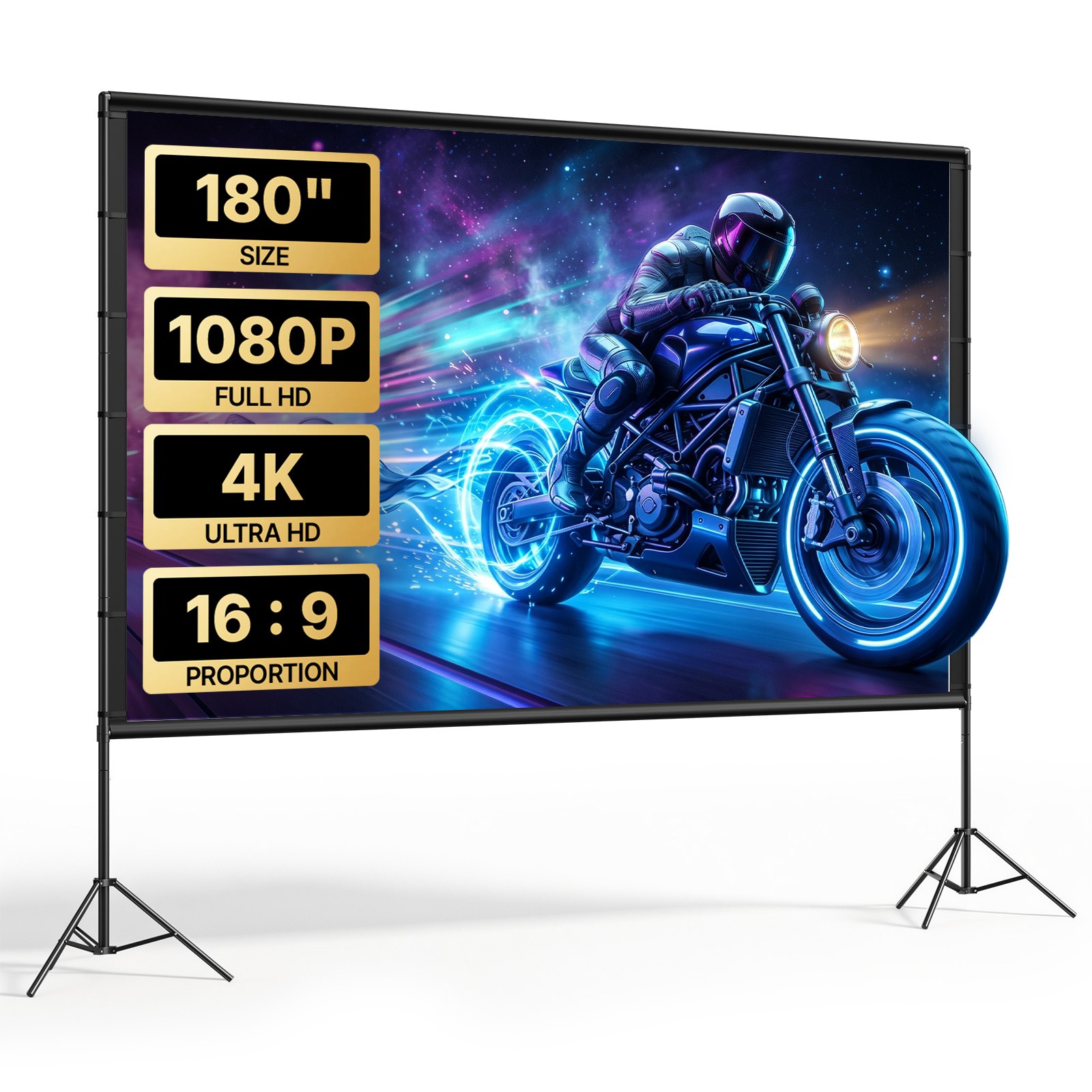 Projector Screen with Stands, 180 Inch 16:9 4K 1080P HD Movie 170° Wide Viewing, Front/Rear Projection Dual Tripod, Ground Stakes & Guy Ropes for Indoor Outdoor Nights$98.99View on Mallflare
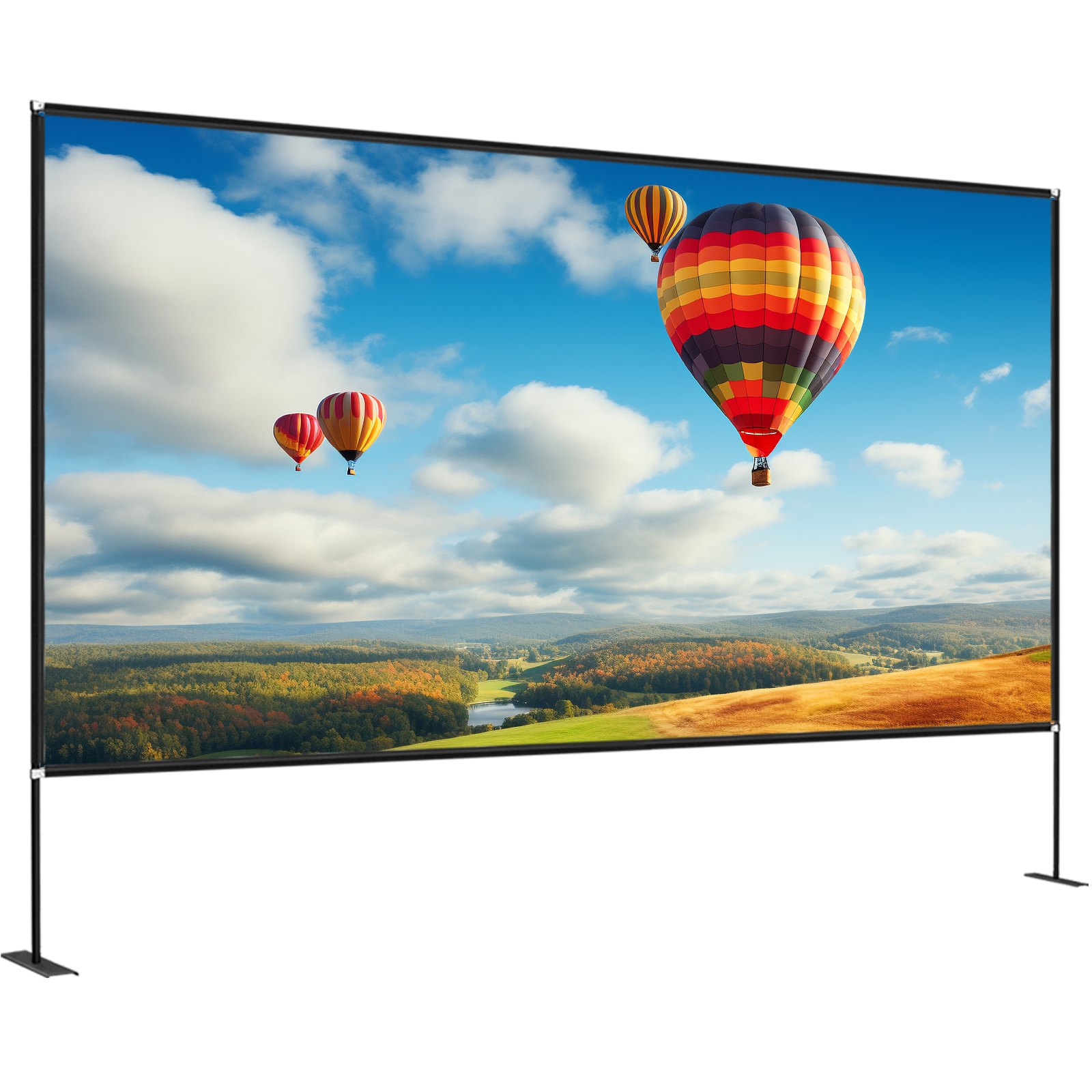 Projector Screen With Stand 150inch Portable Movie 16:9 4K HD Wide Angle Outdoor Easy Assembly Storage Bag For Home Theater Office Use$120.99View on Mallflare
Highlights
- Fabric surfaces are either matte white front-projection or grey rear-projection; grey boosts contrast in ambient light but dims brightness, matte white maximizes gain for dark rooms.
- Stand architecture splits into folding A-frame legs with crossbars (packs flat, lighter) and tripod pole stands with a top crossbar (taller, more stable, slower to assemble).
- Screen sizes follow 16:9 diagonal math: 100-inch ≈ 87×49 in, 120-inch ≈ 105×59 in, 150-inch ≈ 131×74 in; confirm wall or yard width before sizing up.
- Anti-crease fabric relies on tight roll or fold memory plus tensioned edges; weighted base feet or guy lines are what keep the frame upright in outdoor breeze.
Best use cases
- Backyard movie nights: pick a 120-inch tripod or A-frame kit with weighted feet and a carry bag; skip ultralight 60-inch tripods that tip in wind.
- Indoor home theater on a budget: a 100-inch foldable frame with matte white fabric gives the best brightness-to-price ratio; skip rear-projection grey fabric unless the projector sits behind the screen.
- Business presentations and portable setups: choose a 60-100-inch tripod screen with height adjustment for sightlines; skip 150-inch frames that need two people and a large room.
- Small apartments or dorms: a 60-80-inch tripod screen stores in a closet and sets up solo; skip 120-inch+ A-frames that need a full wall of clearance.
Buying tips
- Match screen diagonal to throw distance: most projectors need roughly 1.2-1.5× the screen width, so a 100-inch (87 in wide) screen needs about 8.7-10.9 ft of throw.
- For outdoor use, choose a stand with weighted sandbag feet or ground stakes and a frame with cross-bracing; plain tripod legs without weights tip in gusts above 10 mph.
- Pick matte white fabric for dark rooms and grey rear-projection fabric for ambient-light or behind-screen setups; fabric gain and color directly change perceived brightness.
- Check the packed length against your vehicle: 100-120-inch A-frame kits typically pack to 35-45 in, while 150-inch frames often exceed 50 in and need a truck or large SUV.
Specs
| Screen Diagonal | 60 / 100 / 120 / 150 in (16:9) |
|---|---|
| Stand Type | Folding A-frame vs tripod pole |
| Fabric Type | Matte white front / grey rear |
| Setup Weight | Light foldable vs weighted frame |
Related searches
What to check before buying
- Measure the intended wall or yard width and ceiling height: a 120-inch 16:9 screen is about 105 in wide and needs roughly 8 ft of vertical clearance with the stand.
- Confirm projector throw ratio and lens offset so the image fills the screen without keystone distortion at your mounting distance.
- For outdoor setups, check ground surface (grass, deck, patio) and wind exposure; plan sandbags or stakes for any frame without weighted feet.
- Verify the projector's output brightness: 2,000+ ANSI lumens suits a 100-inch screen in dim light, while 3,000+ lumens is needed for 120-150 inches or semi-lit rooms.
FAQ
Data sources: eBay / Amazon listings and product attribute feeds. Updated Nov 27, 2026.
Some links on this page are affiliate links. If you buy after clicking one, we may earn a commission at no extra cost to you. This does not change which products appear here or their order. Affiliate disclosure.