
Photos from current listings. Actual item, color, and included accessories may vary.
Portable Movie Projector Buying Guide
A portable movie projector setup pairs a compact projection source with a transportable screen—either a tripod-mounted fabric sheet or an inflatable frame—and the primary trade-off is between true luminance and resolution versus grab-and-go convenience. Durable options use matte-white PVC or thick polyester with wrinkle-resistance and a rigid stand, while compromises rely on thin creasable fabric and flimsy tripods that sag. Choose based on throw distance and ambient light, not marketing claims.
Median $122.03
Key takeaways
- Native 1080p (1920x1080) panels deliver sharp text and detail; 4K support is usually input-only and downscales to 1080p or lower on budget portables.
- Lumen output below 300 ANSI lumens is only viable in near-dark rooms; 500+ ANSI lumens allows dim-room viewing, but portable battery projectors rarely exceed 400 ANSI lumens.
- Screen material grade: matte-white PVC or thick polyester (≥180 GSM) resists creasing and hot-spotting; thin nylon or sheer fabric shows fold lines and ripples.
At a glance
- Category
- Projectors & Screens
- Last updated
- Nov 28, 2026
Current offers
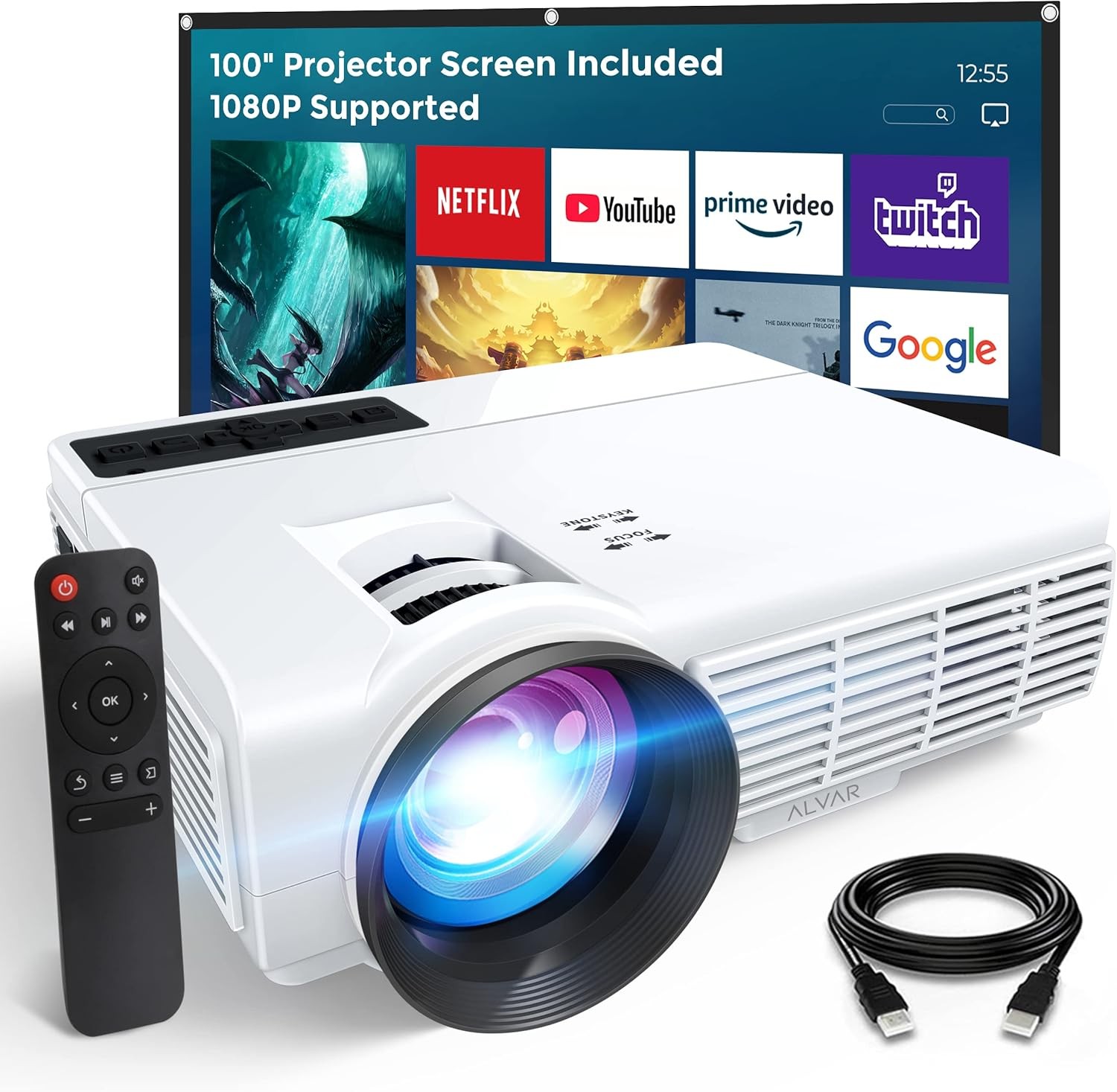 1080P HD Bluetooth Video Projector 8000Lumens Movie Home Theater w/ 100'' Screen$21.89View on eBay
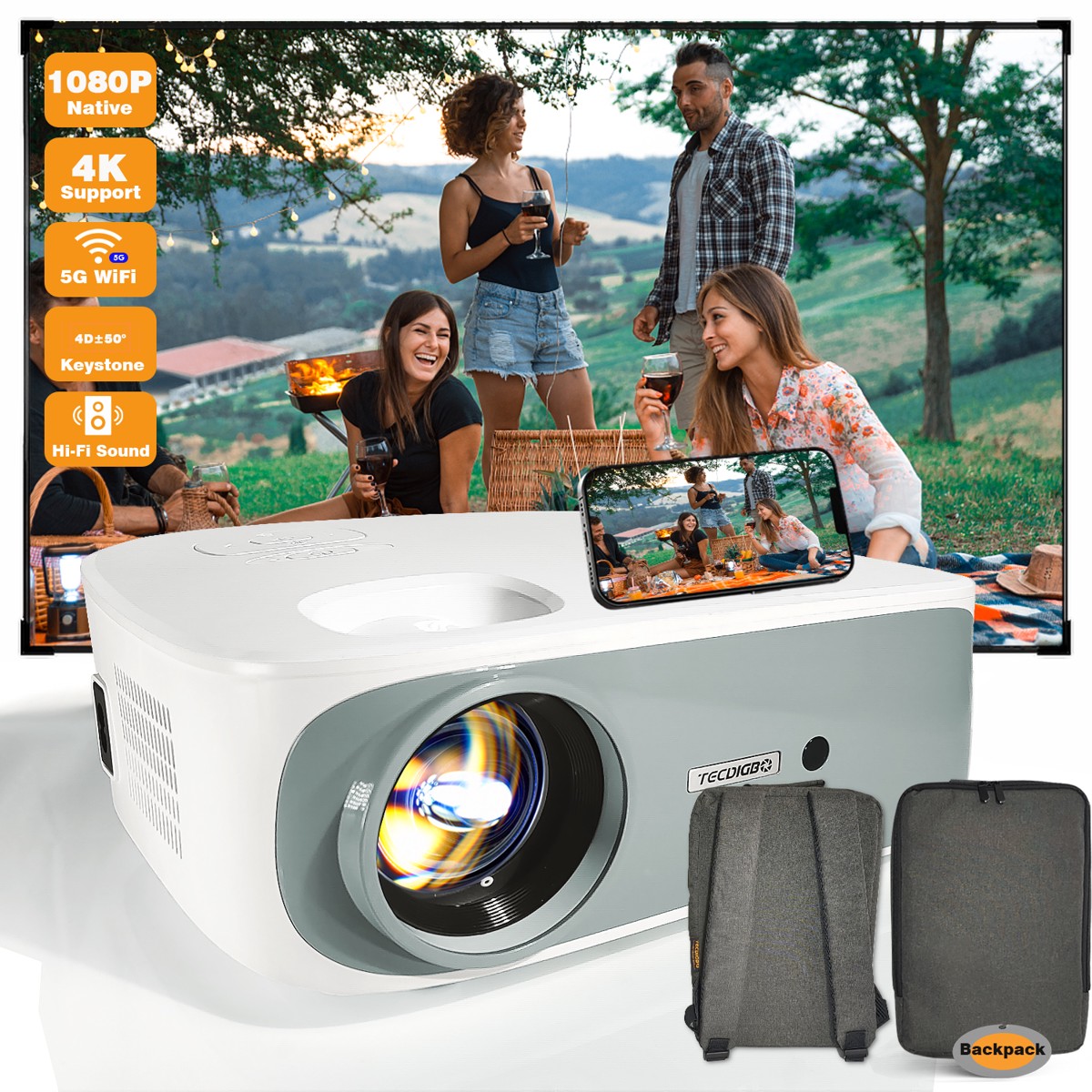 4K 5G Bluetooth Projector 4D Keystone Correction Native 1080P Full HD Outdoor Movie For Smart Phone Laptop PC DVD TV PS4$136.99View on Mallflare
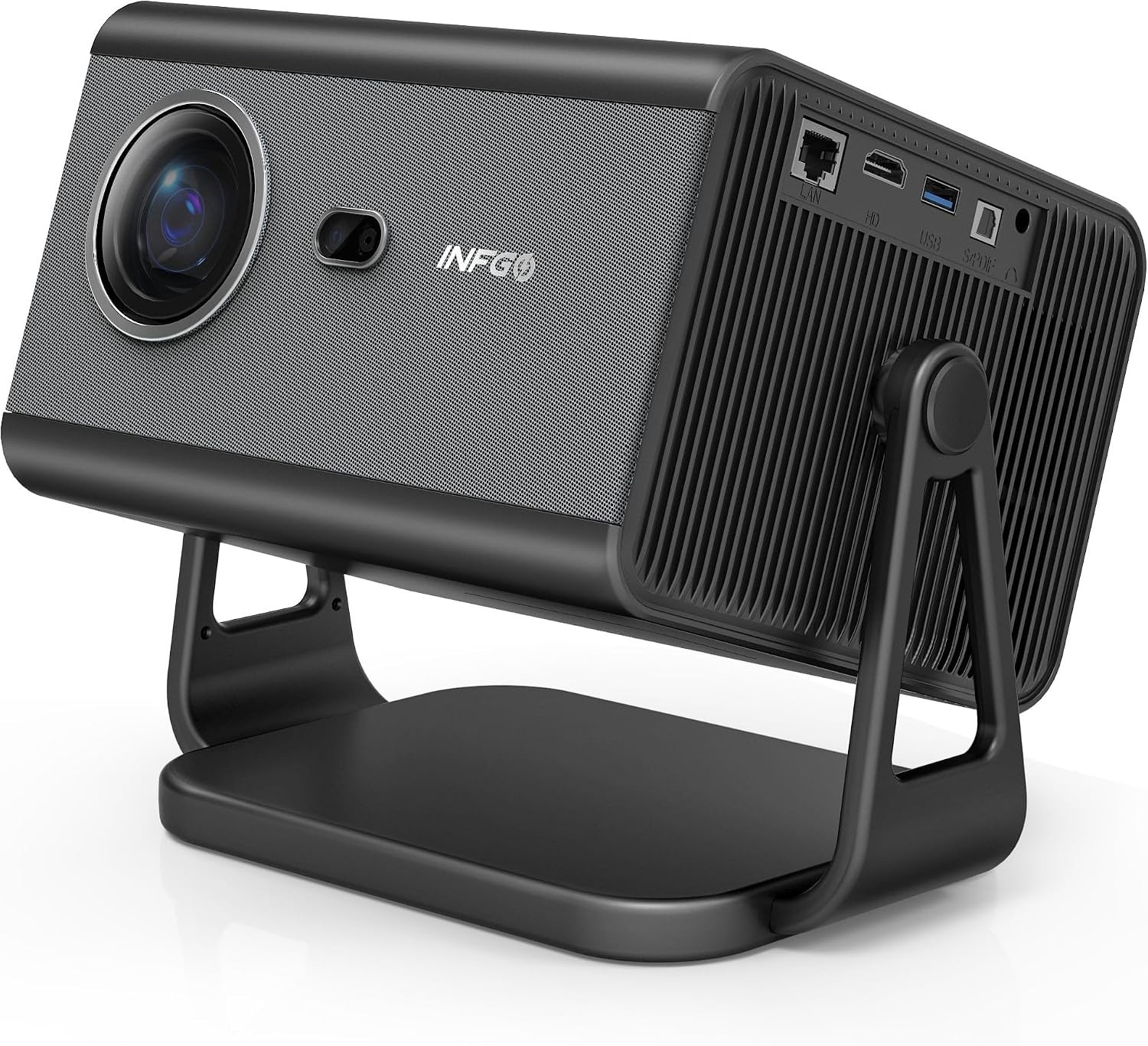 4K Projector with Wifi and Bluetooth 800ANSI, INFGO Movie Theater Projector with$29.99View on eBay
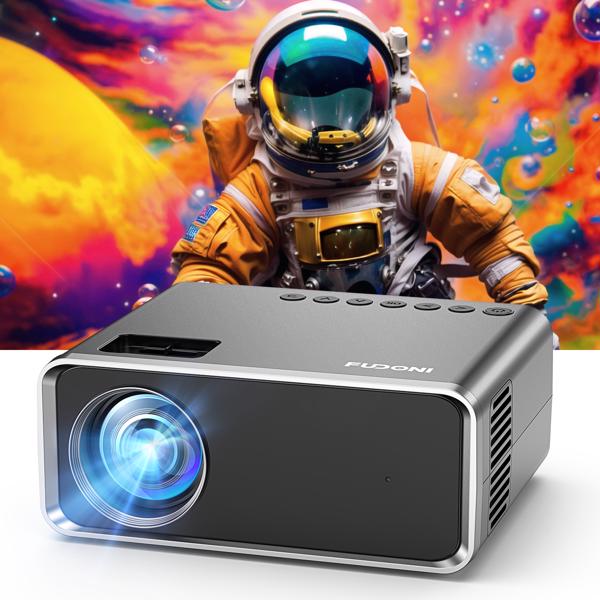 Projector With WiFi & Bluetooth, Upgraded 5G Portable Support 4K, Native 1080P, 12000 Lumens, Outdoor LED Movie Projector,Selling On The Amazon Platform Is Prohibited$152.99View on Mallflare
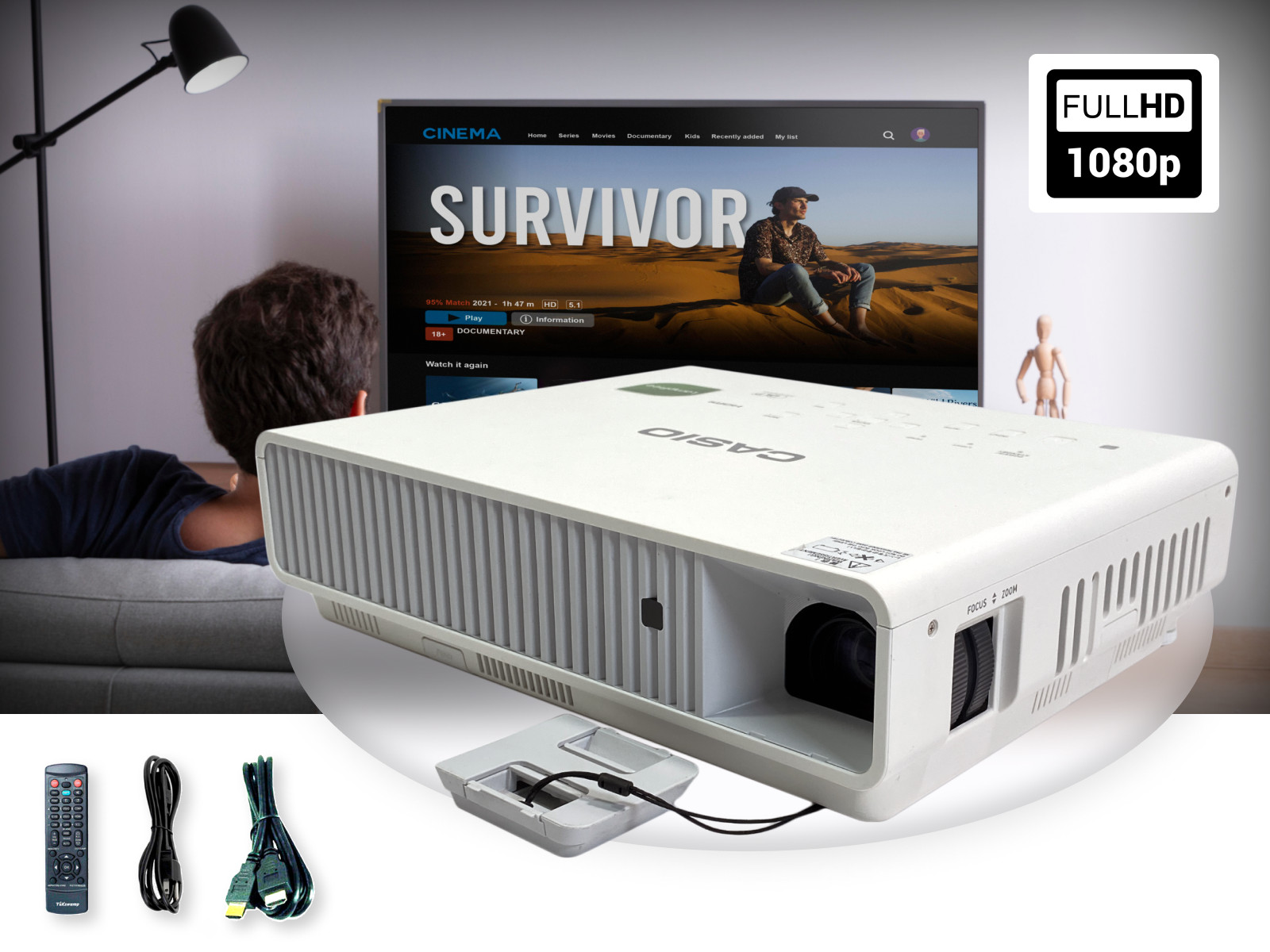 2500 ANSI DLP Projector for Home Theater Movie Lovers Cinema TV Video Full HD 3D$109.23Last checked Nov 28, 2026View on eBay
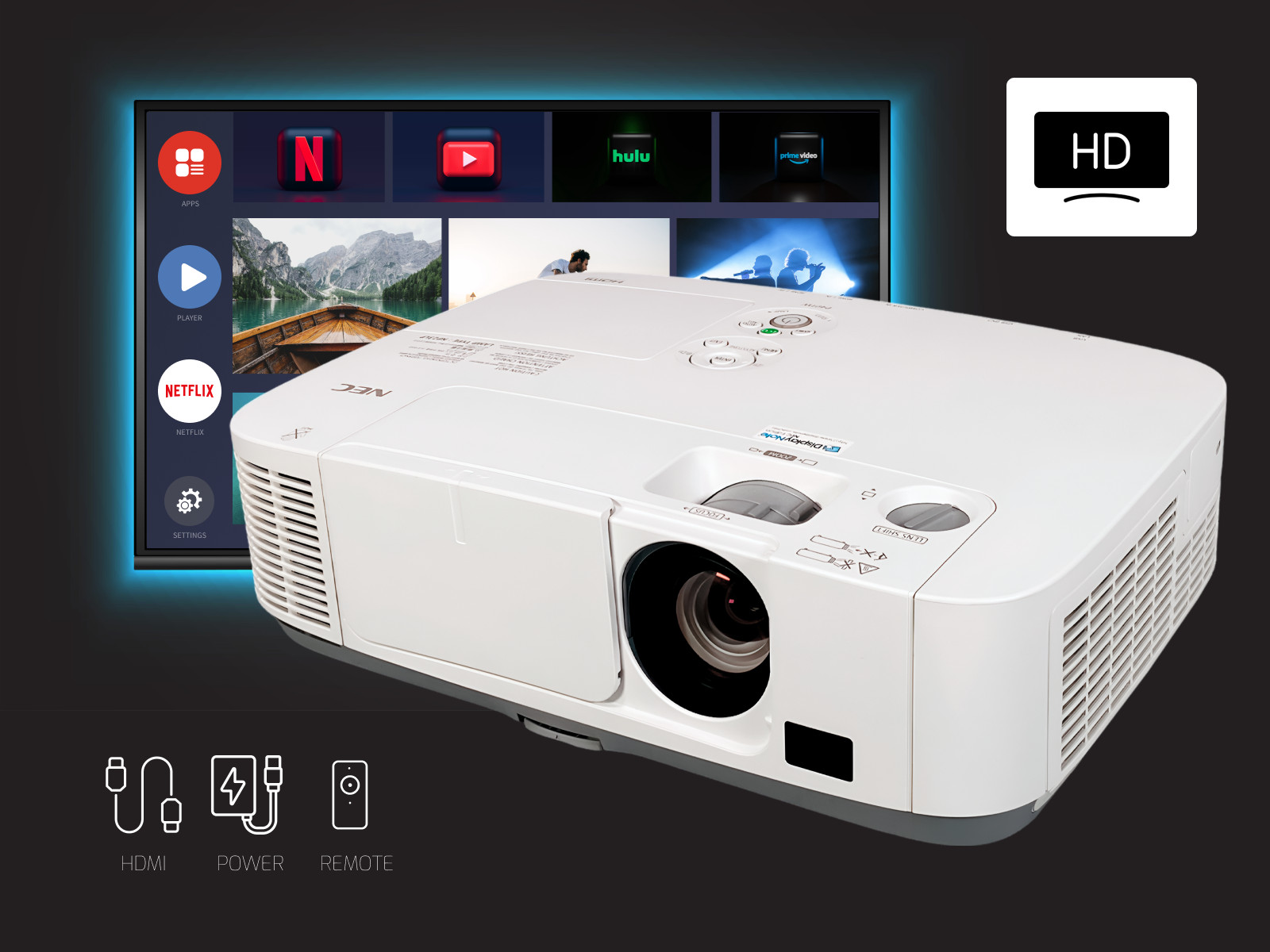 4000 ANSI 3LCD Projector Cinema Movie Supports 4K Input HDMI USB w/Remote$134.83View on eBay
Highlights
- Native 1080p (1920x1080) panels deliver sharp text and detail; 4K support is usually input-only and downscales to 1080p or lower on budget portables.
- Lumen output below 300 ANSI lumens is only viable in near-dark rooms; 500+ ANSI lumens allows dim-room viewing, but portable battery projectors rarely exceed 400 ANSI lumens.
- Screen material grade: matte-white PVC or thick polyester (≥180 GSM) resists creasing and hot-spotting; thin nylon or sheer fabric shows fold lines and ripples.
- 16:9 is the standard aspect ratio for HD/4K content; 4:3 screens letterbox widescreen movies and waste vertical space.
Best use cases
- Backyard movie nights after dusk: pick a 100–120-inch tripod screen with matte-white PVC and a ≥300 ANSI lumen projector; skip 150-inch screens unless your projector exceeds 500 ANSI lumens.
- Indoor bedroom or apartment: choose a 60–80-inch tabletop or tripod screen and a short-throw or standard-throw projector with vertical keystone correction; avoid large inflatable screens that need outdoor space.
- Camping or travel: select a foldable fabric screen under 5 lbs with a carry bag and a battery-powered pico projector (≥200 ANSI lumens); skip glass-beaded or rear-projection screens that are heavy and fragile.
- Business presentations in small rooms: use a 60–80-inch tripod screen with a 4:3 or 16:9 matte surface and a 3000+ lumen AC-powered projector; portable battery projectors are too dim for lit conference rooms.
Buying tips
- Match screen size to throw distance: for a 100-inch 16:9 image, most standard-throw projectors need 8–10 ft; short-throw models need 3–4 ft. Measure your room before choosing 120-inch or larger.
- Check native resolution, not 'supported' resolution: a 1920x1080 native panel is the minimum for sharp 1080p; 1280x720 or 854x480 native panels blur text and fine detail.
- Verify ANSI lumens, not 'light source' lumens: look for 200–400 ANSI lumens for dark-room portables; below 150 ANSI lumens is only usable in complete darkness.
- For screens, prioritize wrinkle-free matte-white PVC or polyester with a weighted or tripod stand; inflatable screens require constant blower power and are best for one-time events.
Specs
| Native Resolution | 1080p (1920x1080) vs 720p/480p |
|---|---|
| Brightness | 200-400 ANSI lumens (portable) |
| Screen Material | Matte-white PVC / polyester ≥180 GSM |
| Aspect Ratio | 16:9 standard; 4:3 letterboxes HD |
Related searches
What to check before buying
- Measure wall or yard space for the desired image diagonal plus stand footprint; a 120-inch 16:9 screen is about 105 inches wide and needs 9–10 ft of throw distance.
- Confirm room darkness: portable projectors under 300 ANSI lumens need blackout conditions; add a dimmable light or blackout curtain if ambient light is unavoidable.
- Check projector inputs and power: HDMI is standard; battery portables need USB-C PD or DC input, and AC models need a nearby outlet or extension cord.
- For outdoor use, verify the screen stand has ground stakes or sandbag weights; inflatable screens need a blower and a power source at the setup location.
FAQ
Data sources: eBay / Amazon listings and product attribute feeds. Updated Nov 28, 2026.
Some links on this page are affiliate links. If you buy after clicking one, we may earn a commission at no extra cost to you. This does not change which products appear here or their order. Affiliate disclosure.