
Photos from current listings. Actual item, color, and included accessories may vary.
Outdoor Movie Screen Buying Guide
An outdoor movie screen is a portable projection surface engineered for backyard and event use, where the core trade-off is between wrinkle-free image quality and structural stability against wind. Durable options use tensioned PVC or thick polyester with reinforced grommets and a weighted or staked frame, while compromises rely on thin creased fabric and flimsy tripods that tip in light gusts.
Median $100.99
Key takeaways
- 16:9 is the standard aspect ratio for HD/4K projection; 4:3 screens waste vertical space on widescreen movies and letterbox content.
- Wrinkle-free performance depends on material thickness and tension: PVC or thick polyester (200+ GSM) with perimeter grommets resists creasing better than thin folded fabric.
- Tripod screens trade stability for portability; freestanding frame screens with ground stakes or sandbags handle outdoor wind far better than lightweight tripods.
At a glance
- Category
- Projectors & Screens
- Last updated
- Nov 27, 2026
Current offers
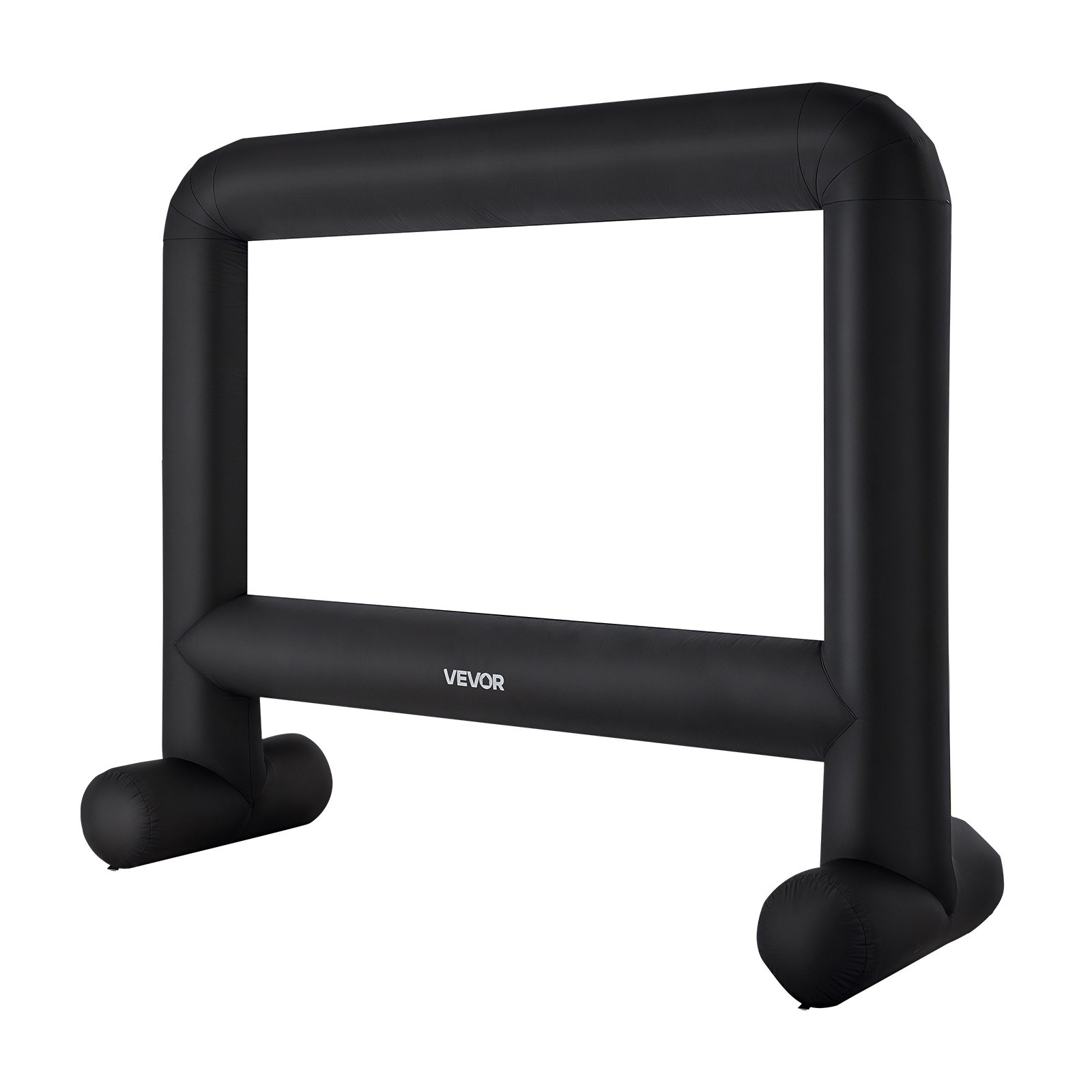 16FT Inflatable Movie Screen, Projector With Portable Storage Bag, 16:9 Easy Set Up Projection For Outdoor Backyard, Home Theater, Theme Party$93.99View on Mallflare
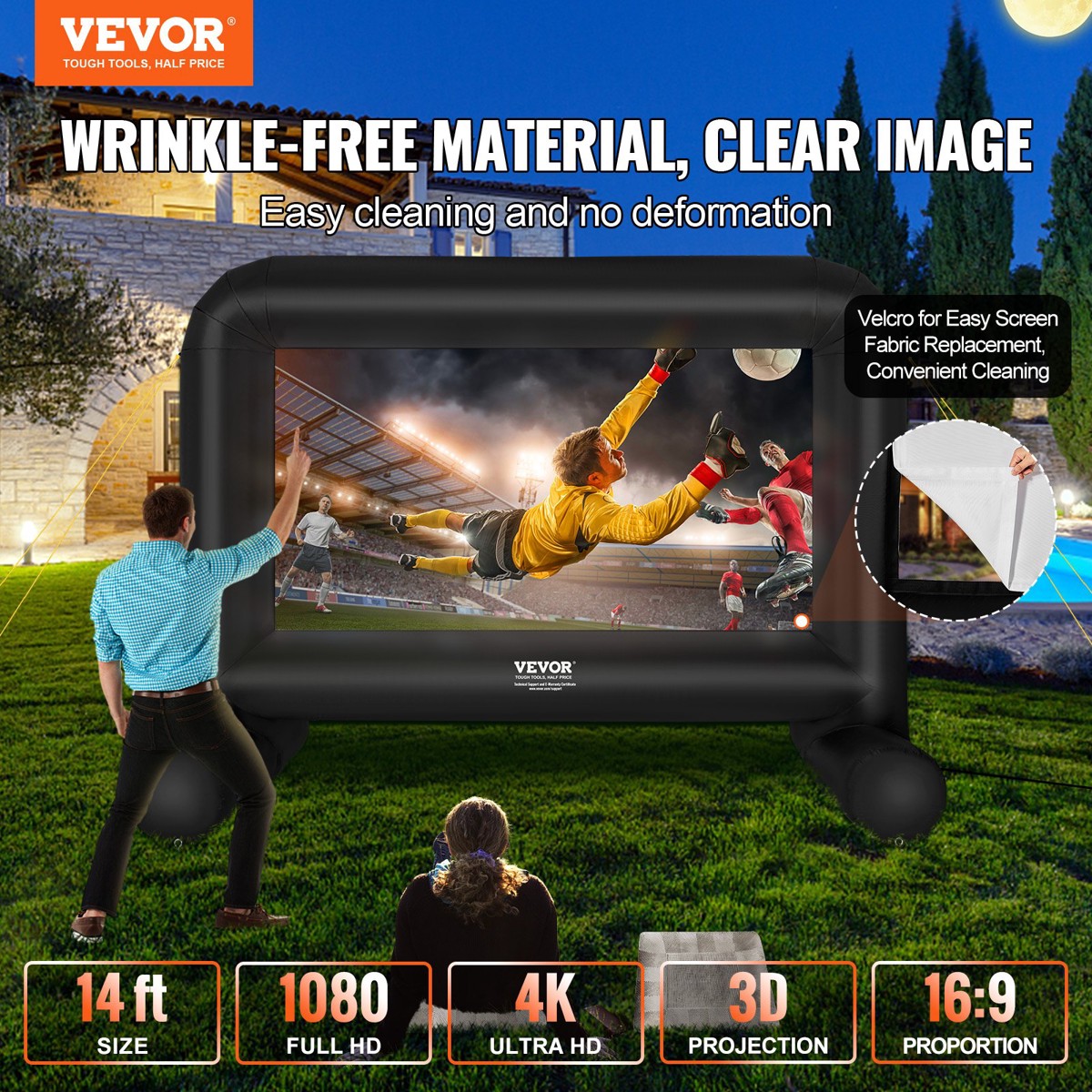 VEVOR Inflatable Movie Screen, 14 FT 168inch Projector For Outside With Blower And Carrying Bag, Front Rear Projection, Oxford Fabric Blow Up For Outdoor Parties Backyard Mov$100.99View on Mallflare
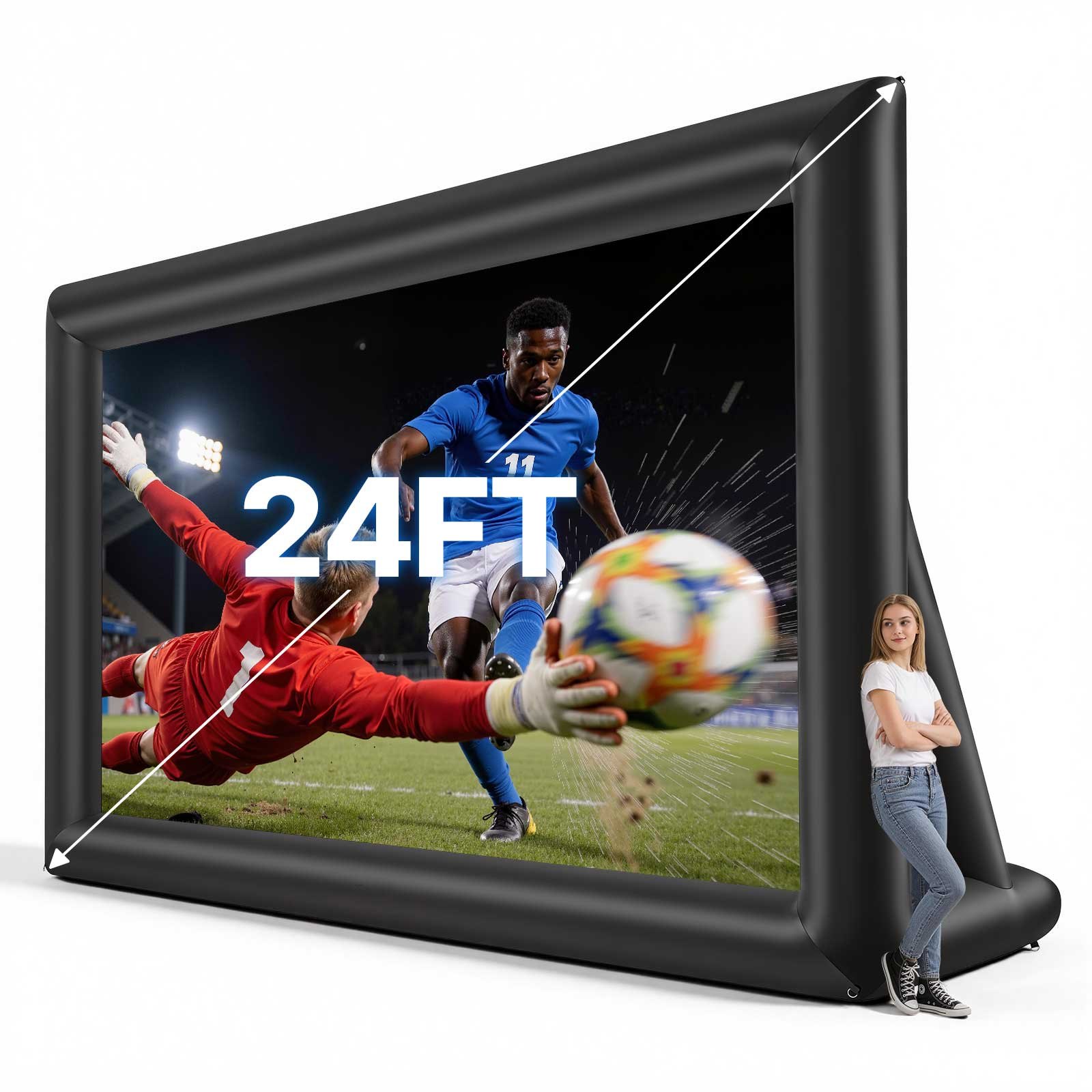 Inflatable Movie Screen, 24 Ft Outdoor Projection With Portable Storage Bag, Front/Rear Easy Set Up, Blow Up For Backyard Night, Theme Parties$136.99View on Mallflare
Highlights
- 16:9 is the standard aspect ratio for HD/4K projection; 4:3 screens waste vertical space on widescreen movies and letterbox content.
- Wrinkle-free performance depends on material thickness and tension: PVC or thick polyester (200+ GSM) with perimeter grommets resists creasing better than thin folded fabric.
- Tripod screens trade stability for portability; freestanding frame screens with ground stakes or sandbags handle outdoor wind far better than lightweight tripods.
- Rear-projection capability requires a translucent screen material; front-only fabric will not work for rear setups, so confirm the screen supports both if you need behind-screen placement.
Best use cases
- Backyard movie nights with a fixed setup: choose a 100–120 inch freestanding frame screen with ground stakes and a carry bag; skip ultralight tripod models that wobble on grass.
- Camping or tailgating: pick a foldable fabric screen with grommets and included rope/stakes in the 60–100 inch range; skip large 150-inch frames that are too bulky to transport.
- Indoor home theater on a budget: a 60–100 inch tripod screen works if you have a dark room; skip outdoor-specific screens with heavy frames if the screen never leaves the room.
- Large outdoor events (150 inch+): use a tensioned frame screen with sandbags or stakes and set up in a wind-sheltered area; skip tripod screens at this size because the leverage makes them unstable.
Buying tips
- Match screen size to throw distance: most projectors need 1.2–1.5x the screen width in distance; for a 100-inch 16:9 screen (87-inch width), plan 9–12 feet of throw.
- Choose material by wrinkle resistance: PVC or thick polyester with grommets outperforms thin folded fabric; avoid screens that arrive tightly folded without a tensioning frame.
- Check stand stability: tripod legs need a wide footprint and locking height adjustment; frame screens should include stakes or sandbag loops for outdoor use.
- Verify aspect ratio: 16:9 matches widescreen movies and HDTV; 4:3 suits older presentations but letterboxes modern films, wasting screen area.
Specs
| Aspect Ratio | 16:9 standard / 4:3 presentation |
|---|---|
| Material | PVC or polyester 200+ GSM |
| Mount Type | Tripod / frame with stakes |
| Projection Type | Front / rear (translucent) |
Related searches
What to check before buying
- Measure available wall or yard space: a 120-inch 16:9 screen is about 105 inches wide and 59 inches tall; ensure the frame plus stand fits with clearance.
- Assess wind exposure: open yards need a staked frame or sandbags; tripod screens are best on patios or sheltered areas.
- Confirm projector throw distance and lens shift: short-throw projectors need less space but may require a specific screen size for focus.
- Check power and cable reach: outdoor setups need an extension cord rated for outdoor use and a projector with sufficient brightness (2000+ lumens for evening use).
FAQ
Data sources: eBay / Amazon listings and product attribute feeds. Updated Nov 27, 2026.
Some links on this page are affiliate links. If you buy after clicking one, we may earn a commission at no extra cost to you. This does not change which products appear here or their order. Affiliate disclosure.