
Photos from current listings. Actual item, color, and included accessories may vary.
Outdoor Movie Projector Buying Guide
An outdoor movie projector system pairs a high-lumen projector with a weather-resistant, wrinkle-free screen to create a backyard cinema. The core trade-off is brightness versus portability: budget all-in-one units often sacrifice ANSI lumens and native resolution, while dedicated projectors plus a separate screen deliver superior image quality but require more setup. The decision rule is simple: buy a projector rated at least 3,000 ANSI lumens with native 1080p and pair it with a tensioned or PVC screen; skip low-lumen toy projectors and unweighted fabric screens that wrinkle and flap in the wind.
Median $144.99
Key takeaways
- Brightness is the single biggest factor for outdoor use: aim for 3,000–5,000 ANSI lumens for dusk viewing and 5,000+ for ambient light; ignore 'lux' or 'LED lumens' claims.
- Native resolution matters more than supported resolution: true 1080p (1920x1080) panels outperform 720p or 'supported 4K' models that only downscale input.
- Screen material determines wrinkle resistance: PVC or Oxford cloth with reinforced grommets and tensioning cords stay flat; thin polyester wrinkles and causes hot spots.
At a glance
- Category
- Projectors & Screens
- Last updated
- Nov 28, 2026
Current offers
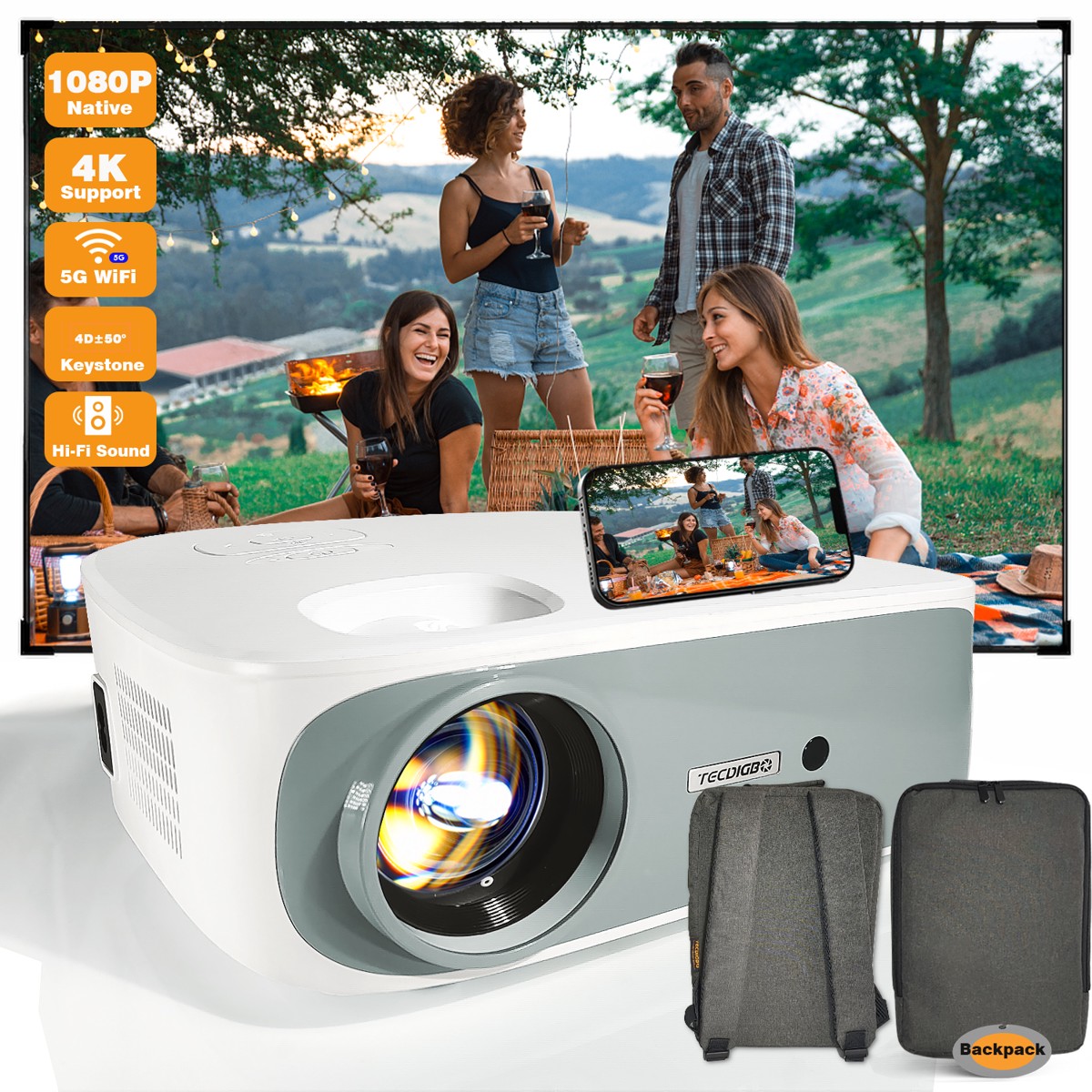 4K 5G Bluetooth Projector 4D Keystone Correction Native 1080P Full HD Outdoor Movie For Smart Phone Laptop PC DVD TV PS4$136.99View on Mallflare
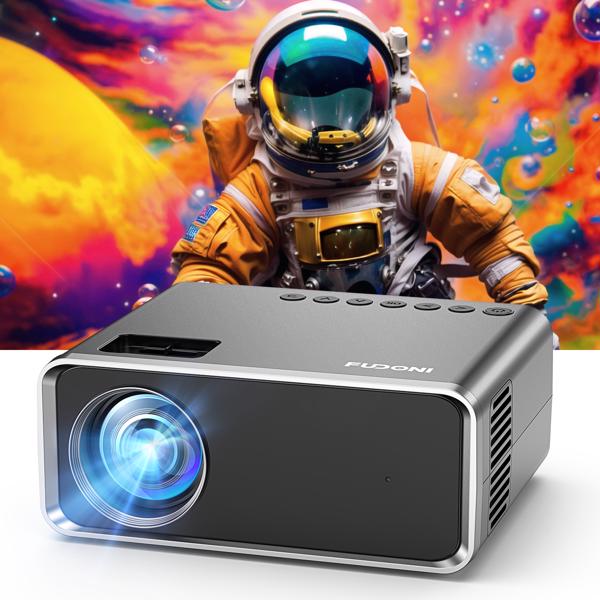 Projector With WiFi & Bluetooth, Upgraded 5G Portable Support 4K, Native 1080P, 12000 Lumens, Outdoor LED Movie Projector,Selling On The Amazon Platform Is Prohibited$152.99View on Mallflare
Highlights
- Brightness is the single biggest factor for outdoor use: aim for 3,000–5,000 ANSI lumens for dusk viewing and 5,000+ for ambient light; ignore 'lux' or 'LED lumens' claims.
- Native resolution matters more than supported resolution: true 1080p (1920x1080) panels outperform 720p or 'supported 4K' models that only downscale input.
- Screen material determines wrinkle resistance: PVC or Oxford cloth with reinforced grommets and tensioning cords stay flat; thin polyester wrinkles and causes hot spots.
- Tripod and frame stands must be weighted or staked: lightweight aluminum tripods tip in wind, while steel-frame screens with sandbag anchors remain stable.
Best use cases
- Best fit: Backyard movie nights with a fixed or semi-permanent setup — choose a 100–120 inch PVC screen with a steel frame and a 3,500+ ANSI lumen native 1080p projector.
- Best fit: Camping or tailgating — pick a foldable Oxford cloth screen with carry bag and a portable projector rated 2,000–3,000 ANSI lumens with built-in battery or 12V input.
- Wrong fit: Daylight or early evening viewing — skip any projector under 5,000 ANSI lumens; no consumer screen can overcome direct sunlight.
- Wrong fit: Small apartments or tight patios — avoid 150-inch screens and short-throw setups without measuring throw distance; a 60–80 inch tripod screen suits limited space.
Buying tips
- Calculate throw distance: most projectors need 1.2–1.5x the screen width; for a 120-inch 16:9 screen (105 inches wide), place the projector 10.5–13 feet back.
- Match screen gain to ambient light: matte white (gain 0.8–1.0) for dark yards, grey (gain 0.6–0.8) for areas with streetlights; avoid high-gain (1.5+) screens that cause hotspotting.
- Check projector inputs: outdoor setups need HDMI, USB power for streaming sticks, and optionally Bluetooth audio out; built-in speakers are rarely loud enough for outdoor use.
- Prioritize IP-rated or weather-resistant projectors only if permanently mounted; portable units should be brought inside after use to avoid dew and rain damage.
Specs
| Brightness | 3,000–5,000 ANSI lumens |
|---|---|
| Native Resolution | 1080p (1920x1080) minimum |
| Screen Material | PVC / Oxford cloth, wrinkle-free |
| Screen Size | 100–120 in (16:9) typical outdoor |
Related searches
What to check before buying
- Measure available wall or yard space: confirm screen width plus at least 12 inches clearance on each side for stakes or frame feet.
- Verify power access: outdoor outlets or a 25–50 ft heavy-duty extension cord rated for the projector's wattage (typically 100–300W).
- Check mounting surface: for tripod screens, ensure level ground; for inflatable or frame screens, confirm anchor points for stakes or sandbags.
- Test ambient light at showtime: if streetlights or porch lights are within 50 feet, choose a brighter projector (4,000+ lumens) or a grey screen.
FAQ
Data sources: eBay / Amazon listings and product attribute feeds. Updated Nov 28, 2026.
Some links on this page are affiliate links. If you buy after clicking one, we may earn a commission at no extra cost to you. This does not change which products appear here or their order. Affiliate disclosure.