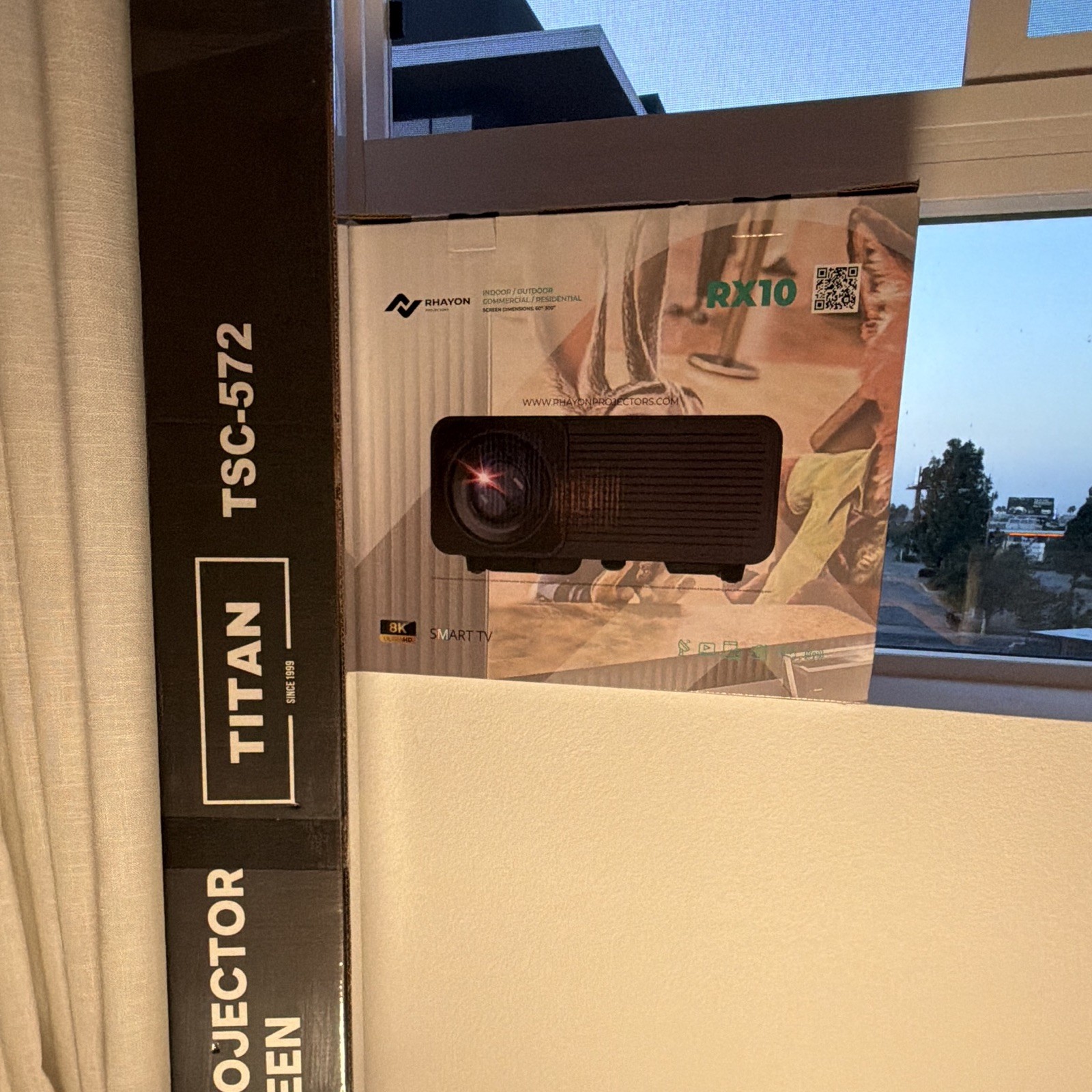

Photos from current listings. Actual item, color, and included accessories may vary.
Laser Projector Buying Guide
Laser projectors replace the lamp with a solid-state laser light engine, trading higher upfront cost for 20,000+ hour lifespan, instant on/off, and stable brightness. The decision rule is simple: choose a triple-laser or phosphor-wheel model whose brightness matches your room's ambient light and whose throw ratio fits your wall—not the cheapest laser badge.
Median $1,450.00
Key takeaways
- Laser light engines come in two architectures: blue-laser phosphor wheel (single-color, wide availability) and RGB triple-laser (wider color gamut, no wheel, higher cost).
- Rated brightness spans roughly 2,000–8,500 ANSI lumens; UST home models sit near 2,500–3,000, while installation/venue models reach 8,000+ for large or lit rooms.
- Native resolution matters more than pixel-shift marketing: true 4K UHD (8.3MP) vs 1080p/WUXGA (2.1MP) drives sharpness at large screen sizes.
At a glance
- Category
- Projectors & Screens
- Last updated
- Nov 28, 2026
Current offers
Highlights
- Laser light engines come in two architectures: blue-laser phosphor wheel (single-color, wide availability) and RGB triple-laser (wider color gamut, no wheel, higher cost).
- Rated brightness spans roughly 2,000–8,500 ANSI lumens; UST home models sit near 2,500–3,000, while installation/venue models reach 8,000+ for large or lit rooms.
- Native resolution matters more than pixel-shift marketing: true 4K UHD (8.3MP) vs 1080p/WUXGA (2.1MP) drives sharpness at large screen sizes.
- Laser lifespan is typically 20,000–30,000 hours to half-brightness—5–10× a lamp—with sealed optical engines reducing dust maintenance.
Best use cases
- Dedicated dark home theater: pick a 4K RGB triple-laser UST with 2,500+ lumens and an ALR screen; skip lamp projectors and low-brightness portables.
- Living room with ambient light or large 120–150" screens: choose 3,000+ lumen laser phosphor or triple-laser models; skip sub-2,000 lumen battery portables.
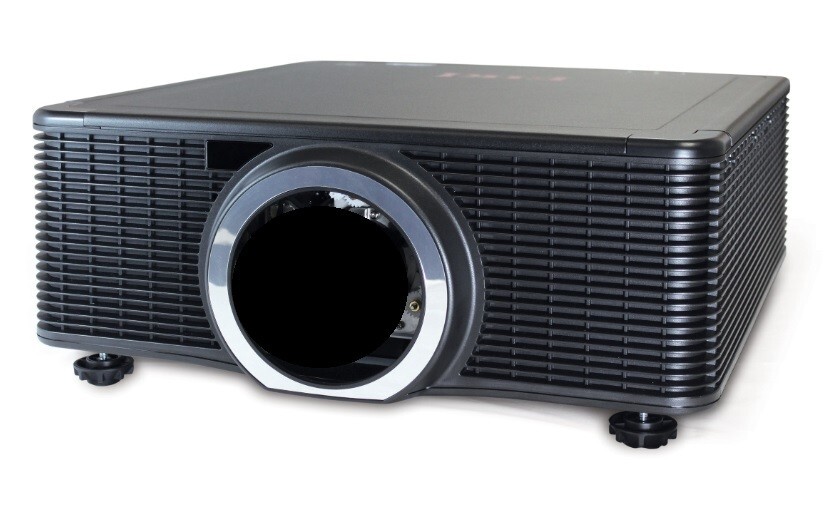
- Classroom, house of worship, or venue: select 6,000–8,500 lumen WUXGA installation lasers with interchangeable lenses; skip consumer UST units.
- Portable/outdoor movie nights: choose a sealed laser mini projector with built-in battery and auto keystone; skip 8,000-lumen venue models that require fixed power and mounting.
Buying tips
- Throw ratio = distance ÷ screen width. UST needs 0.2–0.4:1 (inches from wall); standard throw is 1.2–1.5:1; short throw is 0.5–0.9:1. Measure before buying.
- Match lumens to screen size and light: 1,500–2,500 ANSI for dark rooms up to 100", 3,000+ for 120"+, 5,000+ for ambient light or 150"+.
- For color-critical cinema, choose RGB triple-laser covering 100%+ of BT.2020 or DCI-P3; phosphor-wheel models typically reach ~85–95% DCI-P3.
- For UST setups, budget for a compatible ALR/fresnel screen; a standard white screen washes out in ambient light and negates the laser's contrast advantage.
Specs
| Light Engine | Blue-laser phosphor vs RGB triple-laser |
|---|---|
| Brightness Tier | 2,000–3,000 / 3,000–5,000 / 8,000+ ANSI |
| Native Resolution | 1080p / WUXGA / true 4K UHD |
| Throw Ratio | UST 0.2–0.4:1 / Short 0.5–0.9 / Std 1.2–1.5 |
Related searches
What to check before buying
- Measure wall width and seating distance, then compute required throw ratio (distance ÷ screen width) and confirm it falls within the projector's zoom range.
- Verify electrical: most home laser projectors run 100–240V AC; installation/venue units may need a dedicated 20A circuit—check the input rating.
- Confirm ceiling/wall structure and mount weight capacity; venue-class lasers (8,000 lumens) weigh 20–30 kg and need rigging or a heavy-duty mount.
- For UST, ensure a flat, perpendicular wall and account for screen border/frame; even 2–3° tilt causes trapezoid distortion that keystone cannot fully correct.
FAQ
Data sources: eBay / Amazon listings and product attribute feeds. Updated Nov 28, 2026.
Some links on this page are affiliate links. If you buy after clicking one, we may earn a commission at no extra cost to you. This does not change which products appear here or their order. Affiliate disclosure.