
Photos from current listings. Actual item, color, and included accessories may vary.
Home Projector Buying Guide
A home projector replaces a TV with a big-screen image, and the core trade-off is brightness/light-source quality versus resolution claims: cheap LED projectors inflate 'lumens' and '4K support' while dimming over time, while true ANSI-lumen rated lamps or lasers with native 1080p/4K panels hold up. The decision rule: buy by ANSI lumens (not marketing lumens), native resolution, and lamp/laser life, and treat any bundled screen as a bonus rather than a reason to buy.
Median $32.69
Key takeaways
- Brightness is the single biggest differentiator: budget LED units claim 8,000-45,000 'lumens' but deliver roughly 100-300 ANSI lumens, while rated home units deliver 1,500-3,000+ ANSI lumens for daylight viewing.
- Light source drives longevity and color: LED lasts about 20,000-30,000 hours but dims, laser lasts 20,000-25,000 hours with stable brightness, and traditional UHP lamps last 4,000-6,000 hours and need replacement.
- Native resolution beats 'support': a true 1080p DLP/LCD panel resolves detail, while '4K supported' or '1080P supported' budget models accept the signal but downscale to 720p or 480p.
At a glance
- Category
- Projectors & Screens
- Last updated
- Nov 28, 2026
Current offers
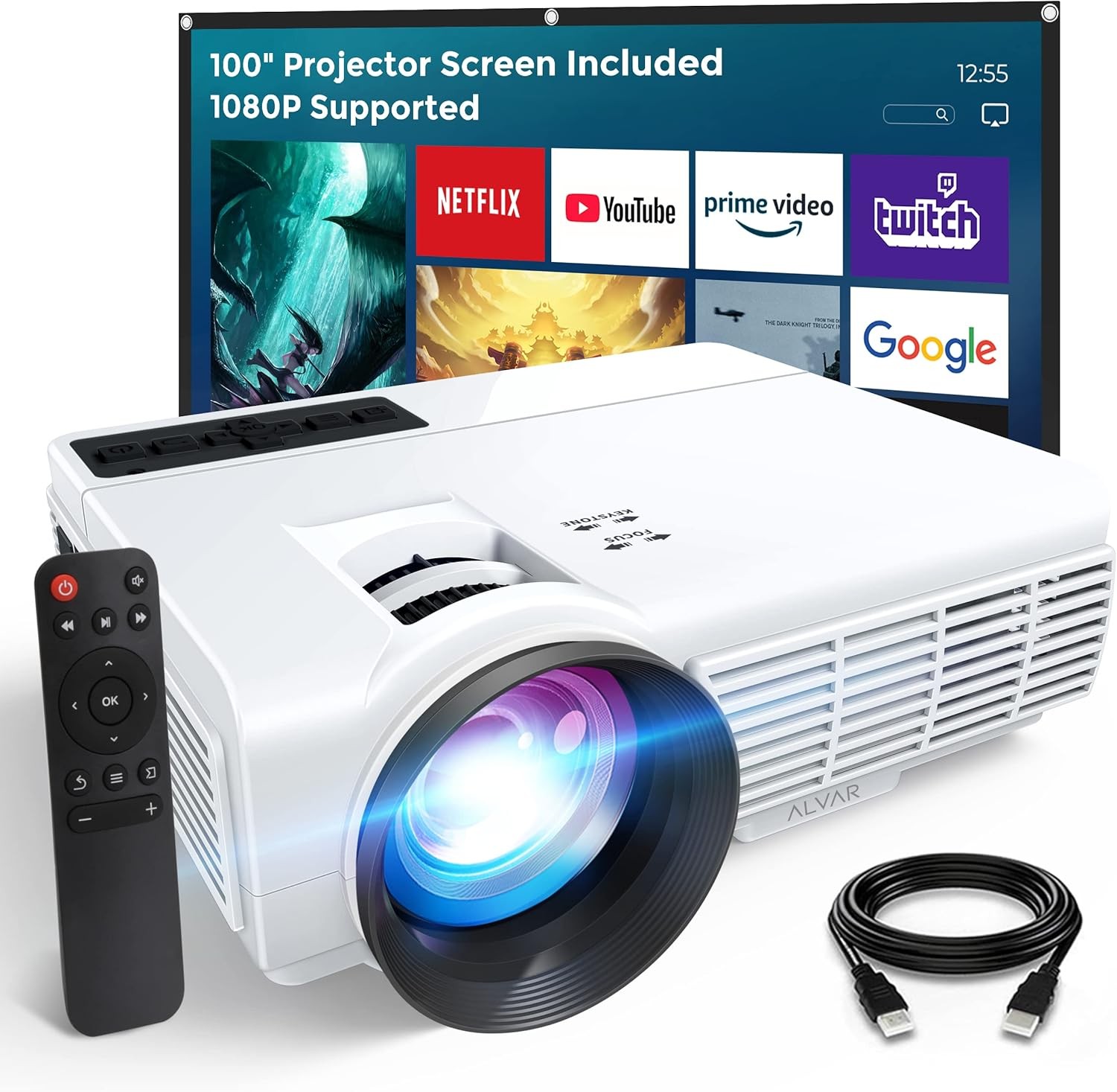 1080P HD Bluetooth Video Projector 8000Lumens Movie Home Theater w/ 100'' Screen$21.89View on eBay
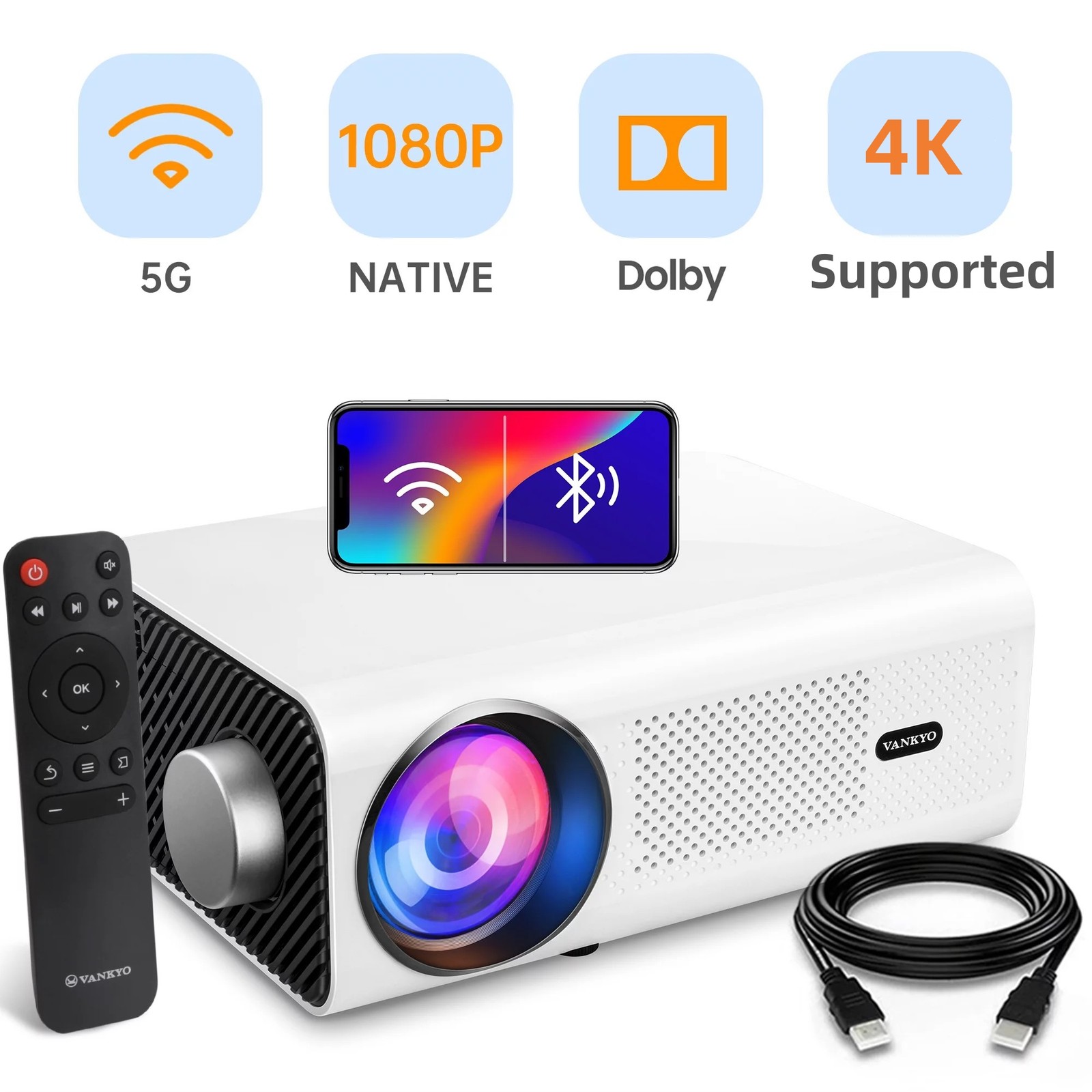 4K Projector Dolby 45000 Lumen LED 1080P 5G WiFi Bluetooth Portable Home Theater$31.69View on eBay
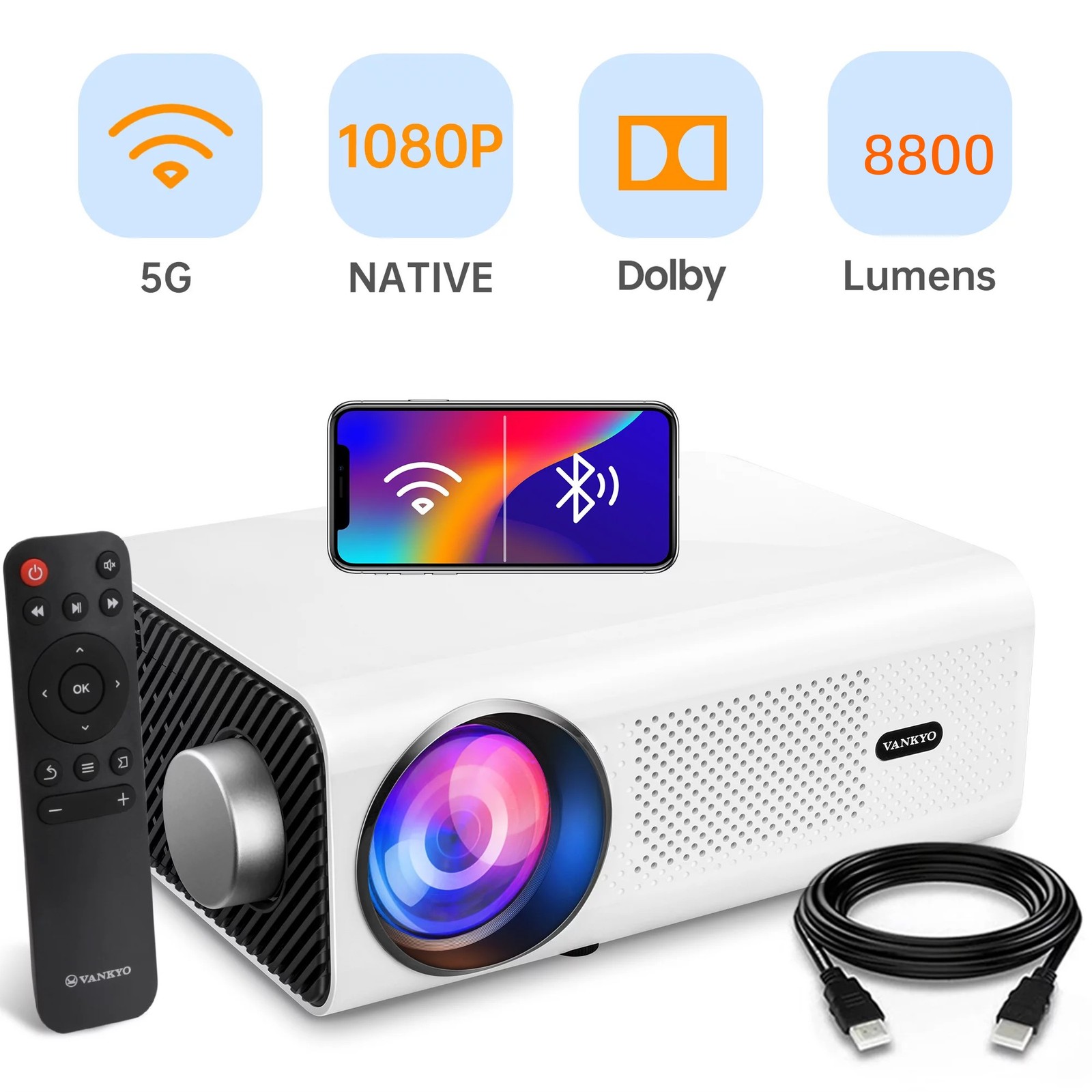 VANKYO 4K Projector DoIby 45000LMS 1080P HD 5G WiFi Bluetooth Video Home Theater$32.69View on eBay
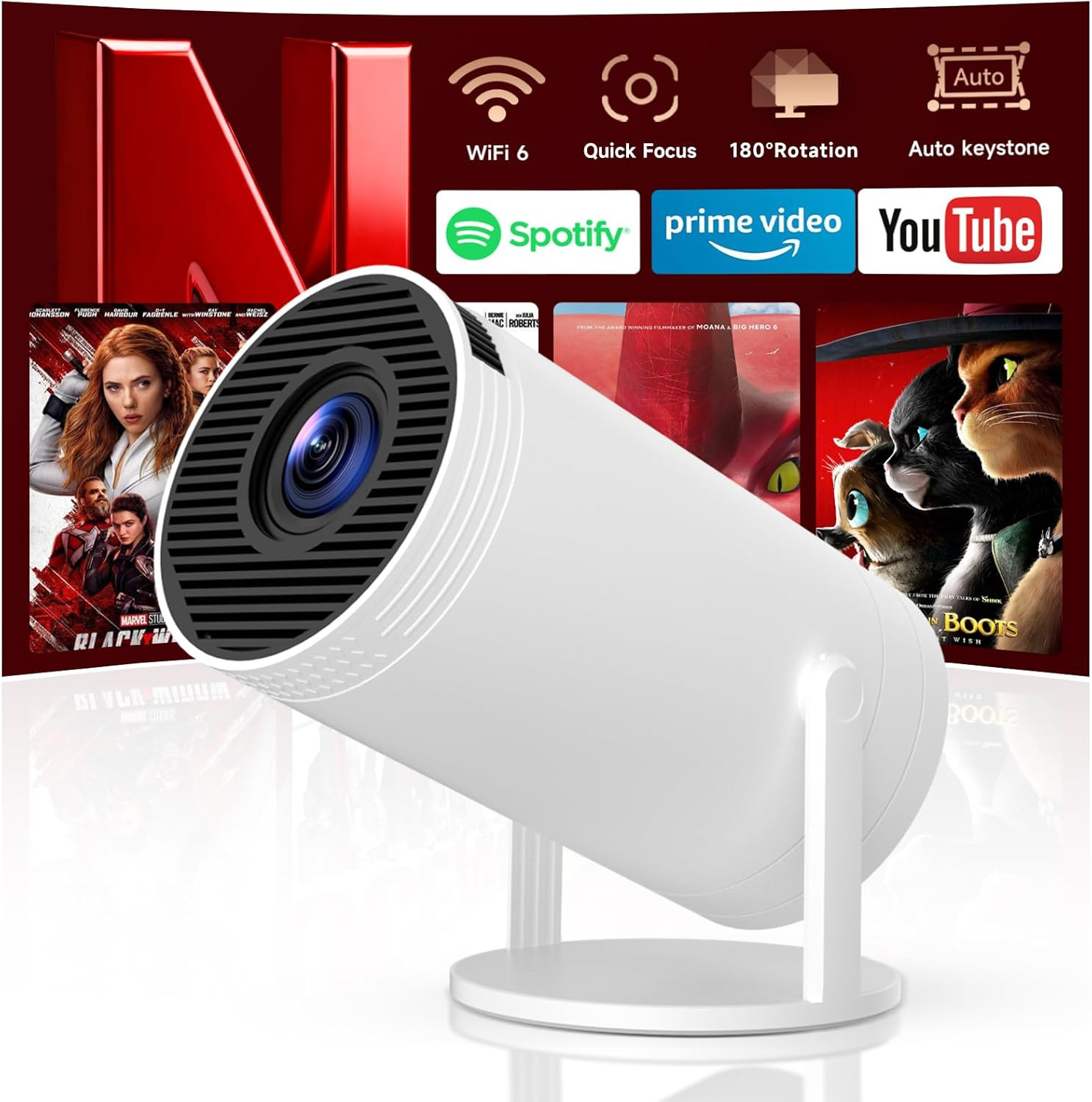 Mini Projector with WiFi 6 and Smart TV OS, Portable Projector 4K support, Home$60.79View on eBay
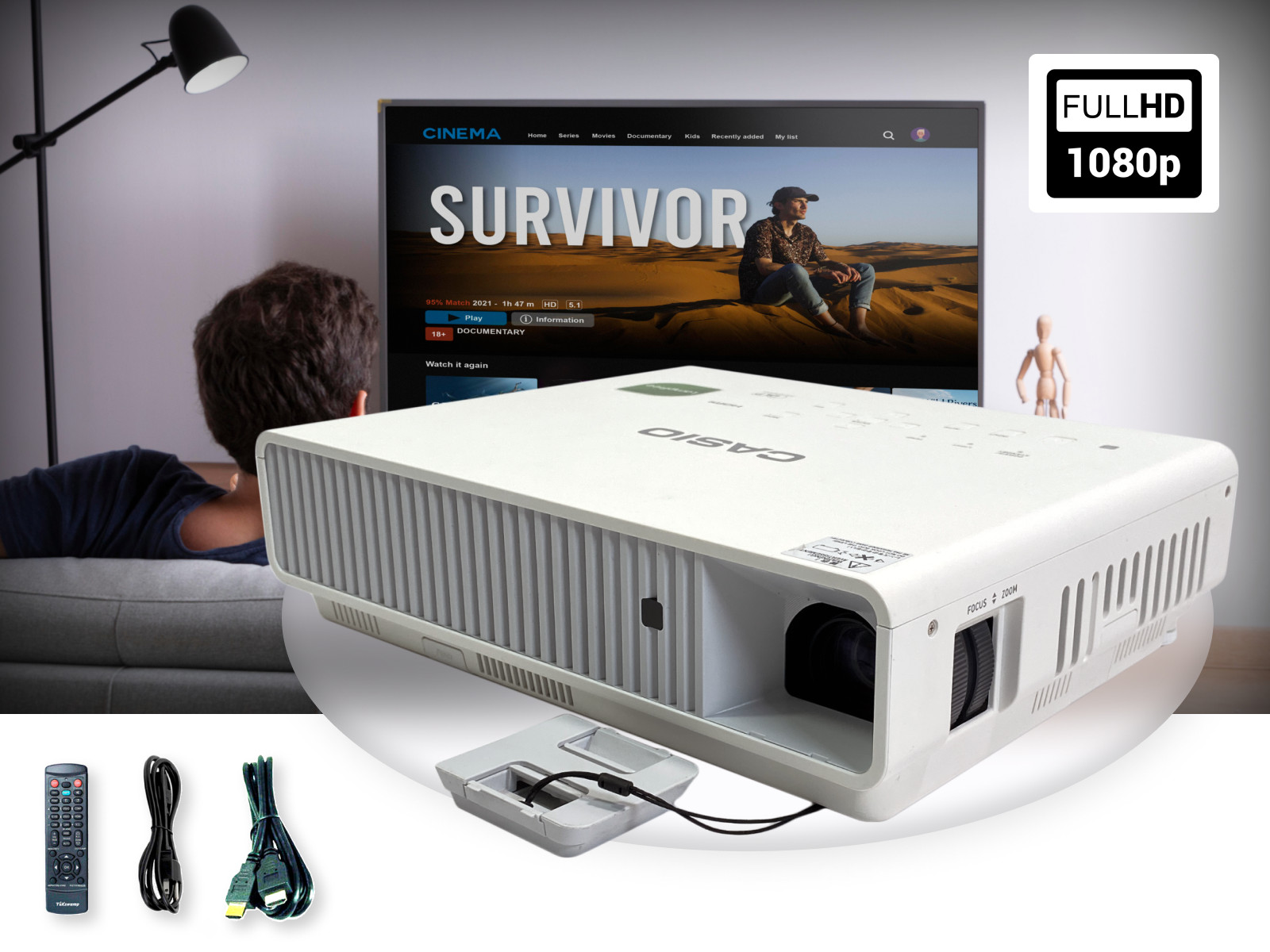 2500 ANSI DLP Projector for Home Theater Movie Lovers Cinema TV Video Full HD 3D$109.23Last checked Nov 28, 2026View on eBay
Highlights
- Brightness is the single biggest differentiator: budget LED units claim 8,000-45,000 'lumens' but deliver roughly 100-300 ANSI lumens, while rated home units deliver 1,500-3,000+ ANSI lumens for daylight viewing.
- Light source drives longevity and color: LED lasts about 20,000-30,000 hours but dims, laser lasts 20,000-25,000 hours with stable brightness, and traditional UHP lamps last 4,000-6,000 hours and need replacement.
- Native resolution beats 'support': a true 1080p DLP/LCD panel resolves detail, while '4K supported' or '1080P supported' budget models accept the signal but downscale to 720p or 480p.
- Screen material matters: 16:9 matte white or grey PVC fabric at 100-120 inches with wrinkle-free tensioning outperforms cheap foldable cloth, which shows creases and hotspots.
Best use cases
- Dark dedicated room or basement theater: choose 1,500-3,000 ANSI lumen native 1080p or 4K projector with a fixed or tensioned 100-120 inch 16:9 screen; skip battery mini projectors.
- Living room with ambient light: pick 2,500+ ANSI lumens or a laser TV/UST model paired with an ALR (ambient light rejecting) screen; standard white screens wash out.
- Backyard movie night: use a 2,000+ ANSI lumen projector with a portable tripod or inflatable 100-120 inch screen and keep ambient light low; skip sub-500-lumen mini units.
- Portable/travel or kids' room: a 300-500 ANSI lumen mini projector with built-in streaming and a foldable 60-100 inch screen is the right fit; skip it for daytime or large-room use.
Buying tips
- Match throw distance to screen size: most standard-throw projectors need about 1.1-1.5x the screen width in distance, so a 100-inch (87-inch wide) image needs roughly 8-10 feet of throw.
- Prioritize ANSI lumens over marketing lumens: 100-300 ANSI for dark rooms, 1,500-2,000 for dim rooms, 2,500+ for rooms with some light; ignore 'lux' and 'LED lumens' claims.
- Check native resolution and panel type: native 1080p DLP or 3LCD is the baseline for a home theater; 4K requires a true 4K or pixel-shift DLP chip, not just '4K support'.
- Budget for the screen and mount separately: a tensioned or fixed-frame 16:9 screen and a ceiling mount with 1.2-1.5x zoom give more improvement than upgrading the projector one tier.
Specs
| Brightness | 100-300 ANSI (dark) to 2,500+ (lit) |
|---|---|
| Native Resolution | 720p / 1080p / true 4K panel |
| Light Source Life | LED 20-30k hr / Laser 20-25k hr |
| Screen Size & Ratio | 60-120 in, 16:9 matte white/grey |
Related searches
What to check before buying
- Measure throw distance and screen width: confirm the projector's throw ratio covers your room depth for the 100-120 inch image you want.
- Check ceiling height and mount position: verify lens offset and vertical keystone range so the image lands on the screen without extreme digital correction.
- Confirm input and power: HDMI 2.0/2.1 for 4K, eARC for soundbars, and a grounded outlet or UPS near the mount; check voltage for imported units.
- Plan audio and streaming: most projectors have weak speakers, so budget for a soundbar or AV receiver and confirm built-in apps or add a streaming stick.
FAQ
Data sources: eBay / Amazon listings and product attribute feeds. Updated Nov 28, 2026.
Some links on this page are affiliate links. If you buy after clicking one, we may earn a commission at no extra cost to you. This does not change which products appear here or their order. Affiliate disclosure.