
Photos from current listings. Actual item, color, and included accessories may vary.
Full HD Projector Buying Guide
Full HD projectors deliver a native 1920x1080 image and split into two architectures: lamp/LED DLP units with modest brightness and true 1080p panels, or laser-phosphor and high-output models where brightness and resolution scaling matter more. The core trade-off is native panel resolution and rated ANSI lumens versus price; fake "1080p supported" listings that accept a 1080p signal on a 720p or 480p panel are the main compromise to avoid.
Median $136.99
Key takeaways
- Native 1920x1080 panels (0.47" DLP or 0.61" 3LCD) produce true Full HD; "1080p supported" models downscale to 720p or 480p.
- Rated brightness in ANSI lumens dictates screen size: 2,000-2,500 ANSI suits dark rooms up to 100", 3,000+ for ambient light.
- Laser-phosphor light sources last 20,000+ hours versus 4,000-6,000 for lamp and 15,000-30,000 for LED; lamp replacements cost extra.
At a glance
- Category
- Projectors & Screens
- Last updated
- Nov 28, 2026
Current offers
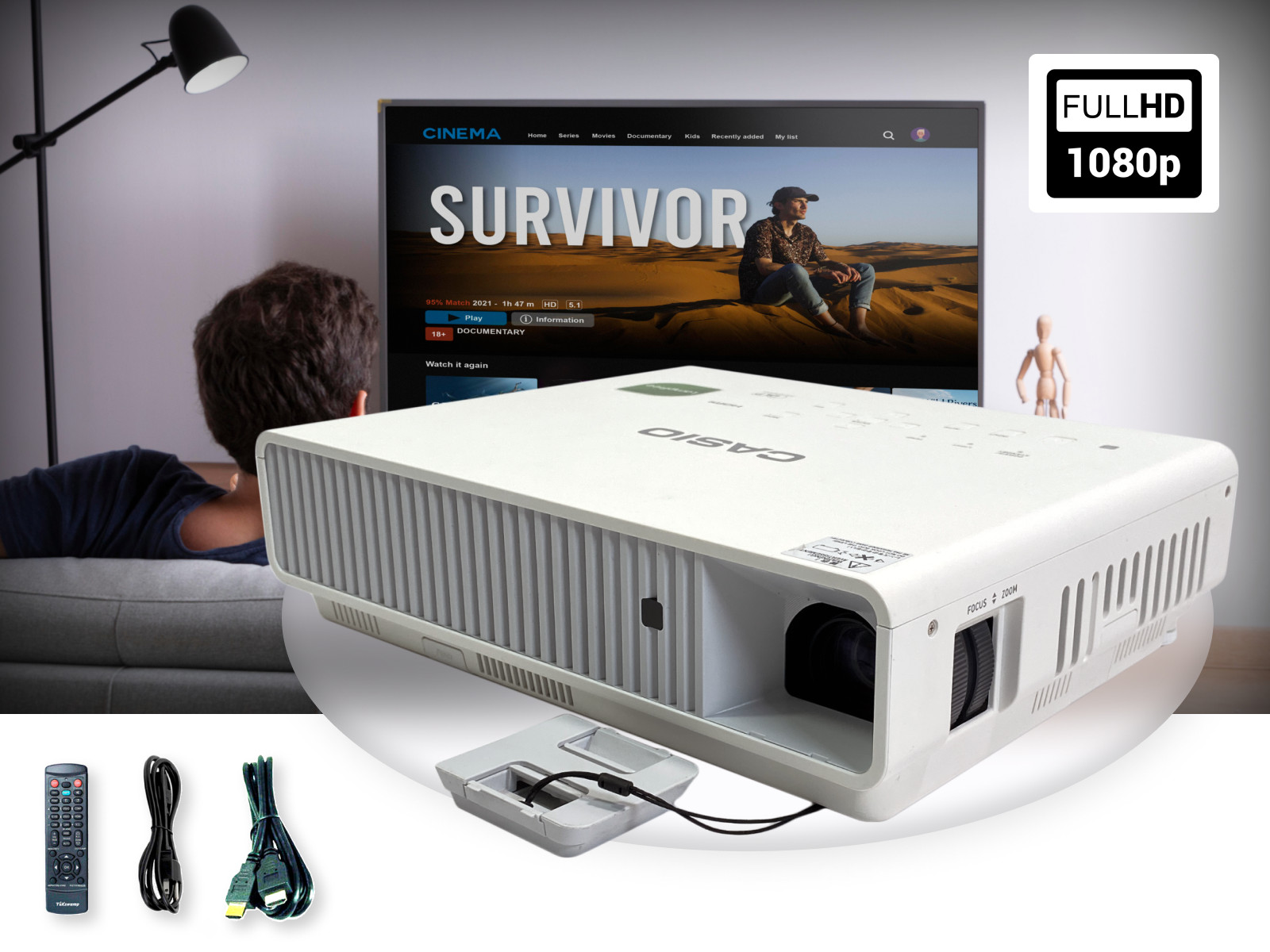 2500 ANSI DLP Projector for Home Theater Movie Lovers Cinema TV Video Full HD 3D$109.23Last checked Nov 28, 2026View on eBay
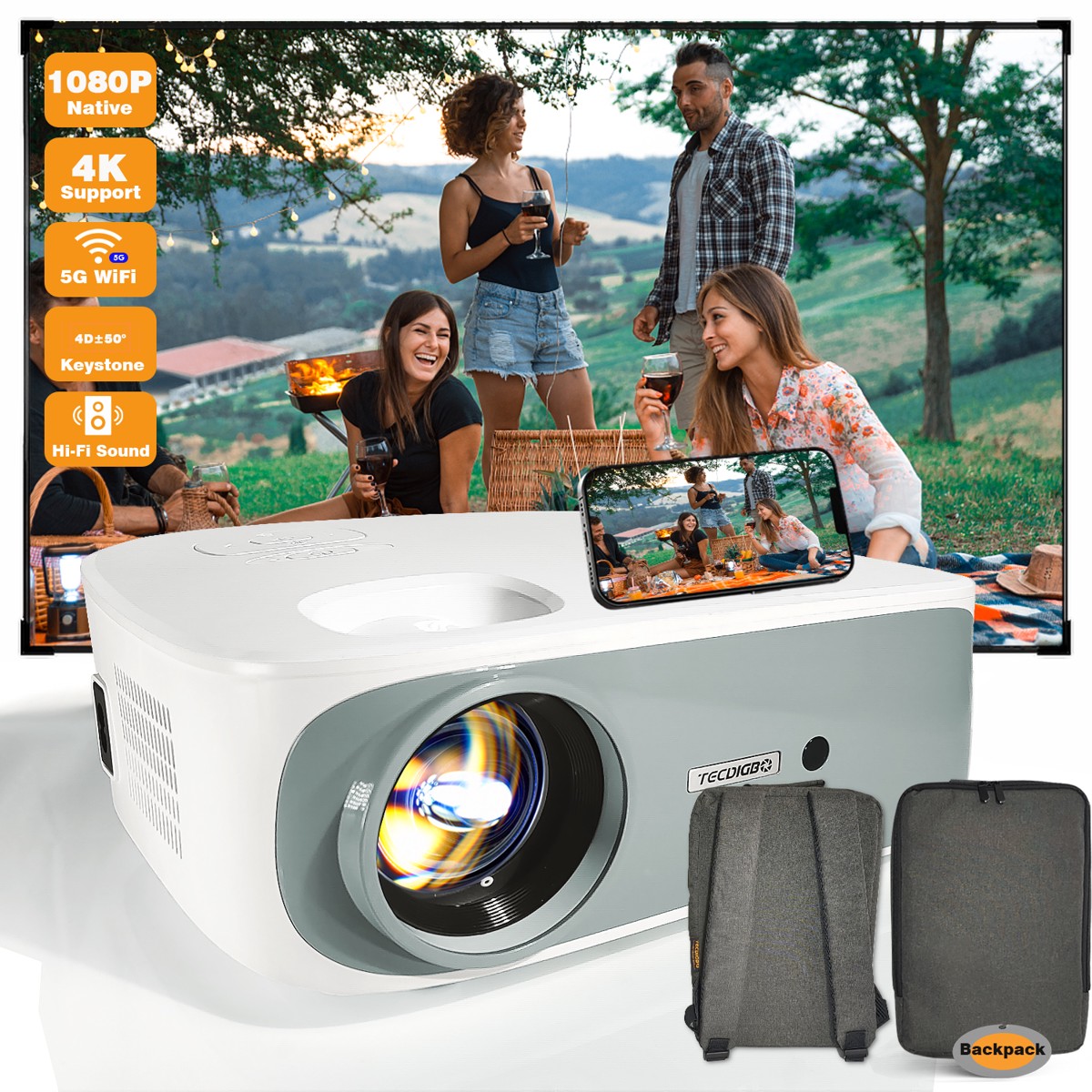 4K 5G Bluetooth Projector 4D Keystone Correction Native 1080P Full HD Outdoor Movie For Smart Phone Laptop PC DVD TV PS4$136.99View on Mallflare
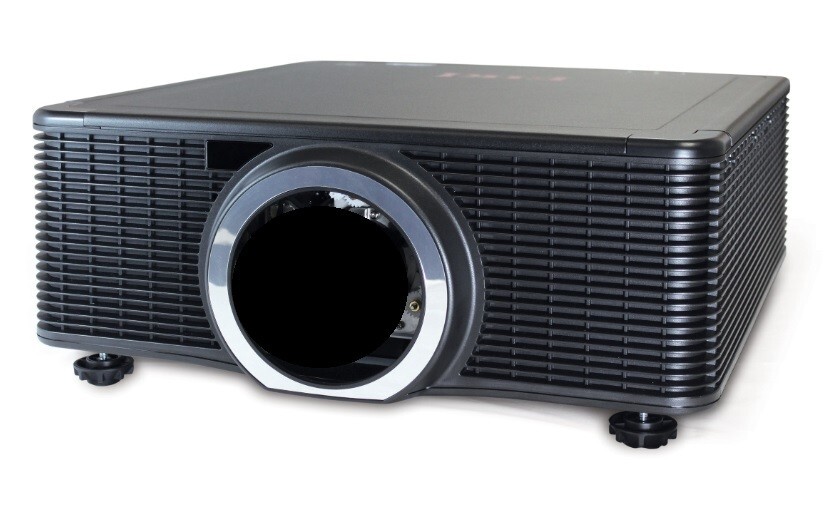 Eiki EK-815U LASER WUXGA 1080P FULL HD Projector, 8500 LUMENS EK815 LOW HOURS!$2,500.00Last checked Nov 18, 2026View on eBay
Highlights
- Native 1920x1080 panels (0.47" DLP or 0.61" 3LCD) produce true Full HD; "1080p supported" models downscale to 720p or 480p.
- Rated brightness in ANSI lumens dictates screen size: 2,000-2,500 ANSI suits dark rooms up to 100", 3,000+ for ambient light.
- Laser-phosphor light sources last 20,000+ hours versus 4,000-6,000 for lamp and 15,000-30,000 for LED; lamp replacements cost extra.
- DLP delivers high contrast and sharp pixels; 3LCD avoids rainbow artifacts and typically wins on color brightness.
Best use cases
- Dedicated dark home theater: pick a native 1080p DLP or 3LCD at 2,000-2,500 ANSI lumens with 1.2-1.5:1 throw; skip battery-powered pico units.
- Living room with windows or lamps: require 3,000+ ANSI lumens or a laser model; a 1,500-lumen LED projector washes out in daylight.
- Outdoor movie nights: choose a 1080p LED/laser with 300+ ANSI lumens and vertical keystone; skip lamp units that need AC power and warm-up.
- Gaming: demand low input lag (under 40 ms) and a native 1080p panel; skip models that only accept 1080p input and downscale.
Buying tips
- Match throw ratio to room: throw distance = screen width x throw ratio; a 1.2:1 ratio gives a 100" (87" wide) image from about 8.7 ft.
- Verify native resolution in the spec sheet, not the title; 0.47" DLP chips are true 1080p, while 0.23" chips are 540p upscaled.
- Choose 3,000+ ANSI lumens for any room with uncontrolled light; 2,000-2,500 ANSI is dark-room only.
- Confirm keystone correction type: 4D/4-corner digital keystone helps placement but degrades pixels; optical lens shift preserves image quality.
Specs
| Native Resolution | 1920x1080 (Full HD) vs 720p upscaled |
|---|---|
| Brightness | 2,000-2,500 ANSI dark room; 3,000+ lit |
| Light Source | Lamp 4-6k hr; LED 15-30k; Laser 20k+ |
| Throw Ratio | 1.2-1.5:1 typical; short throw 0.5:1 |
Related searches
What to check before buying
- Measure wall width and seating distance; a 100" 16:9 screen is 87" wide and needs 8-10 ft at a 1.2:1 throw ratio.
- Check ceiling height and mount drop; projectors need 6-12" of clearance and lens center aligned with screen top or bottom.
- Confirm room light: windows or lamps require 3,000+ ANSI lumens or a high-contrast ALR screen.
- Verify inputs: HDMI 2.0 for 1080p60, plus audio out; streaming sticks need HDMI or USB power.
FAQ
Data sources: eBay / Amazon listings and product attribute feeds. Updated Nov 28, 2026.
Some links on this page are affiliate links. If you buy after clicking one, we may earn a commission at no extra cost to you. This does not change which products appear here or their order. Affiliate disclosure.