
Photos from current listings. Actual item, color, and included accessories may vary.
150 Projector Screen Buying Guide
A 150-inch projector screen is a large-format display surface, typically 16:9, that must balance gain, viewing angle, and structural rigidity across a 131×74-inch image area. The core trade-off is between portable tripod/frame systems and fixed-wall or tensioned screens: portable units trade rigidity for setup speed, while fixed screens prioritize flatness and uniform reflection. Choose a tensioned or tab-tensioned design with at least a 1.1 gain matte-white surface for dedicated rooms; accept a wrinkle-prone folding or basic tripod screen only for occasional outdoor use where portability outweighs uniformity.
Median $86.99
Key takeaways
- 16:9 at 150 inches diagonal yields a 131×74-inch viewing area—confirm wall or yard width exceeds 11 feet before buying.
- Matte white fabric with 1.0–1.1 gain preserves off-axis brightness; grey or high-gain surfaces narrow the viewing cone and dim side seats.
- Tripod and folding-stand screens rely on crossbars and grommets; tab-tensioned frames use perimeter tension to eliminate the wrinkles that distort projected geometry.
At a glance
- Category
- Projectors & Screens
- Last updated
- Nov 29, 2026
Current offers
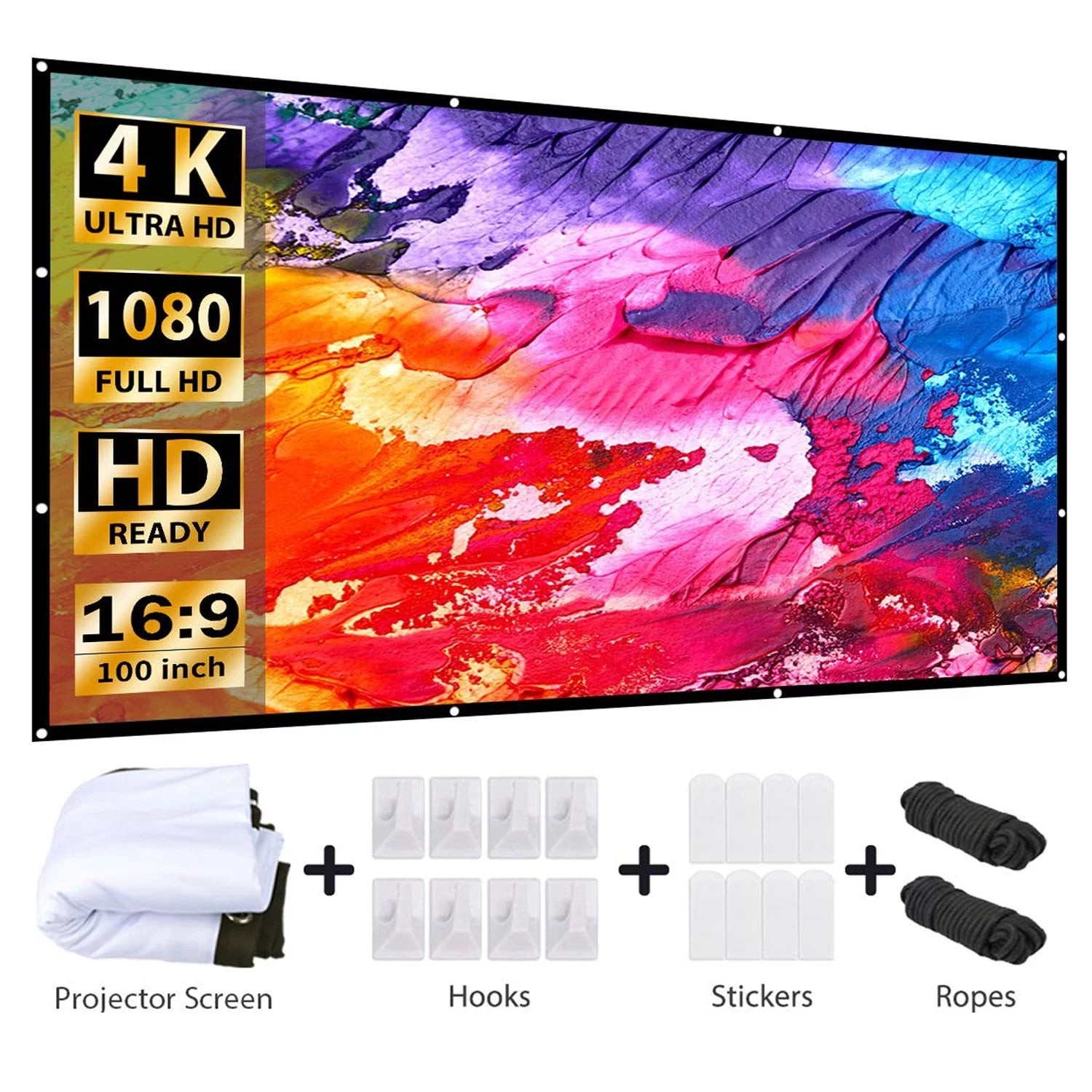 VANKYO 100'' Foldable Projector Screen 16:9 HD Outdoor Home Theater 3D Movie$7.39View on eBay
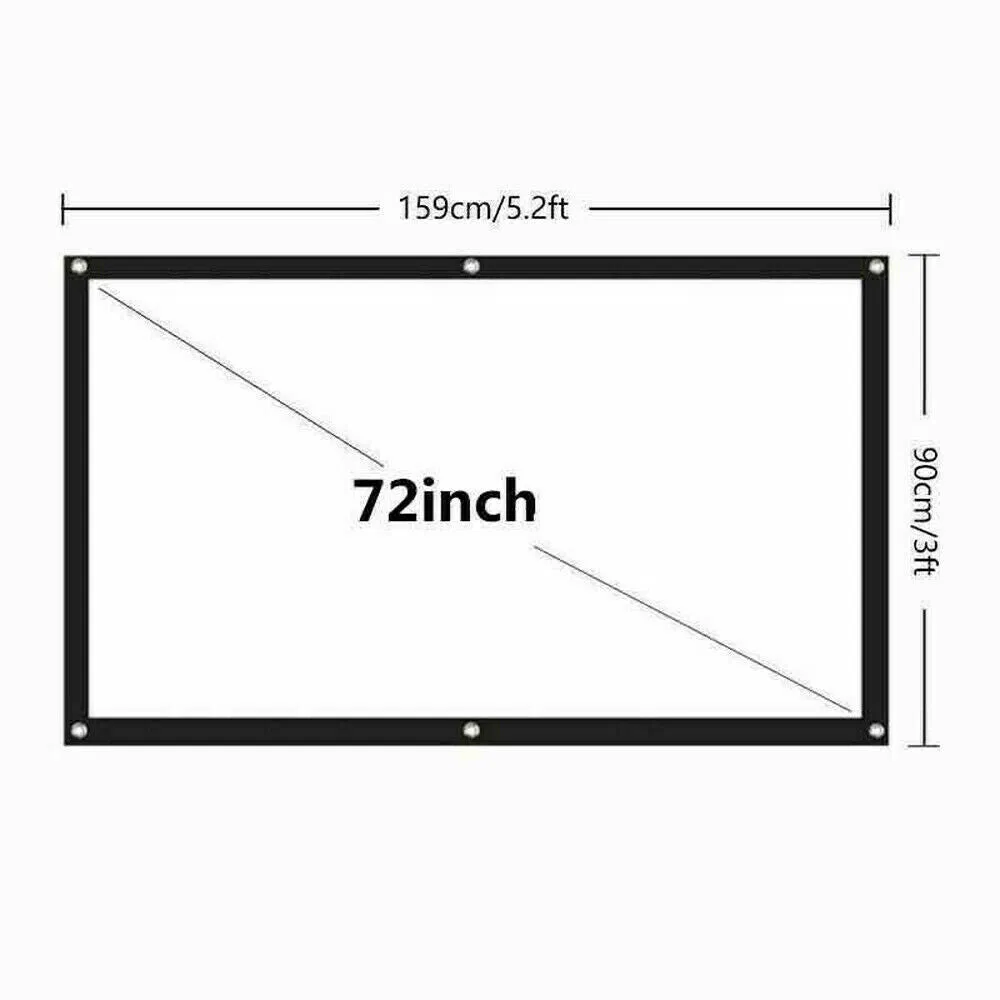 Portable Foldable Projector Screen 16:9 HD Outdoor Home Cinema Theater 3D Movie$21.99View on Mallflare
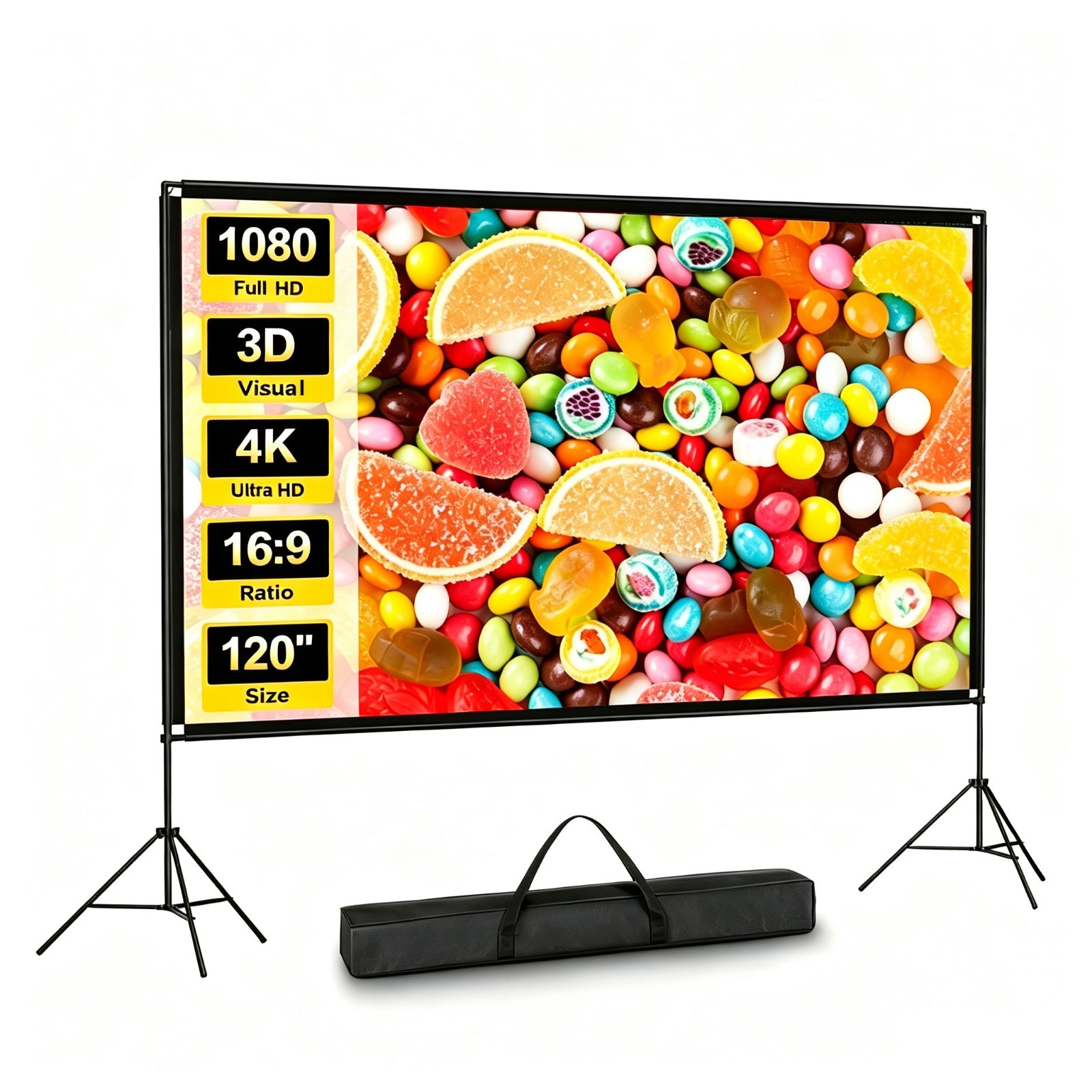 120 inch Outdoor Projector Screen with Stand Foldable Projector Screen 16:9 HD$59.99View on eBay
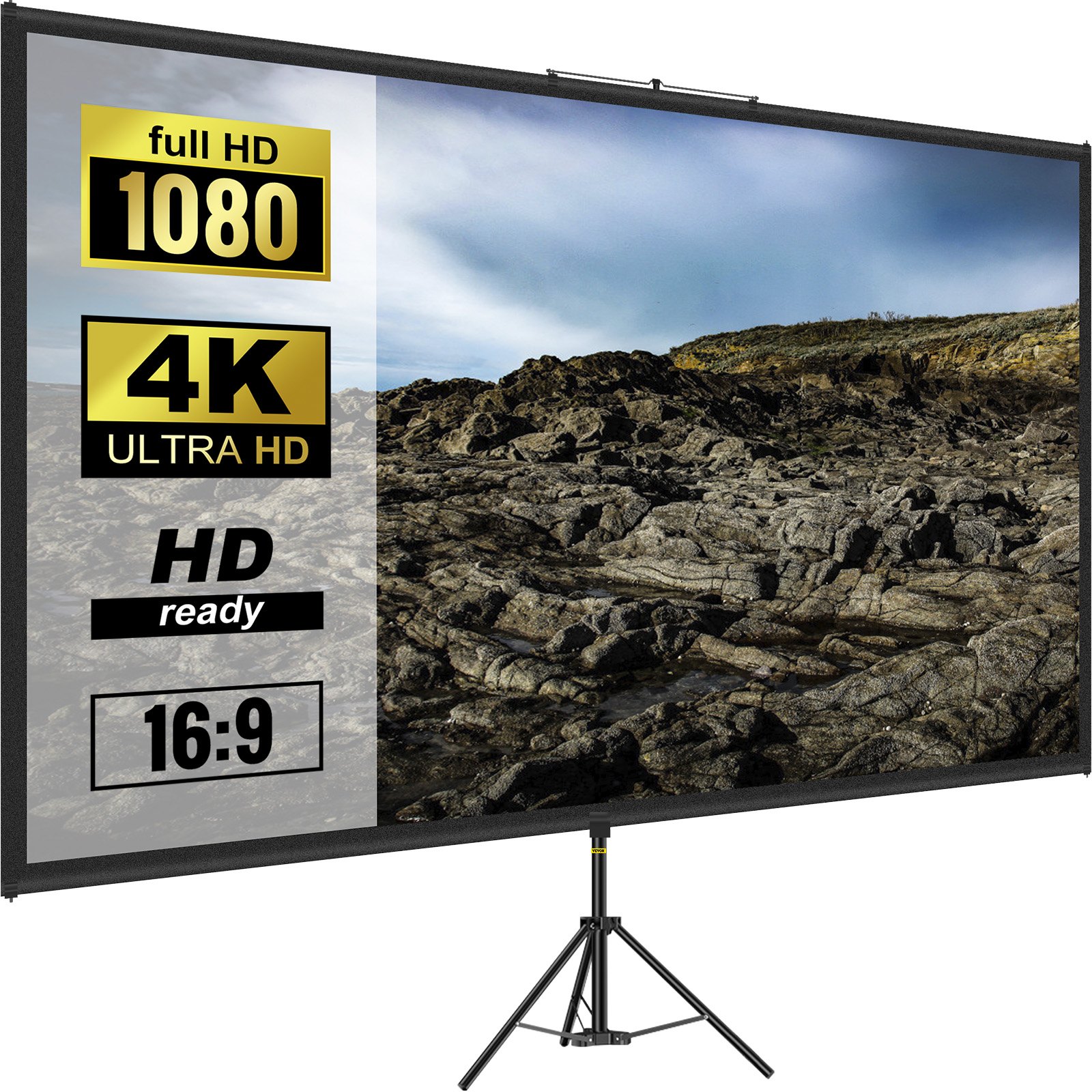 Tripod Projector Screen With Stand 60 Inch 16:9 4K HD Projection Wrinkle-Free Height Adjustable Portable For Indoor & Outdoor For Movie, Home Cinema, Gaming, Office$36.99View on Mallflare
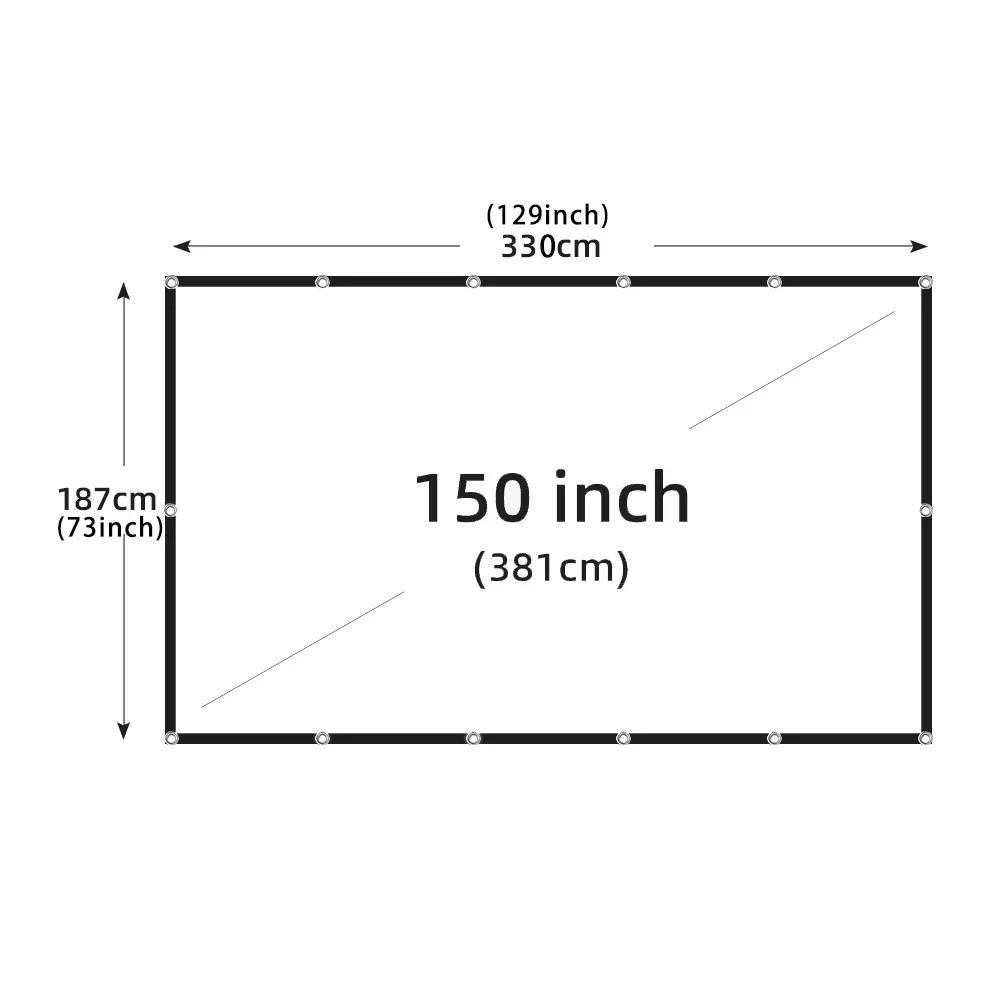 MIXITO Portable Projector Screen Foldable Matte White 16:9 30-130 Inch$60.99View on eBay
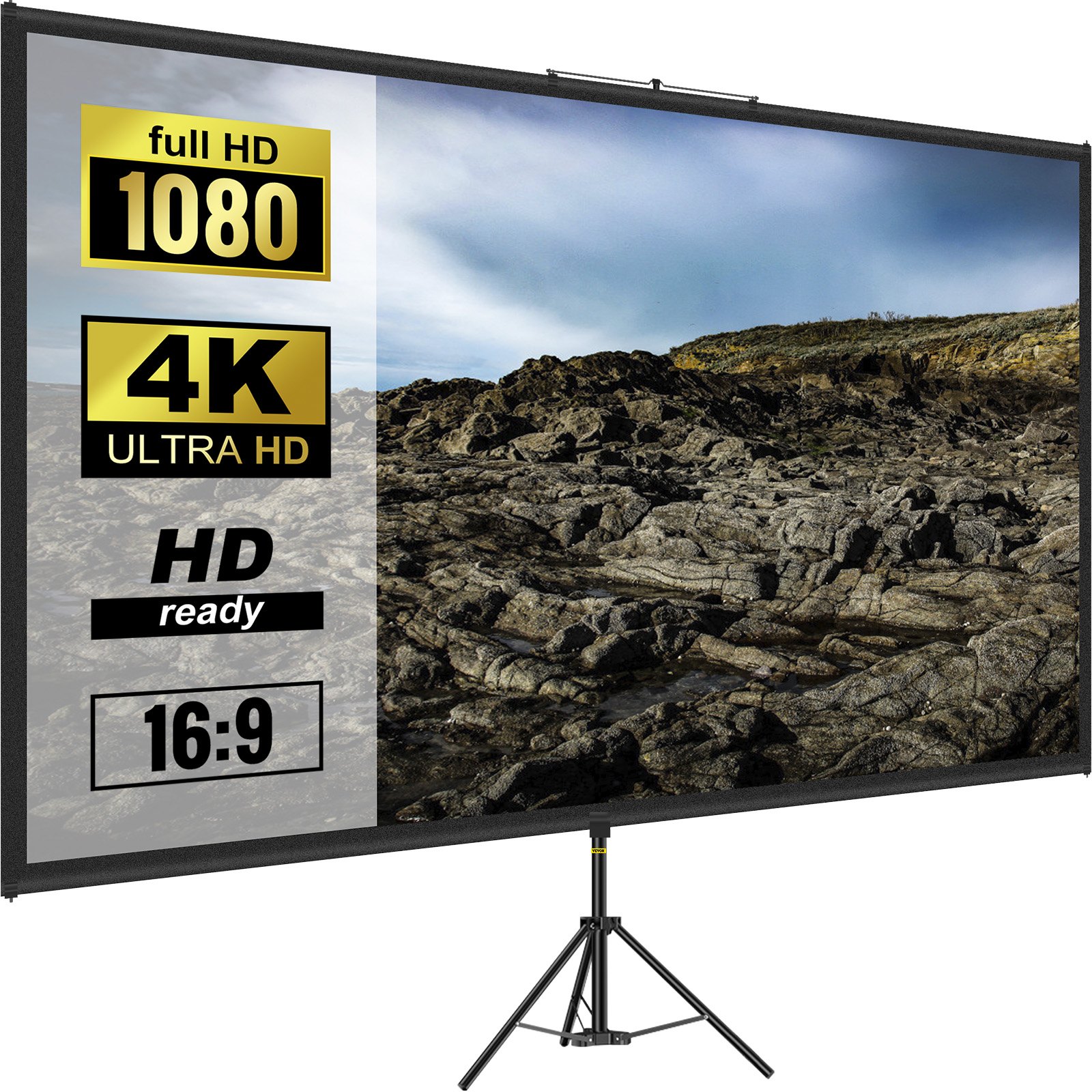 Tripod Projector Screen With Stand 110inch 16:9 4K HD Projection Wrinkle-Free Height Adjustable Portable For Indoor & Outdoor For Movie, Home Cinema, Gaming, Office$48.99View on Mallflare
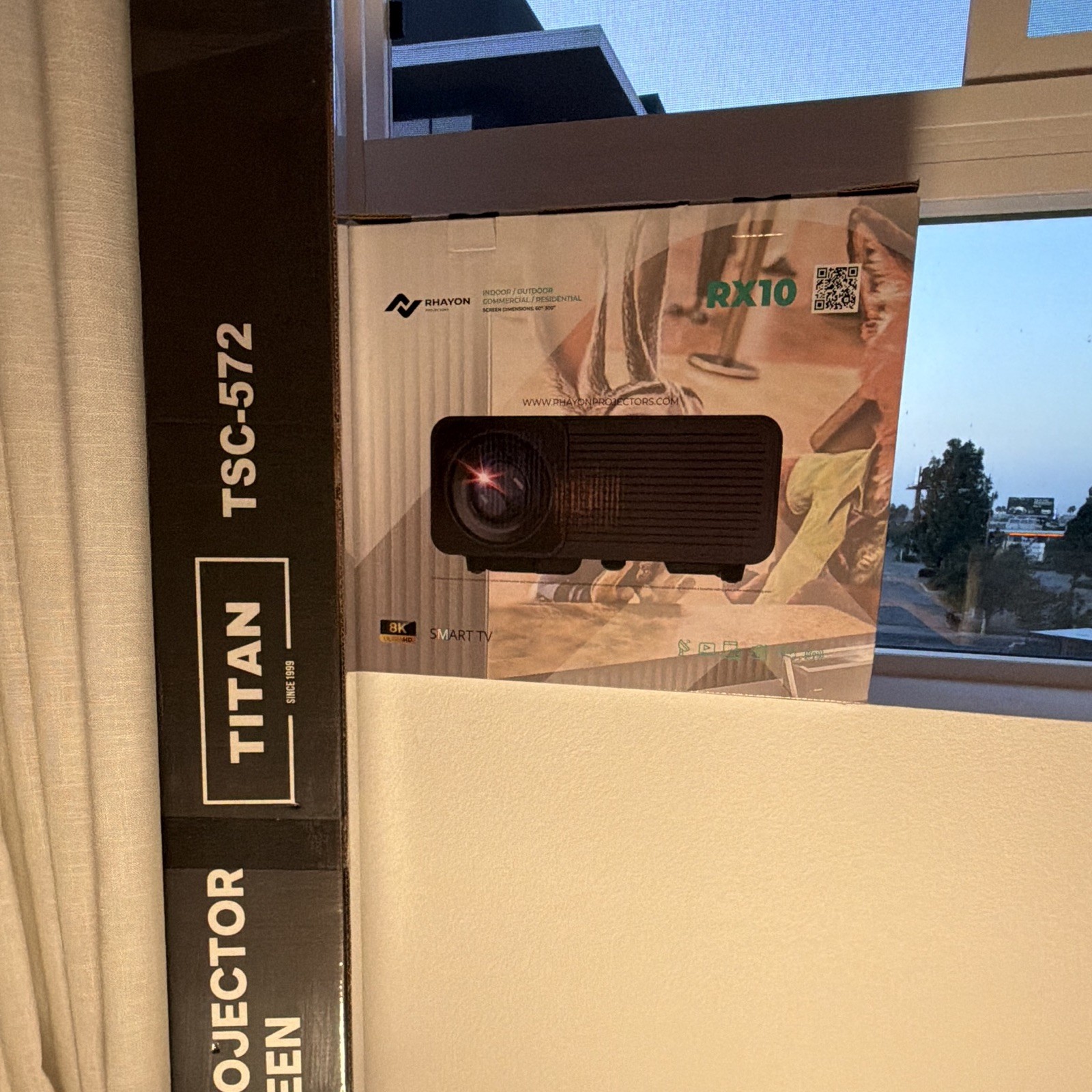 Rhayon RX10 8K Smart Laser Projector + Titan TSC-572 Screen MSRP $8,750 NEW$399.99Last checked Nov 18, 2026View on eBay
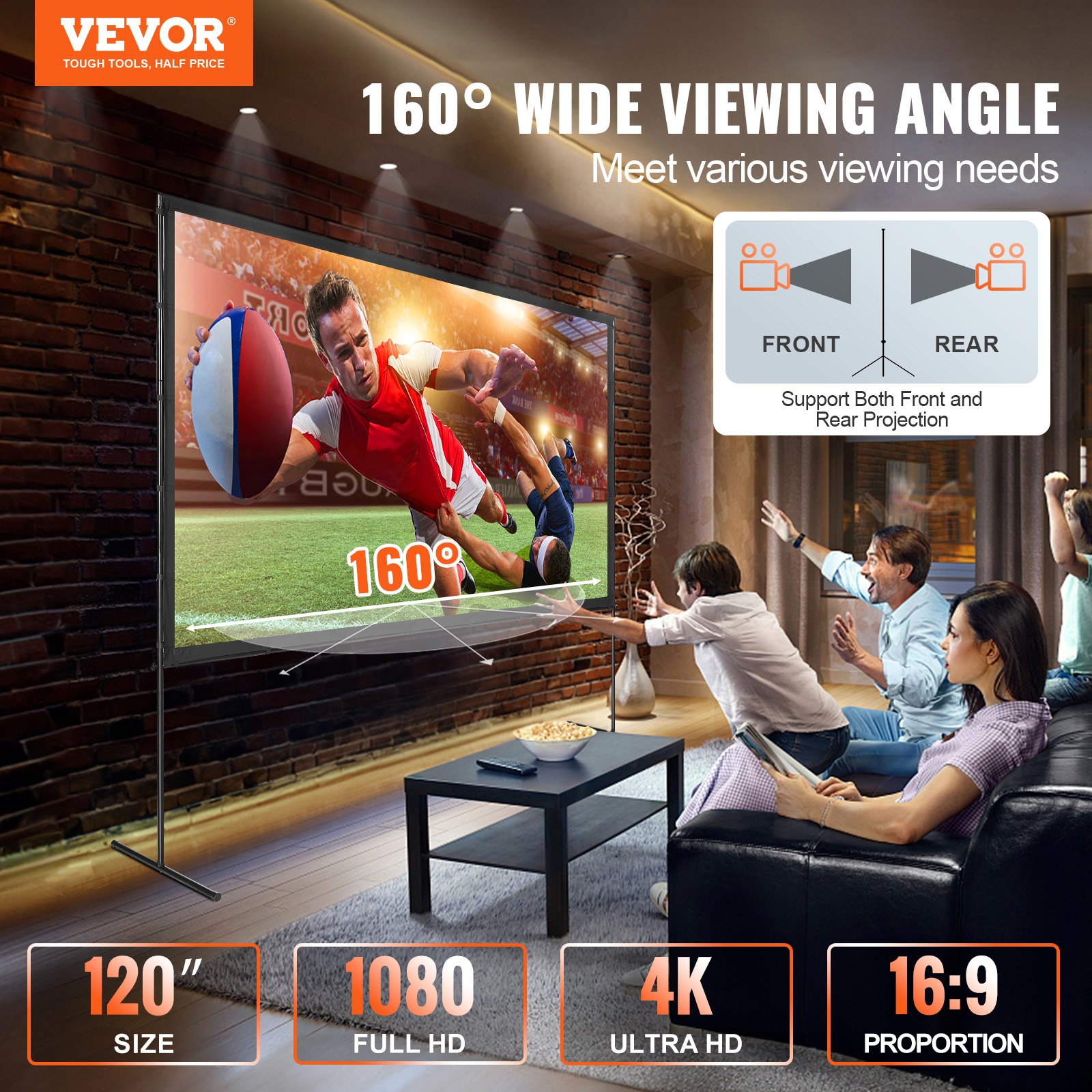 VEVOR Projector Screen With Stand, 120 Inch 4K 1080 HD Outdoor Movie Wrinkle-Free Projection Bar Feet And Carry Bag, For Home Theater Cinema Backyard Night$67.99View on Mallflare
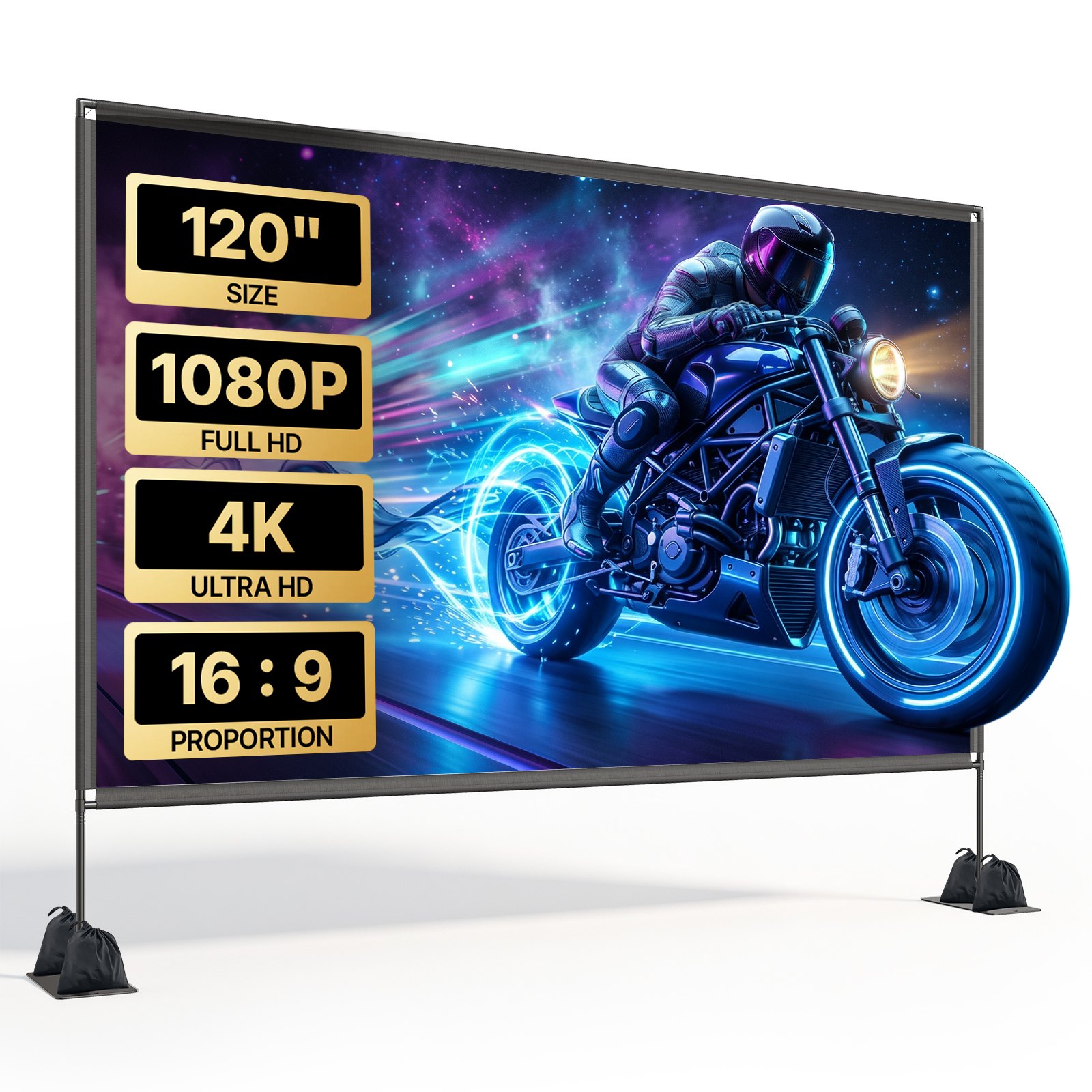 Projector Screen with Stands, 120 Inch 16:9 4K 1080P HD Movie 170° Wide Viewing, Front/Rear Projection Ground Stakes, Sandbags & Guy Ropes for Home Theater & Backyard Movies$67.99View on Mallflare
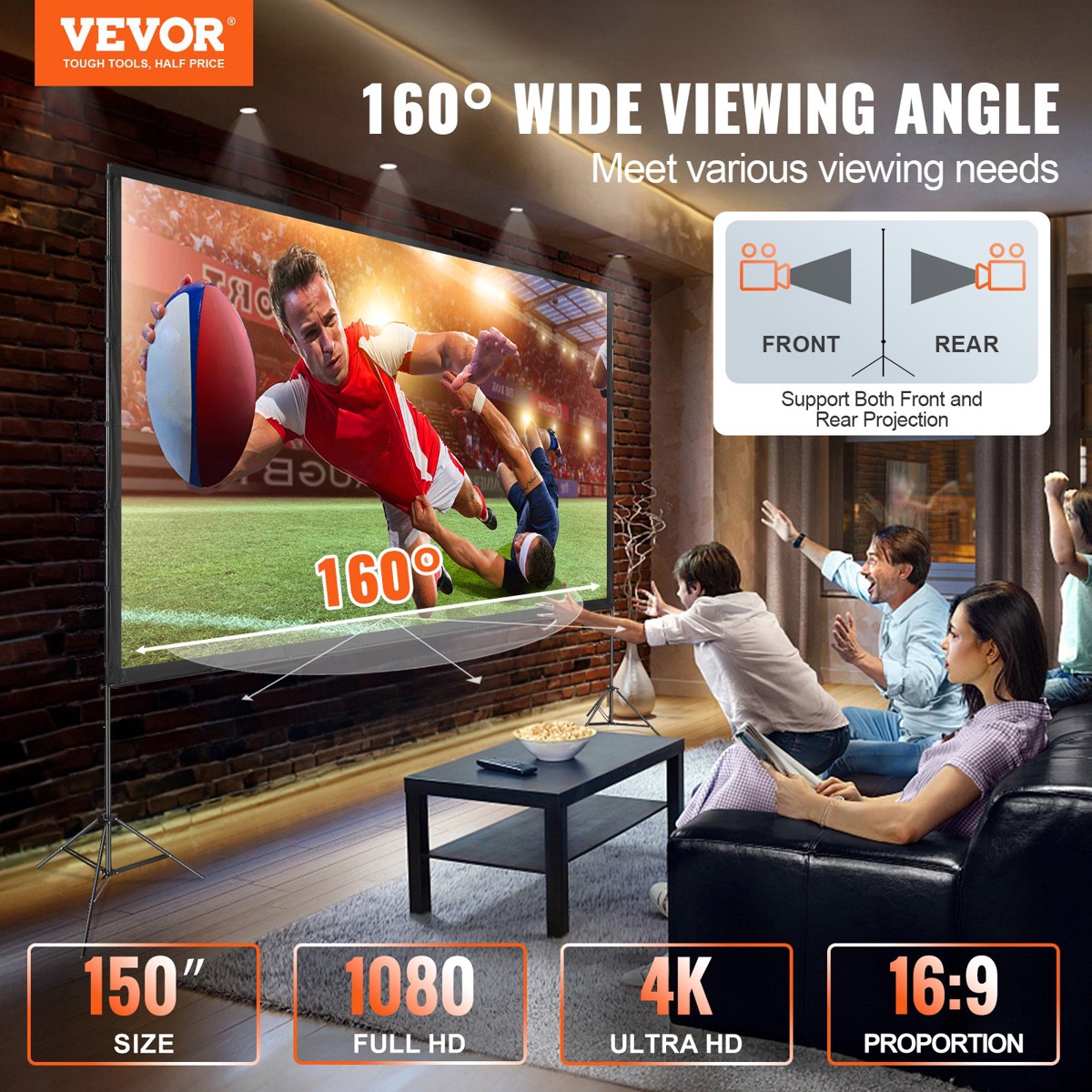 Projector Screen With Stand, 150 Inch 16 9 4K 1080 HD Outdoor Movie Wrinkle-Free Projection Tripods And Carry Bag, For Home Theater Cinema Backyard Night$70.99View on Mallflare
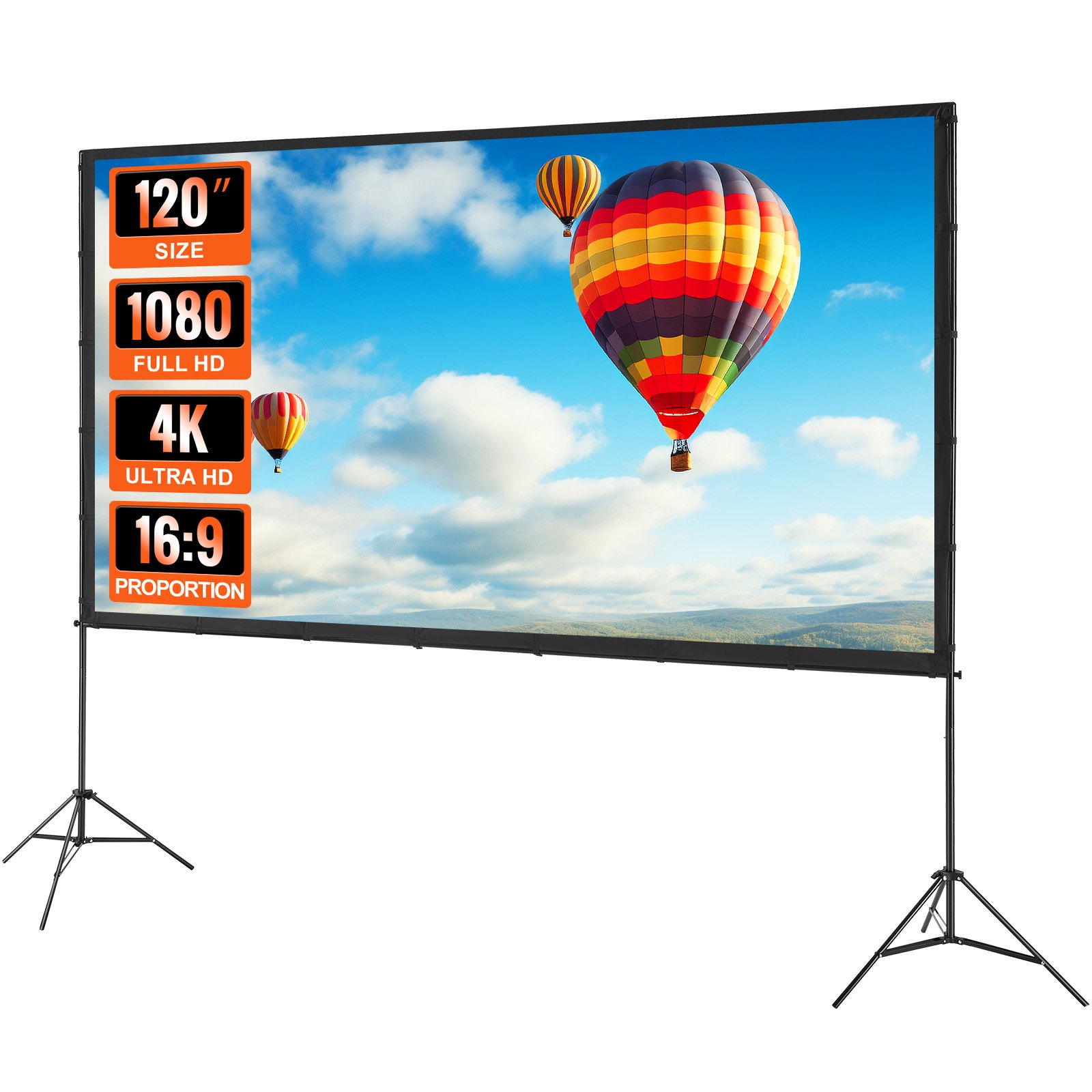 Projector Screen With Stand, 120 Inch 16:9 4K 1080 HD Outdoor Movie Wrinkle-Free Projection Tripods And Carry Bag, For Home Theater Cinema Backyard Night$74.99View on Mallflare
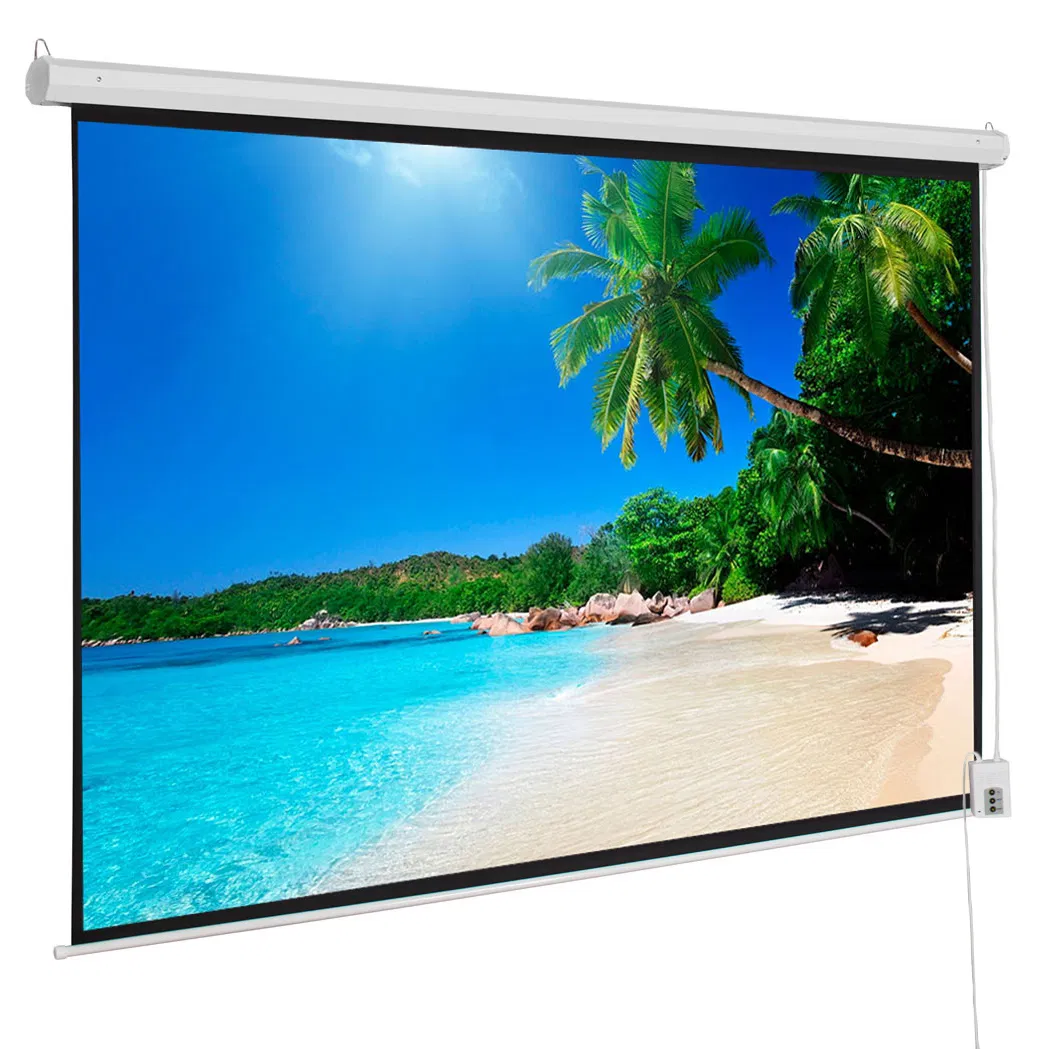 92" 16:9 80" x 45" Viewing Area Motorized Projector Screen with Remote Control Matte White$85.99View on Mallflare
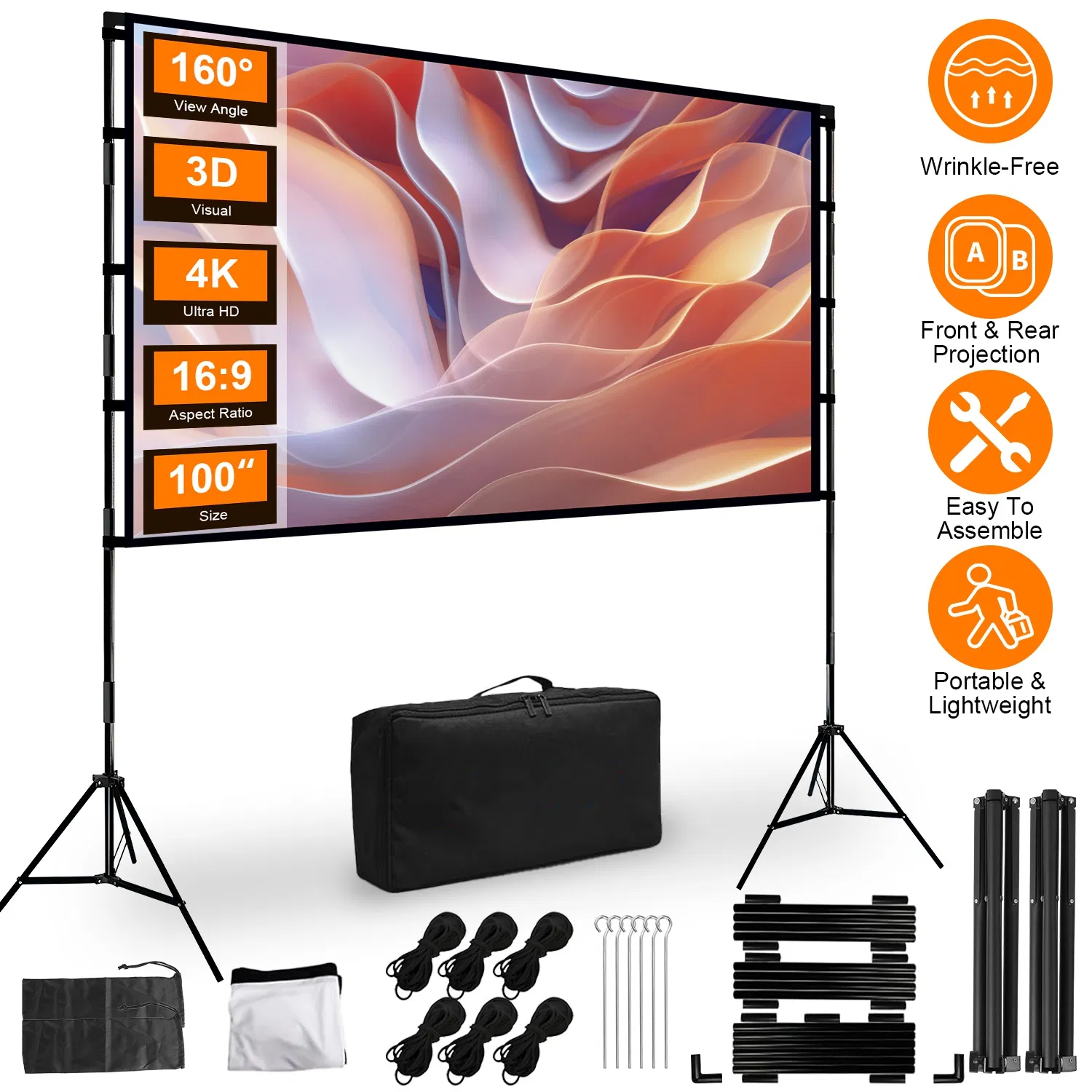 100inch 120inch Options Projector Screen With Stand 4K HD Rear Front Wrinkle-Free Portable And Foldable Movie Carry Bag For Indoor Outdoor Home Theater Backyard Cinema$87.99View on Mallflare
 100inch/120inch Options Projector Screen With Stand 16:9 4K HD Rear Front Wrinkle-Free Portable And Foldable Movie Carry Bag For Indoor Outdoor Home Theater Backyard Cinema$87.99View on Mallflare
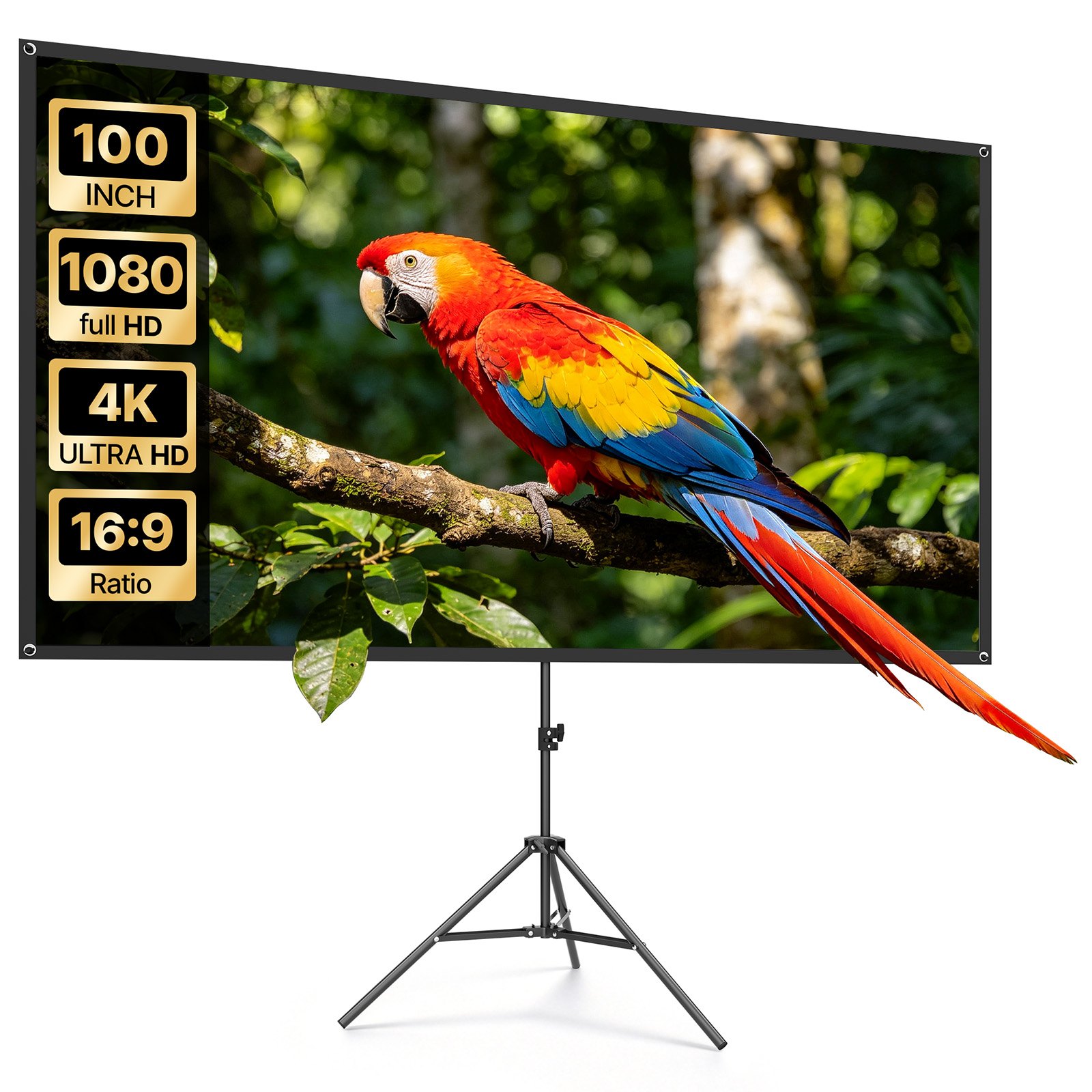 Projector Screen with Stand, 100 Inch 16:9 4K 1080P HD Movie 170° Wide Viewing, Wrinkle-Free Projection Stable Tripod & Portable Bag for Home Theater, Immersive Nights$91.99View on Mallflare
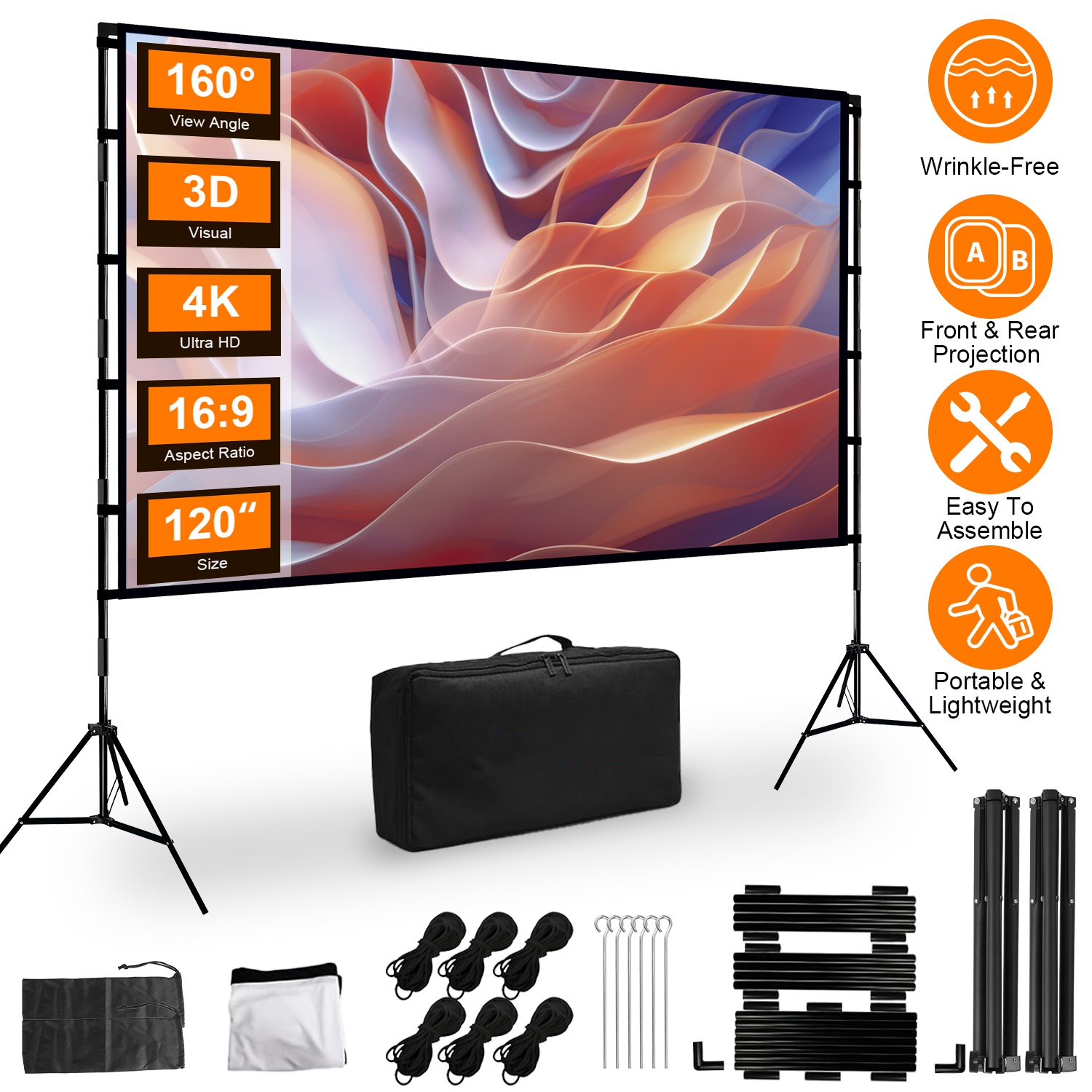 1Pc 120inch Or 100inch Projector Screen With Stand 16 9 4K HD Rear Front Wrinkle Free Portable And Foldable Movie Carry Bag For Indoor Outdoor Home Theater Backyard Cinema$97.99View on Mallflare
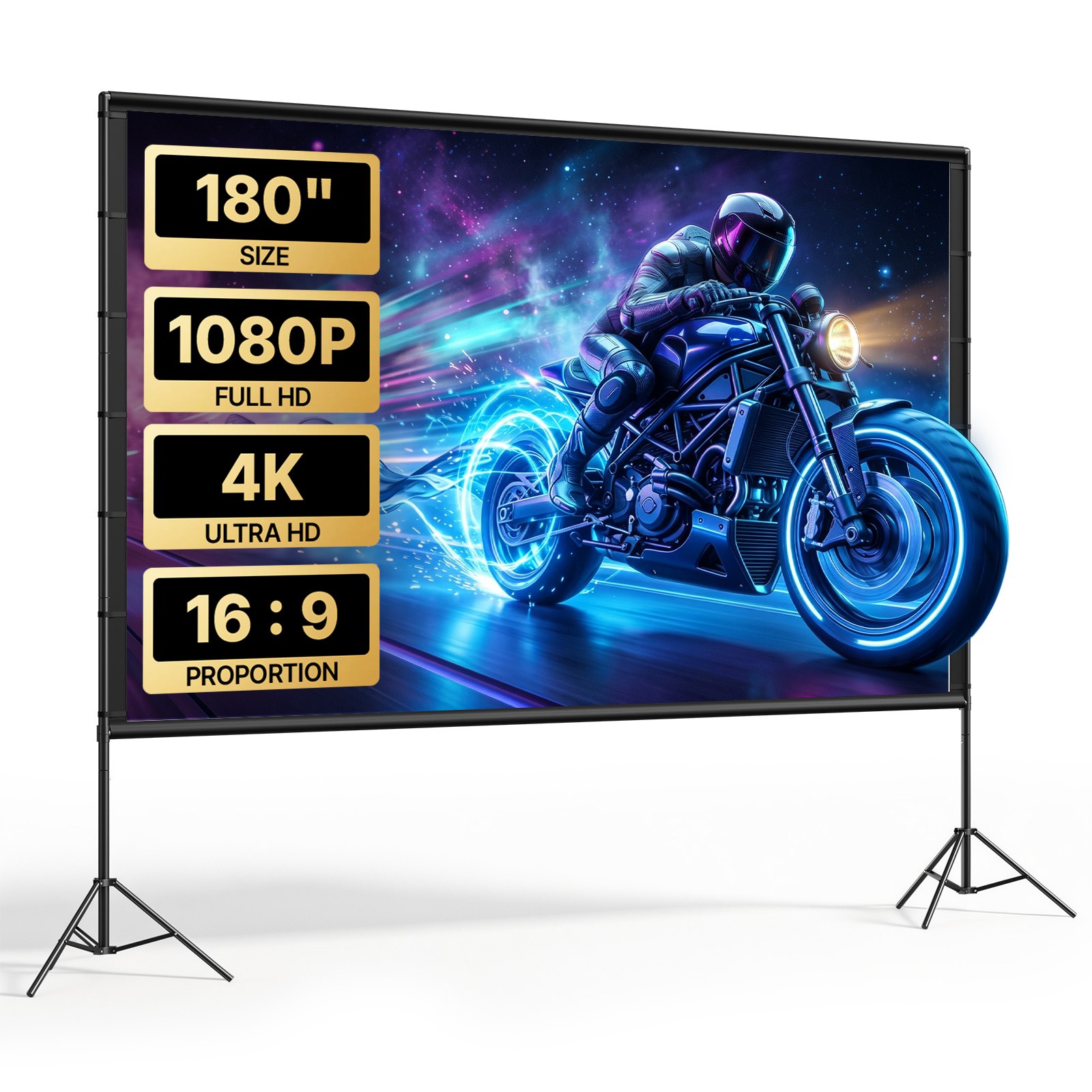 Projector Screen with Stands, 180 Inch 16:9 4K 1080P HD Movie 170° Wide Viewing, Front/Rear Projection Dual Tripod, Ground Stakes & Guy Ropes for Indoor Outdoor Nights$98.99View on Mallflare
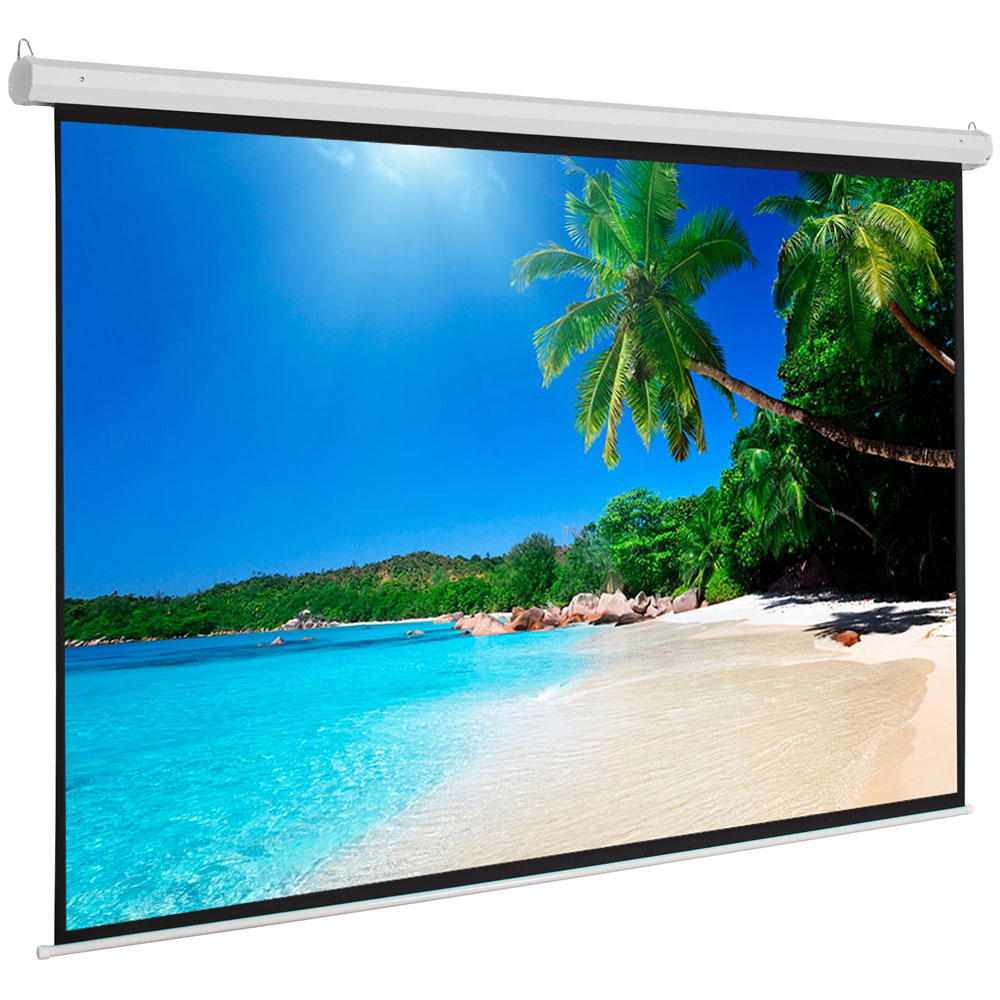 100 INCH 4:3 Manual Projector Screen Matte White$105.99View on Mallflare
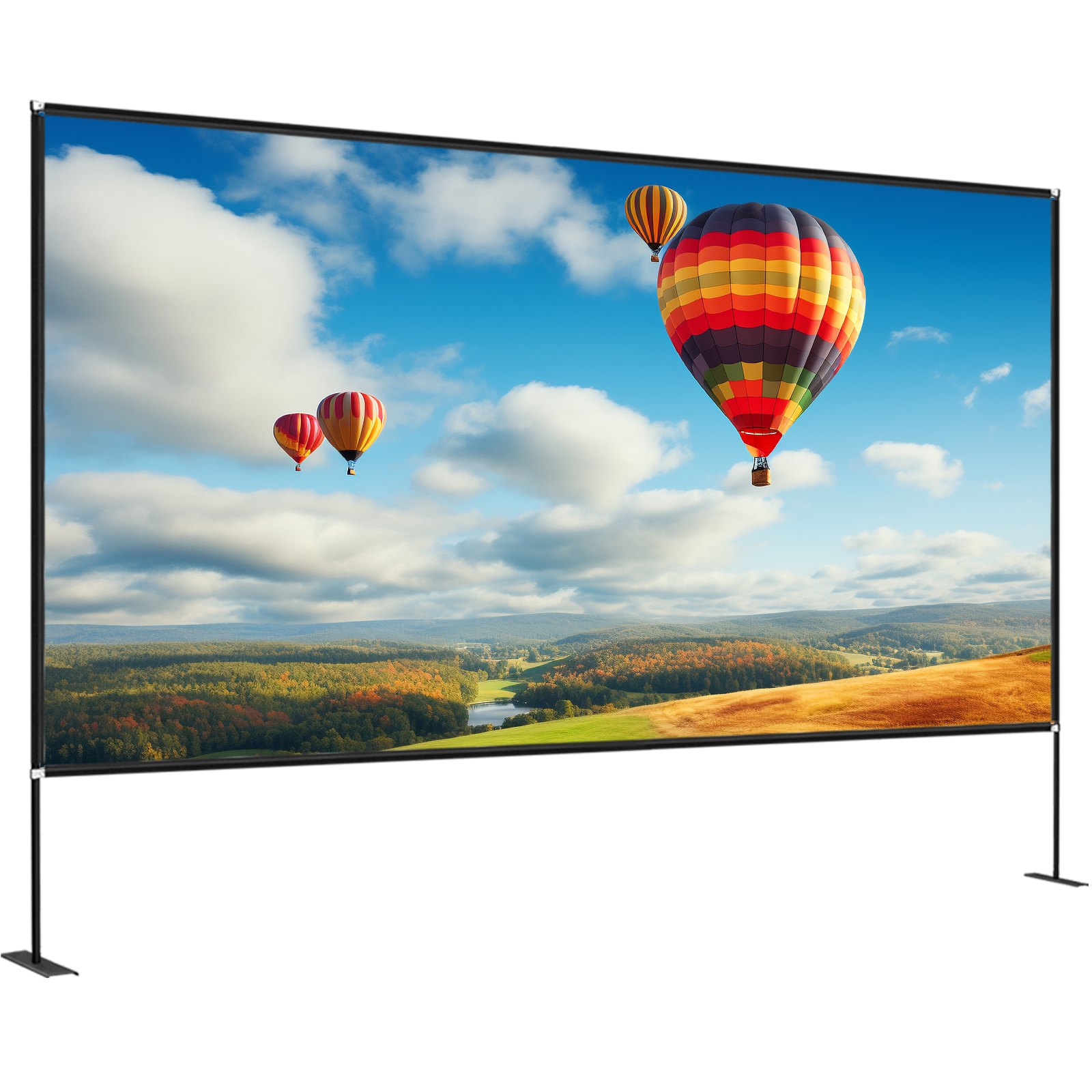 Projector Screen With Stand 150inch Portable Movie 16:9 4K HD Wide Angle Outdoor Easy Assembly Storage Bag For Home Theater Office Use$120.99View on Mallflare
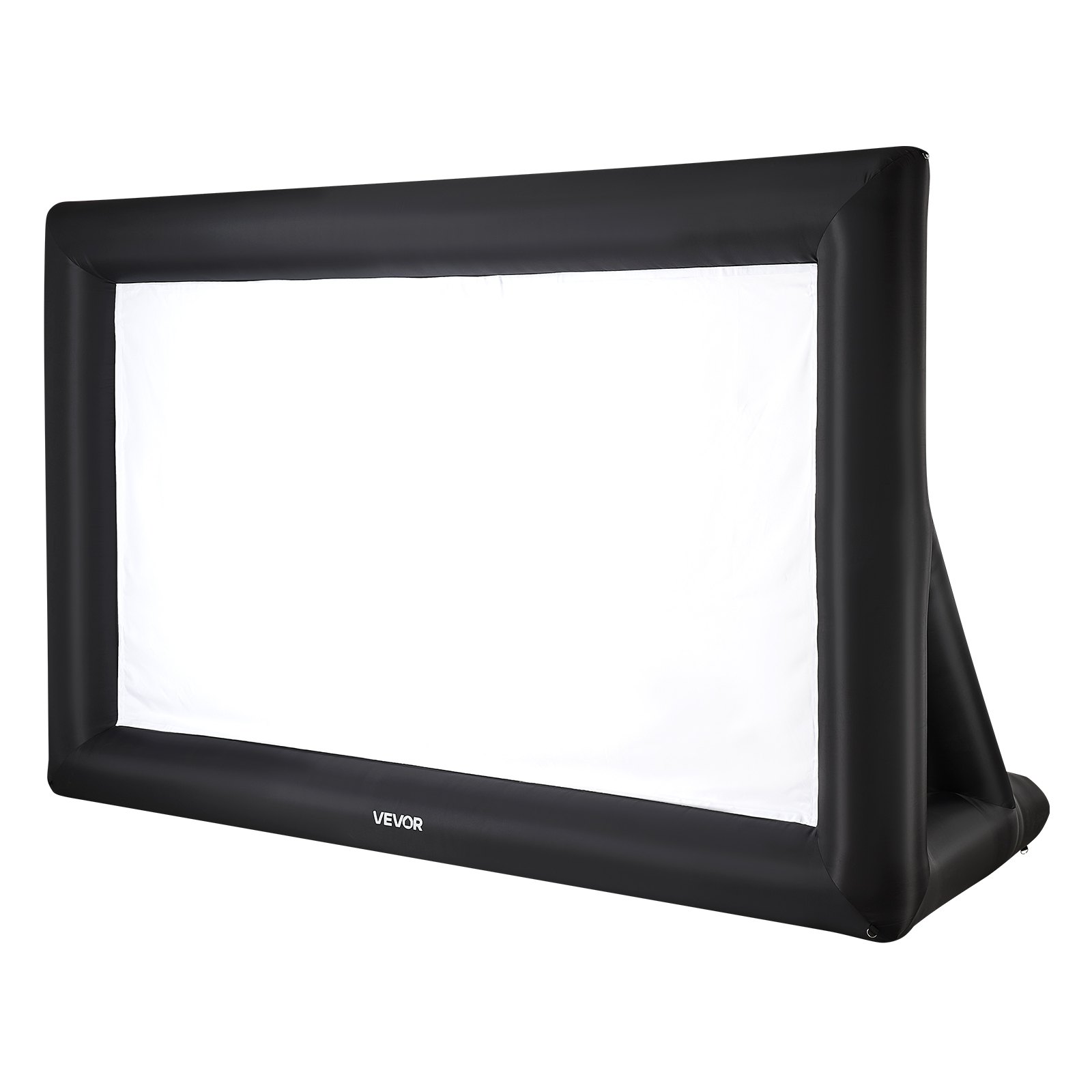 20FT Inflatable Projector Screen, Movie Outdoor With 250W Air Blower Oxford Fabric Material Blow Up For Backyard, Home Theater, Theme Party$132.99View on Mallflare
Highlights
- 16:9 at 150 inches diagonal yields a 131×74-inch viewing area—confirm wall or yard width exceeds 11 feet before buying.
- Matte white fabric with 1.0–1.1 gain preserves off-axis brightness; grey or high-gain surfaces narrow the viewing cone and dim side seats.
- Tripod and folding-stand screens rely on crossbars and grommets; tab-tensioned frames use perimeter tension to eliminate the wrinkles that distort projected geometry.
- 4K and 1080p compatibility is a surface-texture claim—fine-weave PVC or woven fabric resolves UHD detail; coarse vinyl or tarp material visibly softens pixels.
Best use cases
- Backyard movie nights: pick a tripod or folding-stand screen with carry bag and weighted base—skip fixed-frame models that require permanent mounting.
- Dedicated home theater: choose a tab-tensioned fixed frame or motorized screen with 1.0–1.1 gain matte white—skip portable tripods that sag or wrinkle over time.
- Large living room with limited wall space: select a pull-down or motorized roll-up 150-inch screen—skip freestanding tripods that occupy floor area and tip in high-traffic rooms.
- Frequent relocation or rental use: a folding screen with aluminum frame and carry bag is the only practical choice—skip heavy fixed frames that cannot be disassembled.
Buying tips
- Verify ceiling height: a 150-inch 16:9 image is 74 inches tall, so the screen bottom should sit 24–36 inches above the floor—requires at least 8.5–9 feet of ceiling clearance.
- Match screen gain to projector lumens: 1.0–1.1 gain suits 2,000–3,500 lumen projectors; high-gain (1.5+) surfaces only help dim projectors and cause hotspotting with bright ones.
- Check the aspect ratio printed on the screen: a 150-inch 4:3 screen is only 120×90 inches for 16:9 content, wasting vertical space and reducing effective image width.
- For outdoor use, confirm the frame or tripod includes ground stakes or sandbag attachment points—a 150-inch screen acts as a sail in even mild wind.
Specs
| Aspect Ratio | 16:9 native / 4:3 optional |
|---|---|
| Image Area (16:9) | 131 × 74 in (150 in diagonal) |
| Screen Gain | 1.0–1.1 matte white typical |
| Mount Type | Tripod / fixed frame / roll-up |
Related searches
What to check before buying
- Measure the intended wall or yard span: 150-inch 16:9 requires at least 11 feet of width and 7 feet of height for the screen alone.
- Confirm ceiling or mount height: bottom of the screen should be 24–36 inches above the floor for seated viewing, requiring 8.5–9 feet of clearance.
- Check projector throw distance: a 150-inch image typically needs 12–16 feet of throw for standard lenses—verify the projector's throw ratio before buying.
- For outdoor setups, confirm the stand or frame accepts stakes or weights and that the fabric is rated for outdoor use to resist moisture and UV degradation.
FAQ
Data sources: eBay / Amazon listings and product attribute feeds. Updated Nov 29, 2026.
Some links on this page are affiliate links. If you buy after clicking one, we may earn a commission at no extra cost to you. This does not change which products appear here or their order. Affiliate disclosure.