
Photos from current listings. Actual item, color, and included accessories may vary.
Key Cap Set Buying Guide
A keycap set is the complete replacement shell for a mechanical keyboard, defined by material (ABS vs PBT), molding method (doubleshot vs dye-sublimated), and profile (Cherry, OEM, SA, XDA, MOA). The core trade-off is ABS's crisp doubleshot legends and glossy wear versus PBT's textured, oil-resistant, dye-sub durability. Buy PBT with dye-sublimated or doubleshot legends for daily typing; choose ABS doubleshot only for SA/MOA aesthetics or vintage feel.
Median $42.11
Key takeaways
- PBT (polybutylene terephthalate) resists shine and oils far better than ABS; dye-sublimation embeds legends into PBT so they never fade, while ABS doubleshot legends stay crisp but caps gloss over time.
- Profile changes typing feel and sound: Cherry/OEM are low-to-mid sculpted for familiar typing; SA is tall and spherical for retro thock; XDA/MOA are flat and uniform for a clean, even look.
- Kit key counts matter: 104–108 keys cover full-size and TKL; 116–140+ keys are needed for 75%, 65%, and 60% layouts plus novelties and alternate spacebars.
At a glance
- Category
- Keycaps & Artisan Keycaps
- Last updated
- Nov 23, 2026
Current offers
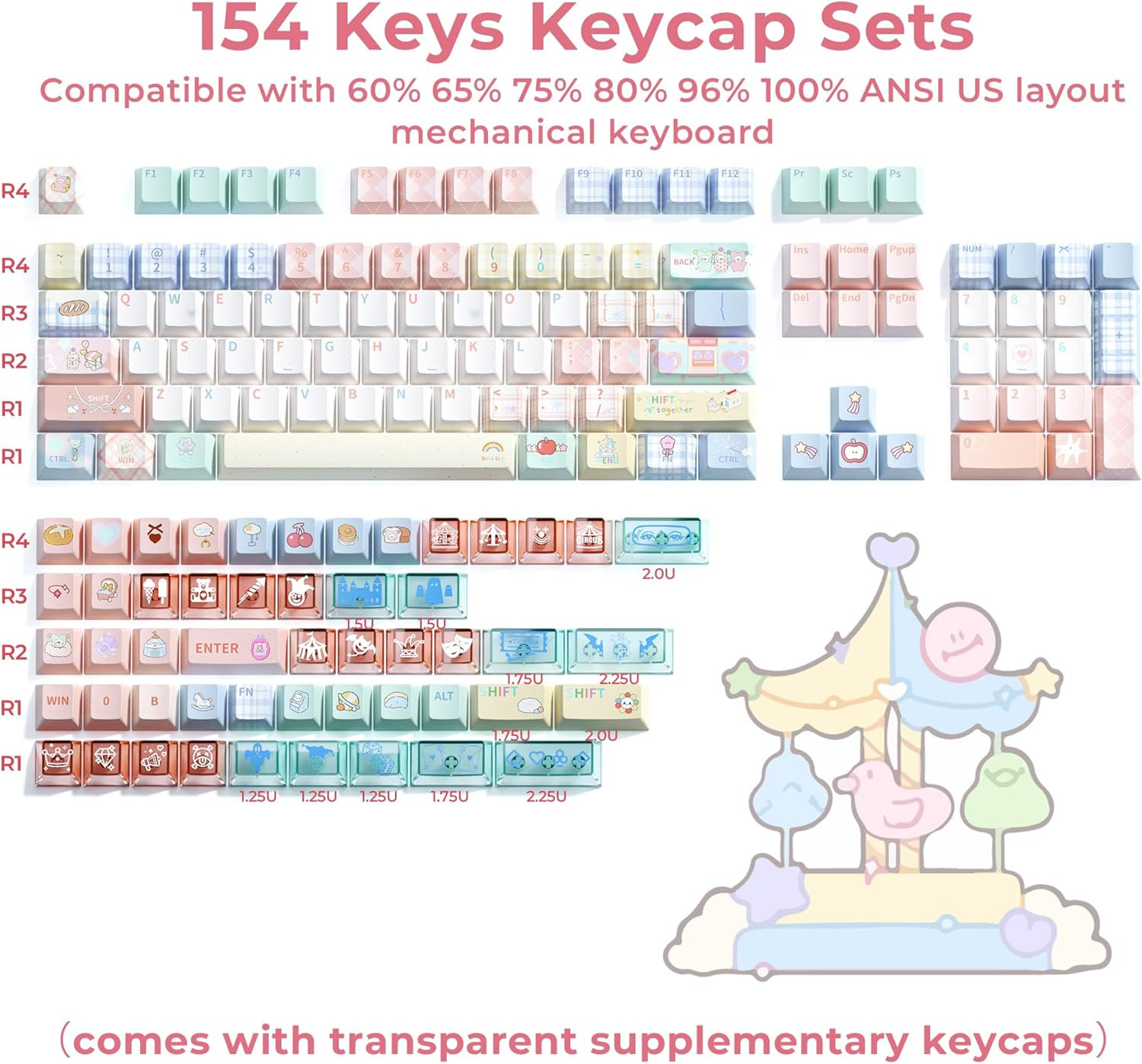 XVX PBT Keycaps 75 Percent, 157 Keys Cute Dye-Sub Keycap Set, Cherry Profile ...$20.26View on eBay
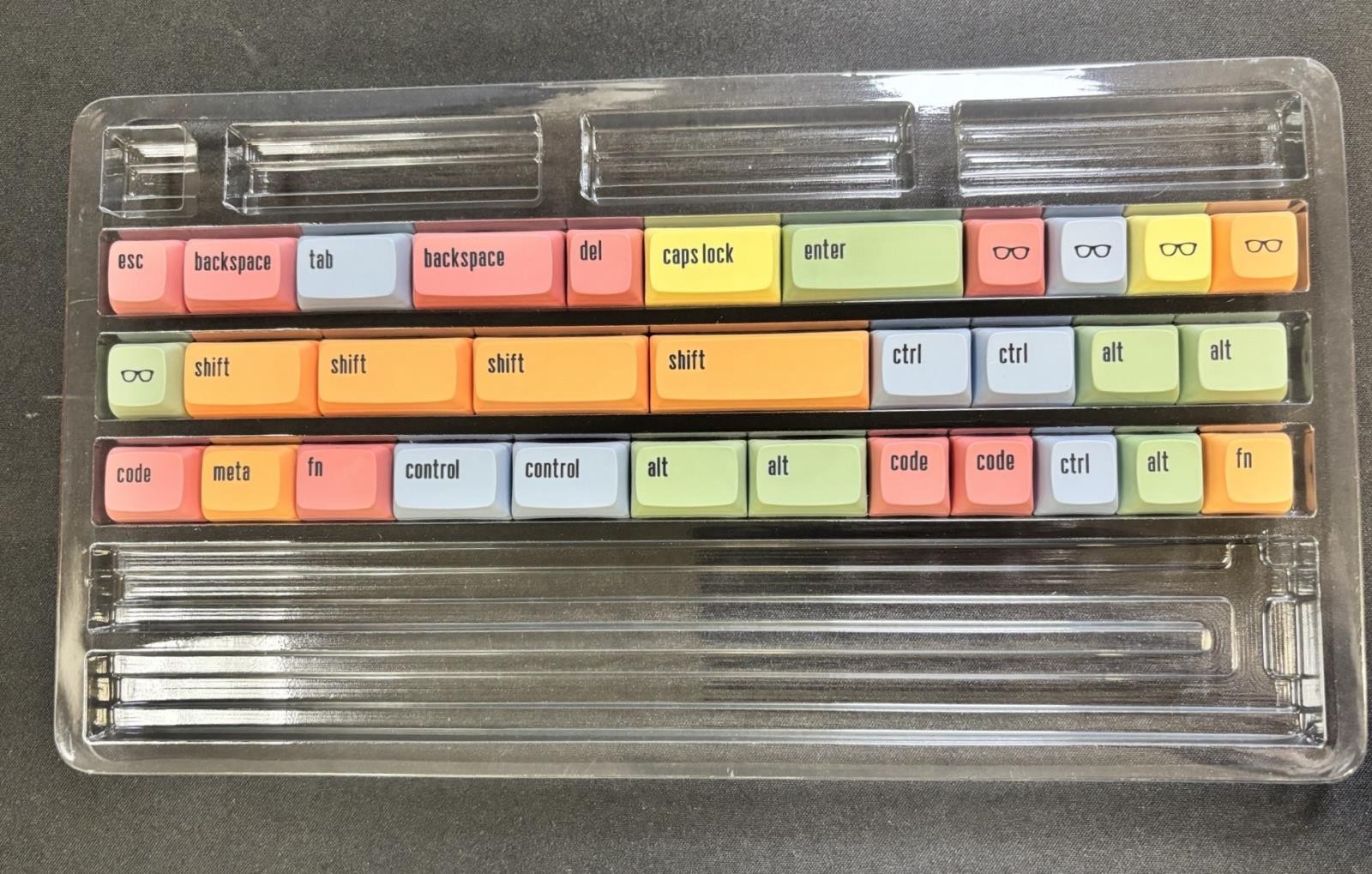 Drop + MiTo XDA Canvas Custom Keycap Set, Classic Accents$22.88View on eBay
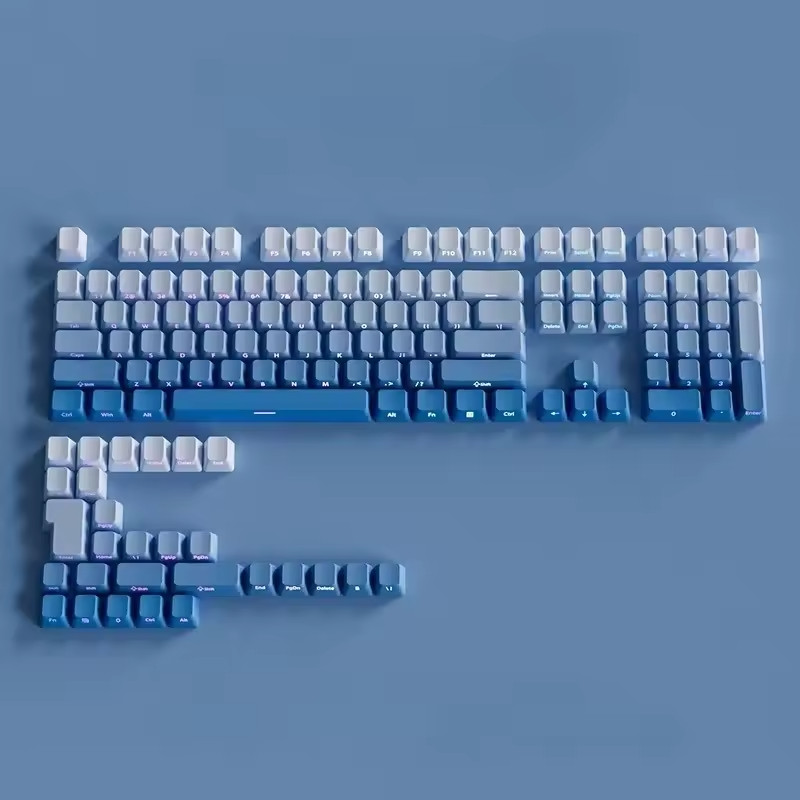 Doubleshot PBT Keycap Set Side Print Shine Through Backlit Keycaps For Cherry$29.99View on eBay
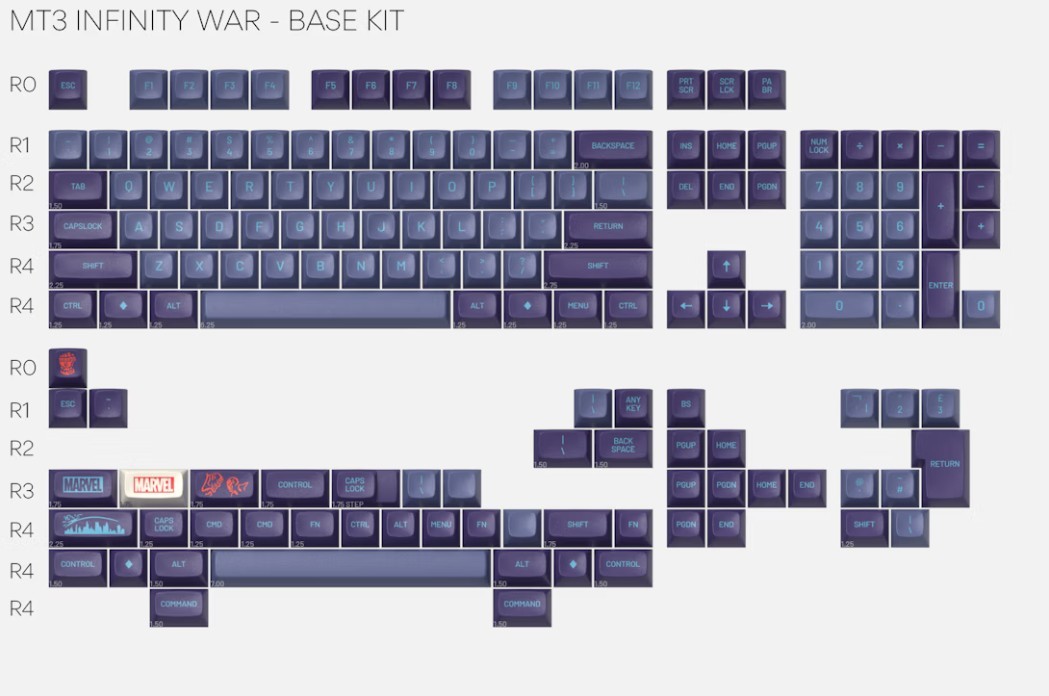 Drop + Marvel MT3 Infinity War Custom Keycap Set, Base Kit - New in Box$39.88View on eBay
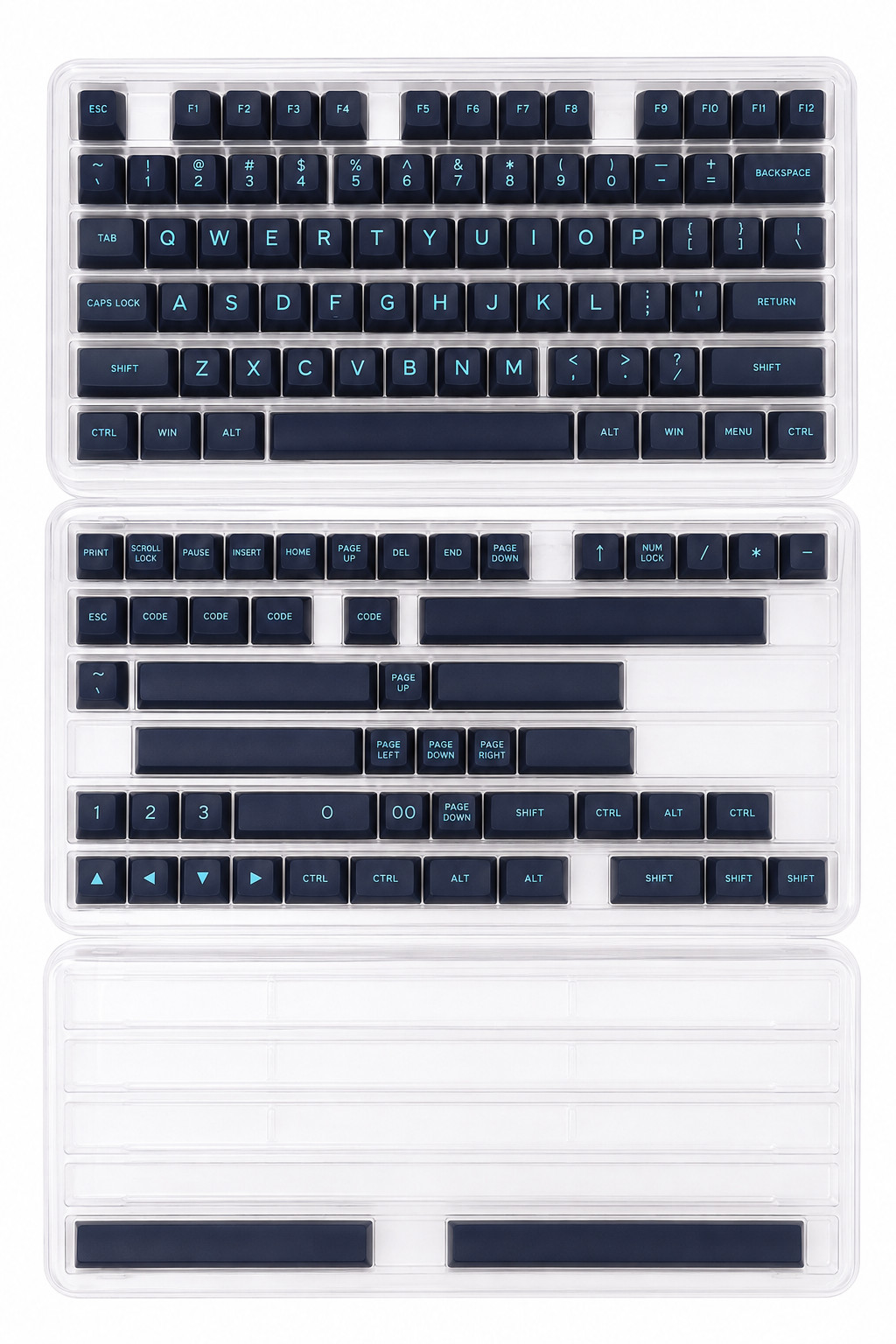 Maxkey SA Calm Depths Keycap Set Doubleshot ABS Mechanical Keyboard SA Profile$39.99View on eBay
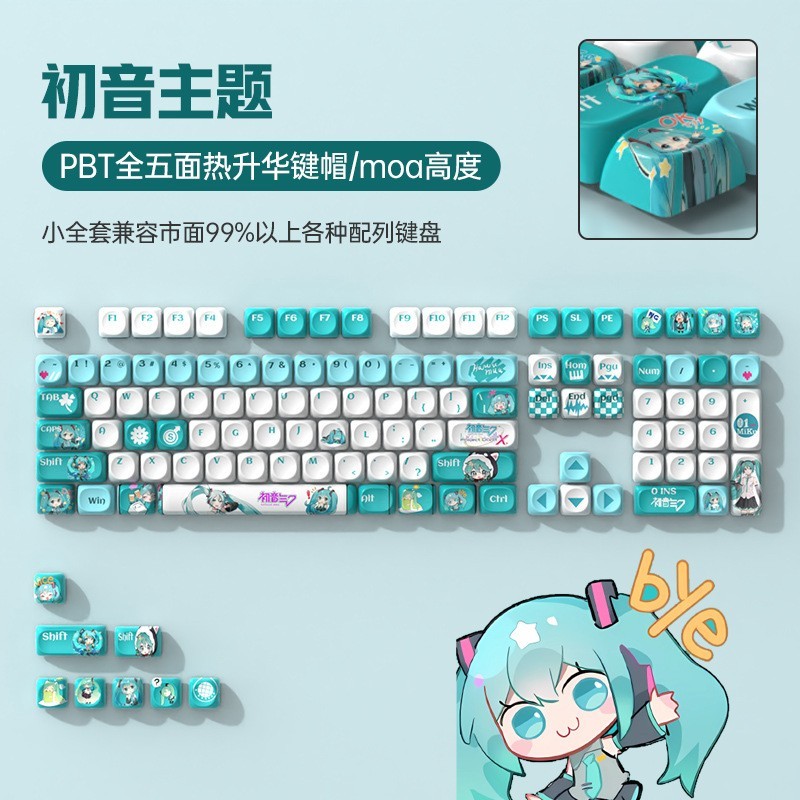 Hatsune Miku 116 PCS MOA Profile Anime Keycap Set For Mechanical Keyboard$39.99View on eBay
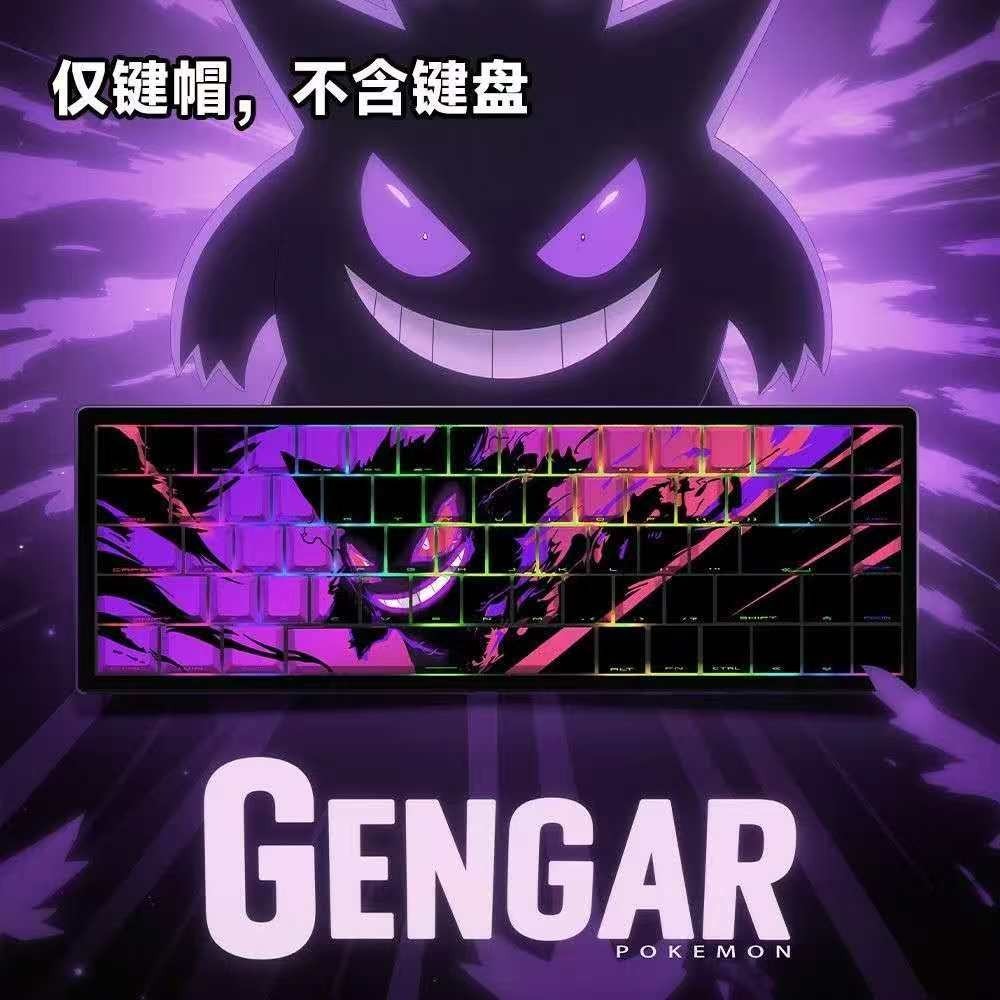 pokemon Gengar Anime PBT Keycaps 129 Keys Set For Mechanical Keyboard$39.99View on eBay
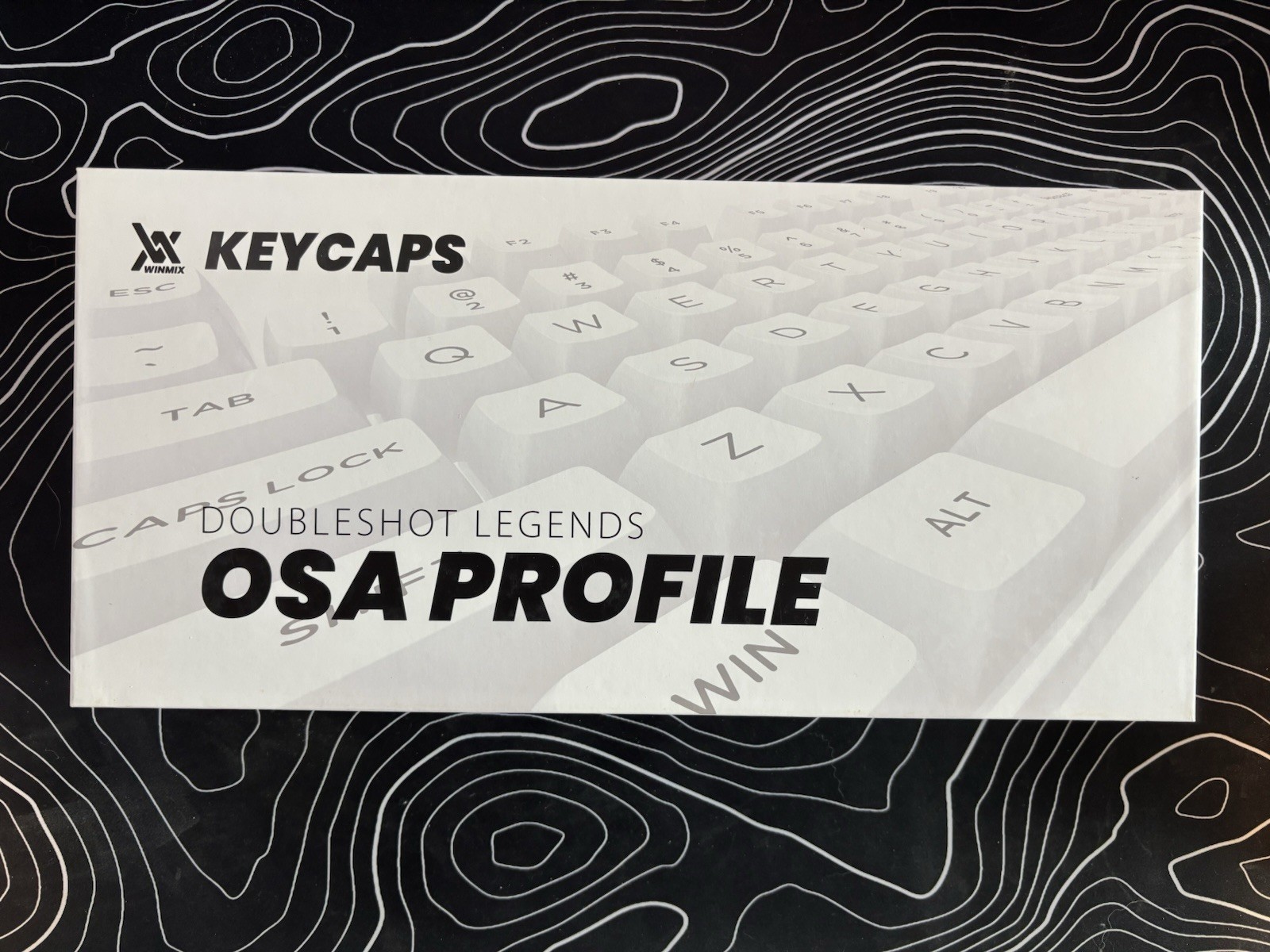 WINMIX Green Camp OSA Profile Doubleshot PBT Keycap Set - 215 Keys$40.00View on eBay
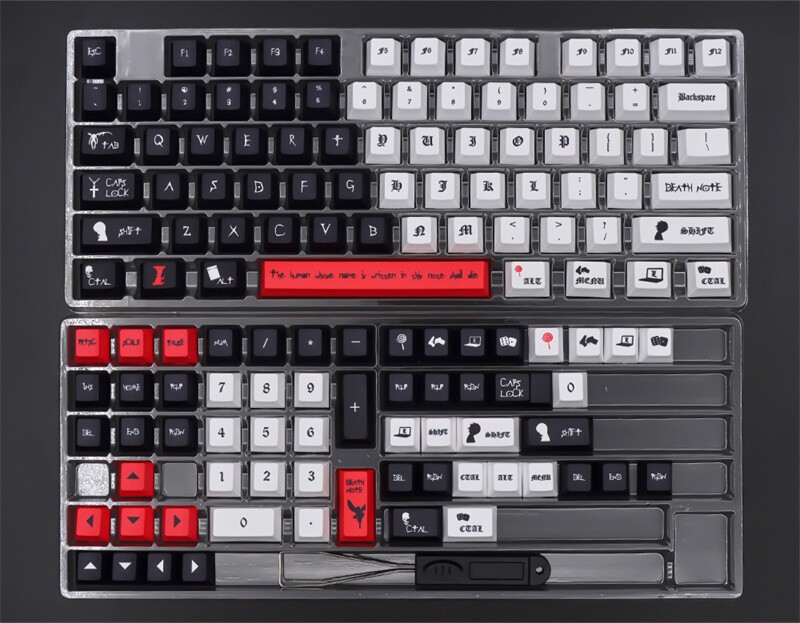 Death Note 135 Keys Keycaps Full Set PBT for Cherry MX Mechanical Keyboard Gift$40.23View on eBay
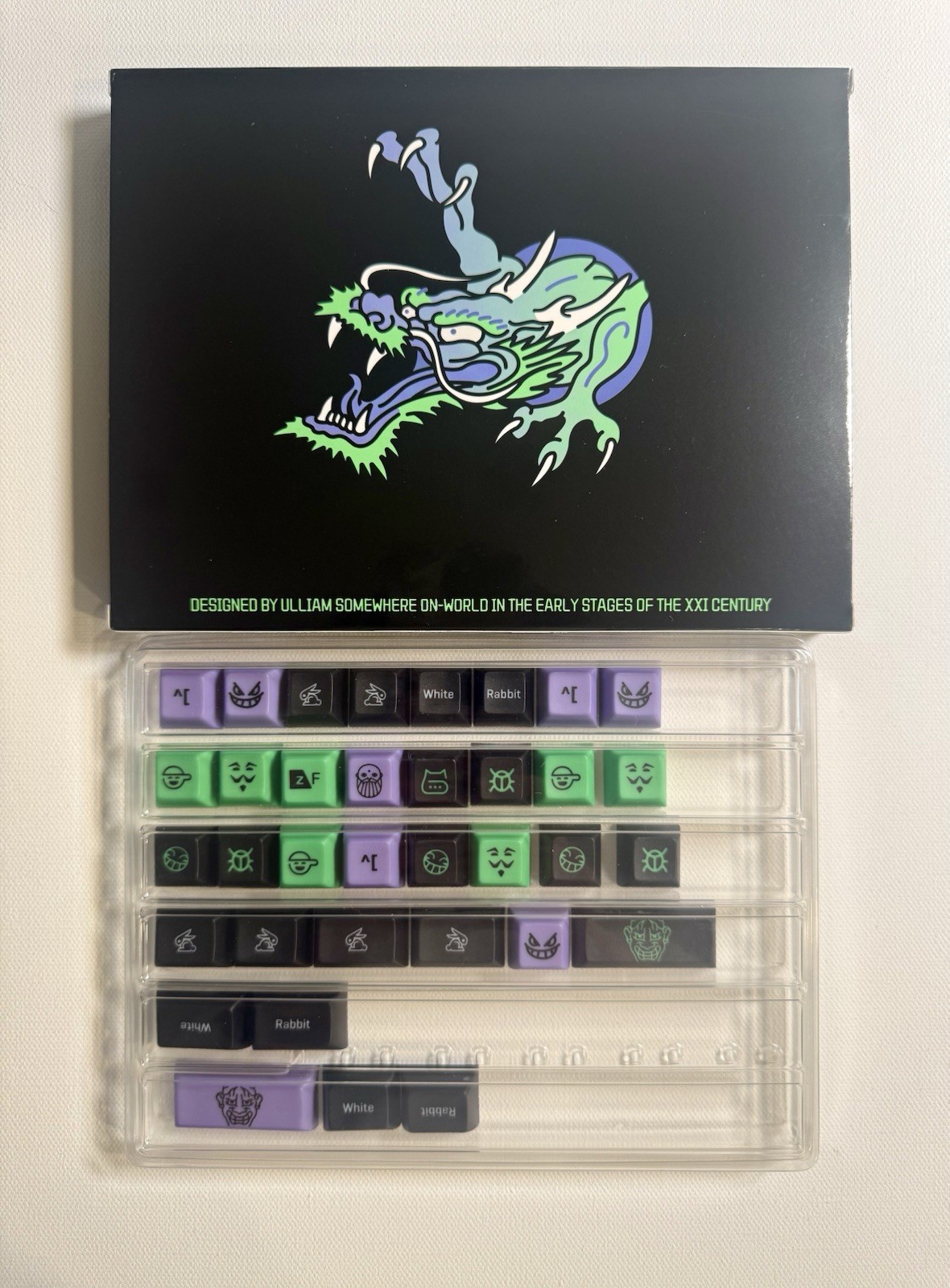 KAT Cyberspace Novelties Keycap Set by Keyreative New Sealed PBT MX Mechanical$44.00View on eBay
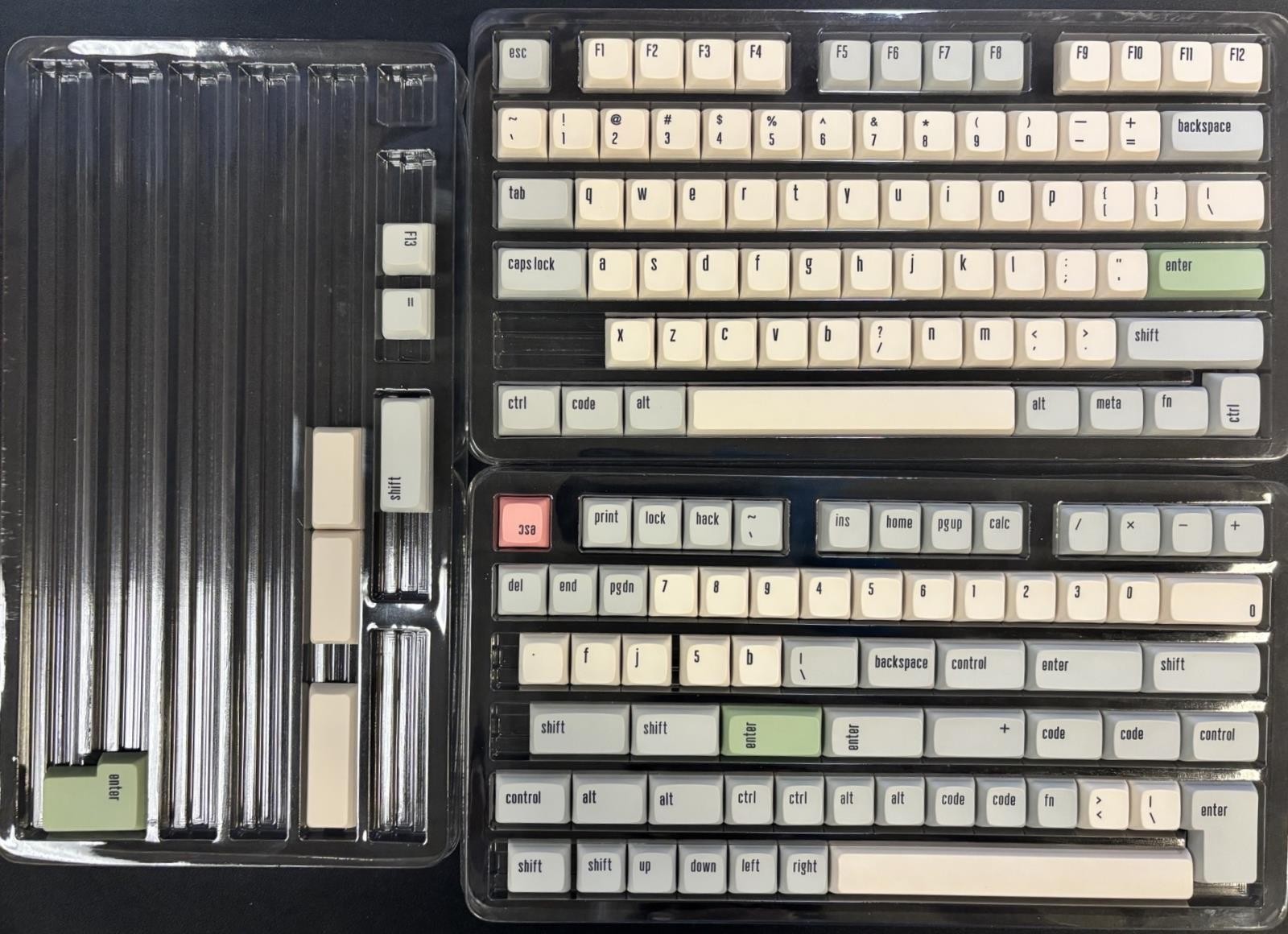 Drop + MiTo XDA Canvas Custom Keycap Set, Classic Base$48.88View on eBay
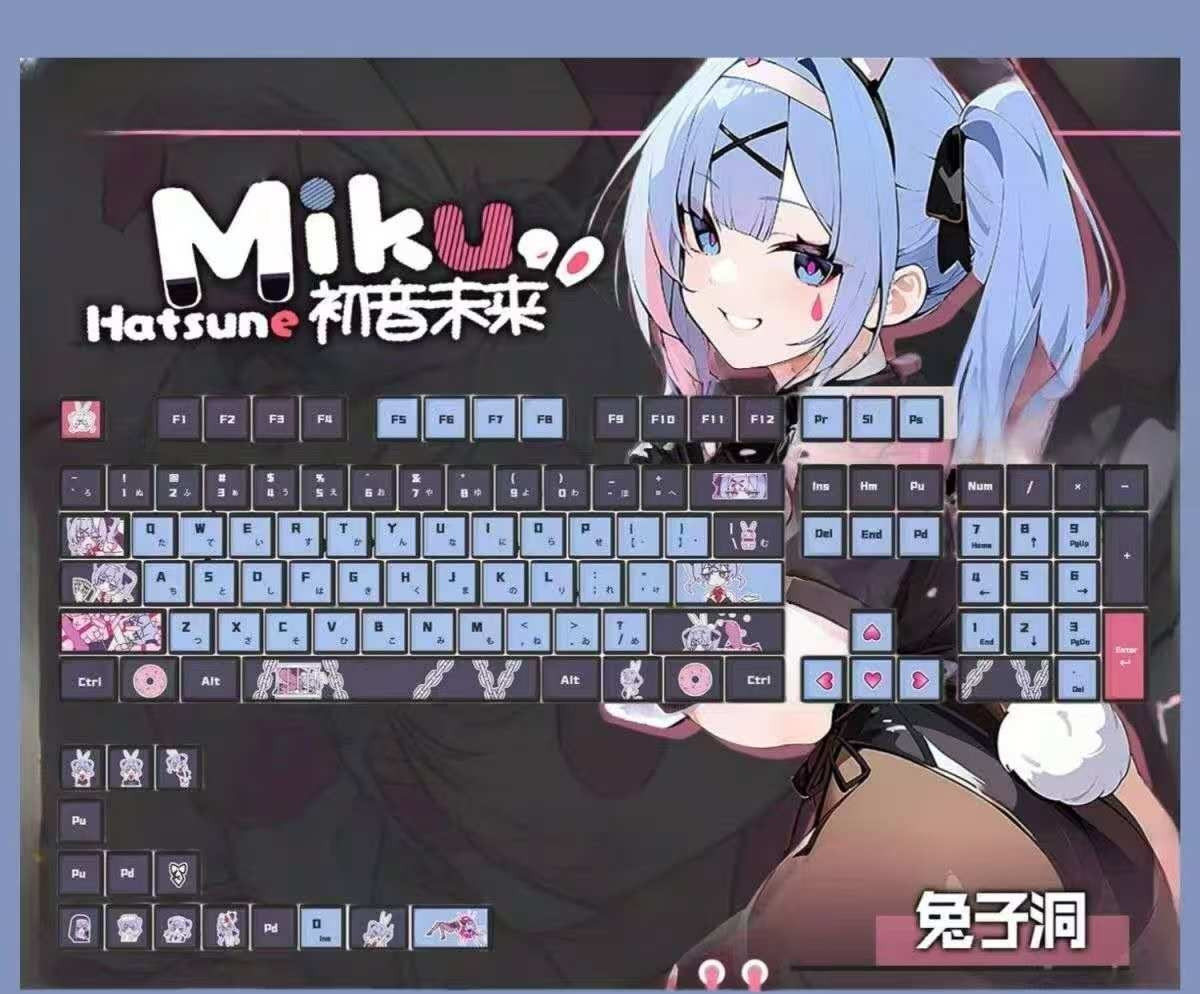 !!CUTE Rabbit Hole Hatsune Miku Anime 119pcs Keycaps Set For Mechanical Keyborad$49.99View on eBay
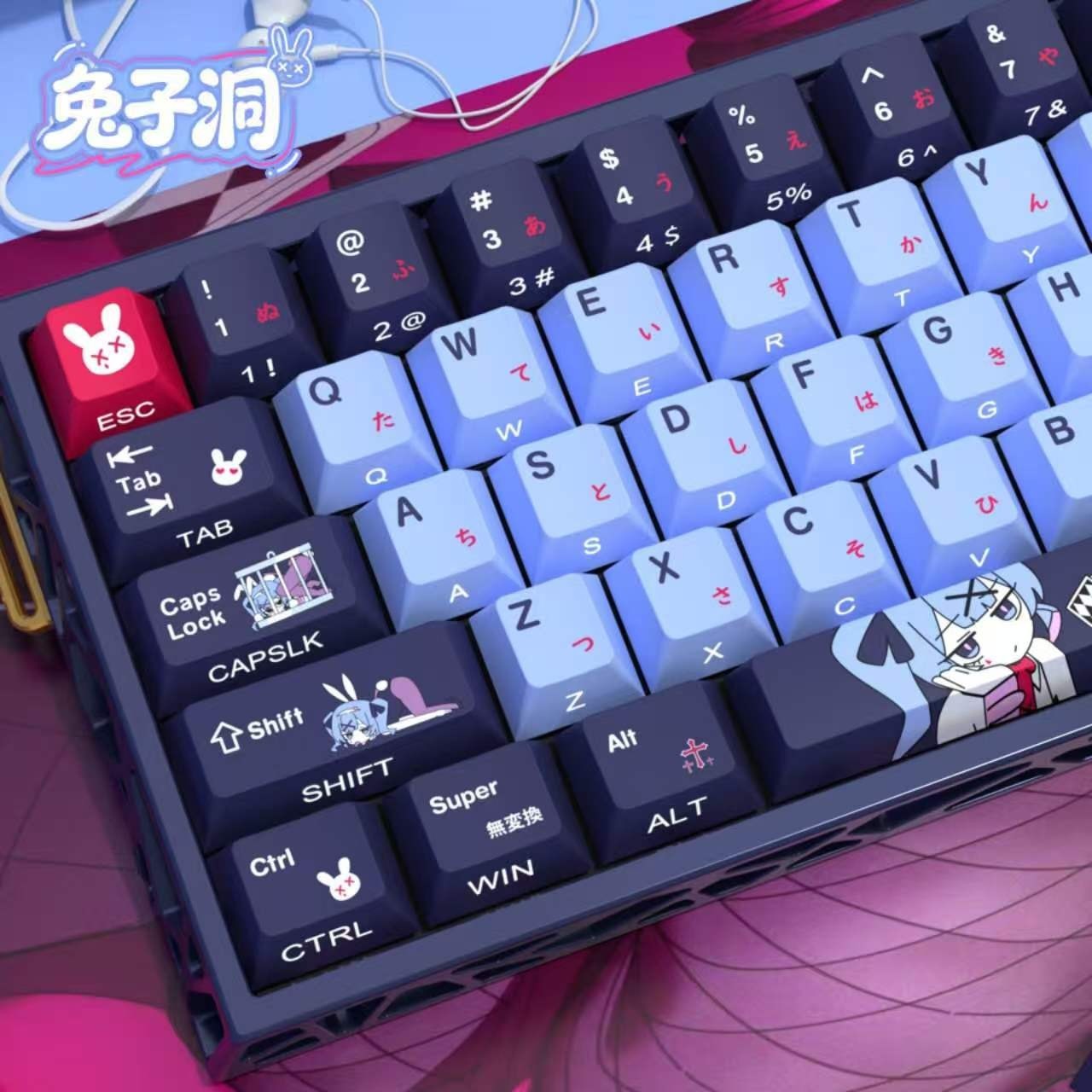 Rabbit Hole Hatsune Miku Anime 119pcs Keycaps Set For Mechanical Keyboard V2$49.99View on eBay
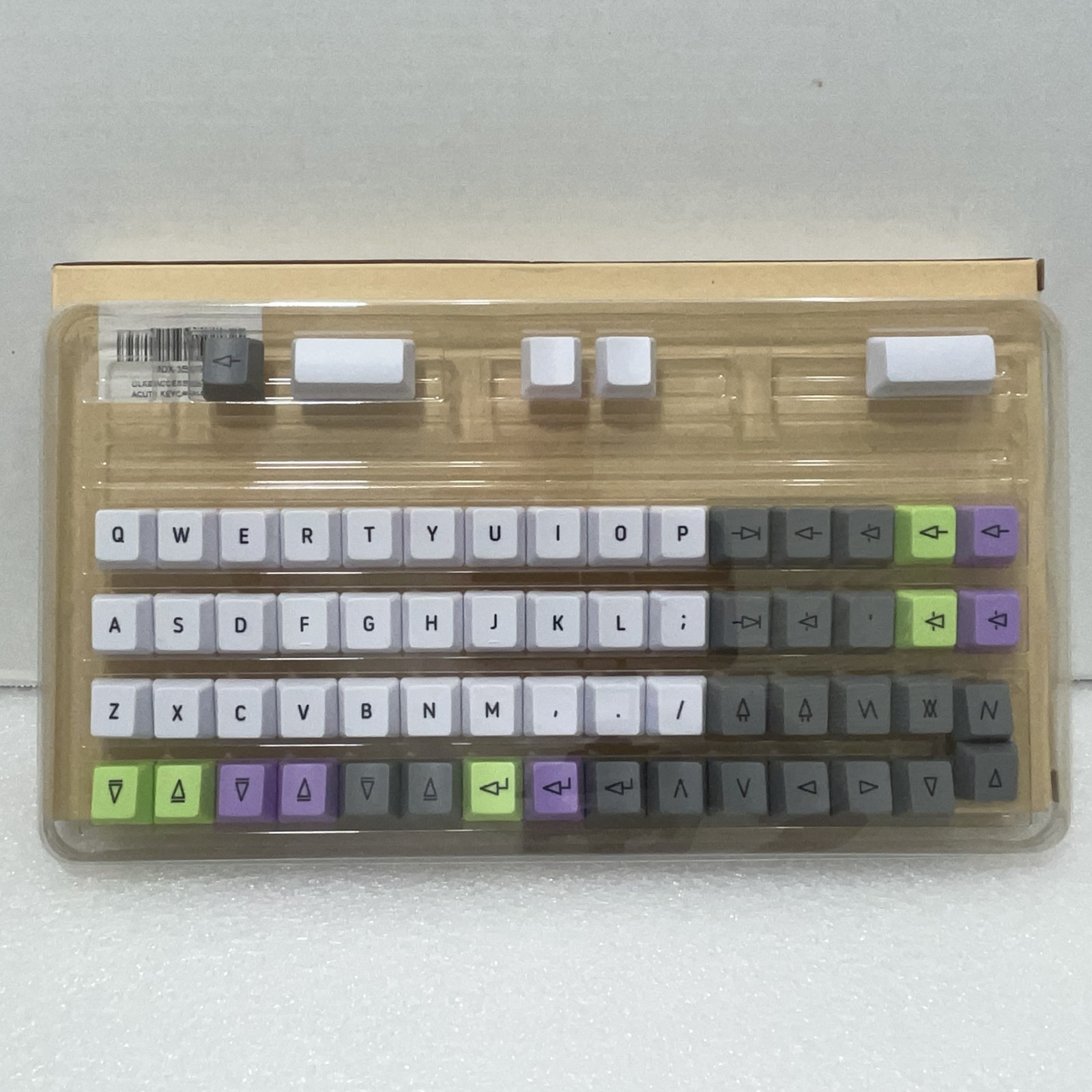 New DROP OLKB Acute Ortholinear Keycaps Set for PLANCK Keyboard Kit$55.99View on eBay
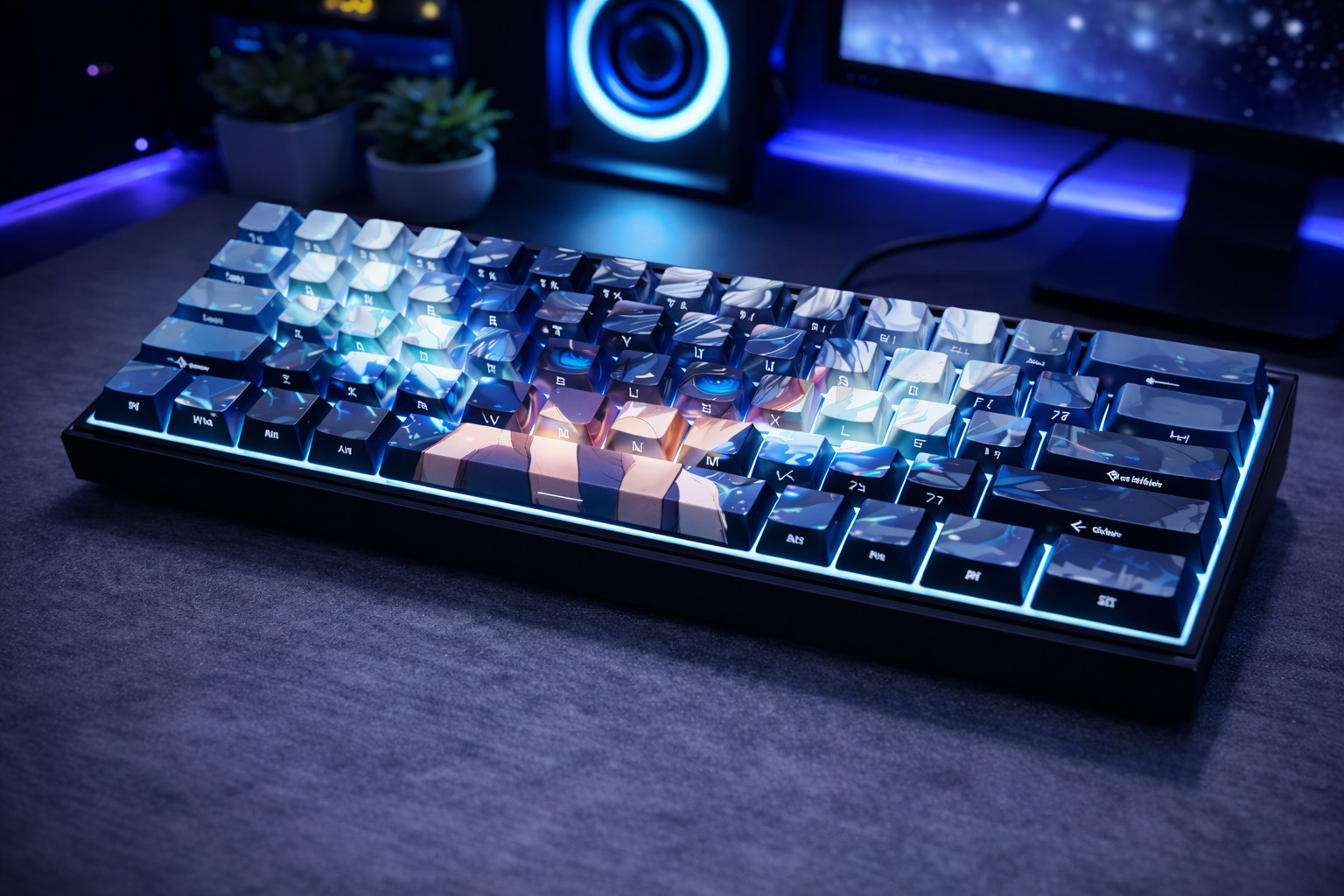 Gojo Satoru Keycaps Set 74 – Jujutsu Kaisen Anime Keyboard Caps – Custom PBT RGB$59.99View on eBay
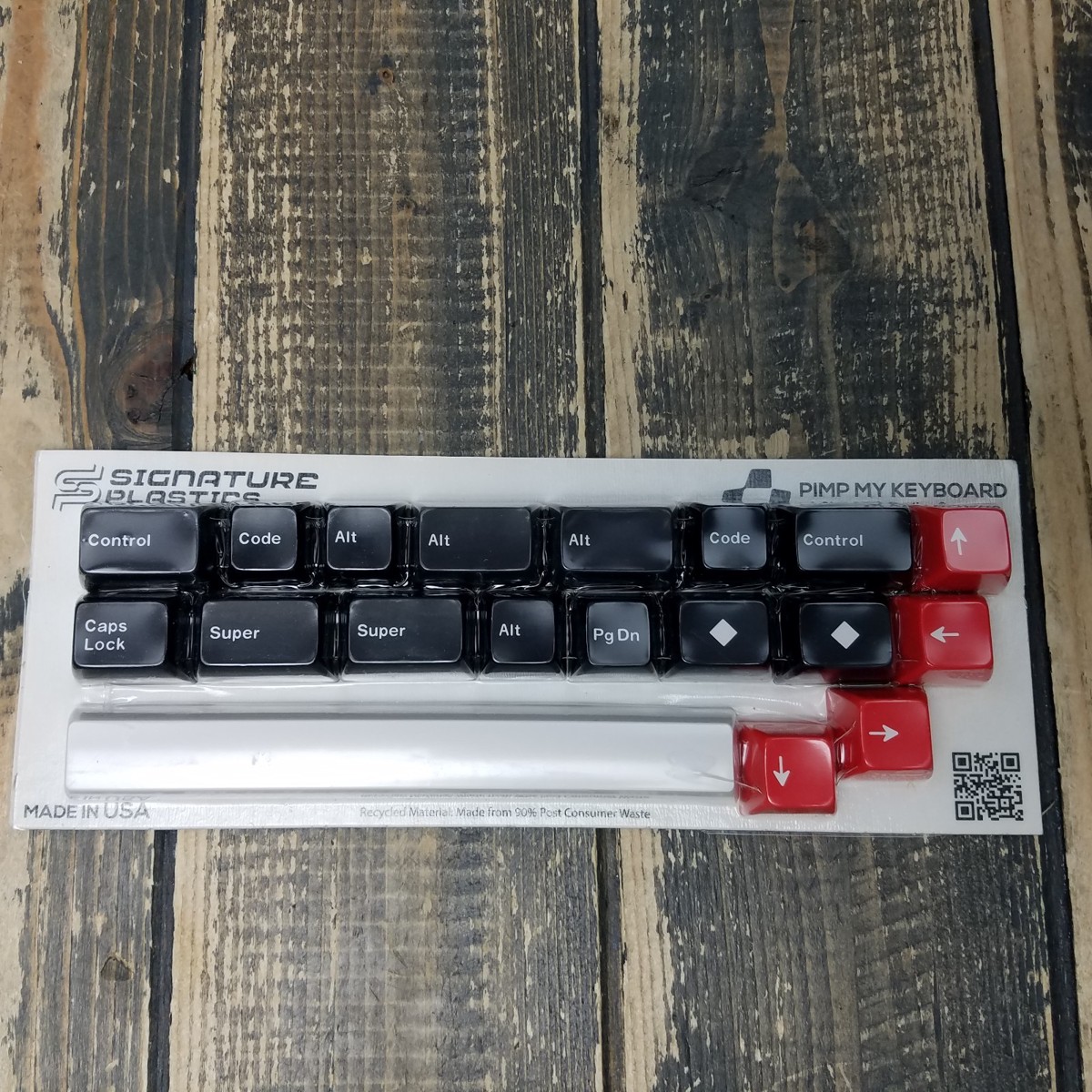 Signature Plastics Pimp My KEYBOARD KeyCaps Set METAVERSE Up Down Left Base Set$79.99View on eBay
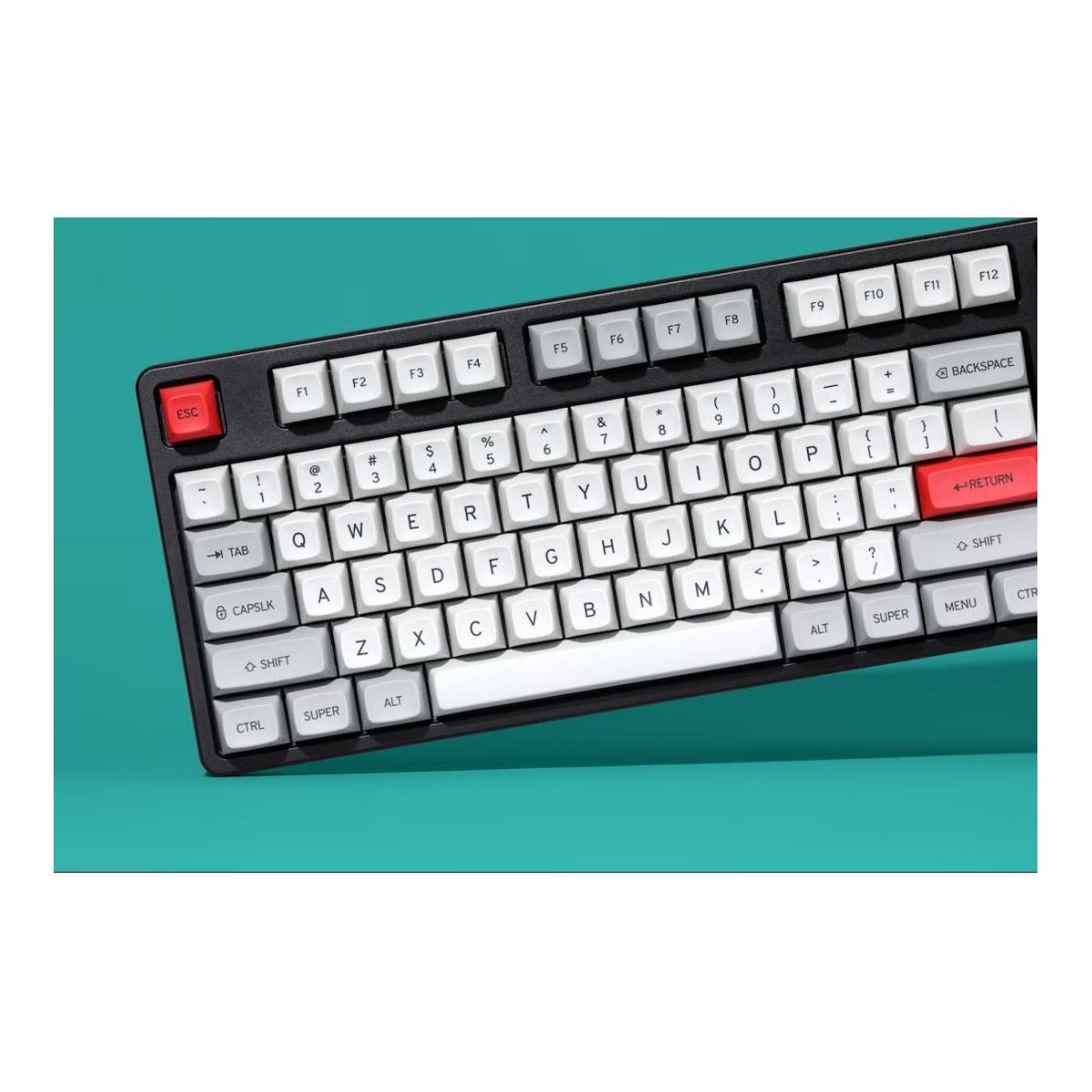 Drop MT3 DEV/TTY R3 Custom Keycap set Base Kit 60%|65%|75% keyboards - 154 keys$119.00View on eBay
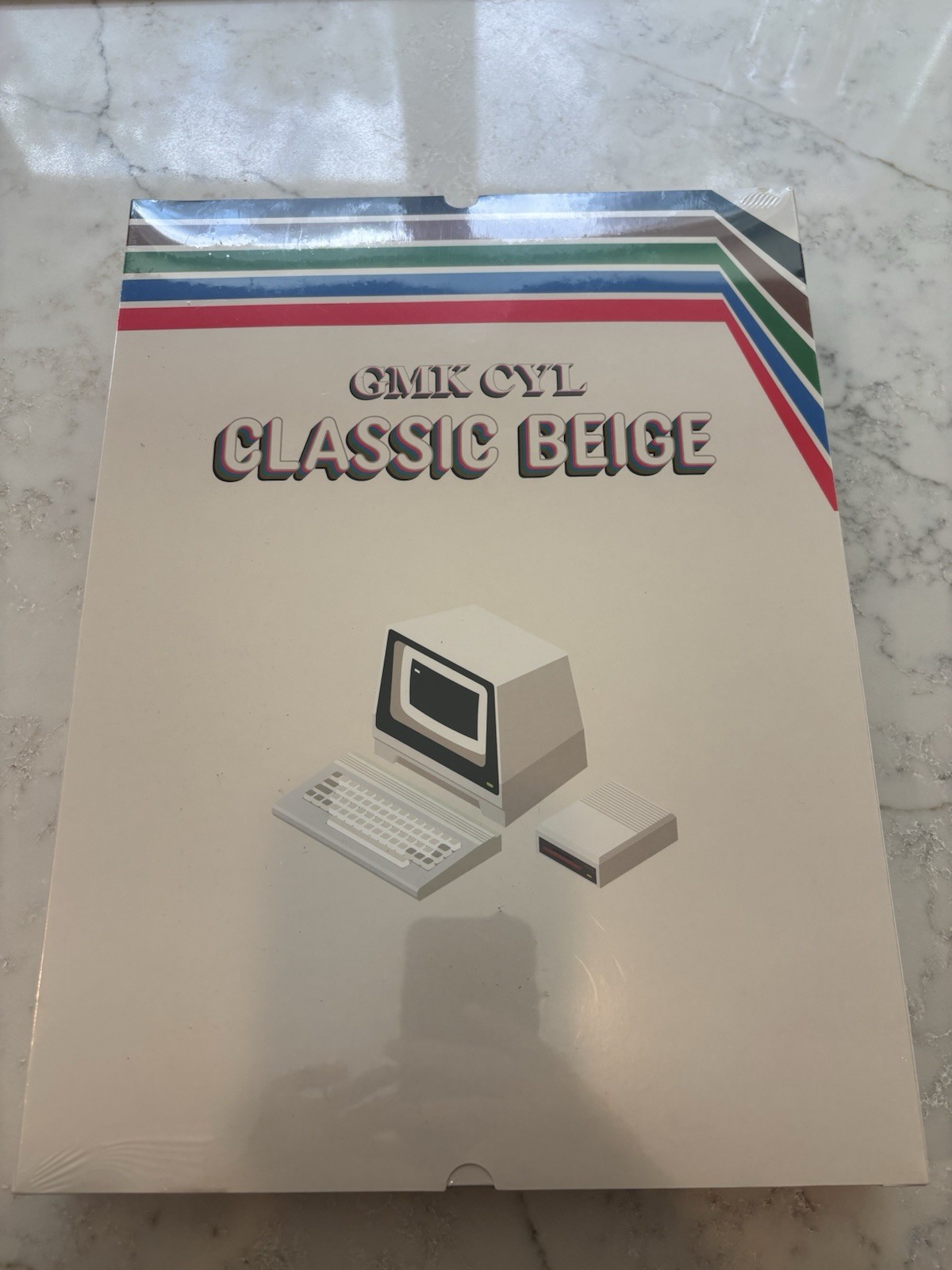 GMK CYL Classic Beige Base Set Keycaps Factory Sealed New FPTK1854$150.00View on eBay
Highlights
- PBT (polybutylene terephthalate) resists shine and oils far better than ABS; dye-sublimation embeds legends into PBT so they never fade, while ABS doubleshot legends stay crisp but caps gloss over time.
- Profile changes typing feel and sound: Cherry/OEM are low-to-mid sculpted for familiar typing; SA is tall and spherical for retro thock; XDA/MOA are flat and uniform for a clean, even look.
- Kit key counts matter: 104–108 keys cover full-size and TKL; 116–140+ keys are needed for 75%, 65%, and 60% layouts plus novelties and alternate spacebars.
- Stem compatibility is standard: nearly all sets use MX-style cross stems, fitting Cherry MX, Gateron, Kailh, and clones; stabilizer fit and spacebar length (6.25u vs 7u) are the real compatibility risks.
Best use cases
- Best fit: daily typists and programmers should pick a doubleshot or dye-sub PBT set in Cherry or OEM profile with 130+ keys to cover TKL, 75%, or 65% boards without missing modifiers.
- Best fit: aesthetic builders and retro fans should choose SA or MOA profile ABS doubleshot sets (e.g., SA Calm Depths style) for tall sculpted thock and vivid colorways, accepting eventual shine.
- Wrong fit: buyers with a 60% or 65% board should skip 104-key base kits—they lack the 1u Alt/Fn, 1.75u right Shift, and split spacebars needed; buy a 140+ key or compact-specific kit instead.
- Wrong fit: buyers wanting silent or low-profile boards should skip standard MX keycap sets entirely—low-profile switches (Kailh Choc, Gateron Low) require dedicated low-profile caps with different stems.
Buying tips
- Match key count to layout: 104–108 keys for full-size/TKL, 116–140 keys for 75%/65%, and 140+ keys for 60% plus split spacebars and novelties; count your board's unique key shapes before buying.
- Choose PBT for longevity (1.5mm+ thick walls resist warping and sound deeper) and ABS only for doubleshot SA/MOA colorways; avoid thin 1.0mm PBT that pings and warps.
- Verify spacebar and stabilizer sizing: most boards use 6.25u spacebar with plate-mount or PCB-mount stabilizers; 7u spacebar and split-space kits are separate options that must match your PCB.
- Prefer doubleshot or dye-sublimated legends over pad-printed or laser-etched; pad printing wears off within months of daily use, while doubleshot and dye-sub last the life of the cap.
Specs
| Material | PBT (oil-resistant) vs ABS (glossy) |
|---|---|
| Legend Method | Doubleshot / Dye-sub vs pad-print |
| Profile | Cherry, OEM, SA, XDA, MOA |
| Kit Coverage | 104–108 / 116–140 / 140+ keys |
Related searches
What to check before buying
- Count your keyboard's keys and unique shapes (spacebar length, right Shift 1.75u vs 2u, bottom-row 1u vs 1.25u) to confirm the kit covers every position.
- Confirm switch stem type is MX-style cross; Alps, Topre, and low-profile Choc boards need dedicated keycap sets, not standard MX kits.
- Check stabilizer mounting: plate-mount vs PCB-mount and screw-in vs clip-in affects whether included spacebar and modifier caps sit flush.
- Verify profile height clearance if you use a wrist rest or tight case—SA and MOA are significantly taller than Cherry/OEM and change typing angle.
FAQ
Data sources: eBay / Amazon listings and product attribute feeds. Updated Nov 23, 2026.
Some links on this page are affiliate links. If you buy after clicking one, we may earn a commission at no extra cost to you. This does not change which products appear here or their order. Affiliate disclosure.