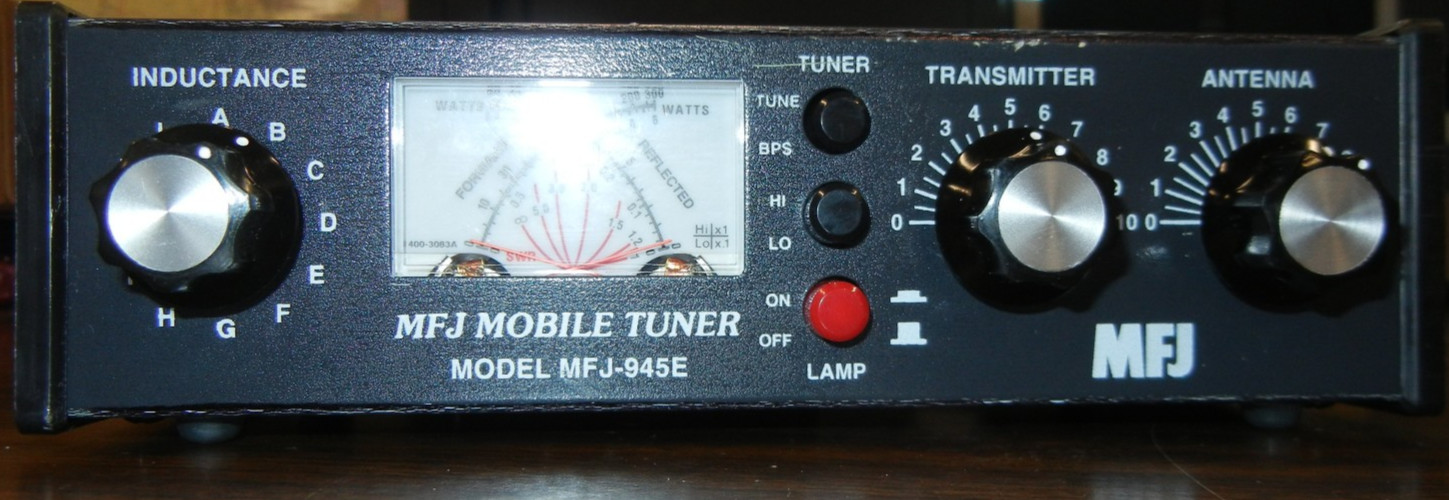

Photos from current listings. Actual item, color, and included accessories may vary.
CB Antenna Tuner Buying Guide
A CB antenna tuner is a matching network that transforms your CB transceiver's 50-ohm output to the actual feedpoint impedance of your antenna system, protecting the radio from high SWR and maximizing radiated power. The primary trade-off is power handling versus matching range: compact mobile tuners handle 100–200W but have narrower impedance ranges, while larger desktop units handle 300W+ and match a wider range of loads. The clear decision rule is to buy a tuner rated at least 2x your radio's PEP output with a built-in SWR bridge and enough matching range for your antenna's worst-case impedance.
Median $174.97
Key takeaways
- Power rating is PEP/CW at 50 ohms; derate by 50% for continuous carrier modes like AM/FM to avoid core saturation and arcing.
- Built-in cross-needle SWR/wattmeter saves a separate meter and lets you see forward and reflected power simultaneously during tuning.
- T-network tuners match a wider impedance range (typically 10:1 or better) than simple L-networks, but require re-tuning when changing frequency or antenna position.
At a glance
- Category
- Antenna Tuners & SWR Meters
- Last updated
- Nov 23, 2026
Current offers
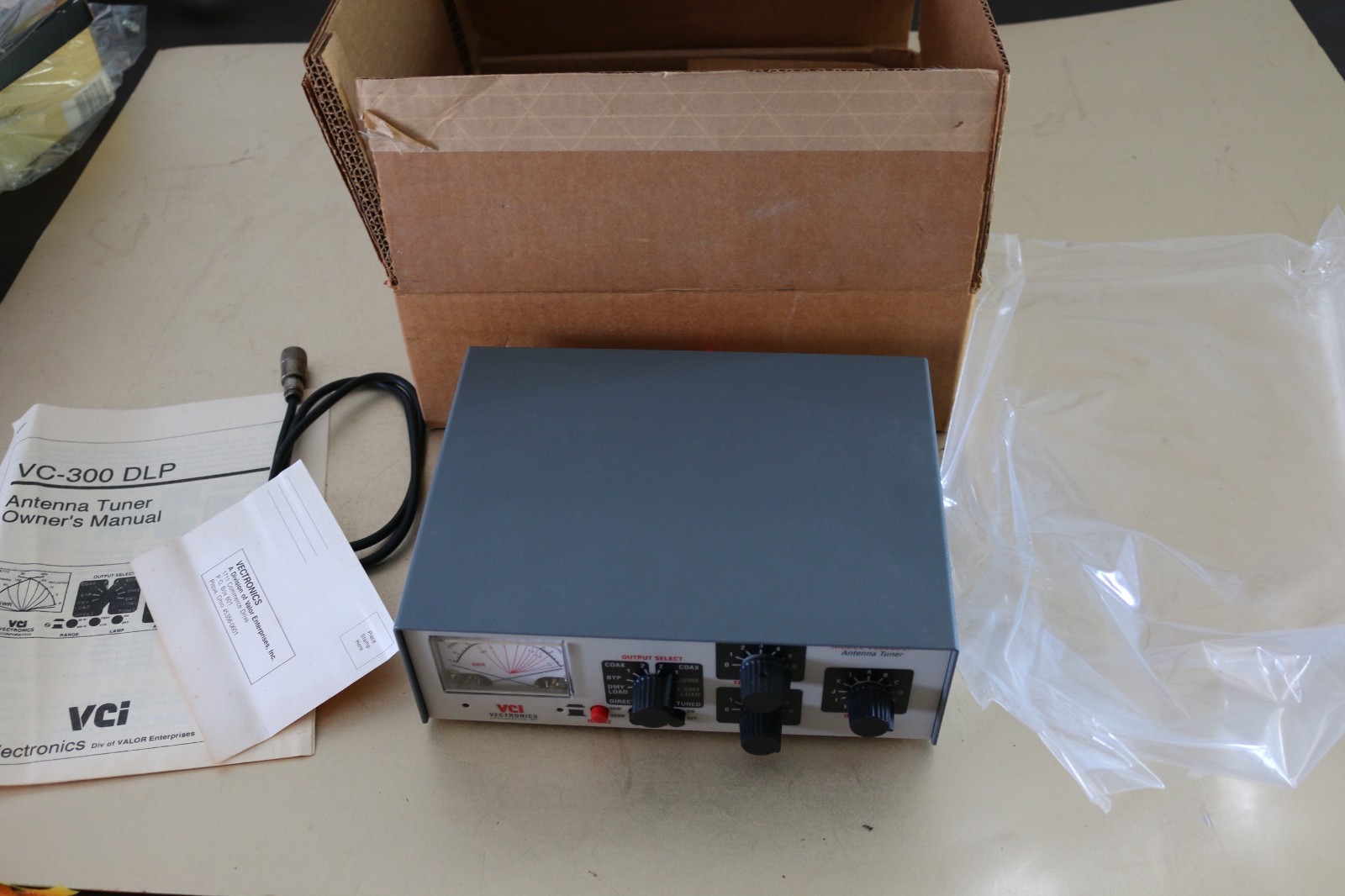
Highlights
- Power rating is PEP/CW at 50 ohms; derate by 50% for continuous carrier modes like AM/FM to avoid core saturation and arcing.
- Built-in cross-needle SWR/wattmeter saves a separate meter and lets you see forward and reflected power simultaneously during tuning.
- T-network tuners match a wider impedance range (typically 10:1 or better) than simple L-networks, but require re-tuning when changing frequency or antenna position.
- Mobile tuners like the MFJ-945E use a smaller roller inductor and are designed for 100–200W; desktop units like the Vectronics VC-300DLP use larger air-wound inductors for 300W+ and better efficiency.
Best use cases
- Best fit: mobile installations with a shortened whip or loaded antenna where SWR is high across the band—pick a compact 100–200W tuner with a built-in SWR meter and weatherproof enclosure.
- Best fit: base station with a wire dipole or vertical that is slightly off-resonance—pick a 300W+ desktop tuner with a cross-needle meter and 10:1 matching range.
- Wrong fit: using a tuner to compensate for a badly installed antenna with high ground loss—fix the antenna first; a tuner cannot recover lost efficiency.
- Wrong fit: low-power QRP or handheld CB—skip the tuner and use a resonant antenna; the added insertion loss and cost outweigh the benefit.
Buying tips
- Match tuner power rating to at least 2x your radio's PEP output: a 4W CB needs a 100W tuner minimum, but a 100W ham radio needs a 300W tuner for AM/FM headroom.
- Choose a tuner with a built-in SWR/wattmeter and a bypass switch so you can compare tuned vs. untuned SWR and avoid unnecessary insertion loss.
- Verify the tuner's matching range (e.g., 10:1 or 3:1) against your antenna's expected worst-case impedance—short whips can exceed 5:1 at band edges.
- Prefer air-wound roller inductors over ferrite-core inductors for higher power and lower loss, especially for continuous carrier modes like AM.
Specs
| Power Rating | 100W / 200W / 300W PEP |
|---|---|
| Matching Range | 3:1 to 10:1 impedance |
| Network Type | T-network vs L-network |
| Built-in Meter | Cross-needle SWR/Watt |
Related searches
What to check before buying
- Measure your antenna's SWR across the band with a separate meter first; if it is below 2:1 everywhere, you do not need a tuner.
- Confirm your radio's output power and mode (SSB/CW vs AM/FM) and select a tuner rated for at least 2x that power in the intended mode.
- Check the tuner's connector type (SO-239/PL-259) and ensure you have the correct coax jumpers and adapters for your radio and antenna.
- Plan for a tuning procedure: you will need to transmit a carrier or use a tune button, so ensure the tuner can handle your radio's tuning power and that you have a clear frequency to tune on.
FAQ
Data sources: eBay / Amazon listings and product attribute feeds. Updated Nov 23, 2026.
Some links on this page are affiliate links. If you buy after clicking one, we may earn a commission at no extra cost to you. This does not change which products appear here or their order. Affiliate disclosure.