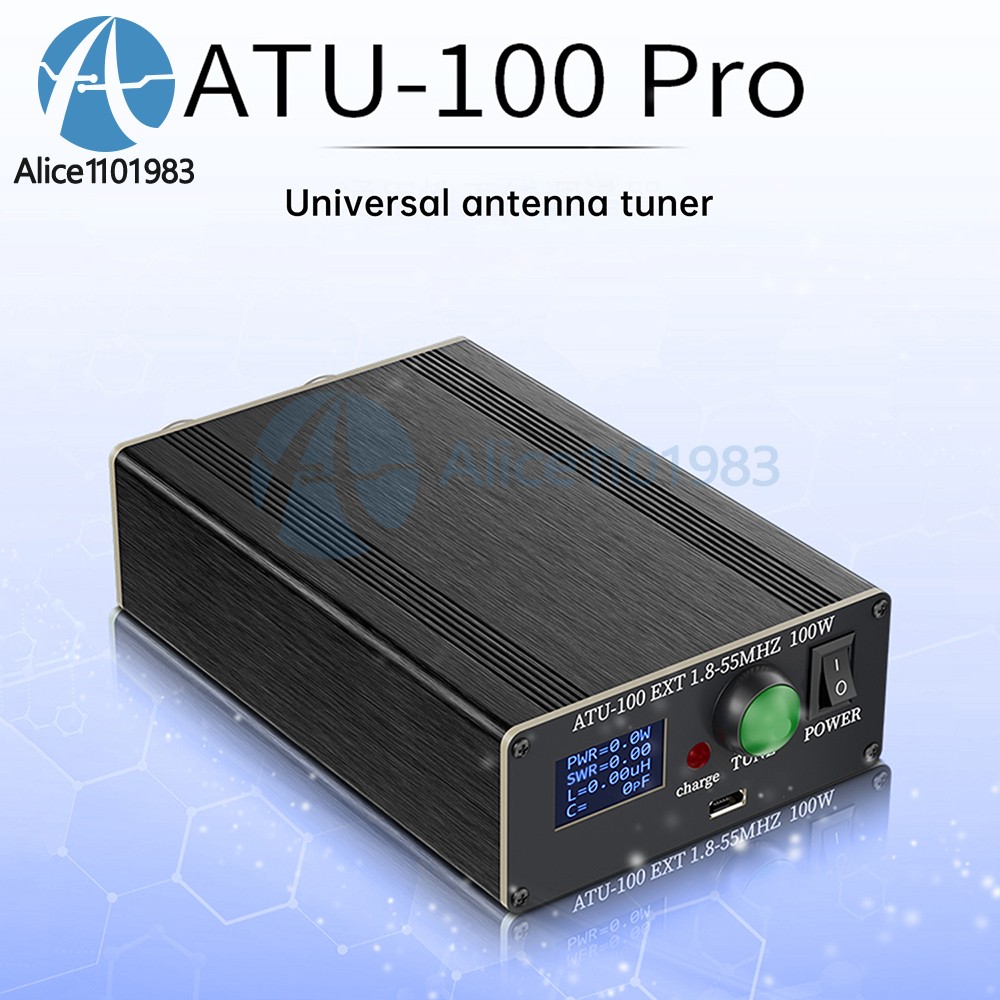

Photos from current listings. Actual item, color, and included accessories may vary.
Atu 10 Antenna Tuner Buying Guide
An ATU-10 is a compact automatic antenna tuner built around the ATU-10 open-source design (N7DDC firmware), typically covering 1.8-54 MHz with an L-network of toroid inductors, relays, and HV capacitors, paired with an internal SWR bridge for auto-tuning. The core trade-off is between the low-cost bare-module/kit versions (no enclosure, no display, manual wiring) and finished units with an aluminum case, OLED, and proper connectors—both share the same tuning architecture but differ sharply in RF shielding, power handling headroom, and mechanical durability. The decision rule: buy a finished, shielded unit with genuine latching relays and a matched SWR bridge for permanent station use; choose a bare module or kit only if you will mount it in your own shielded enclosure and accept 10-20 W digital-mode limits.
Median $64.60
Key takeaways
- ATU-10 architecture uses an L-network with switched toroid inductors and binary-weighted capacitors; tuning range typically spans 1.8-54 MHz with 0.1-10 W tuning drive and 10-20 W continuous RF handling depending on relay and core ratings.
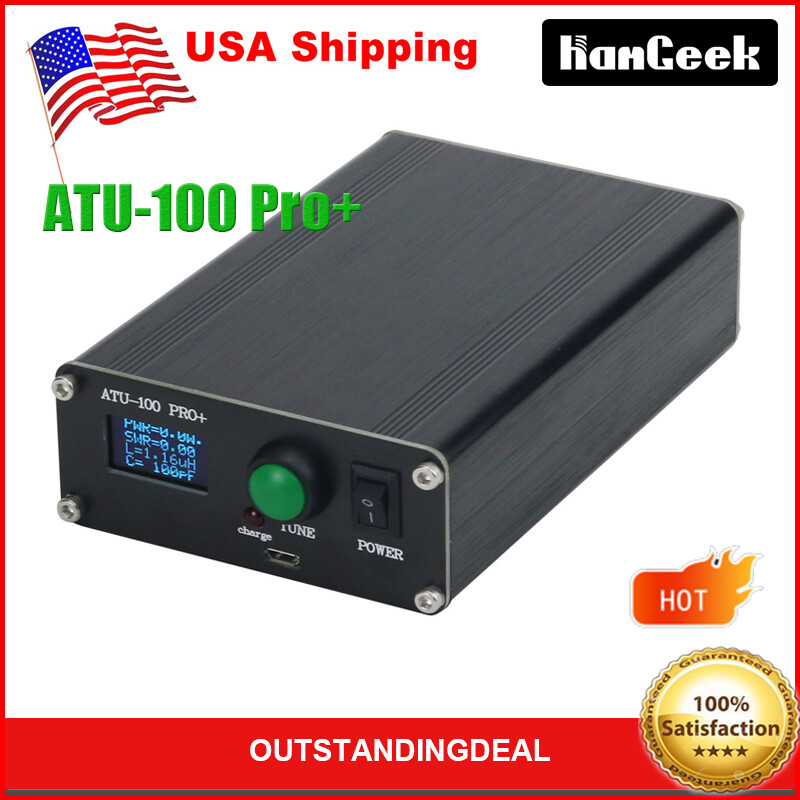
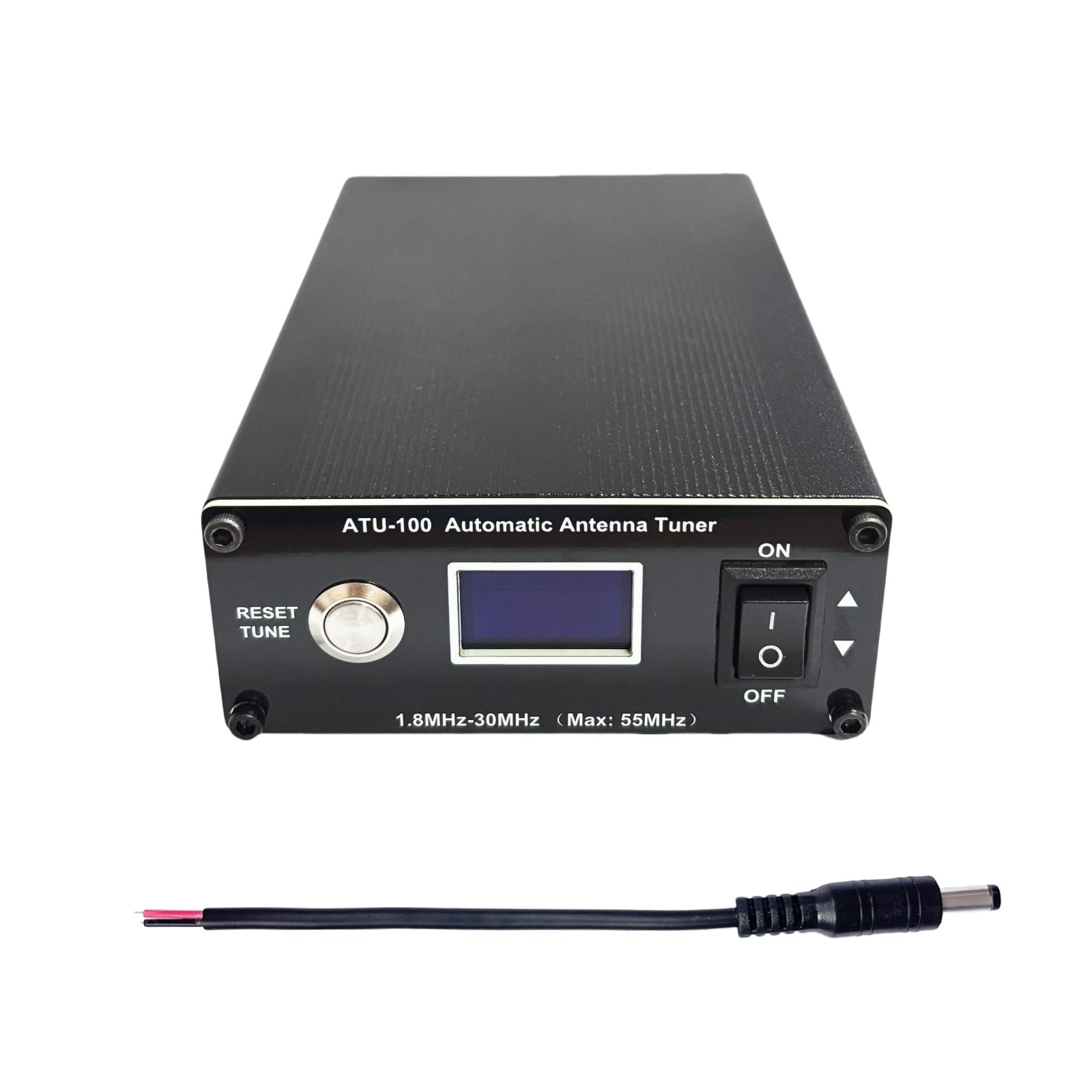
- Bare modules and kits ship without enclosure or display; finished ATU-10 units add an aluminum shield, OLED, and SO-239 or BNC connectors—shielding and connector quality determine real-world loss and stray RF immunity.
- Relay type is decisive: latching relays hold state without coil current and reduce heat and current draw; non-latching relays draw continuous current during operation and are a durability weak point in cheap clones.
At a glance
- Category
- Antenna Tuners & SWR Meters
- Last updated
- Nov 23, 2026
Current offers
Highlights
- ATU-10 architecture uses an L-network with switched toroid inductors and binary-weighted capacitors; tuning range typically spans 1.8-54 MHz with 0.1-10 W tuning drive and 10-20 W continuous RF handling depending on relay and core ratings.
- Bare modules and kits ship without enclosure or display; finished ATU-10 units add an aluminum shield, OLED, and SO-239 or BNC connectors—shielding and connector quality determine real-world loss and stray RF immunity.
- Relay type is decisive: latching relays hold state without coil current and reduce heat and current draw; non-latching relays draw continuous current during operation and are a durability weak point in cheap clones.
- Firmware and SWR bridge calibration vary by vendor; N7DDC-based units support auto-tune, manual tune, and bypass, but bridge accuracy (typically ±10-20% before calibration) determines whether the tuner finds a true 1:1 match or merely a low indicated SWR.
Best use cases
- Best fit: QRP and portable operators running 5-10 W CW/SSB with random-wire or whip antennas—pick a finished ATU-10 with aluminum case and OLED for field durability and visible SWR.
- Best fit: home station with a low-power transceiver (10-20 W) and a multiband doublet or end-fed—choose a shielded unit with latching relays and SO-239 connectors; skip bare modules unless you will build a metal enclosure.
- Wrong fit: 100 W SSB or 50 W digital operators—the ATU-10's relay and core ratings are not designed for sustained high power; step up to a 100-200 W-class automatic tuner instead.
- Wrong fit: operators needing remote or indoor control head—the ATU-10 has no remote-control bus; choose a tuner with a serial or I2C control interface if the tuner must sit at the antenna feedpoint.
Buying tips
- Match power tier to mode: 10-20 W PEP SSB/CW is the practical ceiling for ATU-10-class hardware; derate to about 10 W for FT8 and other 100% duty-cycle digital modes to avoid relay and core heating.
- Insist on latching relays and a metal enclosure: latching relays eliminate continuous coil current and heat, and an aluminum case provides RF shielding that bare modules lack—both directly affect tuning stability and longevity.
- Check the tuning drive range: the tuner needs roughly 0.1-10 W at the input to sense and tune; if your radio cannot reduce power to this window, add an attenuator or choose a tuner with a wider drive range.
- Verify connector and firmware: SO-239 or BNC connectors with proper chassis mounting beat panel-mount RCA or wire pigtails; confirm N7DDC-compatible firmware with auto-tune, manual tune, and bypass so the unit behaves predictably.
Specs
| Tuning Architecture | L-network: switched L/C, 1.8-54 MHz |
|---|---|
| Power Handling | 10-20 W PEP; ~10 W digital modes |
| Tuning Drive | 0.1-10 W input sensing range |
| Relay Type | Latching preferred vs non-latching |
Related searches
What to check before buying
- Measure your antenna feedpoint impedance range and expected SWR excursion—confirm the ATU-10's L-network tuning range covers your worst-case mismatch (typically up to about 10:1 on lower bands).
- Confirm your transceiver can be set to 0.1-10 W for tuning drive; radios that cannot reduce below 5-10 W may need an external attenuator or a different tuner class.
- Plan enclosure and mounting: bare modules require a shielded metal case and short, low-inductance leads to the antenna and radio; finished units need clearance for the OLED and connectors.
- Check connector standard and cable loss: match SO-239 or BNC to your coax, and keep the tuner close to the antenna feedpoint or use low-loss coax to avoid SWR-bridge sensing errors.
FAQ
Data sources: eBay / Amazon listings and product attribute feeds. Updated Nov 23, 2026.
Some links on this page are affiliate links. If you buy after clicking one, we may earn a commission at no extra cost to you. This does not change which products appear here or their order. Affiliate disclosure.