

Photos from current listings. Actual item, color, and included accessories may vary.
Polk Audio M10 Buying Guide
The Polk Audio M10 is a compact two-way bookshelf speaker from Polk's long-running Monitor series, built around a 5.25-inch polymer-composite woofer and a 0.75-inch silk/polymer dome tweeter in a wood-grain vinyl cabinet. The core trade-off at this tier is cabinet rigidity and bass extension versus size and price—small boxes save space but roll off early, so a subwoofer is mandatory for home-theater duty. The decision rule: buy the M10 only as a satellite/surround or desktop pair crossed over at 80–100 Hz, and step up to larger woofers (6.5-inch+) if you want full-range music without a sub.
Key takeaways
- Two-way bass-reflex design with a rear port—requires 6–12 inches of rear clearance or boundary reinforcement to avoid boomy, chuffed low end.
- 5.25-inch polymer-composite woofer with rubber surround yields roughly 55–60 Hz usable in-room extension, not the 40 Hz often claimed for floorstanders.
- 0.75-inch dome tweeter crossed high (around 2.5 kHz) gives wide dispersion but limits power handling; avoid pairing with amps above ~100 W RMS per channel.
At a glance
- Category
- Home Theater Speakers & Subwoofers
- Status
- Listings available
- Last updated
- Nov 27, 2026
Current offers
Highlights
- Two-way bass-reflex design with a rear port—requires 6–12 inches of rear clearance or boundary reinforcement to avoid boomy, chuffed low end.
- 5.25-inch polymer-composite woofer with rubber surround yields roughly 55–60 Hz usable in-room extension, not the 40 Hz often claimed for floorstanders.
- 0.75-inch dome tweeter crossed high (around 2.5 kHz) gives wide dispersion but limits power handling; avoid pairing with amps above ~100 W RMS per channel.
- Wood-grain vinyl over MDF (not real wood) is the standard M10 finish; cabinet resonance is controlled but below the rigidity of braced 0.75-inch MDF at higher tiers.
Best use cases
- Best fit: 5.1/7.1 surround systems where M10s serve as rear or height channels crossed at 80–100 Hz—small cabinets mount easily on brackets and blend with a sub.
- Best fit: desktop/nearfield stereo with a small integrated amp in rooms under ~150 sq ft; the 5.25-inch woofer is adequate at 1–2 meter listening distance.
- Wrong fit: main left/right speakers in a large living room without a subwoofer—expect thin bass and compression at high volume; choose 6.5-inch or dual-woofer towers instead.
- Wrong fit: high-power home-theater mains driven by 150 W+ per channel—the 0.75-inch tweeter and small woofer will bottom out; use the M10 only as satellites.
Buying tips
- Match amplifier power to the speaker, not the reverse: 20–100 W RMS per channel at 8 ohms is the safe window; avoid 150 W+ amps without a high-pass filter.
- Budget for a subwoofer: the M10's 5.25-inch woofer cannot reproduce the 20–50 Hz LFE channel, so a powered sub with an 80–100 Hz crossover is a required companion for theater.
- Check the rear-port clearance: place at least 6 inches from the wall, or use the port-plug method (sock/foam) if the speaker must sit close to a boundary.
- Buy pairs, not singles, for stereo/surround; verify both cabinets share the same woofer/tweeter revision—Polk changed driver part numbers across Monitor generations, and mismatched pairs image poorly.
Specs
| Speaker Type | Two-way bookshelf, rear-ported |
|---|---|
| Woofer Size | 5.25 in polymer composite |
| Tweeter Type | 0.75 in silk/polymer dome |
| Impedance & Sensitivity | 8 ohm nominal / ~89 dB |
Alternatives to compare
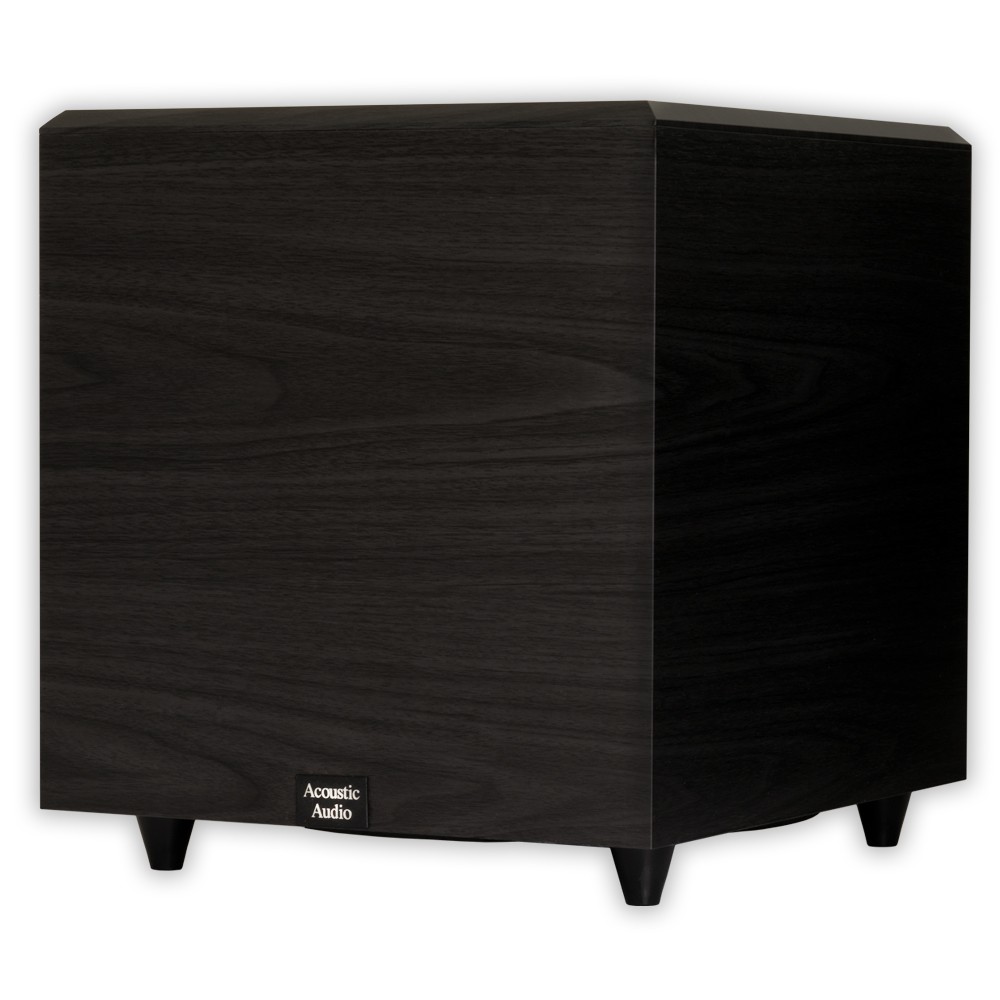
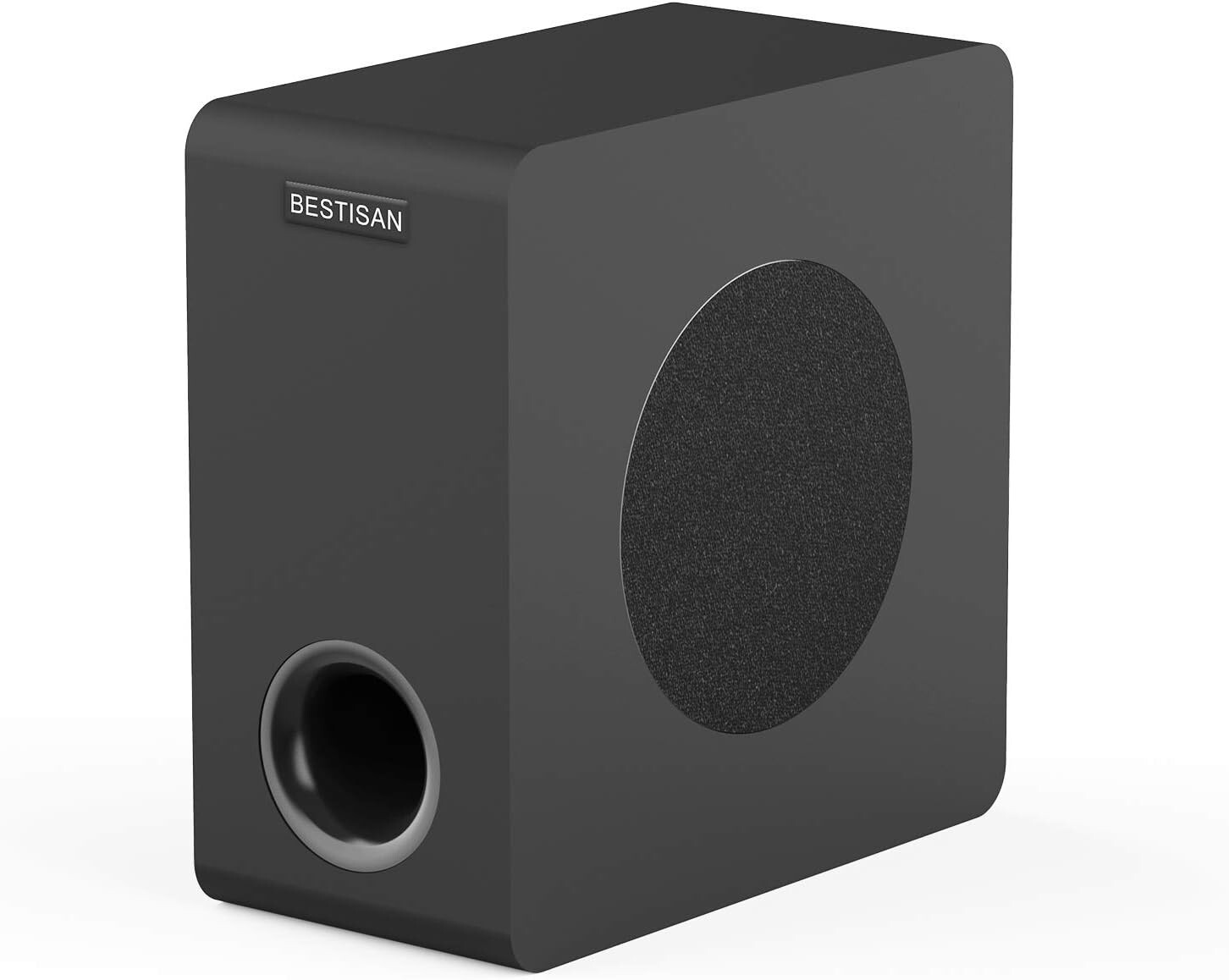
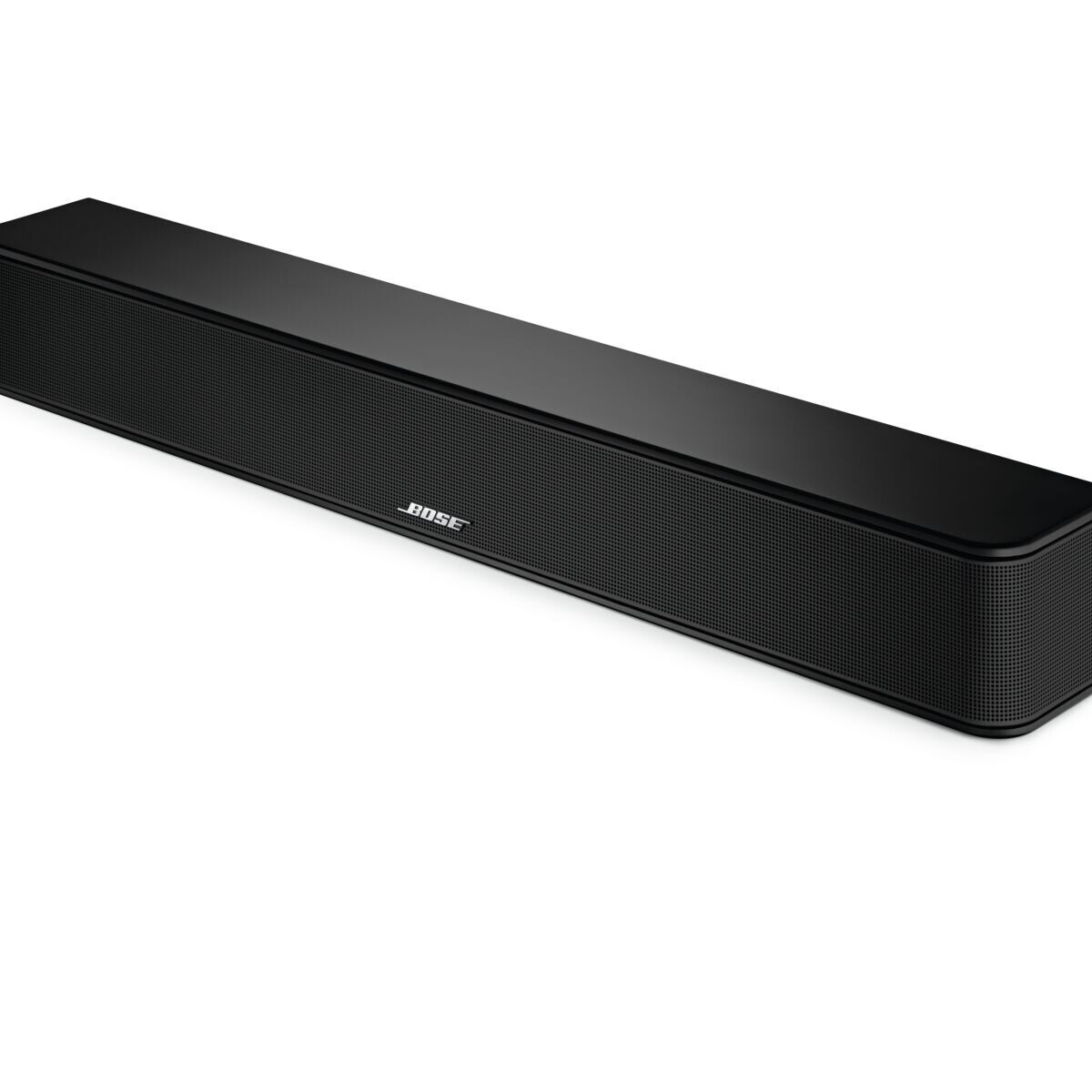
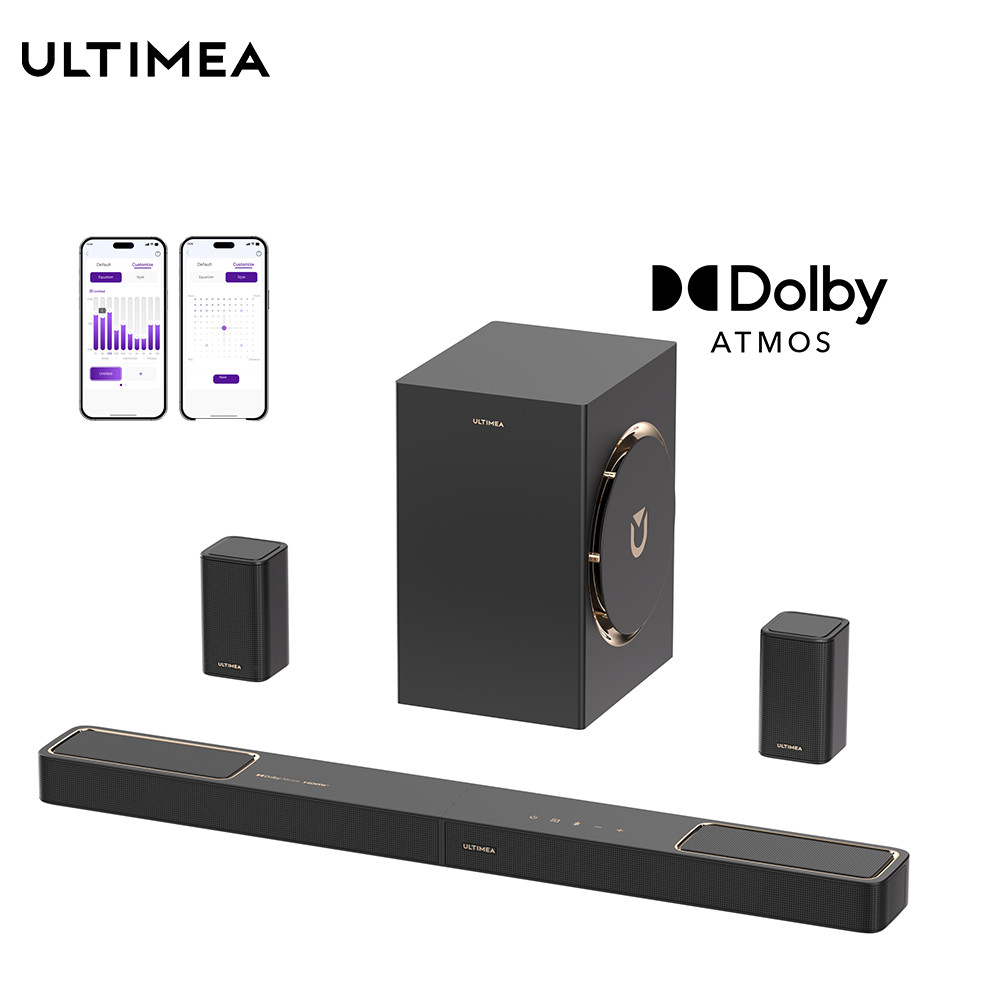
Related searches
What to check before buying
- Measure shelf/stand depth: the M10 cabinet is roughly 7 inches deep and 10–11 inches tall—confirm your stand top or wall bracket can hold its footprint and weight (~8–10 lb each).
- Confirm amplifier impedance support: the M10 is nominally 8 ohms and safe for 4-ohm-rated AVRs, but check your amp's minimum-load spec before wiring two pairs in parallel.
- Plan rear clearance: keep 6–12 inches from the wall behind the port; corner placement boosts bass but muddies mids, so treat corners as a last resort.
- Match the finish: wood-grain vinyl comes in black, cherry, and similar tones across Monitor-series runs—order a matched pair in one transaction to avoid shade mismatches.
FAQ
Data sources: eBay / Amazon listings and product attribute feeds. Updated Nov 27, 2026.
Some links on this page are affiliate links. If you buy after clicking one, we may earn a commission at no extra cost to you. This does not change which products appear here or their order. Affiliate disclosure.