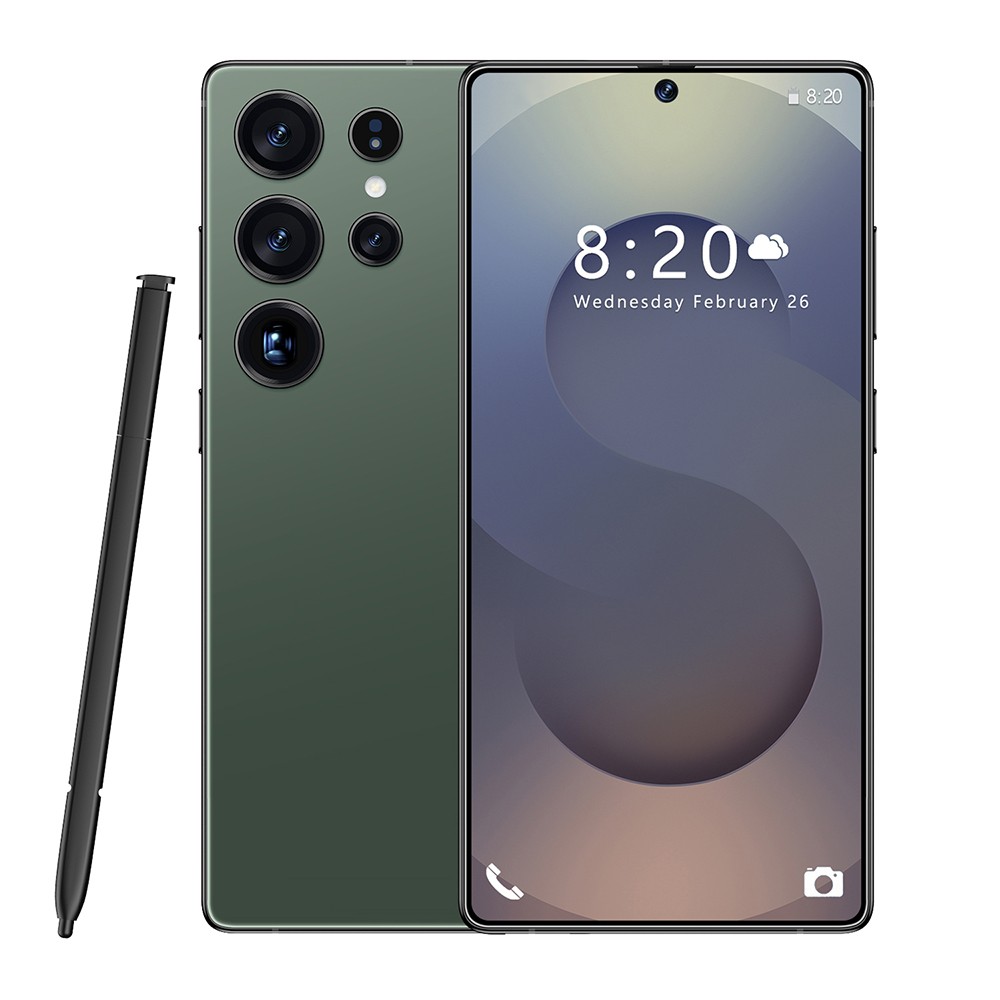

Photos from current listings. Actual item, color, and included accessories may vary.
Mobile Phone Buying Guide
A mobile phone is a pocket computer defined by its chipset tier, display technology, battery capacity, and cellular modem generation. The primary trade-off is between flagship-grade components and budget compromises in panel quality, camera sensors, and update longevity. The clear decision rule: buy a mid-to-upper chipset with a 5G modem and at least 6GB RAM for multi-year durability; skip no-name models with vague chipsets and 4GB RAM that stutter within a year.
Key takeaways
- Chipset tier dictates longevity: flagship SoCs (Snapdragon 8-series, Apple A-series, Dimensity 9000-series) outlast mid-tier chips by 2-3 years of smooth performance.
- 5G modems (Sub-6 and mmWave) are now standard above budget tier; 4G-only phones face network deprioritization as carriers refarm spectrum.
- OLED panels deliver true blacks and higher peak brightness than IPS LCD; LTPO OLED adds adaptive 1-120Hz refresh for battery savings.
At a glance
- Category
- Smartphones
- Last updated
- Nov 28, 2026
Current offers
Highlights
- Chipset tier dictates longevity: flagship SoCs (Snapdragon 8-series, Apple A-series, Dimensity 9000-series) outlast mid-tier chips by 2-3 years of smooth performance.
- 5G modems (Sub-6 and mmWave) are now standard above budget tier; 4G-only phones face network deprioritization as carriers refarm spectrum.
- OLED panels deliver true blacks and higher peak brightness than IPS LCD; LTPO OLED adds adaptive 1-120Hz refresh for battery savings.
- Battery capacity of 5000mAh is the modern baseline; charging speed of 25W+ (USB-PD/PPS) matters more than raw mAh for daily usability.
Best use cases
- Best fit for power users and gamers: flagship SoC, 8GB+ RAM, LTPO OLED at 120Hz, and 5000mAh+ — skip mid-tier chips and 60Hz LCDs.
- Best fit for budget buyers: mid-tier 5G chipset (Snapdragon 6/7-series or Dimensity 7000-series), 6GB RAM, 5000mAh battery, and 128GB storage — skip 4GB RAM models.
- Best fit for photography: large sensor (1/1.3-inch or bigger), OIS, and dedicated telephoto — skip high-megapixel budget sensors without OIS.
- Wrong fit: no-name white-label phones with unspecified chipsets and 4GB RAM — they lack update support and carrier band certification.
Buying tips
- Check carrier band support: US buyers need LTE bands 2/4/5/12/13/66/71 and 5G n71/n41/n77; missing bands cause dead zones.
- Pick storage tier by use: 128GB minimum for apps and photos; 256GB for video capture; skip 64GB models as they fill within months.
- RAM rule: 6GB is the floor for Android 14+ smoothness; 8GB+ for multitasking and gaming; avoid 4GB unless the phone is a secondary device.
- Verify update policy: flagship tiers offer 4-7 years of OS/security updates; budget tiers often stop at 2 years — check the manufacturer's published commitment.
Specs
| Chipset Tier | Flagship / Mid-tier / Budget |
|---|---|
| RAM Floor | 6GB min; 8GB+ for gaming |
| Battery & Charging | 5000mAh / 25W+ USB-PD |
| Display Type | OLED vs IPS LCD; 90-120Hz |
Related searches
What to check before buying
- Confirm the phone supports your carrier's VoLTE and 5G bands before purchase; unlocked models vary by region.
- Measure your hand and pocket: phones above 6.7 inches are two-handed for most users; check width (under 72mm is one-hand friendly).
- Check charger compatibility: USB-PD or PPS chargers require matching cable and wattage; some brands use proprietary fast-charge standards.
- Verify eSIM vs physical SIM support and dual-SIM configuration (DSDS vs DSDA) if you travel or run two lines.
FAQ
Data sources: eBay / Amazon listings and product attribute feeds. Updated Nov 28, 2026.
Some links on this page are affiliate links. If you buy after clicking one, we may earn a commission at no extra cost to you. This does not change which products appear here or their order. Affiliate disclosure.