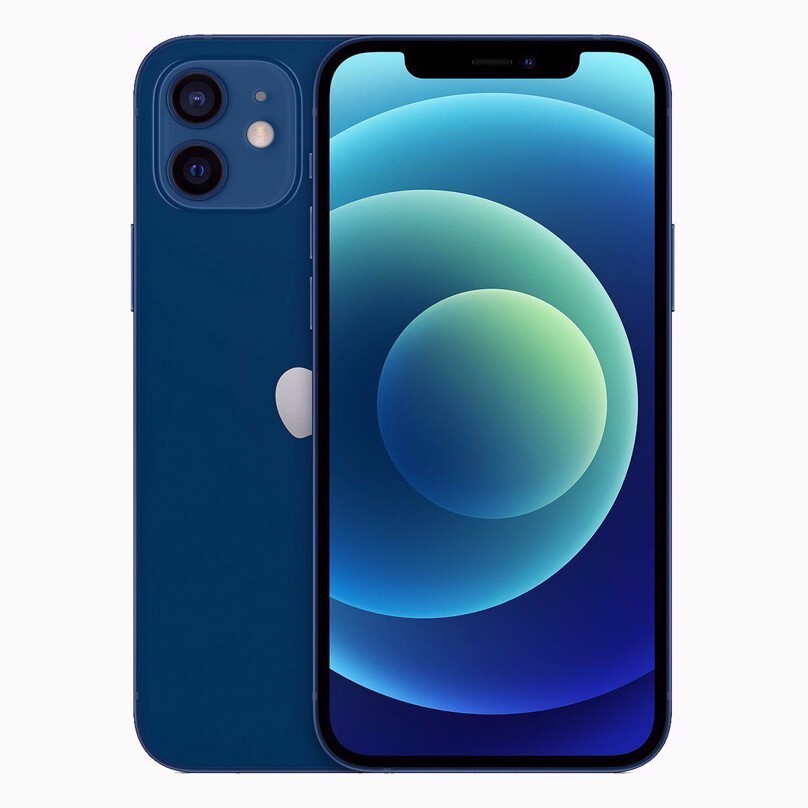

Photos from current listings. Actual item, color, and included accessories may vary.
Apple Smartphone Buying Guide
Apple smartphones are iOS devices built on Apple silicon with tightly controlled hardware tiers, where the main trade-off is generation age versus remaining software support and battery health. The decision rule: buy the newest A-series chip and highest storage tier your budget allows, and avoid any unit with sub-85% battery health or an activation lock.
Chip Generation:A14 (12) / A15 (13) / A16 (14) / A17 ProStorage Tiers:64GB / 128GB / 256GB / 512GBBattery Health Floor:85%+ acceptable, 80% serviceSIM Standard:Nano-SIM + eSIM; US 14+ eSIM-only
Typical price range$204.99
Key takeaways
- Chip generation drives longevity: A14 (iPhone 12) receives iOS updates roughly 5-6 years from launch, while A15/A16/A17 add 1-3 years of support.
- Storage tiers are fixed and non-expandable: 64GB is impractical for modern iOS plus photos; 128GB is the realistic floor, 256GB suits heavy media users.
- Battery health percentage is the single best wear indicator; below 85% capacity means a imminent service battery replacement.
At a glance
- Category
- Smartphones
- Last updated
- Nov 28, 2026
Current offers
Highlights
- Chip generation drives longevity: A14 (iPhone 12) receives iOS updates roughly 5-6 years from launch, while A15/A16/A17 add 1-3 years of support.
- Storage tiers are fixed and non-expandable: 64GB is impractical for modern iOS plus photos; 128GB is the realistic floor, 256GB suits heavy media users.
- Battery health percentage is the single best wear indicator; below 85% capacity means a imminent service battery replacement.
- Unlocked models use eSIM plus nano-SIM depending on region; US iPhone 14 and later are eSIM-only, which affects international travel.
Best use cases
- Best fit: budget-conscious buyers wanting iOS should pick an iPhone 12 128GB in Good condition with verified battery health above 85%.
- Wrong fit: power users shooting 4K ProRes or gaming should skip the 12 and choose an A16/A17 Pro model with 256GB or more.
- Best fit: international travelers should choose a physical nano-SIM model (non-US iPhone 12/13) or verify eSIM carrier support before buying.
- Wrong fit: anyone needing maximum resale value should avoid 64GB base models, which depreciate fastest and fill up quickly.
Buying tips
- Demand the exact battery health percentage: 90%+ is excellent, 85-89% is acceptable, below 85% requires a battery service costing extra.
- Check activation lock status via IMEI before payment; a locked device is unusable and cannot be restored by the buyer.
- Storage math: iOS plus system data consumes about 15GB, so 64GB leaves under 45GB usable, while 128GB leaves about 105GB.
- Prefer models with original parts; third-party screens disable True Tone and battery replacements may show a service warning.
Specs
| Chip Generation | A14 (12) / A15 (13) / A16 (14) / A17 Pro |
|---|---|
| Storage Tiers | 64GB / 128GB / 256GB / 512GB |
| Battery Health Floor | 85%+ acceptable, 80% service |
| SIM Standard | Nano-SIM + eSIM; US 14+ eSIM-only |
Related searches
What to check before buying
- Confirm the iPhone model generation and exact storage tier match the listing title, since sellers often mix 12/12 Pro labels.
- Verify the device is carrier-unlocked and not tied to an iCloud account by requesting the IMEI and checking Apple's activation lock page.
- Check that the included accessories match the model: iPhone 12 and later ship without a charger, only a USB-C to Lightning cable.
- Confirm the phone's region variant for SIM tray presence and supported 5G bands if you travel internationally.
FAQ
Data sources: eBay / Amazon listings and product attribute feeds. Updated Nov 28, 2026.
Some links on this page are affiliate links. If you buy after clicking one, we may earn a commission at no extra cost to you. This does not change which products appear here or their order. Affiliate disclosure.