
Photos from current listings. Actual item, color, and included accessories may vary.
Android Phone Buying Guide
Android phones span a vast range from budget 5G models to flagship devices, with the primary trade-off being between display/battery/ram specs and long-term software support. Durable options use OLED panels, ample RAM (8GB+), and guaranteed OS updates, while compromises often rely on LCD, 4GB RAM, and vague update policies. The clear decision rule: prioritize chipset efficiency, RAM capacity, and update commitments over inflated camera megapixel numbers.
Median $138.99
Key takeaways
- 5G support requires specific bands (n78, n41, n71) matching carrier networks; missing bands cause poor coverage.
- OLED panels offer deeper blacks and better efficiency than LCD, but PWM dimming may affect sensitive users.
- RAM below 8GB limits multitasking and future-proofing; 12GB+ is recommended for heavy users.
At a glance
- Category
- Smartphones
- Last updated
- Nov 28, 2026
Current offers
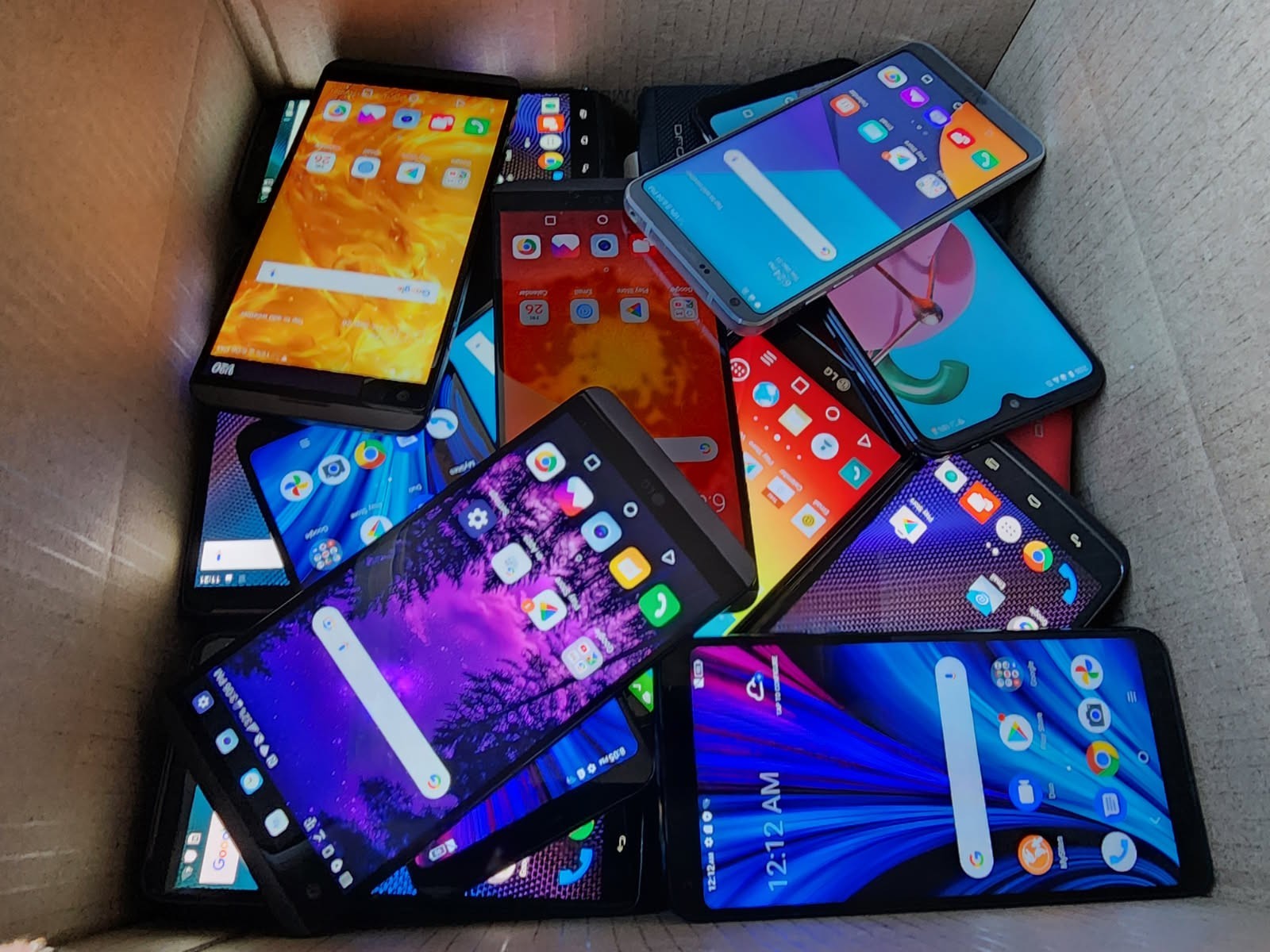 Unlocked Smartphone - Android$29.99Last checked Nov 28, 2026View on eBay
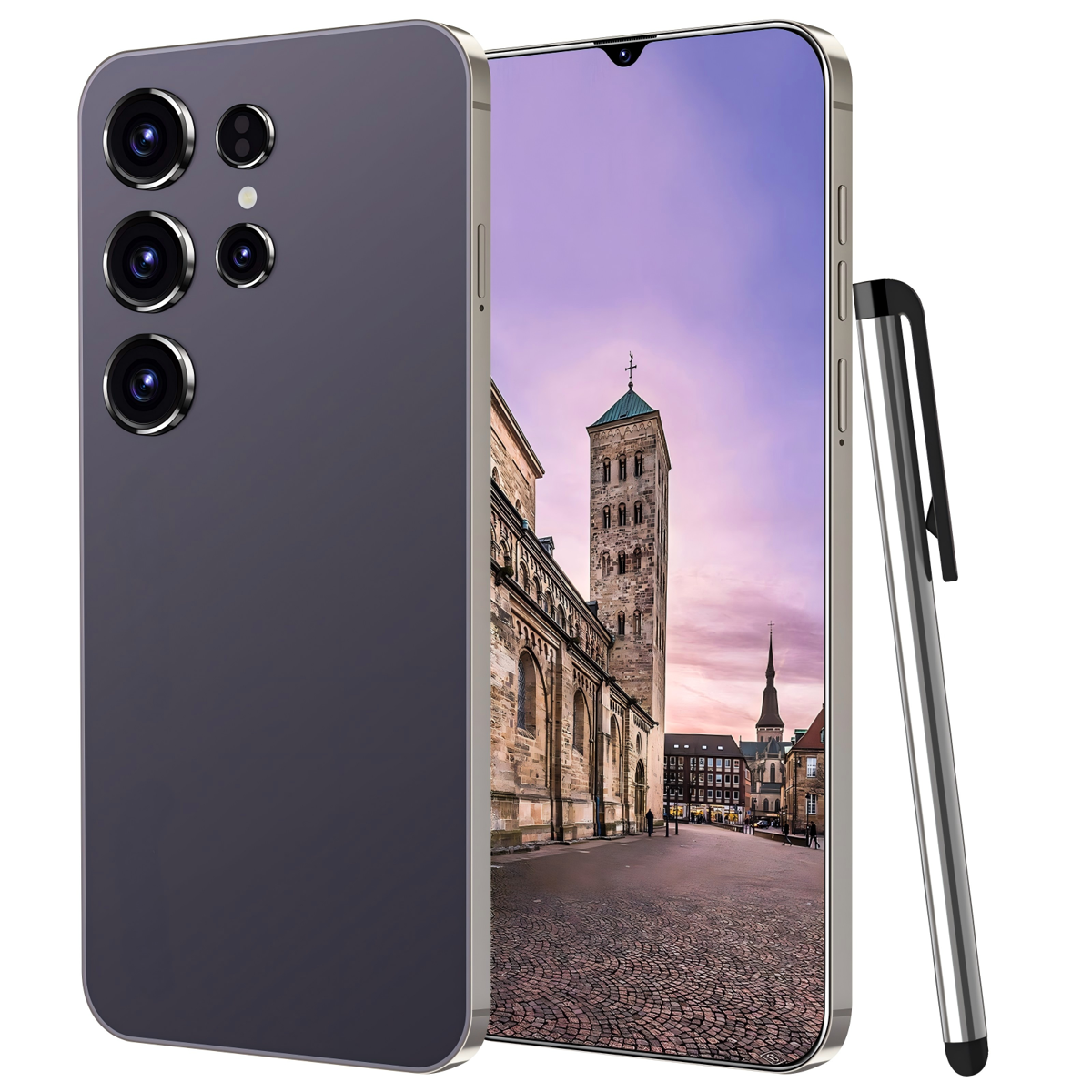 24 Cell Phone 4GB+128GB Unlocked Phone,5G Smartphone with Tool Pen, Android 14.0 Dual SIM Standby$130.99View on Mallflare
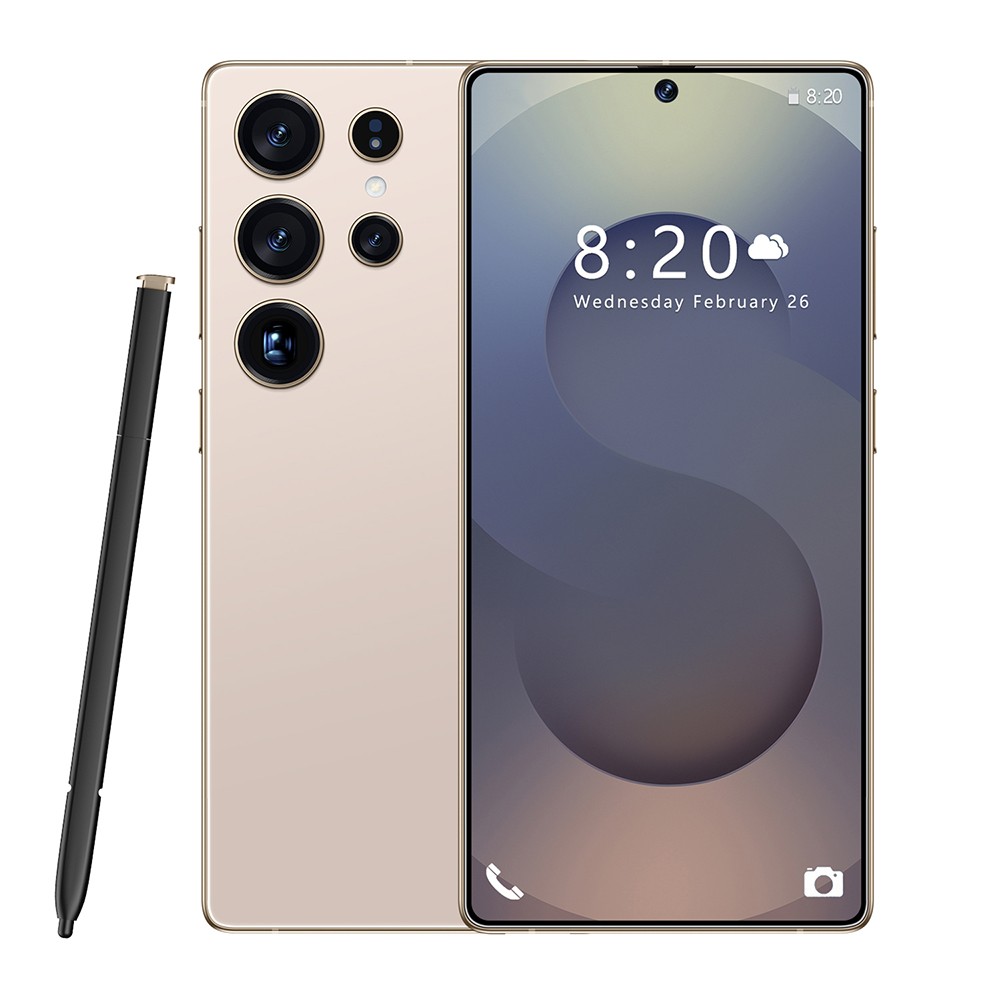 2026 Unlocked 5G Smartphone G25 Ultra Android 15 128GB Dual SIM Cheap Cell Phone$95.99View on eBay
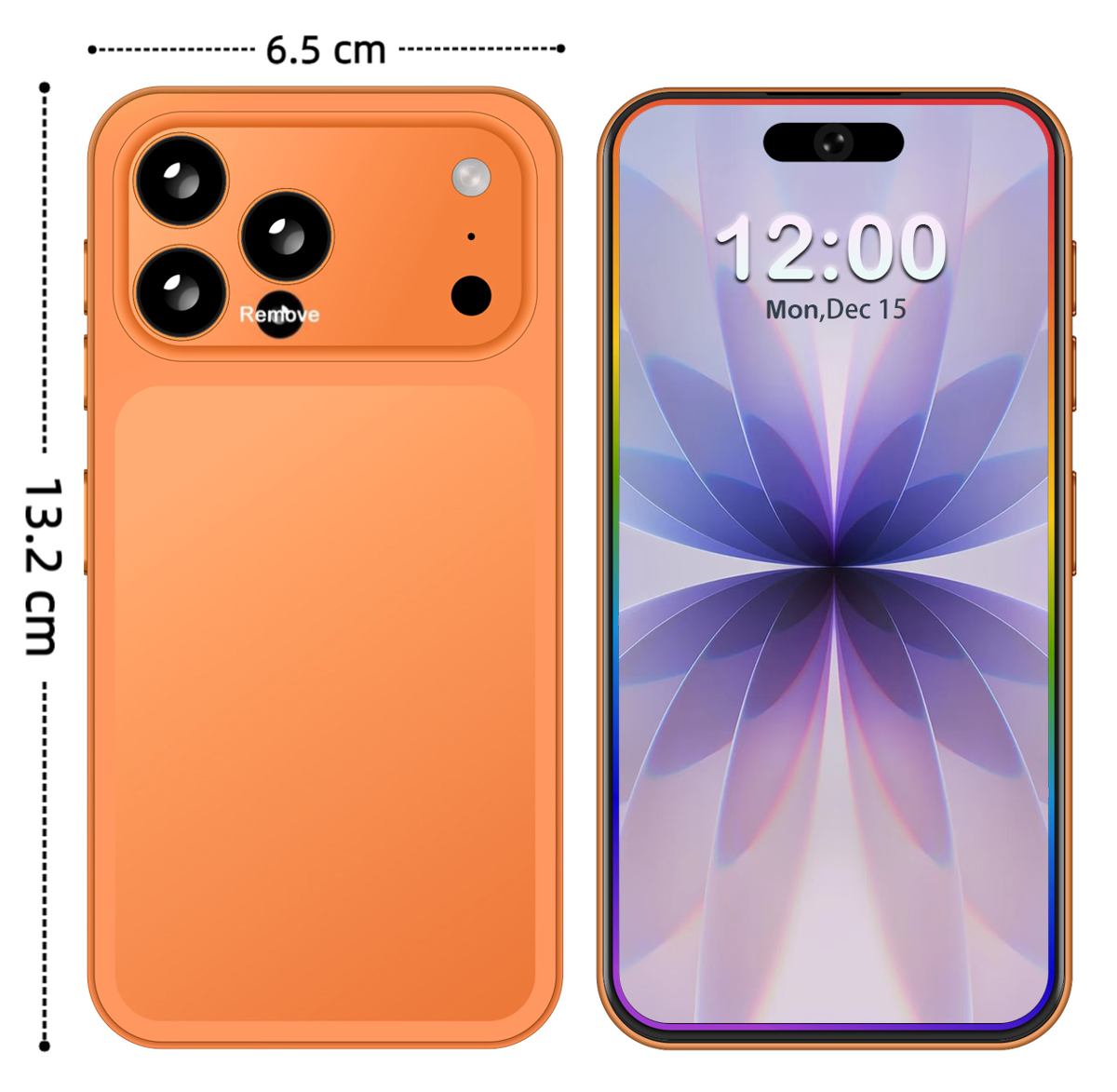 17 Unlocked Phone,5.3" HD 4+128GB,5GMini Phone,Android 14 Smartphone,5000mAh Battery/Dual SIM/Face Unlock/GPS Good Quality$146.99View on Mallflare
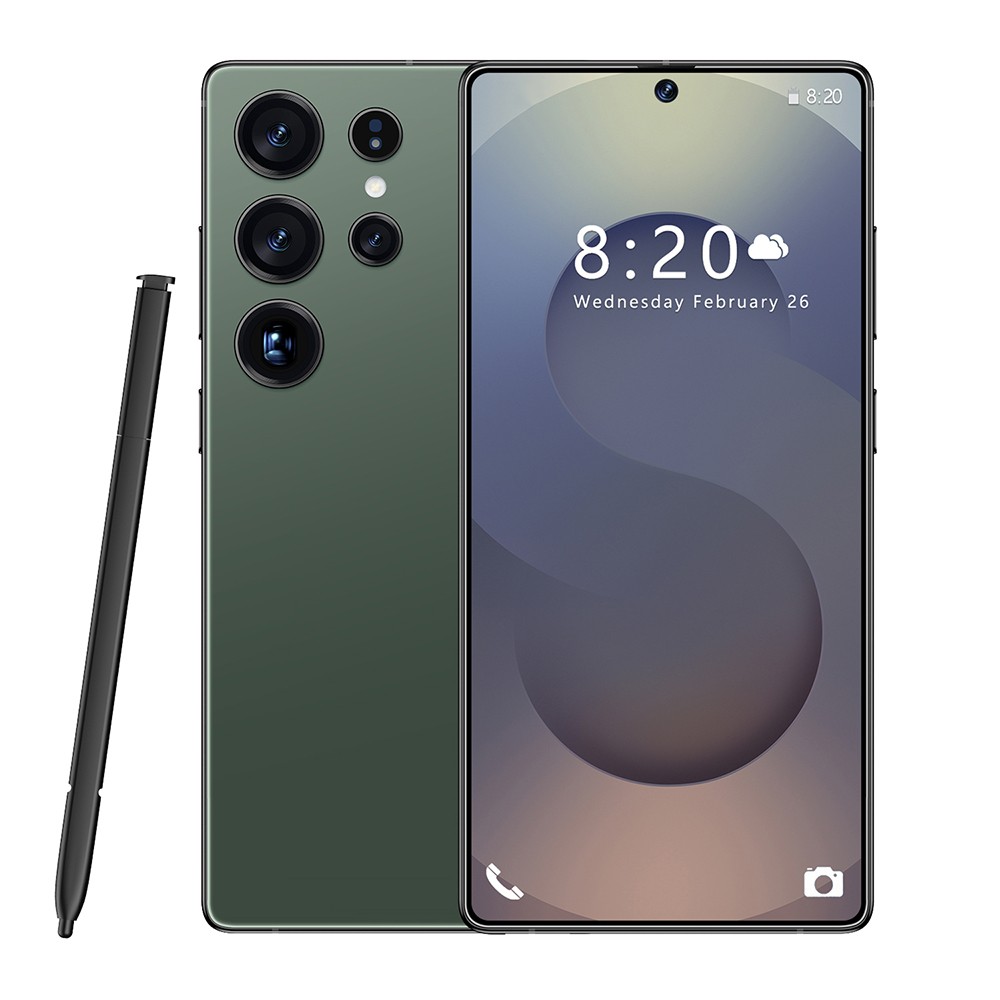 G25 Ultra 256GB Unlocked Cell Phone Android 5G Smartphone Dual SIM Cheap Mobile$105.99Last checked Nov 28, 2026View on eBay
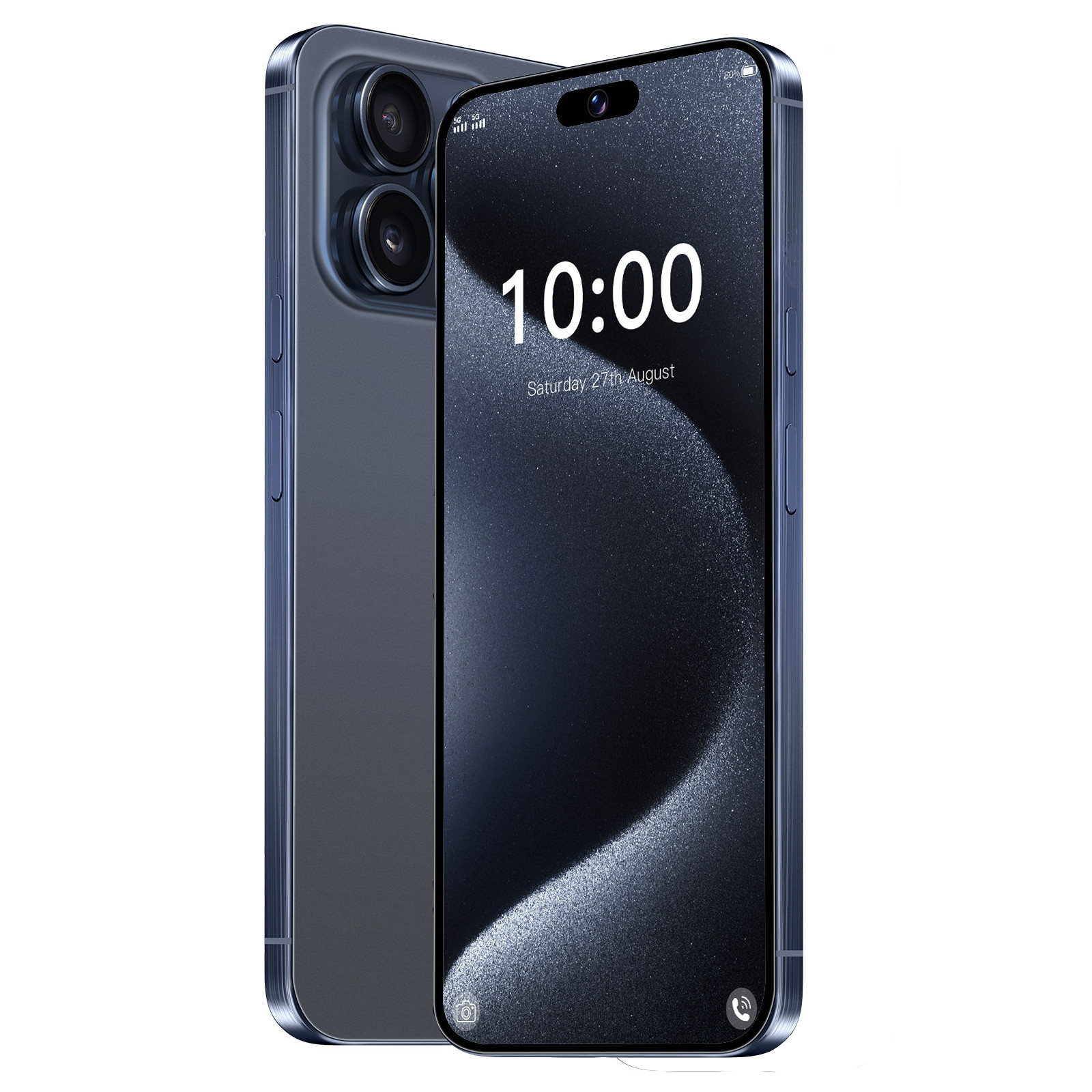 A15 Pro Max 5G Android 145 Smartphone, 6.8' FHD+ Display, 8GB RAM + 256GB Storage, 72MP Front & 108MP Rear Camera,6800mAh Battery, Global Version$152.99View on Mallflare
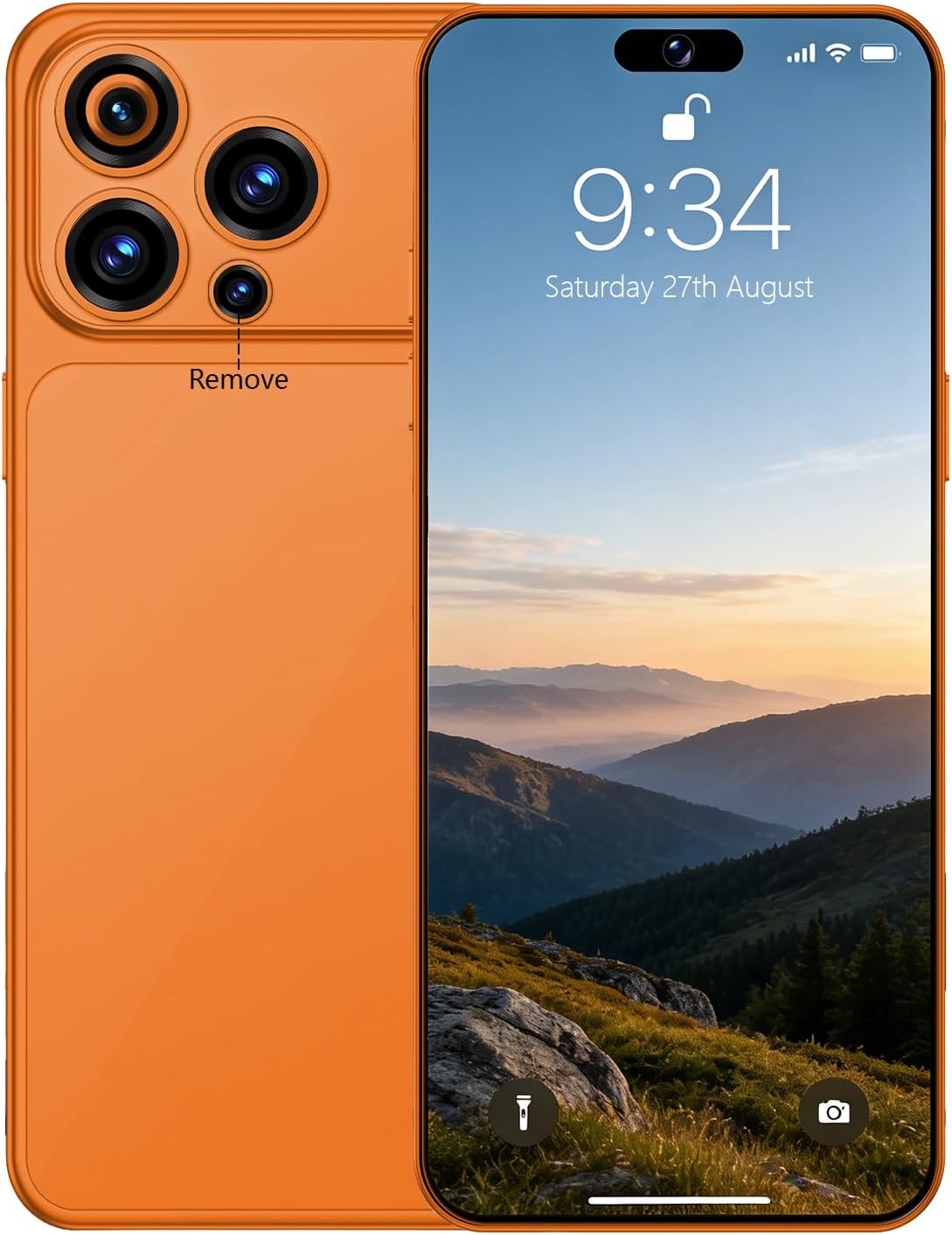 A17 Pro Max 5G Android 15 Smartphone, 6.8' FHD+ Display, 8GB RAM + 256GB Storage, 72MP Front & 108MP Rear Camera, 6800mAh Battery, Global Version$161.99View on Mallflare
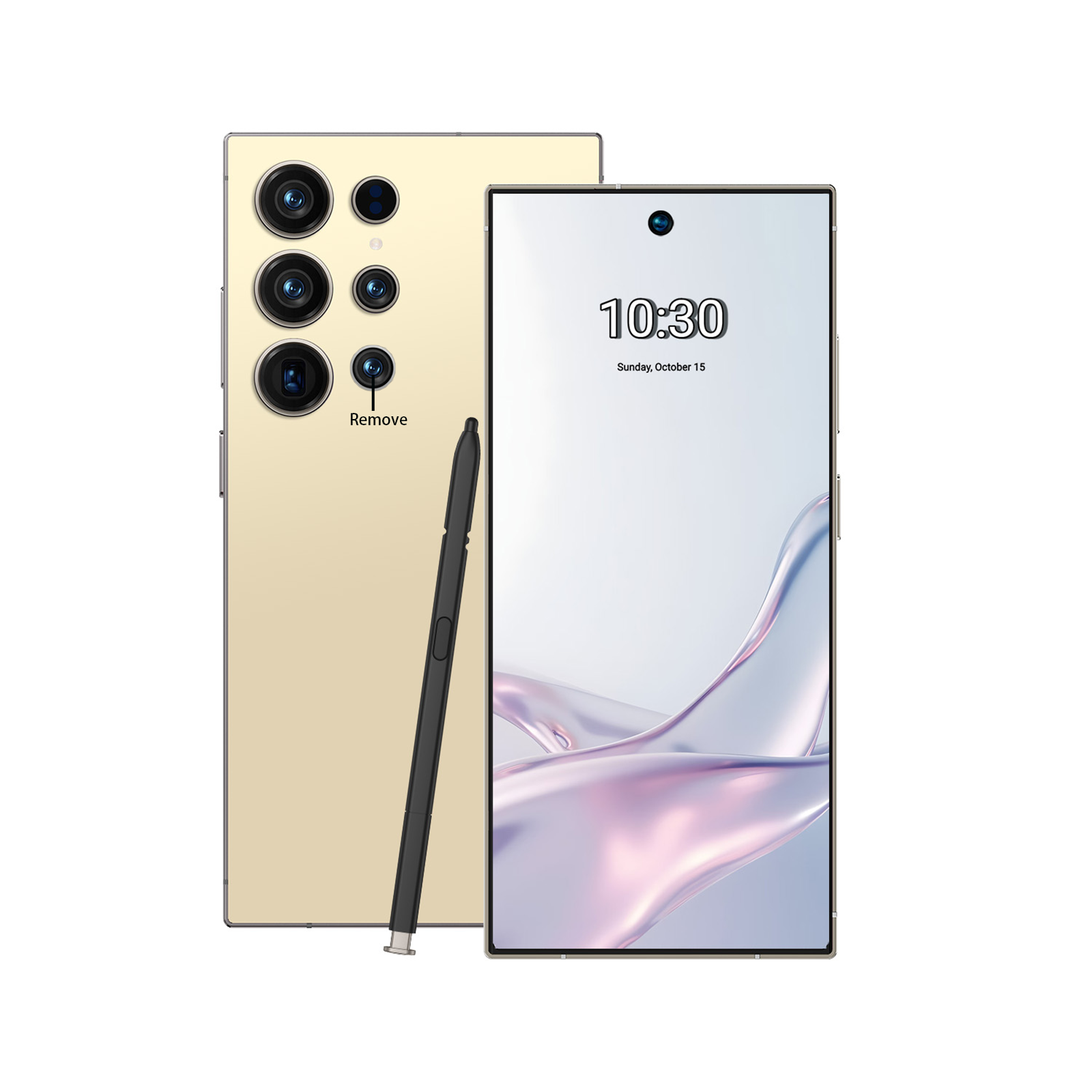 C25 Ultra Unlocked Phone, 5G 12+512GB Smartphone ,6900mAh,6.9" HD Screen,Android 14 Cell Phone,/Built in Pen/Dual SIM/Fingerprint Unlock/Face ID$167.99View on Mallflare
Highlights
- 5G support requires specific bands (n78, n41, n71) matching carrier networks; missing bands cause poor coverage.
- OLED panels offer deeper blacks and better efficiency than LCD, but PWM dimming may affect sensitive users.
- RAM below 8GB limits multitasking and future-proofing; 12GB+ is recommended for heavy users.
- Battery capacity 5000mAh is standard; 6000mAh+ often adds thickness but extends endurance.
Best use cases
- Best fit for budget buyers: pick a 5G phone with 6GB+ RAM and 128GB storage from a brand with clear update policy; skip 4GB RAM models.
- Best fit for power users: choose 8GB+ RAM, 256GB storage, and a mid-to-high chipset (Snapdragon 7-series or Dimensity 8000+); skip entry-level chipsets.
- Best fit for media consumption: prioritize OLED display and stereo speakers; skip LCD screens if color accuracy matters.
- Wrong fit: gaming enthusiasts should avoid phones with 60Hz displays and low-end GPUs; look for 120Hz and Adreno 600+.
Buying tips
- Check 5G band support: ensure n41/n78 for T-Mobile, n71 for low-band, and n77 for Verizon to avoid coverage gaps.
- Verify RAM type: LPDDR5 is faster than LPDDR4x; storage UFS 3.1 is significantly quicker than eMMC 5.1.
- Prioritize battery endurance: 5000mAh with efficient chipset (e.g., Snapdragon 6 Gen 1) lasts longer than 6000mAh with inefficient SoC.
- Confirm update policy: brands like Samsung and Google offer 4+ years of OS updates; many budget models get only 1-2.
Specs
| Screen Type | OLED vs LCD (AMOLED common) |
|---|---|
| RAM/Storage | 6GB/128GB min; 8GB/256GB rec. |
| 5G Bands | n41/n78/n71/n77 critical |
| Battery | 5000mAh typical; 6000mAh+ extended |
Related searches
What to check before buying
- Measure hand size: phones over 6.7" are unwieldy for one-handed use; consider width under 75mm.
- Check carrier compatibility: verify VoLTE and 5G bands for your network (AT&T, Verizon, T-Mobile).
- Ensure charger compatibility: most support USB-PD, but some require proprietary fast charging.
- Verify storage expansion: many phones lack microSD; choose 256GB+ if no slot.
FAQ
Data sources: eBay / Amazon listings and product attribute feeds. Updated Nov 28, 2026.
Some links on this page are affiliate links. If you buy after clicking one, we may earn a commission at no extra cost to you. This does not change which products appear here or their order. Affiliate disclosure.