
Photos from current listings. Actual item, color, and included accessories may vary.
10 Android Phone Buying Guide
Android phones span budget-priced value models to flagship camera and gaming devices, and the core trade-off is chipset tier versus display, camera, and long-term update support. Durable, high-value picks use flagship-tier or upper-midrange Snapdragon/Dimensity silicon with AMOLED and 4+ years of OS updates, while compromises cut corners on panel quality, charging speed, and software longevity. Decision rule: buy the model whose chipset, display, and update policy match your heaviest daily workload, not the one with the highest megapixel count or biggest battery number.
Median $126.49
Key takeaways
- Chipset tier dictates longevity: flagship Snapdragon 8-series and Dimensity 9000-series handle 4-5 years of updates; budget 4-series and Helio chips lag within 2 years.
- AMOLED with 120Hz refresh and 1,000+ nits peak brightness is the minimum for outdoor readability; IPS LCD panels wash out in sunlight and drain more power.
- Update policy varies by brand: Samsung and Google commit 7 years of OS and security patches on flagship and select midrange models; most budget brands offer 2-3 years.
At a glance
- Category
- Smartphones
- Last updated
- Nov 28, 2026
Current offers
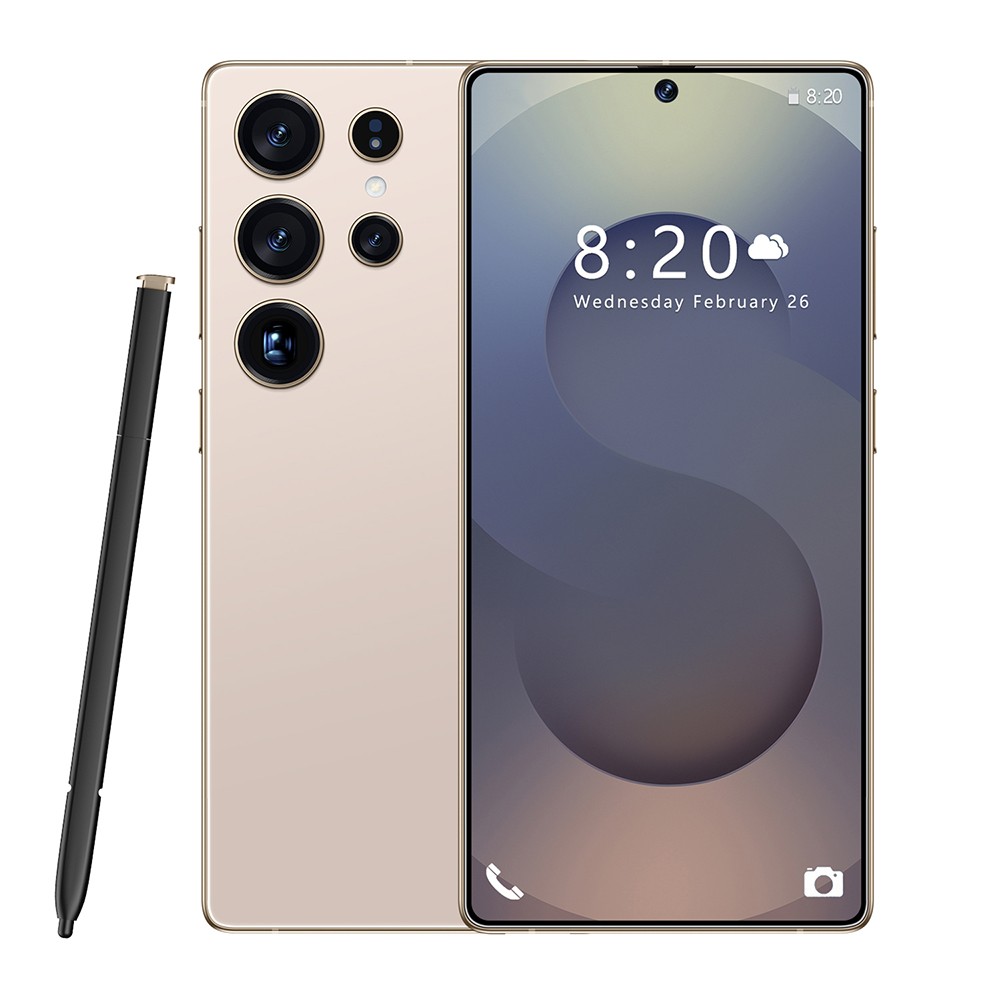 2026 Unlocked 5G Smartphone G25 Ultra Android 15 128GB Dual SIM Cheap Cell Phone$95.99View on eBay
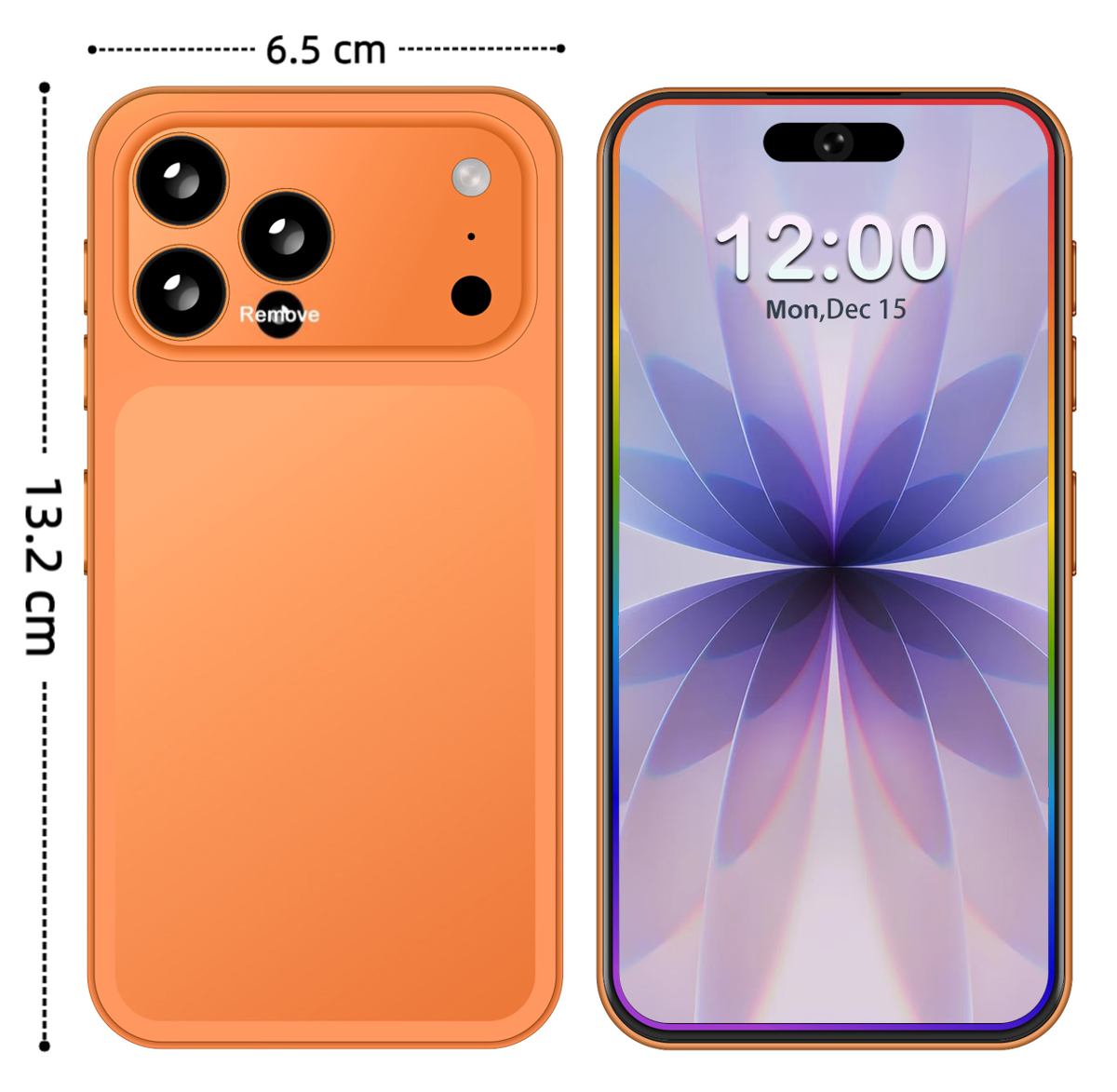 17 Unlocked Phone,5.3" HD 4+128GB,5GMini Phone,Android 14 Smartphone,5000mAh Battery/Dual SIM/Face Unlock/GPS Good Quality$146.99View on Mallflare
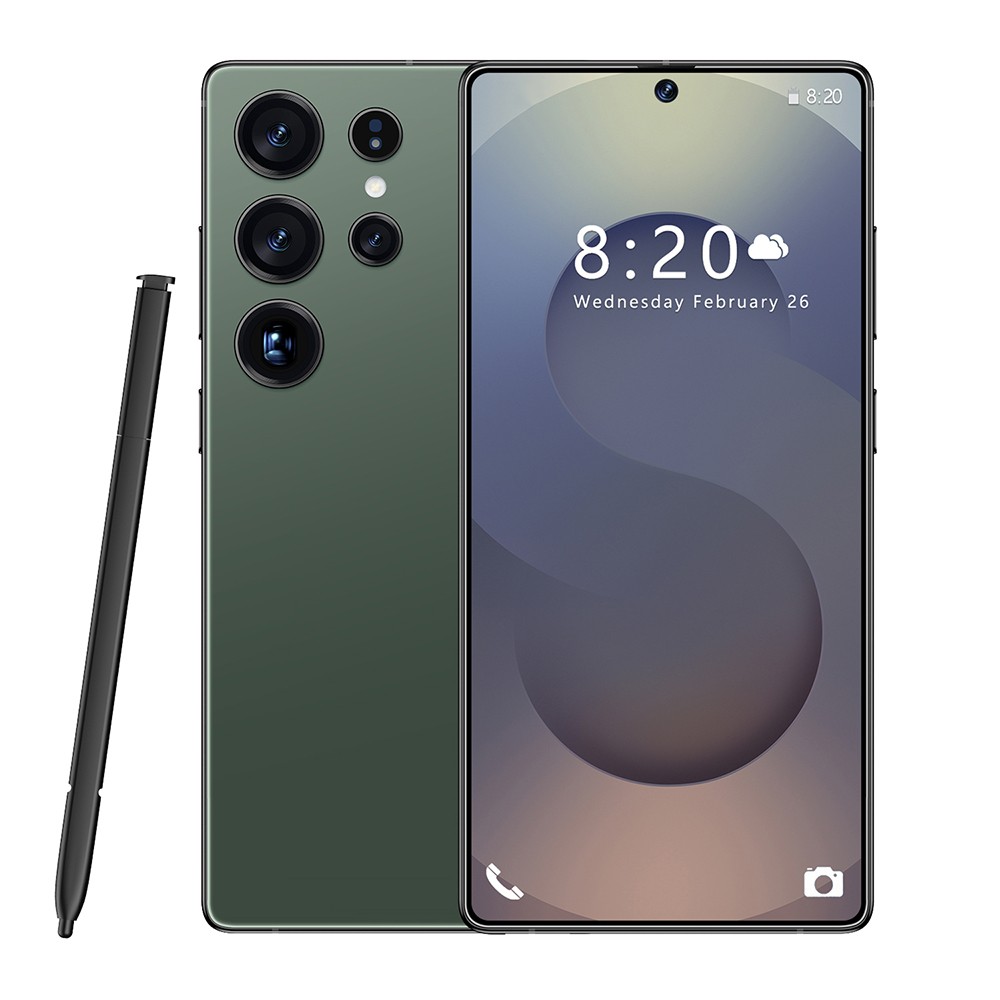 G25 Ultra 256GB Unlocked Cell Phone Android 5G Smartphone Dual SIM Cheap Mobile$105.99Last checked Nov 28, 2026View on eBay
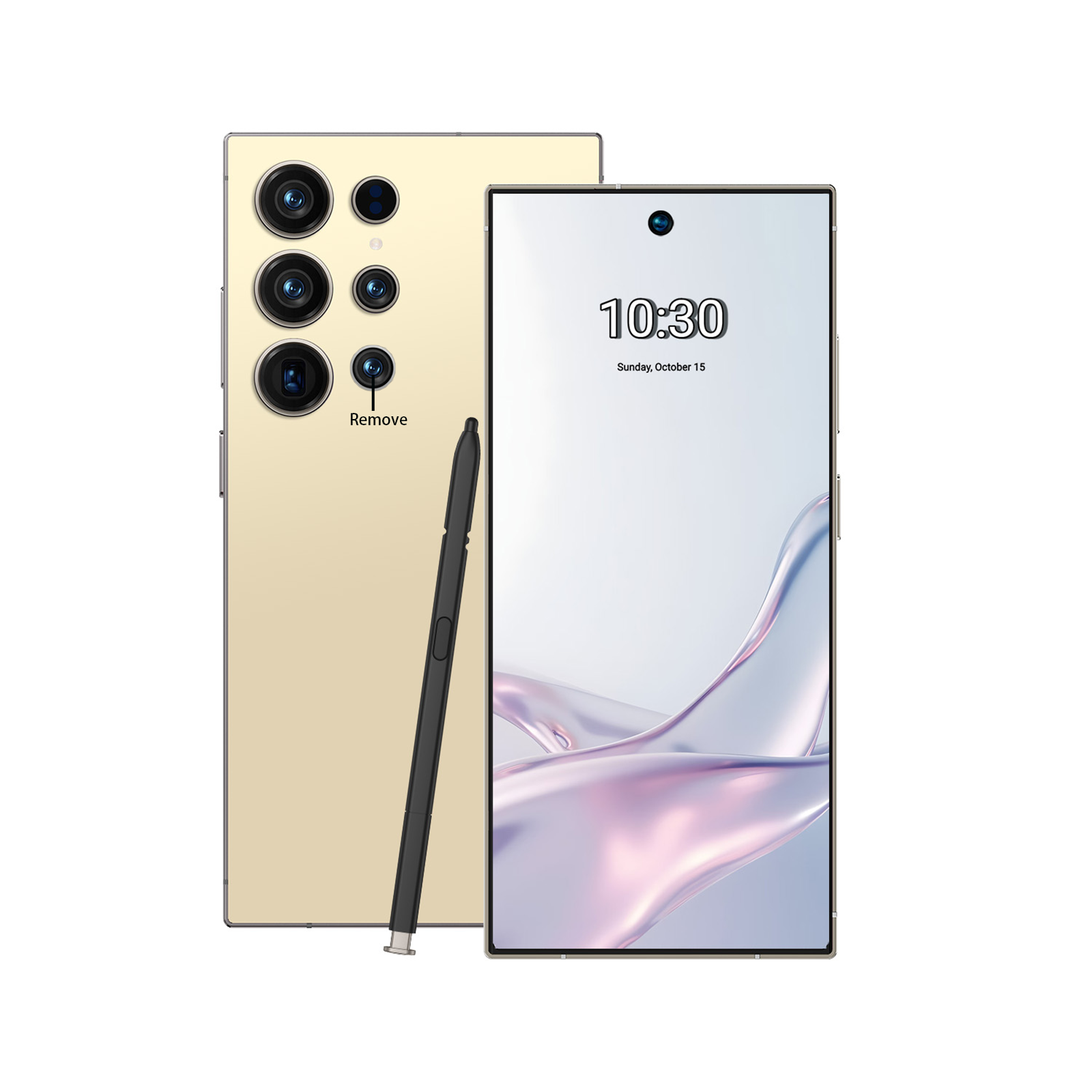 C25 Ultra Unlocked Phone, 5G 12+512GB Smartphone ,6900mAh,6.9" HD Screen,Android 14 Cell Phone,/Built in Pen/Dual SIM/Fingerprint Unlock/Face ID$167.99View on Mallflare
Highlights
- Chipset tier dictates longevity: flagship Snapdragon 8-series and Dimensity 9000-series handle 4-5 years of updates; budget 4-series and Helio chips lag within 2 years.
- AMOLED with 120Hz refresh and 1,000+ nits peak brightness is the minimum for outdoor readability; IPS LCD panels wash out in sunlight and drain more power.
- Update policy varies by brand: Samsung and Google commit 7 years of OS and security patches on flagship and select midrange models; most budget brands offer 2-3 years.
- Charging standards split by region and brand: USB-PD PPS at 25-65W is widely compatible; proprietary 80-120W speeds require the included brick and cable.
Best use cases
- Best fit for photography: pick a flagship with a large main sensor (1/1.3-inch or larger), OIS, and a dedicated 3x-5x telephoto; skip midrange phones with only 2MP macro and depth fillers.
- Best fit for gaming: choose a Snapdragon 8-series or Dimensity 9000-series chipset with vapor-chamber cooling and 120Hz+ display; avoid thin budget phones that throttle within 20 minutes.
- Best fit for battery endurance: select a 5,000mAh+ cell with efficient midrange silicon and 25-45W charging; skip ultra-slim flagships with 4,500mAh cells and 120W charging that generates heat.
- Wrong fit for long-term use: any model with under 3 years of promised OS updates or a chipset older than two generations at purchase will lose app compatibility and security patches first.
Buying tips
- Match RAM to update horizon: 8GB is the practical floor for 4+ years of Android multitasking; 6GB budget models slow down after two major OS upgrades.
- Check band support against your carrier: missing n71 (T-Mobile), n77 (AT&T/Verizon C-band), or n78 (global 5G) cripples 5G coverage and drops to LTE.
- Screen size math: 6.1-6.3 inch fits one-handed use and most pockets; 6.7 inch and above needs two hands and a case with grip; check width under 72mm for comfort.
- Storage speed matters more than capacity: UFS 3.1 or 4.0 storage keeps the phone responsive for years; eMMC or UFS 2.2 budget storage stutters under app load.
Specs
| Chipset Tier | Flagship 8-series vs midrange 7-series |
|---|---|
| Display Panel | AMOLED 120Hz vs IPS LCD 60-90Hz |
| Update Policy | 2-7 years OS + security patches |
| Charging Standard | USB-PD PPS 25-65W vs proprietary 80-120W |
Related searches
What to check before buying
- Confirm your carrier's 5G bands (n71, n77, n78, n41) are supported by the exact model variant, since regional SKUs differ in modem firmware.
- Measure your hand span and pocket depth: phones wider than 75mm or taller than 165mm need a grip case and may not fit small pockets.
- Verify charger compatibility: USB-PD PPS at 25W+ works across brands; proprietary 65W+ charging requires the brand's own brick and cable.
- Check the promised update window in years and the model's launch date; a phone launched 18 months ago already has less remaining support.
FAQ
Data sources: eBay / Amazon listings and product attribute feeds. Updated Nov 28, 2026.
Some links on this page are affiliate links. If you buy after clicking one, we may earn a commission at no extra cost to you. This does not change which products appear here or their order. Affiliate disclosure.