
Photos from current listings. Actual item, color, and included accessories may vary.
Flight Simulator Rudder Pedal Buying Guide
Flight sim rudder pedals are the yaw-and-brake control that completes a realistic cockpit, and the core trade-off is plastic potentiometer entry gear versus metal Hall-effect/load-cell construction. Choose metal, contactless-sensor pedals if you fly weekly and need precise, drift-free yaw; choose entry plastic pedals only for casual, low-hour use.
Sensor Type:Hall-effect / magnetic vs potentiometerChassis Material:Full metal vs plastic baseToe Brakes:Analog independent axes vs noneCentering:Spring vs hydraulic damper
Typical price range$49.00 – $499.99
Median $127.50
Key takeaways
- Sensor type decides longevity: potentiometers wear and spike over time, while Hall-effect/magnetic sensors are contactless and stay calibrated for years.
- Chassis material separates tiers: full-metal bases resist flex and stay planted under heavy toe-brake pressure; plastic bases flex and slide on carpet.
- Toe brakes are a separate axis pair — pedals without them cannot differentially brake, which breaks realistic taxi and crosswind landings.
At a glance
- Category
- Flight Sim Rudder Pedals
- Last updated
- Nov 23, 2026
Current offers
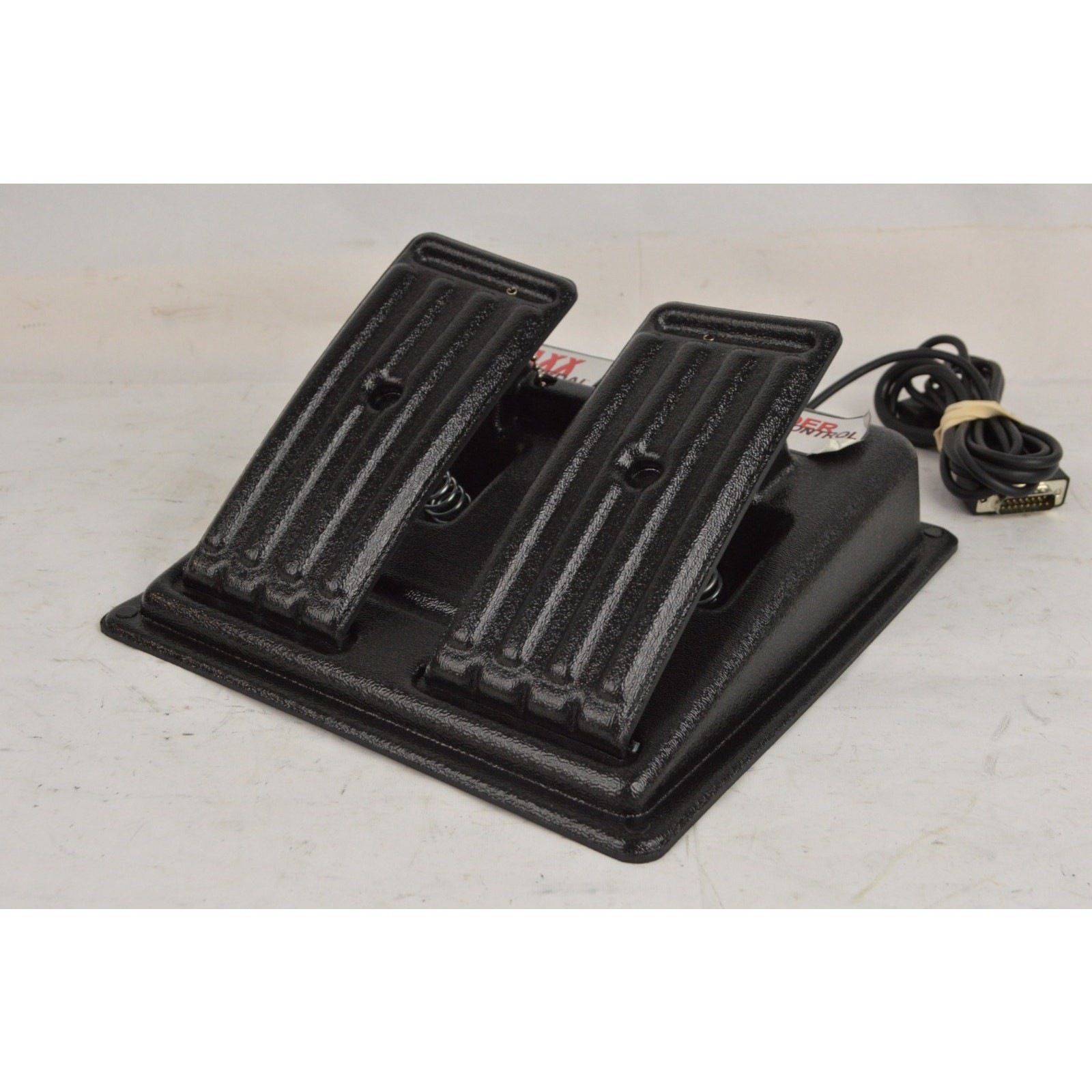 MAXX MP-1095 Rudder Simulator Foot Pedals Controller PC Flight Sim Game SEMPRO$49.00View on eBay
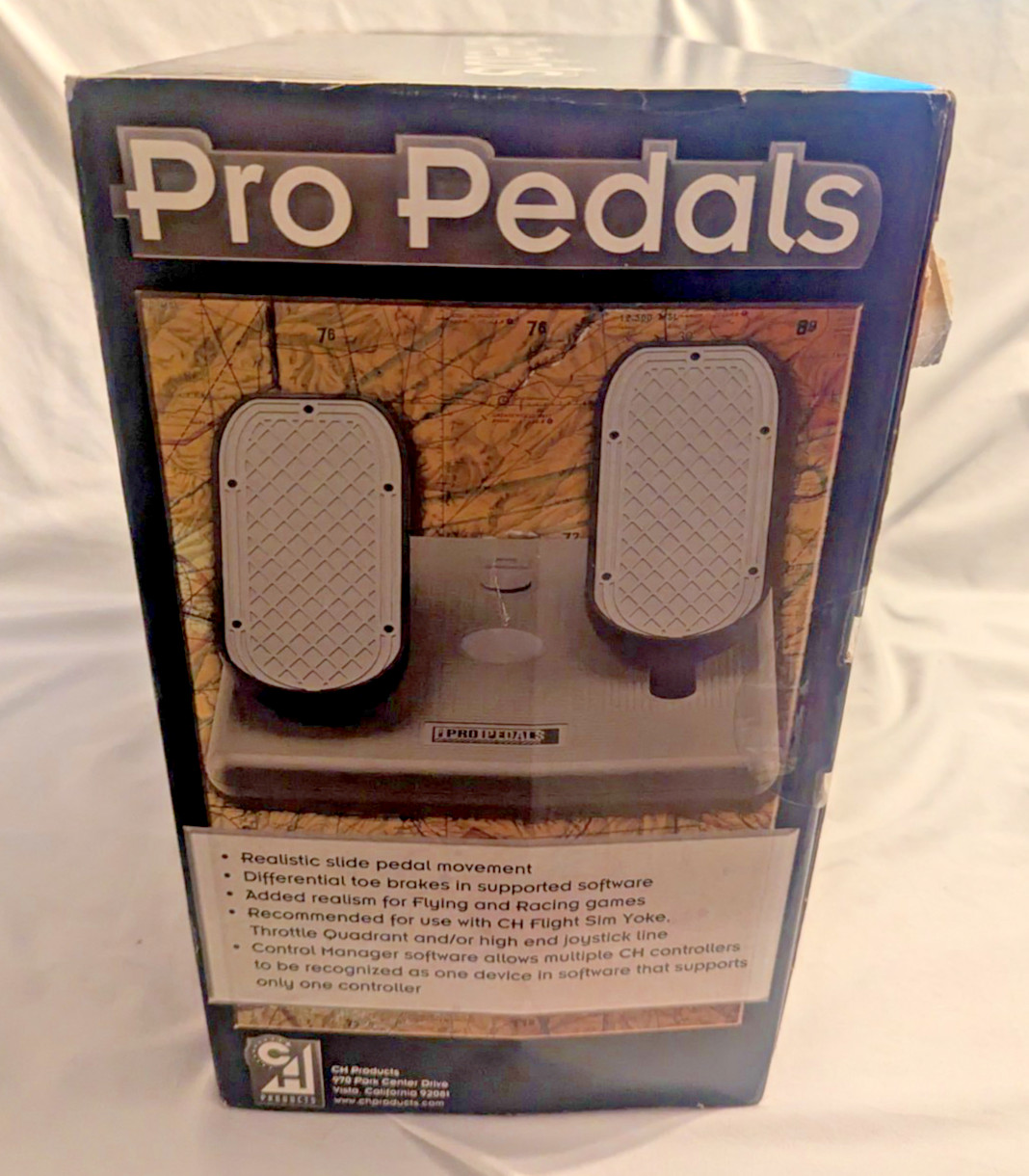 CH Products Pro Pedals 300-111 PP99USB Flight Simulator Rudder Pedals PC USB$79.99View on eBay
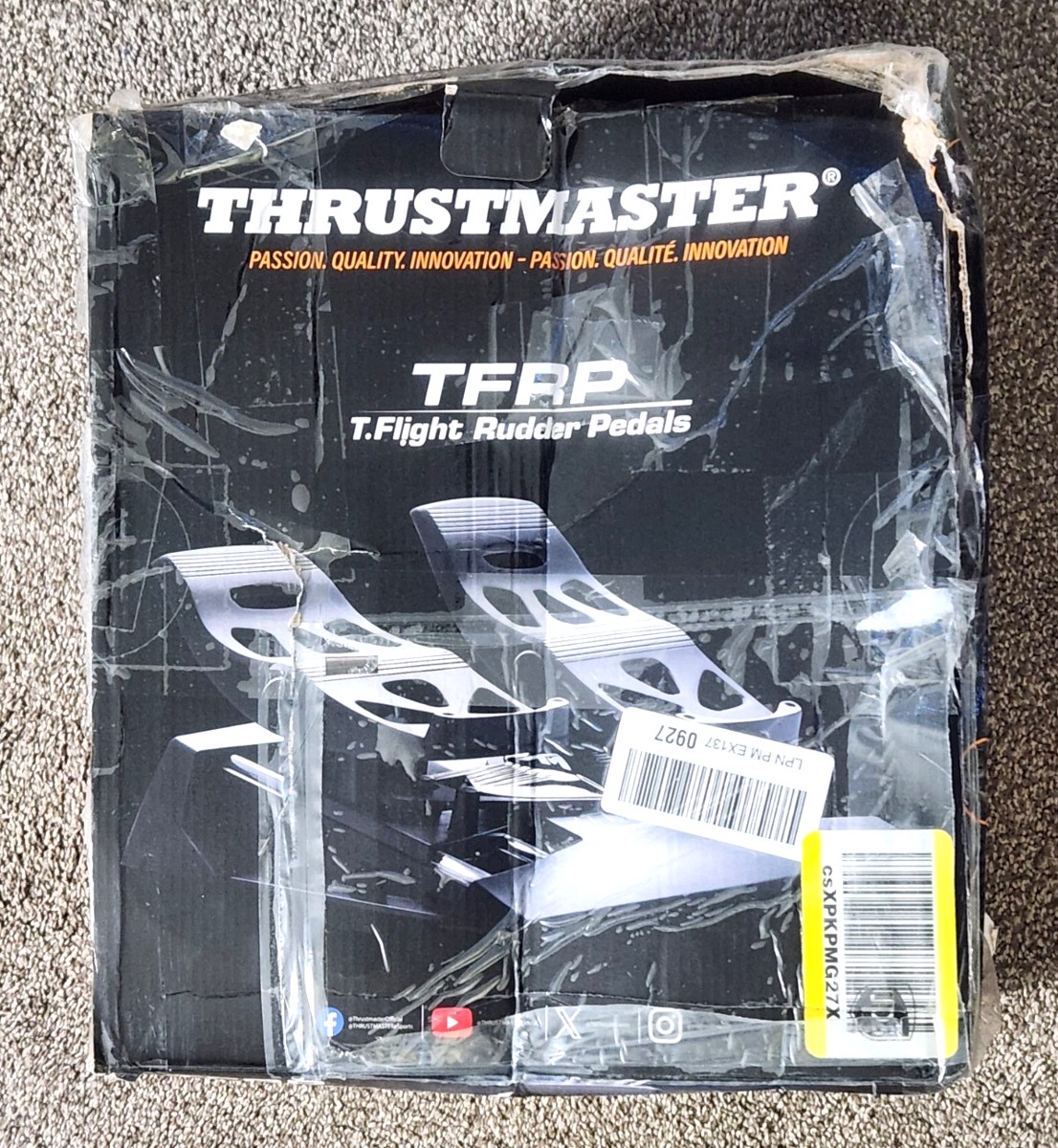 Thrustmaster - TFRP Rudder Pedals for Flight Simulators Compatible with PC, PS4,$109.99View on eBay
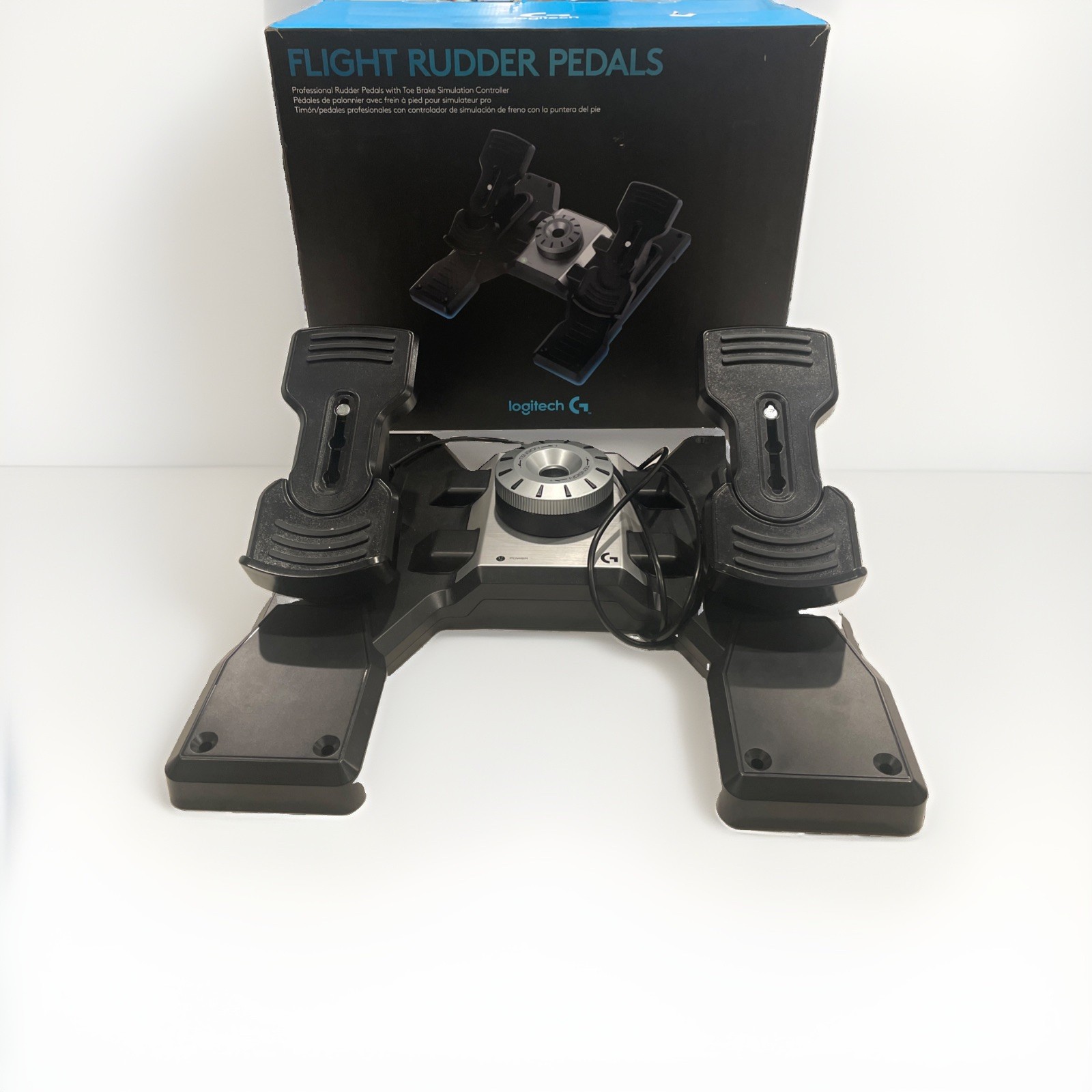 Logitech G-Pro Flight Simulator Sim Rudder Pedals With Toe Brake Microsoft$125.00View on eBay
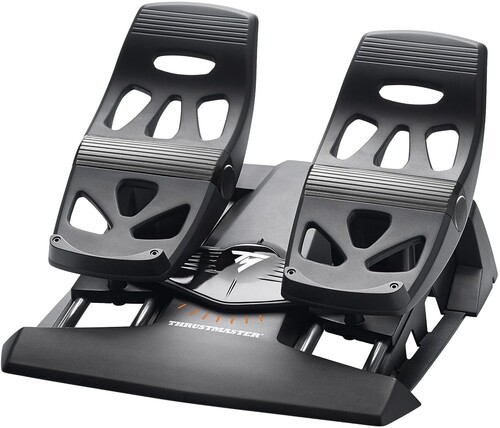 Thrustmaster - TFRP Rudder Pedals for Flight Simulators Compatible with PC, PS4,$129.99View on eBay
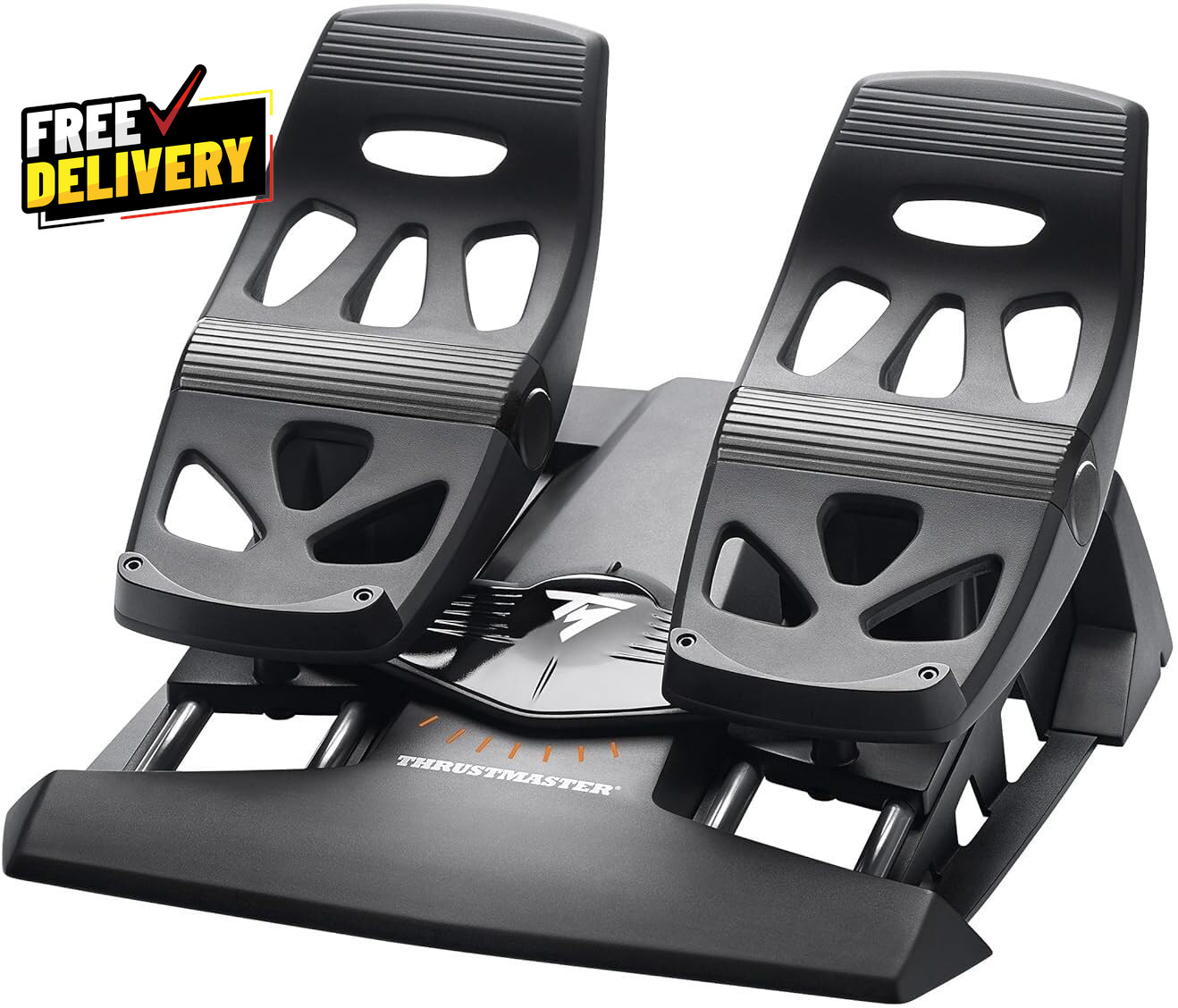 TFRP Flight Rudder Pedals Realistic Aviation Control for Flight Simulators (C..$172.52View on eBay
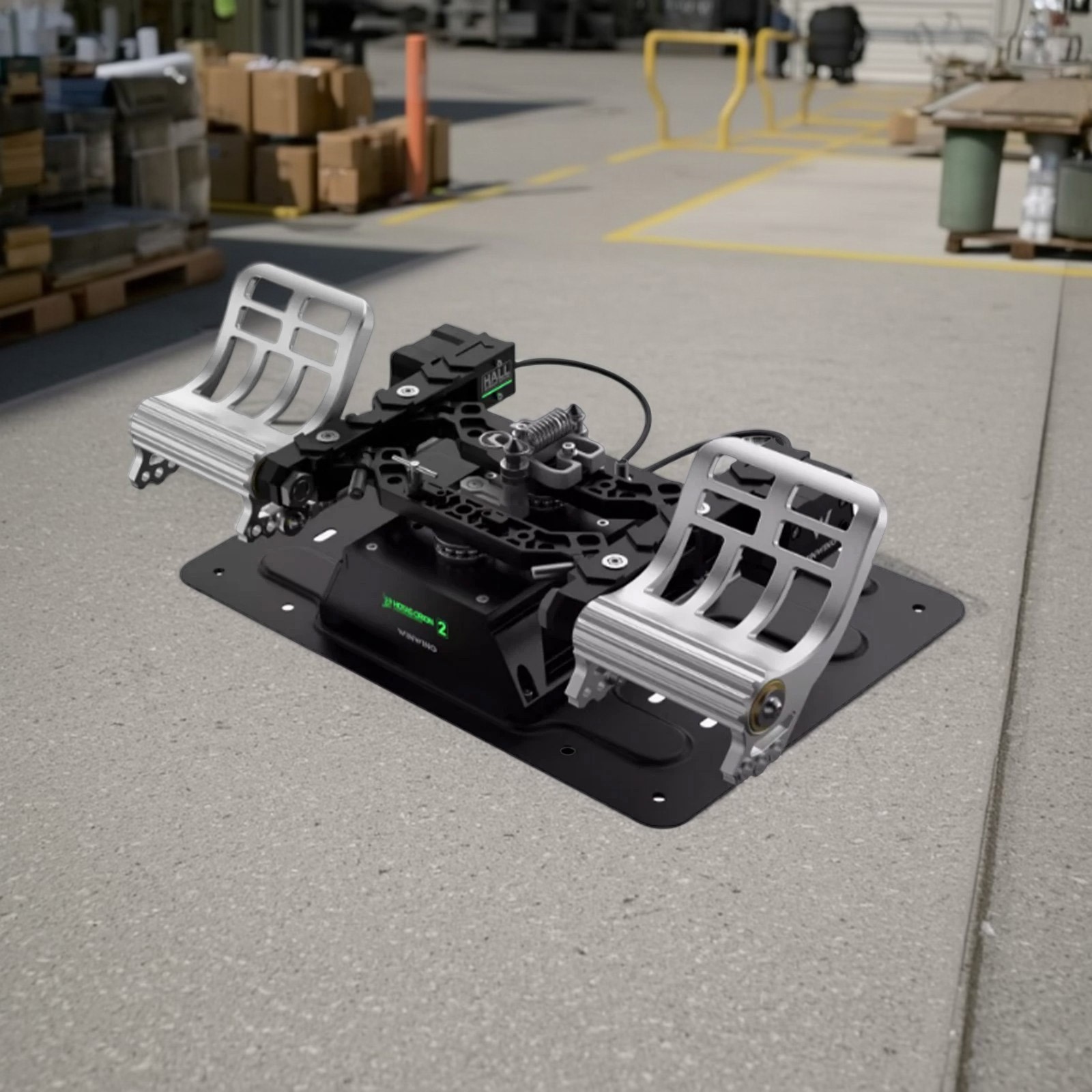 WINWING R1 Damper Edition Orion Metal Flight Simulator Rudder Pedal$419.99Last checked Nov 18, 2026View on eBay
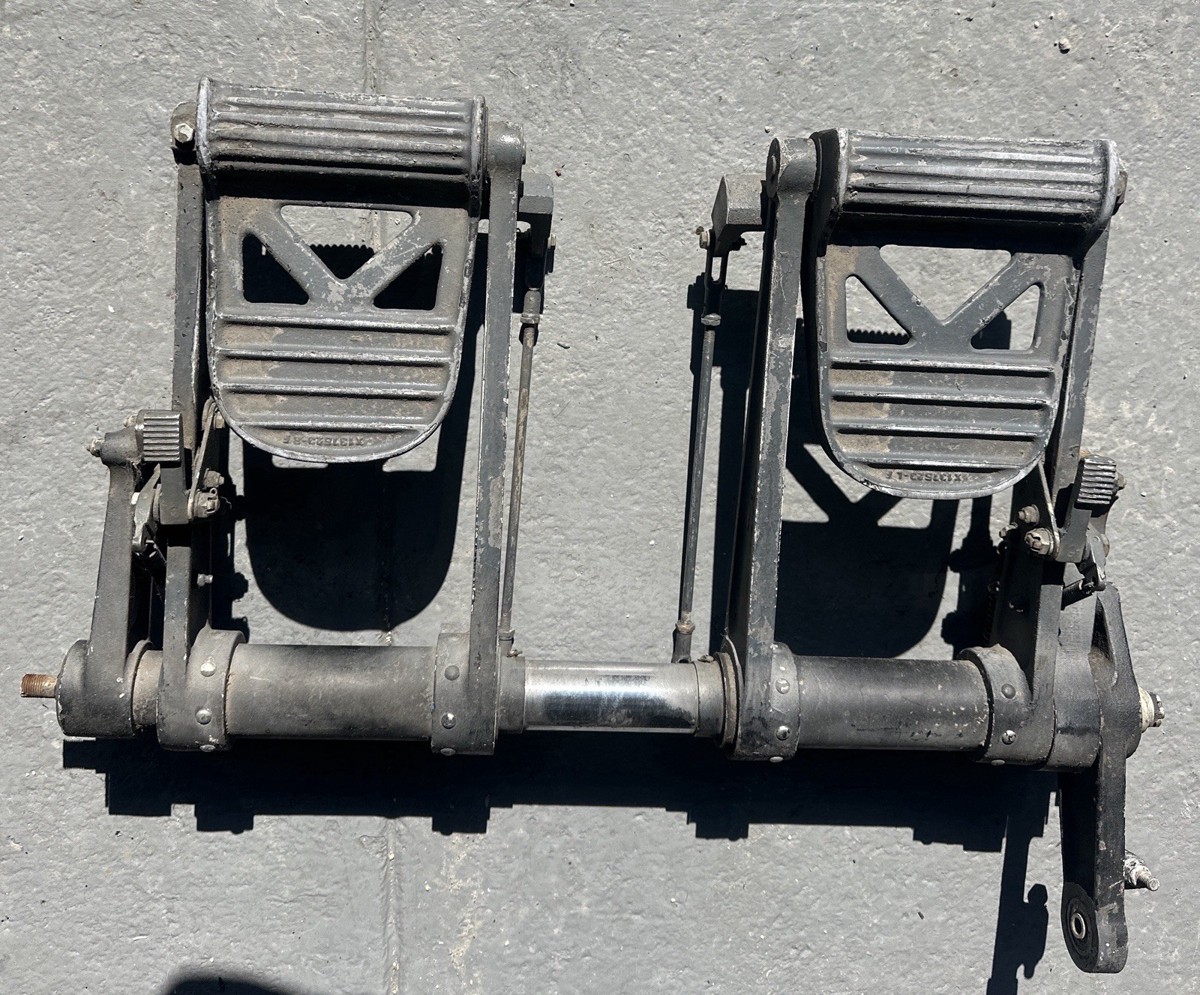 Lockheed P-2V Neptune Rudder Pedal Assembly Aviation Decor Flight Simulator$499.99Last checked Nov 18, 2026View on eBay
Highlights
- Sensor type decides longevity: potentiometers wear and spike over time, while Hall-effect/magnetic sensors are contactless and stay calibrated for years.
- Chassis material separates tiers: full-metal bases resist flex and stay planted under heavy toe-brake pressure; plastic bases flex and slide on carpet.
- Toe brakes are a separate axis pair — pedals without them cannot differentially brake, which breaks realistic taxi and crosswind landings.
- Damper editions add hydraulic resistance for helicopter and jet feel; standard spring-centering is faster and better for fixed-wing airliners.
Best use cases
- Pick full-metal Hall-effect pedals (e.g., WINWING Orion-class) for weekly airliner/GA flying — precise yaw and toe brakes justify the cost.
- Pick plastic entry pedals like Thrustmaster TFRP or CH Pro Pedals for casual flying and tight budgets — skip if you fly more than a few hours weekly.
- Pick damper-equipped pedals if you fly helicopters or want jet-like resistance — skip dampers for airliners, where fast spring return is preferable.
- Skip console-only or non-USB pedals unless your sim rig is PC-based; most high-end rudder pedals are PC-only.
Buying tips
- Match pedal width to your rig: most units are 12–16 in wide and need 10–14 in of legroom; measure hip-to-pedal distance before buying.
- Prioritize Hall-effect or magnetic sensors over potentiometers — potentiometers are the first failure point in budget pedals.
- Check for independent toe-brake axes (analog, not just a button) if you fly aircraft with differential braking.
- Confirm USB PC compatibility and calibration software; console support (PS4/PS5, Xbox) is rare and model-specific.
Specs
| Sensor Type | Hall-effect / magnetic vs potentiometer |
|---|---|
| Chassis Material | Full metal vs plastic base |
| Toe Brakes | Analog independent axes vs none |
| Centering | Spring vs hydraulic damper |
Related searches
What to check before buying
- Measure floor space and mounting: pedals need 12–16 in width and a non-slip surface or hard mount to prevent sliding.
- Verify your sim supports separate rudder and toe-brake axes (most PC sims do; consoles often do not).
- Check cable length and USB port reach — most pedals ship with 6 ft cables and need a direct PC port, not a hub.
- Confirm voltage/plug standard for any damper or force-feedback accessory; most are USB-powered, but some dampers are mechanical only.
FAQ
Data sources: eBay / Amazon listings and product attribute feeds. Updated Nov 23, 2026.
Some links on this page are affiliate links. If you buy after clicking one, we may earn a commission at no extra cost to you. This does not change which products appear here or their order. Affiliate disclosure.