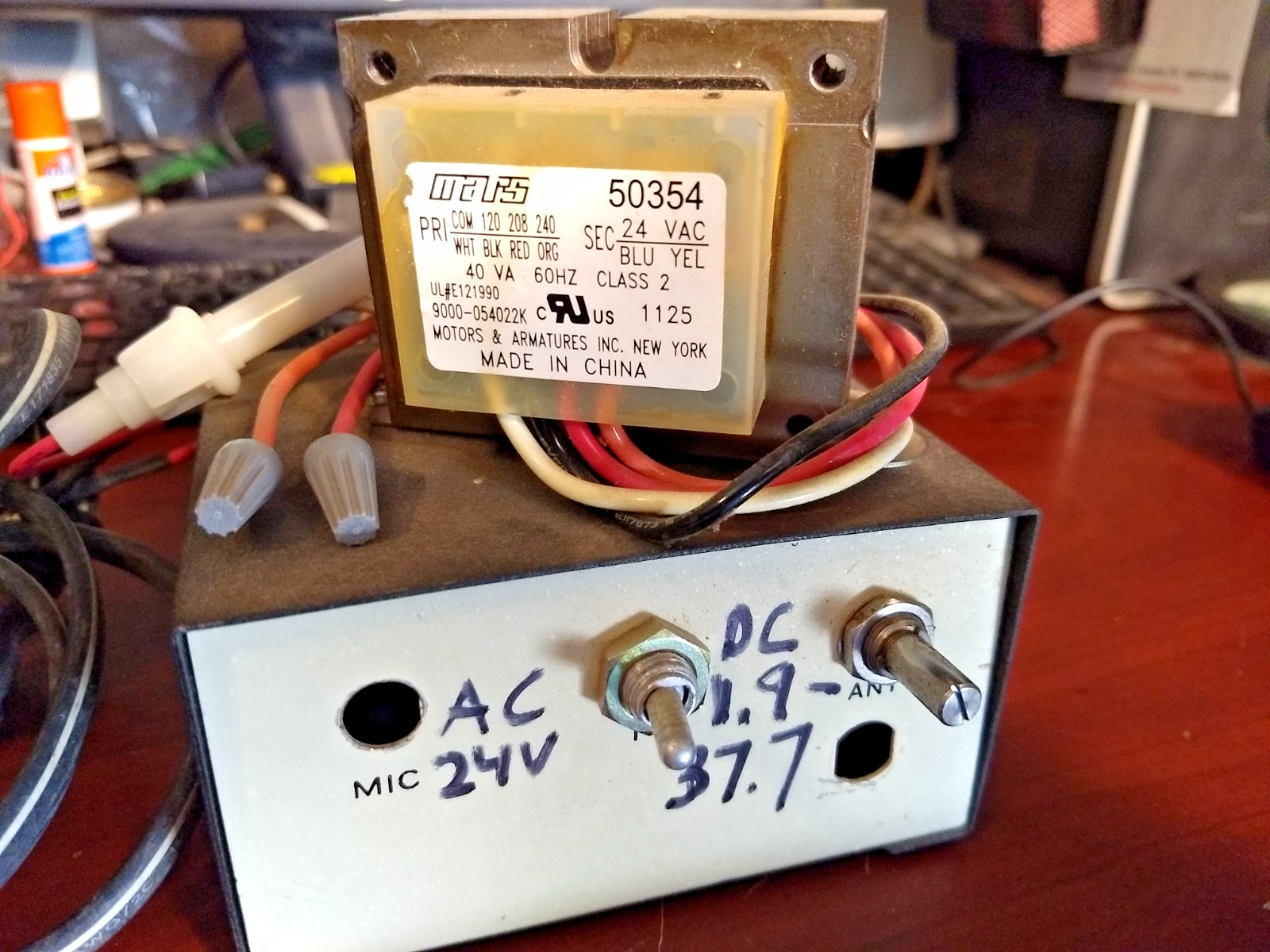

Photos from current listings. Actual item, color, and included accessories may vary.
Ham Radio Power Buying Guide
Ham radio power covers the DC supplies, batteries, and distribution gear that keep transceivers and accessories running reliably. The core trade-off is linear vs. switching architecture: linear supplies deliver clean, low-noise DC but are heavy and inefficient, while switch-mode units are compact and efficient but demand rigorous EMI filtering. Buy a supply rated for at least 120% of your radio's peak transmit current; anything less is a compromise.
Key takeaways
- Linear supplies (e.g., transformer-based) deliver low RF noise but weigh substantially more and waste 40-50% as heat; switching supplies reach 85-90% efficiency but need filtering to avoid hash on HF.
- Transmit current, not average draw, sizes the supply: a 100 W HF rig typically peaks around 20-23 A on 12-14 V DC, so a 30 A continuous supply is the practical minimum.
- Battery chemistry changes everything: LiFePO4 holds 12.8 V nominal with flat discharge and 2,000+ cycles, while lead-acid (AGM) sags under load and delivers 300-500 cycles.
At a glance
- Category
- Ham Radio Power & Batteries
- Last updated
- Nov 28, 2026
Current offers
Highlights
- Linear supplies (e.g., transformer-based) deliver low RF noise but weigh substantially more and waste 40-50% as heat; switching supplies reach 85-90% efficiency but need filtering to avoid hash on HF.
- Transmit current, not average draw, sizes the supply: a 100 W HF rig typically peaks around 20-23 A on 12-14 V DC, so a 30 A continuous supply is the practical minimum.
- Battery chemistry changes everything: LiFePO4 holds 12.8 V nominal with flat discharge and 2,000+ cycles, while lead-acid (AGM) sags under load and delivers 300-500 cycles.
- Distribution and protection matter: Anderson Powerpole 30 A connectors and blade-fuse or breaker blocks prevent voltage drop and protect radios from reverse polarity.
Best use cases
- Base station with a 100 W HF transceiver: choose a 30-35 A continuous linear supply for clean HF operation and skip 20 A switch-mode units that sag on transmit peaks.
- Portable/field operation (POTA/SOTA): pick a 12.8 V LiFePO4 pack sized at roughly 1 Ah per 1 W of transmit power for a multi-hour activation, and skip heavy lead-acid bricks.
- Mobile installation: use a 12 V switch-mode supply or direct battery feed with 10-12 AWG wiring and a 25-30 A fuse at the battery; skip household-grade cigarette-lighter plugs that drop voltage.
Buying tips
- Size the supply at 120% of peak transmit current: for a 100 W rig drawing 20-23 A, choose 30 A continuous, not 20 A.
- For HF base stations, prefer linear or well-filtered switch-mode supplies; cheap unfiltered switchers inject broadband noise that raises your noise floor.
- Match battery capacity to duty cycle: SSB/CW portable use needs about 1 Ah per watt; continuous digital modes (FT8) roughly double that draw.
- Use 12.8 V LiFePO4 for deep-cycle field power and 13.8 V supplies for base stations; verify your radio's voltage tolerance before running 13.8 V into a 12 V-rated mobile rig.
Specs
| Supply Architecture | Linear transformer vs. switch-mode |
|---|---|
| Continuous Current | 20-35 A for 100 W HF rigs |
| Battery Chemistry | LiFePO4 12.8 V vs. AGM 12 V |
| DC Connector | Anderson Powerpole 30 A standard |
Related searches
What to check before buying
- Calculate peak transmit current from your radio's manual (typically 20-23 A at 100 W) and confirm the supply's continuous, not surge, rating.
- Measure your operating position: linear supplies run hot and need 6-12 inches of clearance; switching supplies need ventilation but are far smaller.
- Confirm connector standards: Anderson Powerpole 30 A for DC distribution, and verify the supply's output terminals accept 10-12 AWG wire.
- For batteries, check charger compatibility (LiFePO4 needs a lithium-specific charger, not a lead-acid float charger) and verify the pack's BMS current limit exceeds your transmit draw.
FAQ
Data sources: eBay / Amazon listings and product attribute feeds. Updated Nov 28, 2026.
Some links on this page are affiliate links. If you buy after clicking one, we may earn a commission at no extra cost to you. This does not change which products appear here or their order. Affiliate disclosure.