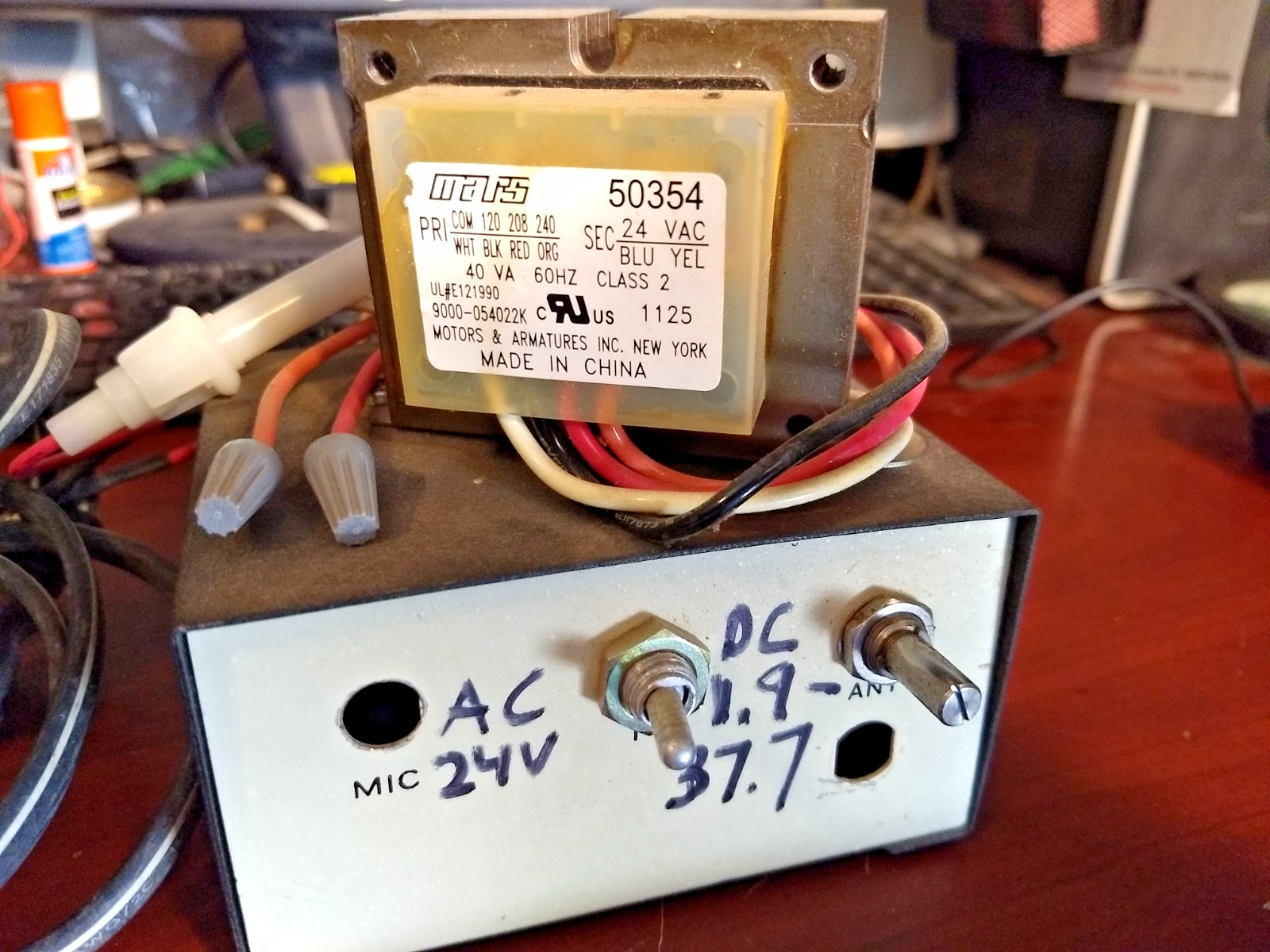

Photos from current listings. Actual item, color, and included accessories may vary.
Portable Ham Radio Buying Guide
Portable ham radio is the segment of amateur radio gear built to transmit and receive off-grid—either as a hand-held HT or a compact field station powered by internal or external batteries. The core trade-off is power output versus battery capacity and weight: more watts buy range but drain packs fast and demand efficient antennas. The decision rule is to buy a model with at least a 2,000 mAh removable pack (HT) or a 12 V direct-battery input (mobile/base), and skip any unit that locks you into proprietary non-replaceable cells or needs an external power supply to operate.
Key takeaways
- Hand-held output tiers: 5 W on 2 m/70 cm is standard; 8-10 W models add heat and halve runtime versus a 5 W unit on the same pack.
- Battery chemistry matters more than mAh alone—Li-ion 18650 packs are field-replaceable and lighter than NiMH, but NiMH handles cold and long storage better.
- Mobile/field transceivers run on 12 V DC; look for a 13.8 V ±15% input range so the radio survives vehicle charging spikes and solar sag.
At a glance
- Category
- Ham Radio Power & Batteries
- Last updated
- Nov 28, 2026
Current offers
Highlights
- Hand-held output tiers: 5 W on 2 m/70 cm is standard; 8-10 W models add heat and halve runtime versus a 5 W unit on the same pack.
- Battery chemistry matters more than mAh alone—Li-ion 18650 packs are field-replaceable and lighter than NiMH, but NiMH handles cold and long storage better.
- Mobile/field transceivers run on 12 V DC; look for a 13.8 V ±15% input range so the radio survives vehicle charging spikes and solar sag.
- True portable antennas are the range multiplier: a 1/4-wave whip on a ground plane outperforms a rubber duck, and a linked dipole beats any HT antenna for HF field work.
Best use cases
- Best fit: neighborhood/event comms—pick a 5 W dual-band HT with a removable 18650 pack and a spare battery; skip 8-10 W HTs that add heat and weight without real range gain.
- Best fit: vehicle or basecamp—choose a 50 W-class mobile transceiver wired to a fused 12 V line with an external antenna; skip HT-plus-amp stacks that waste power and add cabling failure points.
- Best fit: backpack/emergency go-kit—select a small HF/VHF all-mode rig with a 12 V input and 20-50 W out, paired with a resonant wire antenna and a solar-capable charge controller.
- Wrong fit: a 1-2 W QRP rig as a first portable radio—low power demands excellent antennas and operator skill, so beginners should start at 5 W minimum.
Buying tips
- Size the battery by duty cycle: a 5 W HT draws roughly 1.5 A on transmit and 0.1 A on receive, so a 2,000 mAh pack yields about 1 hour of continuous talk or 12-16 hours of monitoring.
- For HF field work, budget 20-100 W and match the radio to a 12 V, 10-20 Ah LiFePO4 pack; LiFePO4 holds voltage under load better than lead-acid and tolerates deep discharge.
- Confirm the antenna connector before buying: SMAs on HTs are fragile—prefer a model with an SMA female chassis mount and use a right-angle adapter to relieve strain.
- Check the charging standard: USB-C PD charging on newer HTs lets you top up from a power bank, while older barrel-jack models require a dedicated wall wart or cradle.
Specs
| Power Output | 5 W HT / 50 W mobile / 100 W base |
|---|---|
| Battery Type | Li-ion 18650 / NiMH AA / LiFePO4 12 V |
| Bands Covered | 2 m/70 cm; HF 160-10 m on all-mode |
| Power Input | 12 V DC nominal (13.8 V ±15%) |
Related searches
What to check before buying
- Measure your vehicle's 12 V circuit and fuse the radio lead at 15-20 A; a 50 W mobile draws about 10-12 A on transmit.
- Verify the HT battery is removable and the chemistry is stated (Li-ion 18650 or NiMH AA) so you can carry spares and replace cells at end of life.
- For basecamp solar, confirm the radio's input voltage tolerance and pair a 12 V LiFePO4 pack with a charge controller rated 20-30% above panel output.
- Check local licensing requirements: in the US, Technician privileges cover 2 m/70 cm, but HF phone needs General class—buy the band coverage your license allows.
FAQ
Data sources: eBay / Amazon listings and product attribute feeds. Updated Nov 28, 2026.
Some links on this page are affiliate links. If you buy after clicking one, we may earn a commission at no extra cost to you. This does not change which products appear here or their order. Affiliate disclosure.