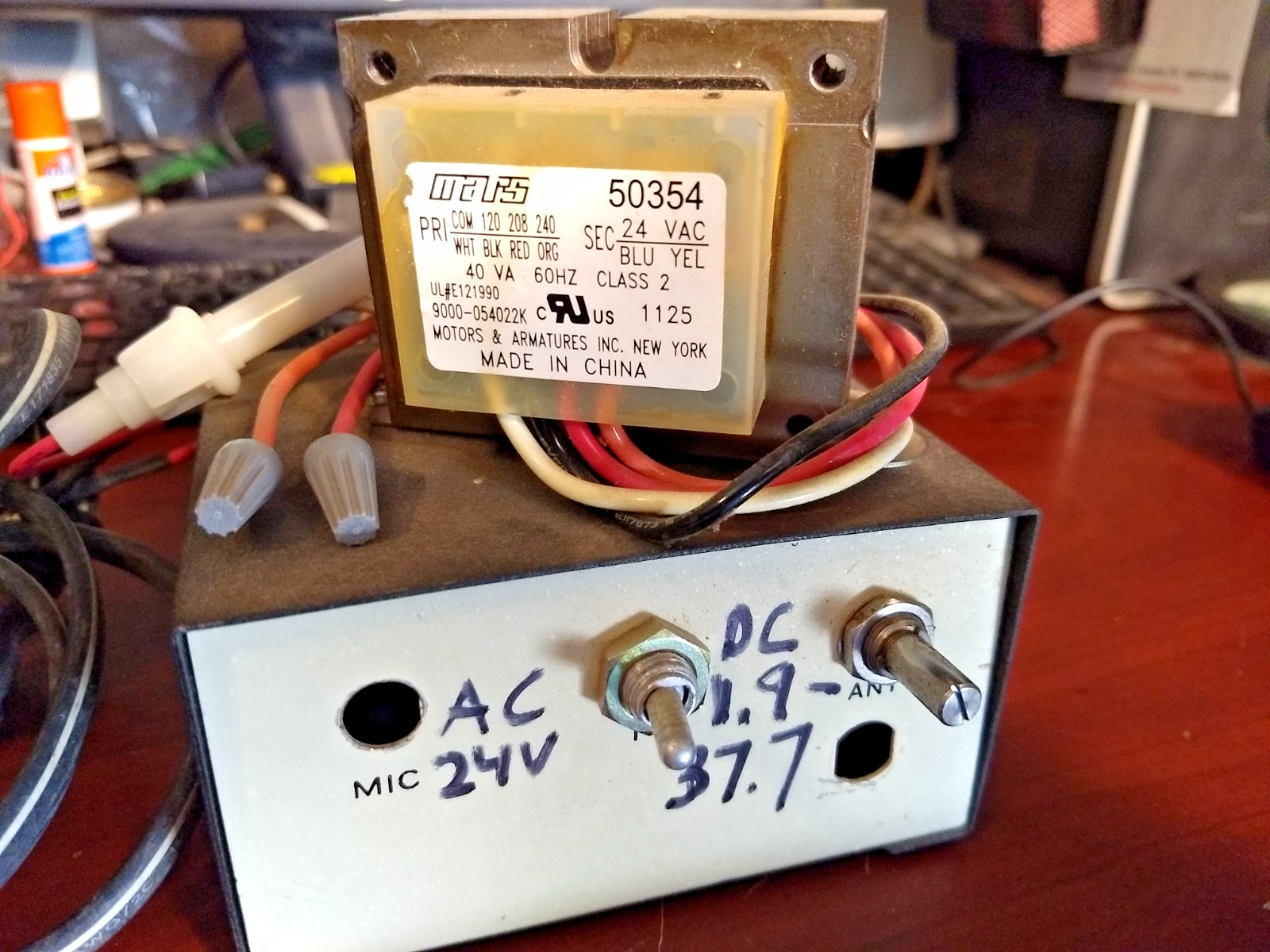

Photos from current listings. Actual item, color, and included accessories may vary.
Ham Radio Buying Guide
Ham radio power and batteries covers the DC supply chain that keeps transceivers alive: linear vs switching power supplies, LiFePO4 and AGM battery banks, solar charge controllers, and DC distribution. The core trade-off is clean, low-noise current for HF reception versus high-wattage efficiency, weight, and runtime for field or emergency use. Buy linear or low-noise switching supplies for base stations, and LiFePO4 with a matched charge controller for portable and prepper setups; skip unbranded transformer builds and mismatched automotive chargers.
Key takeaways
- Linear supplies deliver clean DC with no switching hash but are heavy and ~50-60% efficient; switching supplies hit 85-90% efficiency and need proper filtering for HF.
- LiFePO4 12V packs deliver 2000-5000 cycles at 80% depth of discharge, roughly 4-5x the cycle life of lead-acid AGM at the same usable capacity.
- HF transceivers typically draw 20-25A on 100W transmit; VHF/UHF mobiles draw 8-15A, so supply and cabling must be rated for peak, not average, current.
At a glance
- Category
- Ham Radio Power & Batteries
- Last updated
- Nov 28, 2026
Current offers
Highlights
- Linear supplies deliver clean DC with no switching hash but are heavy and ~50-60% efficient; switching supplies hit 85-90% efficiency and need proper filtering for HF.
- LiFePO4 12V packs deliver 2000-5000 cycles at 80% depth of discharge, roughly 4-5x the cycle life of lead-acid AGM at the same usable capacity.
- HF transceivers typically draw 20-25A on 100W transmit; VHF/UHF mobiles draw 8-15A, so supply and cabling must be rated for peak, not average, current.
- A 100W solar panel yields roughly 5-6A into a 12V battery under real sun; MPPT controllers extract 10-30% more than PWM in cold or low-light conditions.
Best use cases
- Base station HF operator: pick a linear supply or a low-noise switching supply rated at 30A continuous with 13.8V output; skip compact 10A supplies that sag on 100W transmit peaks.
- Truck or vehicle mobile install: choose a 12V-to-13.8V DC-DC converter or direct battery feed with fused 10-gauge cabling; skip AC inverters and household supplies that cannot handle ignition voltage swings.
- Prepper or off-grid field kit: use a 100Ah LiFePO4 battery with an MPPT solar controller and 12V fused distribution; skip AGM banks if you need deep daily cycling and light weight.
- QRP and portable operators: a 20-30Ah LiFePO4 pack or 10A switching supply covers 5-20W rigs; skip 100Ah banks and 30A supplies that add needless weight and cost.
Buying tips
- Match supply current to peak transmit draw plus 30% headroom: 100W HF rigs need a 30A supply; 50W VHF mobiles need 15A; QRP rigs run on 5-10A.
- For battery runtime, divide usable watt-hours by average draw: a 100Ah LiFePO4 at 80% DoD gives ~960Wh, about 12-15 hours of 50W SSB at 20% duty cycle.
- Use 10-gauge or thicker wire for runs up to 10 feet at 20-25A; voltage drop above 3% causes final transistor heating and reduced output on 12V transceivers.
- Choose MPPT over PWM when panel voltage exceeds battery voltage by more than 5V; PWM wastes the excess, MPPT converts it to charge current.
Specs
| Supply Type | Linear vs switching (13.8V DC) |
|---|---|
| Current Rating | 10A / 30A / 50A continuous |
| Battery Chemistry | LiFePO4 vs AGM lead-acid |
| Solar Controller | MPPT vs PWM, 12V/24V |
Related searches
What to check before buying
- Measure your radio's peak transmit current from the manual and size the supply or battery BMS continuous rating at least 30% above it.
- Confirm your station's AC circuit can handle the supply's input wattage: a 30A 13.8V supply draws roughly 500-600W at full load.
- Check battery chemistry against your charger: LiFePO4 needs a charger with a 14.2-14.6V absorption limit; AGM needs 14.4-14.8V and a float stage.
- Verify connector and fuse standards: Anderson Powerpole 30A or 45A for DC distribution, ATC blade fuses rated to your wire gauge.
FAQ
Data sources: eBay / Amazon listings and product attribute feeds. Updated Nov 28, 2026.
Some links on this page are affiliate links. If you buy after clicking one, we may earn a commission at no extra cost to you. This does not change which products appear here or their order. Affiliate disclosure.