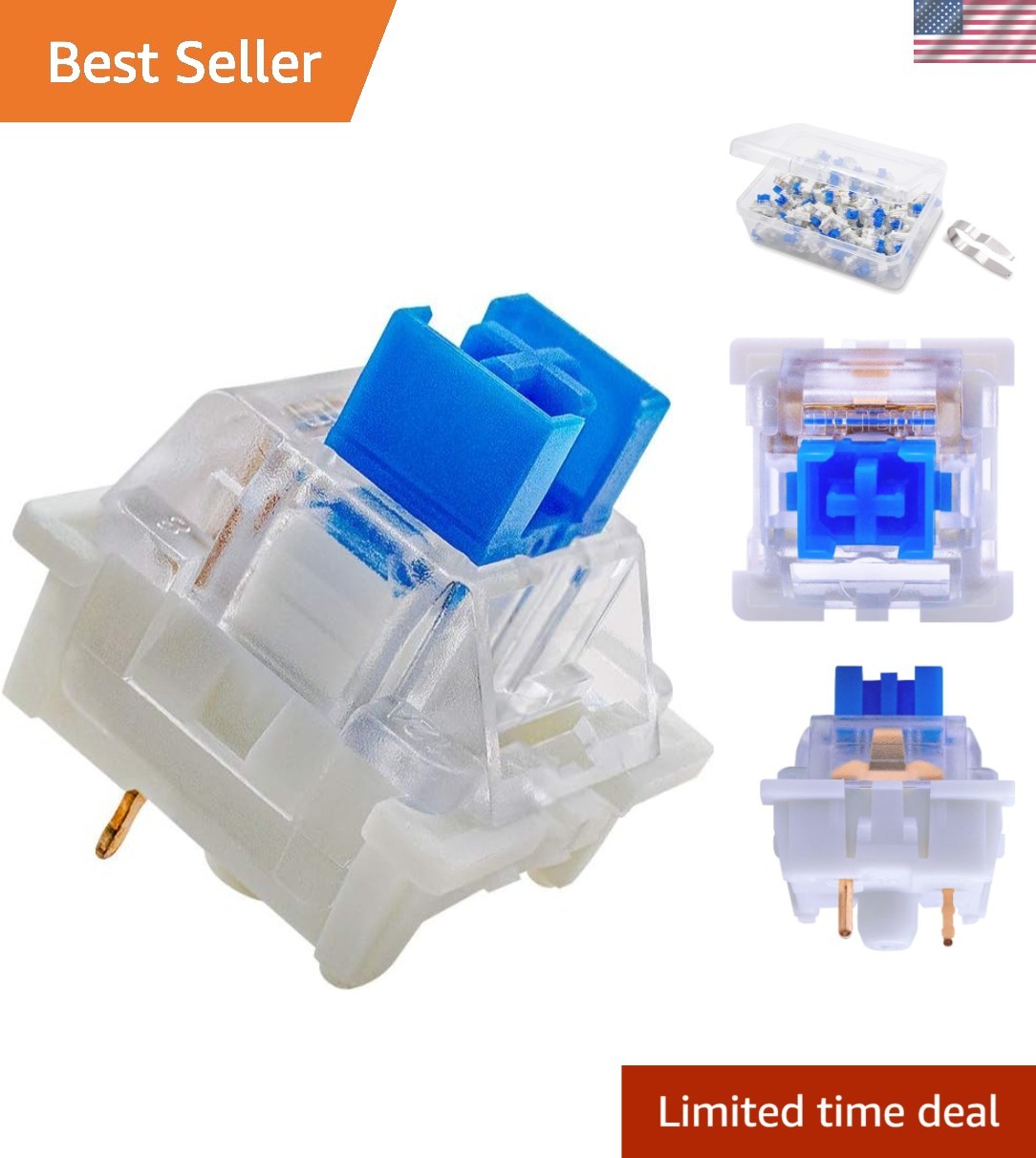

Photos from current listings. Actual item, color, and included accessories may vary.
Tactile Switch Buying Guide
Tactile switches deliver a distinct bump without the audible click of clicky types, so the core trade-off is between bump intensity (light C vs. heavy Panda-style) and housing/spring quality that governs wobble, lube retention, and long-term feel. Durable options use tight-tolerance polycarbonate or nylon housings with factory or hand-applied lube and film; compromises rely on loose ABS housings and dry, pingy springs that degrade within months of heavy use.
Median $44.99
Key takeaways
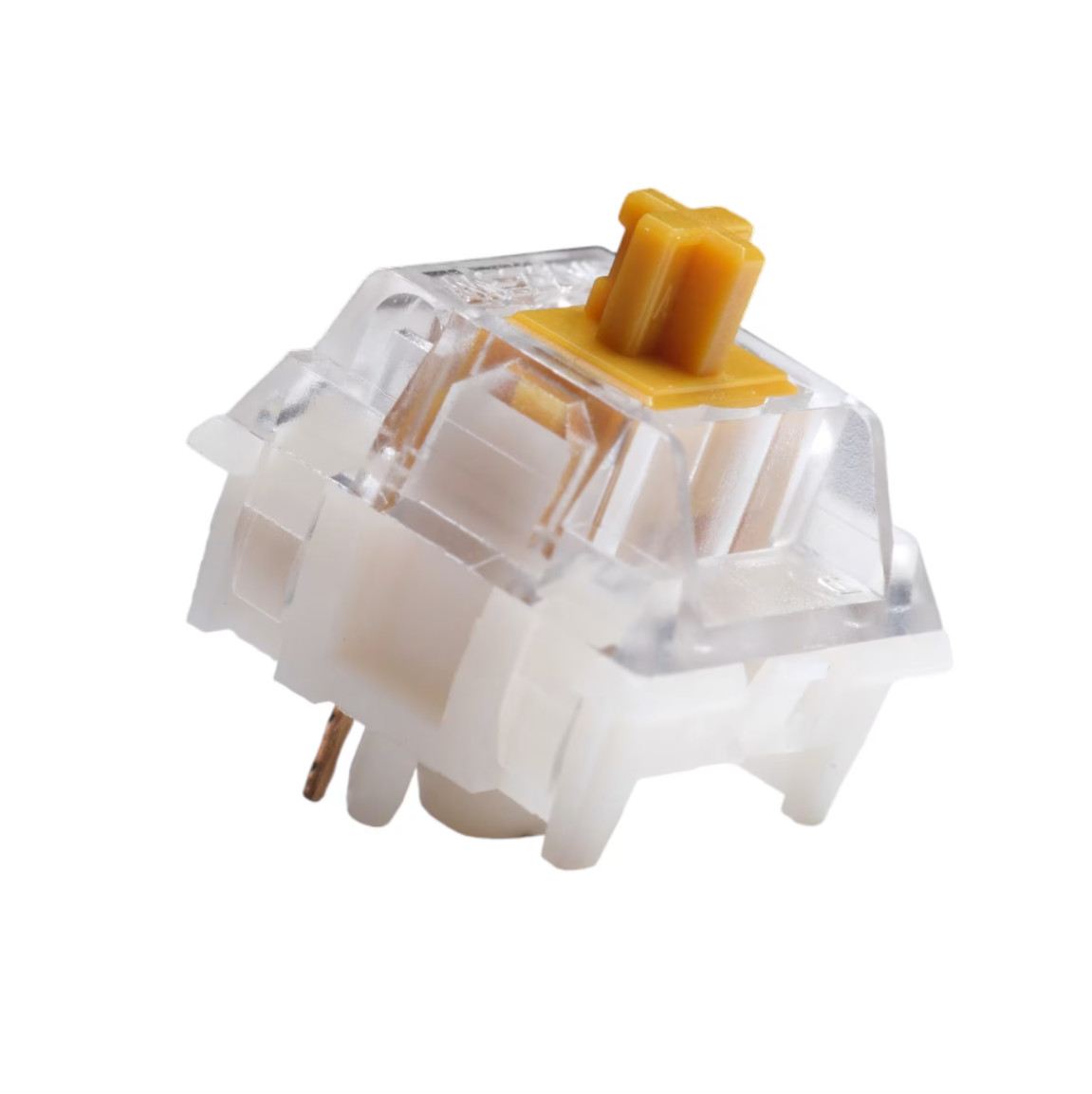
- Bump profile tiers: light tactile (55-62g bottom-out, e.g. Cherry Brown, Gateron Brown) vs. medium (65-67g, e.g. Banana, U4T) vs. heavy (68g+, Holy Panda-style) — heavier bumps reduce accidental actuation but increase finger fatigue in long sessions.
- Housing material drives sound and stability: polycarbonate tops give a sharper, higher-pitched bump; nylon bottoms add low-end thock and tighter stem fit; full nylon (e.g. Boba U4T) minimizes stem wobble best.
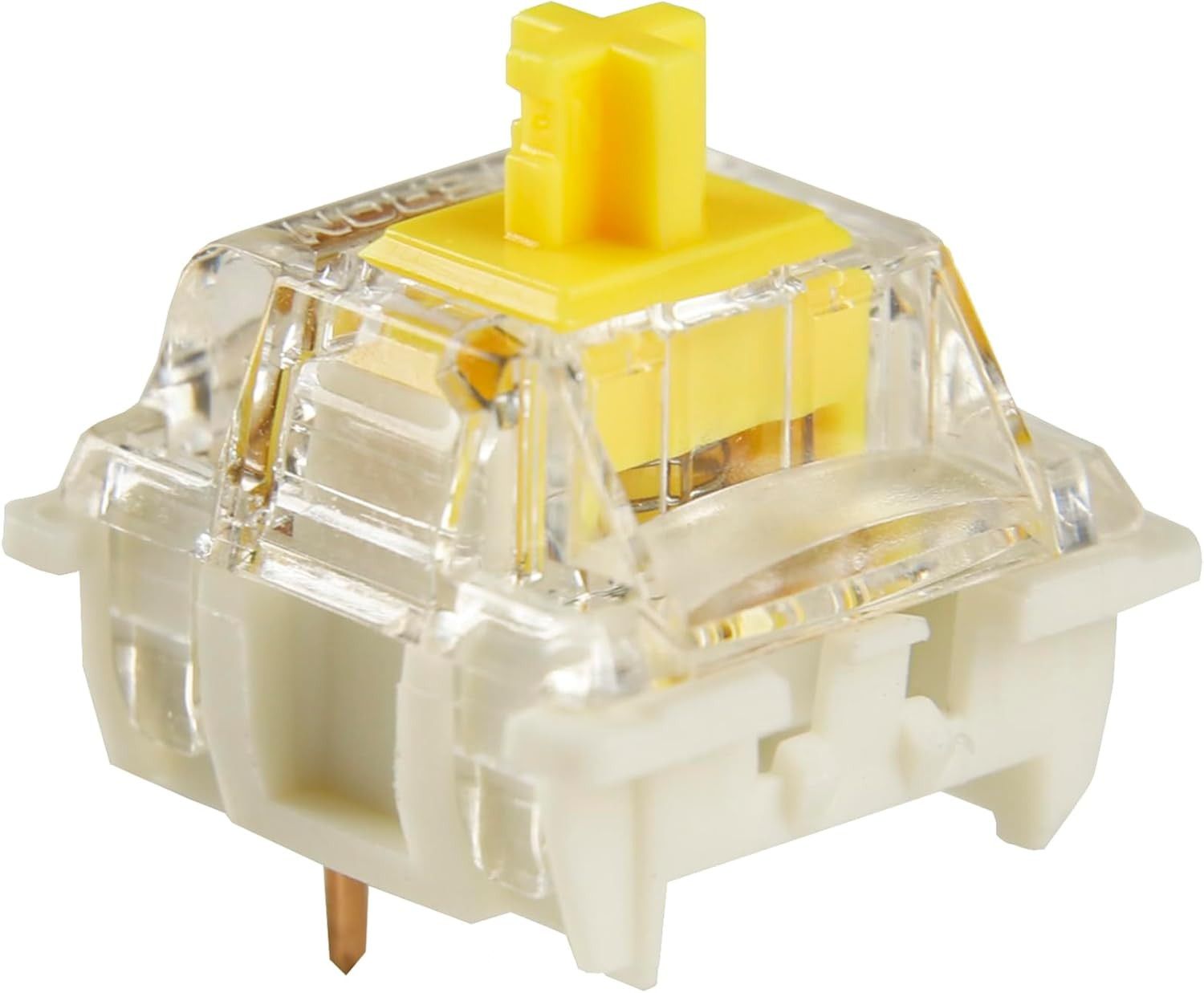
- Hand-lubed and filmed switches (as in Gazzew U4T listings) reduce spring ping and housing rattle versus dry factory switches — but factory pre-lube from Keychron or Gateron is more consistent batch-to-batch than budget hand-lube jobs.
At a glance
- Category
- Keyboard Switches
- Last updated
- Nov 23, 2026
Current offers
Highlights
- Bump profile tiers: light tactile (55-62g bottom-out, e.g. Cherry Brown, Gateron Brown) vs. medium (65-67g, e.g. Banana, U4T) vs. heavy (68g+, Holy Panda-style) — heavier bumps reduce accidental actuation but increase finger fatigue in long sessions.
- Housing material drives sound and stability: polycarbonate tops give a sharper, higher-pitched bump; nylon bottoms add low-end thock and tighter stem fit; full nylon (e.g. Boba U4T) minimizes stem wobble best.
- Hand-lubed and filmed switches (as in Gazzew U4T listings) reduce spring ping and housing rattle versus dry factory switches — but factory pre-lube from Keychron or Gateron is more consistent batch-to-batch than budget hand-lube jobs.
- Spring weight and type matter as much as bump: progressive vs. linear springs change return feel; 62g springs suit most typists, while 67g+ springs pair better with heavy keycaps and reduce bottom-out harshness.
Best use cases
- Best fit: office or shared-space typing — choose light-to-medium tactile (Brown, Banana, 55-65g) with factory lube for quiet, fatigue-free all-day use; skip heavy 68g+ tactiles that tire fingers and produce louder bottom-out.
- Best fit: gaming with deliberate keypresses — pick medium tactile (65-67g) with short actuation distance and tight housings to avoid mis-registers; skip ultra-light linears or very heavy tactiles that slow rapid taps.
- Best fit: custom builds chasing a specific sound signature — choose hand-lubed/filmed full-nylon switches (e.g. Boba U4T) for deep thock and minimal wobble; skip budget dry switches if you are not prepared to lube and film them yourself.
Buying tips
- Count keys before ordering: a 65% board needs ~68 switches, TKL ~87, full-size ~104 — buy 10-15% extra for spares and to cover damaged pins; 45-piece packs suit 40% boards only.
- Match bump weight to keycap mass: 62-65g springs feel balanced with ABS/PBT OEM caps; 67g+ springs prevent heavy SA or artisan caps from feeling mushy on return.
- Check pin count and PCB compatibility: 5-pin switches fit both PCB-mount and plate-mount boards; 3-pin switches need a plate and will not seat in hot-swap sockets drilled for 5 pins without clipping the two plastic legs.
- Prefer factory-lubed or reputable hand-lubed batches over dry budget switches: consistent lube prevents spring ping and scratch, and filmed housings reduce rattle — but avoid over-lubed batches that feel sluggish.
Specs
| Bump Weight | 55-68g bottom-out (light-medium-heavy) |
|---|---|
| Housing Material | Polycarbonate / Nylon / ABS |
| Pin Count | 3-pin plate vs. 5-pin PCB |
| Lube & Film | Factory lubed / hand-lubed & filmed |
Related searches
What to check before buying
- Confirm your board's mount type: hot-swap socket vs. soldered PCB, and 3-pin vs. 5-pin plate — 5-pin switches fit both but 3-pin will not seat in 5-pin-only plates without leg clipping.
- Verify LED and RGB clearance: SMD RGB boards need switches with transparent or cut-out housings; opaque nylon bottoms can block light and dim per-key RGB.
- Measure plate thickness and keycap stem type: standard 1.5mm plates suit most MX-style switches; ensure your keycaps use MX-compatible stems (not Alps or Topre).
- Check actuation force against your typing style: 55-62g for light touch, 65-67g for balanced, 68g+ only if you prefer heavy, deliberate keypresses and use thick keycaps.
FAQ
Data sources: eBay / Amazon listings and product attribute feeds. Updated Nov 23, 2026.
Some links on this page are affiliate links. If you buy after clicking one, we may earn a commission at no extra cost to you. This does not change which products appear here or their order. Affiliate disclosure.