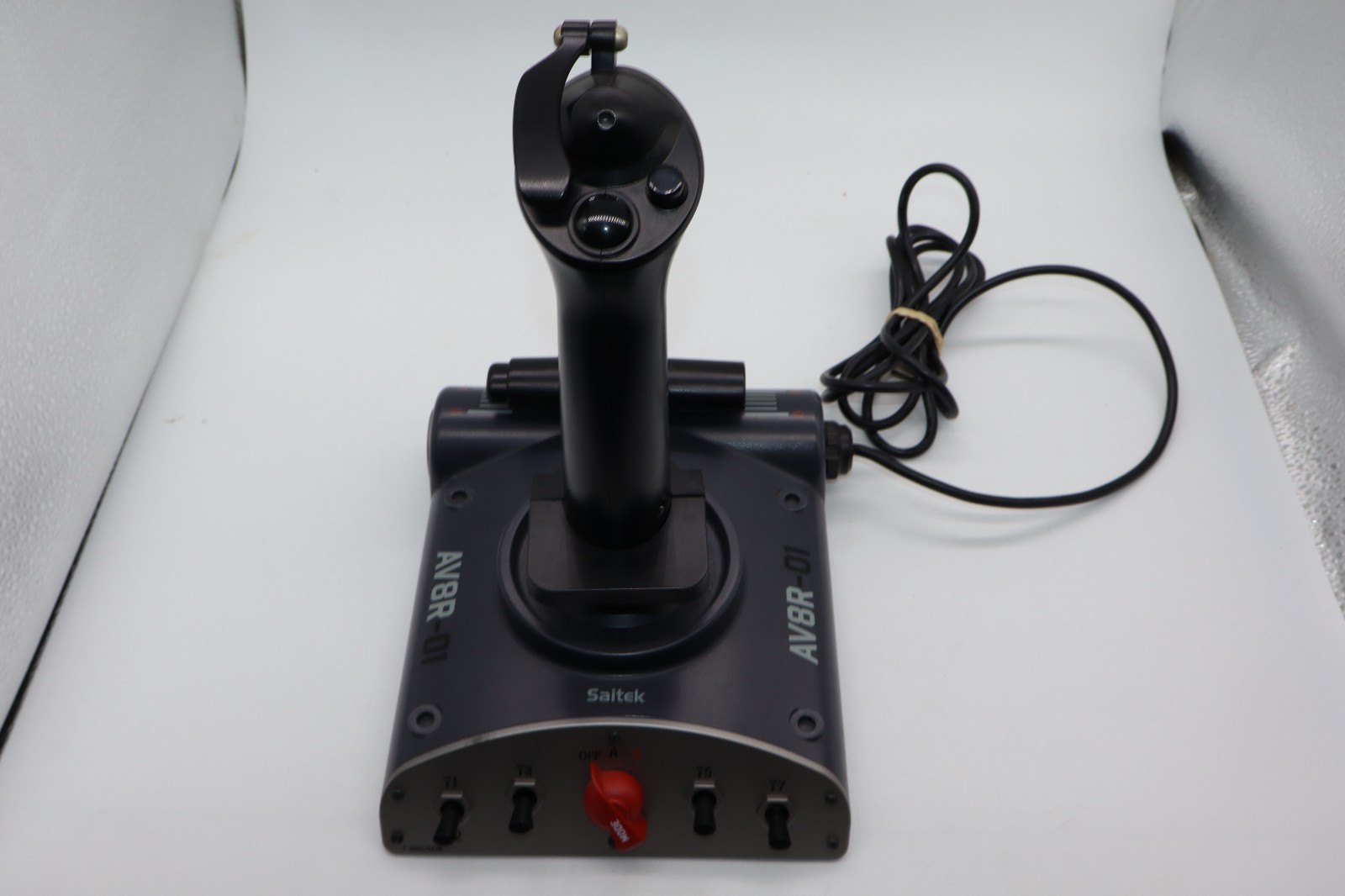

Photos from current listings. Actual item, color, and included accessories may vary.
Flight Sim Throttle Buying Guide
A flight sim throttle is a dedicated axis controller that replaces keyboard throttle keys with a physical lever (or twin levers) for precise, continuous power management in civil and combat simulators. The core trade-off is between potentiometer-based single-axis units and contactless Hall-effect twin-axis HOTAS throttles, where resolution, detents, and button/axis count determine whether you can hold formation or manage complex engine profiles. The clear rule: buy a standalone throttle only if it has contactless sensing and at least 3 physical detents or friction tensioning; otherwise a combo stick-throttle set delivers more axes per dollar.
Median $31.50
Key takeaways
- Hall-effect (magnetic) sensors eliminate potentiometer dead zones and drift; potentiometer throttles degrade after heavy use and cannot hold fine ±1% power settings.
- Twin-lever throttles with independent friction clutches are required for multi-engine aircraft (A320, 737, warbirds); single-lever units cannot map separate engine 1/engine 2 axes.
- Detents (idle, afterburner, reverse) are mechanical notches that let you feel key power positions without looking; military HOTAS throttles include lift-over idle/AB gates, civil units use smooth friction.
At a glance
- Category
- Flight Sim Joysticks & HOTAS
- Last updated
- Nov 27, 2026
Current offers
Highlights
- Hall-effect (magnetic) sensors eliminate potentiometer dead zones and drift; potentiometer throttles degrade after heavy use and cannot hold fine ±1% power settings.
- Twin-lever throttles with independent friction clutches are required for multi-engine aircraft (A320, 737, warbirds); single-lever units cannot map separate engine 1/engine 2 axes.
- Detents (idle, afterburner, reverse) are mechanical notches that let you feel key power positions without looking; military HOTAS throttles include lift-over idle/AB gates, civil units use smooth friction.
- Throttle axis resolution matters more than button count: 12-bit (4096-step) contactless axes resolve finer than 8-bit (256-step) potentiometers, which is the difference between smooth spool-up and steppy power changes.
Best use cases
- Pick a twin-lever HOTAS throttle (e.g., Orion 2 class) for DCS/IL-2 combat sims: independent engine axes, afterburner detents, and 20+ bindable switches are needed for radar and weapon management.
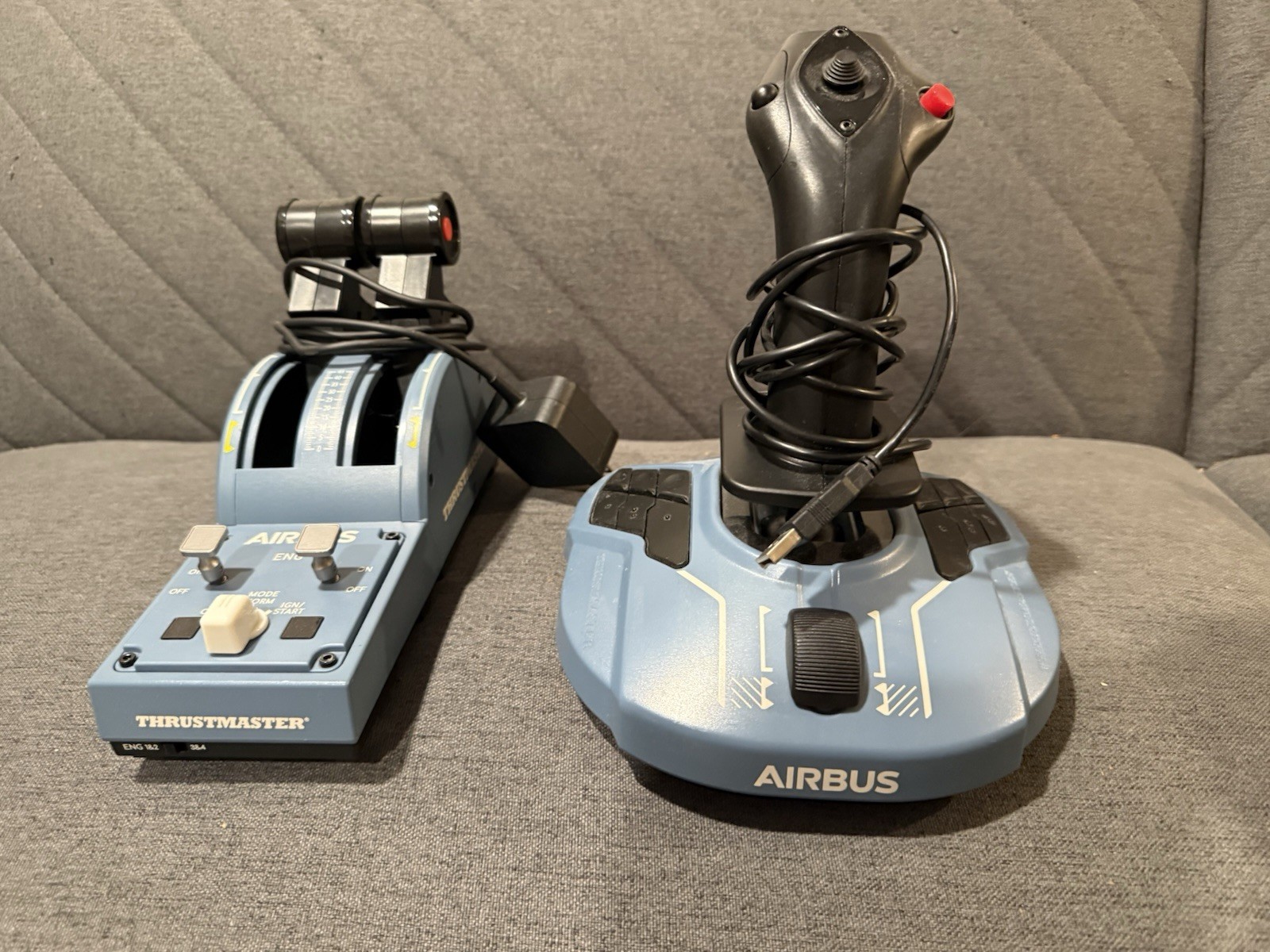
- Pick a civil single-lever throttle quadrant (Airbus-style) for MSFS airliners: smooth friction travel, reverse detent, and spoiler/flap axes match Airbus/Boeing procedures; skip military-style AB gates.
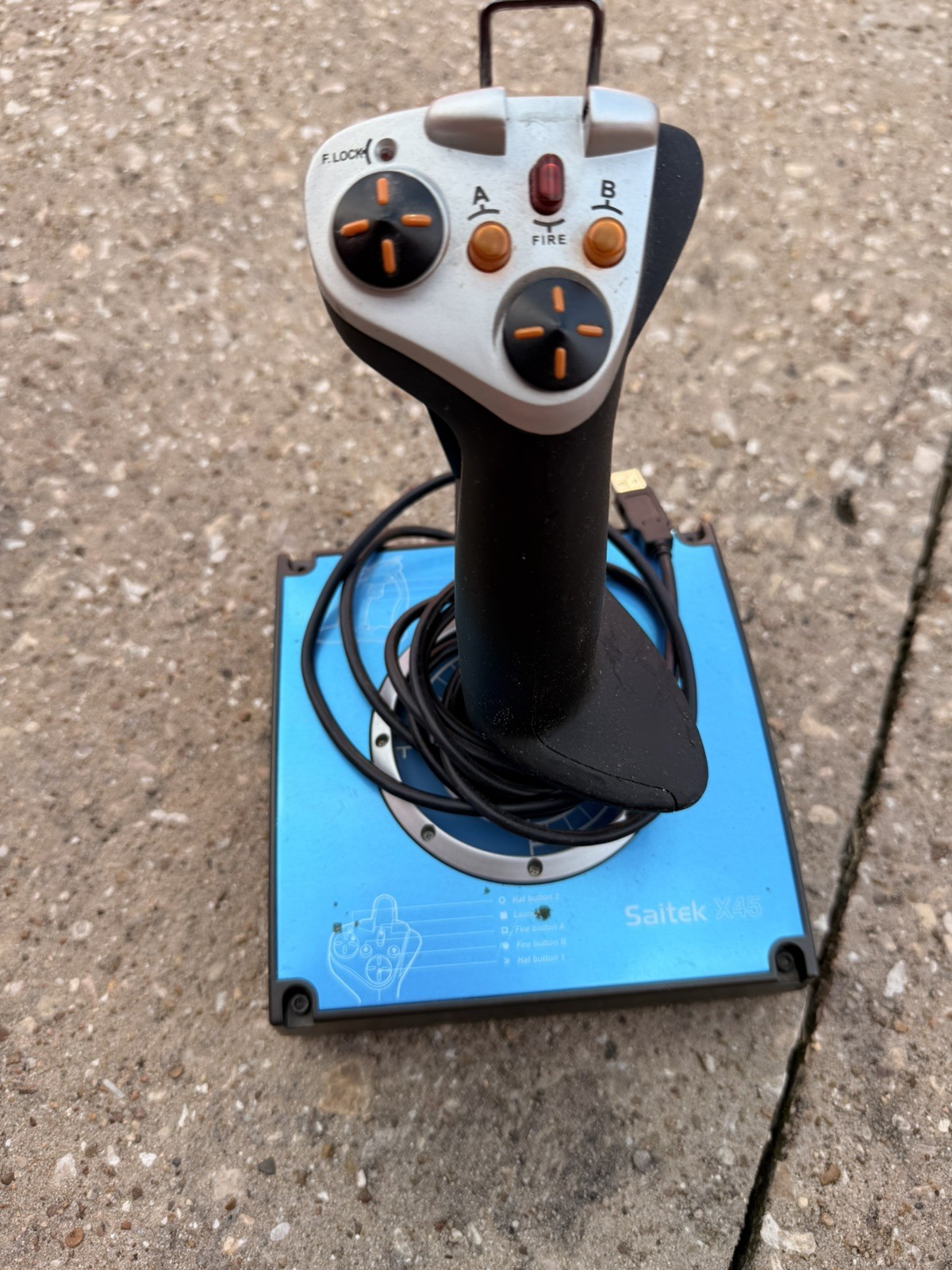
- Skip standalone throttles entirely if you fly only light GA aircraft and have a twist-rudder stick; a combo like the Saitek X45/AV8R covers throttle plus stick for less desk space and wiring.
- Avoid vintage potentiometer throttles (X45, AV8R era) for competitive play: they work for casual MSFS but drift and dead zones make precision formation flying and carrier landings unreliable.
Buying tips
- Match lever count to engine count: twin-engine airliners and warbirds need two independent levers; single-engine jets and GA can use one lever with a secondary axis for prop/mixture.
- Require contactless Hall-effect or magnetoresistive sensing; potentiometer throttles are the #1 failure point and cannot be repaired without soldering a replacement pot.
- Check desk mounting: HOTAS throttles weigh 1.5–3 kg and need clamp or bolt mounting; lightweight plastic quadrants slide under throttle movement unless weighted or clamped.
- Budget for a companion stick: standalone throttles assume you already own a stick with matching software (T.A.R.G.E.T., Winwing SimApp Pro); mixing brands works in-sim but loses shared profile software.
Specs
| Lever Count | Single vs Twin independent |
|---|---|
| Sensor Type | Hall-effect vs Potentiometer |
| Axis Resolution | 12-bit (4096) vs 8-bit (256) |
| Detent Style | AB/Idle gates vs Smooth friction |
Related searches
What to check before buying
- Measure desk depth and edge thickness: clamp-mounted HOTAS throttles need 3–6 cm of clear edge and 30+ cm depth to avoid lever collision with keyboard.
- Confirm USB port availability and power: throttles with haptic feedback or RGB draw more than 500 mA; use a powered hub if sharing with a stick and pedals.
- Check simulator compatibility: MSFS and X-Plane map any DirectInput axis, but DCS module-specific profiles and afterburner detents may require the manufacturer’s config software.
- Verify lever travel clearance: full-forward throttle levers can extend 15–20 cm beyond the base; ensure monitor or desk edge does not obstruct the arc.
FAQ
Data sources: eBay / Amazon listings and product attribute feeds. Updated Nov 27, 2026.
Some links on this page are affiliate links. If you buy after clicking one, we may earn a commission at no extra cost to you. This does not change which products appear here or their order. Affiliate disclosure.