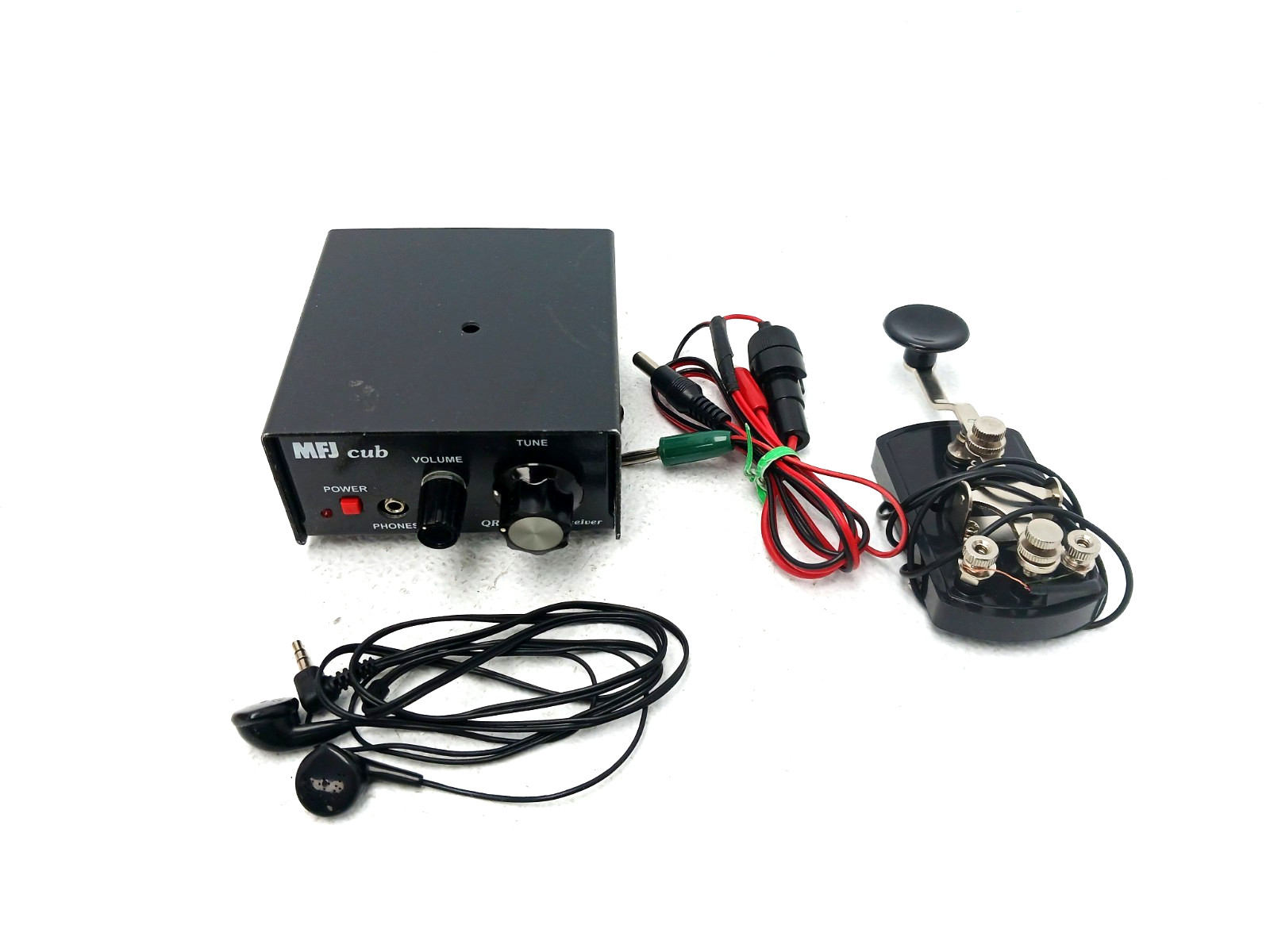

Photos from current listings. Actual item, color, and included accessories may vary.
Qrp Radio Kit Buying Guide
QRP radio kits are low-power (typically 5W or less) transceiver kits, often CW or digital-mode focused, that trade plug-and-play convenience for hands-on assembly and a steeper learning curve. The core trade-off is between single-band, minimal-component kits (cheapest, simplest) and multi-band, feature-rich SDR architectures (more complex, better field flexibility). Durable, worthwhile kits use quality toroids, solid enclosure options, and documented alignment procedures; borderline kits cut corners on filtering, enclosure, or band coverage.
Key takeaways
- Power tiers: true QRP is 5W or less RF output; many kits deliver 3-5W on 12V, so a 13.8V supply yields full output.
- Single-band kits (e.g., 20m CW) are simplest and cheapest; multi-band SDR kits like the QMX cover 5 bands with firmware-driven band switching.
- SDR architecture kits (QMX, QCX-class) use a microcontroller and quadrature sampling detector for CW/digital, offering narrow filters and CAT control via USB.
At a glance
- Category
- Ham Radio Transceivers
- Last updated
- Nov 28, 2026
Current offers
Highlights
- Power tiers: true QRP is 5W or less RF output; many kits deliver 3-5W on 12V, so a 13.8V supply yields full output.
- Single-band kits (e.g., 20m CW) are simplest and cheapest; multi-band SDR kits like the QMX cover 5 bands with firmware-driven band switching.
- SDR architecture kits (QMX, QCX-class) use a microcontroller and quadrature sampling detector for CW/digital, offering narrow filters and CAT control via USB.
- Enclosure and connector quality separate durable kits: machined aluminum cases, BNC or binding-post RF out, and keyed DC jacks resist field wear.
Best use cases
- Best fit: new kit builders wanting a first CW transceiver — choose a single-band 20m kit with through-hole parts and a clear manual; skip multi-band SDR kits until soldering and alignment skills are proven.
- Best fit: portable SOTA/POTA operators needing multiple bands in one small box — choose a 5-band SDR kit with USB CAT and internal band filtering; skip single-band kits that force multiple rigs.
- Wrong fit: operators wanting voice SSB or plug-and-play — QRP kits are predominantly CW/digital; choose a commercial multiband transceiver instead unless the kit explicitly supports SSB.
Buying tips
- Match band coverage to license privileges and activity: 20m is the workhorse daytime band; 40m for evening/night; choose a kit covering your most-used bands rather than the widest count.
- Check RF output at 12V vs 13.8V: a kit rated 3W at 12V typically reaches ~5W at 13.8V; confirm the final transistor and supply voltage before buying.
- Verify included parts: toroids, capacitors, and connectors are often included, but enclosures, keyers, and USB cables may be extra — factor these as required companion parts.
- For SDR kits, confirm firmware update path and community support (e.g., QMX has active firmware releases); legacy analog kits have no firmware but rely on manual alignment.
Specs
| Output Power | 3-5W RF (QRP class) |
|---|---|
| Band Coverage | Single-band vs 5-band SDR |
| Architecture | Analog CW vs SDR/digital |
| Assembly Type | Through-hole vs SMD kit |
Related searches
What to check before buying
- Measure your operating position: kit dimensions with enclosure must fit your go-box or desk; small SDR kits are pocket-sized, single-band kits vary widely.
- Confirm DC power: most kits need 12-13.8V at 0.5-1A; ensure your supply or battery provides clean, fused DC with matching connector polarity.
- Check antenna interface: kits use BNC, SO-239, or binding posts; have the matching coax jumper or adapter before first power-up.
- Plan for a key or keyer: CW kits need a straight key or paddle; confirm whether the kit includes a built-in keyer or requires an external one.
FAQ
Data sources: eBay / Amazon listings and product attribute feeds. Updated Nov 28, 2026.
Some links on this page are affiliate links. If you buy after clicking one, we may earn a commission at no extra cost to you. This does not change which products appear here or their order. Affiliate disclosure.