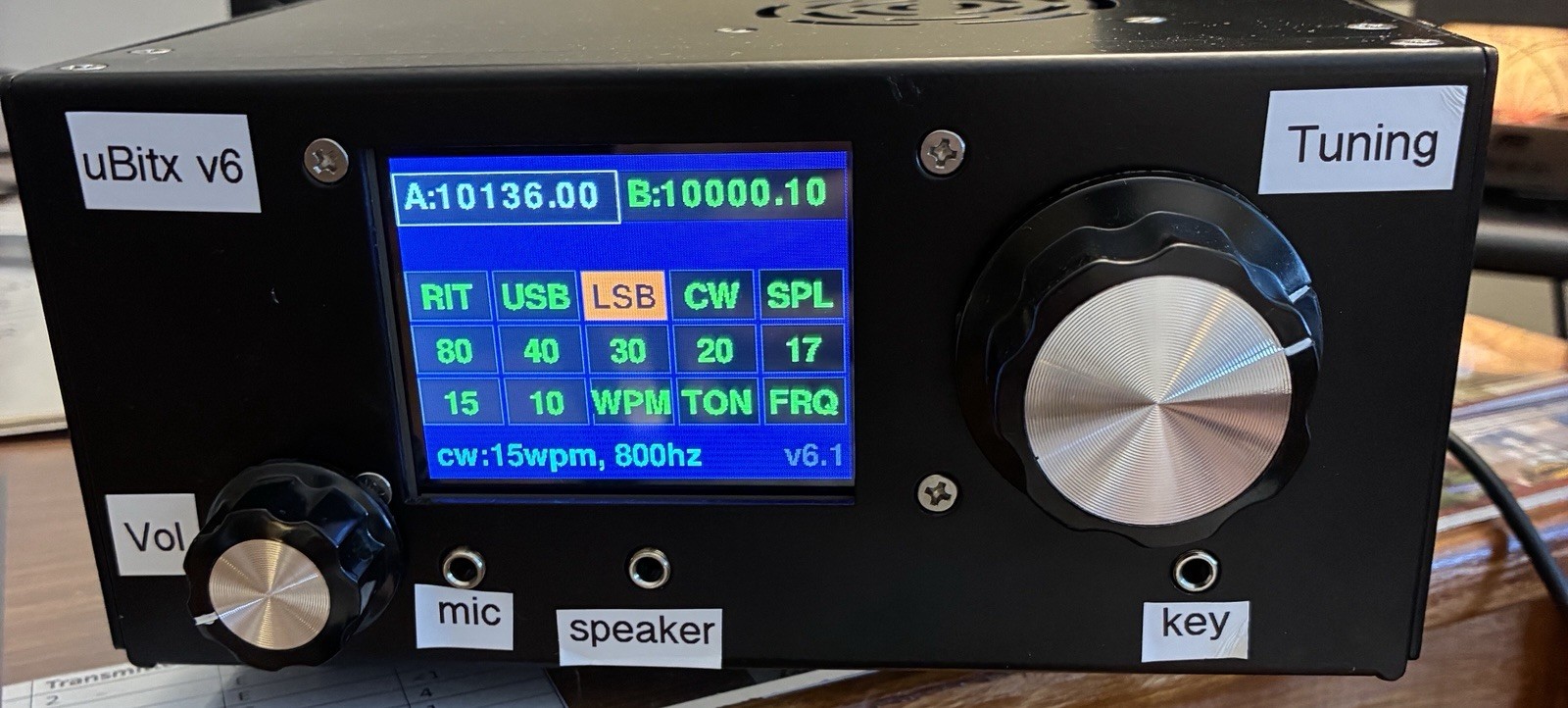

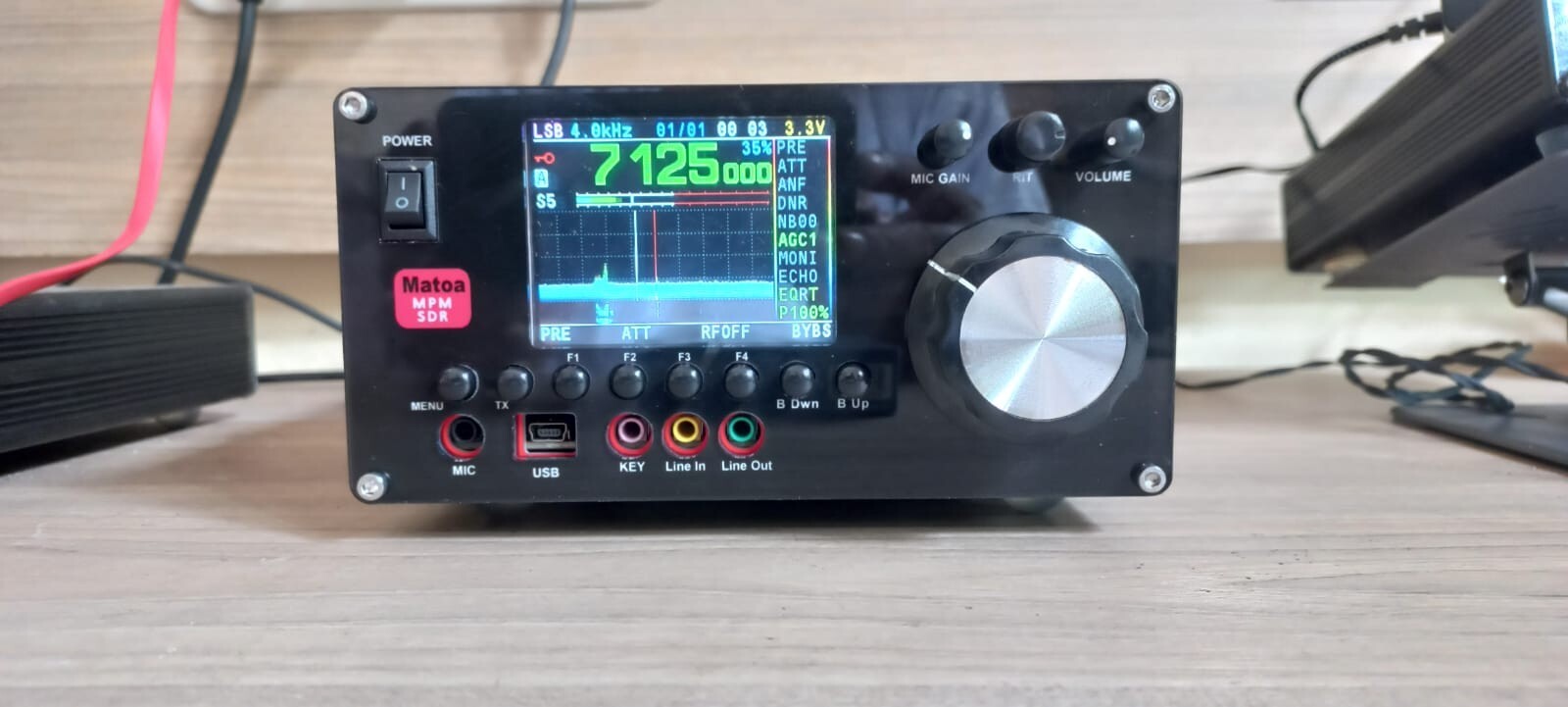
Photos from current listings. Actual item, color, and included accessories may vary.
Portable Hf Transceiver Buying Guide
Portable HF transceivers are compact, battery-capable radios covering 160–10m for field, SOTA/POTA, and emergency use. The core trade-off is power output and receiver performance versus weight, battery life, and weather sealing. Durable options deliver a true 10–15W PEP on 12V with a low-noise receiver and sealed controls; compromises hide low PEP, drifting VFOs, or plastic cases.
Median $317.50
Key takeaways
- Power tiers split at 5W QRP (iconic FT-817/818, KX2) versus 10–15W (FT-891, KX3, IC-705) — every 6 dB doubles effective range under equal conditions
- Receiver architecture matters more than watts: narrow roofing filters, low phase noise, and 100+ dB dynamic range separate field-grade SDRs from budget analog rigs
- Battery chemistry dictates real field time: 3S Li-ion at ~11.1V nominal needs a 12–13.8V boost converter for full PEP; 4S LiFePO4 holds 13.2V and drops straight in
At a glance
- Category
- Ham Radio Transceivers
- Last updated
- Nov 28, 2026
Current offers
Highlights
- Power tiers split at 5W QRP (iconic FT-817/818, KX2) versus 10–15W (FT-891, KX3, IC-705) — every 6 dB doubles effective range under equal conditions
- Receiver architecture matters more than watts: narrow roofing filters, low phase noise, and 100+ dB dynamic range separate field-grade SDRs from budget analog rigs
- Battery chemistry dictates real field time: 3S Li-ion at ~11.1V nominal needs a 12–13.8V boost converter for full PEP; 4S LiFePO4 holds 13.2V and drops straight in
- Weather sealing grades: IP54 splash-resistant (IC-705, KX3) versus IPX7 submersible (specific marine HF) — sealed case, gasketed connectors and SO-239/BNC boot required
Best use cases
- SOTA/POTA day hikes: pick 5–10W QRP with internal Li-ion and ATU — FT-818/KX2 class; skip 100W base rigs and external amps
- Vehicle/mobile HF: choose 100W-class detachable-face rig (FT-891, IC-7100) with 12V direct wiring; skip QRP-only rigs needing external amp
- Emergency/preparedness: select 10–15W with AA battery tray and wide 9–15V input; skip USB-C PD-only rigs that lock out 12V packs
- Base-station backup: 10W field rig plus 100W amp and resonant wire antenna; skip bare QRP if you need reliable NVIS daytime nets
Buying tips
- Match antenna system: 5W into a resonant dipole wastes none; 10W into a 3:1 mismatch loses half — budget an ATU or resonant antenna first
- Calculate real battery time: FT-891 draws ~2A receive, ~5A at 10W TX; a 6Ah LiFePO4 gives ~3 hr mixed use — size pack to 4 hr minimum
- Check voltage headroom: 12V nominal rigs need 13.8V for full PEP; confirm the radio accepts 9–15V and tolerates 16V spikes from solar controllers
- Verify CW/data features: built-in keyer, USB sound card, and CAT control separate field-ready SDRs (IC-705, KX3) from bare analog QRP rigs
Specs
| Power Tier | 5W QRP / 10-15W / 100W mobile |
|---|---|
| Band Coverage | 160-10m (6m on select models) |
| Power Input | 9-15V DC / 3S Li-ion / USB-C PD |
| Weather Sealing | IP54 splash / IPX7 submersible |
Related searches
What to check before buying
- Measure your pack space: QRP rigs fit 8×4×2 in; 100W mobile rigs need 9×7×3 in plus separation from antenna tuner
- Confirm antenna connector type (BNC vs SO-239) and bring the matching adapter — field repairs cost contacts
- Check power source: 12V direct, 3S Li-ion, or USB-C PD — carry the correct cable and fused harness before leaving
- Verify weather exposure: IP54 minimum for rain; for saltwater deck use, add dry bag and silicone grease on connectors
FAQ
Data sources: eBay / Amazon listings and product attribute feeds. Updated Nov 28, 2026.
Some links on this page are affiliate links. If you buy after clicking one, we may earn a commission at no extra cost to you. This does not change which products appear here or their order. Affiliate disclosure.