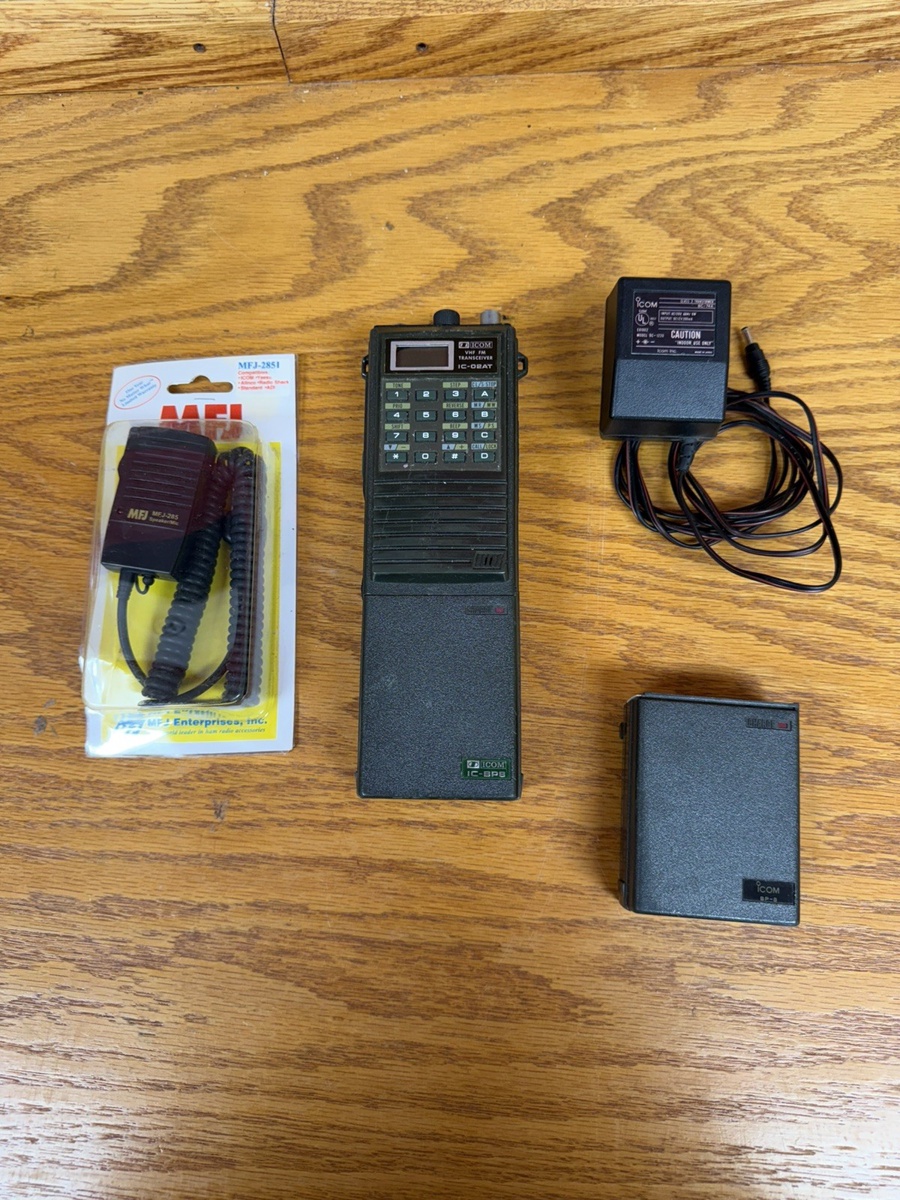

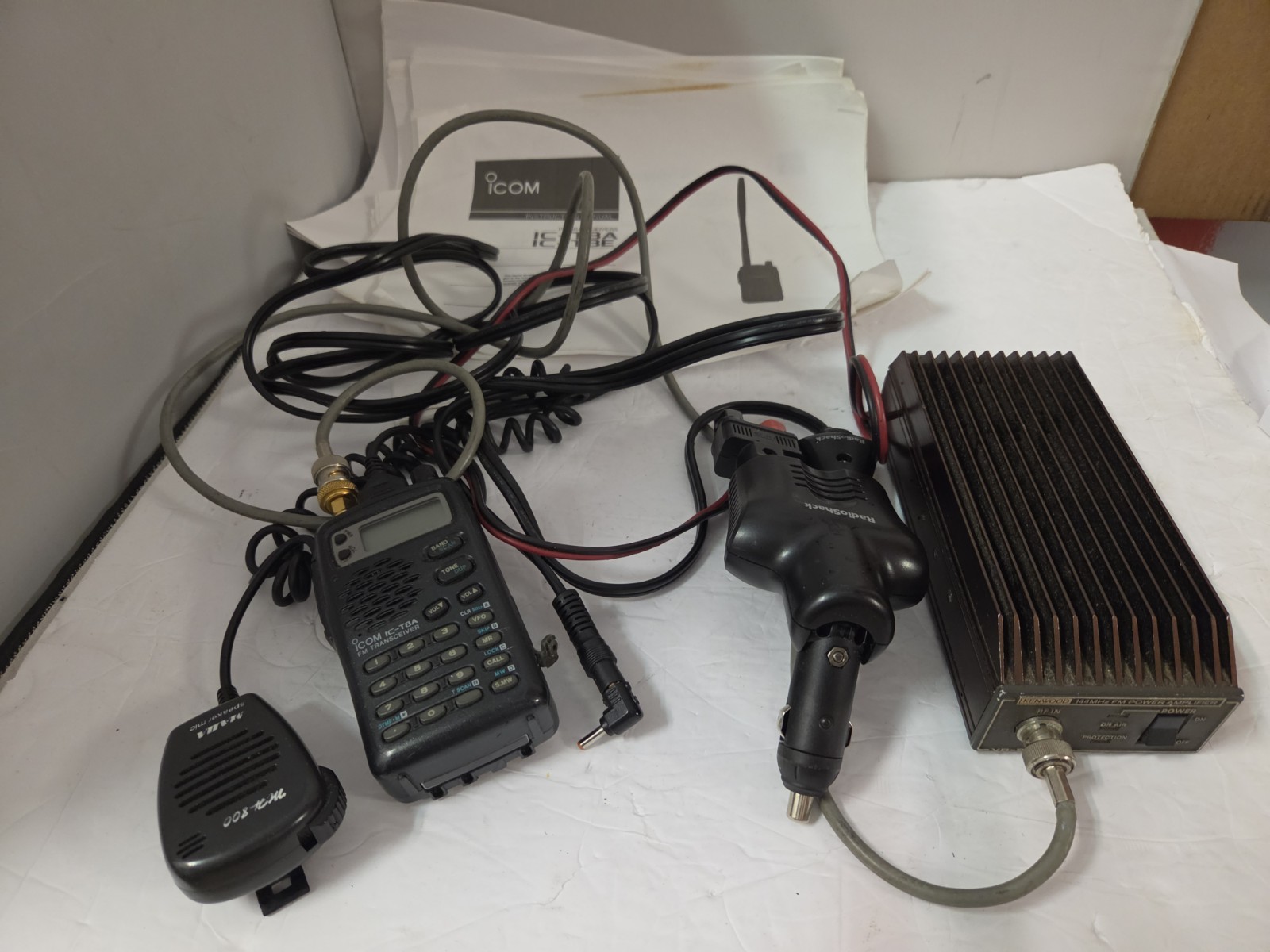
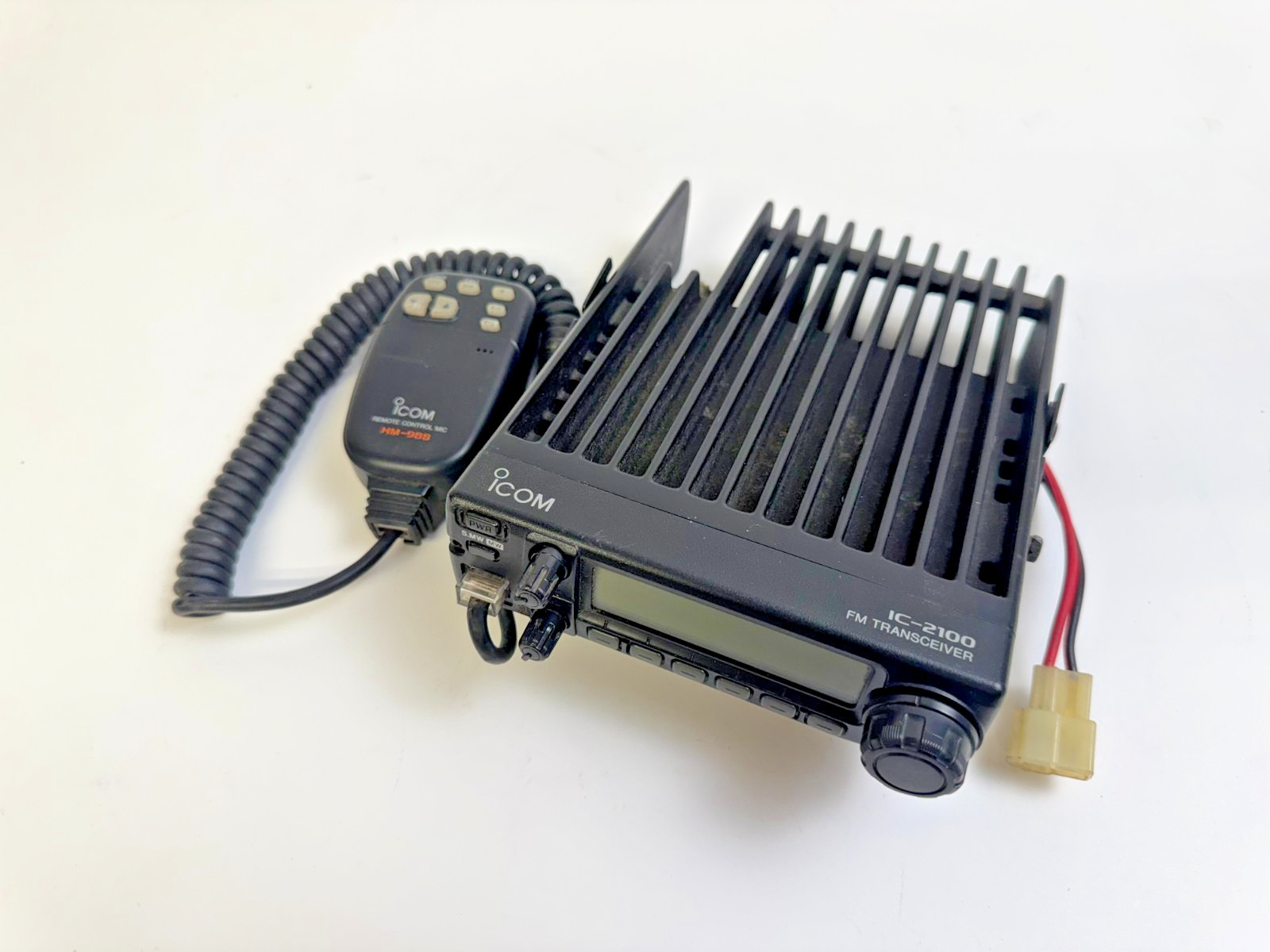
Photos from current listings. Actual item, color, and included accessories may vary.
Icom Ic 905 Buying Guide
The Icom IC-905 is a VHF/UHF/SHF all-mode transceiver covering 144, 430, 1200, 2400, and 5600 MHz (plus 10 GHz with the optional CX-10G unit), built for weak-signal and microwave experimentation. Its defining trade-off is that SHF coverage demands a separate antenna system and line-loss discipline per band, so the radio is only as good as the feedline and antennas you pair with it. Buy it if you specifically need 2.4/5.6 GHz all-mode capability in one chassis; skip it if your operating is HF-centric or you only need 2 m/70 cm FM.
Median $99.95
Key takeaways
- Covers 144/430/1200/2400/5600 MHz all-mode (SSB/CW/FM/AM) plus optional 10 GHz via the CX-10G transverter unit.
- SHF bands (2.4/5.6 GHz) use dedicated N-type antenna ports; 144/430 MHz use standard SO-239, so each band needs its own feedline.
- Direct-sampling SDR architecture with a 100 kHz–6 GHz receiver range gives wideband spectrum viewing and waterfall display.
At a glance
- Category
- Ham Radio Transceivers
- Last updated
- Nov 24, 2026
Current offers
Highlights
- Covers 144/430/1200/2400/5600 MHz all-mode (SSB/CW/FM/AM) plus optional 10 GHz via the CX-10G transverter unit.
- SHF bands (2.4/5.6 GHz) use dedicated N-type antenna ports; 144/430 MHz use standard SO-239, so each band needs its own feedline.
- Direct-sampling SDR architecture with a 100 kHz–6 GHz receiver range gives wideband spectrum viewing and waterfall display.
- Compact modular chassis with a separate control head; the RF deck can be mounted at the antenna mast to cut feedline loss on SHF.
Best use cases
- Best fit: weak-signal VHF/UHF/SHF operators chasing 2.4 and 5.6 GHz SSB/CW — pick the CX-10G option only if you already have 10 GHz gear and a dish.
- Best fit: microwave experimenters who want one SDR chassis for 1.2–5.6 GHz — budget for low-loss coax (LMR-400 or hardline) and N connectors on every SHF run.
- Wrong fit: HF-only operators or 2 m/70 cm FM repeater users — a dual-band mobile or HF+6 m rig delivers more useful power per dollar.
- Wrong fit: buyers expecting 100 W output — the IC-905 runs QRP-level power on SHF, so it suits short-range or high-gain antenna setups, not barefoot long-haul.
Buying tips
- Confirm the CX-10G 10 GHz unit is included or budgeted separately — the base IC-905 stops at 5.6 GHz without it.
- Plan one feedline per band: 144/430 MHz on SO-239, 1.2/2.4/5.6 GHz on N-type; mixing them with adapters adds loss and mismatch.
- Use LMR-400 or 1/2-inch hardline for runs over 10 m at 2.4 GHz; RG-58 is unusable at 5.6 GHz beyond a few meters.
- Match antennas to each band's polarization and gain: vertical for FM, horizontal Yagi or dish for SSB/CW weak-signal work.
Specs
| Frequency Coverage | 144/430/1200/2400/5600 MHz |
|---|---|
| 10 GHz Option | CX-10G transverter required |
| Modes | SSB/CW/FM/AM all-mode |
| Antenna Ports | SO-239 (V/UHF) + N-type (SHF) |
Related searches
What to check before buying
- Measure your mast-to-shack run and choose coax with under 3 dB loss at 5.6 GHz (hardline or LMR-400 max ~5 m).
- Verify your station power supply delivers 13.8 V DC at the IC-905's rated current draw with headroom for accessories.
- Confirm you have N-type connectors and a 2.4/5.6 GHz antenna (or dish feed) before the radio arrives — SMA/SO-239 adapters degrade SHF.
- Check local regulations for 2.4/5.6 GHz transmit privileges; these bands are shared with Wi-Fi and ISM devices in many countries.
FAQ
Data sources: eBay / Amazon listings and product attribute feeds. Updated Nov 24, 2026.
Some links on this page are affiliate links. If you buy after clicking one, we may earn a commission at no extra cost to you. This does not change which products appear here or their order. Affiliate disclosure.