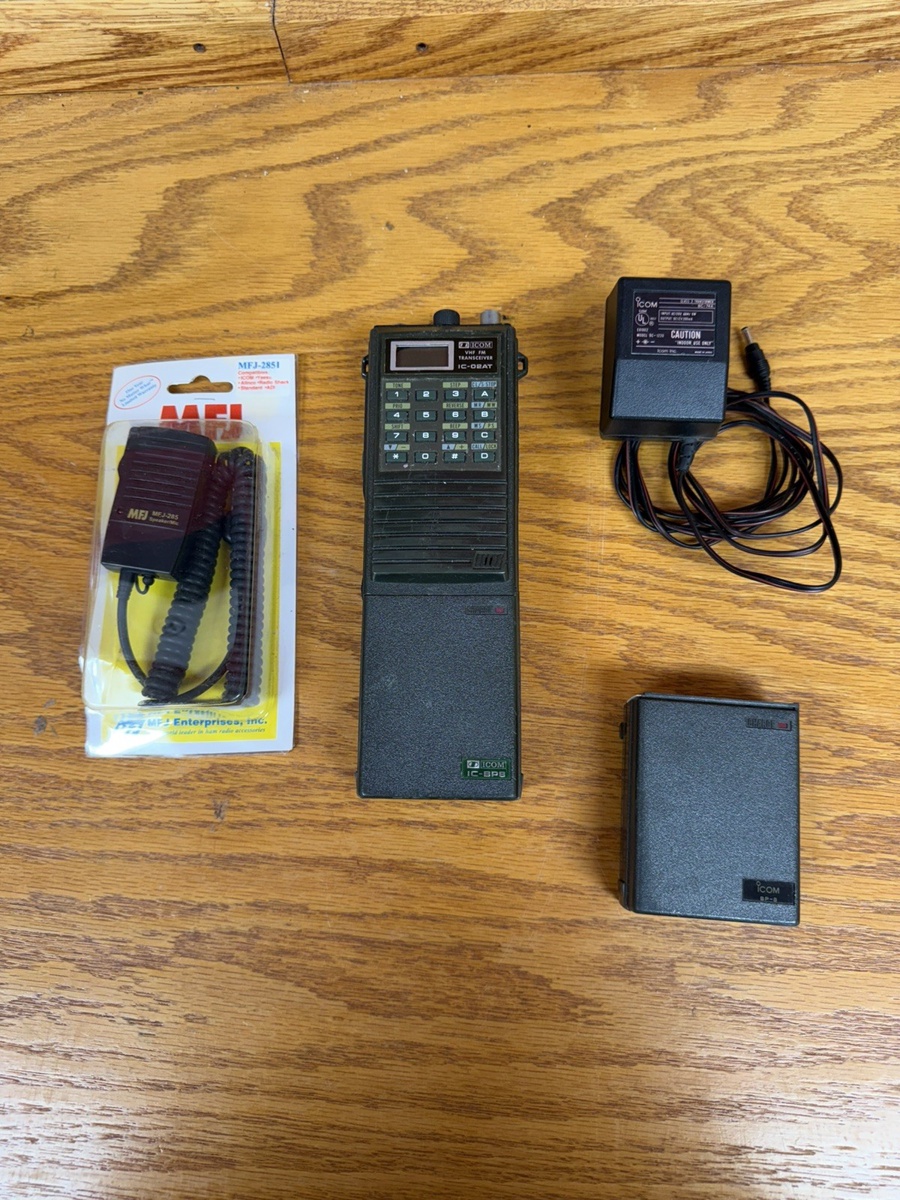

Photos from current listings. Actual item, color, and included accessories may vary.
Ham Handheld Transceiver Buying Guide
A ham handheld transceiver is a battery-powered, antenna-equipped VHF/UHF FM or multi-mode radio for licensed amateur use, where the core trade-off is front-end selectivity and power efficiency versus feature density and band coverage. Durable options start with genuine amateur-grade front ends and standard battery chemistries, while compromises show up as wideband receive-only coverage, non-standard cells, or single-band mono designs. The decision rule: match band coverage and power tier to your license class and repeater access, then insist on a replaceable battery and standard antenna connector for long-term serviceability.
Median $115.00
Key takeaways
- Genuine amateur handhelds use narrowband FM front ends with 5 W max RF output on 2 m/70 cm; wideband receivers may hear more but transmit only where licensed.
- Tri-band models (144/220/430 MHz) add 1.25 m coverage but often drop to lower power or reduced sensitivity on the 220 MHz band versus dedicated mono-band rigs.
- Battery architecture splits into proprietary Li-ion packs (higher energy density, model-locked) and AA-cell trays or standard packs (field-serviceable, lower runtime).
At a glance
- Category
- Ham Radio Transceivers
- Last updated
- Nov 28, 2026
Current offers
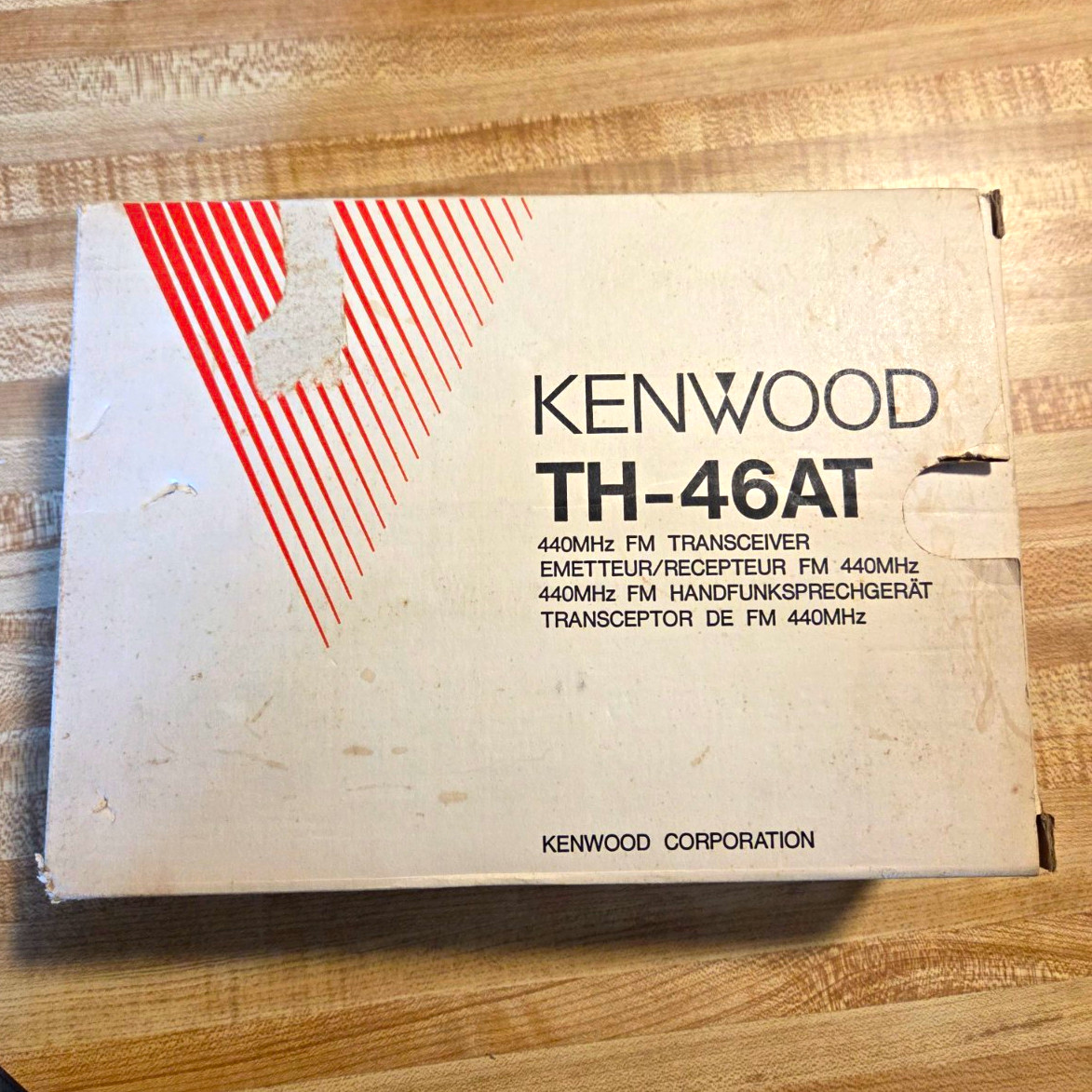
Highlights
- Genuine amateur handhelds use narrowband FM front ends with 5 W max RF output on 2 m/70 cm; wideband receivers may hear more but transmit only where licensed.
- Tri-band models (144/220/430 MHz) add 1.25 m coverage but often drop to lower power or reduced sensitivity on the 220 MHz band versus dedicated mono-band rigs.
- Battery architecture splits into proprietary Li-ion packs (higher energy density, model-locked) and AA-cell trays or standard packs (field-serviceable, lower runtime).
- Antenna connector type (SMA vs BNC) and waterproof rating (IPX5/IPX7) determine whether the radio survives field use and accepts third-party gain antennas.
Best use cases
- Best fit: local repeater and simplex voice on 2 m/70 cm — choose a mono-band or dual-band 5 W FM handheld with a replaceable Li-ion pack and SMA antenna.
- Wrong fit: expecting GMRS/FRS or MURS legal transmit out of the box — those require certified Part 95 radios, not modified amateur handhelds.
- Best fit: multi-band monitoring plus amateur transmit — a tri-band model with wideband receive is right, but skip it if you only need 2 m/70 cm and want maximum battery life.
- Wrong fit: long-duration emergency or off-grid use without spare cells — skip proprietary-only battery models and pick one with an AA tray or standard pack.
Buying tips
- Confirm the radio is a genuine amateur transceiver with 5 W RF output and a narrowband FM front end; wideband-only receivers cannot transmit on amateur bands.
- For tri-band shopping, check specified power per band — 220 MHz sections often run lower wattage, so verify before assuming equal coverage.
- Match battery chemistry to your use: Li-ion packs give the best runtime-to-weight, but AA trays or standard cells are the only field-replaceable option without a charger.
- Verify antenna connector (SMA female/male or BNC) and included antenna before buying third-party gain antennas; adapters add loss and strain.
Specs
| Band Coverage | 2m/70cm dual vs 144/220/430 tri |
|---|---|
| RF Output | 5 W max (often lower on 220 MHz) |
| Battery Type | Li-ion pack vs AA tray / standard cells |
| Antenna Connector | SMA vs BNC, IPX5/IPX7 rated |
Related searches
What to check before buying
- Measure your operating environment: repeater distance and terrain determine whether 5 W with a stock antenna suffices or a gain antenna and higher-power mobile is needed.
- Check battery and charger voltage/plug standard for your region — US models ship 120 V chargers; confirm 100–240 V or 12 V DC charging if you travel.
- Verify you have the required license (Technician or higher) and that the radio transmits on your licensed bands; receive-only wideband coverage is not a substitute.
- Confirm companion parts: programming cable and software, spare battery or AA tray, and a compatible antenna mount before relying on the radio in the field.
FAQ
Data sources: eBay / Amazon listings and product attribute feeds. Updated Nov 28, 2026.
Some links on this page are affiliate links. If you buy after clicking one, we may earn a commission at no extra cost to you. This does not change which products appear here or their order. Affiliate disclosure.