
Photos from current listings. Actual item, color, and included accessories may vary.
2 Meter Radio Buying Guide
2-meter radios are VHF amateur transceivers operating on the 144–148 MHz band, split into handheld, mobile, and base architectures with a hard trade-off between RF output power, receive sensitivity, and portability. The decisive rule: buy a modern synthesized rig with CTCSS, 5+ watts on handhelds or 25+ watts on mobiles, and a proper antenna connector, rather than legacy crystal-era or worn vintage units with no tone support.
Median $70.00
Key takeaways
- RF output tiers define range: handhelds run 1–7 W, mobiles 25–75 W, base stations 50–100 W; doubling power only adds ~3 dB, so antenna gain and height matter more than wattage.
- Channel spacing and tone control are non-negotiable: 2 m uses 5 kHz steps with 12.5 kHz narrowband option, and CTCSS (PL) tones in 67–254.1 Hz are required to access most repeaters.
- Modern rigs use frequency synthesis with memory channels and alpha tags; older units like the Kenwood TR-7800 or Icom IC-02AT rely on limited memories and no digital modes.
At a glance
- Category
- Ham Radio Transceivers
- Last updated
- Nov 24, 2026
Current offers
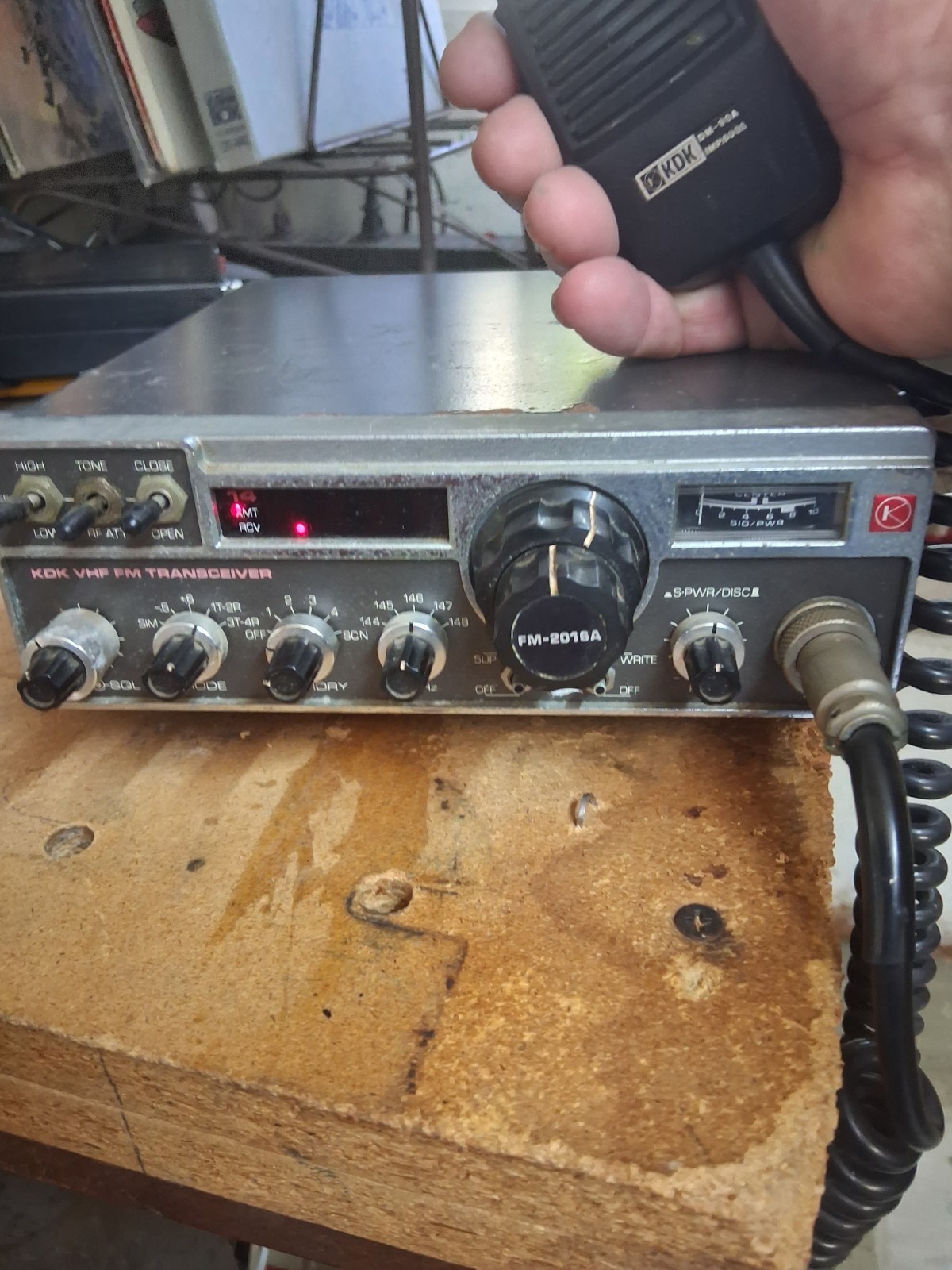 KDK FM-2016A 2-meter Transceiver.$32.00View on eBay
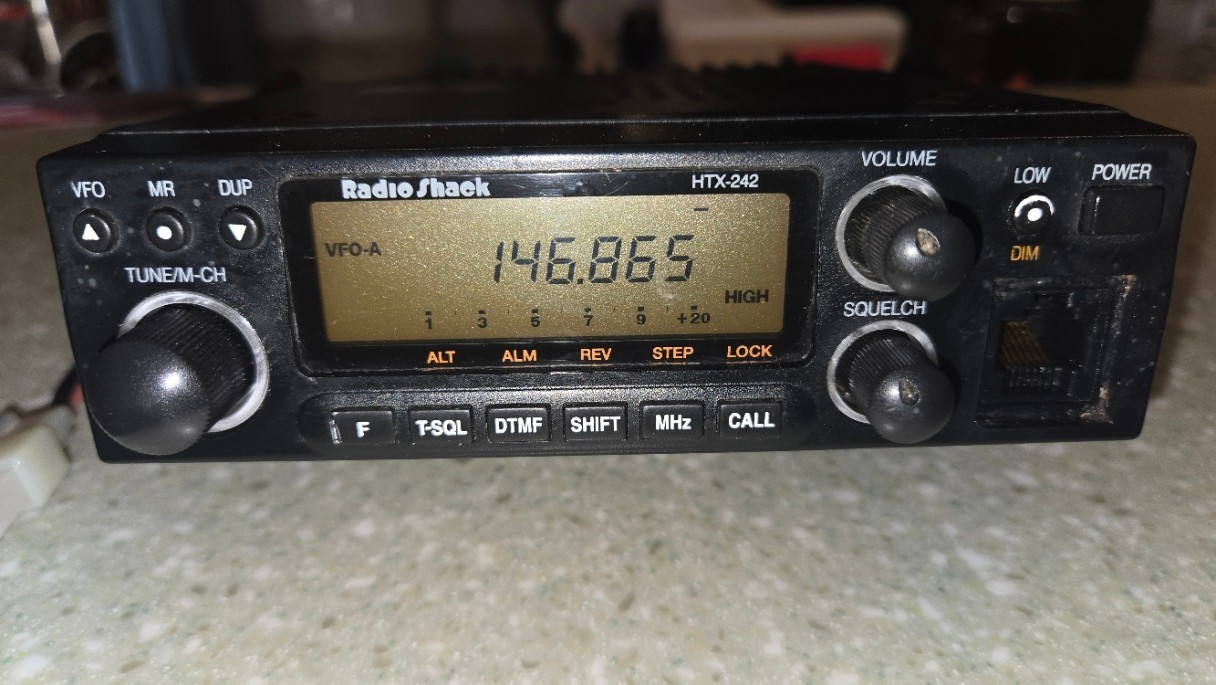 Radio Shack Realistic HTX 242 - 2 Meter Ham (Radio Only) - Tested Working$45.00View on eBay
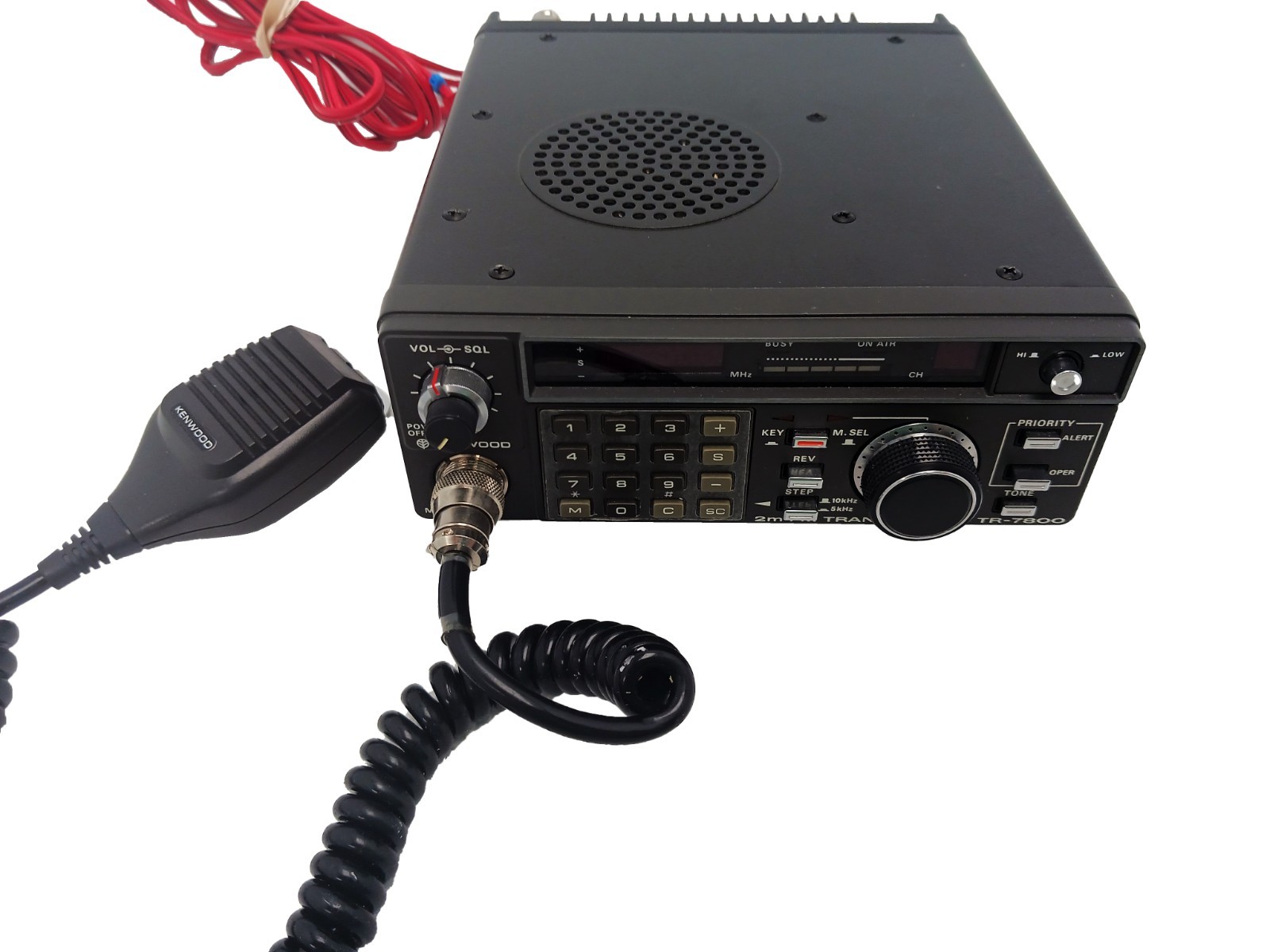 Kenwood TR-7800 2 meter FM Mobile Amateur Transceiver Ham Radio - WORKS$59.99View on eBay
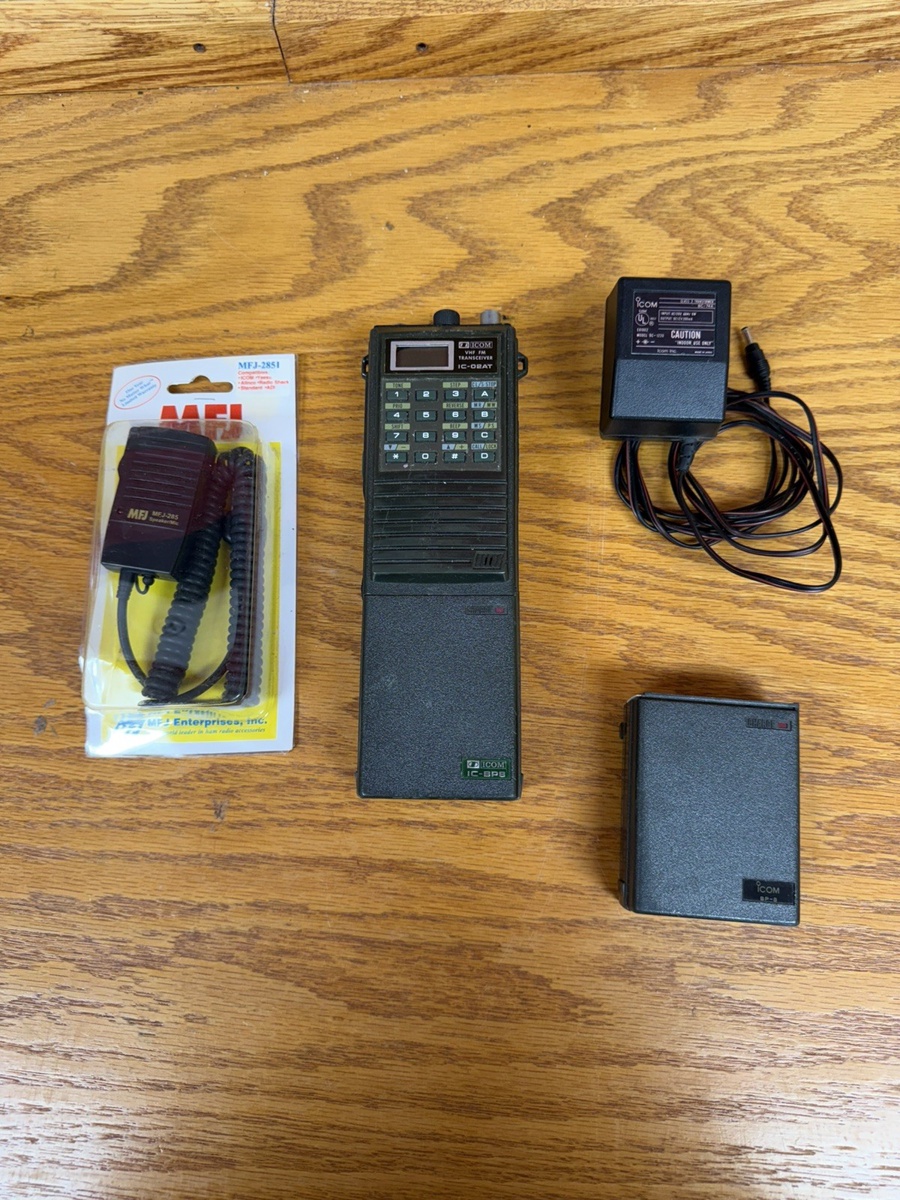 Icom IC-02AT 5 Watt 2 Meter VHF FM Amateur/Ham Radio Handheld Transceiver$80.00View on eBay
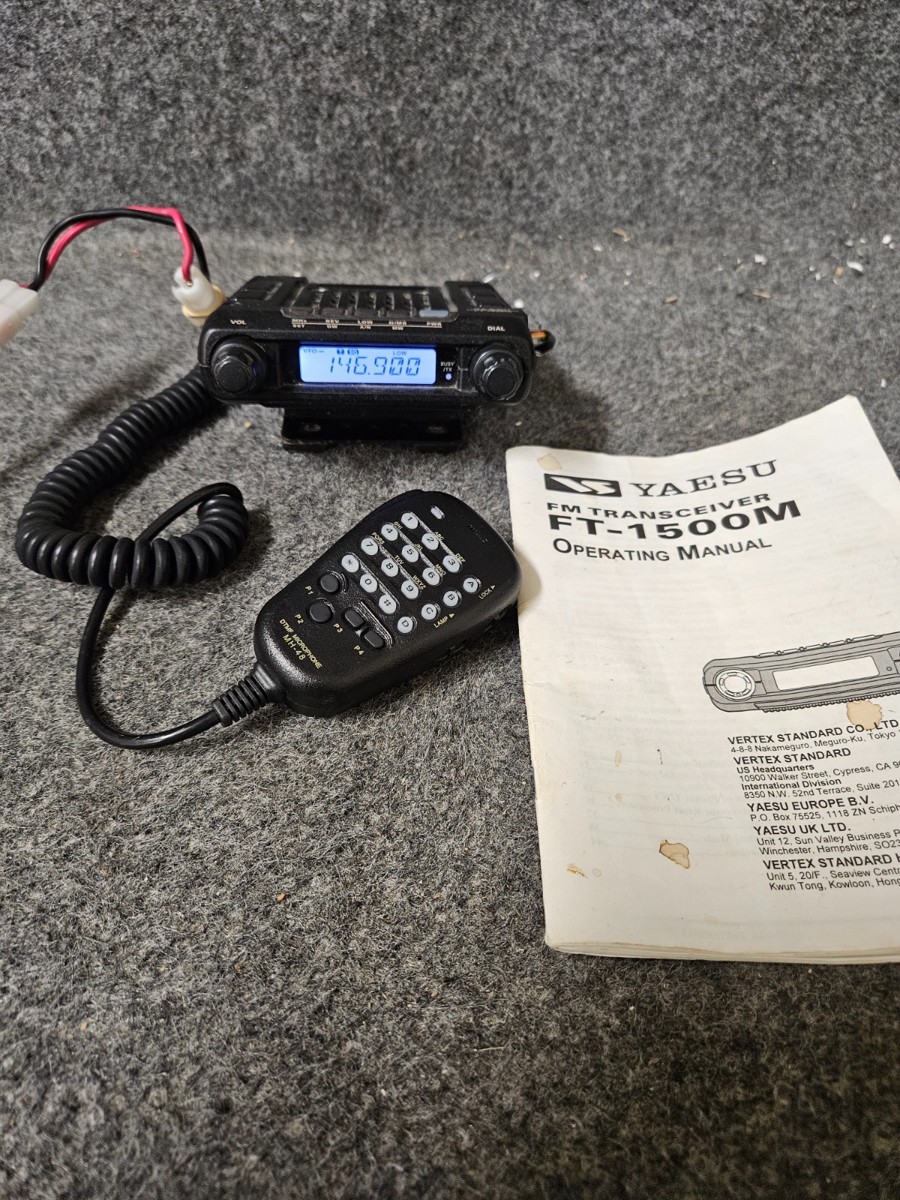 Yaesu FT-1500M FM Transceiver Ham Radio Black 2-Meter Mobile VHF Radio w/ mic$149.95View on eBay
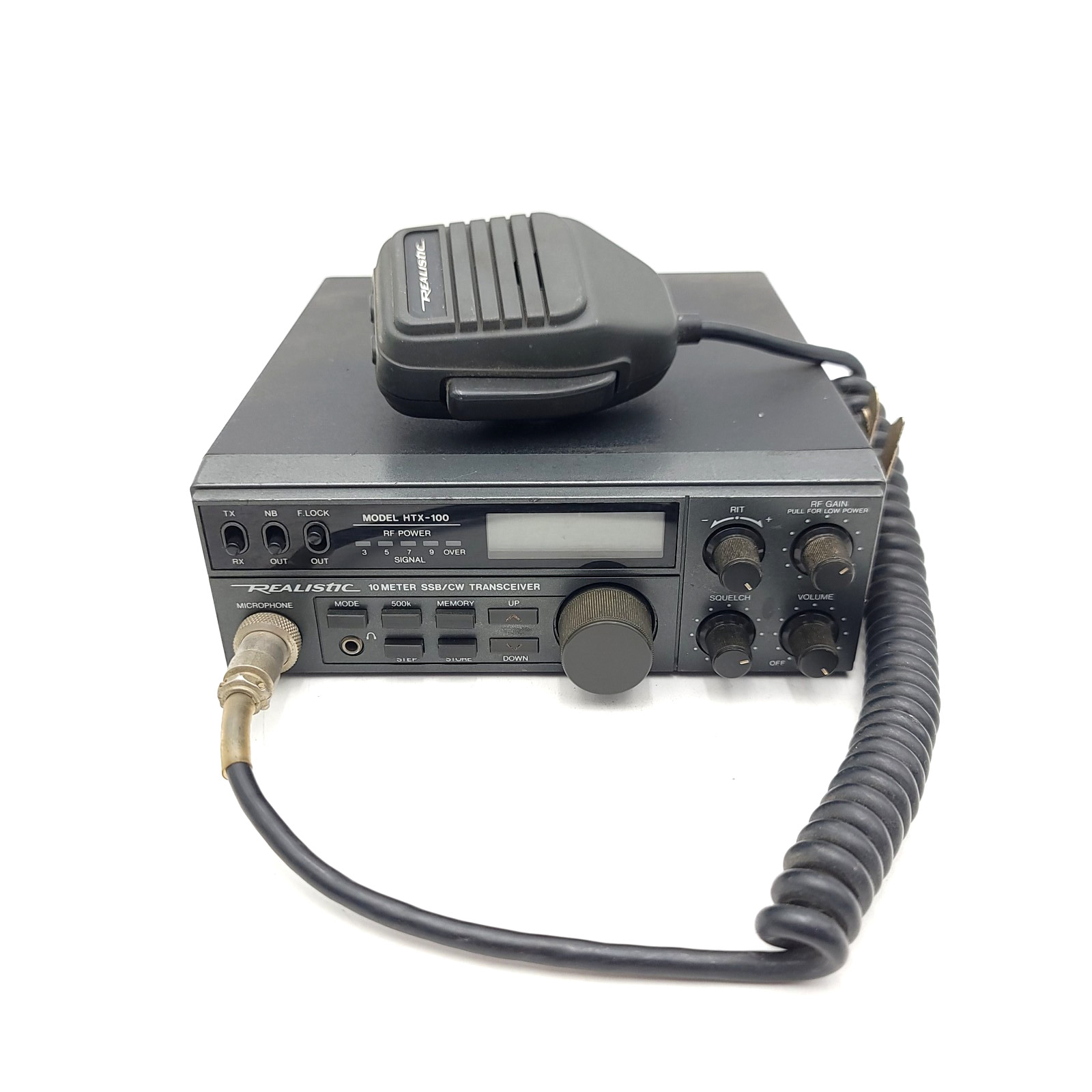 Realistic HTX-100 10 Meter SSB/CW Amateur Ham Mobile Radio Transceiver w/ Mic$162.80View on eBay
Highlights
- RF output tiers define range: handhelds run 1–7 W, mobiles 25–75 W, base stations 50–100 W; doubling power only adds ~3 dB, so antenna gain and height matter more than wattage.
- Channel spacing and tone control are non-negotiable: 2 m uses 5 kHz steps with 12.5 kHz narrowband option, and CTCSS (PL) tones in 67–254.1 Hz are required to access most repeaters.
- Modern rigs use frequency synthesis with memory channels and alpha tags; older units like the Kenwood TR-7800 or Icom IC-02AT rely on limited memories and no digital modes.
- Antenna connector standard is SO-239 (UHF) on mobiles and BNC or SMA on handhelds; mismatched connectors need adapters, and missing rubber duck antennas make handhelds deaf.
Best use cases
- Best fit handheld: local repeater and simplex talk within a few miles—pick a 5 W dual-band or 2 m handheld with CTCSS and a removable SMA antenna; skip 1 W toy-grade or antenna-less units.
- Best fit mobile: car or base with a rooftop or trunk-lip antenna—choose a 25–50 W mobile like the Yaesu FT-1500M class with SO-239 output and 12 V DC input; skip handhelds used as mobiles without external antenna.
- Best fit base/emergency: fixed station with power supply and outdoor antenna—select a 50 W+ base or mobile-in-base configuration; skip vintage crystal radios with no tone support for repeater use.
- Wrong fit: long-range simplex or digital modes on a basic analog 2 m rig—you need a dual-band or digital (C4FM/D-STAR/DMR) transceiver, not a single-band analog unit.
Buying tips
- Match power to use: 5 W handheld for walking, 25–50 W mobile for vehicle, 50 W+ base; each 3 dB step (doubling power) yields marginal range gain compared to antenna height.
- Confirm CTCSS encode/decode is built in—repeater access requires tones in 67–254.1 Hz; rigs without tone boards need add-on modules or cannot key most repeaters.
- Check antenna connector and included accessories: SO-239 on mobiles, BNC/SMA on handhelds; a radio sold 'radio only' without mic, power cable, or antenna adds real cost.
- Favor synthesized tuning with at least 10 memory channels over crystal or limited-memory vintage units; modern rigs cover 144–148 MHz continuously and support narrowband FM.
Specs
| Radio Type | Handheld / Mobile / Base |
|---|---|
| RF Power | 5 W HT / 25-75 W mobile |
| Tone Support | CTCSS 67-254.1 Hz |
| Antenna Connector | SO-239 / BNC / SMA |
Related searches
What to check before buying
- Measure your vehicle or shack for a 12 V DC power source and fuse rating: mobiles draw 8–15 A at full power, so wire gauge and fuse size must match.
- Verify antenna mounting space and coax run: rooftop or trunk-lip mount with SO-239 and low-loss coax (RG-58 or better) before choosing radio power tier.
- For handhelds, confirm battery chemistry and charger voltage: NiMH or Li-ion packs with 100–240 V or 12 V chargers, plus a spare battery for field use.
- Check local repeater tone and offset standards (typically 600 kHz offset on 2 m) and ensure the radio supports the required CTCSS tones and 5 kHz steps.
FAQ
Data sources: eBay / Amazon listings and product attribute feeds. Updated Nov 24, 2026.
Some links on this page are affiliate links. If you buy after clicking one, we may earn a commission at no extra cost to you. This does not change which products appear here or their order. Affiliate disclosure.