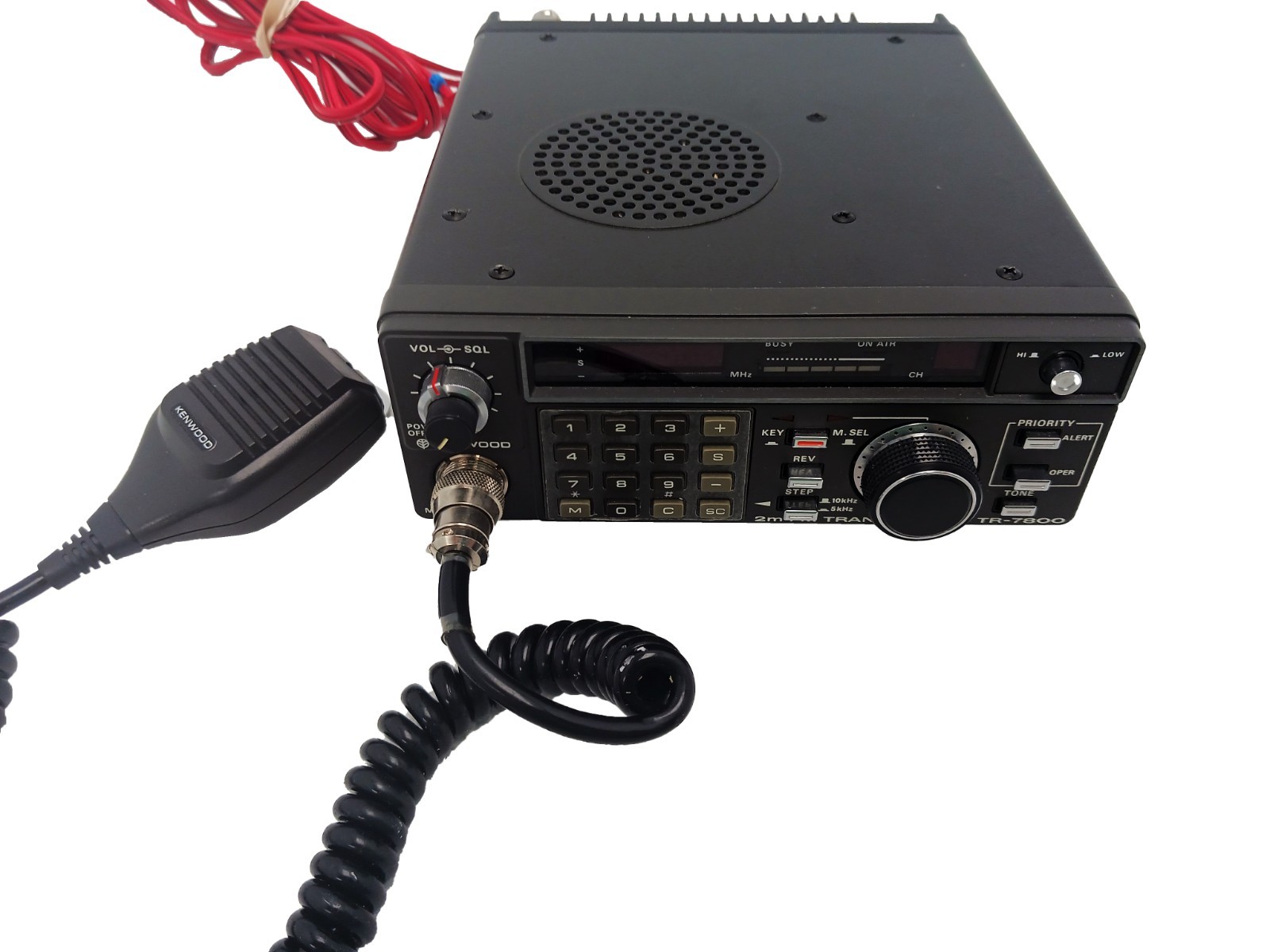

Photos from current listings. Actual item, color, and included accessories may vary.
2 Meter Mobile Radio Buying Guide
A 2 meter mobile radio is a VHF (144-148 MHz) FM transceiver designed for vehicle or base-station use, typically running 25-75 watts into a 50-ohm coax-fed vertical antenna. The core trade-off is RF output and receiver front-end quality versus mounting space, power wiring, and whether you need 70cm coverage in the same chassis. Durable options use a heatsinked die-cast chassis with SO-239 output and standard 13.8 VDC input; compromise units cut receiver filtering or use low-grade finals that drift and desense in dense RF environments.
Median $149.95
Key takeaways
- RF output tiers: 25 W economy mobiles, 50 W mid-tier, and 75 W flagship VHF mobiles—roughly double the talk range per 6 dB of gain, so 50 W vs 10 W matters on simplex.
- Single-band VHF (144-148 MHz) vs dual-band 2m/70cm (144-148 + 430-450 MHz) chassis; dual-band requires a duplexer or dual-band antenna and roughly doubles usable repeater access.
- Standard mobile power is 13.8 VDC negative ground via fused cable; low-tier radios draw ~8-12 A at full power, so 12 AWG minimum and a 15 A fuse are baseline.
At a glance
- Category
- Ham Radio Transceivers
- Last updated
- Nov 24, 2026
Current offers
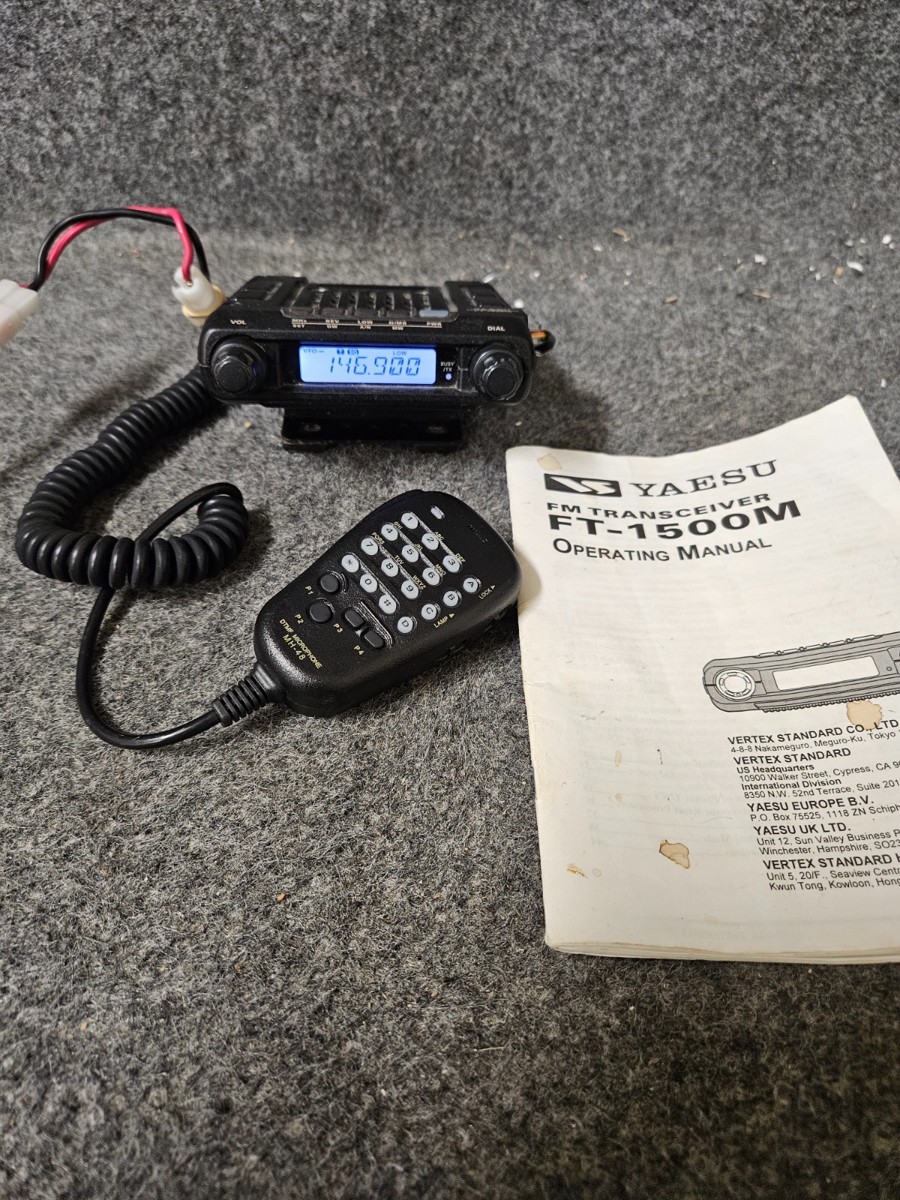
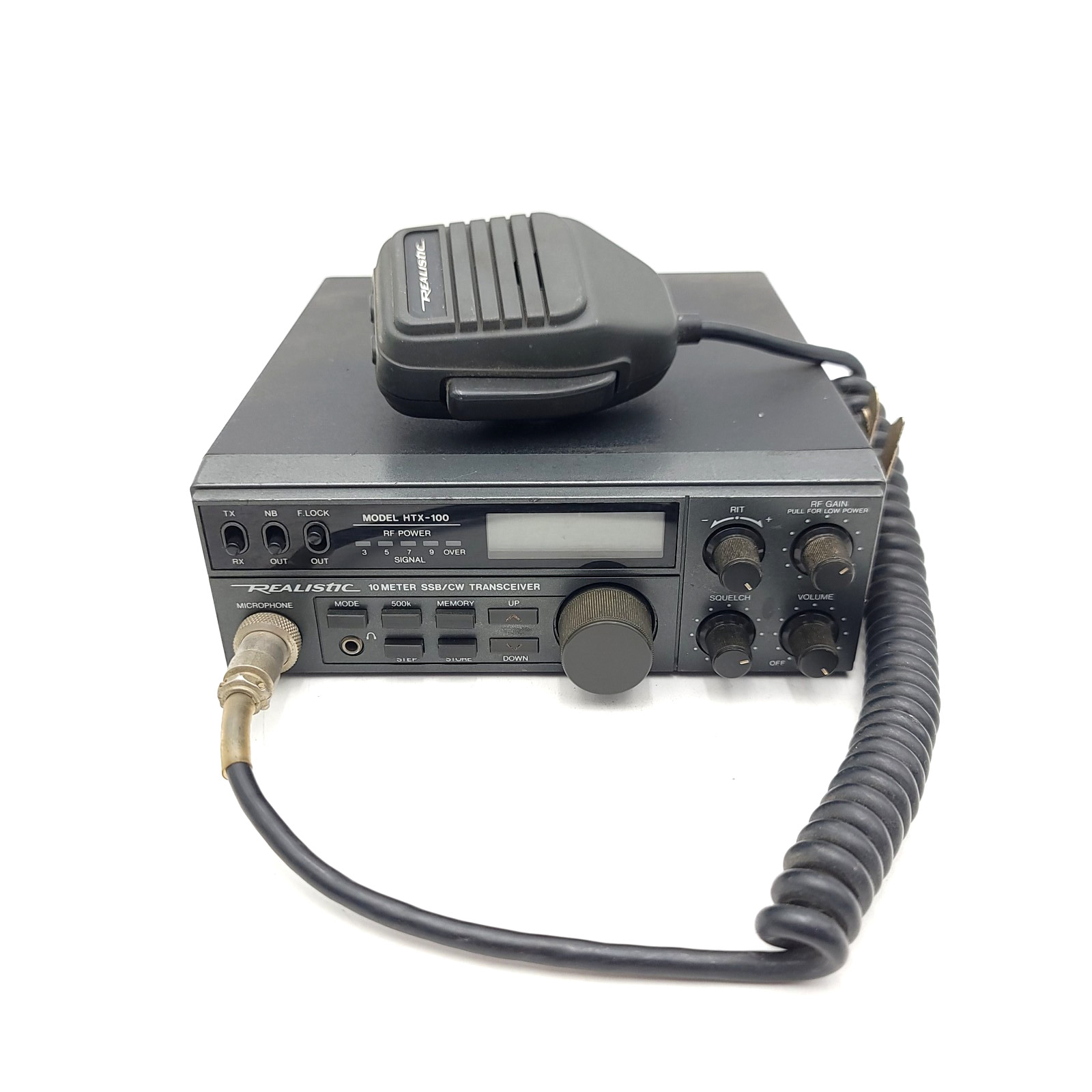
Highlights
- RF output tiers: 25 W economy mobiles, 50 W mid-tier, and 75 W flagship VHF mobiles—roughly double the talk range per 6 dB of gain, so 50 W vs 10 W matters on simplex.
- Single-band VHF (144-148 MHz) vs dual-band 2m/70cm (144-148 + 430-450 MHz) chassis; dual-band requires a duplexer or dual-band antenna and roughly doubles usable repeater access.
- Standard mobile power is 13.8 VDC negative ground via fused cable; low-tier radios draw ~8-12 A at full power, so 12 AWG minimum and a 15 A fuse are baseline.
- Antenna connection is typically SO-239 (UHF female) on mobiles; NMO or UHF-mount verticals with 50-ohm coax and an SWR under 1.5:1 protect final transistors from heat failure.
Best use cases
- Best fit: simplex and local repeater work from a vehicle—choose a 50-75 W single-band VHF mobile with a heatsinked chassis and detachable front panel if dash space is tight.
- Best fit: repeater coverage across both bands—choose a dual-band 2m/70cm mobile, pair with a dual-band NMO antenna, and budget a duplexer only if using a single-band antenna.
- Wrong fit: base-station-only use—skip the mobile chassis and compact control head; a dedicated 13.8 V base supply and a higher-gain vertical deliver better performance per dollar.
- Wrong fit: handheld/portable operation—a 25 W mobile without a battery or carry case is not a substitute for an HT; skip unless you have a 13.8 V supply and fixed antenna.
Buying tips
- Match power to wiring: a 50 W mobile draws about 10-12 A, so use 12 AWG fused leads direct to the battery—never tap a cigarette-lighter socket for full output.
- Choose single-band VHF if all your repeaters are 2 m; choose 2m/70cm if you need 440 MHz access, and confirm the radio covers the 430-450 MHz range your local repeaters use.
- Insist on a die-cast heatsink chassis and SO-239 output; plastic-case mobiles with pigtail antennas overheat and desense on long transmissions.
- For tight installs, pick a detachable-front-panel model where the RF deck hides under a seat and only the control head mounts on the dash.
Specs
| Band Coverage | VHF 144-148 / dual 2m+70cm |
|---|---|
| RF Power Tier | 25 W / 50 W / 75 W |
| Antenna Connector | SO-239 (UHF female) |
| Power Input | 13.8 VDC neg ground, 8-12 A |
Related searches
What to check before buying
- Measure dash or under-seat mounting depth and confirm the radio body or detached RF deck fits with clearance for the heatsink and cable bends.
- Verify your vehicle is 12 V negative ground and plan a fused 12 AWG run to the battery with a 15 A fuse at the battery end.
- Confirm your antenna is 50-ohm, covers 144-148 MHz (and 430-450 MHz if dual-band), and check SWR under 1.5:1 before transmitting.
- Check you have a 13.8 VDC power supply rated at least 15 A if operating the mobile as a base station.
FAQ
Data sources: eBay / Amazon listings and product attribute feeds. Updated Nov 24, 2026.
Some links on this page are affiliate links. If you buy after clicking one, we may earn a commission at no extra cost to you. This does not change which products appear here or their order. Affiliate disclosure.