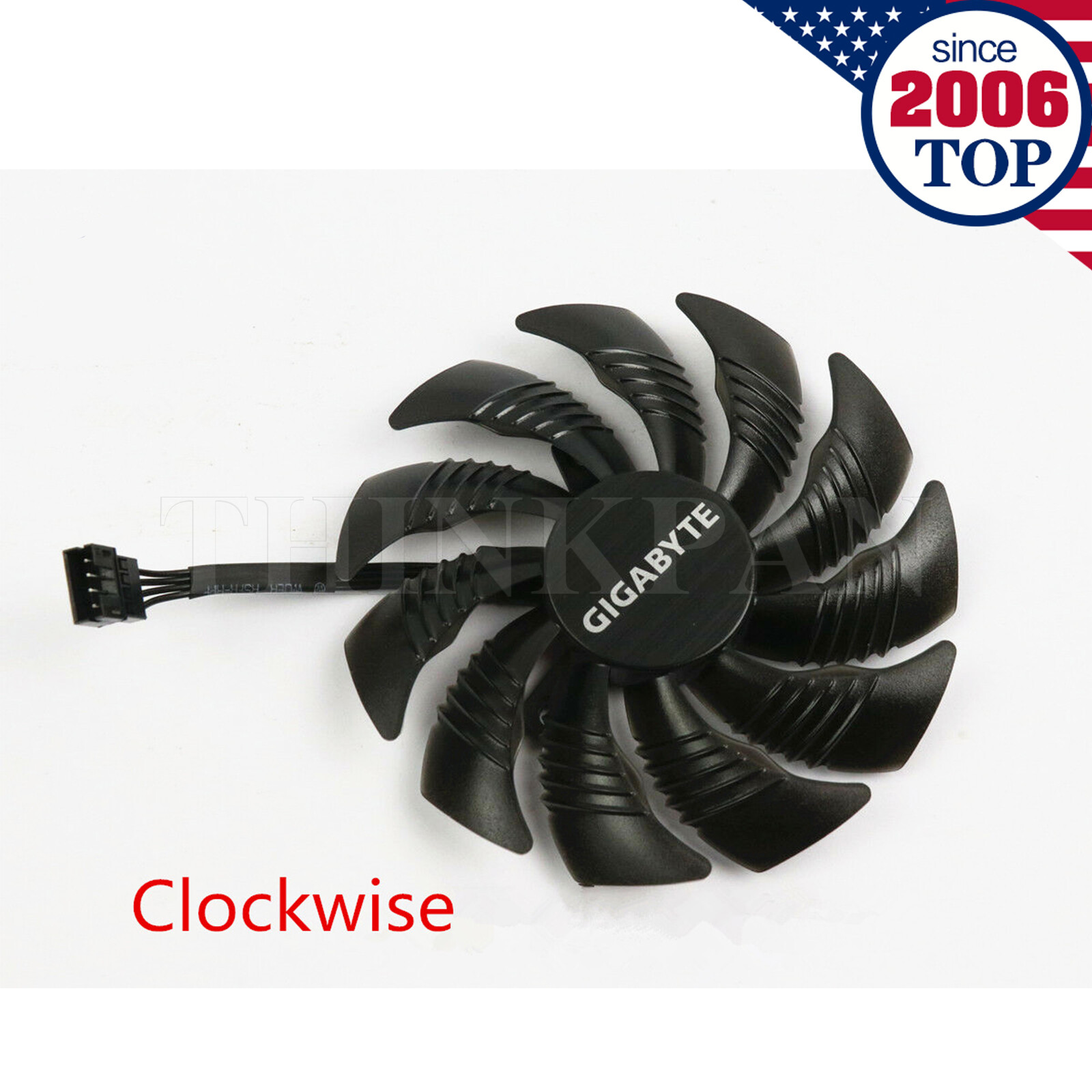

Photos from current listings. Actual item, color, and included accessories may vary.
1070 Graphics Card Buying Guide
Buying a GTX 1070 in today’s market means separating genuine 8GB Pascal cards from mining‑worn units and misleading listings. Focus on the card’s physical clearance, PSU requirements, and degradation signs rather than factory boost clocks that no longer reflect real‑world performance.
Memory:8GB GDDR5 / 256-bitTDP / Power:150W ref / 180W OC · 8-pinCard Length:240–300mm (model dependent)Display Outputs:DP 1.4 · HDMI 2.0b · DVI
Typical price range$8.99 – $316.59
Median $162.79
Key takeaways
- GTX 1070 uses the 16nm Pascal GP104 die with 1920 CUDA cores and 8GB GDDR5 on a 256‑bit bus, delivering roughly 6.5 TFLOPS FP32.
- Reference cards draw 150W via one 8‑pin PCIe connector; aftermarket OC models often use 6+8‑pin and demand a 500–650W PSU.
- Most GTX 1070 cards measure 240–300mm long and occupy two to two‑and‑a‑half slots, so small‑form‑factor cases need low‑profile or mini variants.
At a glance
- Category
- PC Graphics Cards
- Last updated
- Nov 23, 2026
Current offers
Highlights
- GTX 1070 uses the 16nm Pascal GP104 die with 1920 CUDA cores and 8GB GDDR5 on a 256‑bit bus, delivering roughly 6.5 TFLOPS FP32.
- Reference cards draw 150W via one 8‑pin PCIe connector; aftermarket OC models often use 6+8‑pin and demand a 500–650W PSU.
- Most GTX 1070 cards measure 240–300mm long and occupy two to two‑and‑a‑half slots, so small‑form‑factor cases need low‑profile or mini variants.
- Display outputs vary by model: reference has 1×DVI, 1×HDMI 2.0b, 3×DisplayPort 1.4; many aftermarket cards drop DVI and add a second HDMI.
Best use cases
- Best fit for 1080p 60–144Hz esports and older AAA titles at medium‑high settings — pick a dual‑fan aftermarket card with 8‑pin power and verified non‑mining history.
- Wrong fit for 1440p high‑refresh or ray‑tracing workloads; step up to an RTX 3060 Ti or RX 6700 XT instead of paying extra for a 1070 Ti.
- Best fit for budget SFF builds only if you choose a sub‑270mm mini variant; full‑length triple‑fan cards won’t clear most ITX chassis.
- Skip blower‑style 1070s for quiet living‑room HTPCs — the radial fan is louder under load and harder to service than dual‑axial designs.
Buying tips
- Prioritize 8GB models with dual‑fan cooling and a single 8‑pin connector for balanced thermals and PSU compatibility.
- Inspect for mining wear: darkened PCB near the VRM, replaced thermal pads, or fans with visible bearing play are red flags.
- Avoid cards sold without a backplate or with mismatched fan replacements — these often indicate prior teardown or cooling fan failures.
- Size the card against your case’s max GPU length and slot clearance before buying; 300mm triple‑fan models need a mid‑tower or larger.
Specs
| Memory | 8GB GDDR5 / 256-bit |
|---|---|
| TDP / Power | 150W ref / 180W OC · 8-pin |
| Card Length | 240–300mm (model dependent) |
| Display Outputs | DP 1.4 · HDMI 2.0b · DVI |
Related searches
What to check before buying
- Measure case GPU clearance (length, height, slot thickness) and confirm at least 25mm side‑panel gap for airflow.
- Verify PSU has a spare 8‑pin (or 6+8‑pin) PCIe cable and delivers at least 500W continuous with 40A on the 12V rail.
- Confirm monitor inputs match the card’s outputs — older 1440p monitors may need DVI or dual‑link adapters.
- Check motherboard PCIe slot version and physical clearance for backplate or heatpipe overhang near RAM or CPU cooler.
FAQ
Data sources: eBay / Amazon listings and product attribute feeds. Updated Nov 23, 2026.
Some links on this page are affiliate links. If you buy after clicking one, we may earn a commission at no extra cost to you. This does not change which products appear here or their order. Affiliate disclosure.